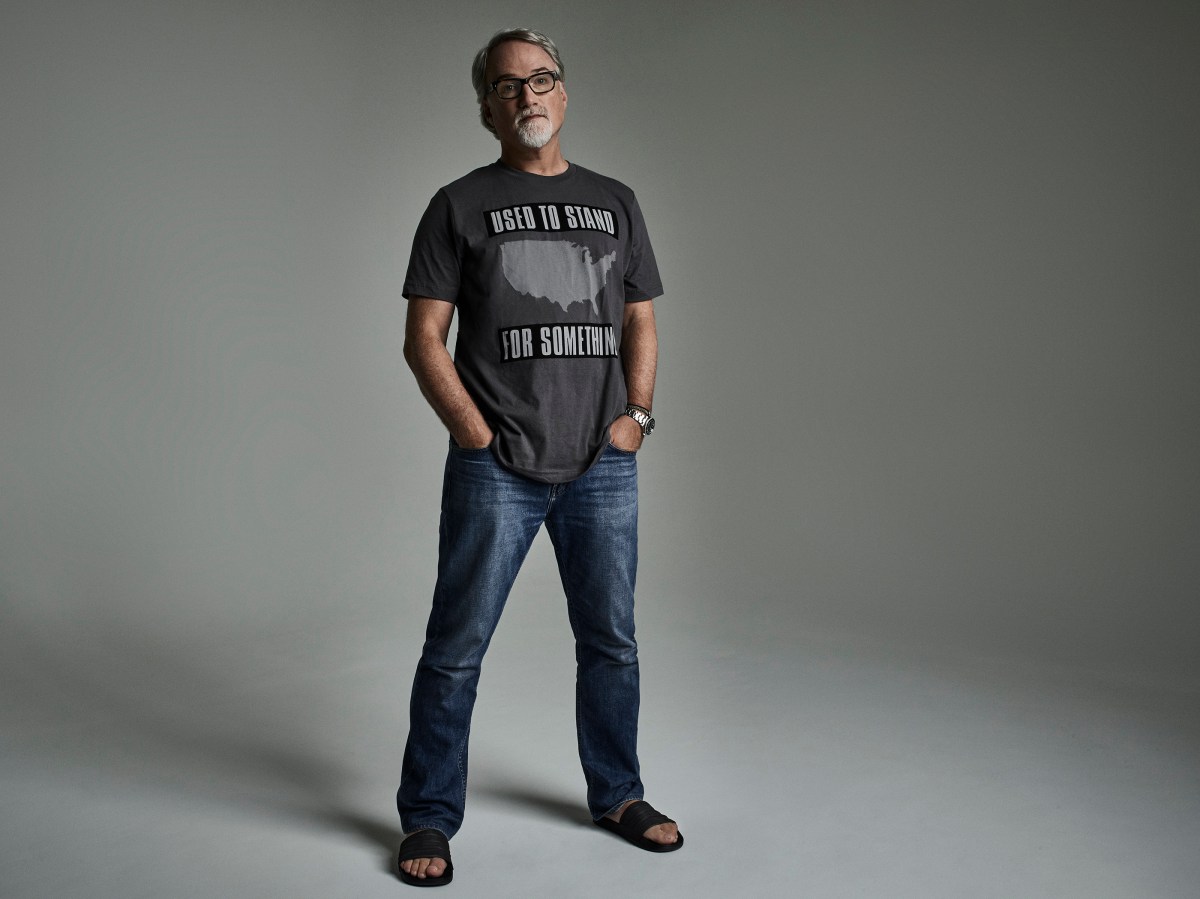
David Fincher: The Rolling Stone Interview

The boundary-pushing filmmaker behind ‘Mank’ reflects on his career, his journey into Hollywood’s past and the industry’s uncertain future

David Fear
January 12, 2021
Rolling Stone

When David Fincher sat down with Netflix executives in the spring of 2019, he did not expect to be handed the equivalent of a blank check. Sure, the 58-year-old filmmaker — a former music-video wunderkind best known for pushing the envelope with baroque serial-killer thrillers (Seven), toxic-masculinity satires (Fight Club) and social-media origin stories (The Social Network) — was a name-brand director, and had helped kick off the golden age of streaming with the outlet’s first original series, House of Cards. But Fincher was used to resistance. You can’t have this budget. You can’t tell that story. What do you mean, you’re doing a TV show, for a mail-order DVD company, and all the episodes come out at once?!

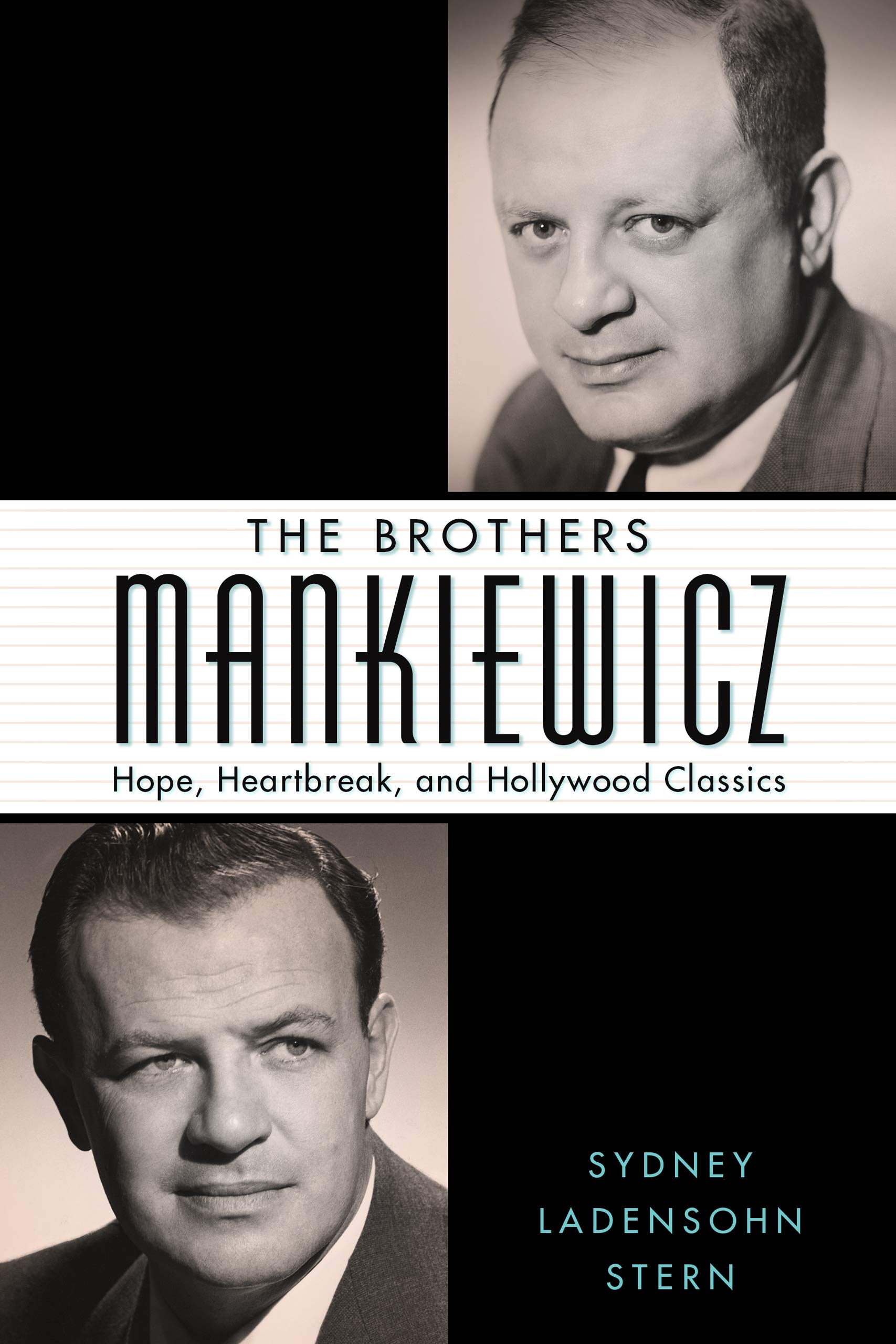
So when Fincher was told by his patrons at the company that they were interested in helping him make anything he wanted, he thought of a long-dormant labor of love: a script his late father, Jack Fincher, had written about the making of Citizen Kane. Not the tale of the brilliant director, producer, star and co-writer who, at a precociously young age, took Hollywood by storm with his rise-and-fall drama. This was the story of the alcoholic screenwriter who was hired to pen the script, originally titled American, and then inserted a personal grudge against the powers that be into the greatest movie of all time.

Fincher wanted to shoot it in black-and-white. He wanted to use a lot of old-fashioned stylistic nods to Hollywood movies of the ‘40s, as if the film had just been discovered in a vault after 80 years of gathering dust. Also it would involve an obscure chapter in California’s political history concerning Upton Sinclair’s 1934 run for governor and a disinformation campaign allegedly masterminded by studio execs. It was a shot in the dark. By his own admission, Fincher couldn’t believe it when Netflix said yes.

To see Mank, Fincher’s throwback ode to the Golden Age of Tinseltown USA, however, is to know why they did. Chronicling how the broken-down writer Herman J. Mankiewicz (played by Gary Oldman) helped permanently change film as an art form, his movie is an audacious, complicated, stylistically daring and thoroughly entertaining yarn — the kind of retro nod to a bygone era that makes you feel like you’ve injected a day’s worth of TCM programming into your veins. But it’s also a challenging drama about complicity, the price of speaking truth to power and the manipulation of modern media, which couldn’t make the film feel more urgent.

Over a two separate two-hour conversations from his home in Los Angeles, Fincher discussed bringing this tribute to his father (who died in 2003) to the screen, his reputation as a taskmaster on set, why he’s sorry Fight Club pissed off a fellow filmmaker, and more.

Read the full interview

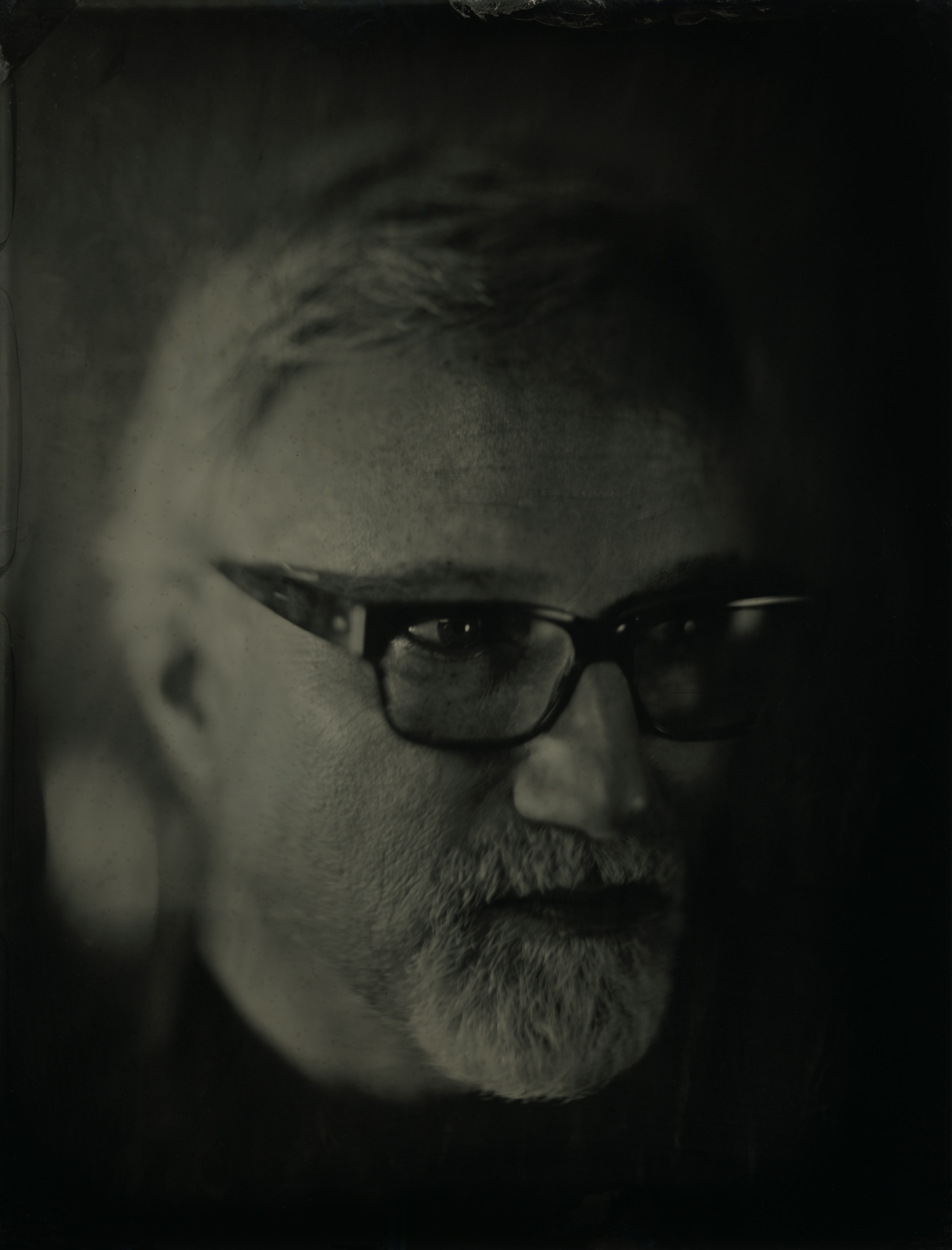
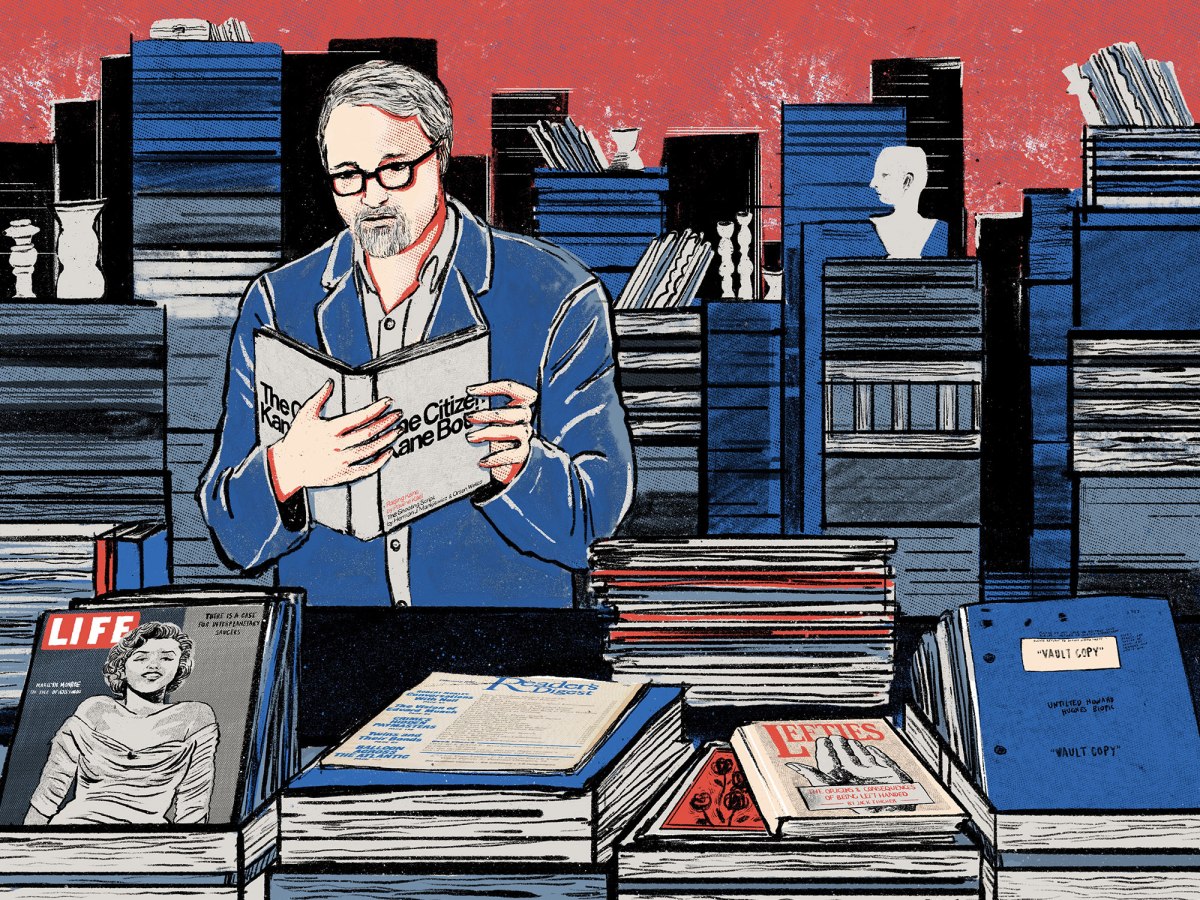
Wet plate ptotograph by Gary Oldman

Making of ‘Mank’: How David Fincher Pulled Off a Modern Movie Invoking Old Hollywood

The director had to employ digital advances to achieve a vintage aesthetic in telling the tale of ‘Citizen Kane’ screenwriter Herman Mankiewicz: “If we had done it 30  years ago, it might’ve been truly a bloodletting.”

Rebecca Keegan
January 11, 2021
The Hollywood Reporter

Screenwriter Herman Mankiewicz never sought credit for conceiving one of the all-time great ideas in the history of cinema — the notion that the Kansas scenes in The Wizard of Oz should be shot in black and white and the Oz scenes in color. In fact, for much of his career in Hollywood from the late 1920s to the early ’50s, Mankiewicz seemed to view his scripts with about as much a sense of ownership as a good zinger he had landed at a cocktail party.

But what fascinated David Fincher was that when it came time to assign credit on the screenplay for Citizen Kane, which Mankiewicz wrote with Orson Welles in 1940 (or without, depending on your perspective), the journeyman screenwriter suddenly and inexplicably began to care. Precisely why that happened is the subject of Fincher’s 11th feature film, Mank.

“I wasn’t interested in a posthumous guild arbitration,” Fincher says of Mank, which takes up the Citizen Kane authorship question reinvigorated by a 1971 Pauline Kael essay in The New Yorker. “What was of interest to me was, here’s a guy who had seemingly nothing but contempt for what he did for a living. And, on almost his way out the door, having burned most of the bridges that he could … something changed.”

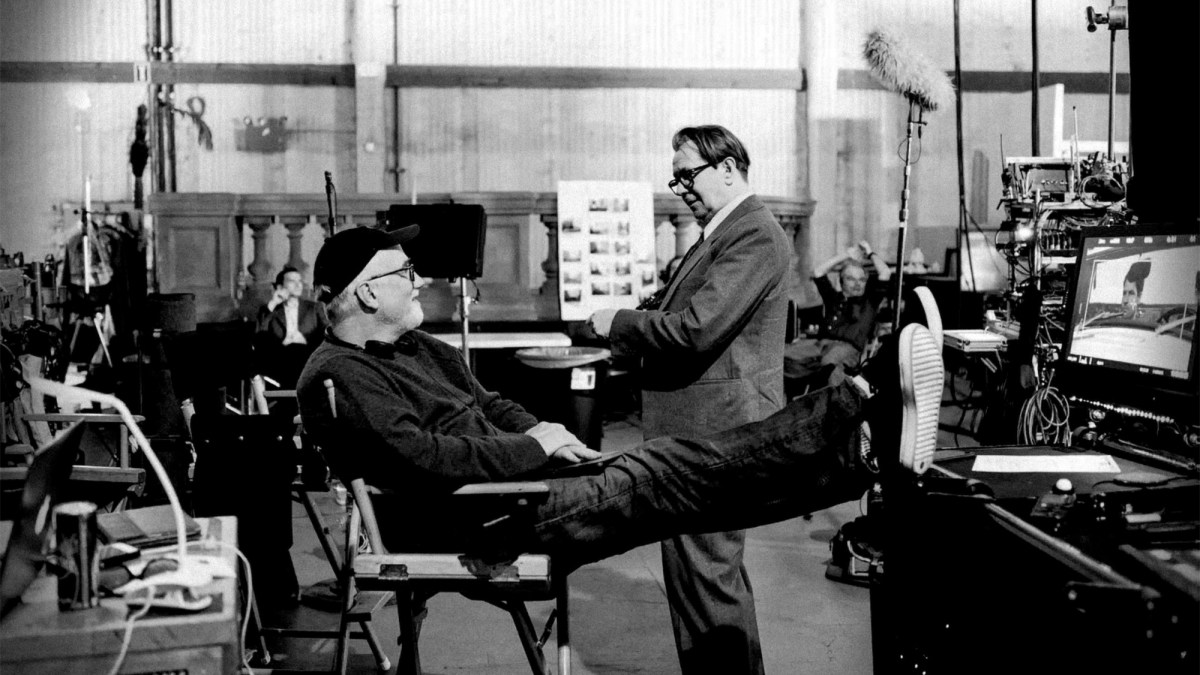
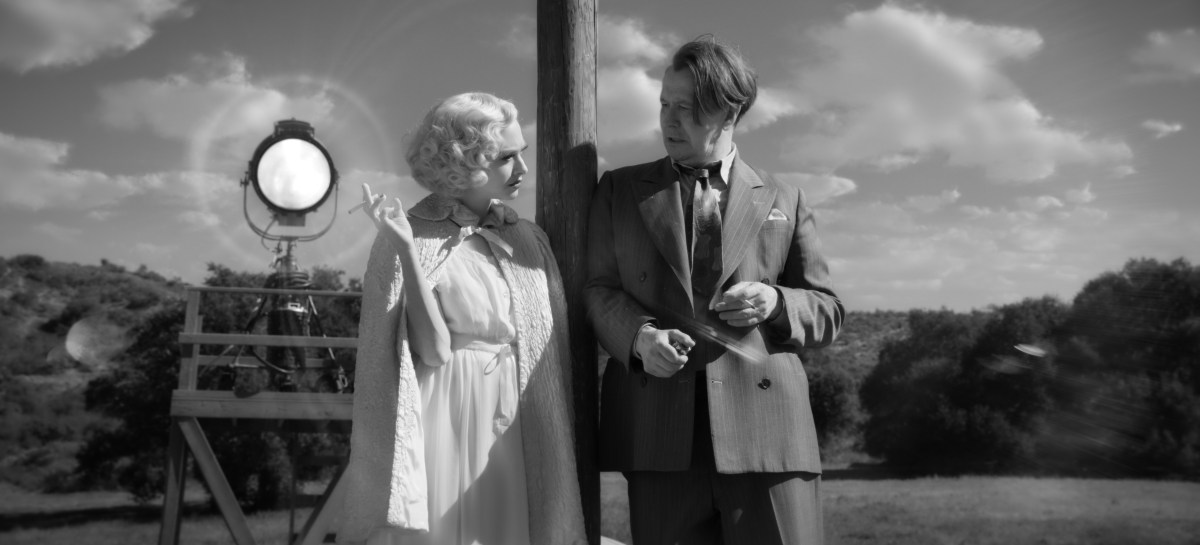
Shot in black and white and in the style of a 1930s movie, Mank toggles between Mankiewicz (Gary Oldman) writing the first draft of Citizen Kane from a remote house in the desert and flashback sequences of his life in Hollywood in the ’30s, including his friendship with newspaper tycoon William Randolph Hearst (Charles Dance), who inspired Citizen Kane, and Hearst’s mistress, actress Marion Davies (Amanda Seyfried).

A filmmaker known for his compulsive attention to detail, Fincher had even more reason than usual to treat every decision with care on Mank, as he was working from a screenplay written by his father, journalist Jack Fincher, who died in 2003. Jack had taken up the subject in retirement in 1990, just as David was on the eve of directing his first feature, Alien 3, and the two would try throughout the 1990s to get the film made, with potential financiers put off by their insistence on shooting in black and white.

Read the full profile

Mank: Why David Fincher Embraced Old Hollywood Artifice

Julian Palmer & Manuela Lazic
January 5, 2021
The Discarded Image (YouTube)

In this video essay we look at David Fincher‘s Mank, and explore how the director uses artifice to comment on old Hollywood, and Citizen Kane. The video also features other Fincher films such as The Social Network, Fight Club, Se7en and Zodiac.

Co-written by Manuela Lazic
In association with Ça Existe Productions
Support the channel on Patreon
All music licensed from Musicbed. Get a free trial
Try MUBI Free for 30 Days
With the support of Creative Europe – MEDIA Programme of the EU Plus.

Follow Julian: Twitter, Facebook, Instagram
Follow Manuela: Twitter, Instagram

There’s More To Orson Welles Than Citizen Kane

Front Row: David Fincher

John Wilson
December 17, 2020
Front Row (BBC, Radio 4)

Visionary director David Fincher on Mank, his new film about 1930s Hollywood, as seen through the eyes of screenwriter Herman J. Mankiewicz (Gary Oldman) as he races to finish Citizen Kane with Orson Welles.

Mank‘s screenplay is by Fincher’s father Jack Fincher, who started writing it in the early 1990s and died in 2003.

David Fincher’s other films, which have earned thirty Oscar nominations, include Fight Club, Se7en, The Zodiac, The Social Network, The Curious Case of Benjamin Button, Gone Girl, and Panic Room.

Fincher also talks about the future of cinema, streaming, and his early career as a director of iconic music videos such as Madonna‘s Vogue and George Michael‘s Freedom.

Mank is released on Netflix.

Presenter: John Wilson
Producer: Timothy Prosser
Studio Manager: Emma Harth

Listen to the podcast:

Front Row (BBC, Radio 4)
BBC Sounds

David Fincher Has Had Plenty of Hugs. Thank You

David Fincher (Frank Ockenfels / Netflix)

Glenn Whipp, Entertainment Columnist
December 4, 2020
Los Angeles Times

Jack Fincher retired from journalism right around the time his son, David, was moving from directing music videos for the likes of Madonna and George Michael to making his first feature film, “Alien 3.” Jack, a lifelong movie fan, told David he’d like to try writing a screenplay. David encouraged him to delve into the story of Herman Mankiewicz, the co-writer (or, perhaps, sole writer) of Orson Welles’ 1941 landmark “Citizen Kane.” Jack wrote eight drafts of the screenplay, homing in on the journey of the self-sabotaging Mankiewicz as he stops betraying his talents and paints his one masterpiece (relatively) late in life.

Father and son could never quite crack the script, and Jack died in 2003 of pancreatic cancer. Those eight drafts of “Mank” sat on a shelf in David’s office for years until Netflix executives Ted Sarandos and Cindy Holland asked Fincher about his dream unmade project. That was two years ago, and “Mank” has consumed most of Fincher’s waking hours since.

The black-and-white movie, starring Gary Oldman in the title role, premiered in a handful of theaters last month and arrives on Netflix today. It figures to be a force in this year’s awards season, such as it is. It’s certainly the warmest movie Fincher has made in a career founded on the notion that “people are perverts.”

Fincher called the other morning. He was disarmingly polite, by turns generous and evasive, and full of the sardonic humor that courses through his films. “I’m a little groggy,” he said, noting that he didn’t get much sleep the previous night, “but hopefully I know the answers to these questions.”

Read the full interview

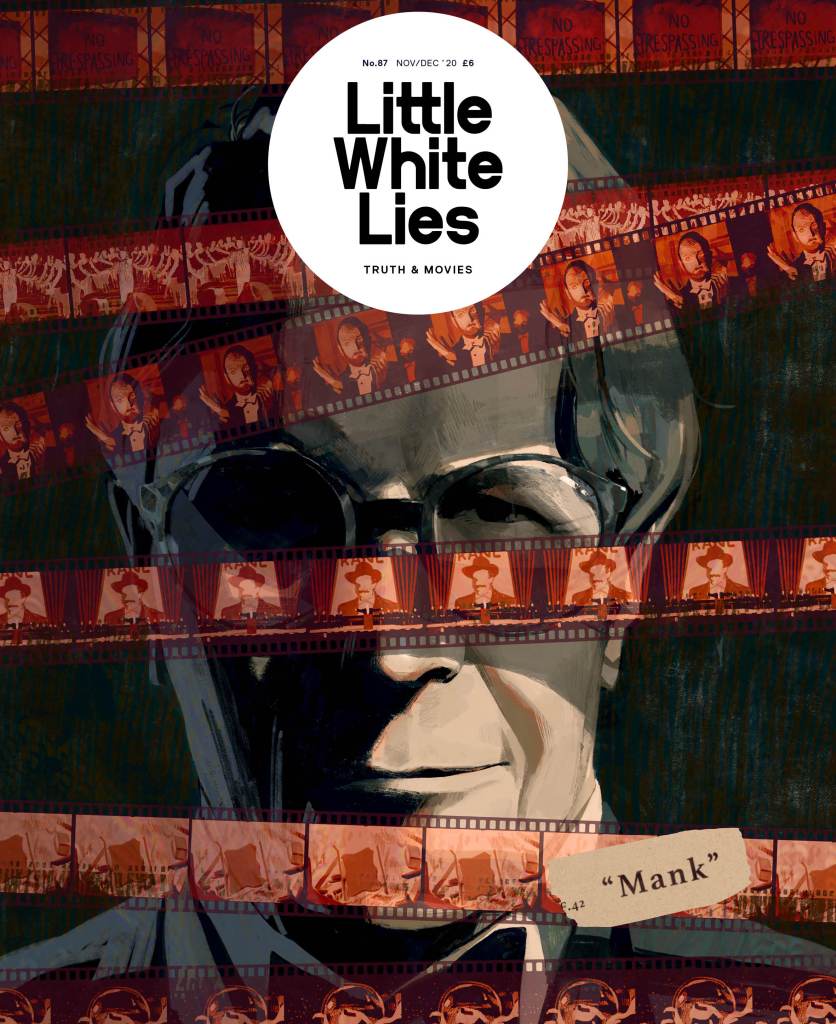
It’s All True: A Conversation with David Fincher

Illustration by Rumbidzai Savanhu

The master filmmaker behind Mank on Orson Welles, Pauline Kael and realising a passion project after a 30-year wait.

David Jenkins
December 2, 2020
Little White Lies

From the pen of Jack Fincher comes Mank, the story of how perma-soused Hollywood hack Herman J Mankiewicz happened to write one of the greatest screenplays of all time. Sadly, Jack didn’t live long enough to see the words he had written transformed into sound and light, but it’s something that his son David had wanted to realise for close to three decades.

It’s been six years since Fincher Jr’s last feature film, 2014’s Gone Girl, and in the interim we’ve had two series of Rolls Royce TV drama in the form of Mindhunter. For someone who has already made a tech bro riff on Citizen Kane (2010’s The Social Network), and a melancholic homage to his late father (2008’s The Curious Case of Benjamin Button), Mank combines these two career poles, while also posing such existential hypotheticals as, what makes a man? And not only that, what makes a writer, and what makes a director?

LWLies: Let’s go on a quick flashback to the early days and the creation of this amazing script by your father, Jack. He was a journalist and author by trade. Did he pivot to screenwriting later in life?

Fincher: I think he wrote a screenplay that was optioned and Rock Hudson wanted to do it – this was in the late ’60s. That fizzled out. Then he wrote spec screenplays in the ’60s, ’70s and ’80s, and then when he retired in the ’90s, he came to me and said, ‘I’m going to have all this time on my hands, what do you want to read a script about?’ I said I had always been interested in ‘Raising Kane’ which I was exposed to in middle school. I had read Pauline Kael’s essay on microfiche in the school library, and then I noticed a copy of it in my father’s library, and we talked about it. Then, 12 years later, I was about to go off to do Alien3, and he was retiring and wanted a new challenge.

Read the full interview

More in Little White Lies 87: The Mank Issue

Script Apart: “Zodiac” with James Vanderbilt

Al Horner
November 18, 2020
Script Apart

This week we’re joined by the excellent James Vanderbilt, screenwriter of the 2007 David Fincher thriller, Zodiac. James has had an impressively eclectic Hollywood career: on top of writing action adventures like White House Down, detective comedies like Murder Mystery, sci-fi sequels like Independence Day 2 and the odd Spider-Man blockbuster or two, he’s also produced horror hits (Slender Man, Ready Or Not) and stepped behind the camera to direct his own gripping historical drama (2015’s Truth). Before all that, though, came this cult smash: a slow-burn dramatisation of the hunt for the most notorious serial killer in American history.

Zodiac was a labour of love. Vanderbilt obsessed over the mysterious murderer’s identity for decades before writing the film, based on the 1986 non-fiction book of the same name by Robert Graysmith. Graysmith was a cartoonist working at the San Francisco Chronicle when a string of gruesome killings across the Bay Area, by one unknown assailant, left the region in a state of panic and paranoia. The killer, known as the Zodiac, wrote cryptic letters to Graysmith’s paper that perplexed police, and sent Graysmith on a personal mission to uncover the killer’s identity. The Zodiac was never caught. Vanderbilt’s film tells the story of Graysmith’s ultimately unsuccessful search for the truth.

If you’re wondering how you write a satisfying thriller in which the killer gets away, don’t worry: James did too. I chatted to James from his home in LA to hear about the conventions he had to break to make this incredible movie, the dizzying amount of research that he and Fincher undertook to make sure they were telling the victims’ stories responsibly, and whether or not he’d ever consider making of sequel of sorts, about the notorious 1970s killer the Son of Sam.

Listen to the podcast:

Script Apart
Apple Podcasts
Spotify
Amazon Music
Google Podcasts

Script Apart is hosted by Al Horner and produced by Kamil Dymek.

Follow Script Apart on Twitter and Instagram. Support for this episode comes from ScreenCraft and WeScreenplay. To get ad-free episodes and exclusive content, join us on Patreon.

The Social Network. Ten Years Later

Andrew Saladino
September 23, 2020
The Royal Ocean Film Society

Watch it on vimeo

The first 1000 people to use this link will get a free trial of Skillshare Premium Membership.

Want to see every new Royal Ocean video EARLY? Check out our Patreon page!

Sources / Further Reading:

Inventing Facebook by Mark Harris
Mark Zuckerberg Tried To Stop The Social Network From Being Made by Alyson Shontell
Did Network Predict the Future of Television? by Steven Rosenbaum

Music: Chris Zabriskie – “Candlepower”

You can follow me through: Twitter, Vimeo

All Hell Broke Loose: David Fincher’s Se7en And The Medieval Morality Play

David Fincher’s grisly neo-noir turns 25 this year, but its major influences go back much further than the film industry. Kristina Murkett explores the film’s roots in the medieval morality play

Kristina Murkett
September 25, 2020
The Quietus

The gruesome, grim and gut-wrenching ending of Se7en is unparalleled. The “What’s in the box?” scene is a murderous masterpiece; Fincher’s direction is so violent, visceral and unsettling that the scene becomes not only about an execution on film, but the execution of film-making.

All of the elements in this scene combine to create the final climax in which detective David Mills (Brad Pitt) shoots serial-killer John Doe (Kevin Spacey): the sickly yellow colour palette; the handheld camera shots; the ominous crescendo in the score; and the menacing metaphor of Doe’s silhouette in his blood-red uniform against the setting sun.

In killing him, Mills fulfils Doe’s prophecy; in Doe’s own words, he “[becomes] vengeance, [becomes] wrath.”

Twenty-five years ago, when audiences first walked out of the cinema solemn and more than a little shell-shocked, critics realised the seismic power of the film. Roger Ebert said that​ “Se7en is one of the darkest and most merciless films ever made in the Hollywood mainstream,” whilst John Wrathall described it as “the most complex and disturbing entry in the serial killer genre since Manhunter.”

These reviews still ring true; the film’s themes are intense, insidious, and irredeemably gloomy, and yet the performances and psychological terror of the script are still undeniably gripping. Its box-office success (it was the seventh-highest grossing film of 1995) arguably secured Fincher’s image as a master of bleak, bold blockbusters, and it is still the 28th most highly rated film of all time on IMDb.

There are many works that had an important influence on the film: Silence of the Lambs, Psycho and M, to name a few. However, one of the most revelatory influences, and one that can help us to understand the fatal foreshadowing of the characters’ endings, is actually a genre that came 500 years before Se7en: the medieval morality play.

Read the full article

Not Many People Have Basements in California …

To celebrate the 25th anniversary of Se7en and the 10th anniversary of The Social NetworkThe Ringer hereby dubs September 21-25 David Fincher Week. Join us all throughout the week as we celebrate and examine the man, the myth, and his impeccable body of work.

Robert Graysmith visiting the home of Bob Vaughn in ‘Zodiac’ is David Fincher’s most purely terrifying scene. Here’s how it came together—and came to stay in the movie.

Jake Kring-Schreifels 
Jake Kring-Schreifels is a sports and entertainment writer based in New York.
September 24, 2020
The Ringer

On a wet September night in 1978, Robert Graysmith couldn’t resist his curiosity.

A month earlier, the San Francisco Chronicle cartoonist had received an anonymous phone call regarding the identity of the Zodiac, the notorious Bay Area serial killer. “He’s a guy named Rick Marshall,” the mysterious voice told him at the start of an hourlong conversation. The killer’s string of murders in 1969 had gone unsolved, but Graysmith suddenly had a new lead. According to the tipster, Marshall—a former projectionist at The Avenue Theater—had hidden evidence from his five victims inside movie canisters, which he’d rigged to explode. Before hanging up, the nameless caller told Graysmith to find Bob Vaughn, a silent film organist who worked with Marshall. The booby-trapped canisters, Graysmith learned, had recently been moved to Vaughn’s home. “Get to Vaughn,” the voice told him. “See if he tells you to stay away from part of his film collection.”

After years spent independently entrenched in the open case, Graysmith dug into Marshall’s history and found several coincidences. His new suspect liked The Red Spectre, an early-century movie referenced in a 1974 Zodiac letter, and had used a teletype machine just like the killer. Outside The Avenue Theater, Marshall’s felt-pen posters even had handwriting similar to the Zodiac’s obscure, cursive strokes. On occasional visits to the upscale movie house, Graysmith observed Vaughn playing the Wurlitzer and noticed the Zodiac’s crosshair symbol plastered to the theater’s ceiling. There were too many overlapping clues. He had to make a trip to Vaughn’s house. “We knew there was some link,” Graysmith tells me. “I was scared to death.”

Almost three decades later, director David Fincher turned Graysmith’s nightmarish visit into one of the creepiest movie scenes of all time. It takes place near the end of Zodiac, after Graysmith (Jake Gyllenhaal) follows Vaughn (Charles Fleischer) to his home through the rain in his conspicuous, bright-orange Volkswagen Rabbit. Once inside, the mood quickly becomes unnerving. After disclosing that he, not Marshall, is responsible for the movie poster handwriting, Vaughn leads a spooked Graysmith down to his dimly lit basement. As the organist sorts through his nitrate film records, the floorboards above Graysmith creak, insinuating another’s presence. After Vaughn assures his guest that he lives alone, Graysmith sprints upstairs to the locked front door, rattling the handle, before Vaughn slowly pulls out his key and opens it from behind. Graysmith bolts into the rain as though he’s just escaped the Zodiac’s clutches.

Ultimately, the third-act encounter is a red herring. Vaughn was never considered a credible suspect. But in a movie filled with rote police work and dead ends, those five minutes of kettle-whistling tension turn a procedural into true horror. The scene is a culmination of Graysmith’s paranoid obsession with the Zodiac’s identity—a window into the life-threatening lengths and depths he’ll go to solve the case—and a brief rejection of the movie’s otherwise objective lens. “It’s actually so different from the rest of the movie,” says James VanderbiltZodiac’s screenwriter. “It does kind of give you that jolt that a lot of the movie is working hard not to [give].”

Most simply, the basement scene is a signature Fincher adrenaline rush—a moment buttressed by years of intensive research, attention to accuracy, and last-minute studio foresight. Thirteen years after the movie’s release, it still sends shivers down Graysmith’s spine.

Read the full article