The Killer and Seven collaborators David Fincher and Andrew Kevin Walker dissect their lethal partnership

The director and screenwriter talk about their long-awaited reteaming for Netflix’s hitman thriller starring Michael Fassbender.

Clark Collis
November 11, 2023
Entertainment Weekly

“I never say never.”

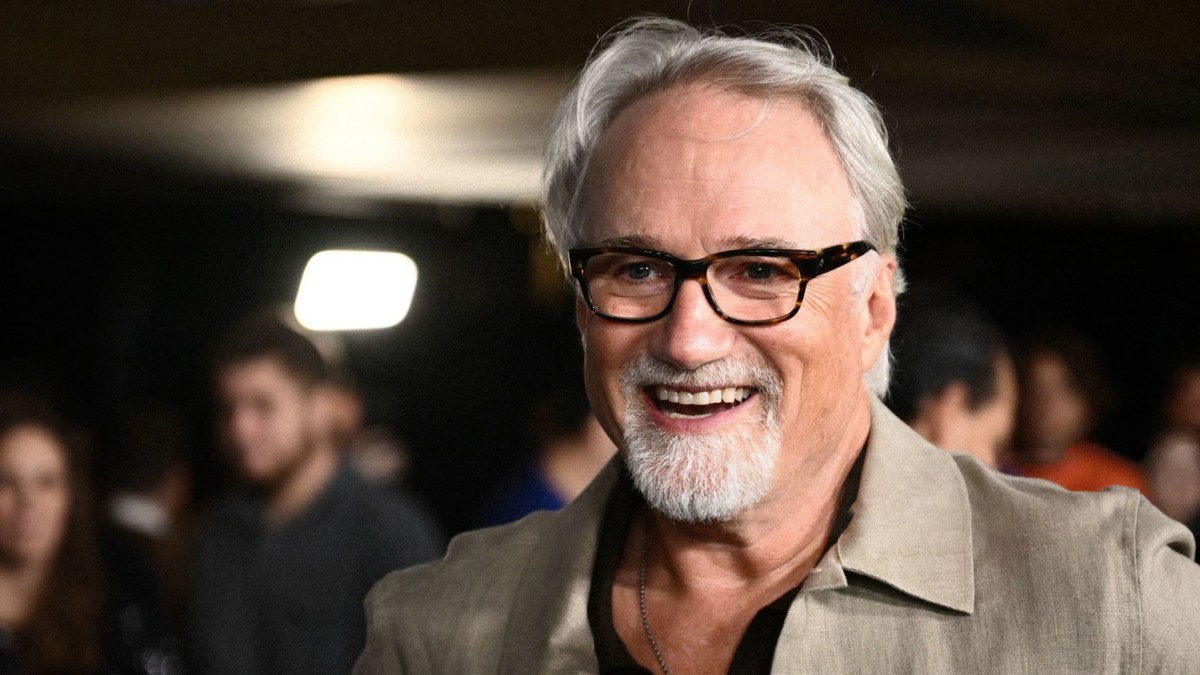
Generally good words to live by. In the case of director David Fincher, they’re also good words to work by, at least as it pertains to entertaining the notion of making a sequel to his new film, The Killer, available now on Netflix. “It doesn’t pay to have rules with that stuff. I’m the guy who, before Zodiac, said, ‘No more serial killers.'”

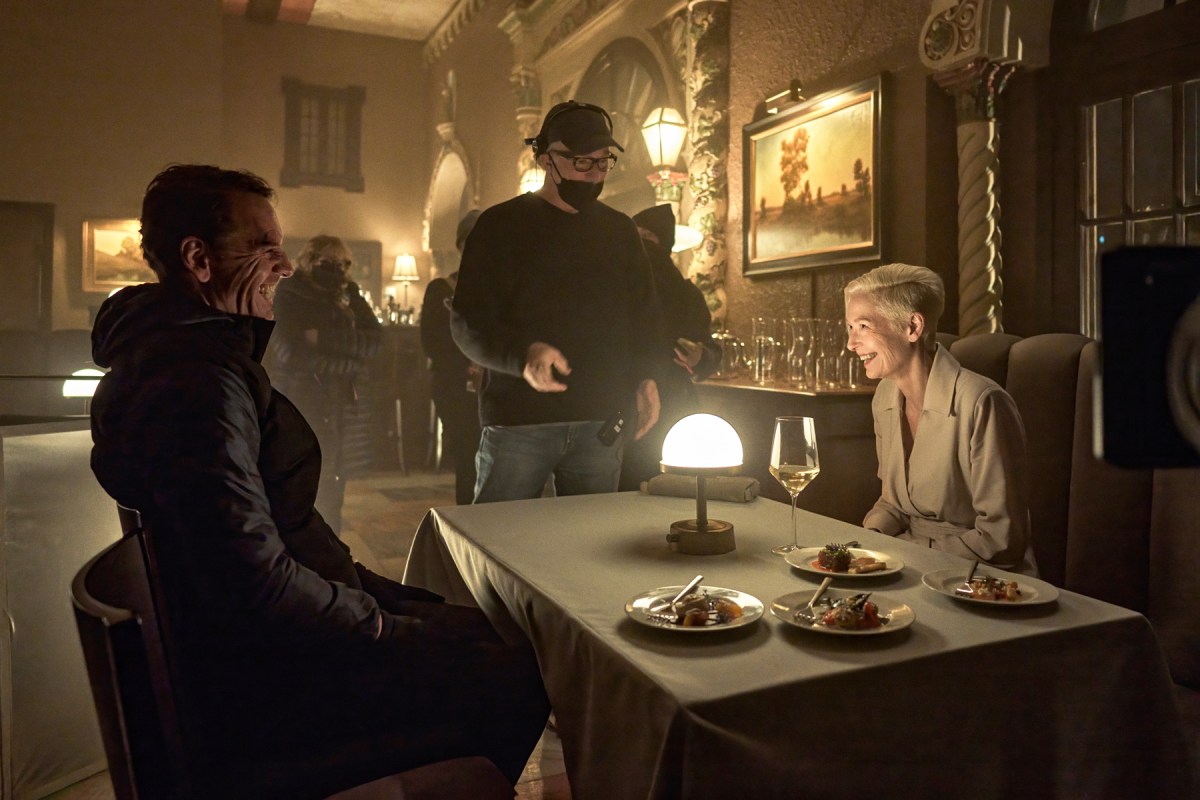
The joke is typical Fincher: dry, winking, and only humorous to those who possess the proper context. The filmmaker who brought us Kevin Spacey‘s serial killer John Doe in 1995’s Seven would, of course, continue to explore similarly murderous terrain, not just with 2007’s Zodiac, but in 2011’s The Girl With the Dragon Tattoo, and on two seasons of his Netflix show Mindhunter. While The Killer is not a serial killer film, it certainly has a series of killings. The movie stars Michael Fassbender as a nameless hit man who, after a job goes wrong, sets about visiting with routinely lethal consequences a succession of folks  including two fellow assassins, one played by Tilda Swinton  who might pose a threat to his future.

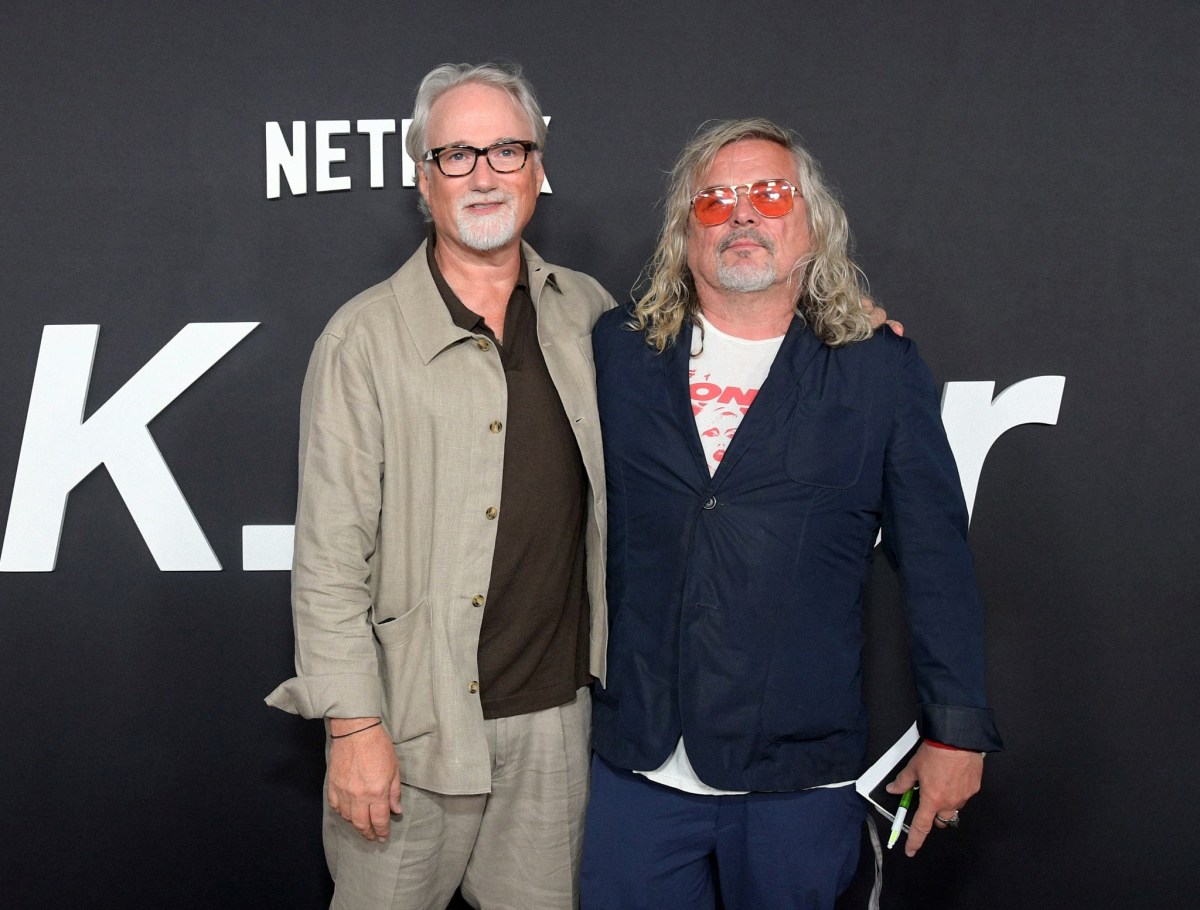
The film reunites Fincher with Seven screenwriter Andrew Kevin Walker in the pair’s first credited big-screen collaboration since the Brad Pitt-starring hit and pop culture sensation. The director tasked Walker to come up with a script that kept the dialog of Fassbender’s central character to the bare minimum. Walker recalls that Fincher told him to, “try and write it so this guy has literally ten lines of dialog spoken in the entire movie. As a point of pride, I did hand in a first draft that had literally 13 lines of dialog. It was the most I could get it down to and still have it function and be semi-natural.”

Read the full profile

Script Apart: “The Killer” with Andrew Kevin Walker

Al Horner
November 17, 2023
Script Apart

Stick to the plan. Anticipate, don’t improvise. Trust no one. Never yield an advantage. Fight only the battle you’re paid to fight… and if you can do all that while listening to The Smiths, even better. That’s the mantra of the eponymous assassin at the heart of The Killer, directed by David Fincher and written by our guest today – the fantastic Andrew Kevin Walker.

The Killer is a movie that deconstructs the hitman movie genre like Michael Fassbender’s glassy-eyed gun-for-hire deconstructing a McDonald’s sandwich on a park bench in Paris. It opens with a blaze of images that tease the explosive action typical of these films then swerves in a different direction. The result is defiantly meditative two hours in which the violence of the movie’s revenge plot following a botched assassination is almost incidental to the character’s meticulous ways and detached observations about the world.

It’s an absolutely riveting watch but then again, what did we expect? Unlike The Killer, who misses his target early on in the film, sparking the film’s descent into chaos, Andrew and Fincher rarely miss their mark whenever they work together. The pair first teamed up on 1995’s Se7en, which began life as a spec script that Andrew wrote after moving to New York from suburban Pennsylvania. Since then, Andrew’s taken passes at Fight Club and The Game for Fincher, on top of his solo adventures in Hollywood, penning films like Sleepy Hollow and 2022’s excellent Windfall.

In the spoiler conversation you’re about to hear, Andy answers our questions about the subtle commentary on materialist culture woven into the film. We get into the influence of the novelist Somerset Maugham on Andy’s work and break some of the film’s most intriguing moments, including its enigmatic ending – in which a life is spared but existential questions are left looming.

Listen to the podcast:

Script Apart
Apple Podcasts
Spotify
Amazon Music
Google Podcasts

Script Apart is hosted by Al Horner and produced by Kamil Dymek.

Follow Script Apart on Twitter and Instagram. Support for this episode comes from ScreenCraft and WeScreenplay. To get ad-free episodes and exclusive content, join us on Patreon.

How David Fincher Turned ‘The Killer’ Into a Mean, Lean Punch to the Gut

The filmmaker on working with Michael Fassbender, that Smiths soundtrack, and how his adaptation of a French comic about an assassin became a Seventies B movie.

David Fear
November 8, 2023
Rolling Stone

THE MAN IS a consummate professional. In the outside world, he could be anyone — just another ridiculous looking dude somewhere between the ages of 32 and 48, the everyguy in line behind you at an Ace Hardware store or in front of you at McDonald’s. But sitting here, in an unfinished WeWork office space, is this slender, limber apex predator in his natural habitat, and an extremely patient one. He’s perched here for days, just staring out the window at a ritzy apartment in Paris. Watching. Waiting. Whiling away the hours, doing nothing. It’s a key part of the job. “If you can’t stand the boredom,” he says, via voiceover narration, “the work is not for you.”

Should you suggest to David Fincher — world-class filmmaker, notorious perfectionist, and a gentleman who genuinely appreciates a good joke — that the line spoken by the title character of his new film The Killer is also a warning to audiences hiding in plain sight, he will laugh. The director will go into detailed explanations about why the unnamed hero (or rather, its “hero”: “Massive air quotes at work here”), played by Michael Fassbender, is not just a hit man but a very, very unreliable narrator. He’ll mention that the script, written by Se7en scribe Andrew Kevin Walker, borrows the idea of long interior monologues in lieu of nonstop action directly from the source material. And he’ll admit that they knew that any movie “probably being sold with an image of a guy with piano wire in his hand or putting someone into cold storage,” yet “starts out with 25 minutes of someone sleeping on sheetrock in an empty office, musing as to what it’s all about,” might potentially have viewers wondering what they’ve stumbled into. But Fincher will not say you’re wrong.

Read the full profile

David Fincher on filmmaking and his twisted new comedy, The Killer

As his new film gets ready to hit Netflix, the legendary director talks to Nick Chen about The Smiths, Michael Fassbender, and the similarities between directors and hitmen.

Nick Chen
November 6, 2023
Dazed

To prove the catchiness of “Unhappy Birthday” by The SmithsDavid Fincher sings to me the opening refrain with a huge grin. For our conversation, the 61-year-old director of feel-bad fare like Se7enZodiac, and The Girl with the Dragon Tattoo is in surprisingly good spirits. Or bad spirits, given the miserabilist nature of The Smiths.

In Fincher’s sleek, bleak thriller The Killer, his second feature for Netflix, there are 11 killer songs by The Smiths on the soundtrack. An unnamed hitman (Michael Fassbender) – simply The Killer, in the credits – calms his nerves when operating a sniper rifle by listening to “How Soon Is Now?”, the tremolo reverberating through his earphones. “That guitar shouldn’t be comforting, because it’s sinister,” says Fincher, speaking in Ham Yard Hotel during the London Film Festival. “But to me, it’s comforting. We originally had Joy Division and Siouxsie and the Banshees[Trent] Reznor was like, ‘Every time we use The Smiths, it’s just funny.’”

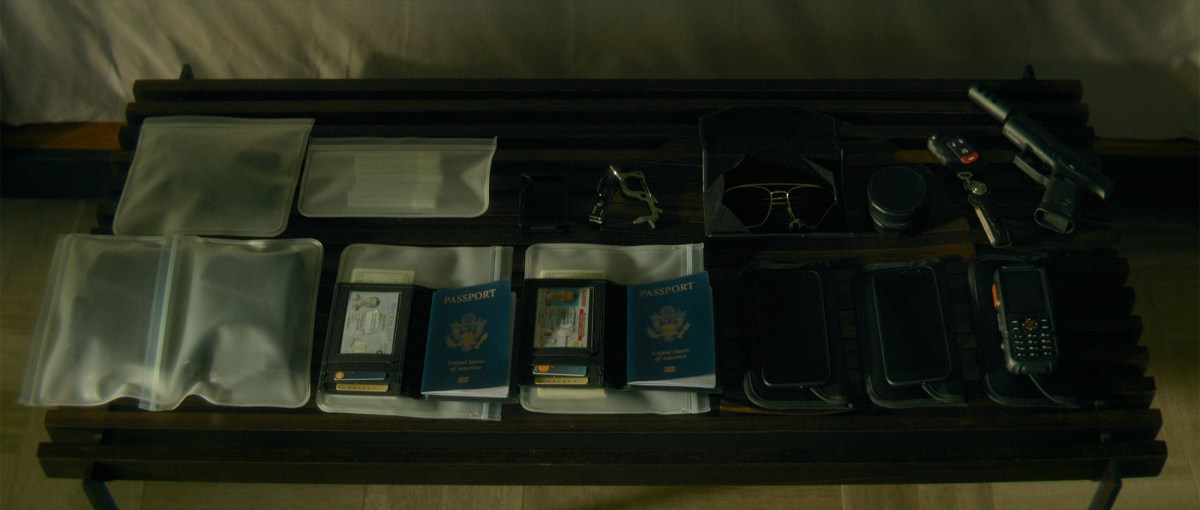
After the black-and-white seriousness of Mank, Fincher has returned to the kind of big-screen, popcorn fun he delivered in Gone Girl – except it also mischievously isn’t. Adapted from a French graphic novel, The Killer is less of a John Wick-esque, gun-toting adventure and more observing an assassin do admin to bypass security measures. He shuffles through paperwork to identify home addresses, and fills in endless forms to join a victim’s gym. To remain faceless, he picks up Amazon purchases from a locker and eats at a McDonald’s that doesn’t involve entering a building. If it weren’t too meta, he’d wind down by using someone else’s password to stream Fincher’s House of Cards on Netflix.

Read the full profile

Killer Instincts

David Fincher aims to unsettle with Michael Fassbender as a ruthless assassin in gripping thriller The Killer.

By Nev Pierce
Photograph by Jean-Baptiste Mondino

November 1, 2023
Netflix Queue

The Killer is about an exacting professional whose meticulous methods and wry worldview are disrupted by unruly reality. This may be a clue as to why David Fincher wanted to make it. The Fight Club filmmaker is well-known for his tenacious approach to directing — always pushing for more. And in Michael Fassbender he has a leading man who is equally driven.

The Oscar-nominated star of 12 Years a Slave and Steve Jobs left screens for a few years to take up professional racing behind the wheel of a Porsche in the European Le Mans Series. This blend of danger and precision seems apt for playing the title character in The Killer, an unnamed assassin who aims to execute things — and people — perfectly.

We’ll get to how, or if, one can define “perfection” in cinema, but to an on-set observer, it might seem Fincher will settle for nothing less. While he would contest this, he knows his definitions can differ from others’. “My idea of professionalism is you work 24-7 to make good on your promises,” he says, before continuing with a self-aware smile. “Not a lot of people feel that way. Some people are like: ‘You do the best you can in 40 hours a week and let the chips fall where they may.’”

Read the full profile

Watch The Killer on Netflix

Screenwriter Andrew Kevin Walker Explains Why Michael Fassbender Eats All Those Hard-Boiled Eggs in David Fincher’s “The Killer”

Fincher’s Se7en and Fight Club collaborator talks protein, process, and audiences’ expectations.

Esther Zuckerman
October 26, 2023
GQ

Screenwriter Andrew Kevin Walker’s first produced screenplay was Se7en, which became director David Fincher‘s breakout film. Since then Walker has worked with Fincher a number of times, pitching in on The Game and “polishing the edges” of Jim Uhls’ original script for Fight Club. But not everything they’ve collaborated on more recently has made it to the big screen. Walker did a rewrite on the unmade sequel to The Girl with the Dragon Tattoo, and one on a Fincher version of 20,000 Leagues Under the Sea that Walker says could have been “mind-blowing.”

After these and other false starts, a new Fincher/Walker project has finally come to fruition: The Killer, out in theaters this weekend and on Netflix next week. “There’s no way to express proper gratitude to this gentleman David Fincher, and the effect he’s had on my life,” Walker says. “But it is fun to now be able to go, ‘Hey, David and I have been trying to get to this for a long time. Thank you. Go see this, because this one isn’t the only one we’ve been spending years trying to write.'”

Read the full interview

David Fincher: “I haven’t seen Fight Club in 20 years. And I don’t want to”

Best known for grisly thrillers like Seven and Fight Club, the director speaks to GQ about The Killer, his new hitman revenge movie with a blackly comic twist.

Jack King
October 25, 2023
GQ (UK)

He might not like it, but David Fincher has something of a reputation. It goes back to those Seven days — even before. He’s infamously exacting, requiring his actors to perform endless takes. Sometimes, well into the triple-digits. Rumour has it that Jake Gyllenhaal is still scarred.

In the 61-year-old’s latest movie, The Killer, Michael Fassbender portrays a meticulous hitman who obsesses over every… single… detail. He, like his movie’s director, is exhaustive. Exhaustingly so. He’ll take days on a job. He narrates the virtues of patience like a self-help tape stuck on repeat. Sound familiar? Some critics think so, detecting a whiff of self-deprecation in the air.

It seems a totally reasonable, and legitimate, observation. But does Fincher see the parallel? “No,” he tells GQ. “But I can see why the weak-minded…” He stops himself from finishing that sentence with a wry chuckle. Maybe he’s getting softer.

In many ways, The Killer is natural territory for this maestro of the macabre, best known to most for his grislier thrillers — not least Seven, his they-didn’t-get-it-at-the-time masterwork Zodiac, and the prematurely canned Netflix psychodrama Mindhunter. (Oh, and a bloody-knuckled little ‘90s flick called Fight Club.)

Nevertheless, it’s a sharp left-turn from his last feature, the deeply personal Citizen Kane biography Mank, which was written by his dad Jack, who passed away in 2003. “I’ve always liked B-movies,” Fincher says of the shift to this relatively restrained genre exercise. “And Fight Club to Panic Room, what’s that about? I don’t know, it’s kind of where your interests take you. And I spend a lot of time developing three or four things for every one thing I end up doing.”

The result is an eminently re-watchable revenge movie, morbid and sardonic and wickedly funny, the latter of which hasn’t been highlighted nearly enough in early press. Think John Wick, if Keanu Reeves was a sociopath with a penchant for bucket hats, Amazon and inadvertently xenophobic quips about Germans. Oh, and if he loved The Smiths. Especially “How Soon is Now.”

In a hotel room on one of October’s last sunny days, Fincher spoke to GQ all about The Killer, his feelings about AI, and why one of his (many) canned projects would’ve been “a lot” like The Last of Us

Read the full interview

Script Apart: Gillian Flynn (Gone Girl, Sharp Objects)

Al Horner
October 22, 2023
Script Apart

Gillian Flynn is an author, screenwriter and showrunner who delights in writing what she calls “bad women” – fascinatingly flawed female characters who she grants the freedom to kill, lie, harm and harass in a way that sometimes ruffles feathers. Take her 2012 novel Gone Girl, for example, which she later adapted into a smash hit movie with David Fincher. That murder-mystery tale of a marriage steeped in deceit captivated the world and sparked near-endless conversation about the poison and/or empowerment of its main character, Amy Dunne.

That novel and movie – released within two years of each other – didn’t just make Flynn a literary darling. It also catapulted her to the summit of film and TV. In 2018, she co-wrote the brilliant Widows with Steve McQueen, and adapted her first novel, Sharp Objects, into a gloriously slow-burning limited series starring Amy Adams. Since then, she’s won cult acclaim for her streaming adaptation of Utopia, the British Channel 4 series.

In the conversation you’re about to hear, we ask Gillian how she pens her captivating characters and the social importance of allowing women to run riot on-screen and in her novels, the way that male anti-heroes are frequently permitted to do. She reflects on the accusations of misogyny that her work attracted from some female writers in the aftermath of Gone Girl’s release and reveals an alternative ending to that story that would have taken the tale of Nick and Amy Dunne in an entirely different direction.

Listen to the podcast:

Script Apart
Apple Podcasts
Spotify
Amazon Music
Google Podcasts

Script Apart is hosted by Al Horner and produced by Kamil Dymek.

Follow Script Apart on Twitter and Instagram. Support for this episode comes from ScreenCraft and WeScreenplay. To get ad-free episodes and exclusive content, join us on Patreon.

Why Seven still has one of the most shocking endings in cinematic history

“What’s in the box?!”

C. Molly Smith and Will Robinson
September 21, 2023
Entertainment Weekly

In 1995, Brad Pitt‘s exclamation of fear and dread jolted audiences and left a lasting cultural imprint. The ending of Seven, director David Fincher‘s breakout film, is one of the most shocking, disturbing, and iconic twists in modern cinema, capping a tight, wrought thriller.

The film’s initial introduction to its world, a metropolis mired in unrest, is normal enough. Cool veteran Detective Somerset (Morgan Freeman) is paired with young hothead Detective Mills (Pitt) in pursuing a serial killer who picks his victims based on the seven deadly sins. They follow the clues and corpses, and the murderous John Doe (Kevin Spacey) eventually makes it into their custody, promising to reveal his two final victims—targeted for envy and wrath.

But the third act abandons cinematic tropes and convention. The promise of the final two corpses is questioned when a mysterious box arrives that is Doe’s coup de grace; it contains the head of Mills’ wife, Tracy (Gwyneth Paltrow)—never seen on screen, but revealed through dialogue and reaction. Doe acted on his envy of Mills’ normal life and incurs Mills’ lethal wrath. Though he’s killed at the hands of the good guy, the bad guy’s death serves as a loss for the positive forces of the world.

And it was all this close to not happening; “What’s in the box?!” nearly missed its canonization. Fincher, scribe Andrew Kevin Walker, and some of the cast, including Brad Pitt, fought for the original planned finale, against the studio’s protests. The producers eventually conceded to uphold the work’s artistic integrity. “There’s nothing wrong with up endings, it’s just that the dark ending of Seven was what it was about,” Walker told Uproxx. “To change the ending to something else was to remove the very heart of the story.”

Entertainment Weekly looks at how off-camera elements of the film successfully crafted suspense and resulted in Seven‘s enduring ending.

Read the full profile

“The Killer” interview with the director David Fincher

Chiara Nicoletti
September 8, 2023
FRED, The Festival Insider

David Fincher, director of “The Killer“: “We thought it would be interesting if the ‘cool’ assassin movie tropes were all taken away”.

For his twelfth film, The Killer, in competition at the 80th Venice International Film Festival, the director David Fincher reunites with Andrew Kevin Walker, with whom he created the indelible serial killer thriller Se7en (1995).

Adapted from the acclaimed graphic novel written by “Matz” (Alexis Nolent), the film explores the boundaries of the revenge movie and sees Michael Fassbender in the role of a hitman failing at his main task and being threatened because of this.

In his production notes, David Fincher writes: “We thought it would be interesting if the ‘cool’ assassin movie tropes were all taken away”. The director describes how he decided to let the audience into the protagonist’s train of thoughts as to understand that “what he does and what he thinks do not match”.

The Killer releases globally on Netflix November 10, 2023.

Listen to the interview