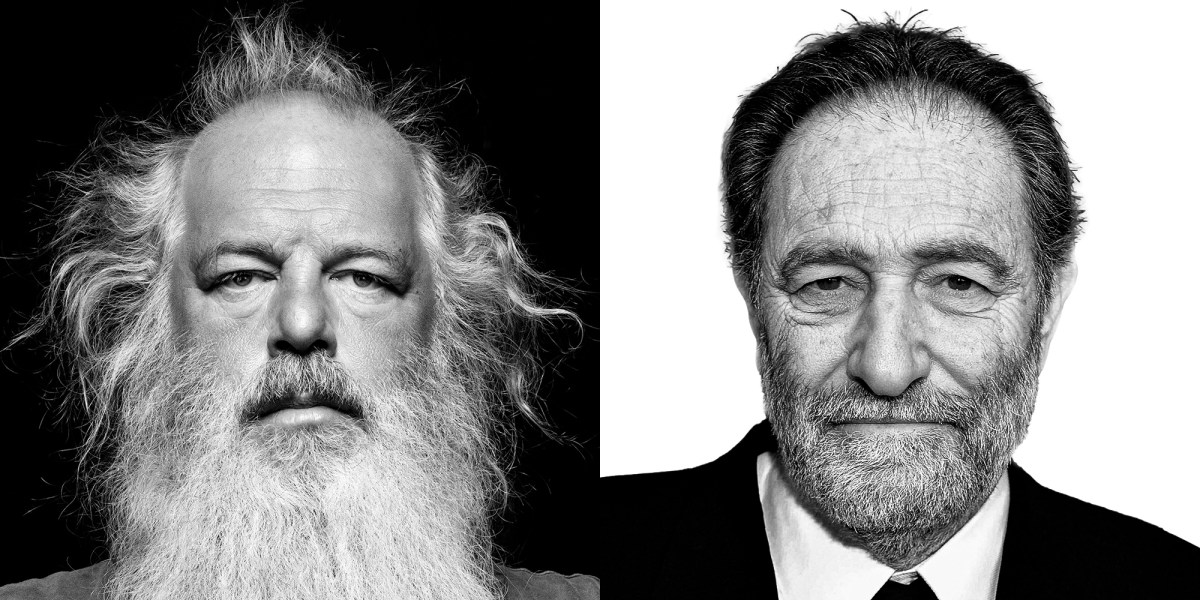
Eric Roth is an Academy Award-winning screenwriter best known for adapting Forrest Gump, for which he won the Oscar for Best Adapted Screenplay. He has received additional Academy Award nominations for The Curious Case of Benjamin Button, A Star Is Born, and Dune: Part One, and is widely regarded as one of Hollywood’s most sought-after writers. Roth co-wrote Killers of the Flower Moon with Martin Scorsese. He continues to work in films as both writer and executive producer. His latest project, the 2025 film The President’s Cake, is now playing in theaters.
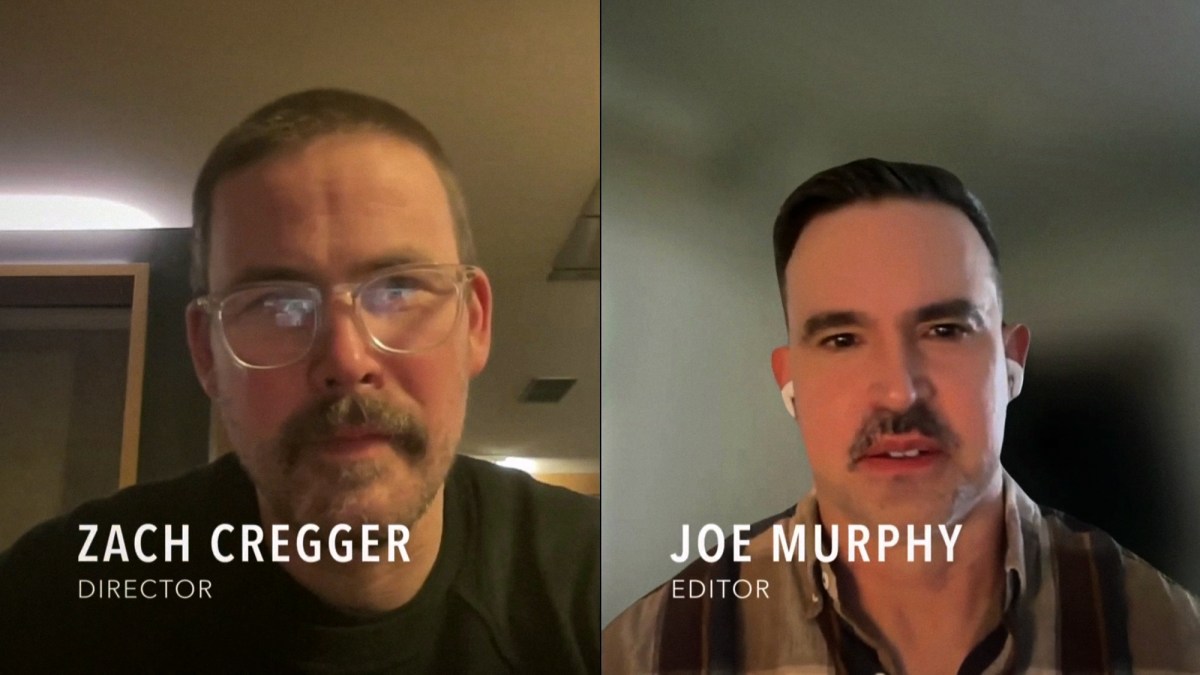
Cinematographer Oren Soffer sits down with director Zach Cregger and editor Joe Murphy for an in-depth conversation about Weapons. From Zach’s meticulous pre-planning with photoboards, to Joe’s work shaping the tone of Gladys in the edit, to the rare opportunity to receive feedback from David Fincher, the duo breaks down the creative process behind the acclaimed supernatural horror film.
Along with the interview, we’re also releasing a bunch of great shots from the film, so you can start adding them to your decks and getting inspired right away!
But before you dive in and watch the filmmaking mini-masterclass above… make sure to go check out Weapons, streaming now on HBO Max.
Sign up for an account at ShotDeck, the world’s first fully-searchable film image database. It’s an invaluable research and educational resource that makes life easier for anyone in Film, Media, Advertising, and Education.
If you are creative, Shotdeck is the place to get inspired and discover new films and talented artists through our meticulously tagged database of still images, all while saving you time.
Search by film title, keyword, location, color, or a dozen other criteria to quickly find the exact “shots” you need to communicate your vision for your next project.
David Fincher’s gritty thriller commented on the urban blight and religious conservatism of the Reagan era. But it also predicted our obsession with true crime today.
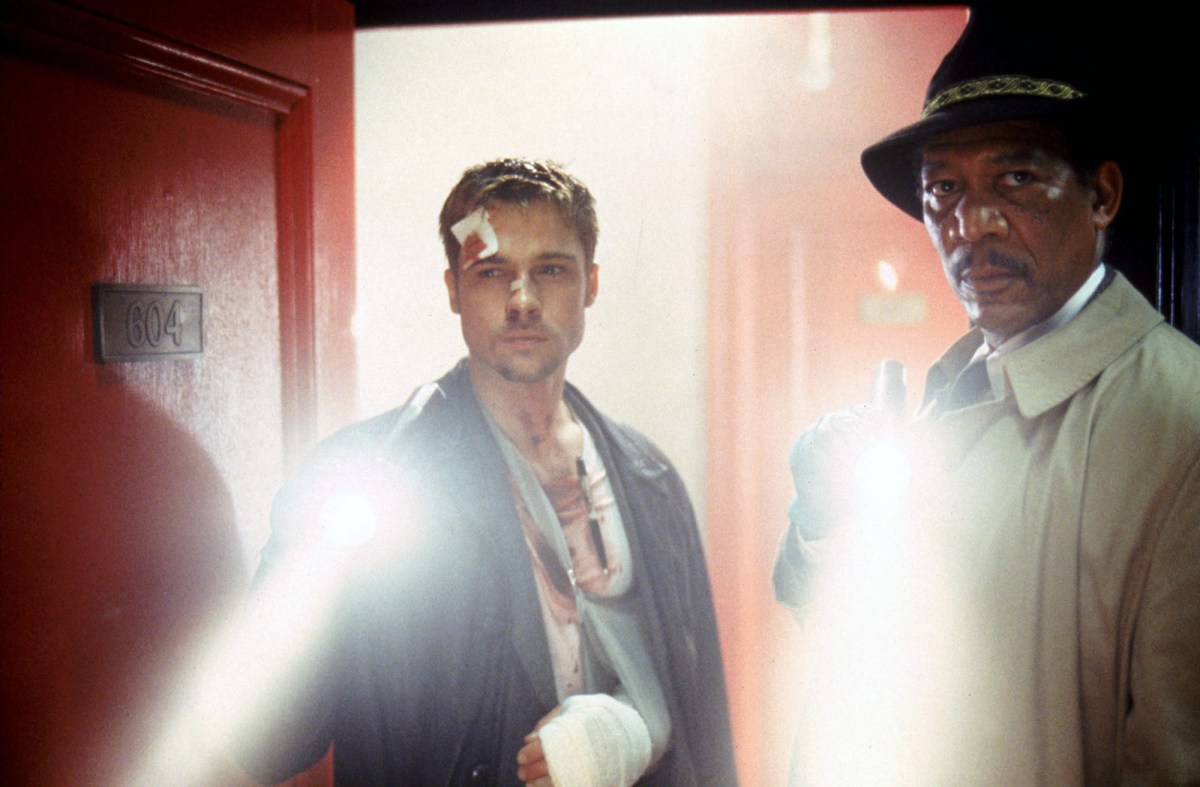
Thirty years after its release, David Fincher‘s Seven is now celebrated as the zenith of neo-noir crime thrillers. It raked in a whopping $327m (£250m) at the box office on a $34m (£26m) budget and earned raves from most critics when it came out in 1995. Still, the persistent argument against the film is that it relies too heavily on shock-and-awe gruesomeness to distract from its paper-thin ideas and shopworn crime tropes. A Washington Postcritic lambastedSeven for disguising “formulaic writing” with gratuitous “bloodletting”, while a New York Times reviewer lamented that “not even bags of body parts… keep it from being dull”.
Three decades on, however, it’s clear that some critics missed a different layer to the film – namely, how it interpreted the US’s social crises of the 1980s. There was a worldwide recession at the start of the decade, and this coincided with high urban crime rates, a crack cocaine epidemic and the spread of Aids. The US’s new president, Ronald Reagan, responded to these issues with talk of being “tough on crime”, and his high-profile supporters included various influential Christian figures – leaders of what was known as the Christian right or the religious right – who preached the importance of traditional family values.
All of this fed into Seven. On one level, the film is an exquisitely well-made thriller about a psychopathic serial killer, but beneath its noir-style veneer lies a fascinating take on the way the US responded to some of its most divisive social issues.
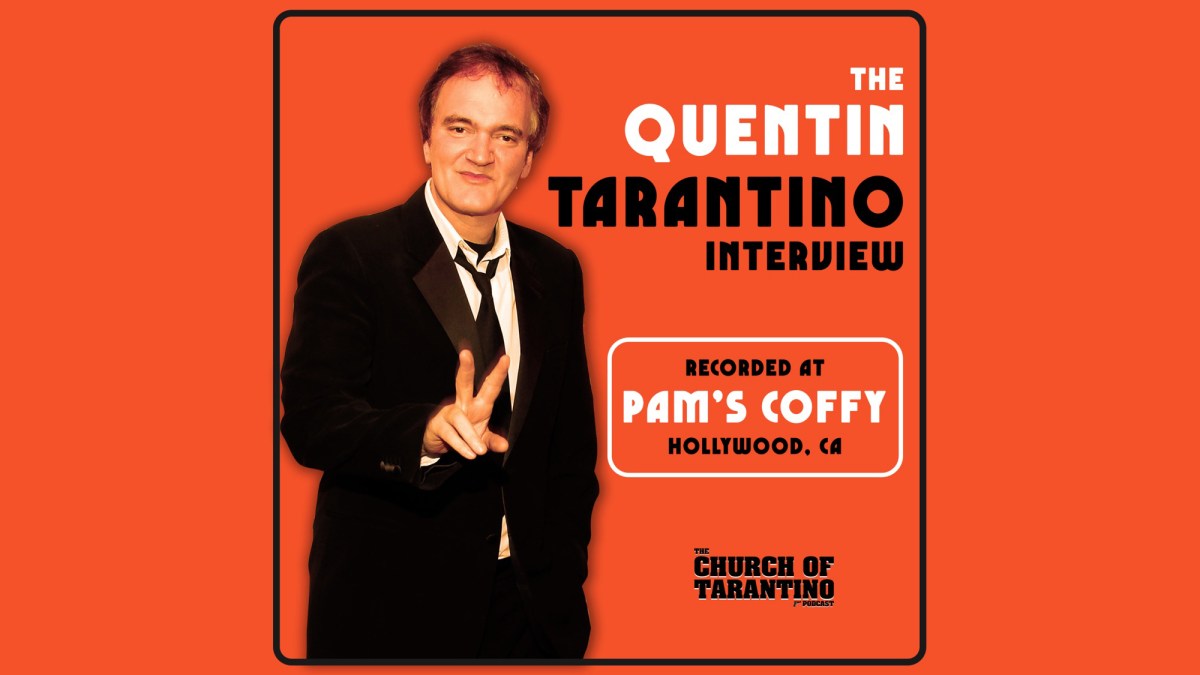
The Church of Tarantino is a podcast channel with weekly shows dedicated to discussing every and anything related to the films of Quentin Tarantino. One of our 4 unique monthly series drop an episode every Friday. Ranking Tarantino (1st Friday of the month), The Bible Study (2nd Friday of the month), Inglourious Blue Balls (3rd Friday of the month) & Tarantinoesque Film Review (4th Friday of the month). Whether we’re ranking various aspects of his films, dissecting his scenes, discussing all the projects he’s announced, or reviewing films that are like his, there’s something for every QT fan.
For this episode, join the Reverend inside Pam’s Coffy, for his first ever sit down with Mr. Quentin Tarantino, as they discuss the cancellation of The Movie Critic, the origin of The Adventures of Cliff Booth, why he handed it to Brad Pitt and David Fincher, his “favorite director”, what his next project is going to be, why Kill Bill: The Whole Bloody Affair is still unavailable to the public, the brilliance of the late great Michael Madsen and so much more, including the question he’s been dying to ask for over 2 and a half years: “What ever happened to the Untitled TV Series?” This is a must-listen for true Tarantino fans.
Spoilers ahead for 1995’s Seven. Spoilers also ahead for 1995’s Se7en. Whichever way you spell it, consider yourself warned.
When Seven came out in 1995, it finally put David Fincher on the map as a filmmaking talent after the production nightmare he endured with Alien 3 only three years earlier. A mid-budget thriller elevated by its top-notch performances and unremittingly tense, grim tone, it also – as most readers will know – contained one of the most celebrated and discussed endings in film history.
Amid all the despair and violent murders, though, one quieter scene may be Seven’s most pivotal. It’s the moment where Tracy (Gwyneth Paltrow), the young wife of hot-headed detective Mills (Brad Pitt) surreptitiously meets Detective Somerset (Morgan Freeman) in a busy downtown diner. Ostensibly, she’s there to vent her feelings about moving from the comfort of the suburbs to a noisy and rundown metropolis (the city in Seven is never named, but it’s implied to be New York).
As the pair talk, though, Somerset astutely figures out that something more serious is bothering Tracy. She then reveals that she’s pregnant, and is unsure whether she wants to keep the baby, given they’ve just moved to a cramped apartment and her husband’s just taken on a demanding new job.
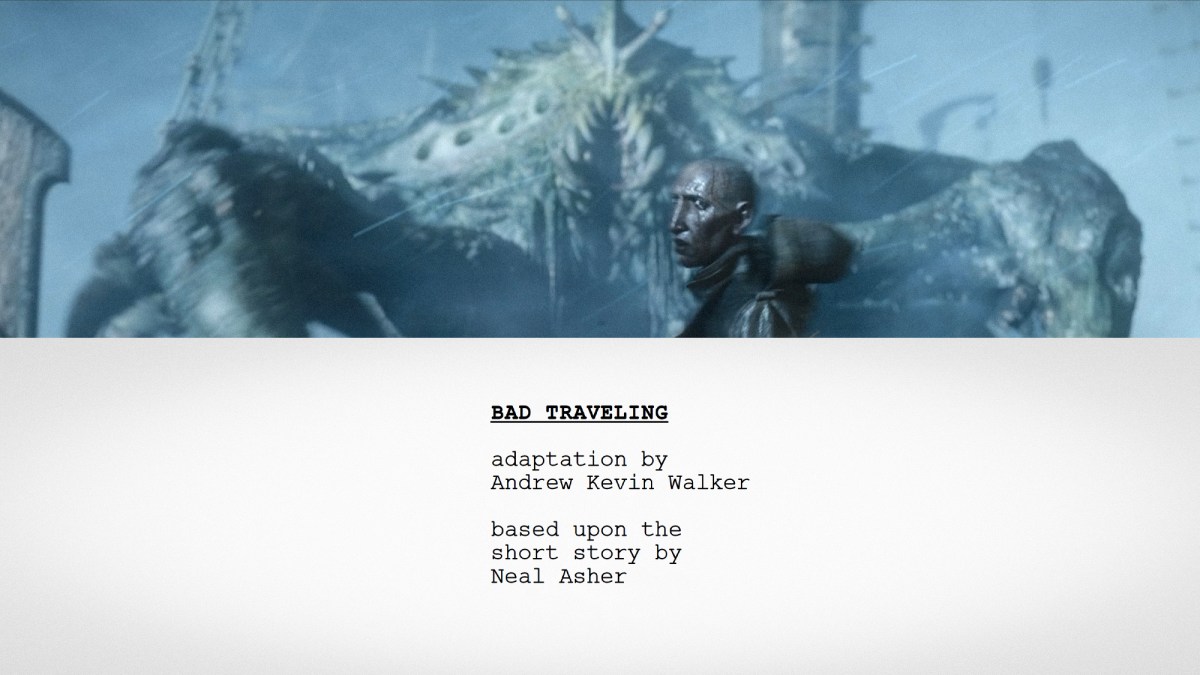
Download the Screenplay and Beat Sheet for Love, Death + Robots: Bad Travelling from Andrew Kevin Walker’s website (links in the top right of the script pile).
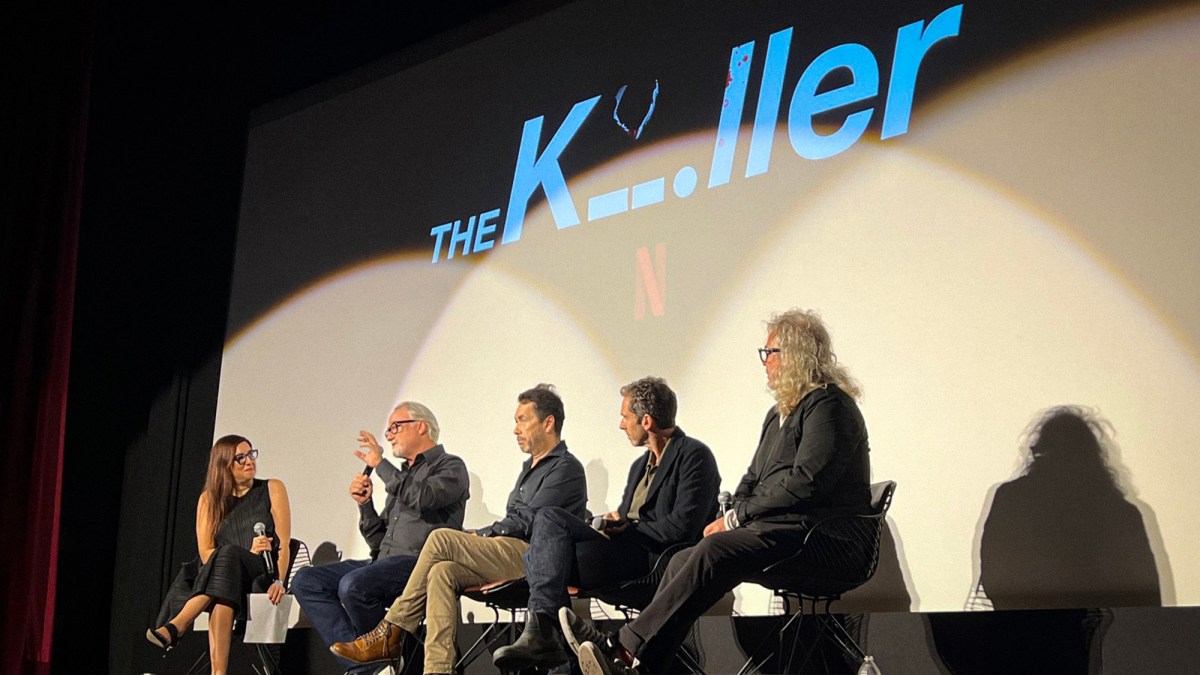
David Fincher discusses the making of The Killer with Sound Designer Ren Klyce, Editor Kirk Baxter, and Writer Andrew Kevin Walker, after the screening for the press in New York. Hosted by Tomris Laffly.
(Video clips recorded with a phone from the audience, with not very good audio and, for some reason, with each video clip edited in twice).
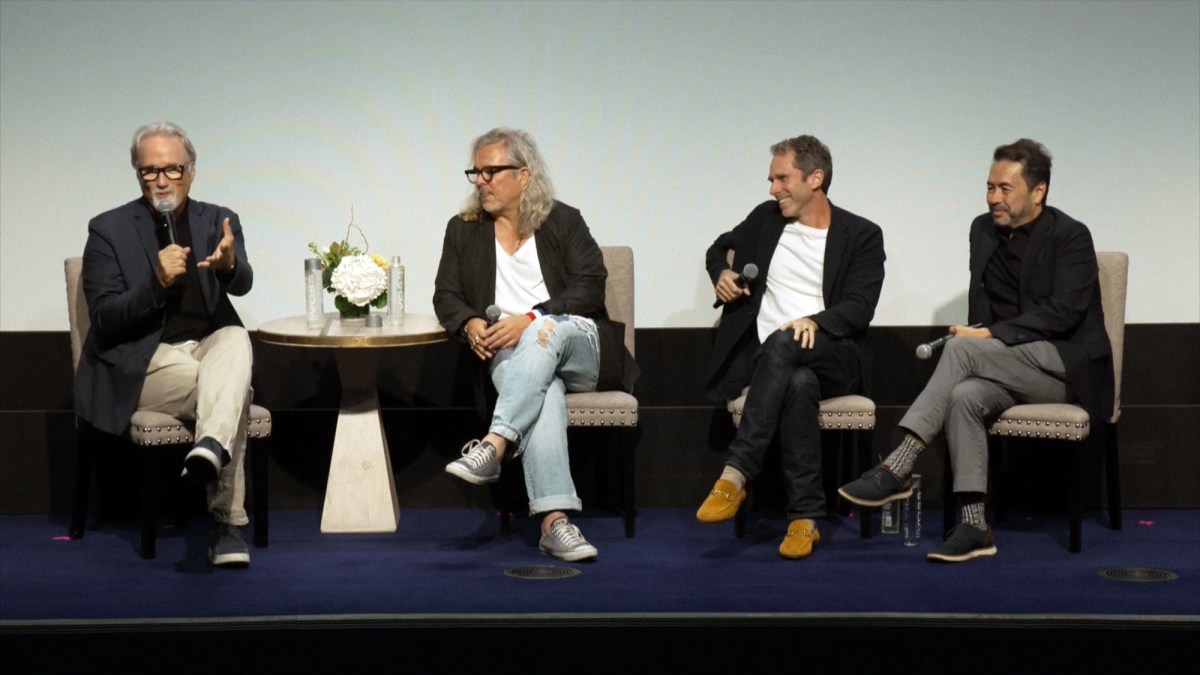
David Fincher discusses the making of The Killer with Writer Andrew Kevin Walker, Editor Kirk Baxter, and Sound Designer Ren Klyce, after the “Tastemaker” screening for The Academy at the Whitby Hotel in New York.
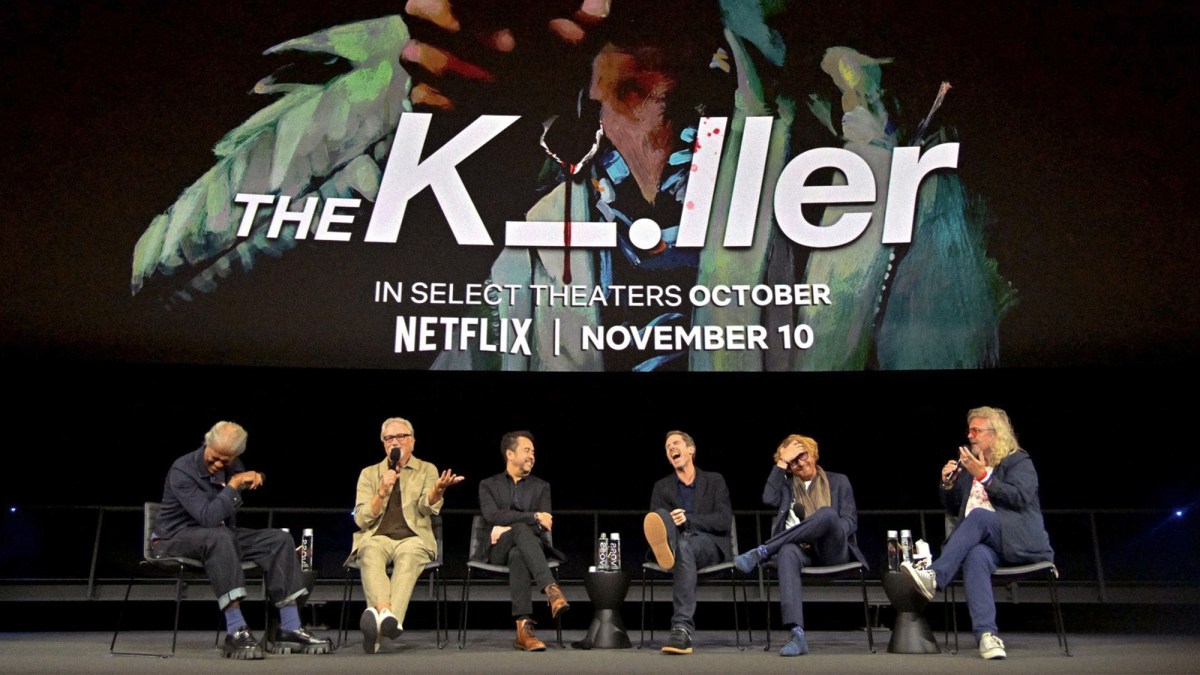
Director David Fincher, Editor Kirk Baxter, Writer Andrew Kevin Walker, Sound Designer Ren Klyce, and Director of Photography Erik Messerschmidt, discuss their film The Killer with moderator Elvis Mitchell at The Academy Museum in Los Angeles.



 The Fincher Analyst