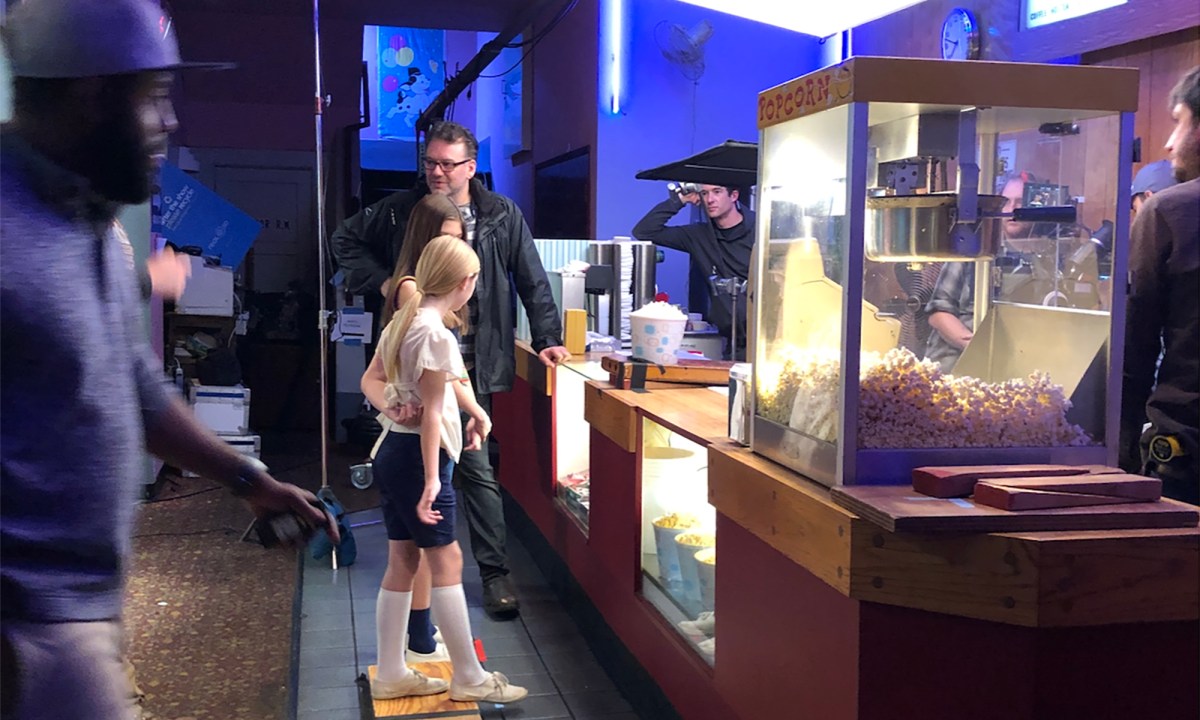
Sean Parker (Illustrator) and Steve Goldberg (NY Nets Content Manager) discuss the horror genre; interviewing the amazing people who contribute to it and discussing our love for horror films, television and more!
In this episode, they talk about The Last Of Us, Infinity Pool, The Boogeyman, and the super secret stuff they have coming up.
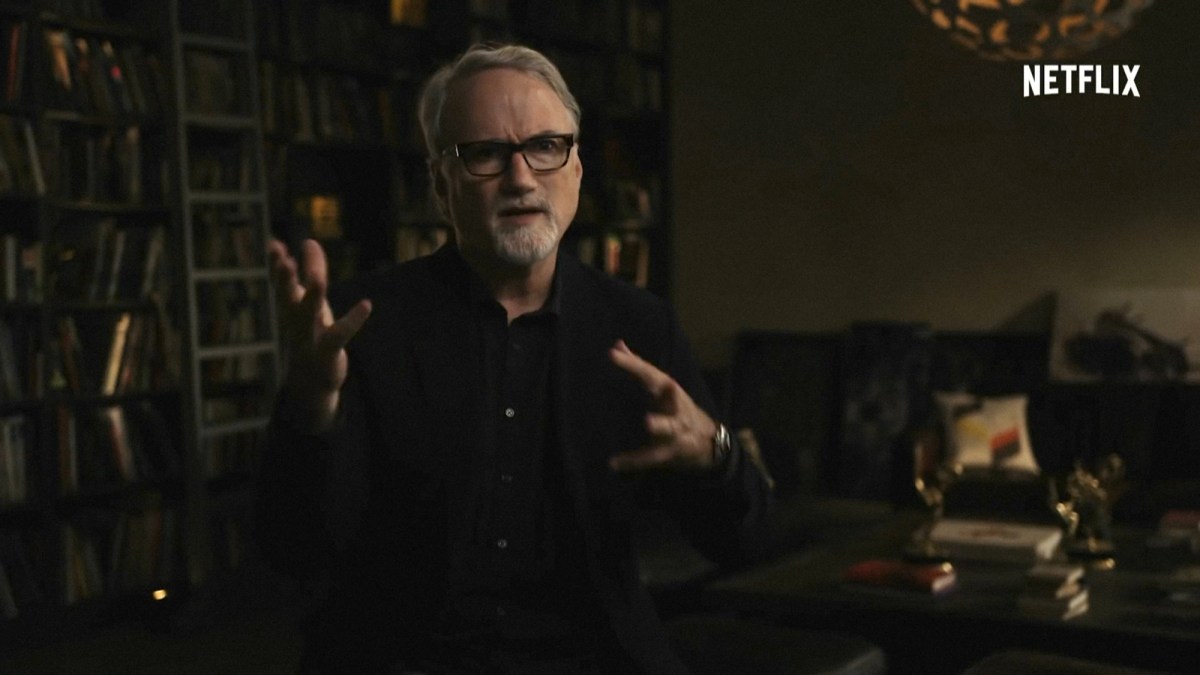
Then, they’re joined by director David Prior. They discuss horrifying formative childhood memories, his Fincher featurettes, the video clerk to director pipeline, and more!
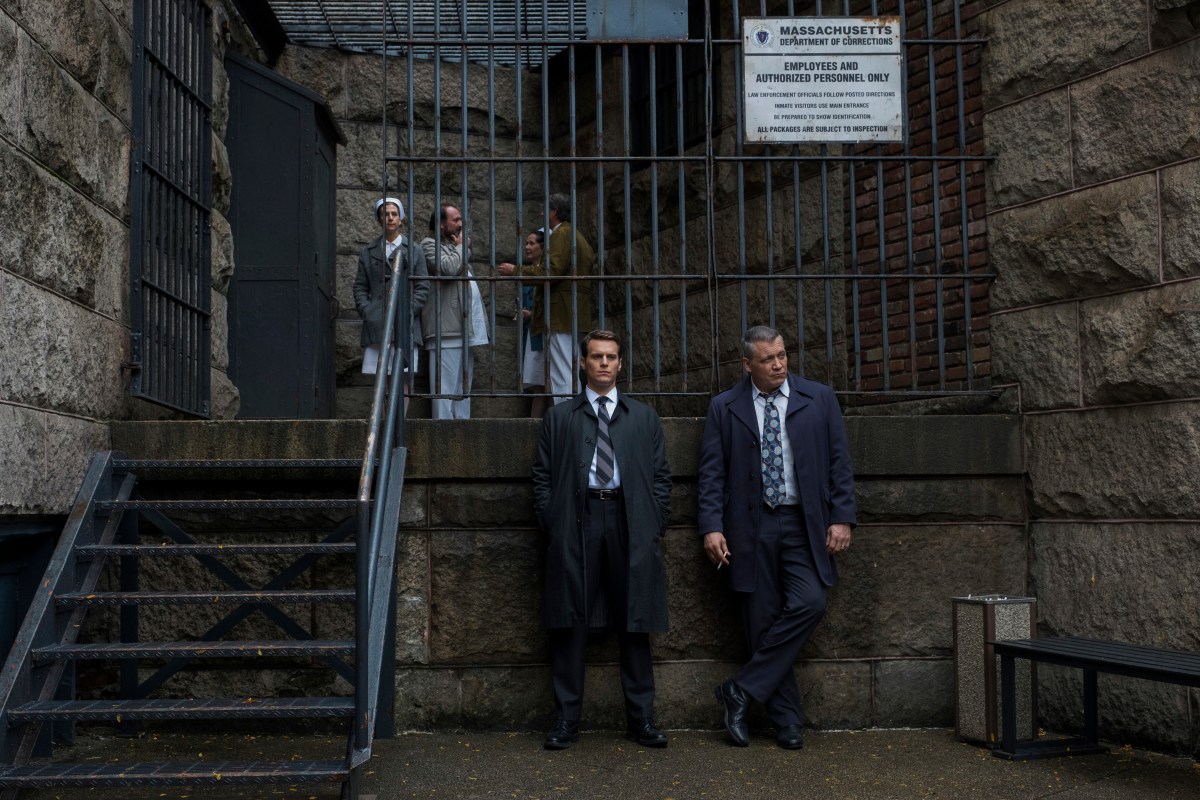
It’s safe to say that in recent years, Netflix has struggled to generate the kind of “prestige” dramas that still routinely draw viewers and critical buzz to premium cable networks or streamers such as HBO. Few among us could hope to understand the demographics being sought by such a massive entertainment juggernaut, or decrypt the desires of the unknowable algorithm as it tries to translate social media hype and bots sharing GIFs into subscriber predictions for three quarters from now. Trying to account for every variable would take supremely gifted intuition and insight into the human condition … the exact skillset of the fictional (but reality inspired) protagonists of Mindhunter. And Netflix let Mindhunter lay fallow, so who’s going to save us now?
The drama devised by creator-writer Joe Penhall and showrunner David Fincher was the rarest kind of Netflix project—a beautifully rendered, big budget, period piece drama with near universal critical praise and audience plaudits to match. And yet, as is so often the case with these diamonds in the rough, the show simply didn’t seem to have the groundswell of support and widespread hype to match the adoration it received from its rapt viewers. At the very least, it wasn’t as widely adopted as Netflix seemingly demands every show be in order to avoid the ever-looming axe, although Mindhunter was never truly canceled with finality—instead, it was sent into “indefinite hiatus” as Fincher’s attention drifted by necessity to an array of other projects. That “hiatus” has now stretched for more than three years, and although rumblings of a Mindhunter revival always seem to be percolating, each passing month only renders a third season less likely when all is said and done.
And that truly is a shame, because Mindhunter was one of the most gripping, unnerving, brilliantly designed and powerfully acted series that Netflix has ever brought to the world of streaming. It’s also a painfully incomplete narrative, as its second season concluded with numerous major storylines dangling in space, robbed of their dramatic possibilities. Watching the series again in retrospect, it’s clear that Mindhunter had a map for where it was headed over several more seasons, but it feels very unlikely we’ll ever see the satisfying payoff of its journey into the darkest parts of the human psyche.
Starting her career producing commercials Lisa Beroud transitioned to James Cameron‘s famous VFX house Digital Domain, where she worked on titles including TRON: Legacy, Oblivion, Her, 47 Ronin, and a multitude of David Fincher projects including Zodiac, The Curious Case of Benjamin Button, The Girl with the Dragon Tattoo, and Gone Girl. Since leaving DD, she has been a VFX producer of hits such as Black Panther, Terminator: Dark Fate, and Sonic the Hedgehog 2.
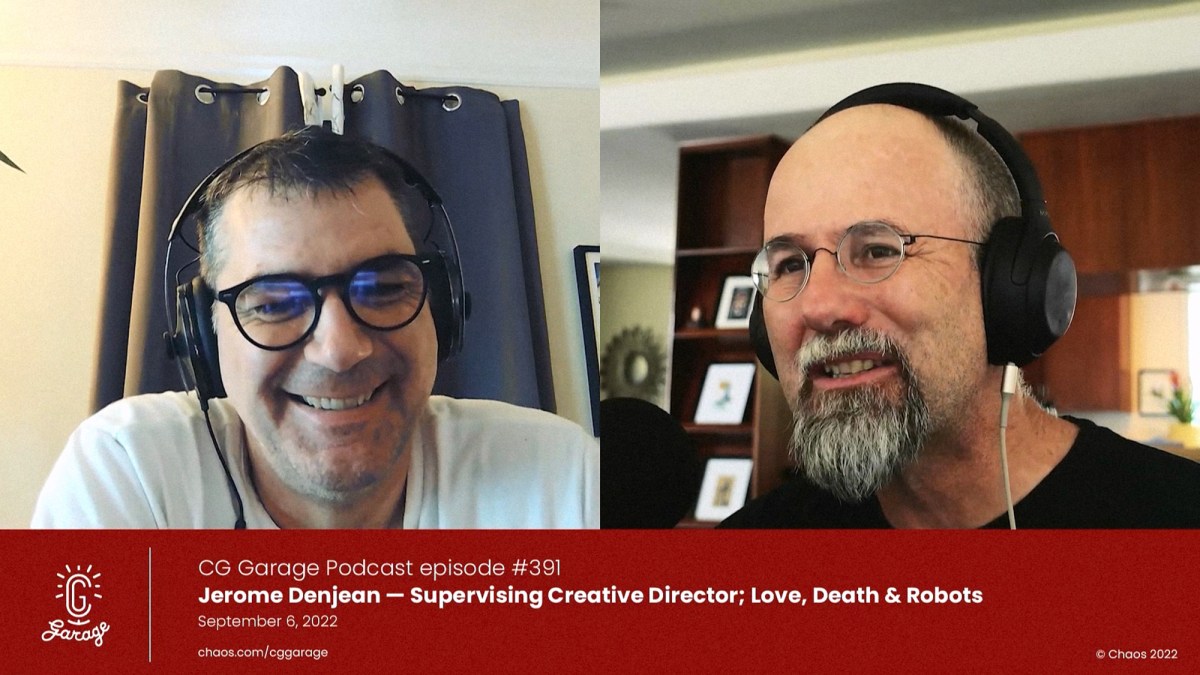
Over the past five years, Love, Death & Robots has completely resculpted the landscape of animation, feeding Netflixviewers bite-size chunks of violence, sex, and gore. Supervising Creative Director Jerome Denjean is a key player behind-the-scenes, giving Love, Death & Robots’ talented directors the freedom to execute their visions (literally!) while ensuring that each episode fits in with the series’ overall vision and tone.
In his second podcast with Chris, Jerome breaks down some of the amazing episodes in series three: David Fincher’s “Bad Travelling,” Alberto Mielgo’s “Jibaro,” Patrick Osborne’s “Three Robots: Exit Strategies,” and Emily Dean and Polygon Pictures’ “The Very Pulse of the Machine.” Jerome also reveals how episodes are researched and produced, and how Japanese animation has influenced their direction.
0:00:00: Intro 0:06:03: Five years of Love, Death & Robots 0:09:12: Jerome’s role and how he works with different directors and international teams 0:14:28: Working with David Fincher on “Bad Travelling“ 0:18:23: Fincher, mocap, virtual production, and gore 0:23:48: Old friends return: “Three Robots: Exit Strategies” 0:30:19: The style of “The Very Pulse of the Machine“ 0:35:36: The influence of anime and working with Polygon 0:40:16: Alberto Mielgo’s “The Witness” and “Jibaro“ 0:52:39: Nurturing new talent 0:55:17: Producing “Love Death & Robots”
Love Death & Robots’ “Bad Travelling” gave Blur Studio a chance to work alongside legendary director David Fincher. Find out what they learned in the process.
Cinema is often referred to as painting with light — but it could be said that David Fincher’s movies paint with darkness. Beginning with Alien 3, and moving on through Se7en, Fight Club, Zodiac, Mank, and the TV series Mindhunter, the acclaimed director has made use of low-key lighting and anemic palettes to explore the darker recesses of the human mind.
Now, Fincher has taken his characteristic chiaroscuro to “Bad Travelling,” a grisly maritime adventure involving a dishonest, paranoid crew — and a giant crustacean lurking below decks. The Love, Death & Robots episode marks Fincher’s first completely computer-animated short film, as well as his first directorial contribution to the Netflix anthology series he executive produces alongside fellow director Tim Miller.
To create the nautical world of “Bad Travelling,” Fincher teamed up with Blur Studio, the animation and VFX production company founded by Miller. We spoke to Compositing Supervisor Nitant Ashok Karnik and Co-CG Supervisor Jean Baptiste Cambier about working with a living legend of modern cinema, and how V-Ray’s lighting tools helped Fincher embrace the darkness.
It’s Showtime! When Steven Soderbergh joins Rob, the two friends get to ask the questions they’ve never asked one another. In this episode find out about Steven’s new film Kimi, and how he thinks Sex, Lies, and Videotape now feels like a Jane Austen novel.
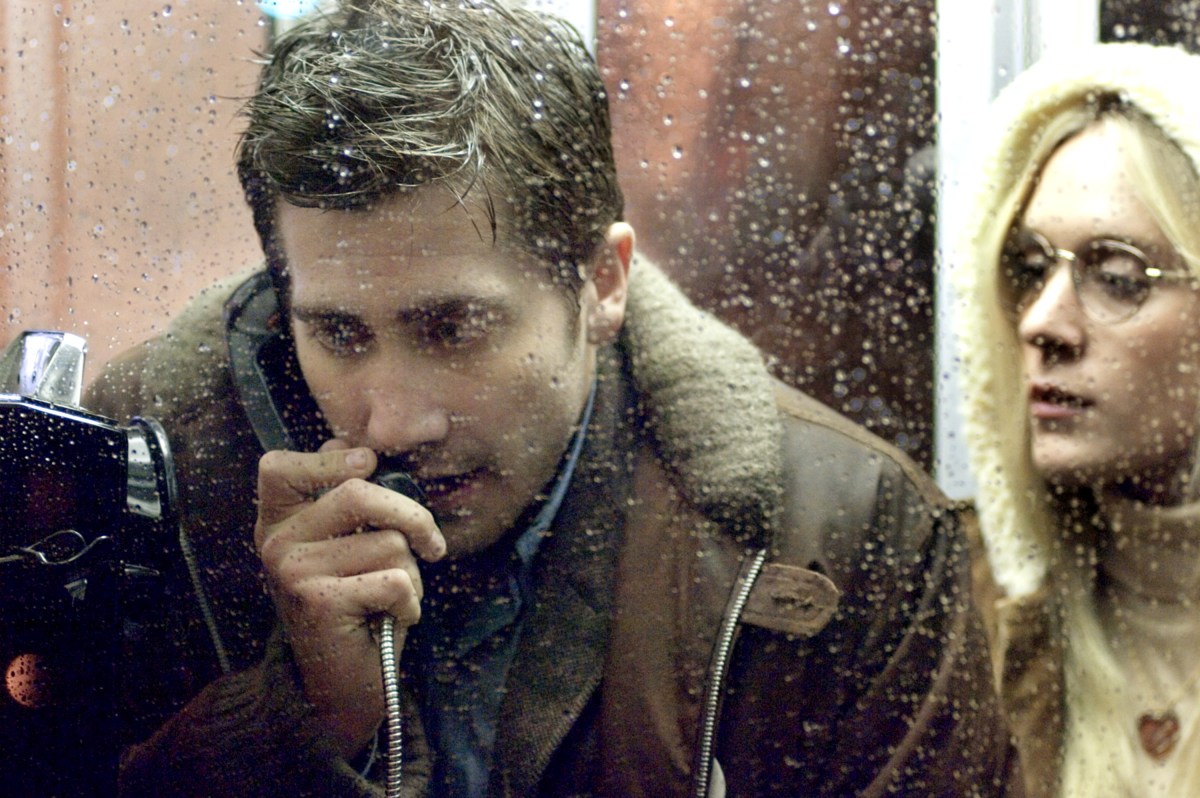
This week marks 15 years since “Zodiac” was released in theaters, and save for the actors looking 15 years younger than they do now, the film still feels like it could be released today. If anything, “Zodiac” feels more like a product of 2022 than 2007. The country is more obsessed with serial killers than ever before, with true crime podcasts and documentaries continuing to draw massive ratings, Zodiac killer memes being used in presidential primaries, and the latest Batman movie taking the form of a serial killer drama.
That makes it a great time to revisit “Zodiac,” as well as a good opportunity to take a deep dive into the making of the film. “Zodiac” attracted as much attention for its painstaking production process as it did for the finished product, as the always detail-oriented David Fincher went above and beyond to make sure everything in his film was historically accurate. Sometimes his methodical process hurt his relationships with the cast, but one thing is for certain: They made a great movie.
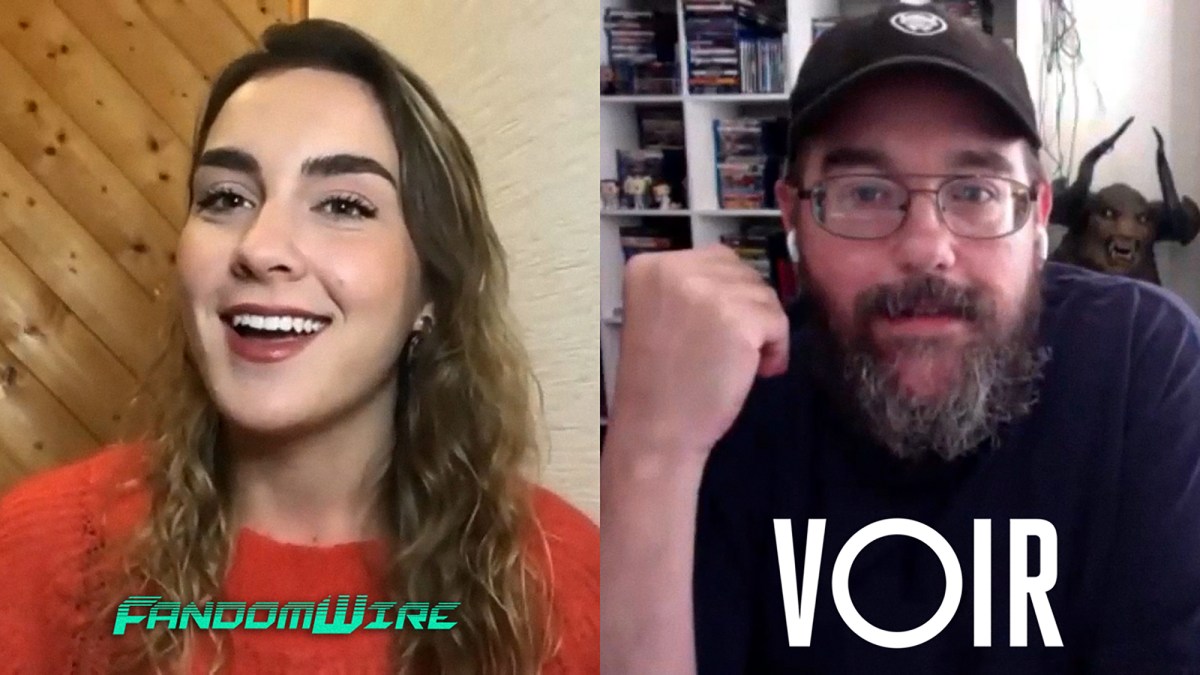
Drew McWeeny explained that he almost missed out on David Fincher’s emails and calls after he thought someone was pranking him and was using a very weird, full of movie references email address (and yes, I really need to know what were these references now…):
“He emailed me in the middle of the night. I didn’t know him, we hadn’t spoken before (…) and the email just said “Hi, this is David Fincher. Call me.”
He ignored the email. David Fincher emailed him again the next day, but Drew didn’t want to believe it.:
“And it’s the third day when he actually called me and said ‘Hi, this is David Fincher, what’s your problem?!’ And I went ‘Oh my god! Hi, how are you?”
VOIR: 03. But I Don’t Like Him. Written and narrated by Drew McWeeny
Drew McWeeney declared that creating Voir started with David Fincher having “the vaguest notion that he wanted to celebrate movies”.
But when Drew McWeeney decided to make his episode of Voir centered on unlikeable characters, it was because he felt that a conversation needed to be had:
“I think ‘likeability’ has become this weird, weird buzzword, we hang a lot of other issues about movies on it. When people don’t like a movie, they immediately go to ‘I didn’t like the character’. But that’s not necessarily a bad thing. And all I wanted to do is reframe that conversation”. (…) Art is not about endorsement.”
Sasha Stone’s episode of Voir, Summer of the Shark, directed by David Prior, is now streaming on Netflix, along with five other film essays: The Ethics of Revenge, The Duality of Appeal, Film vs. Television, by Tony Zhou and Taylor Ramos, But I Don’t Like Him by Drew McWeeney, and Profane and Profound by Walter Chaw.