In Conversation with Actor Joe Tuttle

Paula Courtney
March 23, 2019
Absolute Music Chat

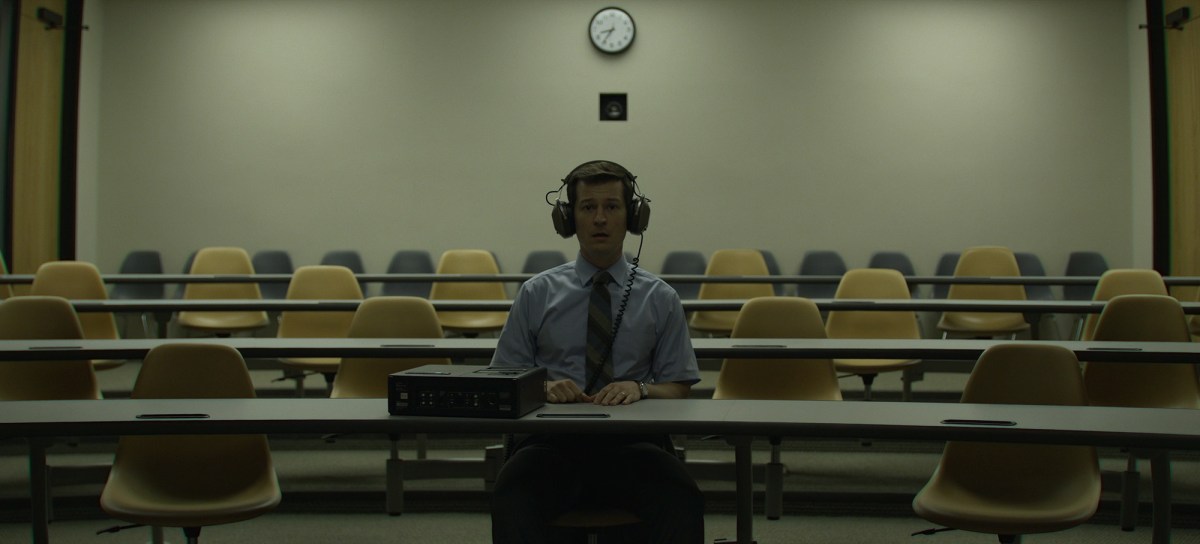
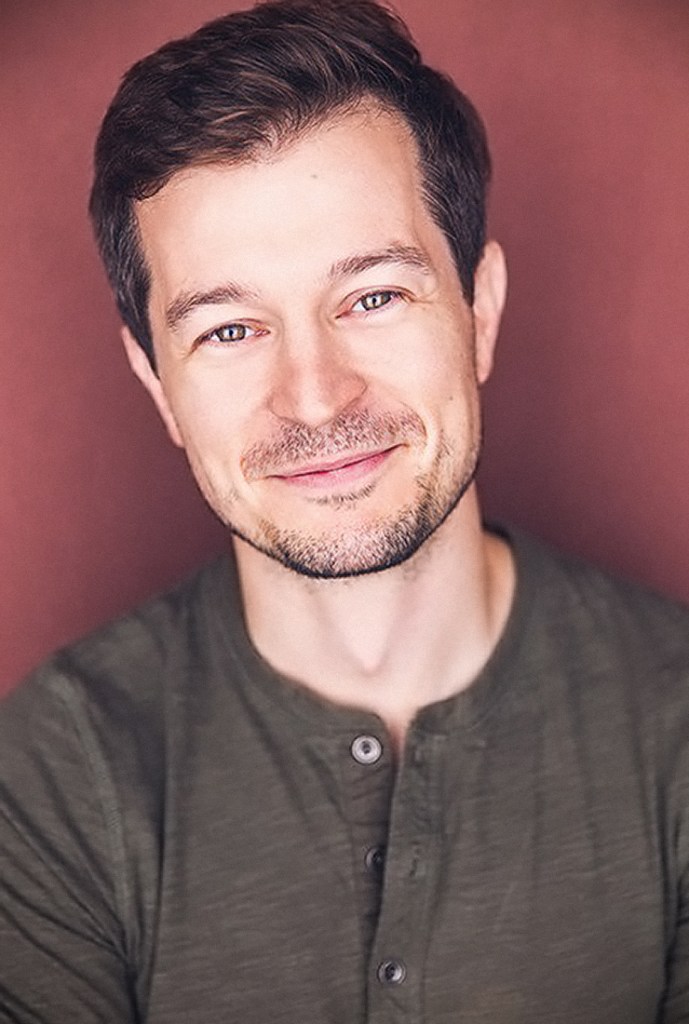
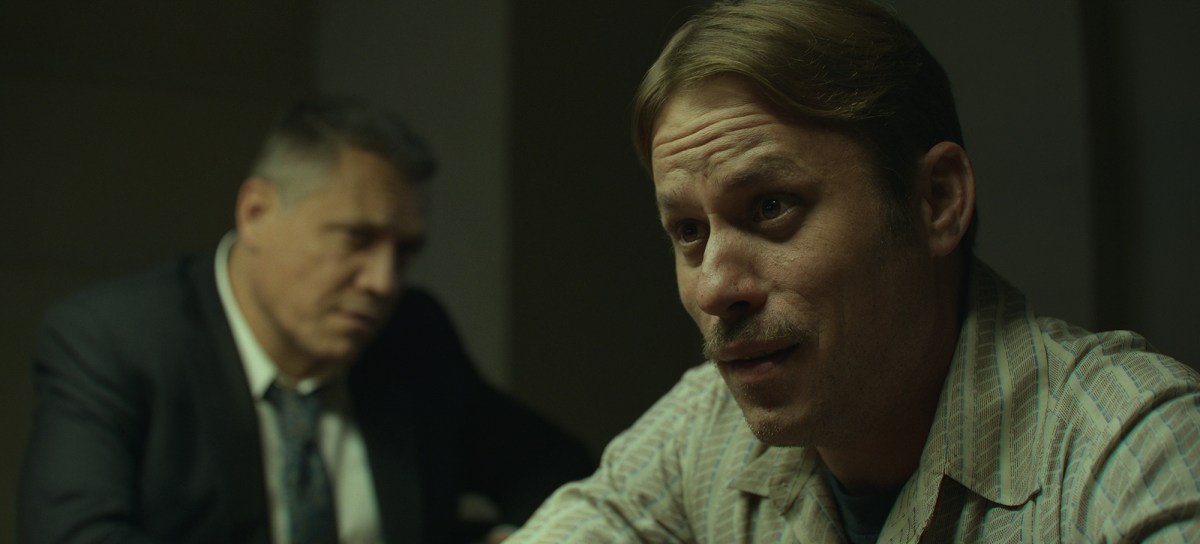
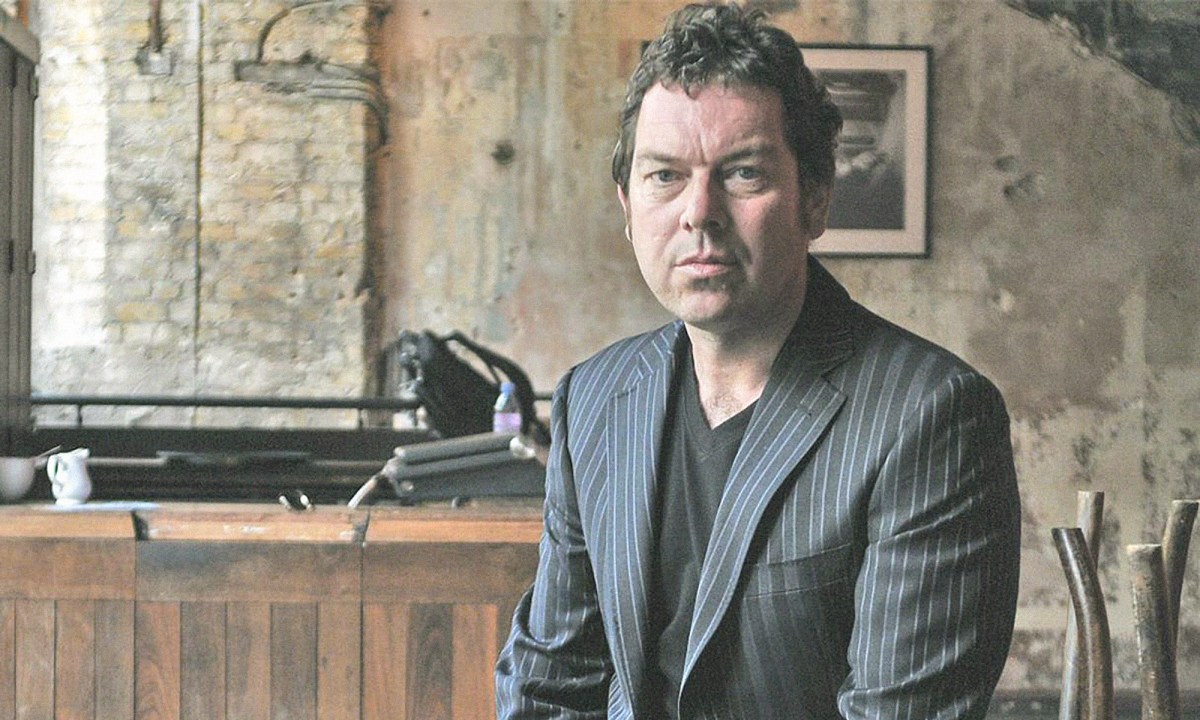
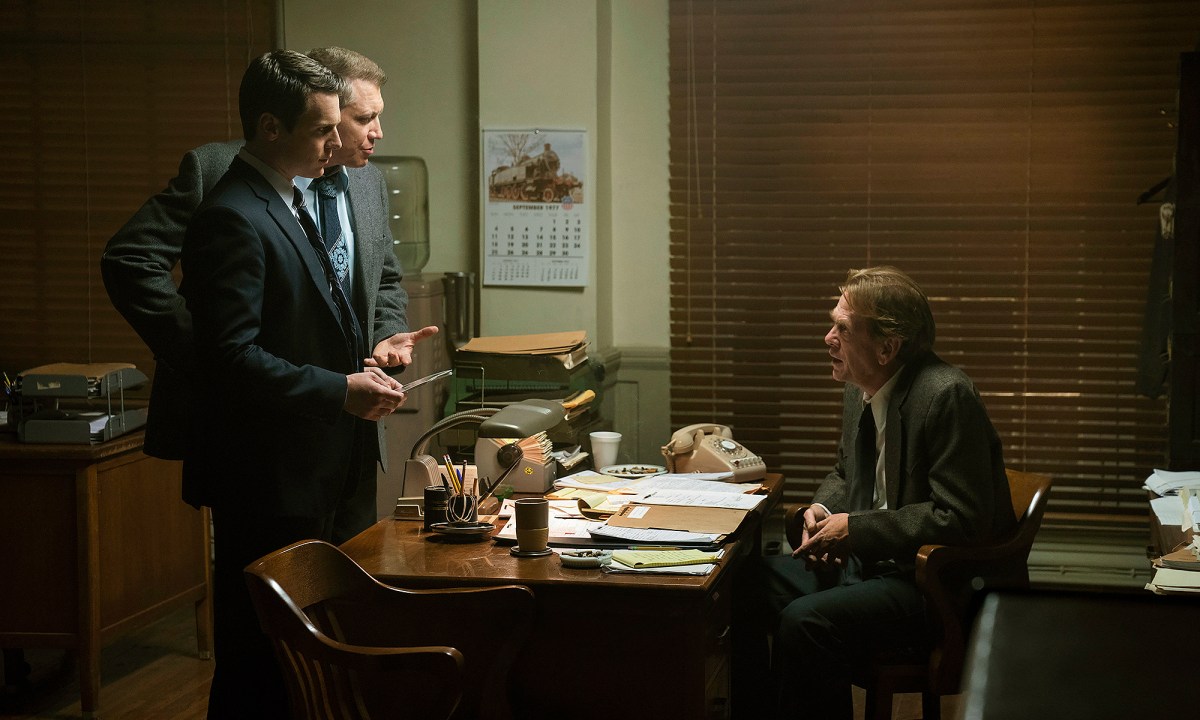
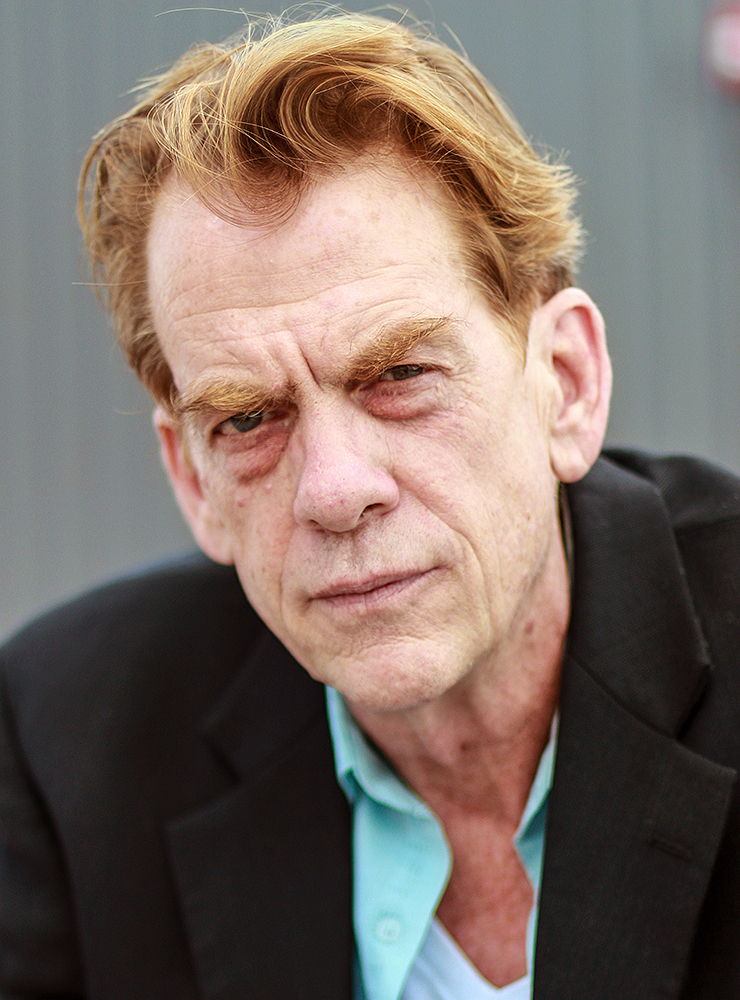
Joe Tuttle is well known amongst the fans of David Fincher’s Netflix show Mindhunter, for his role as FBI Agent Gregg Smith in both seasons 1 and 2. He has also appeared on other top-rated shows such as The Blacklist and Unforgettable. Joe and I had an in-depth conversation discussing his influences growing up, his career, and so much more.

[…]

JT: My secret weapon is my wife, she’s not an actress but she does have a writing background, so sometimes I think I can get caught up looking at these scripts as an actor like, ‘Oh this could be a really beautiful moment,’ but my wife is always about the writing, sort of, ‘Don’t forget these are human beings.’ It’s nice to have your moment as an actor, but don’t forget, are you really serving the story?

PC: And from speaking to many of the actors on Mindhunter that’s exactly what David Fincher wants when he shoots take after take of the same scene, for you not to play them out as an actor but to be, or react, as you would naturally in real life, and that really ties in to what your wife is saying.

JT: I think that’s part of it… I wish just for one day I could get in the head of David. I don’t think I’ve ever met anyone like him before; I probably won’t meet anyone like him again. He’s sort of brilliant at all these different things. I think that’s true he does a lot of takes for a lot of different reasons. One of them is certainly because it’s, ‘Okay let’s make the performances kind of finely crafted in a way, sort of uncrafted in a way. We don’t want to see the actor, we want to see a human being having the experience’.

PC: Yeah exactly!

JT: Also another reason David Fincher does a lot of takes is because I think he has a vision and he wants it to be exactly how he visualises it. It’s not always about the actor, sometimes it’s: we are slightly out of focus; it’s the wrong moment; actually I want to change one word, or the lightning is slightly different, or l want to frame up the camera in a different way, or I don’t like the coffee cup you are using, or that chair, we need to switch that out, or the background actors weren’t perfectly in sync. He notices everything, things that no one else would notice!

PC: In shooting numerous takes he wants the scenes to be the best of the best and to be fair it pays off doesn’t it.

JT: I think so. I don’t think David is making movies or TV shows for the 95%. I think people universally love his work and for good reason. He’s not making them for the 95%, he’s making them for that top 5, that top 2% even, who are going to notice these kinds of things. They are going to say, ‘That cup doesn’t make sense in this world. The lighting was a little bit off in that shot,’ or, ‘that background actor didn’t see his mark exactly.’ He’s making it for people like him, who are going to really notice that stuff. And when you do notice a glaring error or mistake, or something that doesn’t seem right, it takes you out of the story. I think he just wants a total immersive experience. He wants you, I presume, to be so involved that you almost forget, so that you really do feel like a fly on the wall, watching these people having these experiences.

PC: I have just interviewed Garry Pastore and his other job, when he’s not acting, is as a set dresser (leadman). He said he notices stuff like a blank wall behind a person which would clearly have a piece of art or a photograph on it in real life.

JT: The trouble with David is it means we notice that stuff now too; he’s sort of a force of nature; he raises everybody’s game. I’ve really noticed that about him – and not just with the actors, but the cinematographer, the technicians, the dolly grip, the sound folk – because he’s operating at such a high level you have rise to the occasion. I think that’s why people are drawn to working with him and will pass up other job opportunities, just to be able to work with David.

PC: I have arranged to have an interview with a guy called Dwayne Barr who operates the A camera dolly grip, because I’m just as interested to get his take on the technicalities of Mindhunter and Fincher, not just actors. I would love to talk to Erik Messerschmidt about cinematography.

JT: He’s a talented guy. It’s the first time in my working life as an actor I’ve been like ‘Wow!’ I wish my education had included more about cameras, editing and lighting. We touched on a lot of that stuff in acting school but wow, the technical aspects of making a TV show or film is frankly probably more important than some stuff we were taught. Just being able to ask the DP or the cinematographer why this, why now? Because I’ve had this work opportunity, I’ve started to notice.

Read the full interview

Joe Tuttle (David Noles)

Read the other Absolute Music Chat conversations with the Cast of Mindhunter (more to come):

Jonathan GroffHolt McCallanyCameron BrittonCotter SmithJack ErdieAdam ZastrowAlex Morf, Jesse C. Boyd, Tobias SegalThomas Francis MurphyChris Dettone.

‘Love, Death & Robots’: Tim Miller on His NSFW Anthology of Animated Stories

Steve ‘Frosty’ Weintraub
March 16, 2019
Collider

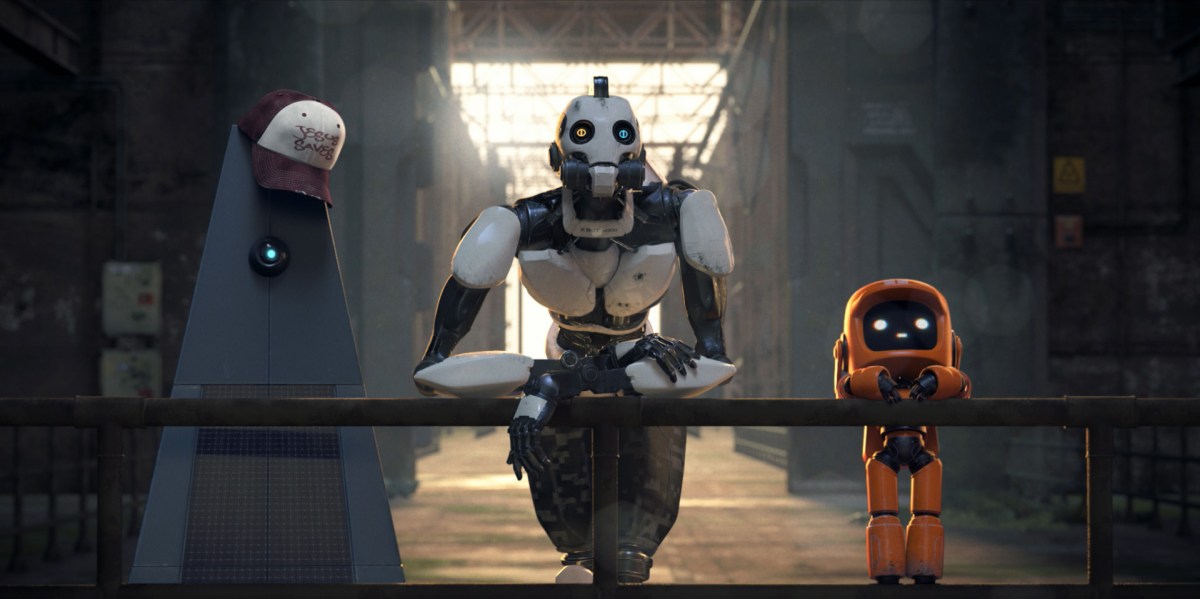
With Love, Death + Robots now streaming on Netflix, a few days ago at SXSW I got to sit down with Tim Miller to talk about the NSFW anthology of animated stories he made with David Fincher. If you haven’t seen the trailers, the very cool series features 18 shorts that run between 5-15 minutes in length, are aimed at adults, were done by different teams of filmmakers from around the world, and showcase a variety of styles from traditional 2D to photo-real CGI. In addition, all of the stories are wildly different. You’ve got cyborg bounty hunters, alien spiders, sentient dairy products, werewolf soldiers, robots gone wild, and blood-thirsty demons from hell — to just name a few.

I caught six of the shorts before doing the interview and absolutely loved what I saw. If you’re into cool stories and incredible animation, you absolutely want to check the series out. Love, Death + Robots is now streaming on Netflix.

During the interview, Tim Miller talked about how the series was made, how they’ve been working on it since before Deadpool was released in theaters, how he became friends with David Fincher and why they did this project, and what it was like collaborating with Netflix. Plus, if he has a suggested order for people to watch the series, if he’s ready to tell more stories in some of these worlds, the possibility of a second season, how the budgets were dictated by length and animation style, and so much more.

Watch the full interview

How Netflix’s Spectacularly Weird Love, Death & Robots Came Together

David Fincher, Jennifer Miller & Tim Miller, Executive Producers
SXSW Film Festival. Austin, TX
(Daniel Boczarski / Getty Images, Zimbio)

Eric Vespe
March 15, 2019
SyFy Wire

Tim Miller and David Fincher aim to scramble and rearrange the face of TV animation with their ambitious Netflix series Love, Death & Robots, which features short, adult tales told in a variety of styles. At SXSW this week, they debuted six of the 18 shorts that went live on Netflix today. These risque shorts ran the gamut of comedy, thriller, crime, sci-fi horror and everything in-between.

This isn’t the first time Fincher has teamed up with Tim Miller. Before Miller achieved fame as director of Deadpool, he owned the Blur animation and VFX studio, and worked as Fincher’s guy for opening title sequences. The two even tried to get an animated adaptation of Eric Powell‘s The Goon off the ground 10 years ago.

In this chat with Tim Miller and his producer and wife Jennifer Miller, we talk about the process of bringing Love, Death & Robots to life, how that could potentially help make their Goon adaptation a reality, as well, and what it was like juggling dozens of directors and production outfits.

[…]

I don’t think you and I talked around the time, but I did talk with both David Fincher and Eric Powell when you all were trying to get The Goon off the ground about ten years ago…

Tim: We have not given up. It will happen.

Watching those episodes from Love, Death & Robots last night I couldn’t help but hope that it does well enough for Netflix that maybe they’ll go ahead and finally make Goon a reality. I’d love for this to pave the way to The Goon actually happening.

Tim: I think it will only help, but we haven’t given up on The Goon. Never have, never will. And I think you’ll be happy. Soon. I’m excited about it and I do think all of this helps. It can take a while. I don’t think I’m talking out of school, but the last hiccup was Eric had some older business that needed to be cleared out for lawyers to be happy and stuff. I feel it keenly, like if I was a fan and I would go, “These f***ers took my money and what did they do with it?” We did exactly what we said. We have a whole reel. We spent that money and more of our own besides. We have a full reel for the movie. It’s going to be great. It’s just any movie is a push up hill. For (Love, Death & Robots) David and I tried for 10 years.

Since you tried to get The Goon off the ground you’ve made one of the most successful superhero movies of all time…

Tim: Which also took five years to do as well, but we never gave up. David never gave up. On this show, literally the weekend Deadpool came out, David called and said, “Okay, you’re going to get a little juice off of this and we’re going to use that to combine it with my power and we’re going to push this forward.” The thing that was nice about Deadpool, which David saw, was it was something that everybody said won’t work and then they see it not only works but it works well and there’s a hunger for this kind of material out there. That was the same door we were pushing against with this R-rated animated anthology. So you can see the corollaries, and I think the same thing will be for The Goon. Why not?

That source material is so fun It’s a tragedy that it hasn’t happened yet, but I love that you guys are still pushing forward on it.

Tim: David never gives up and I don’t either. It’s not like I can’t give up because I have so much time invested. I just never stopped liking it. I didn’t get bored with it. Sometimes you just can’t get it done. You hit a wall and you have to find another way around.

Jennifer: I think it’s one of the things that makes you successful. You will walk through a wall to get to that project. I’ve seen you do it. You hang on for years and years. That tenacity is great. You need it, in this business especially.

You’re producing all these different shorts and you also directed one of your own. Did you find that there was much a difference when you were directing versus when you’re producing the other projects? Did you find yourself in any kind of different mindset?

Tim: I don’t think directors make the best producers because it’s hard for you not to go, “Well, how would I do this?” or “I would never do that.” But I do think from running a studio for years, Blur is almost 25. We have a lot of directors doing projects and I’m used to helping them or, I hate this word, but mentoring some of them or just chiming in and with an opinion when I’m asked. I’ve never felt like I had to control everything. I’m not that type of guy. And David is definitely not. I mean, we did the Girl With the Dragon Tattoo opening and David was like, “Tell me I’m the best f***ing client you’ve ever had.” I mean it was his vision for what it was, but as far as like saying “No, do this,” or “Cut out five frames early,” he never said any of that.

In fact, the last review was him saying, “I want to stop by and see it.” And I said, “Oh, why?” He’s like “’cause it’s cool. I just want to come by and see it and I’m in the neighborhood.” That’s the way he was for the whole project. And I try and be that way. On the other hand, Netflix expects us, Blur, as the hub of this whole enterprise to make something great. If we don’t deliver, first David will go, “Dude, what the f***? This sucks.” And then secondly, Netflix will go, “Uhhh…” So we feel a sense of responsibility to make sure it hits a certain level of quality, but I think you can do that without being heavy-handed. Maybe you should ask the other directors. (laughs) We only made two or three people cry during the production.

Jennifer: One of your superpowers is finding excellent talent. You would scour through the Internet and find all these great artists to come work at Blur and now you’re scouring the Internet to find these fantastic new directors. You gave them a lot of latitude and you set them up for success with fantastic stories and it worked. I think that very excellent hiring of talent really just set you up to be able to let go as a director and let them do their job.

Tim: Timing-wise, it worked pretty well for us. When Netflix said go we had a chunk of time before I had to leave and do The Terminator. We got through the entire story selection process. We got through the entire selection of the directors and studios that were doing the work. We got through the initial presentations of here’s what we’d like it to look like and here are our storyboards, and, in some cases, even animatics before I had to say, “See you later!” Terminator was a seven days a week, 24 hours a day enterprise. Jennifer and the production team are involved in all of that as well, so I don’t have to worry about that. Blur can do that without any input from me. It was a really great teamwork approach to the whole thing.

Read the full interview

Terminator 6’s Tim Miller Says Linda Hamilton and James Cameron’s Rules Are Key

Eric Vespe
March 15, 2019
SyFy Wire

In Conversation with Jesse C. Boyd (Mindhunter, Day 5, TURN)

Davina Baynes
March 9, 2019
Absolute Music Chat

Jesse C. Boyd has graced our screens playing roles such as Frank Janderman in David Fincher’s Mindhunter, the lead role of Jake in Day 5, a Queen’s Ranger in TURN and a wolf in The Walking Dead. We had an in-depth, and really fun conversation, about his childhood in rural North Carolina, his career and roles, upcoming projects, music, his love of hot sauce and lots more besides.

[…]

JCB: For Mindhunter I auditioned for it for, I think, a year – it was really long time. I remember I did my first tape when I was at a film festival in Idaho and, I think, while I was there I found out that I got Day 5. Then when I was filming Day 5 season 1 I got my second audition and they added another 8 pages to it. That was just ongoing and ongoing over time until, finally (and I think I was wondering whether it was actually happening) they were like, ‘They want you to come in to the office and do another read.’ I went in for another read. I think that Laray Mayfield (who does the casting) she actually does prefer self-tapes because she wants to weed through and see what she gets. They did just such an incredible job with that casting. When I saw it myself I just thought, ‘Wow! This is just so authentic and good!’ Laray is so talented too. Getting finally into the room you’re like, ‘Don’t screw this up!’

DB: When you were in the room was it just one or two run-throughs, or did she tweak how she wanted you to play it?

JCB: She did tweak. I know she did a version where she wanted it really fast. You’ve got to realise we’ve been doing these auditions over a year and the names are changing and the dialogue changes so you are consistently reframing what you’ve already learned. And then you’re finally going into the room and they’re like, ‘Can you do a fast version?’ (I think they want to see how [actors] can be on their feet, because of the way they filmed that show. When I ended up filming it they had so many different versions that we did of dialogue, I think they wanted to see whether you could handle these quick switches). There was one take that was super-fast and one that was more slowed down.

DB: How did you prep for that role? For who Frank Janderman actually is.

JCB: First of all I [had] spent a lot of time in Pittsburgh which was great (I did work and lots of things there), so that Pittsburghian accent was all around me. Then I just saw Frank as just like so many people that I feel that I already kind of know in life. This ‘nobody-fucking-asked-you’ kind of guy, but also he believes he’s a hotshot. He was accessible to me through so many other people I had met in my life that I know, that I think are really so much about the façade of not showing who they really, truly are – some of that, broken-downness in them.

DB: There’s a long interrogation scene and then a shorter one: how many takes did they do?

JCB: Oh my God! I wish I could tell you! Can I say a million takes? They did that big interrogation scene – we had three cameras running at all times – I think we filmed it for 12 hours the first day (it’s a 9-and-a-half page scene) three cameras, so you’re getting every angle on either side, and you’re doing it over, and over, and over, and over, and over… and just when you’re done, you’re doing it over, and over, and over again. Then I think the next day we went back and did another 6 hours. So it was a really long time of doing which is, I think, what makes it so great. First of all you’re breaking down a lot; you’re coming back; you’re refreshing with new things; you’re constantly finding new things to play with; and also you have so much coverage that when he [David Fincher] chooses what he’s going to put together he really has every colour of the box to paint his picture with.

Read the full interview

Jesse C. Boyd (Janet Adamson / JA Images)

Read the other Absolute Music Chat conversations with the Cast of Mindhunter (more to come): Jonathan Groff, Holt McCallany, Cameron Britton, Cotter Smith, Jack Erdie, Adam Zastrow, Alex Morf, Tobias Segal, Thomas Francis Murphy, Chris Dettone.

Conversations with Darius Khondji

Visit with Darius Khondji, ASC, AFC

Darius Khondji, ASC, AFC (Marianne Chemetov / American Cinematographer)

Benjamin B
February 11 & 22, 2019
American Cinematographer (Blogs), The Film Book

When I visit Darius Khondji, ASC, AFC, in his home in Paris recently for coffee, tea and talk about his art and craft, we speak in his dark living room, with a small pool of light from a lamp on a nearby table, and soft daylight coming through French windows that give on to a snowy courtyard.

Darius’ wife, photographer Marianne Chemetov, kindly agrees to shoot a still of her husband for me near a window. They discuss the lighting. Darius asks to be in silhouette, and, afterwards he darkens Marianne’s photo on his iPhone even further. I ask him about this, and he says: “I like the radical quality of this chiaroscuro.”

Part 1: Book, Dimming, Colors, Direction

Part 2: Sources, Exposure, Contradictions, Directors

Book Excerpt: Conversations with Darius Khondji

The esteemed ASC member reflects on his breakthrough feature Se7en, which helped change the face of Hollywood horror and suspense features and remains a cinematic touchstone.

November 05, 2018
American Cinematographer

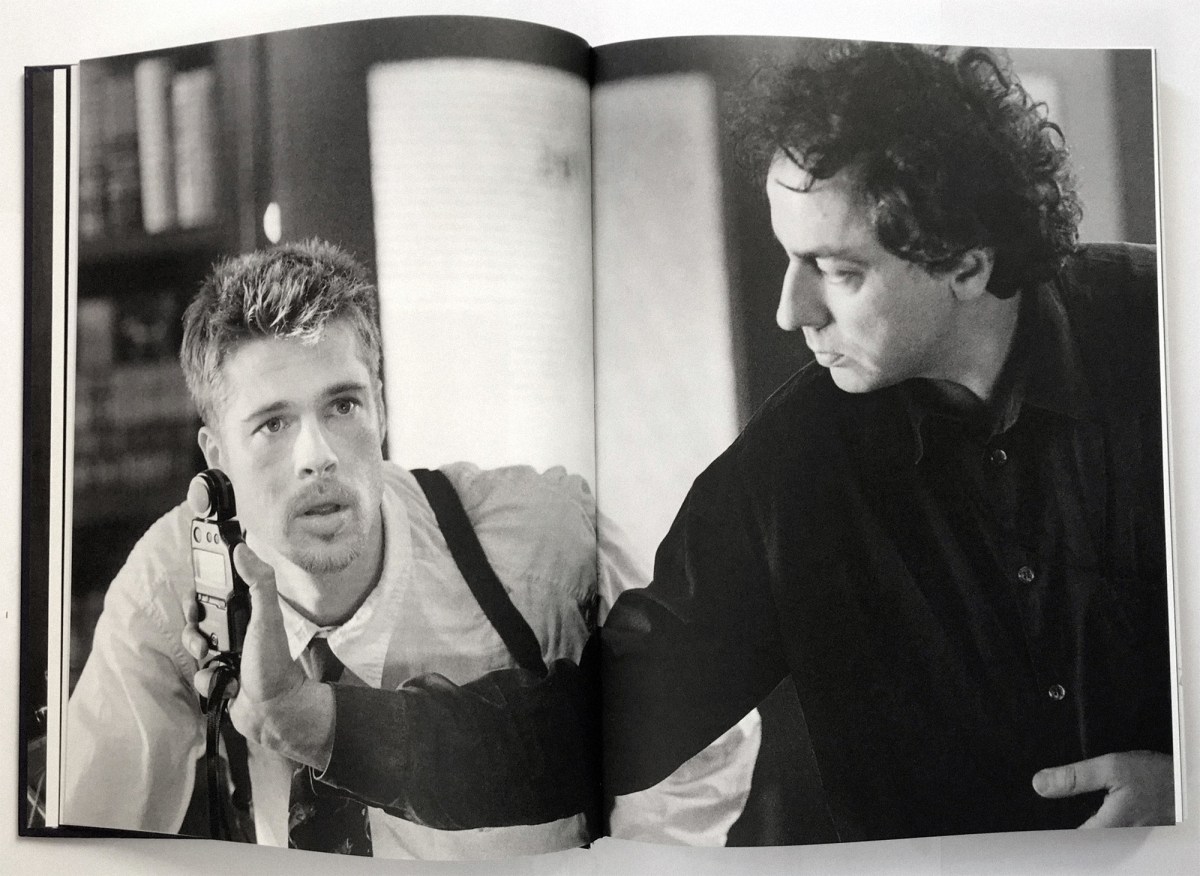
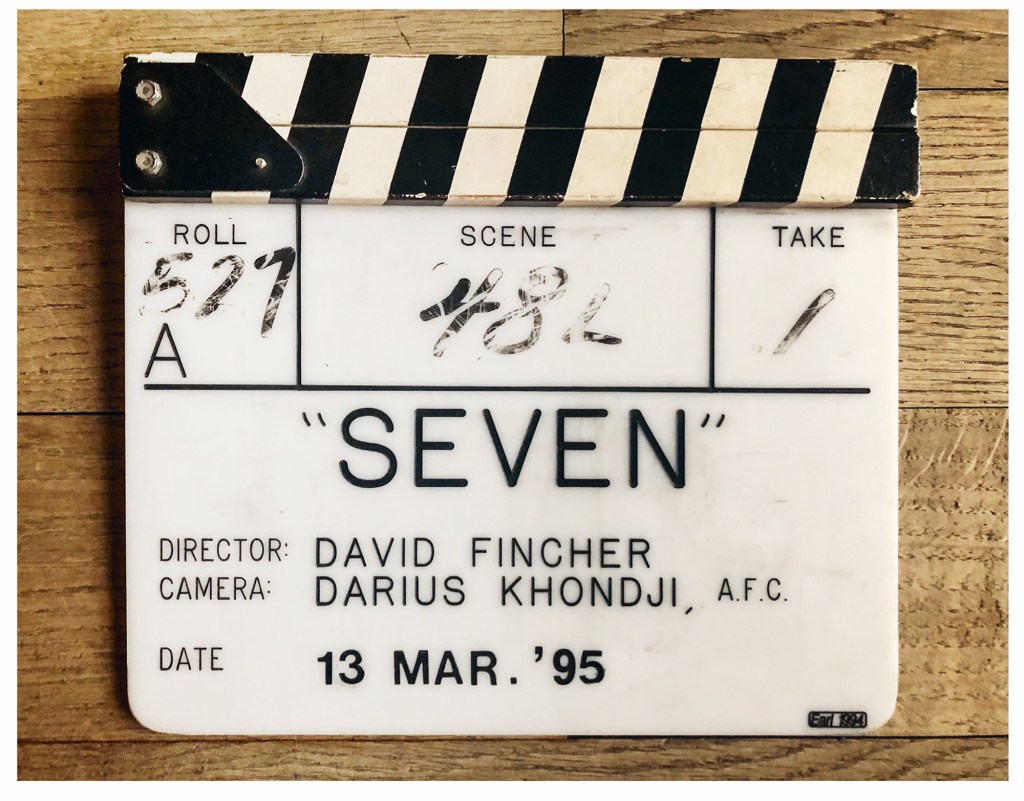
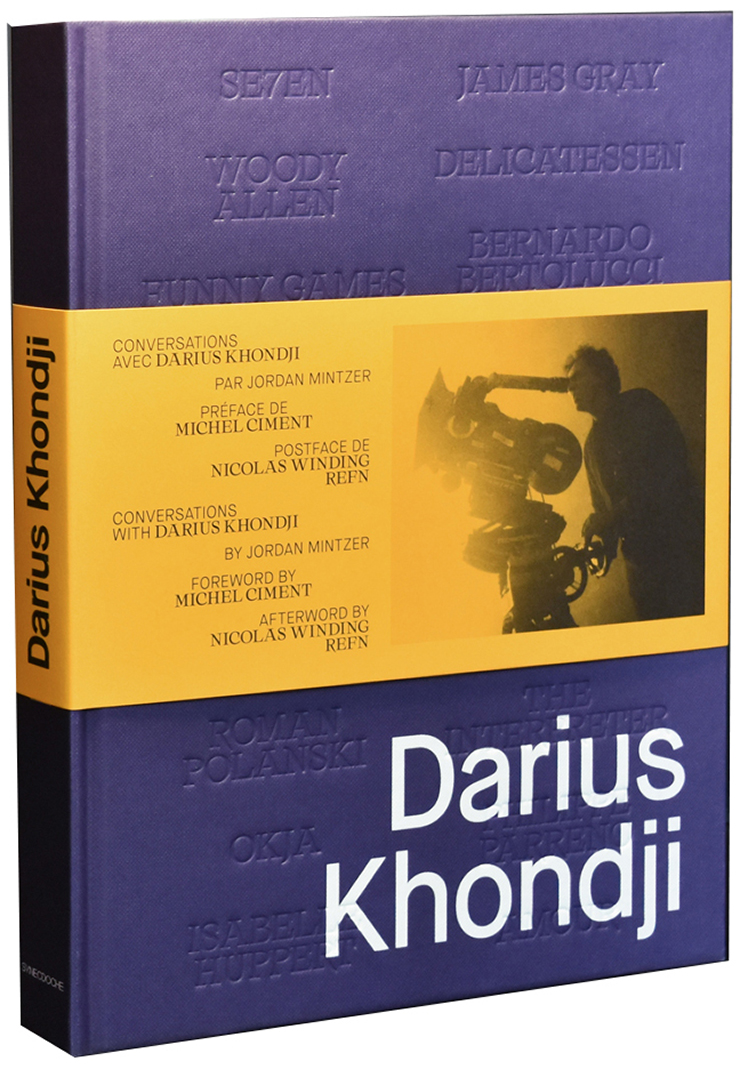
The following is an excerpt from the new book Conversations with Darius Khondji, written by The Hollywood Reporter film critic Jordan Mintzer and published in a French-English bilingual edition by Synecdoche in Paris. The excerpt is taken from the chapter “Out of the Shadows,” which begins with Khondji describing his work on David Fincher’s Se7en (1995) — the first feature he shot in Hollywood.

Read the excerpt

Order the beautiful limited-edition hardcover book: Conversations with Darius Khondji, by Jordan Mintzer (Synecdoche, Paris). HIGHLY RECOMMENDED!

Joe Penhall on the Nature of Criminality in MINDHUNTER and The King of Thieves

Joe Penhall (2018, Richard Mildenhall / Independent)

John Bucher
January 25, 2019
LA Screenwriter

Joe Penhall has been telling stories in theaters, across TV screens, and on stages for almost 20 years. His screenplay based on Cormac McCarthy’s The Road, starring Viggo Mortensen and Charlize Theron, brought him acclaim and opened up doors that would lead to his most celebrated project to date, Netflix’s Mindhunter.

Penhall has returned to the world of cinema with his newest project. Starring Michael Caine, The King of Thieves is a crime story based on real events about a retired crew of criminals who attempt to pull off a heist in London’s jewelry district.

[…]

John Bucher: With both Mindhunter and King of Thieves, you really get into the psychology of criminals and you have deep insights here into the way that people who have committed and plotted crimes look at the world. How do you approach these characters to understand their psychology?

Joe Penhall: The first and only regular job I ever had was as a crime reporter in my early twenties, and occasionally, the detectives would give me a transcript to read. One of them was an interview with a serial killer and we would analyze it and we would talk about it and they would give me their insights, and over the years, I’ve just become more and more interested in psychology and the kind of pathology of people’s behavior, because the only way to know anything about people is to try and develop a proper kind of psychological perspective.

What fascinated me about Mindhunter was how these FBI agents are expected to get crew cuts and lock people up and they’re at a time in history when that’s not good enough anymore. We have to develop a more nuanced, more academic, psychological understanding of this and I think that that’s true. People accept criminals. They accept politicians. They accept the bad people and the good people in society without ever really analyzing or pathologizing them in any way at all.

These things are an opportunity for me to try and dig down and understand what makes criminals tick. These criminals are a big part of our society, and certainly when I was doing Mindhunter, I know David Fincher and I were both fascinated with psychopathy and narcissism and personality disorders because I think we felt, somewhere on the grapevine, there were other people out there who weren’t serial killers who were high-ranking politicians who had psychopathy, who had personality disorders that resembled very closely the kind of villains in our piece.

And it came to pass. Since Mindhunter was written, there’s been this book about Donald Trump’s personality disorder. It’s well known that many of history’s dictators had personality disorders. They had psychopathy. They had sociopathy. They had antisocial personality disorder.

And it strikes me as self-evident that there is a pathological way of understanding these things without just calling it evil or without just calling them monsters or without just ringing your hands, you know. I think we were on a mission with Mindhunter to show that these people were actually ordinary people, sad to say.

King of Thieves is a much lighter version of that, but it’s the same thing. It’s not Warren Beatty in a heist film. It’s not George Clooney in a heist film. They’re banal people. They’re banal people that can’t be socialized the way most people can and they end up doing odd things like robbing vaults. I just find it fascinating but fascinating for slightly different reasons than people generally find heists fascinating or criminality fascinating in the movies.

Read the full interview

The Creator of Netflix’s ‘Mindhunter’ Is Already Thinking Past Season 2

“We’re working as fast as we can,” Joe Penhall tells Inverse.

Jake Kleinman
January 17, 2019
Inverse

Joe Penhall has been keeping busy. In between researching and writing Mindhunter Season 2, he also had time to pen King of Thieves, a new movie out next week about a group of elderly British burglars. But we couldn’t resist asking about his hit Netflix show, and, in an interview, Penhall tells Inverse approximately when we can expect Mindhunter Season 2 to arrive along with his plans for Season 3 and beyond. (Listen to the interview in the video above, if you can stand the sound of my rapid note-taking throughout.)

You might think that, as series creator, Penhall would be heavily involved with the editing process, but once filming wrapped in December 2018 he was essentially finished with Mindhunter Season 2.

“The editing process is quiet for me because David Fincher locks himself away and doesn’t really want to share with anybody,” Penhall says. “And I don’t particularly need to see things half finished.”

He added that Season 1 took about “6 months of 8 months” to edit, suggesting that Mindhunter Season 2 could see a similar timeline, only faster.

“We’re working as fast as we can,” he says. “There’s only eight episodes in this one [down from 10 in Season 1]. So he doesn’t have quite as much to do.”

Read the full profile and listen to the interview

When will Mindhunter season 2 be released? Here is what its creator told us

Joe Penhall also talks Charles Manson, his 5 season plan and admits he almost passed out at FBI’s museum of death.

Gregory Wakeman
January 22, 2019
Metro (US)

Mindhunter creator Joe Penhall is hopeful that the second season of the Netflix show will be released by the end of 2019, although he admits that all depends on director David Fincher.

Shooting on Mindhunter season 2 finished “about a month ago,” but when it comes to its release date Penhall says, “I don’t know because that’s always up to David. He kind of goes into editing and he doesn’t talk to anybody until he comes out again.”

“I would hope that would be by the end of this year but I just don’t really know. Yeah and he’s a rule breaker and he wants to do it on his own with his own schedule.”

Read the full profile

In Conversation with Thomas Francis Murphy

Davina Baynes
November 23, 2018
Absolute Music Chat

I recently had the enormous pleasure of interviewing the actor Thomas Francis Murphy. Thomas has worked on movies and shows such as 12 Years a SlaveFree State of JonesMindhunterThe Walking Dead and American Horror Story. We talked about his unconventional path towards taking up acting in his mid 30s, Dayton, Ohio, his career, music and much more besides.

[…]

DB: Mindhunter, Detective McGraw, you were in the first episode which is the one that David Fincher actually directed. How did you get that role?

TFM: I taped for it when I was in Louisiana. Then I came out for the first full out LA premiere I had ever done, which was for the Free State of Jones, and then auditioned here for it, in person, with Laray Mayfield who was casting out here and from there I went to New York to audition with David [Fincher] and Julie Schubert– so there was quite a long audition process for that.

DB: What was your experience on-set of Mindhunter?

TFM: Well again, I didn’t know until we started shooting, that it was a re-shoot. They had shot that whole thing and then came back at the end of the season to re-shoot that [whole] section. The actors, by that time, had been acting together for a whole season so it was like coming into the lunch room mid-semester of the senior year.

DB: There are three big scenes: the one where Tench and Ford do that slightly disastrous presentation in front of everyone; then there’s another one in the diner where you are talking to them; and the final one where you show them the photographs. With that scene, where you are back at the station and are showing them the photos, when did you, and when did they, first see the photographs that you were using?

TFM: Then. I’m sure they saw them before, but I saw them then.

DB: So, they had already seen them because of the re-shoot, but that was the first time you had seen them, because they are pretty gruesome.

TFM: That is an interesting question. That’s really an interesting question, you know – because I had never really thought of it before, kind of shame on me, but that’s alright. Even if I had thought of it, just letting this thing come over me…

DB: Did you have to smoke on set?

TFM: Yes! And that was a bitch when it came to continuity. You do it and then the next take you get, ‘No, your hands were like this!’

DB: No one else has mentioned that and it’s really interesting because I had never thought of that.

TFM: If you are a smoker, right, you don’t do it… I mean that’s the whole point of it. If you’re a smoker it just let it flow through you and proceeds according to your internal state. So to come back on a scene and go, ‘No your hand was just like that!’ That’s what I’m hired to do. I’m not hired to think about it. I’m hired to smoke!

DB: But you wouldn’t have felt quite so ill as the ones who don’t normally smoke who said they would smoke some real cigarettes!

What was it like working with Holt and Jonathan?

TFM: Well I had a high regard for both of them, but you know David does a lot of takes, everybody knows that, right. So again, you’re the new kid, that scene in the diner… that was us meeting each other as actors. I got their attention (laughs) and then we did the scene. That’s how often actors meet each other, as actors, and then you know that you’re going to be able to do the scene.

DB: Was that the first scene then, the one in the diner?

TFM: No. The first stuff we shot was the meeting. We shot that particular thing in chronological order.

DB: So, what is David Fincher like working for when he’s directing?

TFM: Well he’s obviously a guy who knows what he wants. Clearly. So that’s always good! I guess the thing you know is that, if he didn’t get what he wanted, you’d still be shooting! (Both laugh) You take your gratification where you can. My comparison that I have in my mind is that now you’re working with an NBA coach, you were in college basketball, it just has that kind of feeling to it. I’d certainly seen his films and I had certainly paid attention.

Again, it’s another story about having lived through that time, having lived through a period of time where the political colouration of the country, the kind of cultural colouration of the country that went along with that storyline. When I went back and watched Mindhunter I was just completely amazed at how it caught the spirit of that particular, in small ways, period of time.

Read the full interview

Read the other Absolute Music Chat conversations with the Cast of Mindhunter (more to come):

In Conversation with Mindhunter’s Jonathan Groff
An Interview with Mindhunter’s Holt McCallany
In Conversation with Mindhunter’s Cameron Britton
In Conversation with Cotter Smith. Actor (MindhunterThe Americans)
Jack Erdie: Actor (MindhunterBanshee) & writer
In conversation with actor Adam Zastrow (MindhunterHigh & Mighty)
In Conversation With Alex Morf: Actor (MindhunterDaredevil)
In Conversation With Tobias Segal: Actor (MindhunterSneaky Pete)
Spotlight Interview. Chris Dettone: Actor (Mindhunter), Stuntman/Coordinator

In Conversation with Mindhunter’s Cameron Britton

Paula Courtney
November 3, 2018
Absolute Music Chat

Emmy-nominated actor Cameron Britton mesmerised us all with his portrayal of serial killer Ed Kemper, on hit Netflix show Mindhunter. In this interview we discussed everything from romance to his preparation for the role and working with director David Fincher, the real Ed Kemper and so much more.

[…]

PC: When you were sat in that room with Fincher, was it hard not to show your nervousness, what did you do to combat those feelings or were you not nervous?

CB: It was back and forth that I thought, ‘Oh I’m doing a terrible job, he’s going to fire me,’ and Jonathan would talk me down from the ledge. There were days when we had done 50 takes – let’s do 50 more, 70 more I don’t care, I’m having a blast, I’m just lost in the moment, because it’s not just the takes it’s how quickly we get back to the top of the scene. Often when someone says ‘Cut!’ you know you don’t actually get to start the scene again until 10 minutes later, with him it’s 15 seconds! We are back in it. I’d never done that in my life before and that in character, for that long for a whole day of, since you’ve been awake you’re in character. It just starts becoming this sort of spiritual experience where you kind of forget what you planned on doing, you’re surprising yourself, you’re going, ‘Oh oh God! I’ve never delivered it that way before! Where did that come from?’

PC: I was talking about that with Adam Zastrow and he said by the time you do the 50th take you feel like it’s going through the motions, you don’t have to think about it but by then you are delivering something that is more natural, or organic, and that is what Fincher is looking for: that very moment when you are not acting, you are being it, doing it, aren’t you?

CB: You are! And day one I thought, ‘Are they going to fire me? Am I going to get too tired to do this?’ And that is just not the case. I met a few people playing killers who were nervous – anyone who’s worked on Mindhunter and worked with Fincher – they all think, ‘Ah, they’re going to fire me!’ But when you are in there, man you just keep going. Being fired is the last thing you’re thinking about, you are just alive. It’s a hell of an experience and honestly is moving forward my career. I’ve been fortunate enough, because of my character, to get to do bigger projects now, like that’s sort of my standard. When I go to other projects now I go, ‘Okay, are they living up to what Mindhunter taught me and are they making good art?’ And if they are not then I sort of politely find a way to come off what’s going on.

PC: What about learning your lines: how easy is that for you? Obviously you had quite a bit of dialogue: how do you make it stick?

CB: There’s knowing all your lines, that’s fine and that comes really quickly, what really takes repetition is to do it enough so you don’t need to think about them. There just coming out and that is so necessary to me, if I’m just thinking about the line then I’m not living ‘in the moment’ and that’s just the kind of acting that I do. I need to have nothing happening to distract me. I just take every opportunity to be where I need to be ‘in the moment’ because I’m still working on it. If I don’t feel connected to the scene, or ‘the moment’, I can kind of panic and then you can sort of see me acting. Some actors, they are able to go, ‘Well I’m not connected right now but I can sort of fake my way through this,’ and that’s just part of life: if you have a job there’s some days you are just not feeling it even if it’s your favourite job in the world. I’m still working on that but no matter what, I have to know the lines backwards and forwards.

PC: With regards to David Fincher’s style of directing, is there any room for a bit of give? Do you feel you could suggest to him that perhaps you’d like to try something different or is it all very controlled by him or the other directors?

CB: With David there’s a line here, a line there, in this big, giant script where he says, ‘I want this to be arrogant,’ or, ‘I want this in a form of a question.’ And I think, when he says ‘arrogant’ there are many, many, many ways to do that so it’s up to you how you want that to be conveyed – the rest of the script is all yours. And maybe that’s just my experience. David puts you in: he guides you in the right direction. So if an actor strays too far this way or that way he’ll sort of put you back on track, but the point of all those is not to do anything you’ve prepped and just be truly alive ‘in the moment’. If you’re over-directing somebody then it won’t be that: then you’re just using all those takes to get this exact delivery or performance out of them, which is fine, but it’s not allowing… like he’s so trusting that inspiration will come; you know if he has too much vision for a moment he’s not allowing for a better vision to show up. If he’s saying it has to be this way then how do you know if something better wouldn’t have come along? He’s very trusting and it empowers you; you can tell [when] your director is letting you do your job. There’s been times he’s had to put me back on track: the hospital scene in the final episode when I stand up and turn around he let me go two or three takes where I just went ballistic. When we first started shooting that part I stood up like a maniac and then by the third he said, ‘I can’t think it up with the rest of that part of the scene. You can’t do that’. It needed Kemper to stay calm and collected but, in a way, I needed to go crazy for a second, I needed to really feel that wild, impulsive energy, that’s sort of Kemper though isn’t it: even when he’s calm you can feel his urge to hurt; he’s almost masking a lot of violence, no matter how mellow he looks.

Read the full interview

2018-11-03. Cameron Britton

Read the other Absolute Music Chat conversations with the Cast of Mindhunter (more to come):

In Conversation with Mindhunter’s Jonathan Groff
An Interview with Mindhunter’s Holt McCallany
In Conversation with Cotter Smith. Actor (MindhunterThe Americans)
Jack Erdie: Actor (MindhunterBanshee) & writer
In conversation with actor Adam Zastrow (Mindhunter, High & Mighty)
In Conversation With Alex Morf: Actor (MindhunterDaredevil)
In Conversation With Tobias Segal: Actor (MindhunterSneaky Pete)
Spotlight Interview. Chris Dettone: Actor (Mindhunter), Stuntman/Coordinator

Fincherphilia & Beyond

Cinephilia & Beyond - Logo

Just a small sample of all the precious filmic resources bestowed by Cinephilia & Beyond:

1993. Alien3 01

Alien3: “Take all of the responsibility, because you’re going to get all of the blame”

1995. Se7en

Se7en: A Rain-Drenched, Somber, Gut-Wrenching Thriller that Restored David Fincher’s Faith in Filmmaking

1995. The Game

Downwards Is the Only Way Forwards: Welcome to David Fincher’s The Game

1999. Fight Club

Fight Club: David Fincher’s Stylish Exploration of Modern-Day Man’s Estrangement and Disillusionment

2007. Zodiac

Fincher’s Zodiac As Easily One Of The Best Thrillers Of The Millennium So Far

1982. David Fincher at ILM