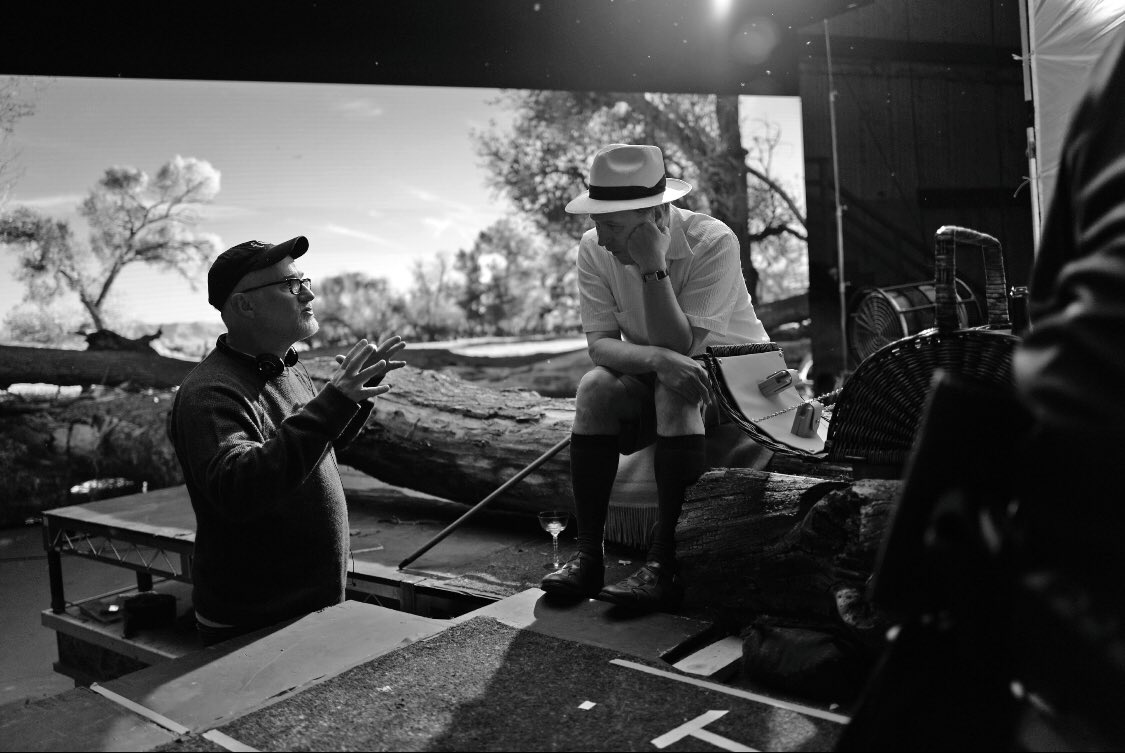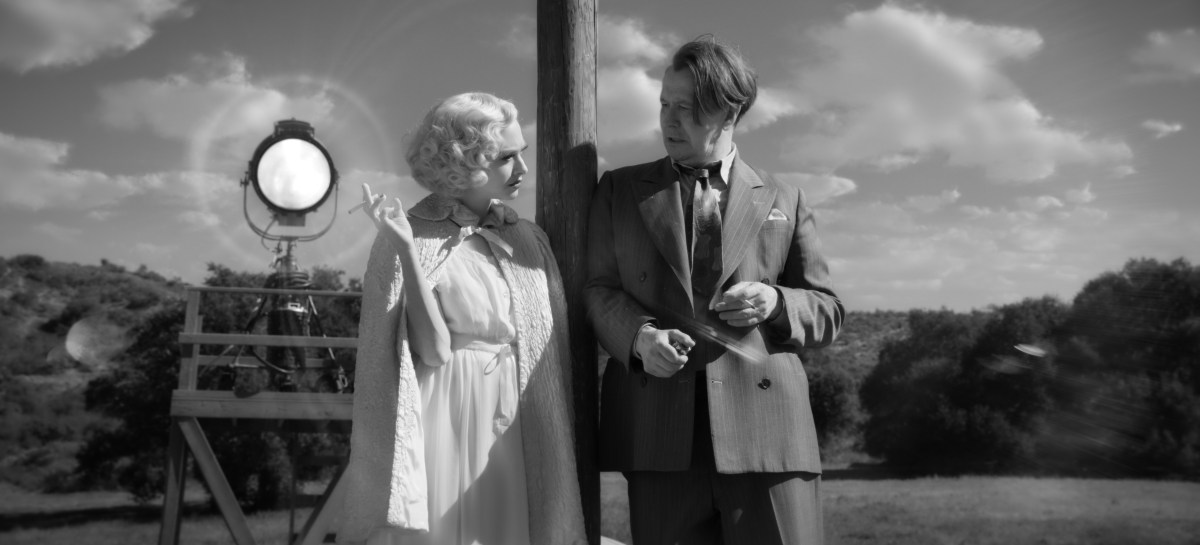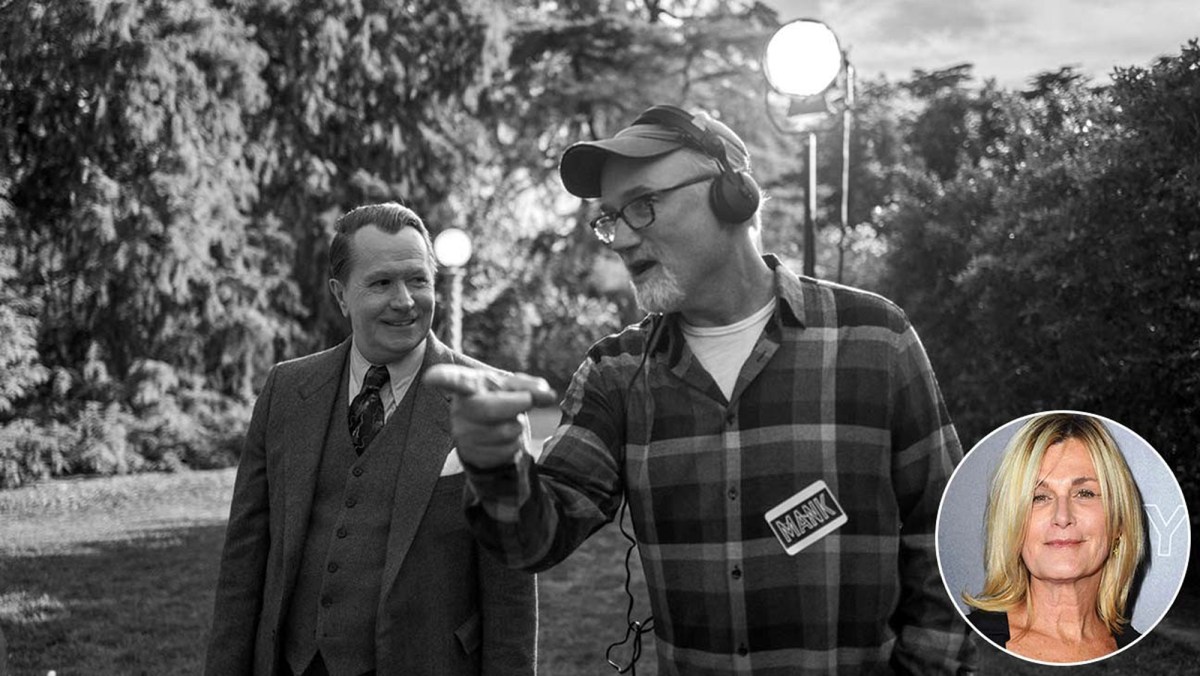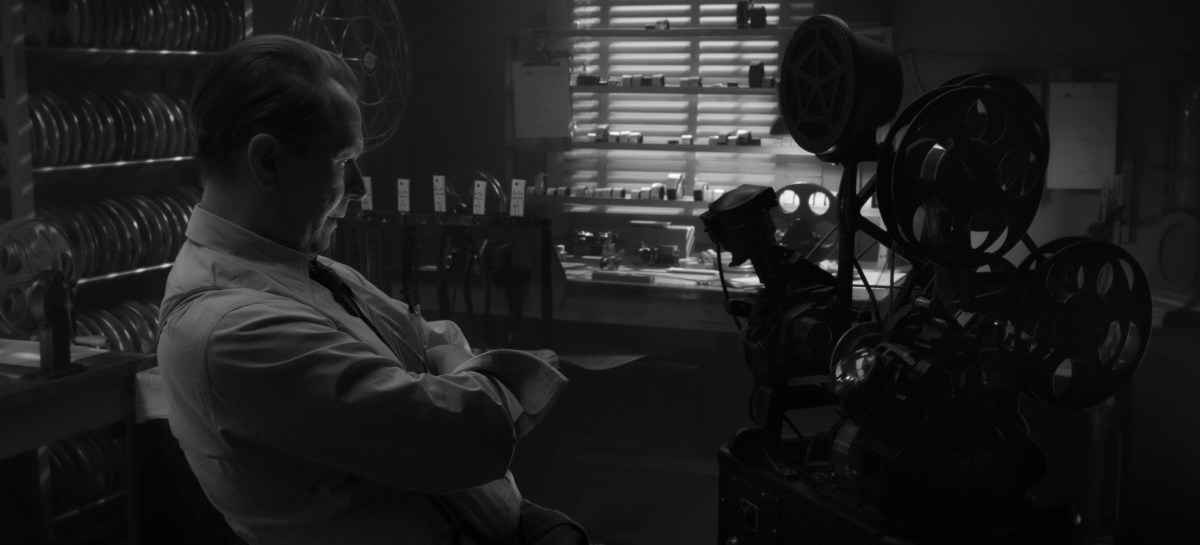
Mank director David Fincher, cinematographer Erik Messerschmidt and costume designer Trish Summerville detail the approach to shooting the acclaimed slice of Hollywood history in black and white. How does the absence of color distill the visual storytelling? How do different colors in the costume and production design read when captured in black and white? Learn about all of that and more.
This week on the Film at Lincoln Center podcast, we’re presenting a special conversation between filmmakers David Fincher and Kent Jones on Mank. Fincher’s first film since his NYFF Opening Night selection Gone Girl follows the 1930s Hollywood screenwriter Herman J. Mankiewicz, played by Gary Oldman, as he develops the screenplay for Citizen Kane. Mank is now available on Netflix.
This talk was first available to FLC members, who play such a vital role in all we do. Memberships start at just $85 and offer year-round discounts to films and festivals, exclusive invitations to sneak previews, filmmaker conversations, Film Clubs, and much more. If you’re interested in supporting FLC by becoming a member, learn more here.
Film composers may be accustomed to working alone, but they weren’t immune to the tumult of 2020. Six film music specialists came together — virtually — to discuss the key to writing an effective score, even when creatively challenged by the pandemic: “What I really miss is playing music with human beings.”
2020 was a year like no other, so it’s fitting that The Hollywood Reporter’s Composer Roundtable was unlike any that had gone before.
On Jan. 8, six of Hollywood’s leading film composers came together via Zoom, across three continents, to talk shop: Ludwig Göransson followed up his Oscar-winning Black Panther score with a thumping, time-shifting soundtrack to Christopher Nolan’s Tenet; Tamar-kali offered up a dissonant, daring soundscape for Shirleythat won praise from the likes of Iggy Pop; Trent Reznor and Atticus Ross had a busy year with work that included the wall-to-wall 1940s orchestral score for David Fincher’s Mank and the ethereal, synthetic sound of Pixar feature Soul; Terence Blanchard, Spike Lee‘s go-to composer, delivered the majestic musical backdrop for the war drama Da 5 Bloods; and Emile Mosseri, who has quickly established himself as one of indie cinema’s most in-demand music makers, created an affecting, ethereal soundscape for Lee Isaac Chung‘s Minari.
In a lively discussion, this eclectic group of film music veterans and newer talents who find themselves — and their music — in the awards-season conversation discussed the art and craft of film composing, the value of defying expectations and how each of them would score 2020.
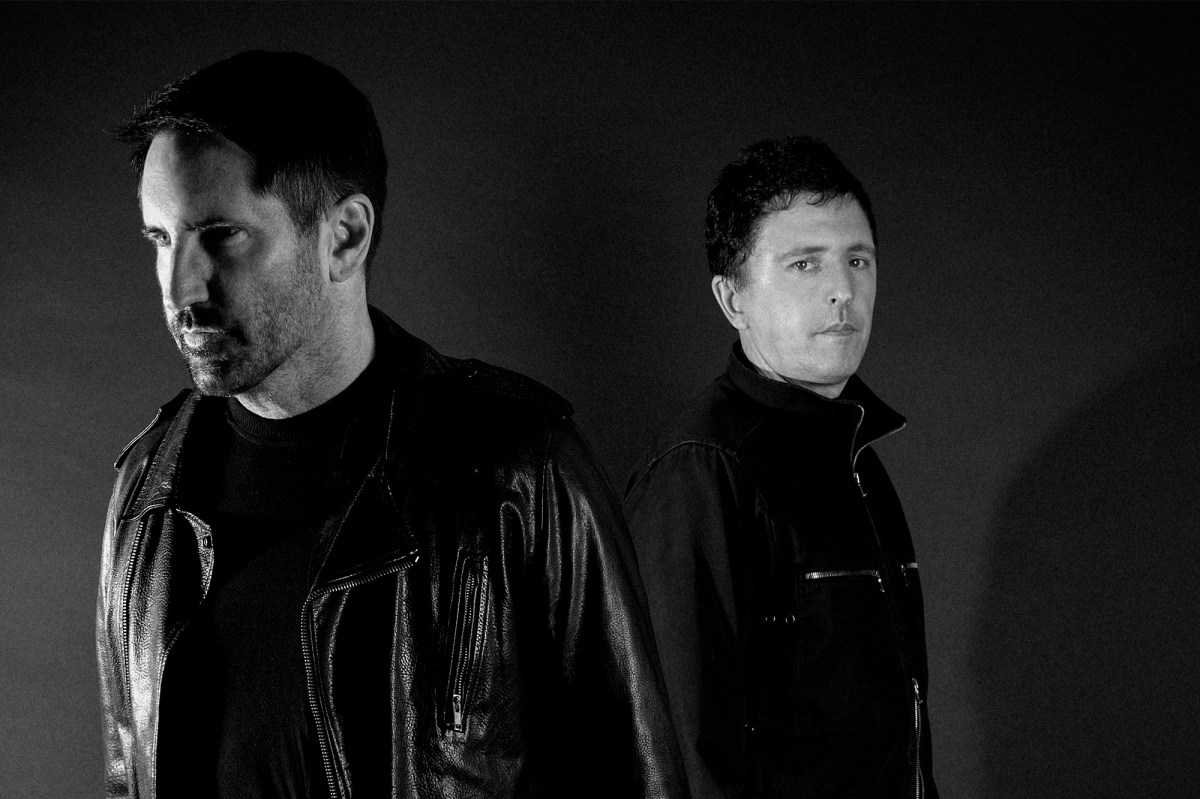
2020 was certainly a tough year for everyone, but there were some bright spots for Trent Reznor andAtticus Ross. The composer duo won their first Emmy Award in September for “Watchmen.” Their band Nine Inch Nails was inducted (although virtually) into the Rock and Roll Hall of Fame in November. And the end of the year brought the film releases of “Mank” for Netflix and “Soul” for Disney/Pixar, for which they composed the score of each.
In our recent webchat (watch the exclusive video above), Reznor says, “When I heard you say that about the list of accomplishments this past year, set against the backdrop of the brutality and relentlessness of the pandemic and politically what’s happening. As parents trying to keep our kids safe and sane and happy and some sense of normality, it has been a weird juxtaposition of accolades set against this year we’d all like to put in the rear-view mirror.”
Reznor and Ross won an Oscar for Best Original Score on their first feature film (“The Social Network,” 2010). They have teamed with that movie’s director, David Fincher, several times, including for “Mank,” the behind-the-scenes story of writer Herman J. Mankiewicz and his work on the classic 1941 film “Citizen Kane.” They have collaborated for the first time with Pixar chief Pete Docter on his animated feature “Soul,” about a jazz musician who wants to navigate his way back to his body from the afterlife.
On working with two such distinctive and varied directors, Reznor adds, “The similarities of Pete and David are that they’re both geniuses, different styles of genius, but they’re both the very best at what they do. Being around them is… that we thrive on that. We’re searching out excellence because we are inspired by it.”
“Mank” is one of 2020’s most technically dazzling films. David Fincher‘s perfectionism transported us back to the Golden Age of Hollywood to tell us the story of Academy Award winning screenwriter Herman Mankiewicz (played by Gary Oldman) and the film has been hailed as one of the year’s best, most recently being rewarded as one of the Top 10 films of the year by the American Film Institute (AFI). Many members from the film’s production were kind enough to give us a behind-the-scenes look into the making of the film including Academy Award-nominated sound designer Ren Klyce, Costume Designer Trish Summerville & Co-Producer/VFX Producer, Peter Mavromates.
The Next Best Picture Podcast is proud to be a part of the Evergreen Podcasts Network. Listen to the podcast:
Please take a moment to review us on Apple Podcasts here. And if you’re feeling generous, you enjoy what you hear and want to hear more, please help support us on Patreonfor as little as $1 a month and you’ll receive some exclusive podcast content.
Control. When six film directors got together virtually for The Envelope Roundtable in December, the issue of control — both when you have it and when you don’t — came up again and again.
Regina King, the Oscar-, Emmy– and Golden Globe-winning actress who makes her feature debut as director with “One Night In Miami,” a fictional telling of the real-life night that Malcom X, Cassius Clay, Jim Brown and Sam Cooke spent together in a motel room, described herself as “a control enthusiast.”
In explaining how she moved from making “Nomadland,” a stripped-down road movie starring Frances McDormand, to the upcoming Marvel action ensemble “Eternals,” Chloé Zhao said she reflected on an older interview with David Fincher, where he spoke about balancing between having a plan and allowing things to happen on set.
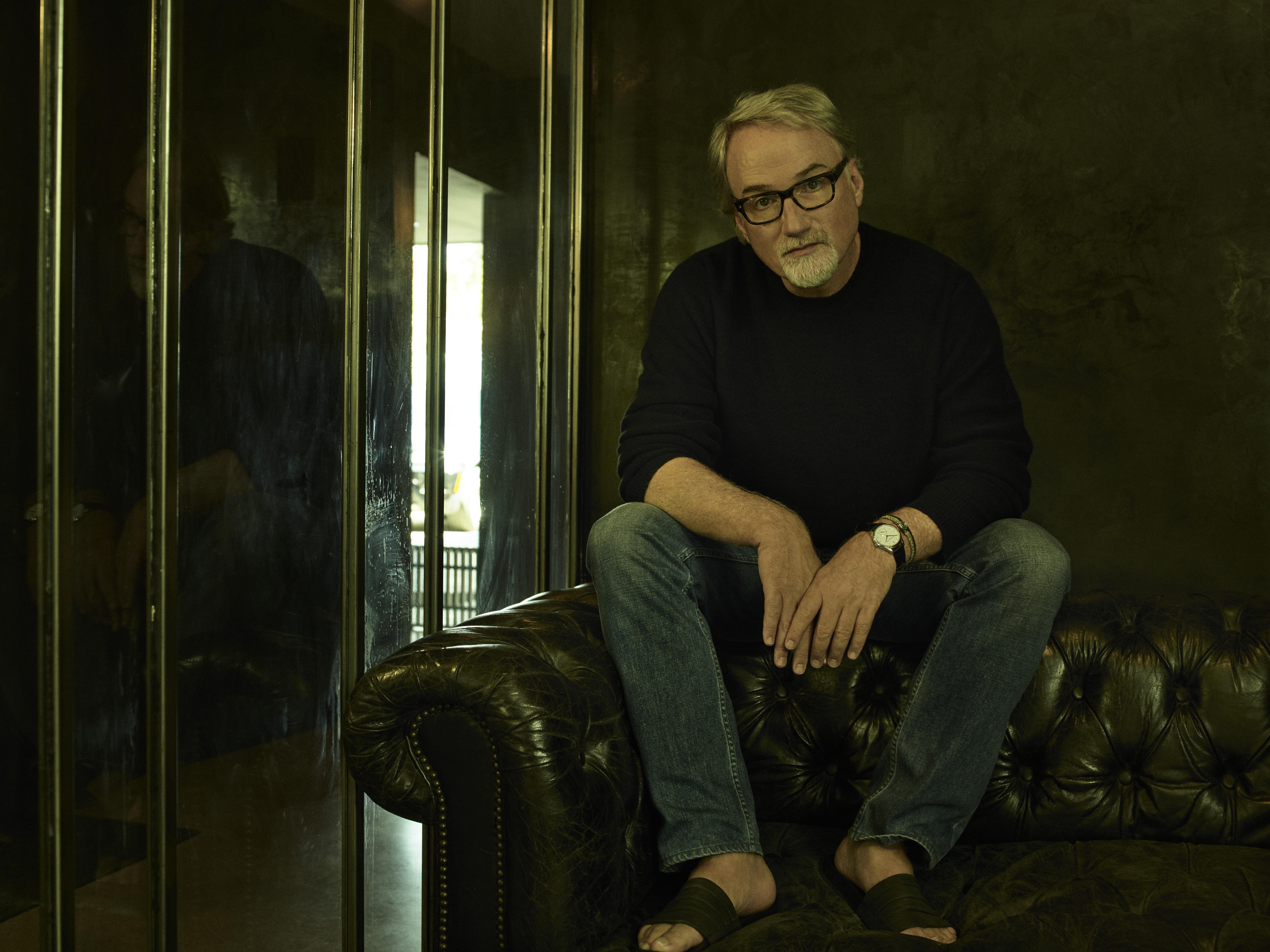
For his part, the notoriously exacting Fincher, director of “Mank,” the story of how Herman J. Mankiewicz came to write the script that would become “Citizen Kane,” spoke candidly about how control is an illusion, “the greatest fallacy of our profession,” whereas Aaron Sorkin, director of the 1960s historical drama “The Trial of the Chicago 7” and an Oscar winner for his screenplay to Fincher’s own “The Social Network,” admitted how intimidated he was to be on a panel as a director alongside his former collaborator.
The British Paul Greengrass, who made the elegiac post-Civil War-set western “News of the World,” added that for him, “the pitiless exposure of your weaknesses is the essence of directing.”
When asked how he came to a particularly bold creative decision in making “Da 5 Bloods,” his drama about Black soldiers who fought in Vietnam, Oscar winner Spike Lee simply referred to trusting his four decades of moviemaking experience.
All six filmmakers also shared their thoughts on the future of the film industry and how they can’t wait for audiences to return to movie theaters.
David Fincher’s black and white epic, Mank, revisits the storied Hollywood era of the late 1930s when Orson Welles was writing what would go down in history as one of the best films of all time, Citizen Kane. But did he write it alone or with the help of Herman Mankiewicz, a once sought after screenwriter fallen prey to twin drinking and gambling problems? In Fincher’s version of events, based on a screenplay by his father, Jack Fincher, Mank the man (Gary Oldman) may have burned through the industry’s goodwill, but he was indubitably a co-writer on the film. However, the question isn’t central to Mank the movie.
Instead, the film’s focus is a gloves-off look at the gilded lives of Depression-era honchos Louis B. Mayer (Arliss Howard), William Randolph Hearst (Charles Dance), and Irving Thalberg (Ferdinand Kingsley), and the effect their political meddling and pay machinations have on the vast army of writers, grips, costume designers, and makeup artists who work beneath them. For Mank costume designer Trish Summerville (Red Sparrow, The Girl With the Dragon Tattoo), “one of the things I really enjoyed about the film was that we got to dress every walk of life of the 30s and 40s.” Though much of the film is set in an out-of-the-way house where Mank has been set up to heal from an injury and dry out, and spends most of his time in bed in a robe, Summerville’s work spans ample plebeian daywear to Marion Davies’s (Amanda Seyfried) furs (a high-end faux fur hand-painted to mimic silver mink) and gowns and the sharply tailored suits favored by Los Angeles power brokers of the day.
Our latest guests on Soundtracking are a duo Edith’s been chasing since we started this podcast, so it’s an absolute thrill to finally lure them on.
Trent Reznor and Atticus Ross burst onto the film-composing scene with their score for David Fincher’s The Social Network, for which they won an Oscar in 2010. The trio have since joined forces on The Girl With The Dragon Tattoo and Gone Girl.
Trent and Atticus’s most recent work can be heard on Fincher’s Mank and Pete Docter’s Soul, which you can watch right now on Netflix and Disney + respectively.
The two films couldn’t be more different and had wildly contrasting musical requirements – which is testimony to the range of their talents.
Laray Mayfield worked with the two-time Oscar-nominated director on his biggest features and has developed a great relationship as well as a shorthand with the auteur.
When he came back for his first feature film in a half-decade, Mank, David Fincher brought his trusted casting director Laray Mayfield into the fold. Over the past few decades, Mayfield has cast nearly all of the features (and even Fincher’s foray into television, Netflix‘s Mindhunter) that make up Fincher’s portfolio, including Fight Club, The Social Network and Gone Girl. The pair is quick to praise each other’s style, work ethic and personality.
“Our working relationship is amazing. I am so fortunate to have worked with Dave for as long as I have. We have been working together since 1986. It is creative, lively, challenging in the best sense of the word and warm because we are also dear friends,” Mayfield says of Fincher. “We have a shorthand that has been developed over 35 years. I do usually have an idea of what David will like because we like the same things in actors, but I try to surprise him because Dave always gives me a safe place to experiment and really think outside the norm.”