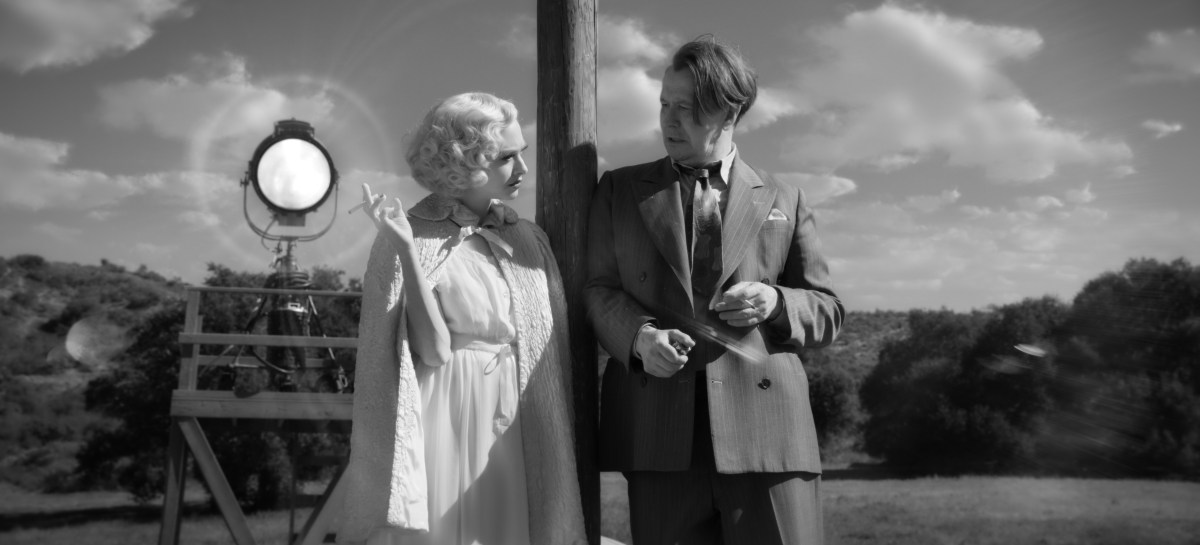
‘Mank’ Production Designer Donald Graham Burt On Recreating 1930s Hollywood, Hearst Castle

Clarence Moye
February 5, 2021
Awards Daily

David Fincher set Mank in a world spanning 1930s and 1940s Hollywood. To tell the story of the events and relationships that led to the creation of the great Citizen Kane, Mank looks and feels as if it were made during that same period – a rare feat of technical and crafts wizardry. To re-establish this world, VFX can only get one so far (more on that another time), so Fincher and his production designer Donald Graham Burt needed to recall classic Hollywood structures as well as find a way to recreate the period experience of William Randolph Hearst’s castle located in San Simeon.

And you have to do all of that on an approximate $25 million budget.

“It’s a challenge, and that’s probably the thing that, if anything kept me up at night, then that probably did,” Burt laughed. “In the same token, if you really look at the movie and break it down, it is pretty simple. I’m sort of a minimalist at heart. If you just take it and say let’s keep it simple but let’s build complexity within that simplicity, then it serves you so well in terms of dealing with a tight budget.”

Read the full profile

Costume Designing “Mank” and “The Prom”

Insights from Trish Summerville and Lou Eyrich into their work, including collaborating with directors David Fincher and Ryan Murphy, respectively.

Robert Goldrich
February 5, 2021
Shoot

Trish Summerville has thus far been nominated for five Costume Designers Guild Awards in her career–two of the honors coming for David Fincher films, The Girl with the Dragon Tattoo in 2012 and Gone Girl in 2015. Summerville won for The Girl with the Dragon Tattoo, and again two years later for The Hunger Games: Catching Fire. Her other two Costume Designers Guild nods came for Westworld (TV) in 2017 and Red Sparrow in 2019. Westworld also earned Summerville a primetime Emmy nomination in 2017.

Now for this awards season, Summerville reunites with Fincher on Mank (Netflix) which centers on screenwriter Herman J. Mankiewicz (portrayed by Gary Oldman) as he races to finish director Orson Welles’ Citizen Kane on a tight timetable, secluded in a bungalow in a desert town miles removed from Los Angeles as he recuperates from a car accident in 1940. Attending to him are his secretary Rita (Lily Collins) and his German nurse (Monika Grossmann).

In the process, through Mankiewicz’s worldview–marked by his abiding social conscience and wit, at times caustic–we are introduced to not only Hollywood but life in the 1930s, ranging from the struggle of the rank and file during the Great Depression to the grandeur of Hearst Castle and high society. We also become privy to Mankiewicz’s own inner struggles with alcoholism, as well as a professional battle with Welles (played by Tom Burke) over screen credit for what became the classic Citizen Kane. The Mank cast also includes Charles Dance (as William Randolph Hearst), Amanda Seyfried (as Marion Davies, Hearst’s wife), Tuppence Middleton (as Sara Mankiewicz, Herman’s wife), Arliss Howard (as Louis B. Mayer), Sam Troughton (as John Houseman), Tom Pelphrey (as Joe Mankiewicz, Herman’s brother), Toby Leonard Moore (as David O. Selznick) and Ferdinand Kinsley (as Irving Thalberg).

Summerville jumped at the opportunity to again team with Fincher, deeming him “one of my favorite people in the world and also to work with. He has a hilarious sense of humor that a lot of people don’t get at times.” On Mank she collaborated closely with Fincher, cinematographer Erik Messerschmidt, ASC and production designer Donald Graham Burt on the overall tone, look, feel and coloring. “The reason David has collaborators who want to work with him is that he himself is a collaborator,” observed Summerville. “He gives you a lot of room. It’s not ‘my way or the highway.’ He always wants you to show him more stuff, what else do you have. He’s open to ideas. There’s a lot of trust and dialogue.”

Read the full profile

Because We Love Making Movies: Production Designer Donald Graham Burt

Eren Celeboglu
January 22, 2021
Because We Love Making Movies (Instagram, Facebook)

Because We Love Making Movies is an ongoing conversation with filmmakers who work behind the scenes to make the movies we love. These are the invisible warriors we don’t think of: Production & Costume Designers, Cinematographers, Editors, Producers, and the whole family of artists who make movies with their hands and hearts.

In the very first episode of my podcast, I sit down with Production Designer Donald Graham Burt. We explore the role of the Production Designer, a life in the arts, working with David Fincher, and learn to talk less and listen more.

Recommended Viewing: The Joy Luck Club, The Curious Case of Benjamin Button, Gone Girl, The Girl with Dragon Tattoo, and Mank.

Listen to the podcast:

Apple Podcasts
Spotify

Crew Call Podcast: How Composers Trent Reznor and Atticus Ross Went From Sonic To Jazz in ‘Mank’

Anthony D’Alessandro
February 3, 2021
Deadline

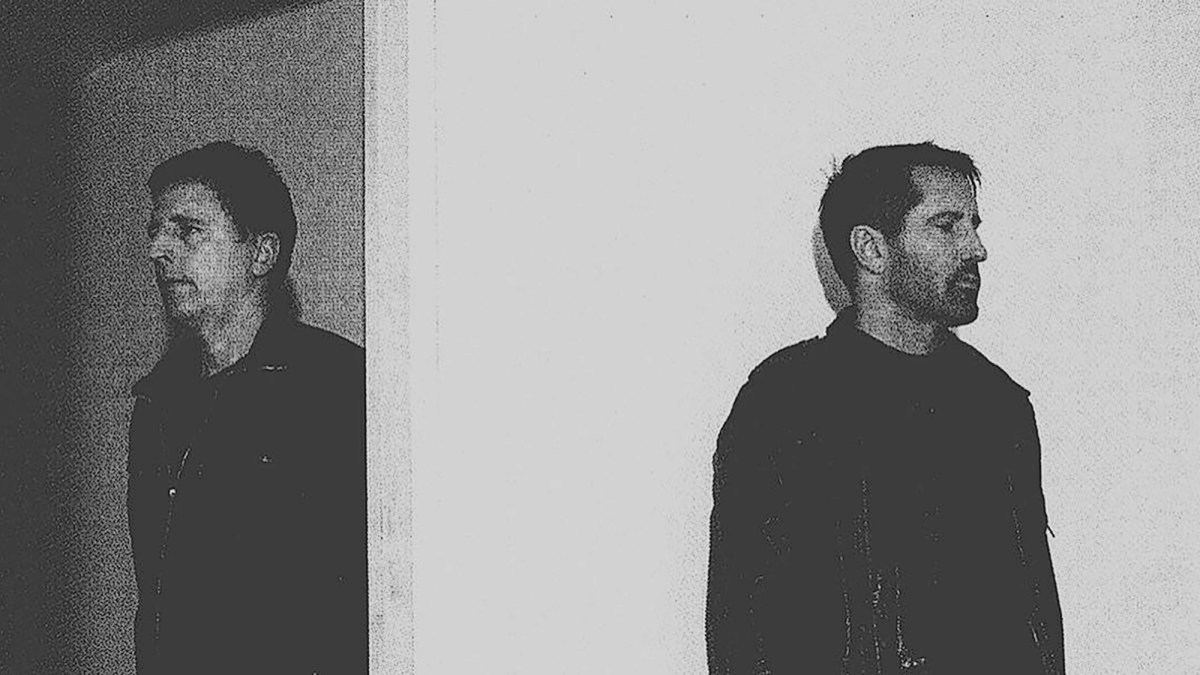
Netflix’s drama Mank led all Golden Globe feature nominations this morning with a count of six, and one of those belonged to composers Trent Reznor and Atticus Ross’ score for the David Fincher film. Mank reps the fourth feature between the filmmaker and the composers, the latter who immediately took home the Oscar and Golden Globe in the first noms for their score of 2010’s The Social Network.

Fincher’s new age noir in Social Network, The Girl With the Dragon Tattoo and Gone Girl is continually heightened by Reznor and Ross’ synthetic, metallic, pulsating tonal stylings, but in Mank the two composers pull a 180 and deliver a lively jazz score that pays deep homage to the cinema of the 1930s and 1940s.

We talk with them both on Crew Call today about their shorthand with Fincher, and how they sparked a fascinating rhythm about embattled scribe Herman J. Mankiewicz’s rage against Hollywood, and his once mentor and friend, media titan William Randolph Hearst.

Reznor and Ross were a double Golden Globe nominee today, also nabbing a second score nom for Disney/Pixar’s Soul.

Listen to the podcast

‘Mank’ VFX: How David Fincher Directed the Scene-Stealing Stars of the Hearst Castle Zoo

Fincher provided meticulous notes to Industrial Light & Magic on how the monkeys, giraffes, and elephants should look and perform.

Bill Desowitz
February 3, 2021
IndieWire

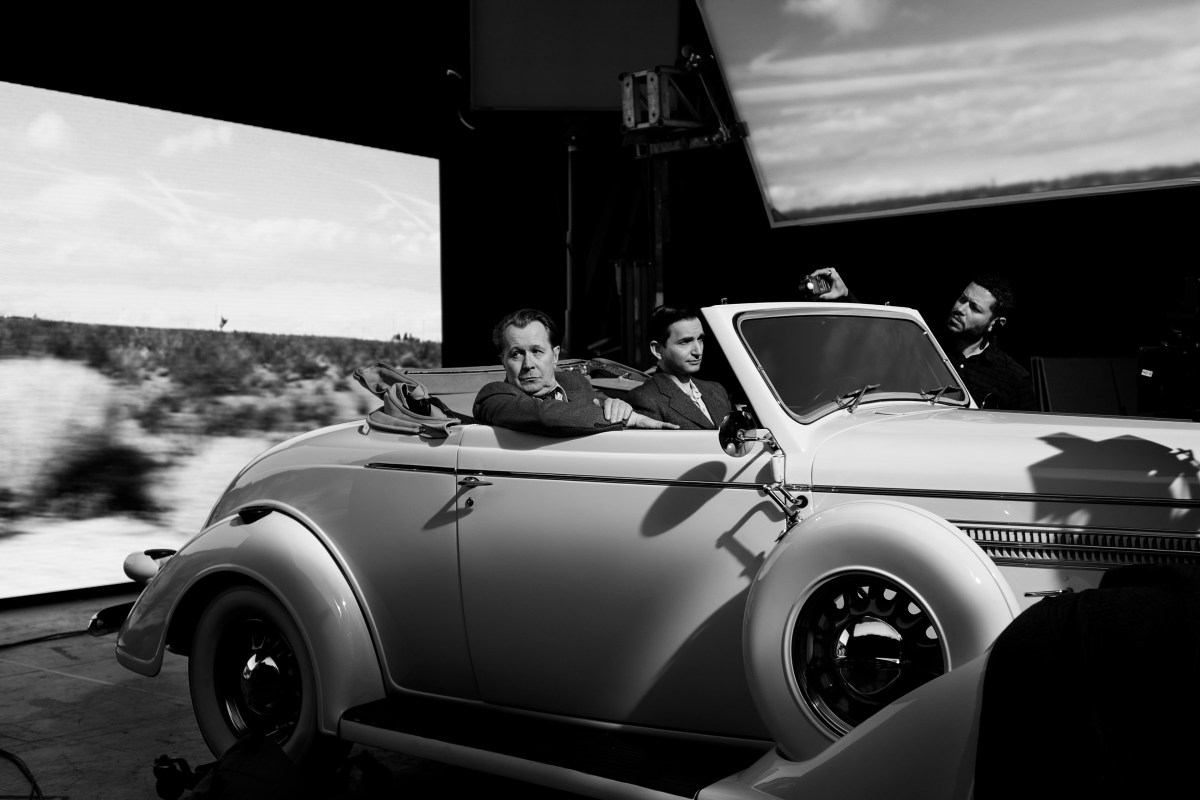
While the “Mank” visual effects team meticulously recreated ’30s-era LA in black-and-white (utilizing the matte paintings of Artemple, Territory’s LED rear screen projection, and Savage’s sky replacement with the Unreal engine), David Fincher took a special interest in directing the photo-real CG animals from Industrial Light & Magic that inhabit the Hearst Castle private zoo.

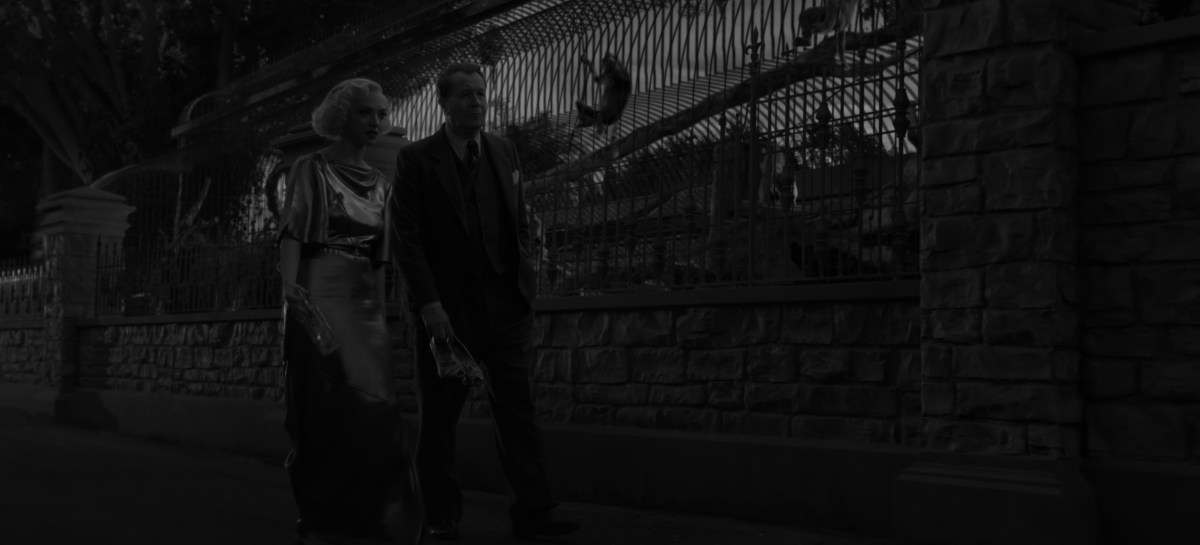
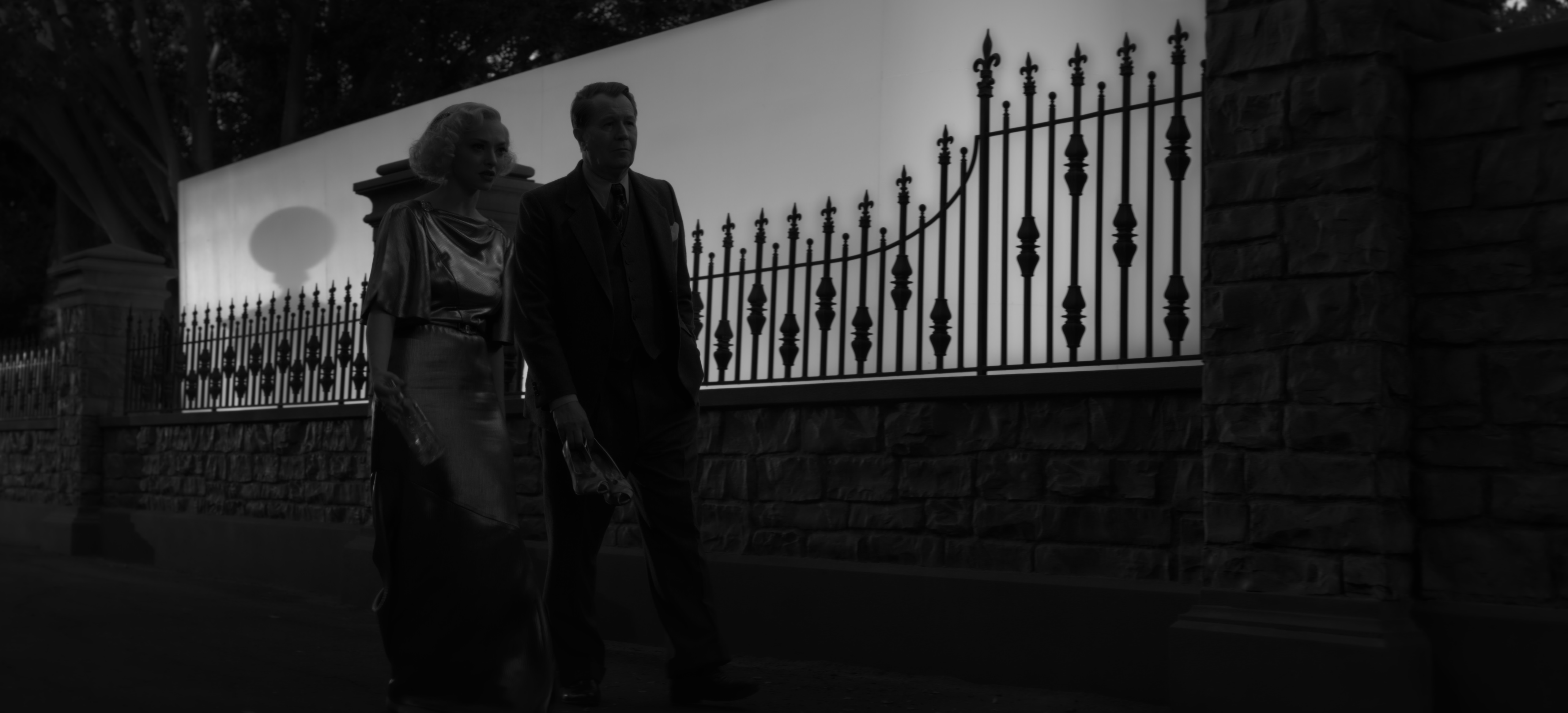
In a brief but memorable series of exchanges with the animals during their chatty moonlight stroll, Mank (Gary Oldman) and Marion Davies (Amanda Seyfried), are definitely upstaged by the scene-stealing Capuchin monkeys, elephants, and giraffes. “David wanted specific performances from all the animals,” said ILM VFX supervisor Pablo Helman (“The Irishman”). “He wanted the [four] monkeys to be agitated, the giraffes to spring in a certain way, and the elephants to have a response.”

Read the full profile

The Audio Design Hacks That Made Mank Sound Like Citizen Kane

Ren Klyce had to experiment with a lot of new ideas to make David Fincher’s movie sound old.

Angela Watercutter
February 2, 2021
Wired

During the COVID-19 pandemic, very few cinephiles have seen the inside of a theater, let alone a grand old one like the Castro Theater in San Francisco or the Paramount in Austin, Texas. Yet those who have recently watched Mank, David Fincher’s biopic about Citizen Kane screenwriter Herman J. Mankiewicz, might’ve noticed—or, more specifically, heard—something that felt old, something that sounded like it was coming from a 1930s theater, even if they were streaming the movie on Netflix. It’s eerie—and completely intentional.

With Mank, Fincher wanted a movie that not only looked but also sounded like the films produced in Hollywood during Mankiewicz’s era in the 1930s and ’40s. To do that, he shot the film in black and white (of course), and also enlisted the help of sound designer Ren Klyce, who came up with a method to create an aural “patina” that made all the dialog, all the ambient noises, and the score sound as though they were created using the methods of Golden Age pictures. “We came up with the technique by analyzing the sound spectrum of old-fashioned movies,” Klyce says, “and of course Citizen Kane was one that we modeled, and we kind of realized that that film sounded the way it did because of the limitations of the technology.”

Read the full profile and watch a featurette

Gigi Williams On Fighting Her Inner Makeup Minimalist for ‘Mank’

Photo by Nikolai Loveikis

She prefers a lighter touch in makeup, but the black and white style of David Fincher’s Mank demanded much, much more.

Clarence Moye
February 2, 2021
Awards Daily

By now, the crafts behind Mank are approaching legendary status. Each department needed to retrain their eye, rethink their typical approaches, to create the gorgeous designs for David Fincher’s black and white period film. Makeup department head Gigi Williams was certainly no exception.

Williams, who last worked with Fincher on Gone Girl, calls herself a subtle makeup artist. Her designs typically eschew loud, broad strokes in favor of a more subtle approach.

But a subtle approach would not work with the film’s black and white palate.

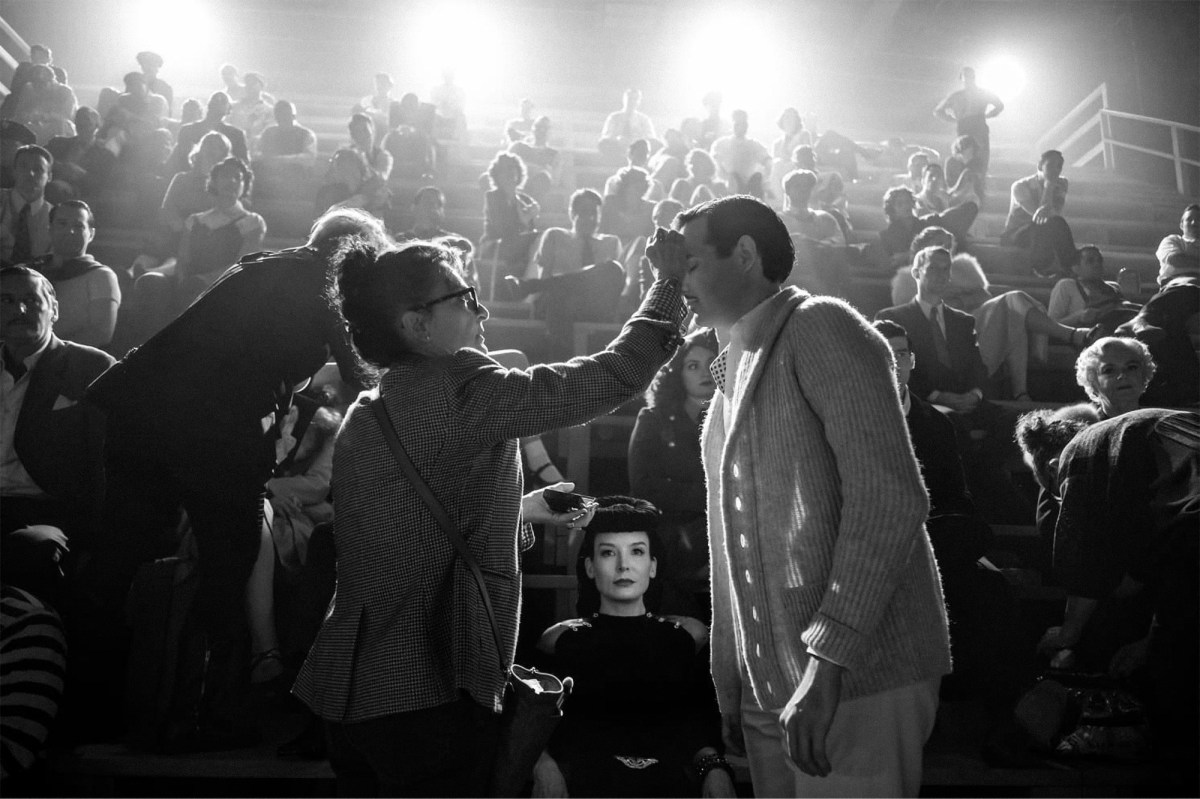
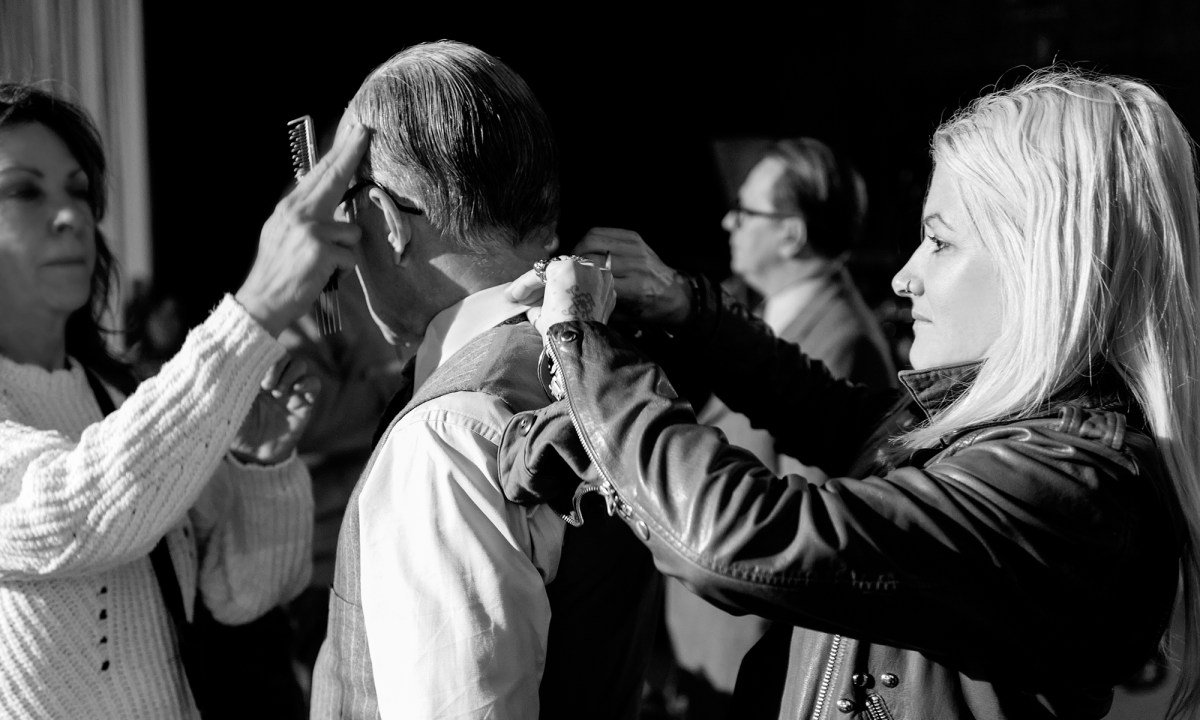
“For me, I had a lot of dark gel in men’s eyebrows. I used black mascara on every single man, and I piled it on because that’s how they looked in their photographs for the period. Even though they weren’t wearing mascara, but was the only way I could recreate that look,” Williams shared. “I found myself really having to push myself to a place that I wasn’t comfortable with which was a lot of makeup, oddly enough.”

Read the full profile

Homage to the Golden Age

Mank wears its luminous black & white cinematography like a costume, blending in with the themes, but never distracting from the story

Chelsea Fearnley
February, 2021
Definition Magazine

There was never any doubt that David Fincher’s brilliant Mank would be shot in black & white. The film follows a Hollywood screenwriter, Herman J Mankiewicz aka Mank (played by Gary Oldman), as he wrestles with the screenplay for Orson WellesCitizen Kane. It’s a sumptuous ode to the Golden Age of cinema – one that transports audiences to a place where they can understand and appreciate the homage – and yet, it is littered with modern filmmaking techniques that aren’t fooling anyone about its release date.

Fincher and cinematographer Erik Messerschmidt agreed that they didn’t want to be confined to shooting on film or within the aspect ratio of 1.37:1 that would have been accurate for the period – not with Fincher’s digital prowess and proclivity for a widescreen format. And, just in case there was any confusion about the technological resourcefulness of this film, Messerschmidt is even credited as being responsible for ‘Photography in Hi-Dynamic Range’ in the title sequence.

“Filmmaking has always been a medium where we selectively employ the techniques that are available on the day,” says Messerschmidt. Nonetheless, shooting in black & white demands huge amounts of creative courage and the cinematographer was conscious about being too seduced by the opportunity.

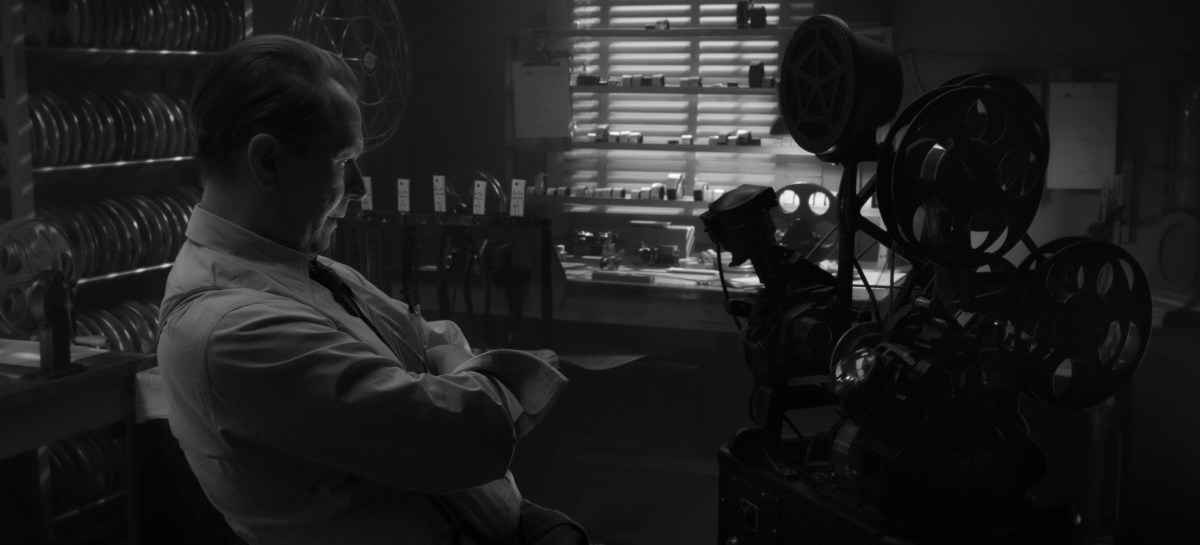
He explains: “Before I had even read the script, I sent Fincher some images referencing the film noir genre of that era. I soon realised that, thematically, Mank is not a noir film. There are certainly elements that call for hard lighting effects, such as the flashback sequences in the writers’ room or with Shelly Metcalf [a fictional test shot director friend of Herman’s] moments before his suicide, but I tried to ground much of it in realism. I didn’t want to draw audiences away from the storyline by being too dramatic, so I chose to light through windows and illuminate interiors with practicals.”

Read the full magazine

David Fincher’s ‘Mank’ Production Designer on Recreating Hollywood’s Golden Era

Jazz Tangcay
February 1, 2021
Variety

David Fincher’s “Mank” is a visual feast. Shot in black and white, Fincher takes audiences back to the glorious days of Hollywood, as screenwriter Herman J. Mankiewicz pens the screenplay to Orson Welles’ “Citizen Kane.”

Production designer Donald Graham Burt is receiving awards buzz for his work on the film. Burt worked closely with costume designer Trish Summerville to translate color into black and white.

Their secret? Using iPhone filters to see how the colors worked. Burt also relied on the camera monitor a lot.

And when it came to translating wealth and recreating the big sets such as the lavish Hearst Castle home of William Randolph Hearst, Burt says, “It was about emulating instead of replicating.”

Read the full profile

Designing Eye-popping Costumes for the Black & White ‘Mank’

Costume designer Trish Summerville’s extraordinary designs bring classic Hollywood to vivid life in gorgeous black and white.

Clarence Moye
February 1, 2021
Awards Daily

When designing specific looks for Mank’s iconic characters, Summerville had ample research material available to her. For Marion Davies (Amanda Seyfried), she used Davies’ book and publicity stills of the era to design her outfits. She mostly avoided mimicking historic photos directly, using them as a jumping off point instead.

Mostly.

There were two Marion Davies’ looks in the film directly pulled from historic photos: her famous circus party costume and her “going away” look as she leaves MGM.

“One of the items that I did mimic, besides the circus party costume was a picture of her in a coat with a fur collar, standing on the side of a car like she’s departing. That was an inspiration for me for the scene where she departs MGM,” Summerville revealed. “Mayer gives her the bouquet of flowers and sends her on her way. So I wanted to have this really beautiful coat where we used faux fur for the collar and had a big diamond brooch on her. There were a few areas that I did pull from her real life, and that I got inspired by.”

Read the full profile