‘The Killer’ Cinematographer Breaks Down the Methodical Opening Scene of Fincher’s Netflix Thriller

Jazz Tangcay
November 17, 2023
Variety

‘The Killer’ Cinematographer on the Opening Scene of David Fincher’s Thriller and Making Michael Fassbender’s ‘Nest’

Valerie Wu
November 18, 2023
Variety

How do you get into a killer’s head?

It starts with situating yourself within their perspective, as “The Killer” cinematographer Erik Messerschmidt says.

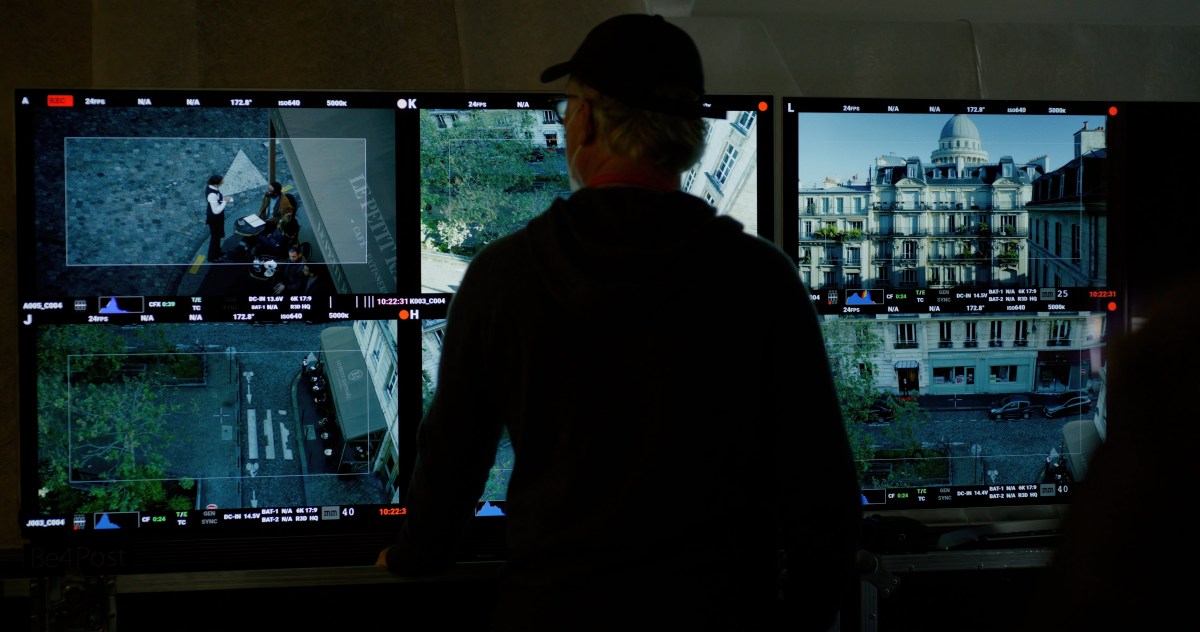
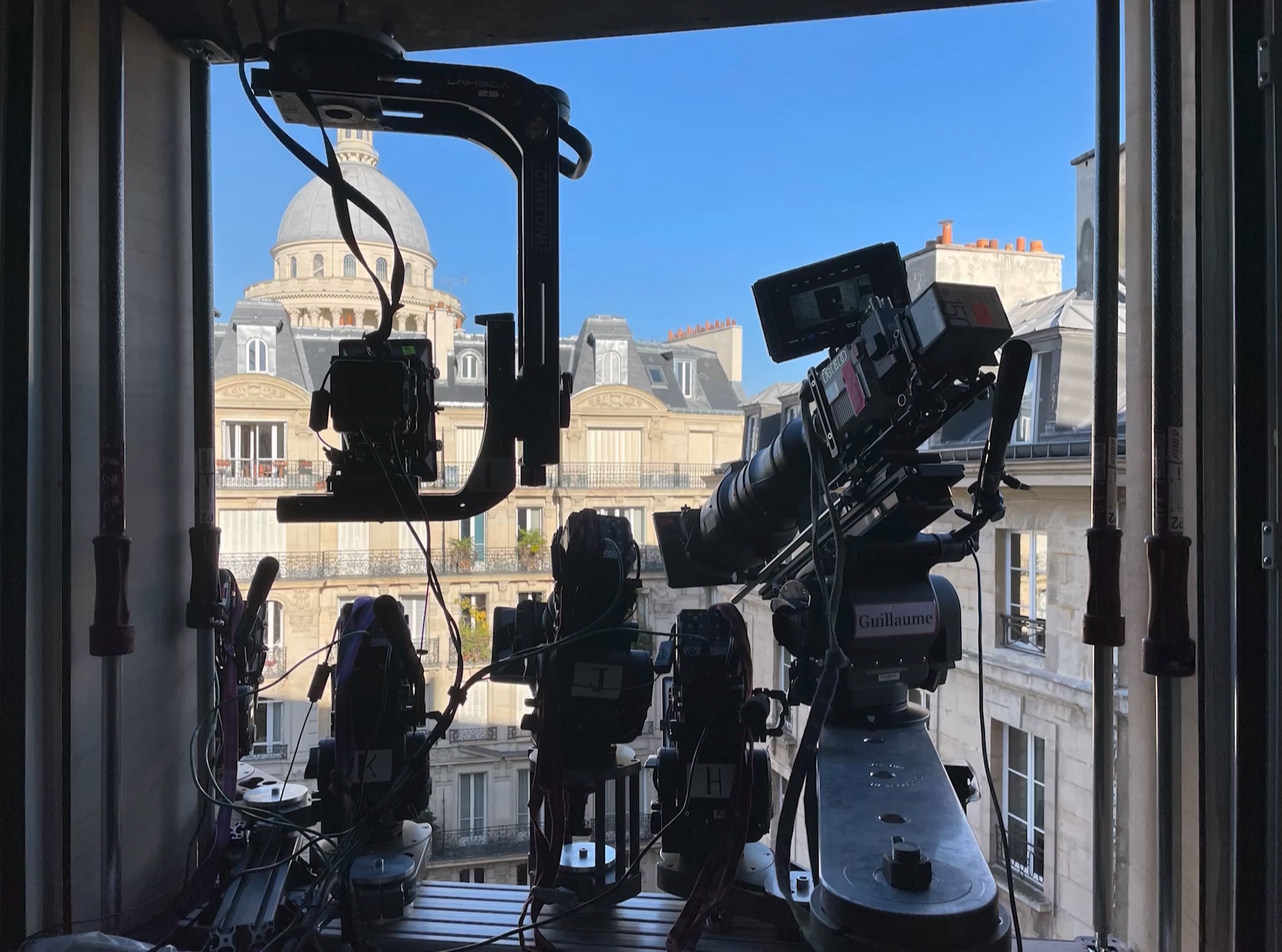
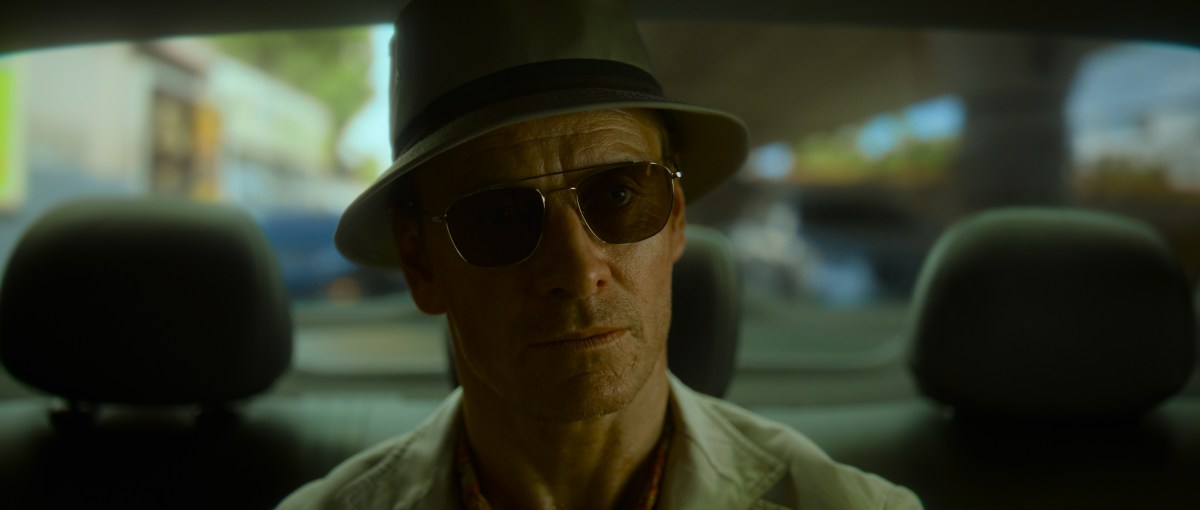
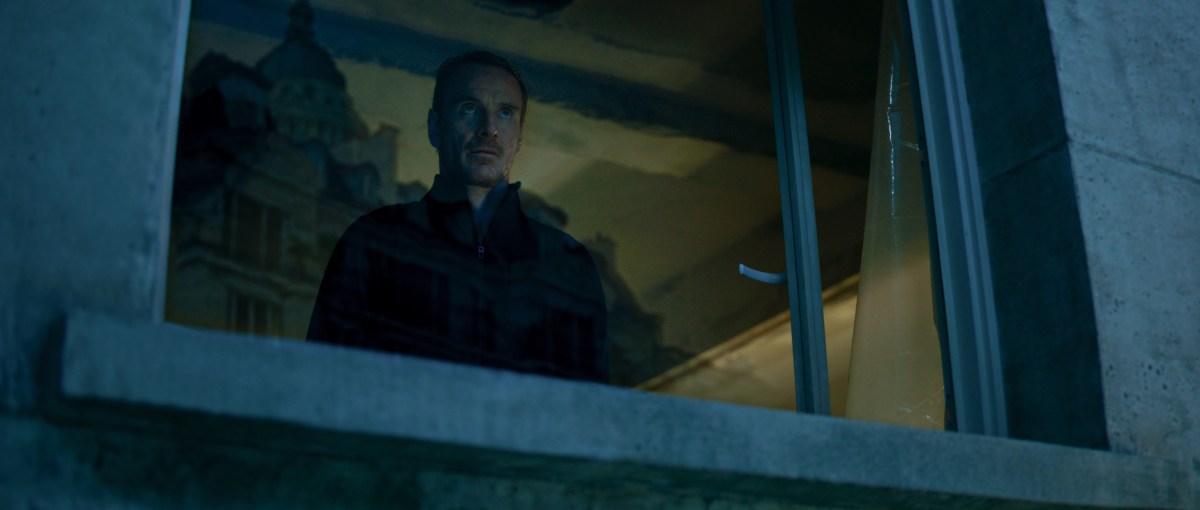
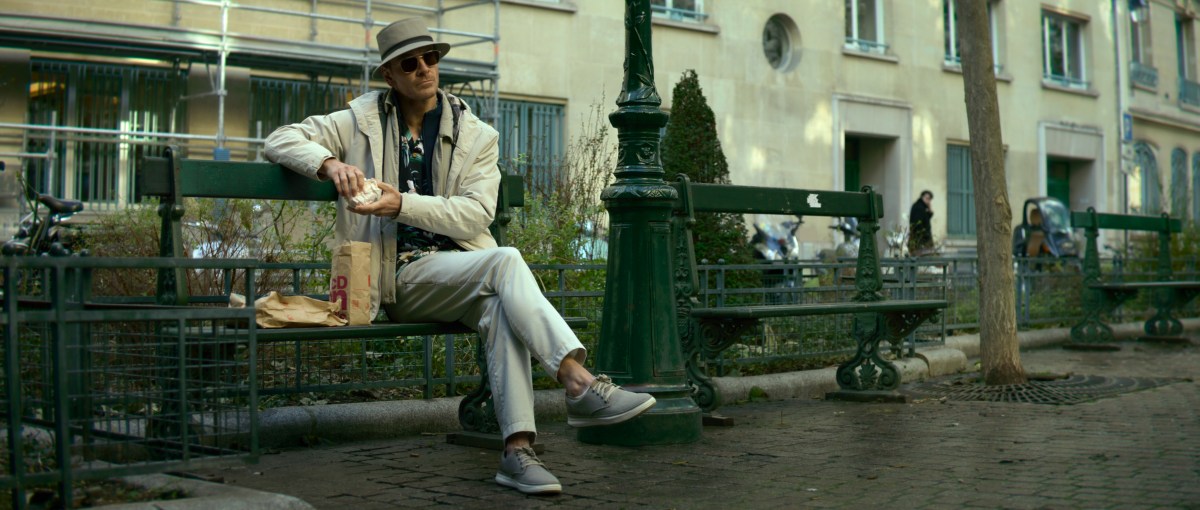
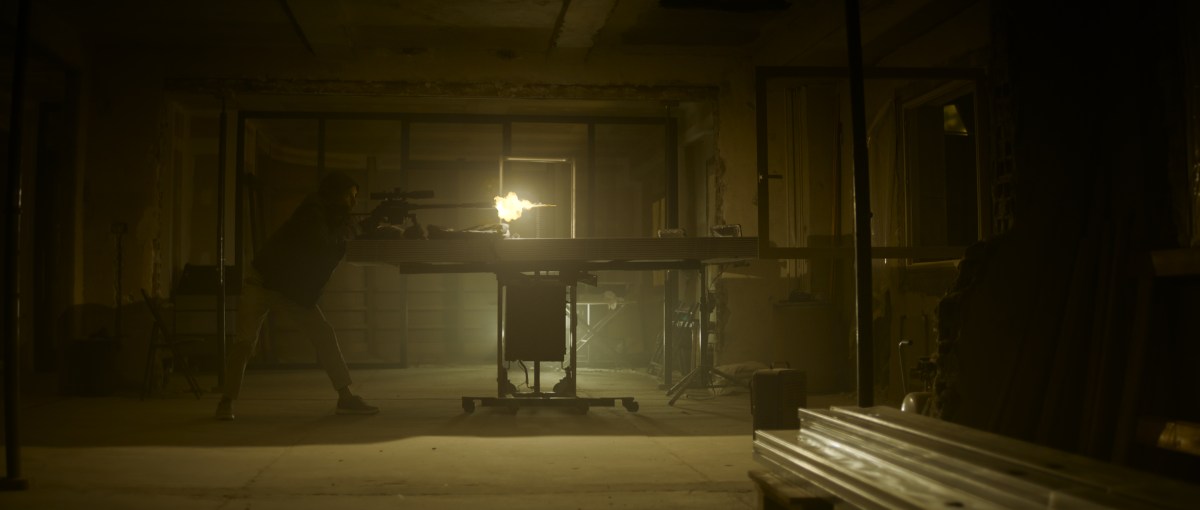
That perspective was firmly established in the film’s opening sequence where subjectivity was key. The Parisian opening scene features the titular character — the assassin known only as “The Killer” played by Michael Fassbender who readies himself to kill a target in the building across from him.

Messerschmidt who sat down with Variety expressed that his familiarity and previous work with “The Killer” director David Fincher shortened the process of bringing the script to life. For Messerschmidt and Fincher, the goal was to hone in on the core themes of the story, and then start delving into the details from here.

Read the full profile

Clubhouse Conversations: “The Killer” Cinematographer Erik Messerschmidt, ASC

Wally Pfister, ASC
November 16, 2023
American Cinematographer

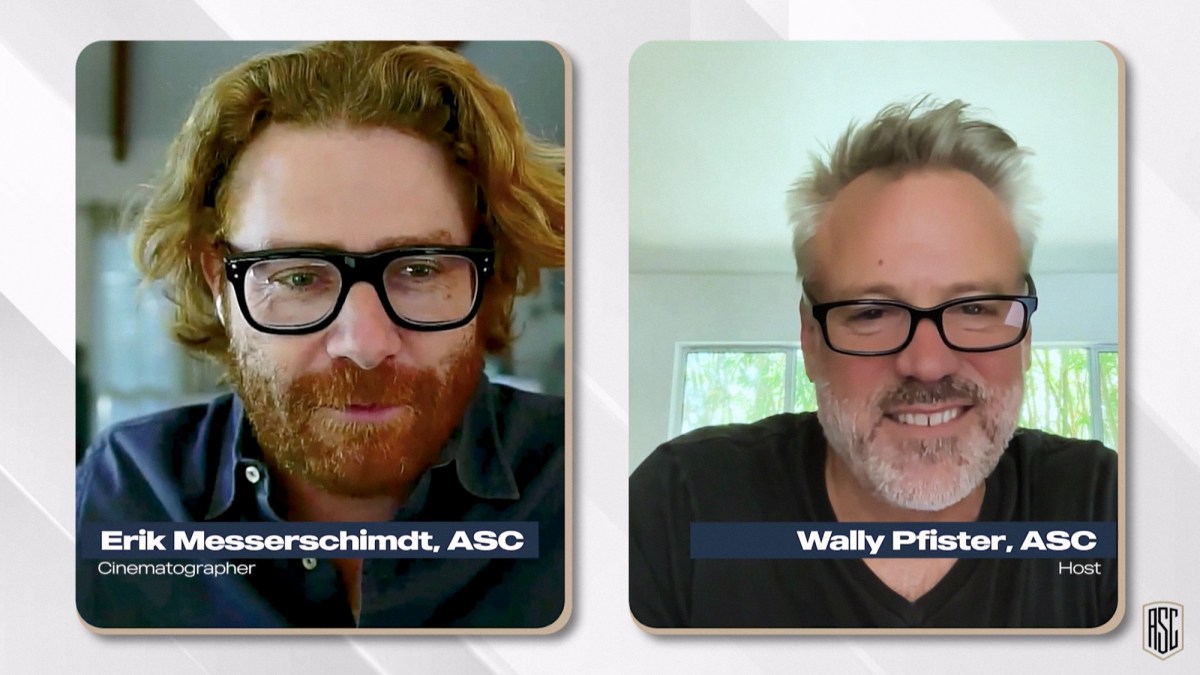
In this episode, cinematographer Erik Messerschmidt, ASC is joined by interviewer Wally Pfister, ASC to discuss his work on The Killer — the neo-noir thriller from director David Fincher that follows an assassin on the run after a botched hit job.

In The Killer, the titular antihero misses one of his intended targets for the first time in his career, and is forced to flee and survive the inevitable consequences. The film marks the second Fincher-directed feature shot by Messerschmidt, following the 2020 film Mank, for which he won an Academy Award for Best Cinematography.

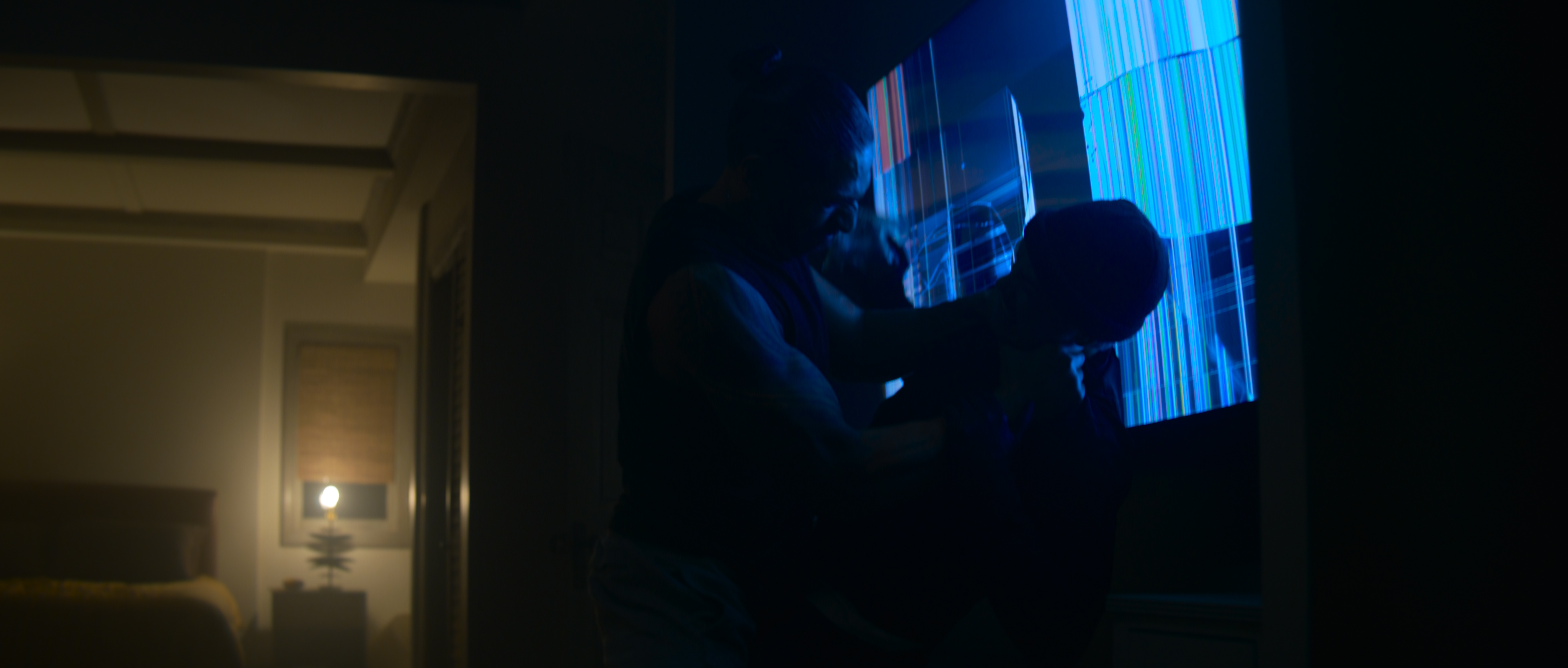
In this interview, Messerschmidt discusses the film’s Paris-inspired color palette; how he shot scenes “loosely” or “rigidly,” based on the main character’s degrees of control over varying situations; how he approached the lighting for a complex fight scene; how he incorporated planned postproduction decisions for lighting, flares and camera destabilization into his workflow; and what he learned about what an audience sees versus what it hears.

Erik Messerschmidt, ASC first emerged as a filmmaker when he was hired by Society member and mentor Mark Doering-Powell on several features as a grip and later gaffer. After Messerschmidt served as Society member Jeff Cronenweth‘s gaffer on the David Fincher-directed Gone Girl (2014), Cronenweth encouraged Fincher to hire Messerschmidt to photograph the Netflix series Mindhunter. Messerschmidt would reunite with Fincher for their 2020 feature Mank, which earned him an Academy Award for Best Cinematography.

Wally Pfister, ASC is a filmmaker whose cinematography credits include the Christopher Nolan features Batman Begins (2005), The Prestige (2006), The Dark Knight (2008) and Inception (2010). He was nominated for an Oscar for Best Cinematography for all of these works, winning one for Inception in 2011.

Watch the full conversation

Find all episodes in our ASC Clubhouse Conversations series

The Film Board: Erik Messerschmidt on The Killer

Justin Jaeger and Tommy Metz
November 14, 2023
The Film Board (TruStory FM)

This month, The Film Board is taking on David Fincher’s latest, The Killer. Cinematographer Erik Messerschmidt sat down with Justin Jaeger and Tommy Metz III to talk about making the movie, how movies are made, and why David Fincher’s reputation in one important area is wildly overstated.

Listen to the interview:

Apple Podcasts
Google Podcasts
Spotify
YouTube

Listen to the full podcast on The Killer:

Apple Podcasts
Google Podcasts
Spotify
YouTube

“The Killer” Cinematographer Erik Messerschmidt on Re-Teaming with David Fincher

Jack Giroux
November 14, 2023
The Credits (MPA)

David Fincher’s lean, mean The Killer is a film stripped down to its bare essentials, much like the work of its titular assassin. Based on a French graphic novel and adapted by Andrew Kevin Walker (Se7en), Fincher’s adaptation tells the story of an unnamed killer (Michael Fassbender) and the strict, self-imposed protocols of his trade. It’s the rules of the process that concern the titular character, not moral dilemmas, yet they become unbearably intertwined after he botches an assignment, and the fallout affects someone he loves.

On the surface, The Killer is a revenge story. Once the job goes terribly wrong and his partner, Magdala (Sophie Charlotte), suffers violent consequences, Fassbender’s nameless assassin breaks his own rules to track down those responsible. The Killer is a world of shadows, sociopaths, and the people they prey on. For Fassbender’s antihero, feeling like the prey is a novel concept, and he’s determined to do anything to realign the world so he fits back in as a proper predator.

Once again, the director collaborates with cinematographer Erik Messerschmidt, who has been Fincher’s DP on Mindhunter and Mank. With The Killer, Messerschmidt helps Fincher place the viewer into the cramped, icy perspective of the titular character with a grace that belies the chaos he creates. We spoke to Messerschmidt about his working relationship with Fincher and what it was like to bring The Killer to life.

Read the full interview

“I Don’t Think Directors Should Be Amenable”: Erik Messerschmidt on Shooting The Killer and David Fincher’s Simple Process

Nick Newman
November 8, 2023
The Film Stage

One of my most-read pieces last year revolved around two films that hadn’t shown a single frame. Strange except for the fact that it was a conversation with Erik Messerschmidt, whose recent time’s been devoted to shooting new films by David Fincher and Michael Mann––exactly the subjects who will earn eyeballs with just a mention. One year later, with The Killer winding down its limited release before a Netflix debut on Friday, I spoke again with Messerschmidt about the intensive, exhaustive, rewarding process behind one of 2023’s supreme entertainments, and how being guided by modern American cinema’s most-obsessive auteur was the only way to get it right.

The Film Stage: I made a point of seeing The Killer at New York’s Paris Theater––it’s a nice-sized screen, well-projected, a Dolby sound system. The unfortunate truth is that most watching it on Netflix won’t have a comparable experience.

Erik Messerschmidt: Sure.

Millions of people can see it, but then you think about people’s set-ups––let alone competing for their attention. How do you generally feel about this dichotomy, and specifically with this film?

I think the cinema is an extraordinary community experience, and it’s for that reason that it’s worth protecting. I think there is something really extraordinary about being in the room and experiencing something at the same time, and there is something equally extraordinary of being a director and experimenting whether or not you can control the audience response en masse. You know? Which is something you can only really test in the cinema environment. Look: there’s a real thing about being able to pause it and go to the bathroom, or pause it and go grab another glass of wine or whatever––pause it and watch it later. The “captive audience” part of the cinema is what makes it unique and important. I don’t necessarily agree that the technology is the reason to go to the cinema. I think the immersive nature of being in the black room with the single screen without screaming kids and your phone sitting there––all the other distractions––that’s a real thing. And I think the sound is a real thing, although people have home theaters in their homes now and surround sound and stuff. But it’s not the same as being in a calibrated environment.

I sort of go back to my childhood and think… I didn’t see Star Wars projected until I was, probably, 19 years old, but I had seen it 50 times on my parents’ VHS. In the wrong aspect ratio. And it’s the movie that made me want to make movies. As a cinematographer––as a student of cinema––I think it’s vitally important to project cinema and encourage people to see movies in a cinema. This movie in particular is especially well-appreciated in a cinema, but I would argue more for the sound, to be honest––because of what Ren Klyce is doing with the sound. I hope people enjoy the picture, too, obviously. I don’t put much stock in the idea of “Oh, well, it’s going to be on Netflix so people are going to see the film on television.” I just think people see films on television anyway.

Half the movies I see, by the way––and I’m hesitant to admit it, but it’s true––are on airplanes. [Laughs] I think the goal of filmmakers is to reach the audience, and you want to reach as many as possible, and hope people see your movie in the cinema. That’s where it’s intended. But you have to accept the reality that there are many avenues to view the image, and if someone sees it on Netflix, hopefully next time there’s a screening they get up and go. When there’s a screening of Lawrence of Arabia I jump at the opportunity because there are so few opportunities, but it doesn’t mean I don’t enjoy it at home on my Apple TV either. [Laughs]

Read the full interview

Execution Is Everything

Oscar-winning DP Erik Messerschmidt ASC reteams with David Fincher for a live-action comic book adaptation that required a meticulous approach to its cinematography.

James Mottram
November 2023
British Cinematographer

When Erik Messerschmidt ASC got the call from David Fincher to work on his new film The Killer, it was an offer that arrived almost as stealthily as its lethal protagonist. “He only ever [asks] once he knows he’s going to make the film,” says the American-born cinematographer, who previously collaborated with Fincher across two seasons of the Netflix series Mindhunter (2017-2019) and the acclaimed Hollywood-set period tale Mank (2020), which won Messerschmidt an Academy Award for Best Cinematography. The Killer, an adaptation of the French graphic novel, written by Alexis “Matz” Nolent, offered a whole different set of challenges, however.

This tense, taut thriller follows a nameless assassin, played by Michael Fassbender, who is fighting for his life after a job he undertakes in Paris goes disastrously wrong. “When I first read it, I was so excited about how little dialogue is in the film. It’s all voiceover,” explains Messerschmidt. “Normally, when you shoot a scene in a narrative film, you’re shooting actors predominantly talking to each other. And this film… on the set it was quite a quiet place. Which is really, really interesting. And it changes the dynamic enormously.”

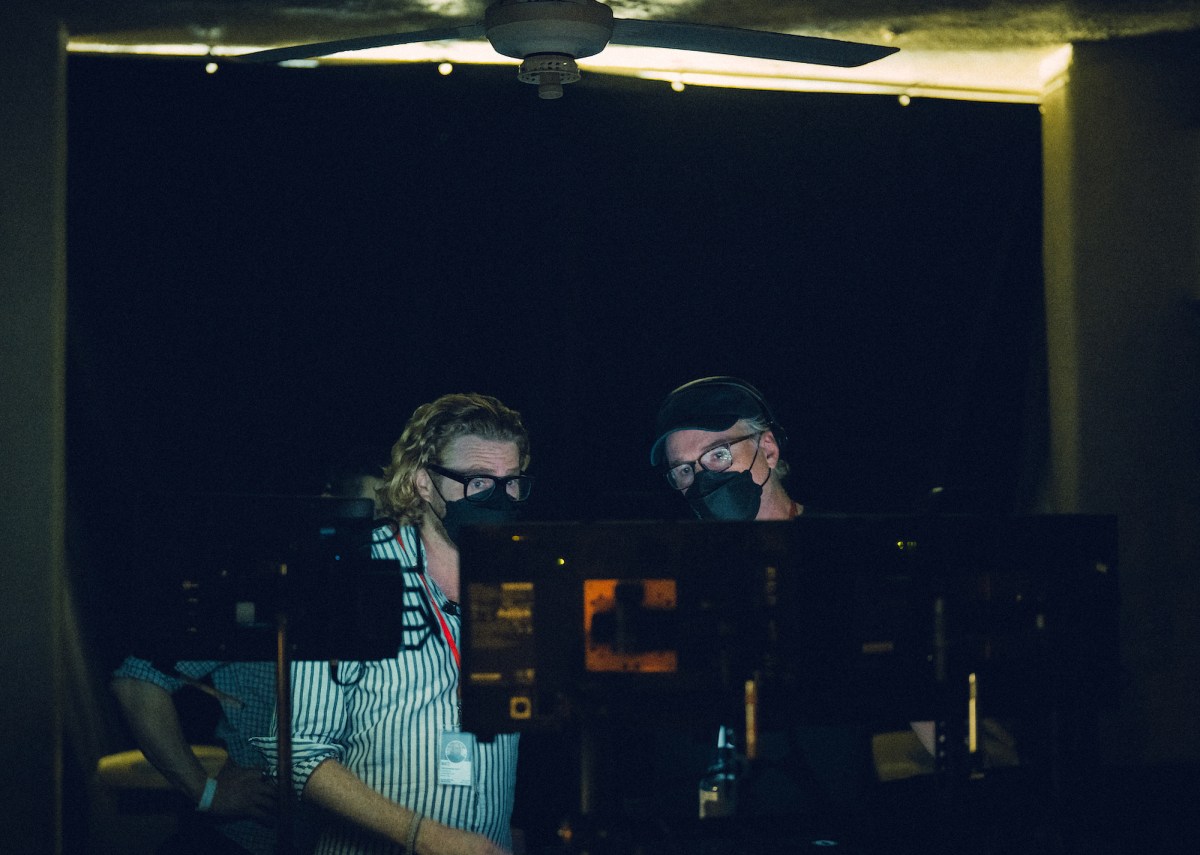
To borrow the film’s cunning tagline, “Execution is everything”, and making The Killer became a meticulous experience for Messerschmidt and his team. Choreographing the camera to reflect the perspective of Fassbender’s killer, as he watches from the shadows, required absolute perfection. “It became very much about precision,” he says. “It’s an enormous amount of pressure on the camera operator [Brian S. Osmond] on this film.” Every step of the background artists was accounted for, like an elaborate dance. “So, it’s all sort of in concert…[that] is the intention most of the time.”

If you are a subscriber, read the full profile in issue 120 of British Cinematographer

Or you can read it on the website

I Will Survive

Seth Emmons
November 2023
Cinematography World / Leitz Cine

American cinematographer Erik Messerschmidt ASC reunited with director David Fincher for The Killer, the pair’s third collaboration following the Academy Award-winning feature film Mank (2020) and the critically-acclaimed series Mindhunter. The new Netflix Original neo-noir thriller is adapted from the eponymous graphic novel by French writer Alexis “Matz” Nolent and follows an unnamed assassin played, by Michael Fassbender, on a global hunt for revenge, only to find himself the subject of an international manhunt after a after a hit goes wrong.

Principal photography on the film began in November 2021 and wrapped in March 2022, with filming taking place in Paris, Dominican Republic and New Orleans, Louisiana, and St Charles in Illinois. Messerschmidt is quick to point out that The Killer is not a caper, but an exercise in observing the journey of a fascinating character, a professional who considers himself separate from the masses. But, when his meticulous planning goes wrong, the framework of his world gets knocked off balance as well.

The Killer exemplifies the decisive filmmaking style that Fincher has become known for and Messerschmidt embraces this methodology when working together.

The Killer is probably the most precise movie I’ve ever worked on,” he says. “There’s something to be said for spontaneity and the moments between the moments that you capture in an unexpected way, and I would never want to detract from the value of that. But, to me the most satisfying way of filmmaking is trying to be as sublime as possible. It’s hard work and you have to know where you’re going at every step to achieve it. It’s all about previsualisation and the pursuit of those ideas.”

“Sculpture is a great metaphor for how David works. He strips away anything extra – from the camera movement to the performance to the set dressing – and focusses on what the audience needs to learn from each scene. There’s no showing-off because it’s all about telling the story in the clearest, most effective way. The artistry presents itself in the micro decisions. This frame or that frame? Should the camera be here, or a foot further back? It becomes much more nuanced.”

Read the full profile on the Leitz Cine website

Read the full profile on Cinematography World (soon)

Killer Instincts

David Fincher aims to unsettle with Michael Fassbender as a ruthless assassin in gripping thriller The Killer.

By Nev Pierce
Photograph by Jean-Baptiste Mondino

November 1, 2023
Netflix Queue

The Killer is about an exacting professional whose meticulous methods and wry worldview are disrupted by unruly reality. This may be a clue as to why David Fincher wanted to make it. The Fight Club filmmaker is well-known for his tenacious approach to directing — always pushing for more. And in Michael Fassbender he has a leading man who is equally driven.

The Oscar-nominated star of 12 Years a Slave and Steve Jobs left screens for a few years to take up professional racing behind the wheel of a Porsche in the European Le Mans Series. This blend of danger and precision seems apt for playing the title character in The Killer, an unnamed assassin who aims to execute things — and people — perfectly.

We’ll get to how, or if, one can define “perfection” in cinema, but to an on-set observer, it might seem Fincher will settle for nothing less. While he would contest this, he knows his definitions can differ from others’. “My idea of professionalism is you work 24-7 to make good on your promises,” he says, before continuing with a self-aware smile. “Not a lot of people feel that way. Some people are like: ‘You do the best you can in 40 hours a week and let the chips fall where they may.’”

Read the full profile

Watch The Killer on Netflix

Bringing life to ‘The Killer’

October 30, 2023
FilmLight / British Cinematographer

The Killer is David Fincher’s latest action/thriller movie based on the French graphic novel series of the same name, by Alexis “Matz” Nolent. Starring Michael Fassbender and Tilda Swinton, the film follows an assassin who gets embroiled in an international manhunt after a hit goes wrong.

The movie, which made its premiere at the 80th annual Venice Film Festival and will be available on Netflix from 10 November, saw another successful collaboration between cinematographer Erik Messerschmidt ASC, director David Fincher and colourist Eric Weidt. Weidt has been working with David Fincher since 2014 and the trio previously joined forces on Mank (2020) and the Mindhunter series (2017-2019).

A US and French citizen, Weidt is a renowned freelance colourist who spent 15 years in Paris working with fashion photographers and filmmakers (Vogue, Bazaar, Pop).

“I began with Fincher doing beauty work in Nuke in 2014,” explains Weidt. “I showed him a reel of colour work I’d done working in fashion in Paris, and I think he figured that squared perfectly with the kind of precision he wanted to get into by grading his own projects in-house.”

Read the full case study on FilmLight and British Cinematographer

Dead Reckoning

Oscar-winner Erik Messerschmidt, ASC, draws a bead on the mind of an assassin in David Fincher’s The Killer.

Kevin Martin
October 26, 2023
ICG Magazine

Consider this promotional material for the 1969 assassin-at-a-crossroads film Hard Contract: “Everything they do is 97 percent control and 3 percent emotion.” Compare that with the mantra from the nameless lead character in The Killer, director David Fincher’s newest feature for Netflix, shot by Oscar-winner Erik Messerschmidt, ASC. “Stick to your plan. Anticipate, don’t improvise. Trust no one. Never yield an advantage. Fight only the battle you’re paid to fight.”

It sounds pretty much the same, right? Both help illustrate the heart of a broad subgenre of films that includes Anton Corbijn’s The American (shot by Martin Ruhe, ASC), the aforementioned Hard Contract (shot by Jack Hildyard, BSC), The Eiger Sanction (shot by Frank Stanley, ASC, former IATSE Local 659 president) and Fred Zinnemann’s The Day of the Jackal (shot by Jean Tournier.) The common locus revolves around the assassin as a high-functioning sociopath, able to operate effortlessly in various circles without being found out. Given the inherent complexity of such a character type, it is easy to see how Fincher was able to attract Michael Fassbender to take the lead role.

Derived from a long-running graphic novel series by author Alexis “Matz” NolentThe Killer had been in gestation by Fincher for close to fifteen years. Depicting a murder-for-hire gone awry and its aftermath, the film is viewed through the eye of a seasoned assassin (Fassbender), who now finds himself a target and must seek out not only his erstwhile employers but also those they have deployed against him.

Messerschmidt’s history with Fincher began as Chief Lighting Technician on Gone Girl [ICG Magazine October 2014] before going on to shoot his Mindhunter series and then, in 2021, winning the Oscar for Mank. Messerschmidt had also shot episodes of FargoLegion and Raised by Wolves, and, more recently, the WWII aerial epic Devotion [ICG Magazine December 2022]. “What I initially found interesting about the script was how it is almost wholly absent of dialog,” Messerschmidt describes. “There is a significant amount of voice-over, a lot of which was present in the first script, but very little is spoken on screen – so in a sense, it’s like a silent film. This meant the way we told the story with the camera was that much more important. It’s an adaptation of a graphic novel, which are told in a similar way. I was fascinated by that kind of challenge.”

Read the full profile