The Best Movie Sound Design of 2023

Ren Klyce, Richard King, Ai-ling Lee, and Johnnie Burn are among are greatest artisans working today. Here’s why.

Chris O’Falt, Sarah Shachat, Jim Hemphill, Bill Desowitz
December 8, 2023
IndieWire

George Lucas once said, “The sound and music are 50 percent of the entertainment in a movie.” It’s a quote you hear many pay lip service to, but the reality is that’s not how we think about movies. If it was, then sound masters like Ren KlyceRichard KingAi-ling Lee, and Johnnie Burn would be household names in the filmmaking world.

There is one group, though, that lives by Lucas’ words: fellow great directors. Filmmakers like David Fincher, Christopher Nolan, Jonathan Glazer, Greta Gerwig, and Bradley Cooper think of their movies in terms of sound and build it into their process, from conception through post, and seek out aural masters like Klyce, King, Lee, and Burn.

In reviewing the year in sound design, the IndieWire craft staff was near unanimous on the year’s very best, quickly zeroing in on these five titles.

Read the full article

Behind the Making of The Killer

Gina McIntyre
December 6, 2023
Netflix Queue

For his muscular new thriller, David Fincher worked with many of his closest collaborators to develop inventive approaches to the film’s cinematography, with Erik Messerschmidt ASC, editing, with Kirk Baxter ACE, sound, with Ren Klyce, and score, with Trent Reznor & Atticus Ross.

Read the full profile

Kirk Baxter on Editing David Fincher’s The Killer

Iain Blair
December 6, 2023
postPerspective

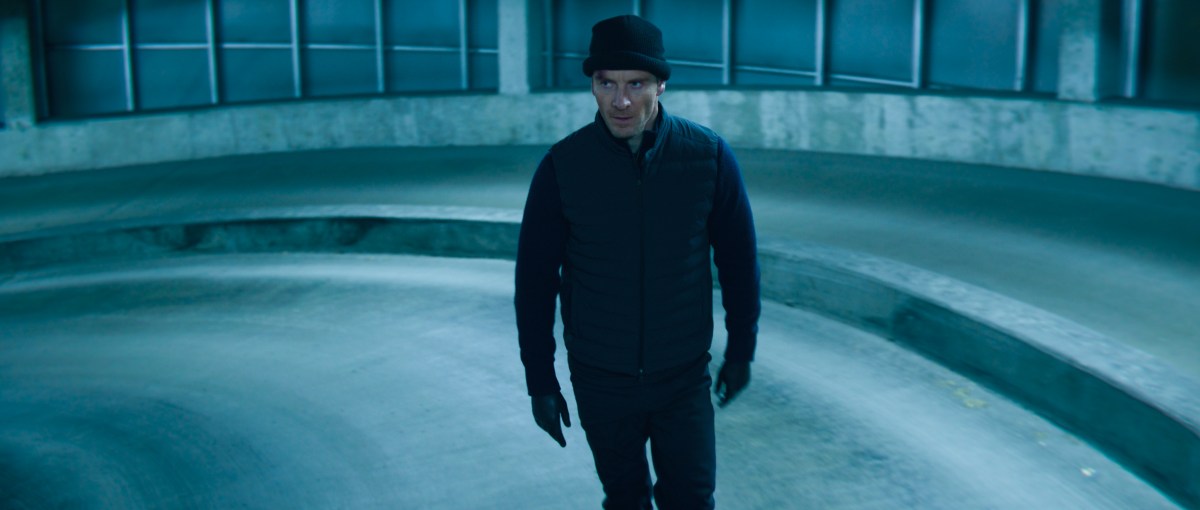
David Fincher’s The Killer is a violent thriller starring Michael Fassbender as an unnamed hitman whose carefully constructed life begins to fall apart after a botched hit. Despite his mantra to always remain detached and methodical in his work, he lets it become personal after assassins brutally attack his girlfriend, and soon he finds himself hunting those who now threaten him.

The Netflix film reunites Fincher with Kirk Baxter, the Australian editor who has worked on all of Fincher’s films since The Curious Case of Benjamin Button and who won Oscars for his work on The Social Network and The Girl with the Dragon Tattoo.

I spoke with Baxter about the challenges and workflow

How did you collaborate with Fincher on this one?

I try not to weigh David down with too many background questions. I keep myself very reactionary to what is being sent, and David, I think by design, isolates me a bit that way. I’ll read the script and have an idea of what’s coming, and then I simply react to what he’s shot and see if it deviates from the script due to the physicality of capturing things.

The general plan was that the film would be a study of process. When The Killer is in control, everything’s going to be deliberate, steady, exacting and quiet. We live in Ren Klyce’s sound design, and when things deviate from The Killer’s plan, the camera starts to shake. I start to jump-cut, the music from composers Trent Reznor and Atticus Ross comes into the picture, and then all of our senses start to get rocked. It was an almost Zenlike stretching of time in the setup of each story then a race through each kill. That was the overarching approach to editing the film. Then there were a thousand intricate decisions that we made along the way each day.

Read the full interview

Script Apart: “The Killer” with Andrew Kevin Walker

Al Horner
November 17, 2023
Script Apart

Stick to the plan. Anticipate, don’t improvise. Trust no one. Never yield an advantage. Fight only the battle you’re paid to fight… and if you can do all that while listening to The Smiths, even better. That’s the mantra of the eponymous assassin at the heart of The Killer, directed by David Fincher and written by our guest today – the fantastic Andrew Kevin Walker.

The Killer is a movie that deconstructs the hitman movie genre like Michael Fassbender’s glassy-eyed gun-for-hire deconstructing a McDonald’s sandwich on a park bench in Paris. It opens with a blaze of images that tease the explosive action typical of these films then swerves in a different direction. The result is defiantly meditative two hours in which the violence of the movie’s revenge plot following a botched assassination is almost incidental to the character’s meticulous ways and detached observations about the world.

It’s an absolutely riveting watch but then again, what did we expect? Unlike The Killer, who misses his target early on in the film, sparking the film’s descent into chaos, Andrew and Fincher rarely miss their mark whenever they work together. The pair first teamed up on 1995’s Se7en, which began life as a spec script that Andrew wrote after moving to New York from suburban Pennsylvania. Since then, Andrew’s taken passes at Fight Club and The Game for Fincher, on top of his solo adventures in Hollywood, penning films like Sleepy Hollow and 2022’s excellent Windfall.

In the spoiler conversation you’re about to hear, Andy answers our questions about the subtle commentary on materialist culture woven into the film. We get into the influence of the novelist Somerset Maugham on Andy’s work and break some of the film’s most intriguing moments, including its enigmatic ending – in which a life is spared but existential questions are left looming.

Listen to the podcast:

Script Apart
Apple Podcasts
Spotify
Amazon Music
Google Podcasts

Script Apart is hosted by Al Horner and produced by Kamil Dymek.

Follow Script Apart on Twitter and Instagram. Support for this episode comes from ScreenCraft and WeScreenplay. To get ad-free episodes and exclusive content, join us on Patreon.

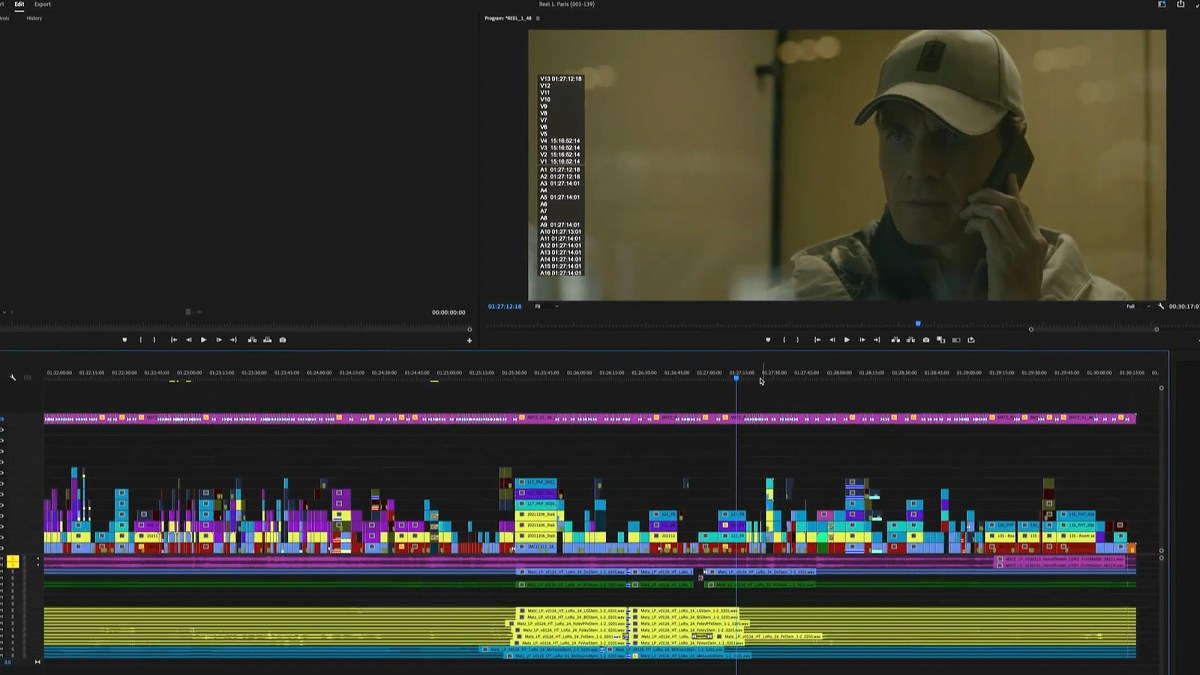
Behind the Scenes of Netflix’s ‘The Killer’ with Adobe Premiere Pro

November 27, 2023
Adobe

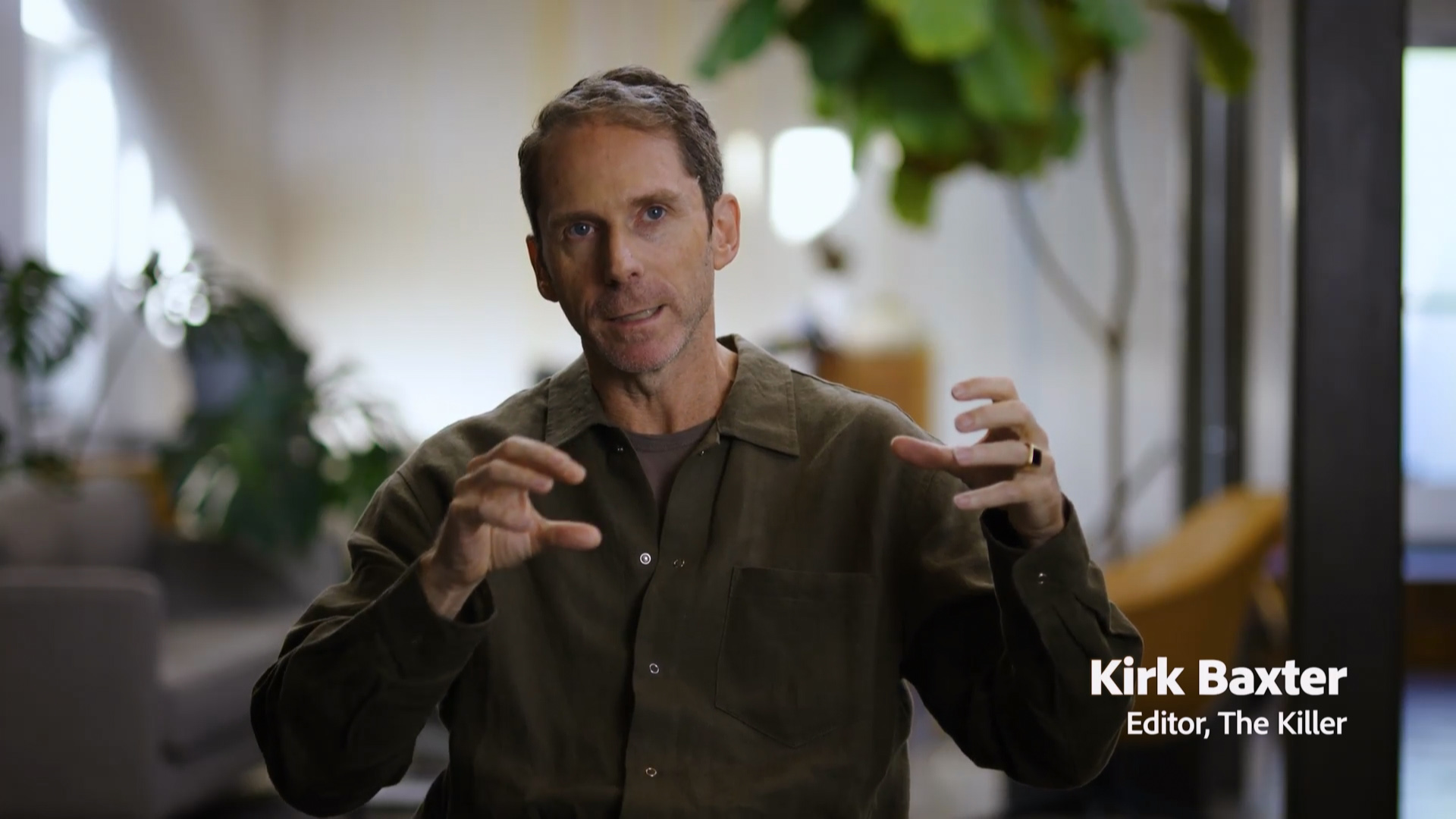
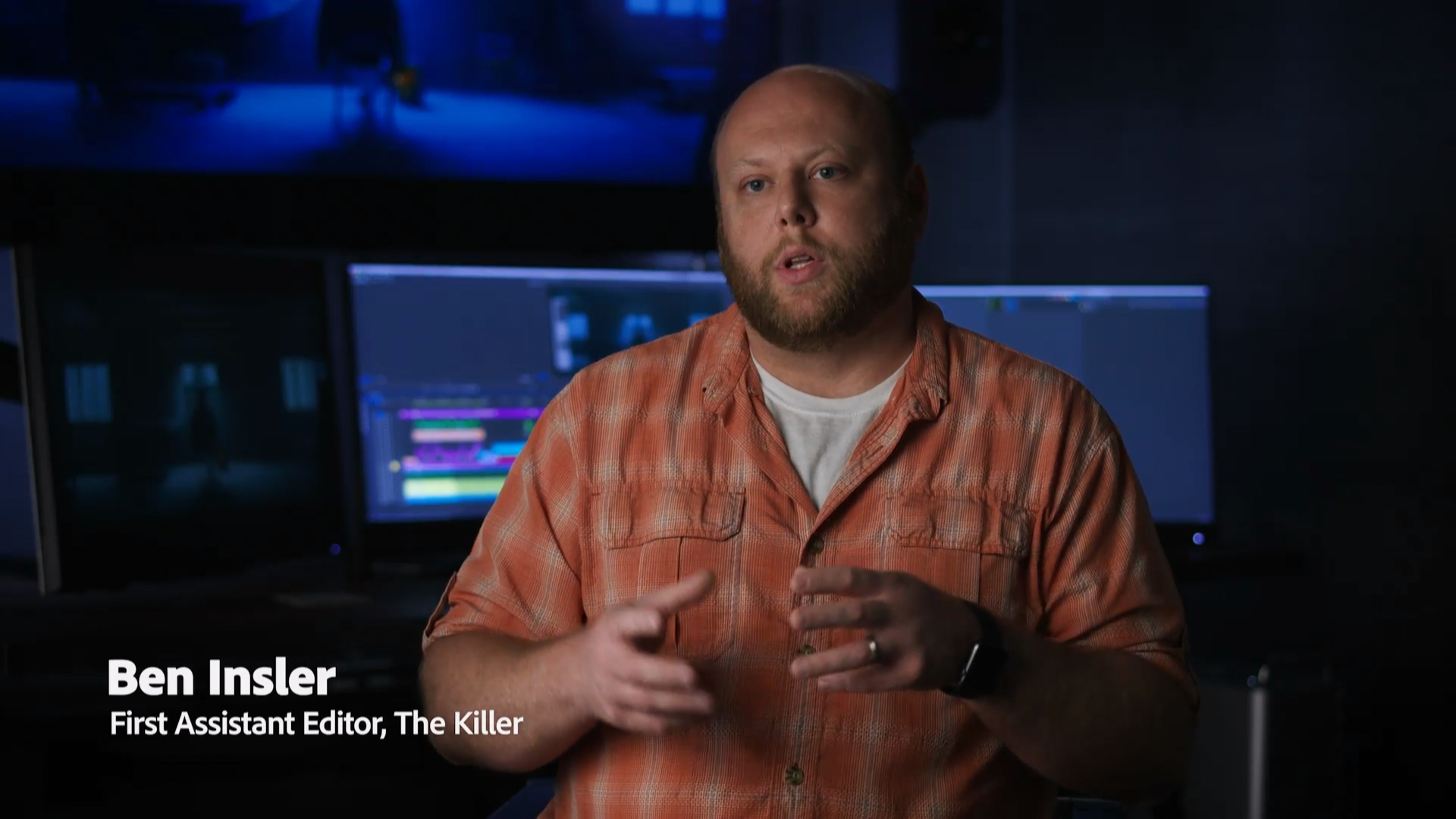
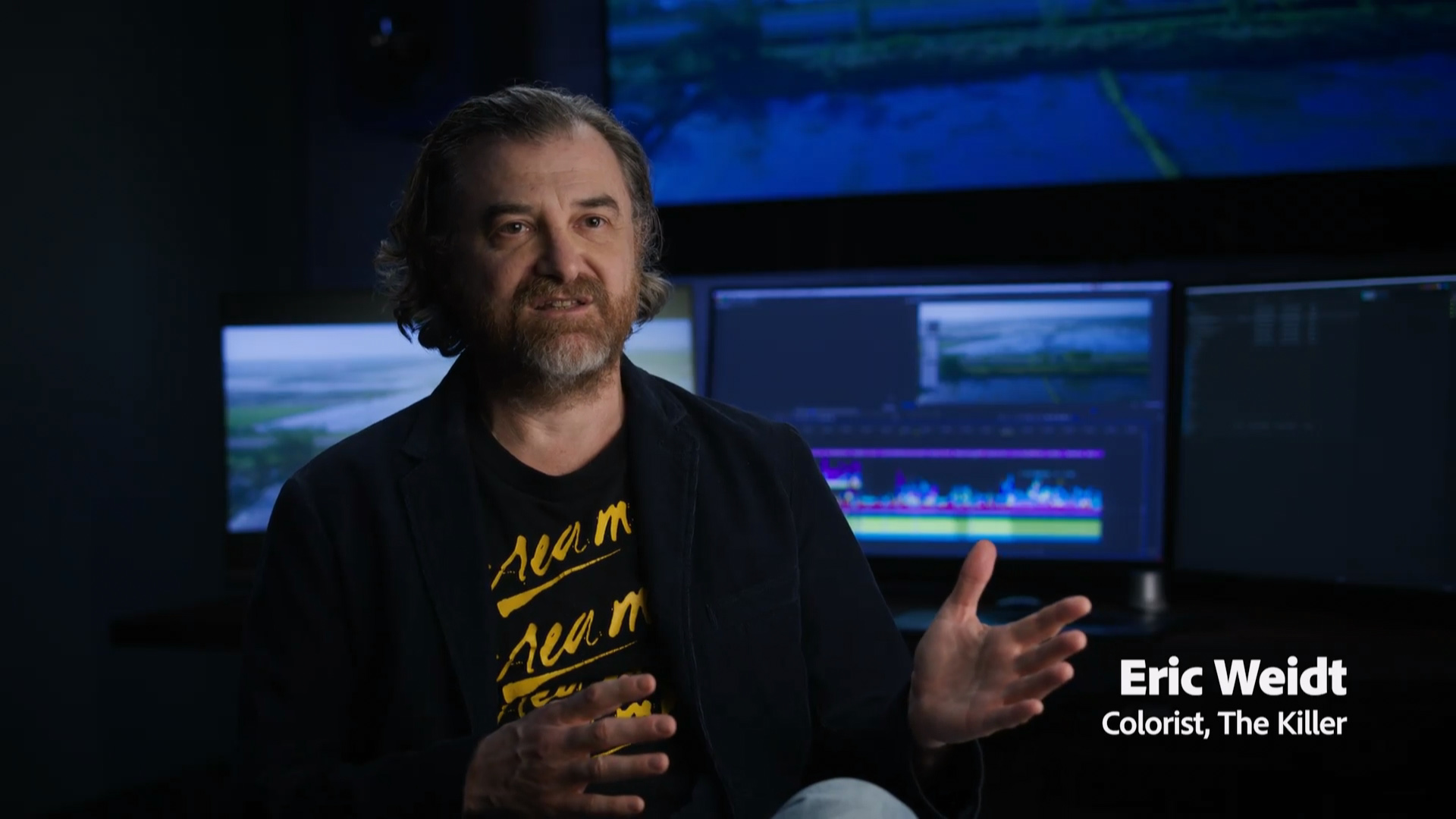
See how award-winning editor Kirk Baxter and his team, First Assistant Editor Ben Insler, and Colorist Eric Weidt, used Adobe Premiere Pro to break the rules of traditional editing in The Killer, a neo-noir thriller directed by David Fincher.

Learn more about our customers stories.

Connect with Adobe Video: Facebook, Ex-Twitter, Instagram

Art of the Cut: “The Killer” with Kirk Baxter, ACE

Steve Hullfish, ACE
November 23, 2023
Art of the Cut (Boris FX)

Today on Art of the Cut, we’re talking with Kirk Baxter, ACE, about editing David Fincher’s latest: The Killer, which is now on Netflix.

Kirk’s been on Art of the Cut before – for Gone Girl and for Mank. He was nominated for an Oscar, a BAFTA and an ACE Eddie for The Curious Case of Benjamin Button. He won an Oscar, a BAFTA and an ACE Eddie for The Social Network. He was nominated for an ACE Eddie and won an Oscar for The Girl with the Dragon Tattoo. Was nominated for an Emmy for House of Cards. Was nominated for an ACE Eddie for Gone Girl. Was nominated for an ACE Eddie for Mindhunter. Was nominated for an ACE Eddie for Mank and won an ACE Eddie for Love, Death and Robots.

Listen to the podcast:

Apple Podcasts
Spotify
Amazon Music
Google Podcasts

Follow Steve Hullfish, ACE, and the “Art of the Cut” podcast on Ex-Twitter. Buy his book “Art of the Cut. Conversations with Film and TV Editors” (Routledge, 2017).

Read the transcription of this interview:

The Killer

Kirk Baxter, ACE, director David Fincher’s long-time editor, talks about the power of believing in the process, pacing, and voiceover changes on the action-packed thriller.

Steve Hullfish, ACE
November 23, 2023
Art of the Cut (Boris FX)

The Editing Podcast: David Fincher’s Editor Reveals The Key To Make ANY Edit Work

Jordan Orme and Hayden Hillier-Smith
November 22, 2023
The Editing Podcast

Welcome to The Editing Podcast, where storytelling meets the art of post-production. In this riveting episode, hosts Hayden Hillier-Smith and Jordan Orme sit down with none other than the master editor behind the brilliance of David Fincher‘s cinematic wonders—Kirk Baxter.

We delve deep into Kirk’s illustrious career, spanning iconic films that have left an indelible mark on the world of cinema. From “The Social Network” to “Gone Girl” to his most recent thriller, “The Killer”, Kirk Baxter’s editorial prowess has shaped some of the most memorable moments in film history and has influenced the editing landscape forever.

In this episode, we dissect the mesmerizing opening sniper scene, a sequence that hooks audiences from the first frame. Kirk takes us behind the scenes, sharing the secrets of crafting tension and suspense that keep viewers on the edge of their seats. We also explore the intricacies of “The Killer‘s” visceral fight scene, a jaw-dropping display of editing finesse that elevates the film to a new level of intensity. Kirk Baxter’s insights into the creative decisions behind each cut and the rhythmic flow of the sequence offer a rare glimpse into the mind of a true editing maestro.

00:00: David Fincher’s Editor Kirk Baxter
01:00: Use Riverside
02:18: Why Hiding Blinks Creates Intention
05:05: The David Fincher Editing Style
09:50: Choreographing The Vicious Fight Scene in The Killer
12:29: Letting Sound & Music Guide Your Edit
13:57: Comment “Storyblocks is cool”
15:00: Hooking Your Audience In The First 5 Minutes
16:23: How To Cut With Intention
18:14: Breaking Down The Sniper Scene in The Killer
25:15: The Magic Of Vertical Sound Cutting
27:53: Breaking Down The “Cool Girl” Sequence in Gone Girl

Editor: ​⁠ Tyson Pellegrini and Hayden Hillier-Smith
Executive Producer: Vishnu Vallabhaneni
Thumbnail: David Altizer

Listen to the podcast:

Apple Podcasts
Google Podcasts
Spotify

Follow The Editing Podcast: YouTube, Twitter, Instagram

The Filmmakers Podcast: David Fincher’s Cinematographer Erik Messerschmidt, Editor Kirk Baxter, and Sound Designer Ren Kylce, on “The Killer”

Giles Alderson and Dom Lenoir
November 14, 2023
The Filmmakers Podcast

We have a bumper episode for you with not one, not two, but three Oscar-nominated or Oscar-winning filmmakers who work with David Fincher. We have Cinematographer Erik Messerschmidt, Editor Kirk Baxter, and Sound Designer Ren Kylce, who have all worked with Fincher multiple times. We talk about their latest collaboration, The Killer, which starring Michael Fassbender and Tilda Swinton.

Listen to the podcast:

The Filmmakers Podcast
Apple Podcasts
Google Podcasts
Spotify

Follow the podcast on Twitter and Instagram. Support it on Patreon and access bonus episodes, industry survival guides, and feedback on your film projects!

Editing ‘The Killer’ So That ‘We Crawl Into His Ears and Sit in the Back of His Eye Sockets’

David Fincher’s Oscar-winning go-to editor, Kirk Baxter, helped achieve a new kind of subjective cinema with Michael Fassbender’s assassin character.

Bill Desowitz
November 12, 2023
IndieWire

[Editor’s note: The following interview contains spoilers.]

David Fincher’s The Killer is his most experimental film since “Fight Club”: a subjective, cinematic tour de force in which we get inside the mind of Michael Fassbender’s titular assassin after he experiences his first misfire in Paris. Fully exposed for the first time, the hunter becomes the hunted and he’s forced to cover his tracks while stepping outside of his comfort zone. In the process, the film becomes a noirish existential journey from nihilism to faith, which is what first attracted Fincher to adapting Alex Nolent’s graphic novel.

For go-to editor Kirk Baxter (the Oscar-winning “The Girl with the Dragon Tattoo” and “The Social Network”), it was one of the hardest Fincher films to cut. It’s divided into six chapters, each with its own look, rhythm, and pace tied to Fassbender’s level of control and uncertainty, and the editorial process necessitated the creation of a visual and aural language to convey subjective and objective points of view for tracking Fassbender. In fact, it’s reminiscent of what Hitchcock called “pure cinema,” only much bolder.

“It was like a ’70s film and I found it to be one of the more challenging movies to make because it’s not sort of juggling a bunch of different character lines or going back and forth from past to present and that sort of thing,” Baxter told IndieWire. “It’s just a straight line, but the exposure of that with nowhere to hide, like you can’t kind of jazz hands your way out of something. It’s like everything is just under the spotlight and you’re not having dialogue and interaction to kind of dictate your pace. It’s a series of shots and everything has to be manhandled and manipulated in order to give it propulsion, or how you slow it down. But just by its very nature, it had to be sort of let’s go [and see how much Fassbender has to break his own rules to survive].”

Read the full profile

Editing David Fincher’s ‘The Killer’ on Premiere Pro

Netflix has another hit movie on its hands with David Fincher’s The Killer. We spoke to the film’s editor, Kirk Baxter, and Assistant Editor, Jennifer Chung, about how they put it together using Adobe Premiere Pro.

Andy Stout
November 10, 2023
RedShark

Kirk Baxter ACE picked up two Oscars working on previous Fincher titles you will probably have heard of, The Social Network (2010) and The Girl with the Dragon Tattoo (2011). In other words, The Killer has some serious pedigree behind it, and much like this year’s Academy Award for Editing winner Everything Everywhere All At Once, it was cut on Adobe Premiere Pro.

Jennifer Chung ACE was one of the Assistant Editors on The Killer and represents a 14-strong editing department. Chung is currently cutting her first indie feature (“It’s a different kind of stress,” she says laughing), but looking back on The Killer, is there any particular sequence that stands out as her favorite?

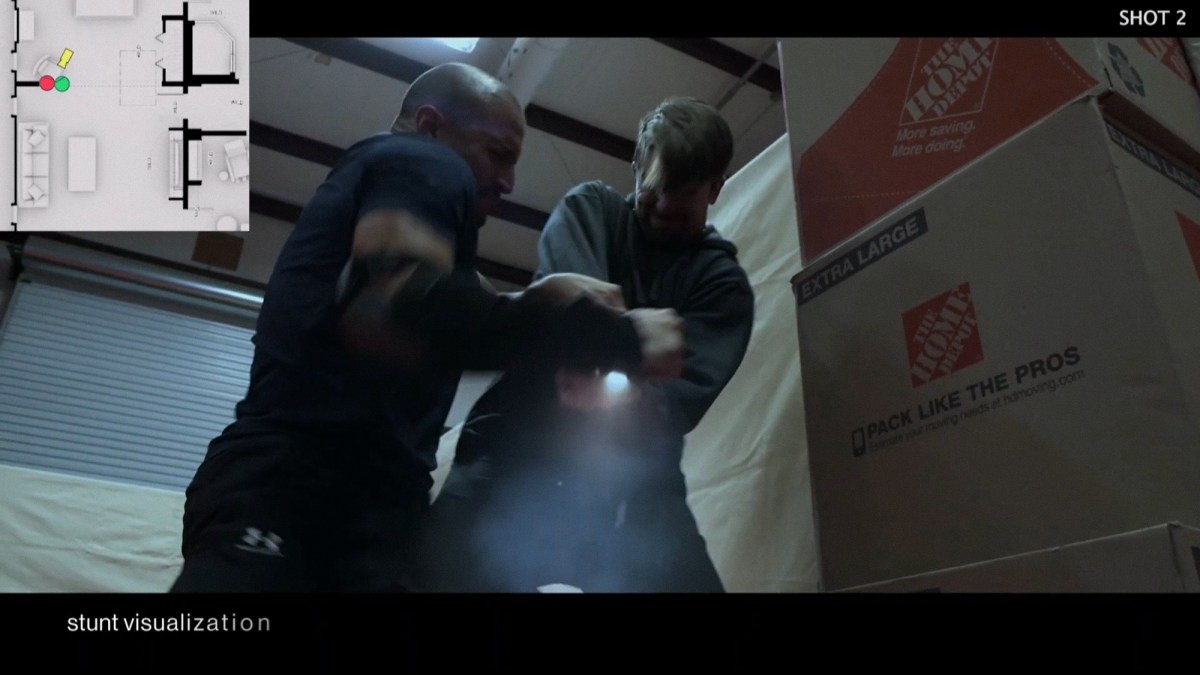
“I think it has to be the fight sequence,” she says. “The fight sequence is pretty epic. And it just goes on. I think Kirk did an incredible job with that; it’s just really fun to watch.”

“I watched something on TV which had a big fight sequence two nights ago, and I couldn’t follow it,” says Kirk Baxter, who edited The Killer and put the movie’s signature fight scene together. “I knew people were fighting, but I couldn’t track who owned what fist and what thing. It was just a jumble of limbs edited quickly.”

No such failure to follow the action in The Killer’s own fight scene, which Baxter says is essentially a sequence of 18 scenes with multi-camera setups depicting a single fight all strung together in a row. He was cutting the sequence as Fincher was shooting it. The shoot would break at lunchtime when he’d start cutting the first half of the day, getting the second half later at the end, then cutting into the evening and sending it to Fincher to see if any pickups were needed.

“It was this crazy, relentless week of all of us going around the clock to know that we had the thing,” he says. 

Read the full profile