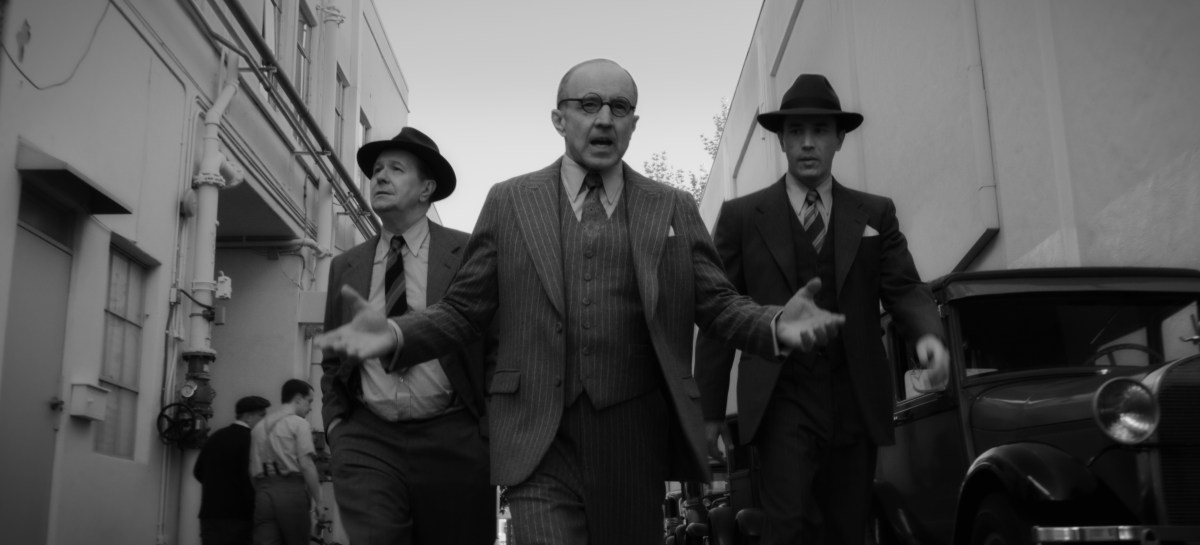
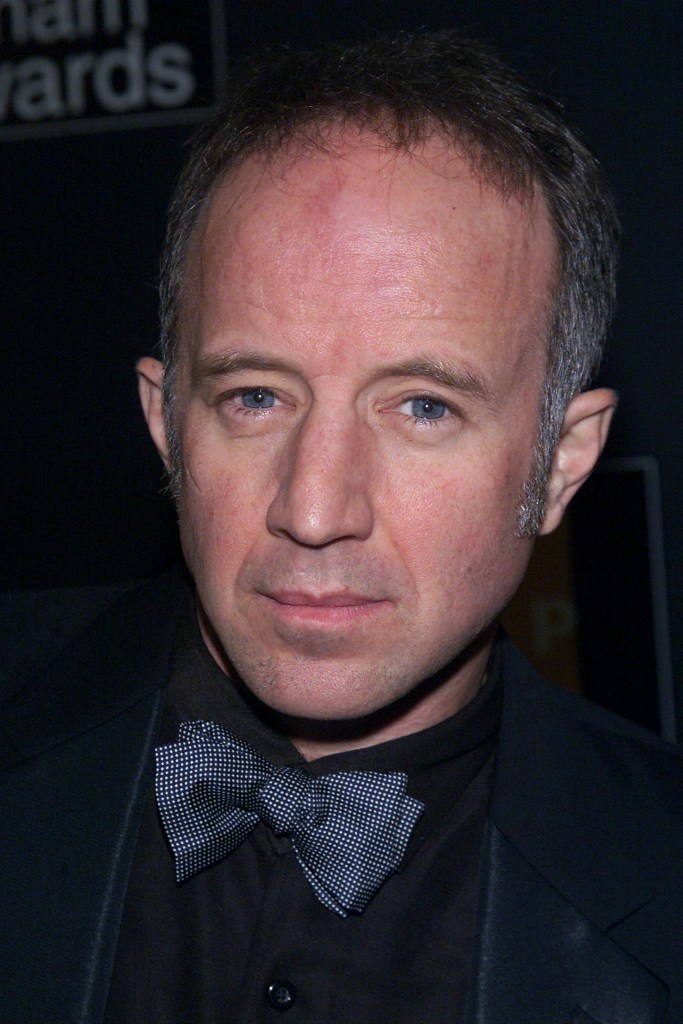
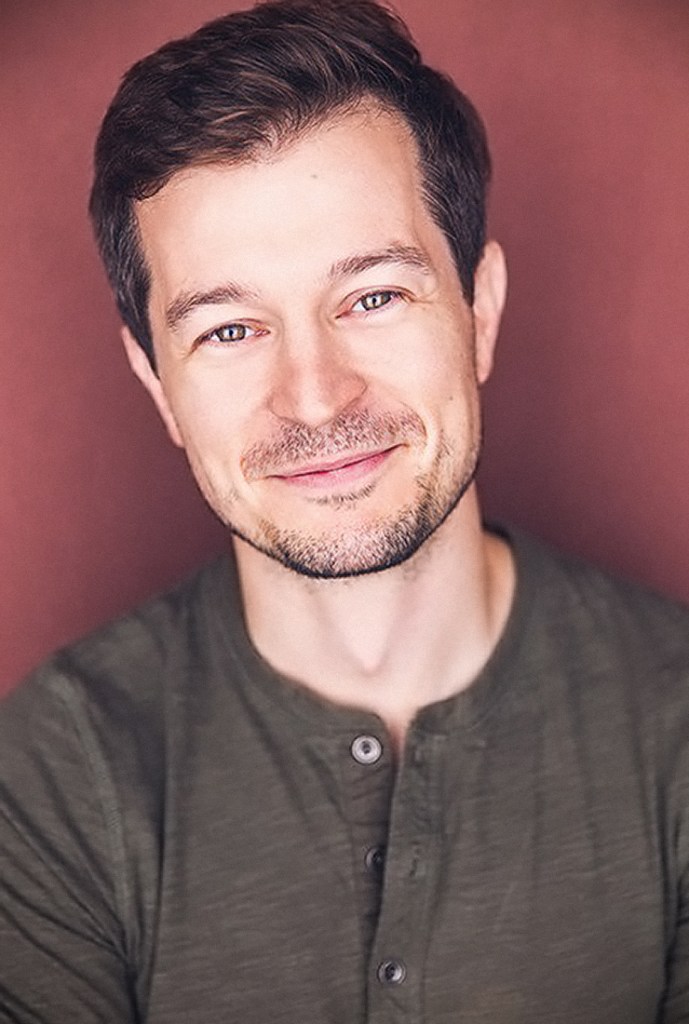
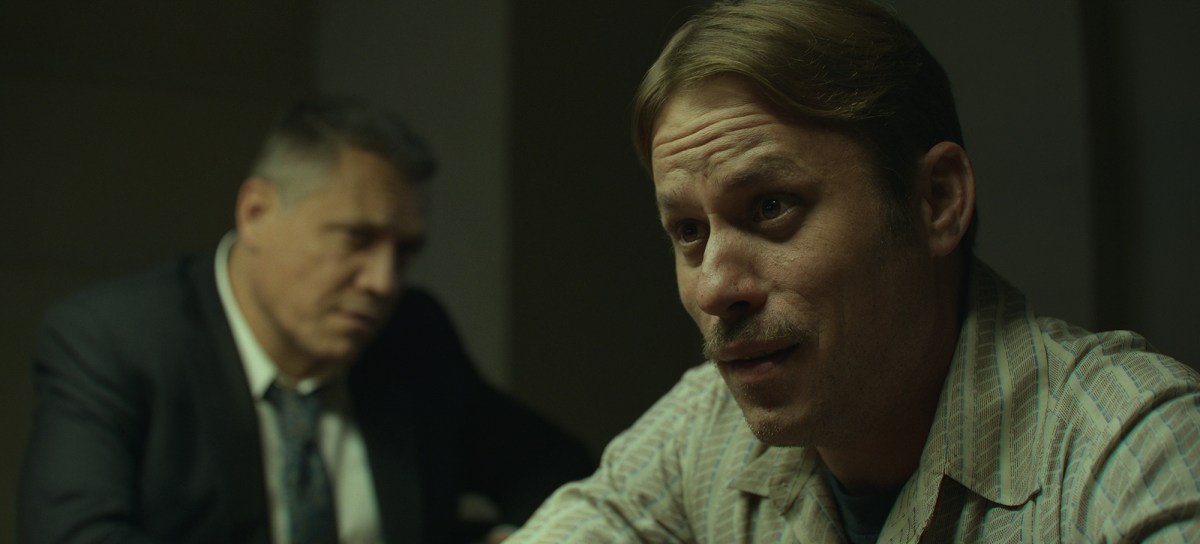
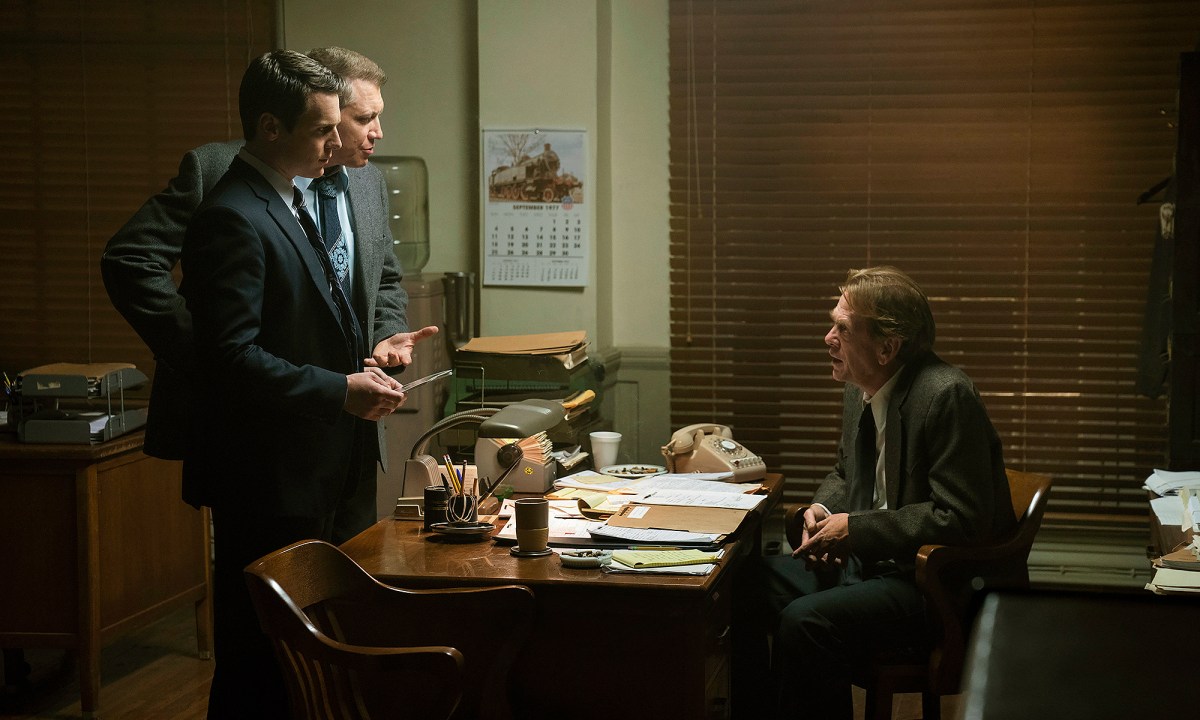
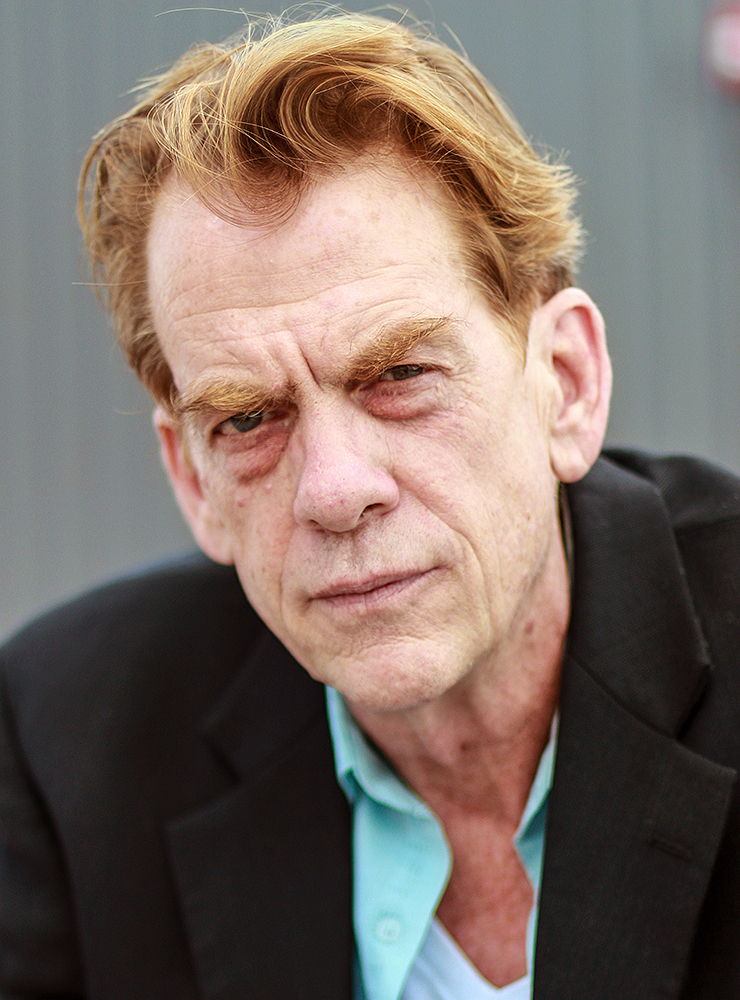
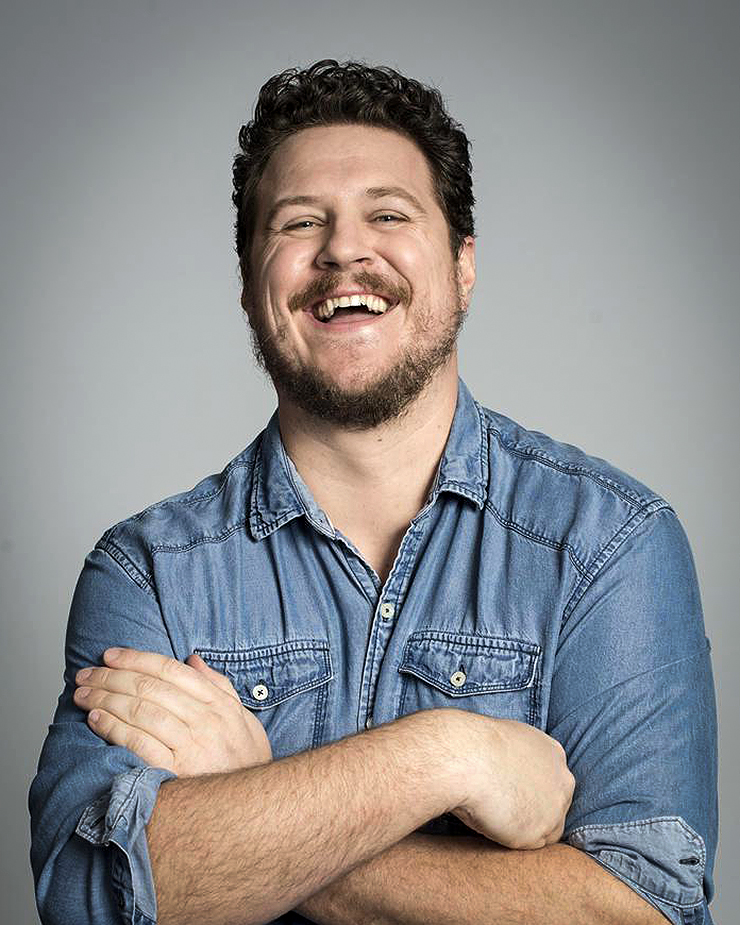
Don’t miss this exclusive and compelling conversation with actor, writer, and director Arliss Howard (Full Metal Jacket, Natural Born Killers, The Lost World: Jurassic Park, Amistad, Moneyball, Manhunt)
A journey into his process, his brilliant performance as MGM’s Louis B Mayer in David Fincher’s new epic feature ‘Mank’, working with Fincher, Kubrick, Spielberg and Stone and so much more!
‘Mank’ premieres theatrically in some territories on Nov 13th. On Netflix Dec 4.
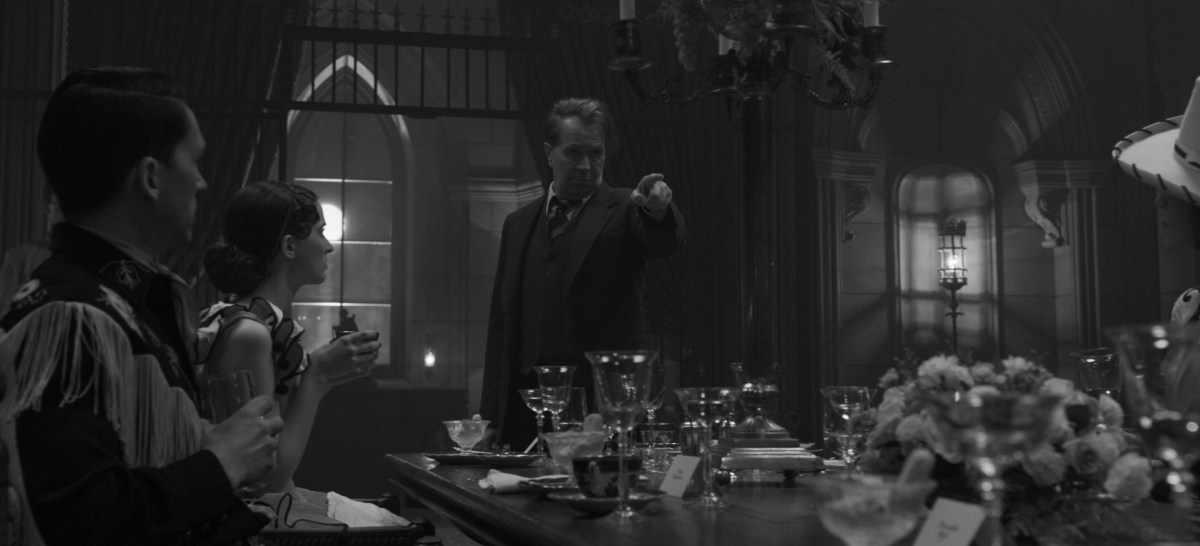
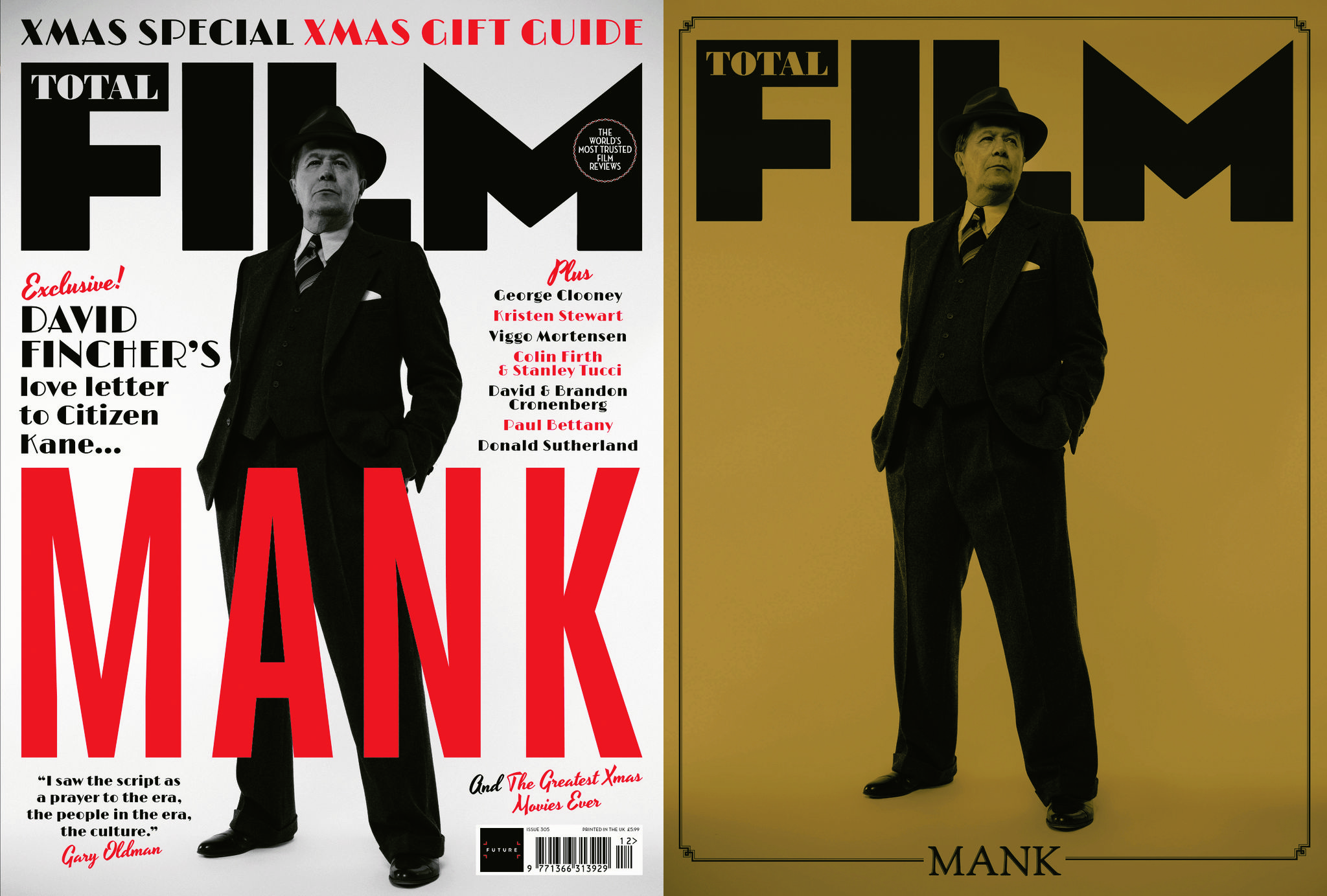
There are few directors as infamously meticulous as David Fincher. Amanda Seyfried – who appears in Fincher’s upcoming movie Mank, about the writing of Citizen Kane – previously revealed that one scenetook around 200 takes to capture properly. For the latest issue of the magazine, Total Film asked the team behind Mank about working with Fincher, with the director himself being the first to admit that he can be quite demanding.
“It was exhausting in the beginning, I think, for him,” Fincher says of leading actor Gary Oldman. “Because I’m fairly didactic about, ‘These are the things that the scene needs to accomplish for me, and we will continue to play, to look for ways to underline these ideas that are as subtle as we can make them.’
On the cusp of the 25th anniversary of Se7en and the 10th anniversary of The Social Network, The Ringer hereby dubs the next five days David Fincher Week. Join us all throughout the week as we celebrate and examine the man, the myth, and his impeccable body of work.
The first few minutes of David Fincher’s ‘The Social Network’ is a thesis statement on its protagonist—and a harbinger for a decade defined by assholes
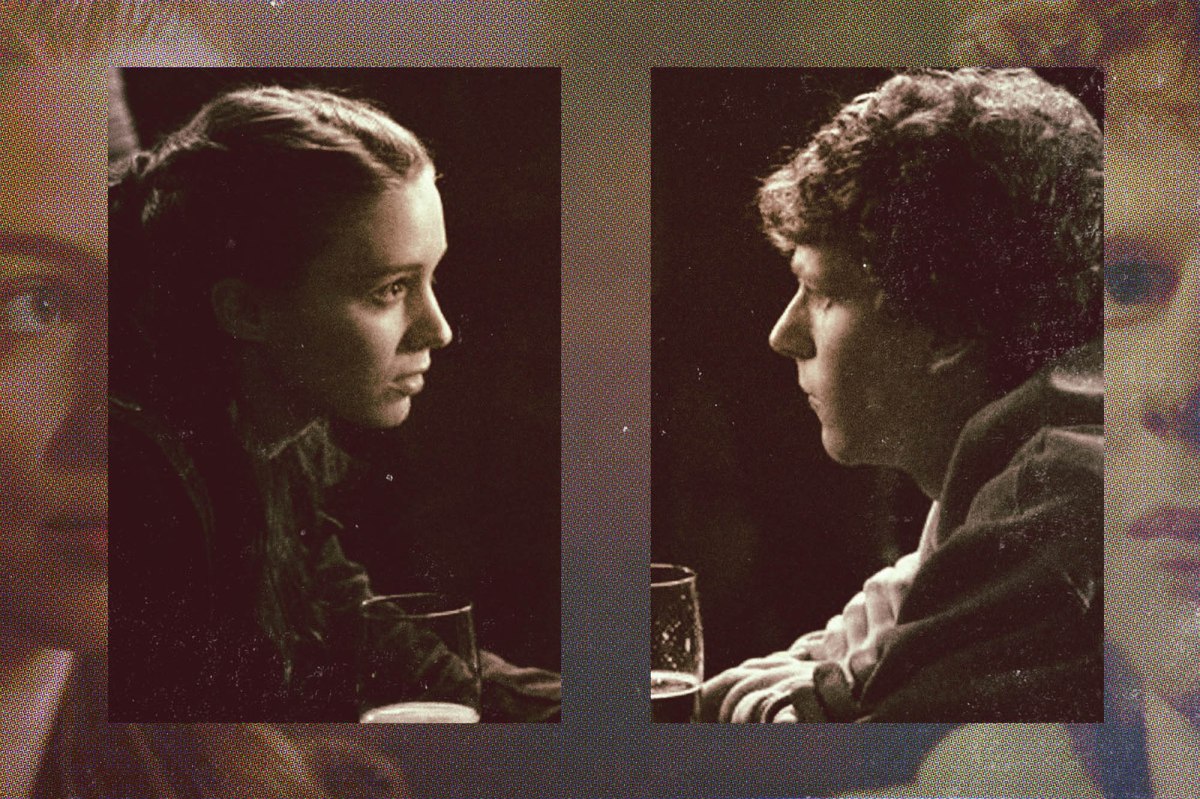
“The scene is stark and simple,” reads the first page of the screenplay. A young couple sits bickering at a campus pub, a tale as old as time. They speak quickly and sharply about pressing student concerns: SAT scores, summer jobs, a cappella groups, and whether one of them used to sleep with the establishment’s bouncer. (He’s just a friend named Bobby, she insists.)
Each character feels increasingly insulted by the other. By the end of the conversation, their relationship is through. “A fuse has just been lit,” notes the script at the scene’s conclusion, describing a dynamic—college breakup as launching pad—that is broadly familiar to audiences yet is also, in this telling, a portal to a great and eventually unrelatable unknown. That’s because this movie is no rom-com; it’s The Social Network, the 2010 deep dive into the hectic and ultimately litigious early days of Facebook that was written with snide perceptiveness by Aaron Sorkin, directed with bold ambition by David Fincher, scored with staccato generosity by Trent Reznor, nominated for eight Oscars, and received by audiences worldwide to the tune of nearly a quarter of a billion dollars.
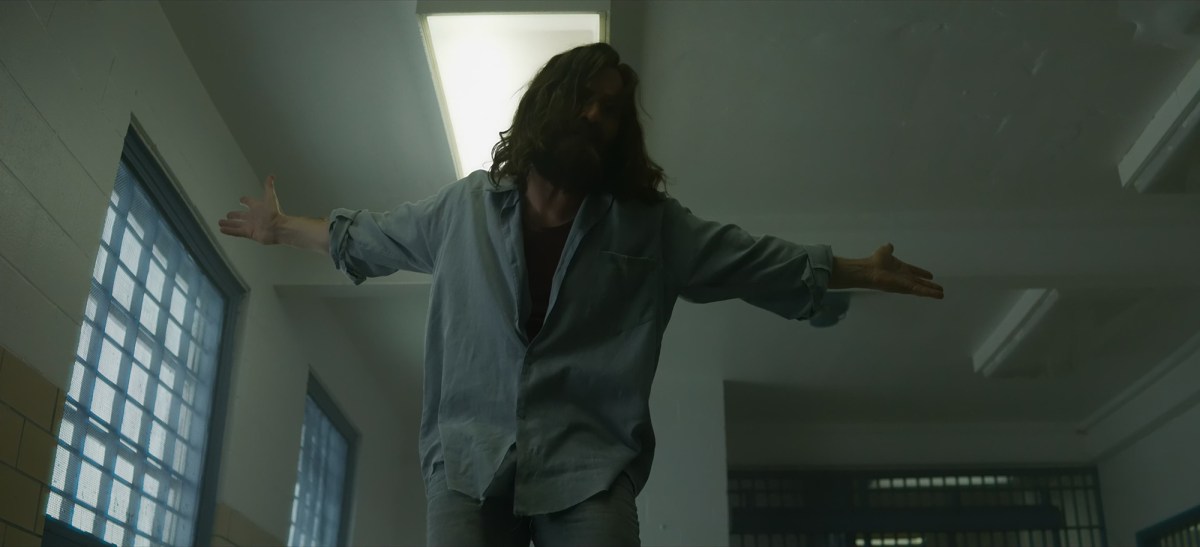
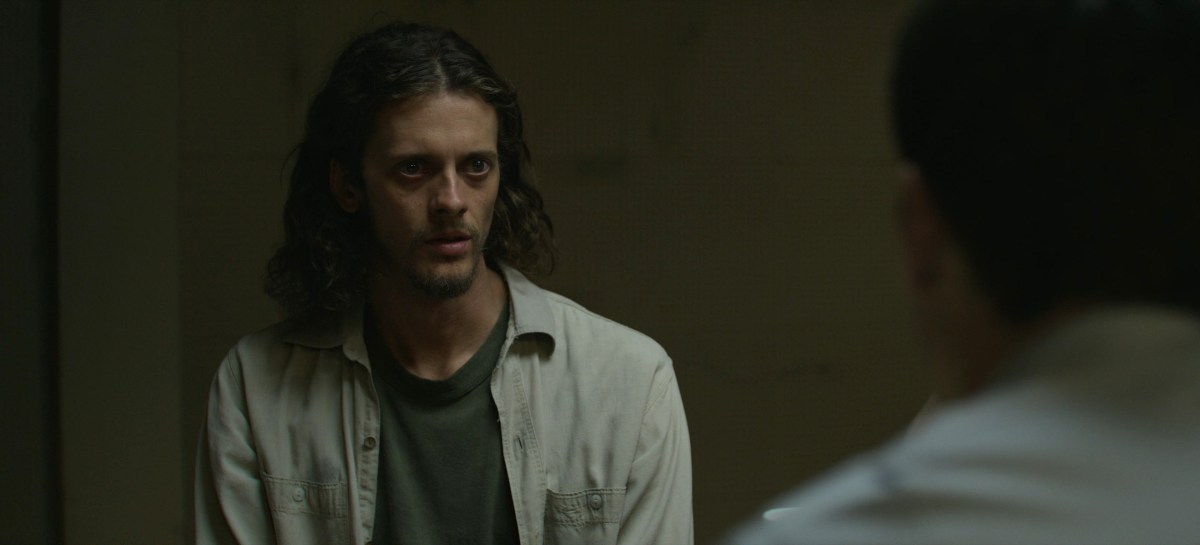
Actor Damon Herriman talks about tackling the role of Charles Manson (again) in Netflix‘s Emmy®-nominated series Mindhunter. Oscar®-winning makeup designer Kazu Hiro, meanwhile, details the actor’s physical transformation from mild-mannered Aussie to iconic cult leader.
It was amazing to sit down and chat with Writer/Director/Producer James Vanderbilt, whose credits include Sony‘s ‘The Amazing Spiderman‘, ‘White House Down‘ and David Fincher‘s masterpiece ‘Zodiac.’
In our conversation we talk about James’ early success selling his first script just days away from graduating at USC, his relationship with pitching films to studios, becoming a first-time director on ‘Truth‘ and much more.
Make sure to find and follow the podcast on Facebook.
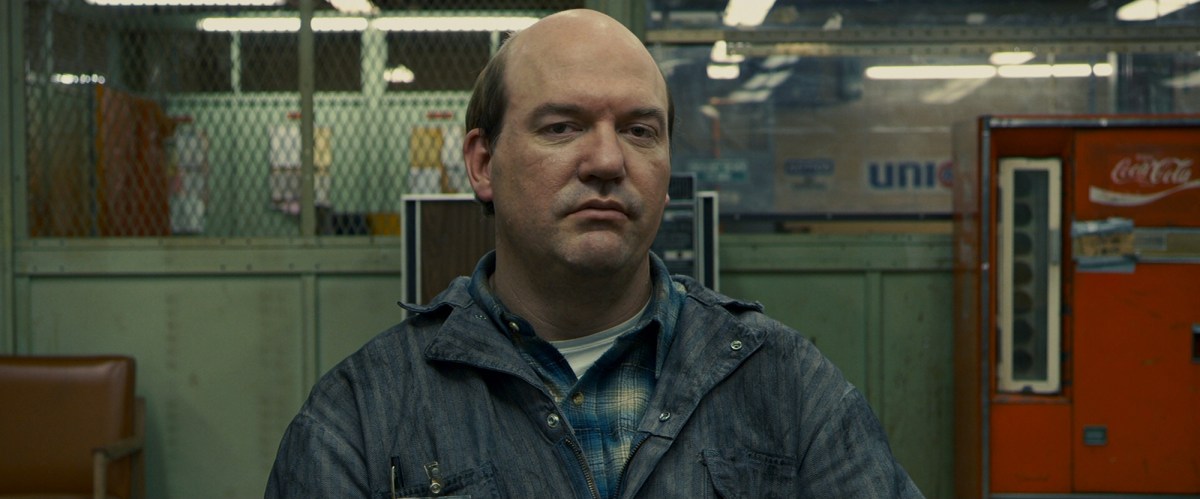
Joe Tuttle is well known amongst the fans of David Fincher’s Netflix show Mindhunter, for his role as FBI Agent Gregg Smith in both seasons 1 and 2. He has also appeared on other top-rated shows such as The Blacklist and Unforgettable. Joe and I had an in-depth conversation discussing his influences growing up, his career, and so much more.
[…]
JT: My secret weapon is my wife, she’s not an actress but she does have a writing background, so sometimes I think I can get caught up looking at these scripts as an actor like, ‘Oh this could be a really beautiful moment,’ but my wife is always about the writing, sort of, ‘Don’t forget these are human beings.’ It’s nice to have your moment as an actor, but don’t forget, are you really serving the story?
PC: And from speaking to many of the actors on Mindhunter that’s exactly what David Fincher wants when he shoots take after take of the same scene, for you not to play them out as an actor but to be, or react, as you would naturally in real life, and that really ties in to what your wife is saying.
JT: I think that’s part of it… I wish just for one day I could get in the head of David. I don’t think I’ve ever met anyone like him before; I probably won’t meet anyone like him again. He’s sort of brilliant at all these different things. I think that’s true he does a lot of takes for a lot of different reasons. One of them is certainly because it’s, ‘Okay let’s make the performances kind of finely crafted in a way, sort of uncrafted in a way. We don’t want to see the actor, we want to see a human being having the experience’.
PC: Yeah exactly!
JT: Also another reason David Fincher does a lot of takes is because I think he has a vision and he wants it to be exactly how he visualises it. It’s not always about the actor, sometimes it’s: we are slightly out of focus; it’s the wrong moment; actually I want to change one word, or the lightning is slightly different, or l want to frame up the camera in a different way, or I don’t like the coffee cup you are using, or that chair, we need to switch that out, or the background actors weren’t perfectly in sync. He notices everything, things that no one else would notice!
PC: In shooting numerous takes he wants the scenes to be the best of the best and to be fair it pays off doesn’t it.
JT: I think so. I don’t think David is making movies or TV shows for the 95%. I think people universally love his work and for good reason. He’s not making them for the 95%, he’s making them for that top 5, that top 2% even, who are going to notice these kinds of things. They are going to say, ‘That cup doesn’t make sense in this world. The lighting was a little bit off in that shot,’ or, ‘that background actor didn’t see his mark exactly.’ He’s making it for people like him, who are going to really notice that stuff. And when you do notice a glaring error or mistake, or something that doesn’t seem right, it takes you out of the story. I think he just wants a total immersive experience. He wants you, I presume, to be so involved that you almost forget, so that you really do feel like a fly on the wall, watching these people having these experiences.
PC: I have just interviewed Garry Pastore and his other job, when he’s not acting, is as a set dresser (leadman). He said he notices stuff like a blank wall behind a person which would clearly have a piece of art or a photograph on it in real life.
JT: The trouble with David is it means we notice that stuff now too; he’s sort of a force of nature; he raises everybody’s game. I’ve really noticed that about him – and not just with the actors, but the cinematographer, the technicians, the dolly grip, the sound folk – because he’s operating at such a high level you have rise to the occasion. I think that’s why people are drawn to working with him and will pass up other job opportunities, just to be able to work with David.
PC: I have arranged to have an interview with a guy called Dwayne Barr who operates the A camera dolly grip, because I’m just as interested to get his take on the technicalities of Mindhunter and Fincher, not just actors. I would love to talk to Erik Messerschmidt about cinematography.
JT: He’s a talented guy. It’s the first time in my working life as an actor I’ve been like ‘Wow!’ I wish my education had included more about cameras, editing and lighting. We touched on a lot of that stuff in acting school but wow, the technical aspects of making a TV show or film is frankly probably more important than some stuff we were taught. Just being able to ask the DP or the cinematographer why this, why now? Because I’ve had this work opportunity, I’ve started to notice.
Jesse C. Boyd has graced our screens playing roles such as Frank Janderman in David Fincher’s Mindhunter, the lead role of Jake in Day 5, a Queen’s Ranger in TURN and a wolf in The Walking Dead. We had an in-depth, and really fun conversation, about his childhood in rural North Carolina, his career and roles, upcoming projects, music, his love of hot sauce and lots more besides.
[…]
JCB: For Mindhunter I auditioned for it for, I think, a year – it was really long time. I remember I did my first tape when I was at a film festival in Idaho and, I think, while I was there I found out that I got Day 5. Then when I was filming Day 5 season 1 I got my second audition and they added another 8 pages to it. That was just ongoing and ongoing over time until, finally (and I think I was wondering whether it was actually happening) they were like, ‘They want you to come in to the office and do another read.’ I went in for another read. I think that Laray Mayfield (who does the casting) she actually does prefer self-tapes because she wants to weed through and see what she gets. They did just such an incredible job with that casting. When I saw it myself I just thought, ‘Wow! This is just so authentic and good!’ Laray is so talented too. Getting finally into the room you’re like, ‘Don’t screw this up!’
DB: When you were in the room was it just one or two run-throughs, or did she tweak how she wanted you to play it?
JCB: She did tweak. I know she did a version where she wanted it really fast. You’ve got to realise we’ve been doing these auditions over a year and the names are changing and the dialogue changes so you are consistently reframing what you’ve already learned. And then you’re finally going into the room and they’re like, ‘Can you do a fast version?’ (I think they want to see how [actors] can be on their feet, because of the way they filmed that show. When I ended up filming it they had so many different versions that we did of dialogue, I think they wanted to see whether you could handle these quick switches). There was one take that was super-fast and one that was more slowed down.
DB: How did you prep for that role? For who Frank Janderman actually is.
JCB: First of all I [had] spent a lot of time in Pittsburgh which was great (I did work and lots of things there), so that Pittsburghian accent was all around me. Then I just saw Frank as just like so many people that I feel that I already kind of know in life. This ‘nobody-fucking-asked-you’ kind of guy, but also he believes he’s a hotshot. He was accessible to me through so many other people I had met in my life that I know, that I think are really so much about the façade of not showing who they really, truly are – some of that, broken-downness in them.
DB: There’s a long interrogation scene and then a shorter one: how many takes did they do?
JCB: Oh my God! I wish I could tell you! Can I say a million takes? They did that big interrogation scene – we had three cameras running at all times – I think we filmed it for 12 hours the first day (it’s a 9-and-a-half page scene) three cameras, so you’re getting every angle on either side, and you’re doing it over, and over, and over, and over, and over… and just when you’re done, you’re doing it over, and over, and over again. Then I think the next day we went back and did another 6 hours. So it was a really long time of doing which is, I think, what makes it so great. First of all you’re breaking down a lot; you’re coming back; you’re refreshing with new things; you’re constantly finding new things to play with; and also you have so much coverage that when he [David Fincher] chooses what he’s going to put together he really has every colour of the box to paint his picture with.
I recently had the enormous pleasure of interviewing the actor Thomas Francis Murphy. Thomas has worked on movies and shows such as 12 Years a Slave, Free State of Jones, Mindhunter, The Walking Deadand American Horror Story. We talked about his unconventional path towards taking up acting in his mid 30s, Dayton, Ohio, his career, music and much more besides.
[…]
DB: Mindhunter, Detective McGraw, you were in the first episode which is the one that David Fincher actually directed. How did you get that role?
TFM: I taped for it when I was in Louisiana. Then I came out for the first full out LA premiere I had ever done, which was for the Free State of Jones, and then auditioned here for it, in person, with Laray Mayfield who was casting out here and from there I went to New York to audition with David [Fincher] and Julie Schubert– so there was quite a long audition process for that.
DB: What was your experience on-set of Mindhunter?
TFM: Well again, I didn’t know until we started shooting, that it was a re-shoot. They had shot that whole thing and then came back at the end of the season to re-shoot that [whole] section. The actors, by that time, had been acting together for a whole season so it was like coming into the lunch room mid-semester of the senior year.
DB: There are three big scenes: the one where Tench and Ford do that slightly disastrous presentation in front of everyone; then there’s another one in the diner where you are talking to them; and the final one where you show them the photographs. With that scene, where you are back at the station and are showing them the photos, when did you, and when did they, first see the photographs that you were using?
TFM: Then. I’m sure they saw them before, but I saw them then.
DB: So, they had already seen them because of the re-shoot, but that was the first time you had seen them, because they are pretty gruesome.
TFM: That is an interesting question. That’s really an interesting question, you know – because I had never really thought of it before, kind of shame on me, but that’s alright. Even if I had thought of it, just letting this thing come over me…
DB: Did you have to smoke on set?
TFM: Yes! And that was a bitch when it came to continuity. You do it and then the next take you get, ‘No, your hands were like this!’
DB: No one else has mentioned that and it’s really interesting because I had never thought of that.
TFM: If you are a smoker, right, you don’t do it… I mean that’s the whole point of it. If you’re a smoker it just let it flow through you and proceeds according to your internal state. So to come back on a scene and go, ‘No your hand was just like that!’ That’s what I’m hired to do. I’m not hired to think about it. I’m hired to smoke!
DB: But you wouldn’t have felt quite so ill as the ones who don’t normally smoke who said they would smoke some real cigarettes!
What was it like working with Holt and Jonathan?
TFM: Well I had a high regard for both of them, but you know David does a lot of takes, everybody knows that, right. So again, you’re the new kid, that scene in the diner… that was us meeting each other as actors. I got their attention (laughs) and then we did the scene. That’s how often actors meet each other, as actors, and then you know that you’re going to be able to do the scene.
DB: Was that the first scene then, the one in the diner?
TFM: No. The first stuff we shot was the meeting. We shot that particular thing in chronological order.
DB: So, what is David Fincher like working for when he’s directing?
TFM: Well he’s obviously a guy who knows what he wants. Clearly. So that’s always good! I guess the thing you know is that, if he didn’t get what he wanted, you’d still be shooting! (Both laugh) You take your gratification where you can. My comparison that I have in my mind is that now you’re working with an NBA coach, you were in college basketball, it just has that kind of feeling to it. I’d certainly seen his films and I had certainly paid attention.
Again, it’s another story about having lived through that time, having lived through a period of time where the political colouration of the country, the kind of cultural colouration of the country that went along with that storyline. When I went back and watched Mindhunter I was just completely amazed at how it caught the spirit of that particular, in small ways, period of time.
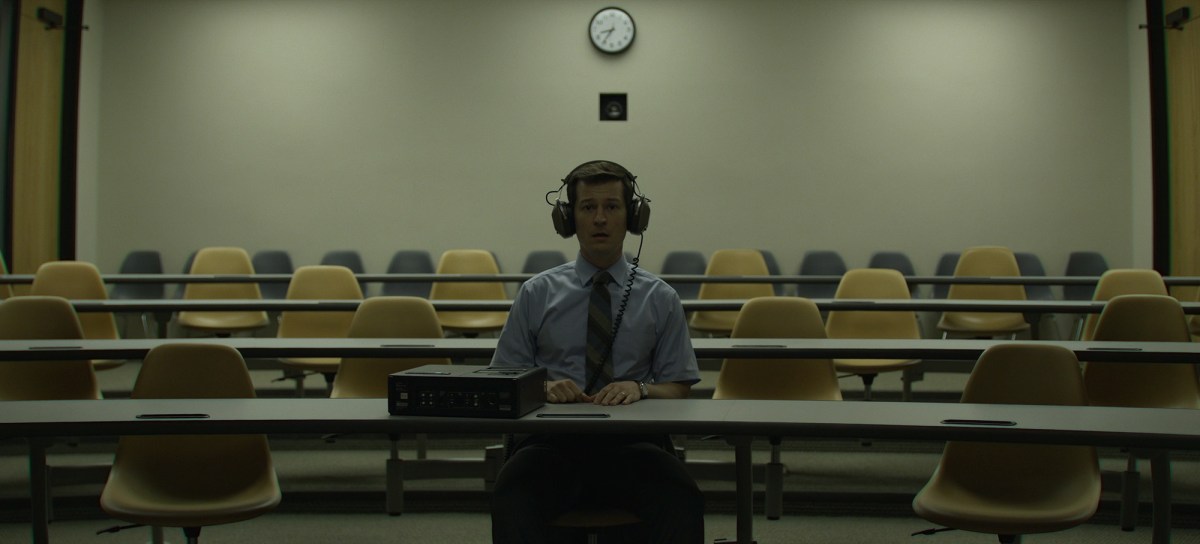
Emmy-nominated actor Cameron Britton mesmerised us all with his portrayal of serial killer Ed Kemper, on hit Netflix show Mindhunter. In this interview we discussed everything from romance to his preparation for the role and working with director David Fincher, the real Ed Kemper and so much more.
[…]
PC: When you were sat in that room with Fincher, was it hard not to show your nervousness, what did you do to combat those feelings or were you not nervous?
CB: It was back and forth that I thought, ‘Oh I’m doing a terrible job, he’s going to fire me,’ and Jonathan would talk me down from the ledge. There were days when we had done 50 takes – let’s do 50 more, 70 more I don’t care, I’m having a blast, I’m just lost in the moment, because it’s not just the takes it’s how quickly we get back to the top of the scene. Often when someone says ‘Cut!’ you know you don’t actually get to start the scene again until 10 minutes later, with him it’s 15 seconds! We are back in it. I’d never done that in my life before and that in character, for that long for a whole day of, since you’ve been awake you’re in character. It just starts becoming this sort of spiritual experience where you kind of forget what you planned on doing, you’re surprising yourself, you’re going, ‘Oh oh God! I’ve never delivered it that way before! Where did that come from?’
PC: I was talking about that with Adam Zastrow and he said by the time you do the 50th take you feel like it’s going through the motions, you don’t have to think about it but by then you are delivering something that is more natural, or organic, and that is what Fincher is looking for: that very moment when you are not acting, you are being it, doing it, aren’t you?
CB: You are! And day one I thought, ‘Are they going to fire me? Am I going to get too tired to do this?’ And that is just not the case. I met a few people playing killers who were nervous – anyone who’s worked on Mindhunter and worked with Fincher – they all think, ‘Ah, they’re going to fire me!’ But when you are in there, man you just keep going. Being fired is the last thing you’re thinking about, you are just alive. It’s a hell of an experience and honestly is moving forward my career. I’ve been fortunate enough, because of my character, to get to do bigger projects now, like that’s sort of my standard. When I go to other projects now I go, ‘Okay, are they living up to what Mindhunter taught me and are they making good art?’ And if they are not then I sort of politely find a way to come off what’s going on.
PC: What about learning your lines: how easy is that for you? Obviously you had quite a bit of dialogue: how do you make it stick?
CB: There’s knowing all your lines, that’s fine and that comes really quickly, what really takes repetition is to do it enough so you don’t need to think about them. There just coming out and that is so necessary to me, if I’m just thinking about the line then I’m not living ‘in the moment’ and that’s just the kind of acting that I do. I need to have nothing happening to distract me. I just take every opportunity to be where I need to be ‘in the moment’ because I’m still working on it. If I don’t feel connected to the scene, or ‘the moment’, I can kind of panic and then you can sort of see me acting. Some actors, they are able to go, ‘Well I’m not connected right now but I can sort of fake my way through this,’ and that’s just part of life: if you have a job there’s some days you are just not feeling it even if it’s your favourite job in the world. I’m still working on that but no matter what, I have to know the lines backwards and forwards.
PC: With regards to David Fincher’s style of directing, is there any room for a bit of give? Do you feel you could suggest to him that perhaps you’d like to try something different or is it all very controlled by him or the other directors?
CB: With David there’s a line here, a line there, in this big, giant script where he says, ‘I want this to be arrogant,’ or, ‘I want this in a form of a question.’ And I think, when he says ‘arrogant’ there are many, many, many ways to do that so it’s up to you how you want that to be conveyed – the rest of the script is all yours. And maybe that’s just my experience. David puts you in: he guides you in the right direction. So if an actor strays too far this way or that way he’ll sort of put you back on track, but the point of all those is not to do anything you’ve prepped and just be truly alive ‘in the moment’. If you’re over-directing somebody then it won’t be that: then you’re just using all those takes to get this exact delivery or performance out of them, which is fine, but it’s not allowing… like he’s so trusting that inspiration will come; you know if he has too much vision for a moment he’s not allowing for a better vision to show up. If he’s saying it has to be this way then how do you know if something better wouldn’t have come along? He’s very trusting and it empowers you; you can tell [when] your director is letting you do your job. There’s been times he’s had to put me back on track: the hospital scene in the final episode when I stand up and turn around he let me go two or three takes where I just went ballistic. When we first started shooting that part I stood up like a maniac and then by the third he said, ‘I can’t think it up with the rest of that part of the scene. You can’t do that’. It needed Kemper to stay calm and collected but, in a way, I needed to go crazy for a second, I needed to really feel that wild, impulsive energy, that’s sort of Kemper though isn’t it: even when he’s calm you can feel his urge to hurt; he’s almost masking a lot of violence, no matter how mellow he looks.
I had the pleasure – and a lot of fun – interviewing actor, Adam Zastrow, who recently excited us playing the role of Darrell Gene Devier on Netflix’s hit show Mindhunter. During our conversation we talked about Adam realising his dream of becoming an actor, the shows he was part of leading up to Mindhunter and what it means when David Fincher says, ‘Take 50!’
[…]
PC: Getting back to David Fincher. I was reading the other day someone saying the reason he shoots a scene 70 times is because he suffers from OCD but that isn’t the case at all is it. He wants to get the best possible scene, it’s not because he has perfectionist issues.
AZ: I hate when people use the word ‘perfectionist’ when they are talking about David and the amount of takes he does because I was told about that – I don’t want to say ‘warned’ but I was ‘told’. Before going out I was told be prepared for long days Fincher likes to do a lot of takes. After having done it – those 70 takes fly by, it does not feel like you are doing 70. Fincher himself addressed this in an interview – he really hit it right on the head – it’s not that he’s a perfectionist (that’s not the issue at all) it has more to do with your pre-production staff. The guys will build sets for months, the art guys, you have all these people spending the better portion of a year just to make sure a scene looks the way it’s supposed to or to just make sure the drinking fountain in the back works even if nobody is using it. All these people put all this time and effort into this production and how dare you rush through shooting! It’s almost like a slap in the face to all these people. It’s like, ‘Okay, you spent 6 months building this scene and we’re going to come in and just shoot three takes in 12 minutes, now we are going to walk away and ask you to tear the damn thing down.’ No. No. No. I think it’s as much trying to find the best performance as it is taking the time to finding the best performance. You owe it those people not to rush through anything. When I heard that I thought, ‘Oh my God! That makes so much sense.’
PC: It’s like when you spend hours making dinner and someone wolfs it down in like 5 minutes.
AZ: Yeah exactly, exactly. I 100 per cent agree that you find stuff on take 70 that you did not even think about. As someone who’s never experienced that kind of dedication to the shoot, you get to take twenty or thirty and you’re like, ‘Okay. I rehearsed this for months. We rehearsed this together for a week. We’ve gone through this thirty times, there’s nothing else for me here to find. I’ve giving you everything that there is.’ Also from take 30-45 they are all the same, they are kind of all blah, because at that point you’re either over-thinking or under-thinking your character and you really feel like there is nothing else to give. And then, right around that point, there’s a weird moment that happens where you just stop thinking about it at all: you’re no longer under- or over-thinking it, you are just doing it because you are just going through the motions. And you’re like, ‘Okay, let’s just do this because I have to,’ and then this beautiful, beautiful thing happens where, all of a sudden, as soon as you stop thinking about it, all of this shit comes out of you that you never even knew was there! I think that’s what he’s going for. He does it enough times to where you are so used to it that you are not thinking about it, and that’s where the best stuff comes from. If you film a scene where you come home from work, you throw your keys on the table, you take your jacket off and you put it on the hook, you take your shoes off and you walk into the kitchen and you do whatever it is you do. If you were to film that scene, every single one of those moves is going to seem so cold and so calculated because it’s written in the script and you know what you are supposed to do and it’s fine, and most of the audience are not going to notice how calculated it looks – but a good audience will – and that’s what separates great shows from okay shows, and amazing shows from really decent shows, amazing directors from half-decent ones – it’s that kind of thing that half won’t notice but the ones that do are going to call you out.
PC: That’s a great explanation actually.
AZ: It’s one thing to say you shoot a scene 70 times and it looks more ‘natural’ but what does that mean? That exactly what ‘natural’ means. You are putting your keys on the hook because you’ve done it a million times, it’s like getting all of your emotion to that point where you forgot that you did it, like when you leave the house and get half-way down the road and have to turn back because you don’t remember if you have locked the door. It’s that exact thing. Fincher wants your emotions and everything on camera to be stone natural – that you are not even 100 percent sure that you did it.
That’s what I think makes all of his stuff so, so good. I’ve heard so many people talk about the 70 takes thing and how it’s unnecessary, but after doing it I’m almost wishing everyone would do it: because everything looks so much better, and so natural and yeah, you might not see it, but those that do, it makes that difference.