“What’s it like shooting for David Fincher?”

Christopher Probst

Logo - The ASC

Christopher Probst, ASC, is curating The ASC’s Instagram for March.

Christopher Probst, ASC
March 2, 2018
The ASC (Instagram)

Hello and thanks for the warm welcome! I’m honored to be hosting this month and look forward to posting a variety of images/topics. Being a nerd, there’ll be plenty of technical posts about cameras/lenses, but I’d also like to draw on my teaching at Global Cinematography Institute and writing/editing for American Cinematographer for the last 24 years. To begin, I’ll start with a little Mindhunter anecdote.

Over the past few months I’ve been asked, “What’s it like shooting for David Fincher?”

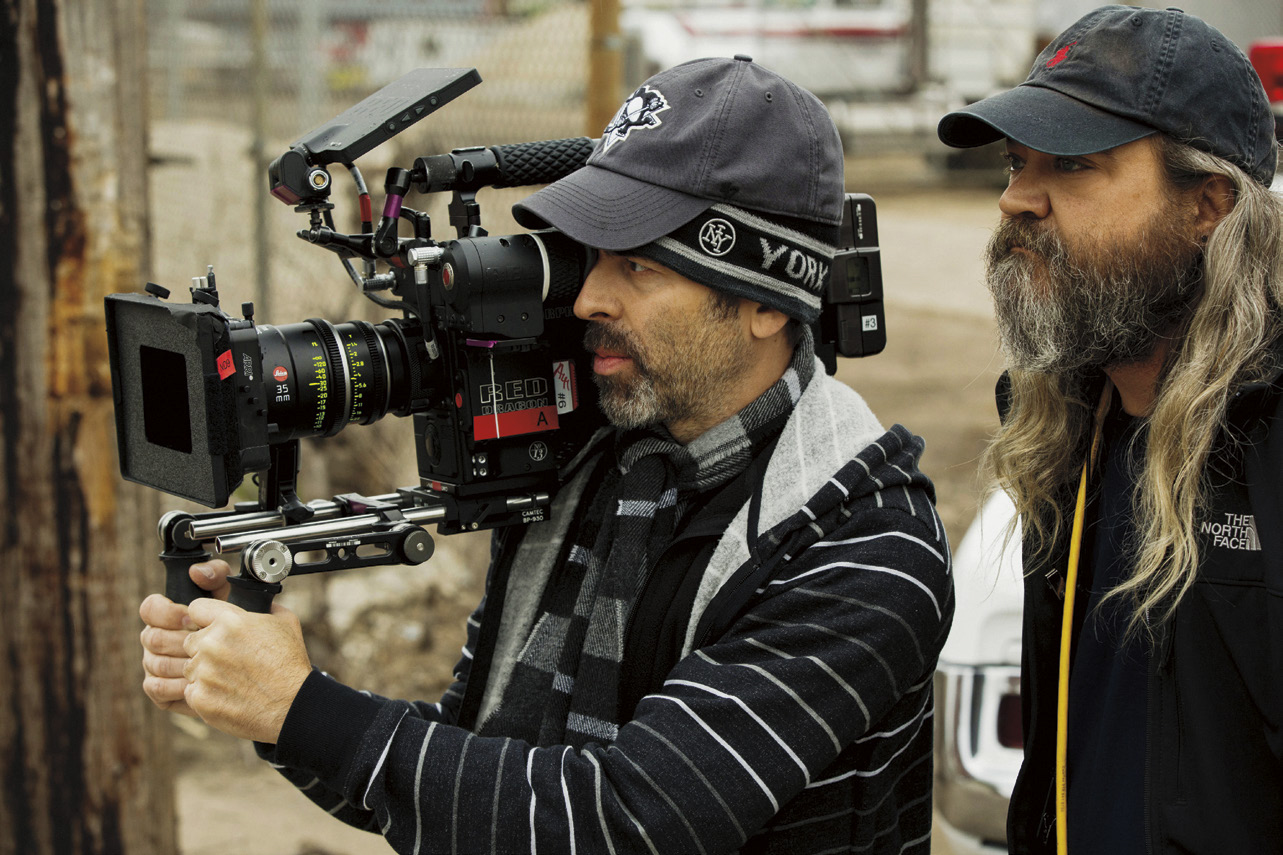
Coming up the camera department as a 1st AC/operator then shooting music videos and commercials, I’ve operated most of my projects. Simultaneously, I’ve also been writing for AC since 1994 and its Technical Editor since 98. That enabled me to literally corner many of the DPs I admired and pick their brains under the guise of some altruistic journalistic cause (but always with the underlying motive to learn from idols like Conrad Hall, Deakins, Chivo, Khondji, Harris Savides; and directors like Spielberg, Bay, the Coen bros., and Fincher). Like many of you, I’ve admired/studied David’s work, so thinking myself somewhat clever and not without operating skills, I opted to operate A-camera on my episodes.

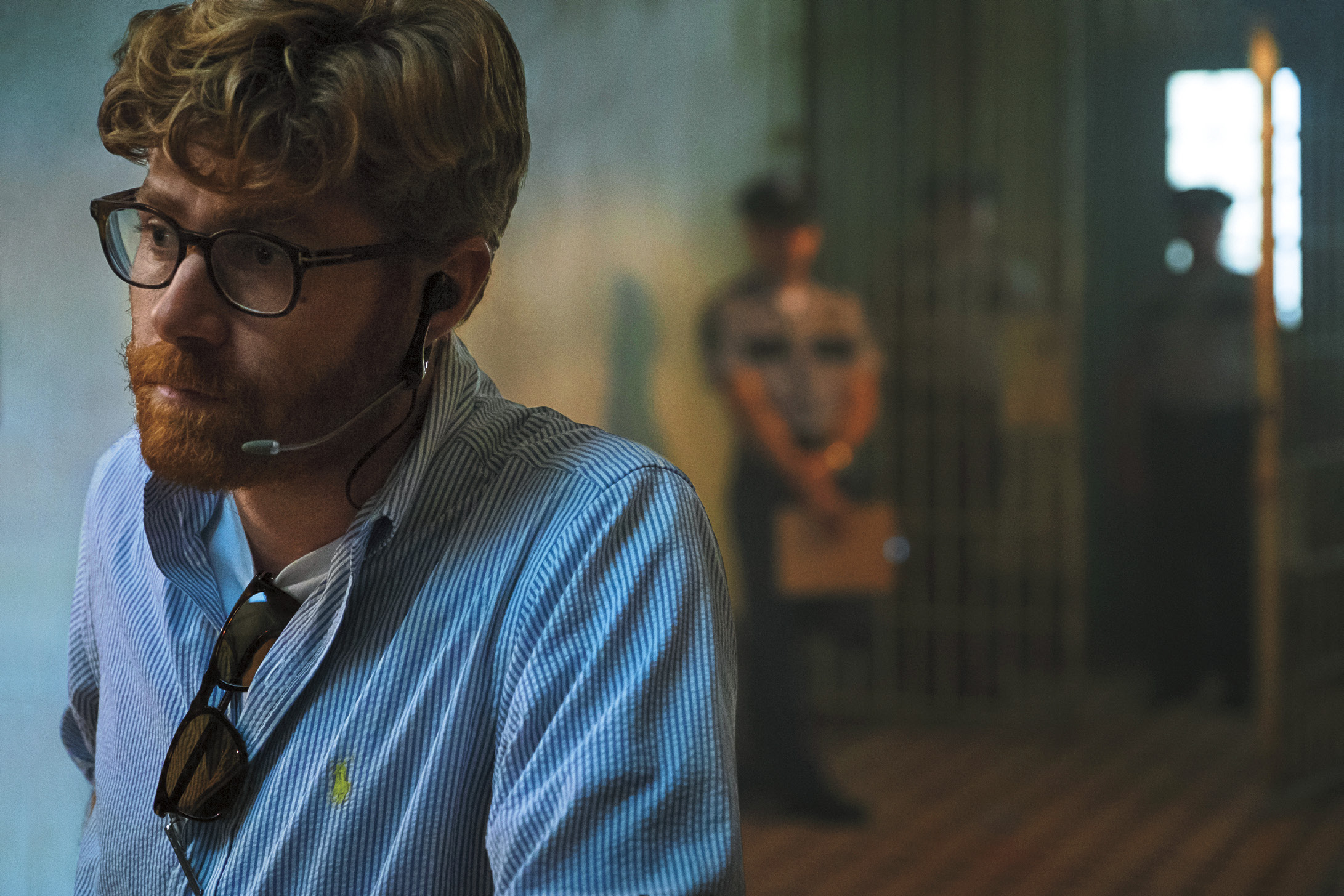
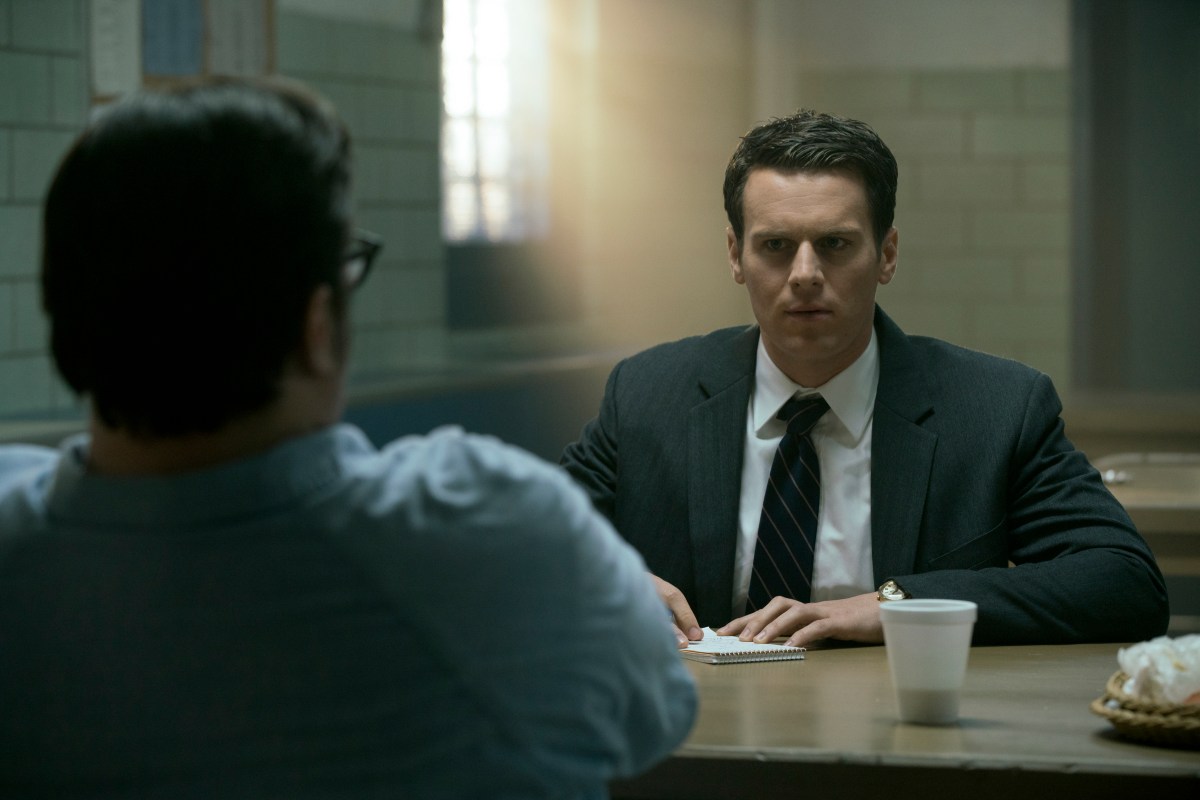
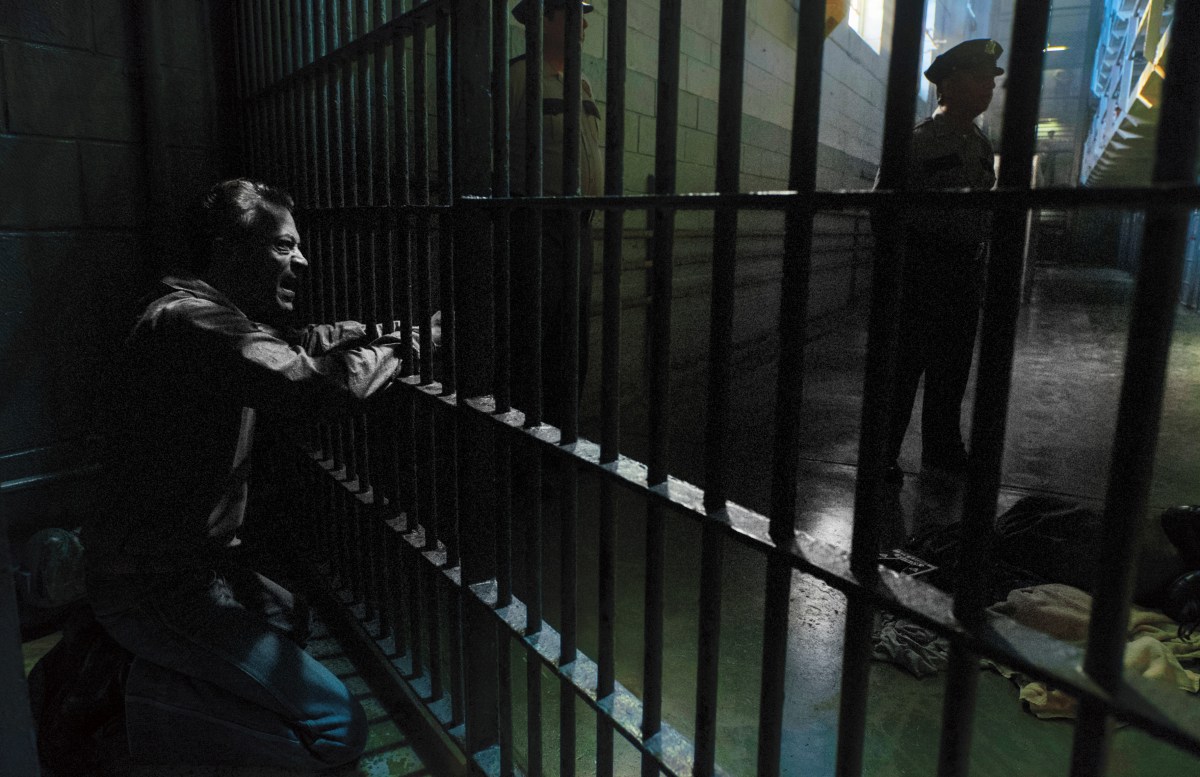
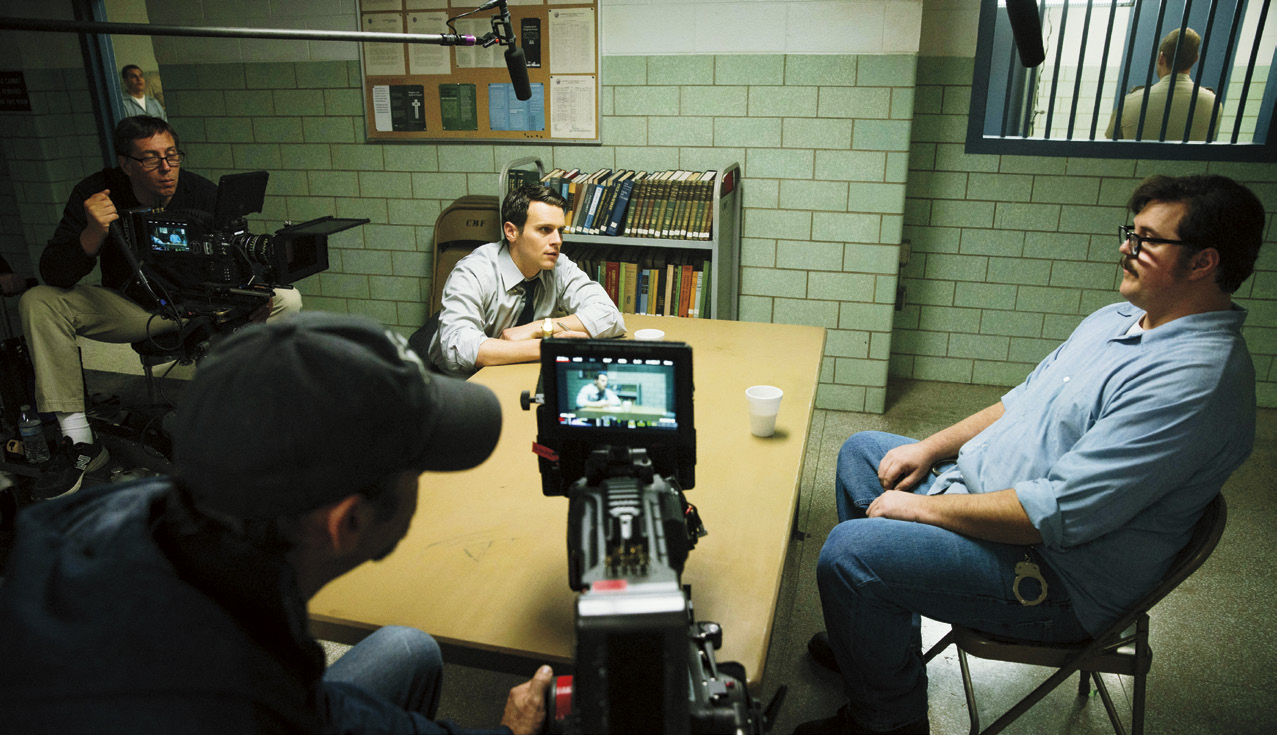
Early in the schedule, we were shooting a prison corridor as Jonathan Groff is led to meet the serial-killer Ed Kemper. We had 2 cameras on 150’ of dolly track: a 65mm locked-off closeup and a 29mm low 2-shot I operated remotely. We did a take and David said, “That’s great, but pan a little to the right.” Ok… note taken. Next take. “Pan to the left…” What the hell? Ok, what’s he looking at? We shot Mindhunter in 6K framing for a 5K extraction, so I was mainly looking where to place our lead in this low 3/4 shot. You know, rule-of-thirds kind of thinking:

Mindhunter S01E02 - Christopher Probst 02

Then it dawned on me. David’s looking for balance/symmetry in all aspects of his work. Forget what books say. He’s looking at the shot as a whole. Not just the actors. As the two walk, if I framed only for Ford, the guard may be at the edge or even cut off. Anything but symmetrical! But once I got in David’s head, I moved back from the monitor and tried to NOT look at the actors and just balance the sides of the frame.

That level of symmetry/precision permeates all aspects of a Fincher film. Working with David is full of moments that strengthen you as a filmmaker if you are open to challenging yourself and your preconceived ideas.

Mindhunter S01E02 - Christopher Probst 03

https://www.instagram.com/p/Bf0R_qlBtqb/

https://www.instagram.com/p/BgUVoWAB5Ax/

https://www.instagram.com/p/BgOjr6jBjx0/

https://www.instagram.com/p/BgjrXKSB2qP/

https://www.instagram.com/p/Bgw_7mDBvQS/

https://www.instagram.com/p/Bg75mDCBozd/

Mindhunter as Social Research

Jonathan Wynn
March 5, 2018
Everyday Sociology Blog

I recently watched a Netflix show called Mindhunter. The show—based on a non-fiction book—is about the beginnings of a crime division in the FBI that attempts to tackle serial killers.

If you’ve ever taken a sociology class, the first and most obvious thing about the show are the explicit references to our discipline! One of the main characters, Debbie, played by Hannah Gross, is a graduate student in sociology, studying deviance. In the first episode Debbie explains the sociological approach to deviance to her date, a somewhat listless young FBI agent named Holden (played by Jonathan Groff of Hamilton and Glee fame). In a bar she admonishes Holden: “You teach about criminality but you’ve never heard of Labeling Theory?” (Although, granted, Debbie doesn’t get Durkheim right.)

The characters of the show are, in a way, responding to what they see as newer kinds of deviance, wherein killers inflict extreme violence upon strangers, often with some repetition in manner and types of targets. The FBI agents have a puzzle they want to solve, and they find that older theories, concepts, and facts (largely informed by movies and Sigmund Freud) inhibit their understanding of what they see on the ground. One of Holden’s teachers asks the sociological question: “Are criminals born, or are they formed?”

Halfway through I realized that this was a show about a research team conducting social science. Holden and his partners—a grizzled former military-man, Bill, and Wendy, a professor of psychology—spend the season slowly piecing together new terminology, building their new understanding of deviance through multiple interviews with murderers and some rather engaging dialogue between each other.

Read the full article

Asif Kapadia on the music of Mindhunter, Amy and Senna

2018-02-09 Soundtracking with Edith Bowman (Audioboom) - Episode 76. Asif Kapadia on The Music of Mindhunter, Amy and Senna

Edith Bowman
February 9, 2018
Soundtracking with Edith Bowman (Audioboom)

Another week, another Oscar winner chats to Soundtracking in partnership with the EE BAFTAs.

These days, the quality and quantity of original programming on streaming services is quite astounding – with A-list talent delivering high-class drama time and time again.

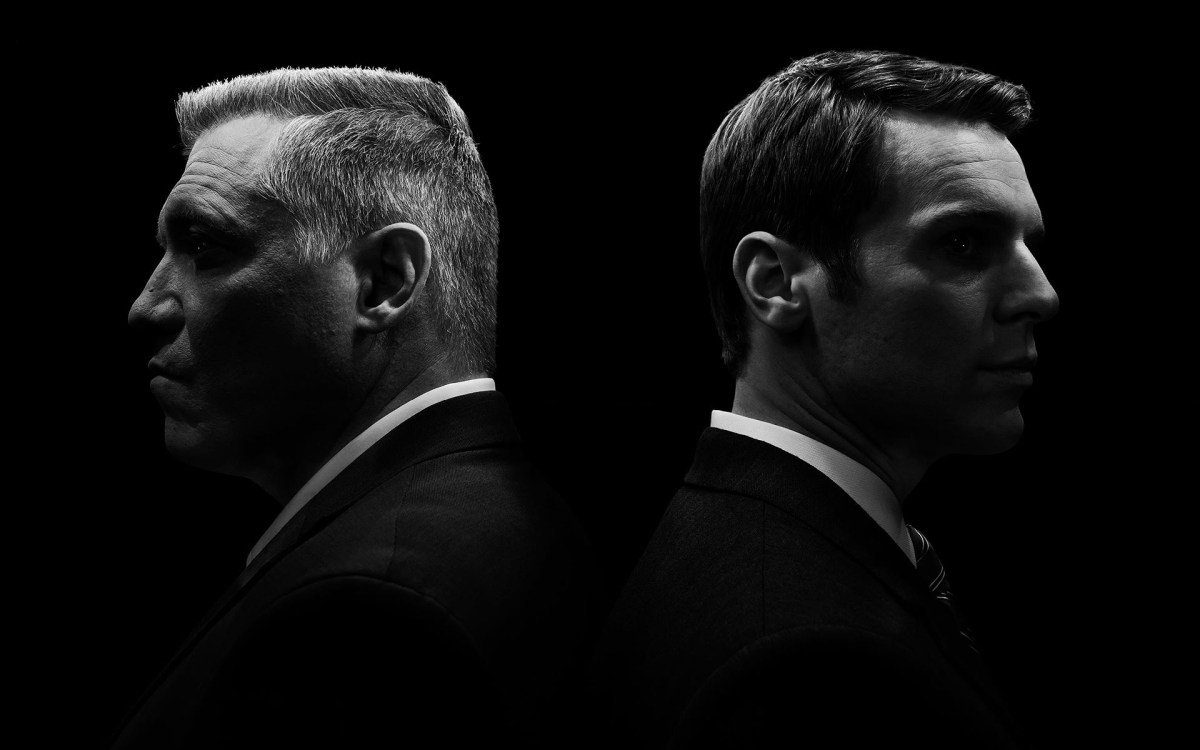
One of Netflix‘s standout series of 2017 was Mindhunter. Overseen by David Fincher, it tells the story of how the FBI’s profiling unit came into being in the 1970s. By turns dark, funny, moving, cool and brutal, it also makes great use of contemporary pop & rock.

So it’s with great pleasure that we welcome Asif Kapadia to the show, who directed two episodes of the first season.

Asif has won numerous awards for The Warrior, Senna and Amy, with the latter scooping the Oscar for Best Documentary. There will, of course, be plenty of examples of Amy Winehouse‘s music throughout the course of the conversation, as well as composer Antonio Pinto‘s work on both Amy and Senna.

The “FINCHER App”

“The Wire” and “House of Cards” actor Reg E. Cathey has died

2013. Reg E. Cathey in House of Cards, Season 1 (Patrick Harbron / Netflix)

Veteran character actor, with a distinctive deep baritone voice, Reg E. Cathey has died at the age of 59, after a battle with lung cancer.

He had an extensive career in both TV and film but started being recognized for his work for David Simon and HBO in the mini-series The Corner and in the fourth and fifth seasons of The Wire, where he played newspaperman turned political operative Norman Wilson.

He also was Prison Unit Manager Martin Querns in the HBO series Oz, and boxing promoter Barry K. Word in the FX series Lights Out starring Holt McCallany.

He gained critical acclaim with his role in the Netflix series created by Beau Willimon House of Cards, as the owner of the small barbecue restaurant enjoyed by Frank Underwood, Freddy Hayes, which earned him three consecutive Emmy Award nominations for Outstanding Guest Actor in a Drama Series, including a win in 2015.

Cathey had already worked for David Fincher before the first two episodes of House of Cards. Almost twenty years earlier, he played the brief but “meaty” role of Dr. Santiago in the chillingly memorable post-autopsy scene in Se7en.

1995. Seven - Reg E. Cathey.jpg

Christopher Probst, ASC, Nominee for the ASC Awards

2018 32nd ASC Awards

The Nominees Are: 2017 Achievements in Cinematography Earn ASC Accolades

The American Society of Cinematographers

The winners will be revealed at the organization’s February 17 ceremony. The event will be held at the Ray Dolby Ballroom at Hollywood & Highland.

The ASC Awards — attended each year by more than 1,500 guests including Society members, other top cinematographers, their crews and representatives from many industry-leading support companies worldwide — is cinematography’s biggest annual event, celebrating the finest work of the year and its exceptional practitioners.

Motion Picture, Miniseries, or Pilot Made for Television:

Pepe Avila del Pino for The Deuce pilot on HBO
Serge Desrosiers, CSC for Sometimes the Good Kill on Lifetime
Mathias Herndl, AAC for Genius (“Chapter 1”) on National Geographic
Shelly Johnson, ASC for Training Day pilot (“Apocalypse Now”) on
CBS
Christopher Probst, ASC for Mindhunter pilot on Netflix

2018-02-01 Christopher Probst, ASC (Instagram) - Ad appearing in the recent issue of American Cinematographer magazine [Ed.]

Netflix (American Cinematographer)

Before releasing the beast…

Erik Messerschmidt (Instagram)

“A little late-night Xenomorph Mk2 Firmware Testing”.

RED Xenomorph Mk2 custom camera for David Fincher:

RED Helium 8K S35 sensor
Leica Summilux-C lenses by CW Sonderoptic
RTMotion lens motor control
Paralinx Tomahawk 2 wireless HD video
Zaxcom wireless audio and timecode
7.0″ LCD Touch
Foolcolor Foolcontrol camera control app for iOS & OS X
Extended WiFi/Foolcontrol antenna array
Anton Bauer Gold Battery Mount
Shoulder Mount

Nev Pierce’s Bricks, Ghosted and LOCK IN are online now

2015. Nev Pierce.jpg

“Ten-minute short films to chill, move and amuse…”

Neville Pierce (vimeo)

nevpierce.com

Click on the posters to open each short:

2015. Neville Pierce - Bricks[Ed.]

2016. Neville Pierce - Ghosted[Ed.]

2016. Neville Pierce - Lock In 00a[Ed.]

“Being a Filmmaker Wasn’t Something It Occurred to Me… You Could Be”: Film Journalist Neville Pierce on His Path Towards Directing

Scott Macaulay
February 5, 2018
Filmmaker

Over nearly 20 years, film journalist Neville Pierce has collected bylines at most of the U.K.’s top film publications, including Empire (where he’s a contributing editor), Total Film (where he was the editor) and The Guardian. And while he worked as a reviewer early in his career, he’s best known for his long-form profiles of actors and directors, pieces that are deep dives into the art and craft of subjects like Michael Fassbender, Mark Romanek and, most consistently, David Fincher, whose sets he has visited and written about no less than seven times.

But since 2011 Pierce has been building a parallel career that particularly resonates with us here at Filmmaker. Moving from covering films to making films, he began to write — and sell — screenplays and, in the last two years, direct short films. Parlaying connections within the U.K. acting community, Pierce has made four shorts, three of which are premiering online today. Strikingly, they are different in style and content, illustrating Pierce’s range while also indicating, perhaps, his own process of artistic discovery — an exploration of different genres and tones while working, one presumes, towards an inevitable first feature.

PIERCE: The biggest lessons probably came from my two favourite contemporary filmmakers. I interviewed Steven Soderbergh for The Informant and he talked about fantasy versus reality, “Are you going to deal with the world as it is or are you going to constantly trying to turn it into something that it’s never going to be?” That thought had a big impact both professionally and personally. Acting out of the facts, rather than out of wishes. The other thing, which I keep at the top of my digital “to do” list, as a constant reminder, is from Fincher: “The lesson of Alien 3 is ‘Take all of the responsibility, because you’re going to get all of the blame.’”

Read the full interview

The Girl with the Dragon Tattoo — Breaking Convention

Michael Tucker
January 30, 2018
Lessons from the Screenplay (YouTube)

The Girl with the Dragon Tattoo is an exciting thriller about an unlikely pair of misfits trying to solve a forty-year-old crime, but it’s also interesting from a structural perspective. It uses a non-conventional, five-act structure. This video breaks down the anatomy of an act, to examine how the film breaks the rules while following them at the same time.

Support LFTS on Patreon
Facebook
Twitter
Website
LFTS Recommended Reading List

Books in this video
amazon-logo_grey
Into the Woods: A Five-Act Journey Into Story by John Yorke
Screenplay: The Foundations of Screenwriting by Syd Field

Watch the previous video on The Avengers and traditional act structure:

David Fincher quote:
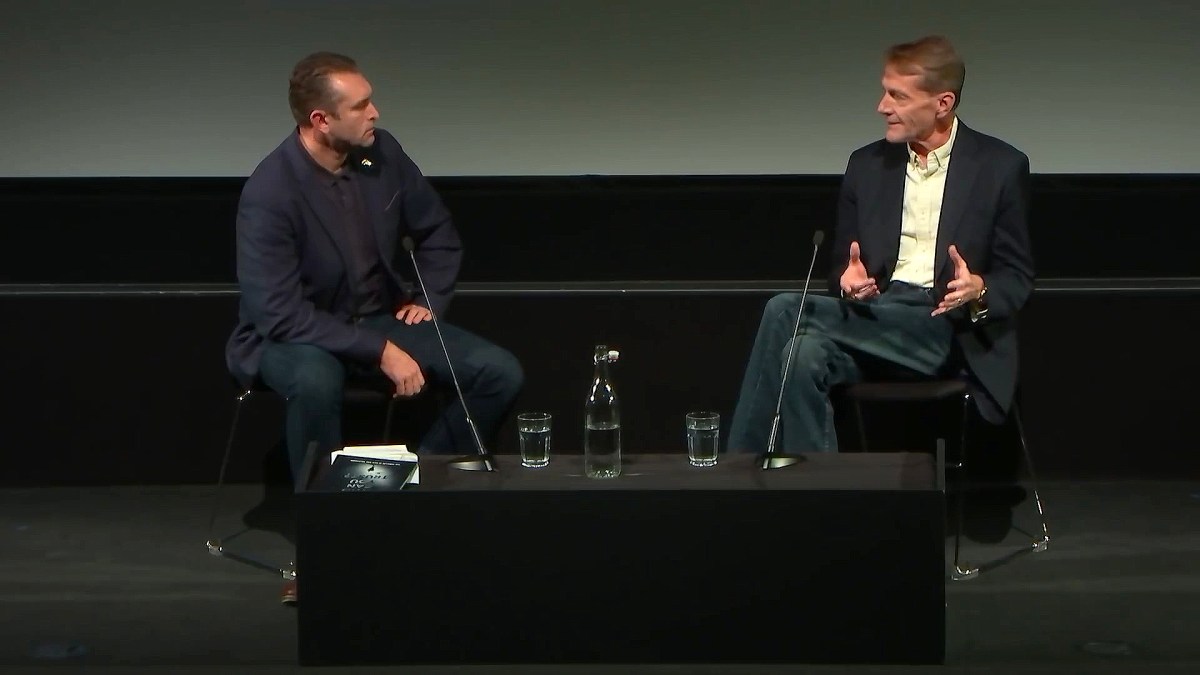
BFI LFF: MINDHUNTER Q&A with David Fincher hosted by Nev Pierce. Audio
Min. 1:05:28

Other Lessons from the Screenplay:
Gone Girl — Don’t Underestimate the Screenwriter
True Detective vs. Se7en — Creating Light Amongst The Dark

The Beauty of Large Format 8K

DXL Channel (vimeo)
December 20, 2017

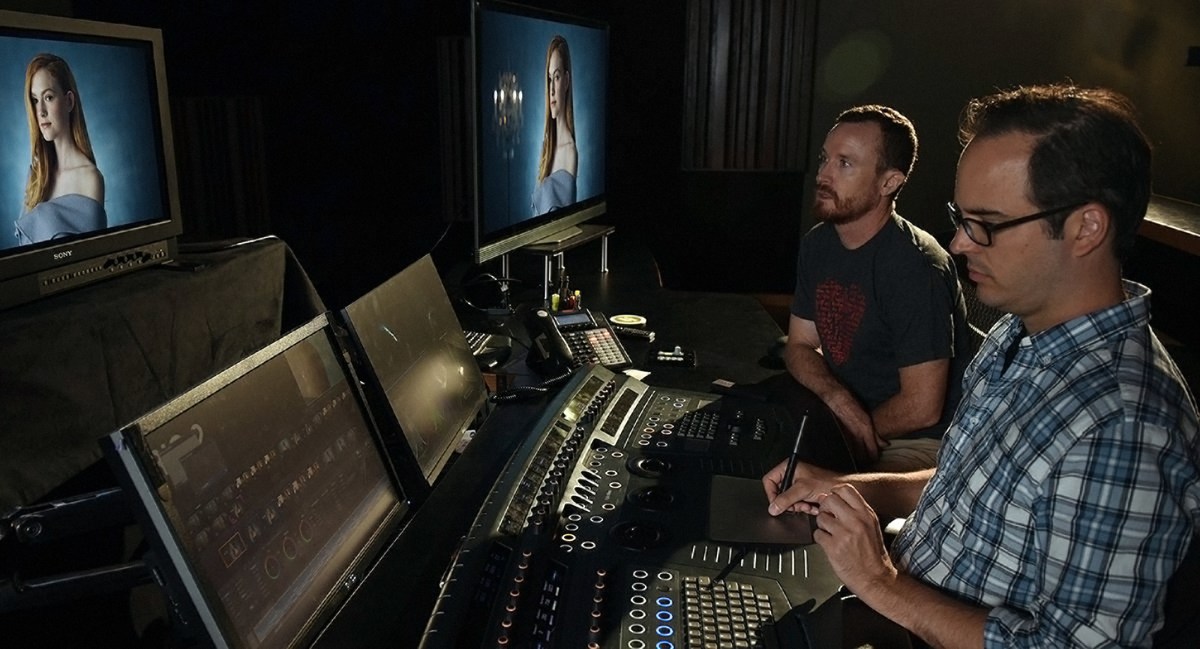
Presented live at Camerimage 2017, this provocative presentation examines the psychology, physiology, and physical relationships between resolution and sharpness. Panavision and Light Iron experts Michael Cioni, Dan Sasaki, and Ian Vertovec present a fresh perspective on how the pursuit of cinematic smoothness is tied to the race for resolution.