“The Wire” and “House of Cards” actor Reg E. Cathey has died

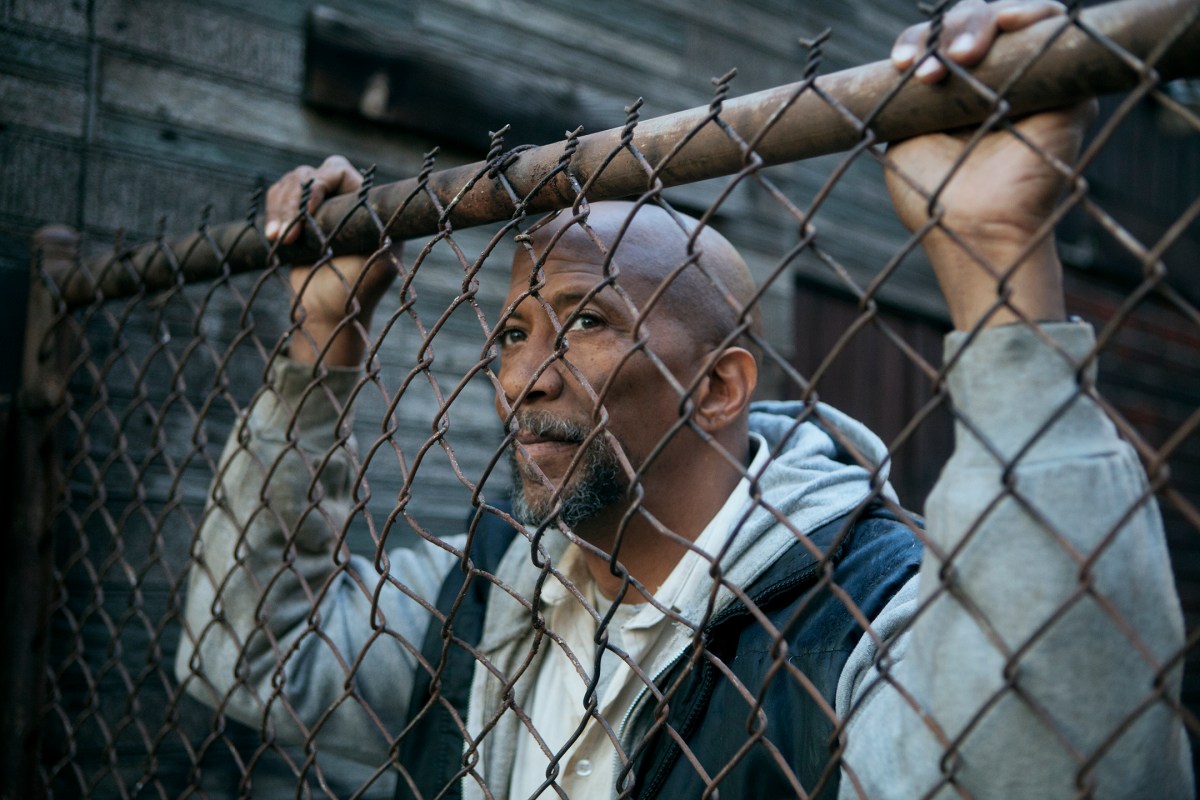
2013. Reg E. Cathey in House of Cards, Season 1 (Patrick Harbron / Netflix)

Veteran character actor, with a distinctive deep baritone voice, Reg E. Cathey has died at the age of 59, after a battle with lung cancer.

He had an extensive career in both TV and film but started being recognized for his work for David Simon and HBO in the mini-series The Corner and in the fourth and fifth seasons of The Wire, where he played newspaperman turned political operative Norman Wilson.

He also was Prison Unit Manager Martin Querns in the HBO series Oz, and boxing promoter Barry K. Word in the FX series Lights Out starring Holt McCallany.

He gained critical acclaim with his role in the Netflix series created by Beau Willimon House of Cards, as the owner of the small barbecue restaurant enjoyed by Frank Underwood, Freddy Hayes, which earned him three consecutive Emmy Award nominations for Outstanding Guest Actor in a Drama Series, including a win in 2015.

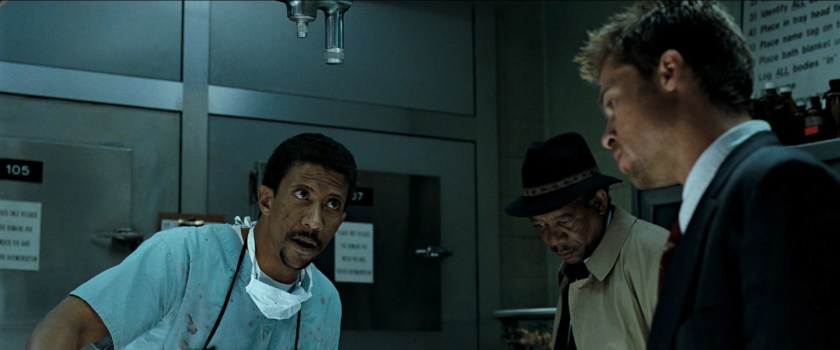
Cathey had already worked for David Fincher before the first two episodes of House of Cards. Almost twenty years earlier, he played the brief but “meaty” role of Dr. Santiago in the chillingly memorable post-autopsy scene in Se7en.

1995. Seven - Reg E. Cathey.jpg

Christopher Probst, ASC, Nominee for the ASC Awards

2018 32nd ASC Awards

The Nominees Are: 2017 Achievements in Cinematography Earn ASC Accolades

The American Society of Cinematographers

The winners will be revealed at the organization’s February 17 ceremony. The event will be held at the Ray Dolby Ballroom at Hollywood & Highland.

The ASC Awards — attended each year by more than 1,500 guests including Society members, other top cinematographers, their crews and representatives from many industry-leading support companies worldwide — is cinematography’s biggest annual event, celebrating the finest work of the year and its exceptional practitioners.

Motion Picture, Miniseries, or Pilot Made for Television:

Pepe Avila del Pino for The Deuce pilot on HBO
Serge Desrosiers, CSC for Sometimes the Good Kill on Lifetime
Mathias Herndl, AAC for Genius (“Chapter 1”) on National Geographic
Shelly Johnson, ASC for Training Day pilot (“Apocalypse Now”) on
CBS
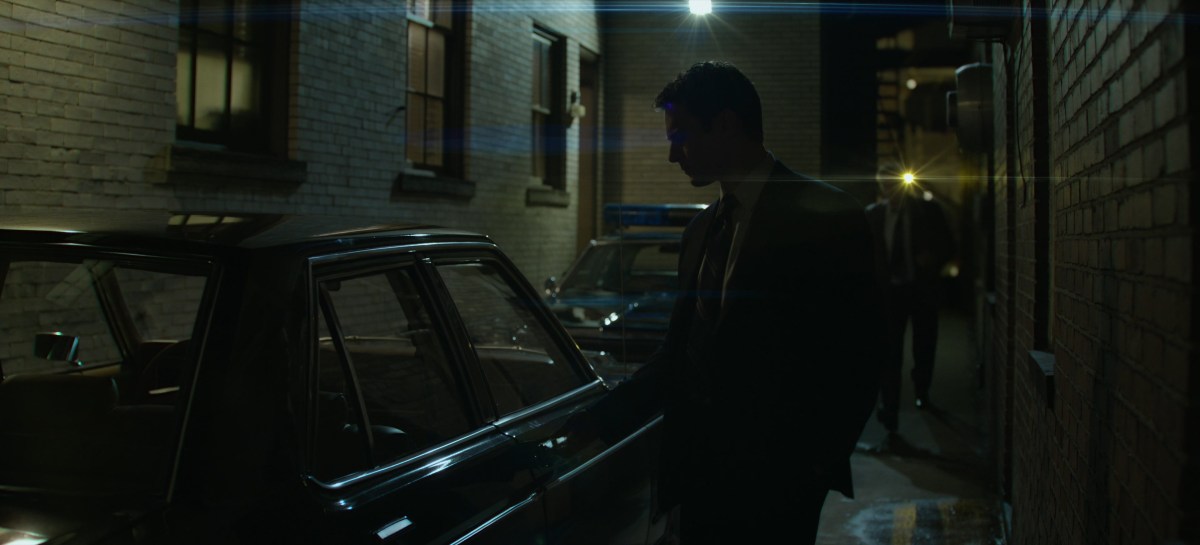
Christopher Probst, ASC for Mindhunter pilot on Netflix

2018-02-01 Christopher Probst, ASC (Instagram) - Ad appearing in the recent issue of American Cinematographer magazine [Ed.]

Netflix (American Cinematographer)

Before releasing the beast…

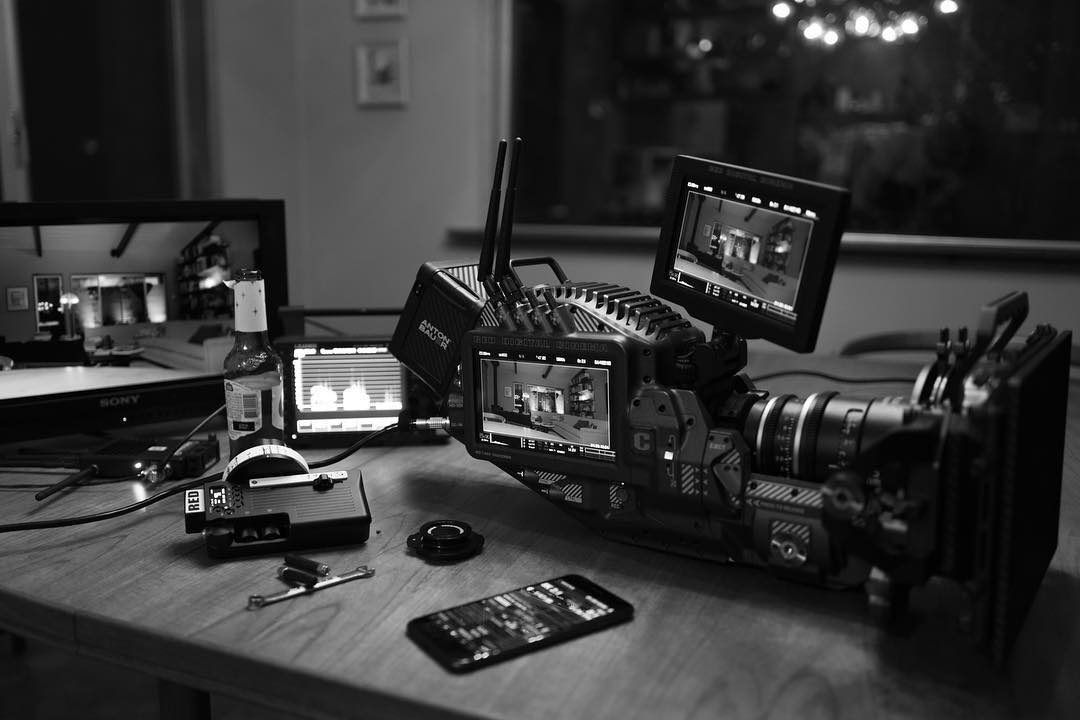
Erik Messerschmidt (Instagram)

“A little late-night Xenomorph Mk2 Firmware Testing”.

RED Xenomorph Mk2 custom camera for David Fincher:

RED Helium 8K S35 sensor
Leica Summilux-C lenses by CW Sonderoptic
RTMotion lens motor control
Paralinx Tomahawk 2 wireless HD video
Zaxcom wireless audio and timecode
7.0″ LCD Touch
Foolcolor Foolcontrol camera control app for iOS & OS X
Extended WiFi/Foolcontrol antenna array
Anton Bauer Gold Battery Mount
Shoulder Mount

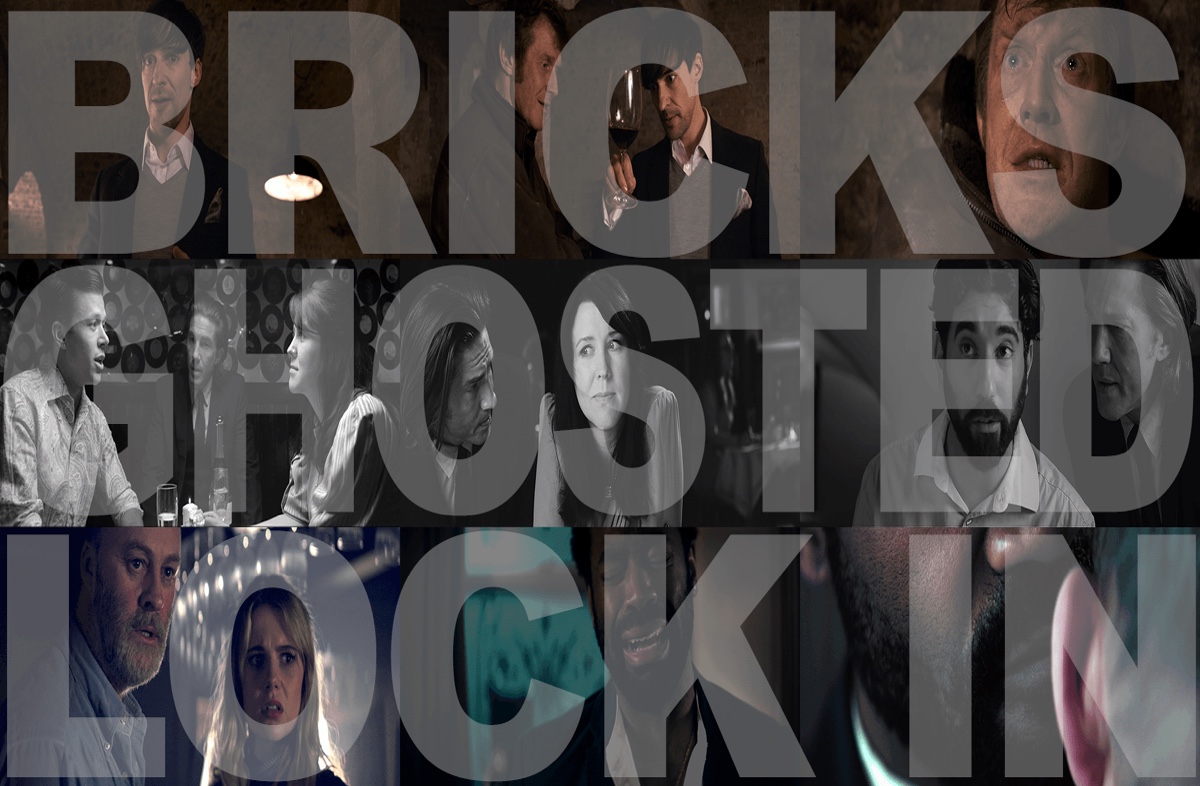
Nev Pierce’s Bricks, Ghosted and LOCK IN are online now

2015. Nev Pierce.jpg

“Ten-minute short films to chill, move and amuse…”

Neville Pierce (vimeo)

nevpierce.com

Click on the posters to open each short:

2015. Neville Pierce - Bricks[Ed.]

2016. Neville Pierce - Ghosted[Ed.]

2016. Neville Pierce - Lock In 00a[Ed.]

“Being a Filmmaker Wasn’t Something It Occurred to Me… You Could Be”: Film Journalist Neville Pierce on His Path Towards Directing

Scott Macaulay
February 5, 2018
Filmmaker

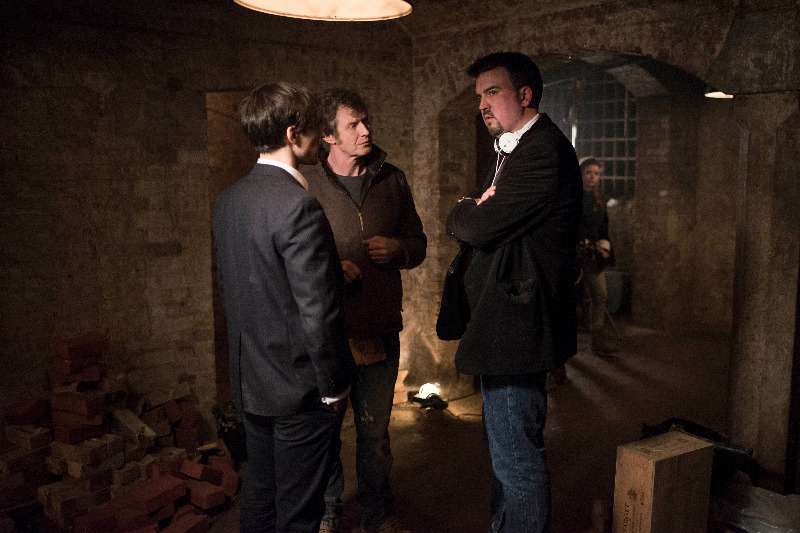
Over nearly 20 years, film journalist Neville Pierce has collected bylines at most of the U.K.’s top film publications, including Empire (where he’s a contributing editor), Total Film (where he was the editor) and The Guardian. And while he worked as a reviewer early in his career, he’s best known for his long-form profiles of actors and directors, pieces that are deep dives into the art and craft of subjects like Michael Fassbender, Mark Romanek and, most consistently, David Fincher, whose sets he has visited and written about no less than seven times.

But since 2011 Pierce has been building a parallel career that particularly resonates with us here at Filmmaker. Moving from covering films to making films, he began to write — and sell — screenplays and, in the last two years, direct short films. Parlaying connections within the U.K. acting community, Pierce has made four shorts, three of which are premiering online today. Strikingly, they are different in style and content, illustrating Pierce’s range while also indicating, perhaps, his own process of artistic discovery — an exploration of different genres and tones while working, one presumes, towards an inevitable first feature.

PIERCE: The biggest lessons probably came from my two favourite contemporary filmmakers. I interviewed Steven Soderbergh for The Informant and he talked about fantasy versus reality, “Are you going to deal with the world as it is or are you going to constantly trying to turn it into something that it’s never going to be?” That thought had a big impact both professionally and personally. Acting out of the facts, rather than out of wishes. The other thing, which I keep at the top of my digital “to do” list, as a constant reminder, is from Fincher: “The lesson of Alien 3 is ‘Take all of the responsibility, because you’re going to get all of the blame.’”

Read the full interview

The Girl with the Dragon Tattoo — Breaking Convention

Michael Tucker
January 30, 2018
Lessons from the Screenplay (YouTube)

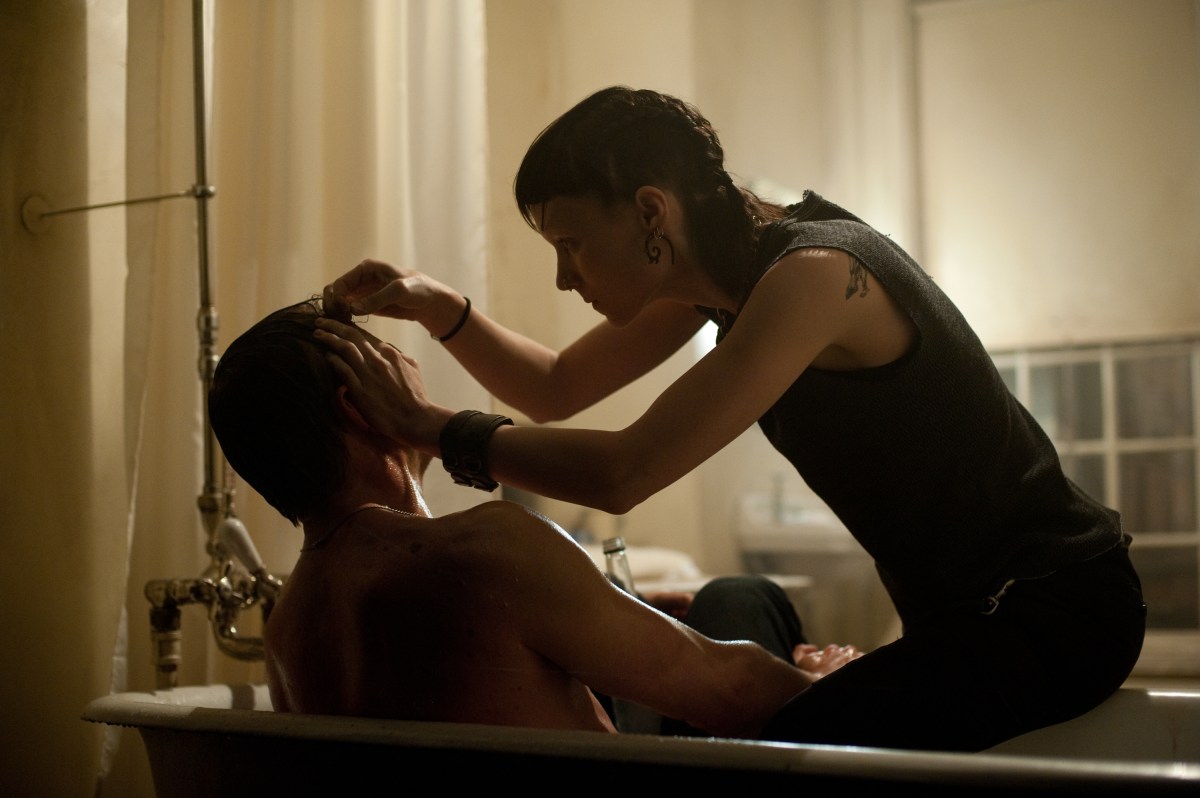
The Girl with the Dragon Tattoo is an exciting thriller about an unlikely pair of misfits trying to solve a forty-year-old crime, but it’s also interesting from a structural perspective. It uses a non-conventional, five-act structure. This video breaks down the anatomy of an act, to examine how the film breaks the rules while following them at the same time.

Support LFTS on Patreon
Facebook
Twitter
Website
LFTS Recommended Reading List

Books in this video
amazon-logo_grey
Into the Woods: A Five-Act Journey Into Story by John Yorke
Screenplay: The Foundations of Screenwriting by Syd Field

Watch the previous video on The Avengers and traditional act structure:

David Fincher quote:
BFI LFF: MINDHUNTER Q&A with David Fincher hosted by Nev Pierce. Audio
Min. 1:05:28

Other Lessons from the Screenplay:
Gone Girl — Don’t Underestimate the Screenwriter
True Detective vs. Se7en — Creating Light Amongst The Dark

The Beauty of Large Format 8K

DXL Channel (vimeo)
December 20, 2017

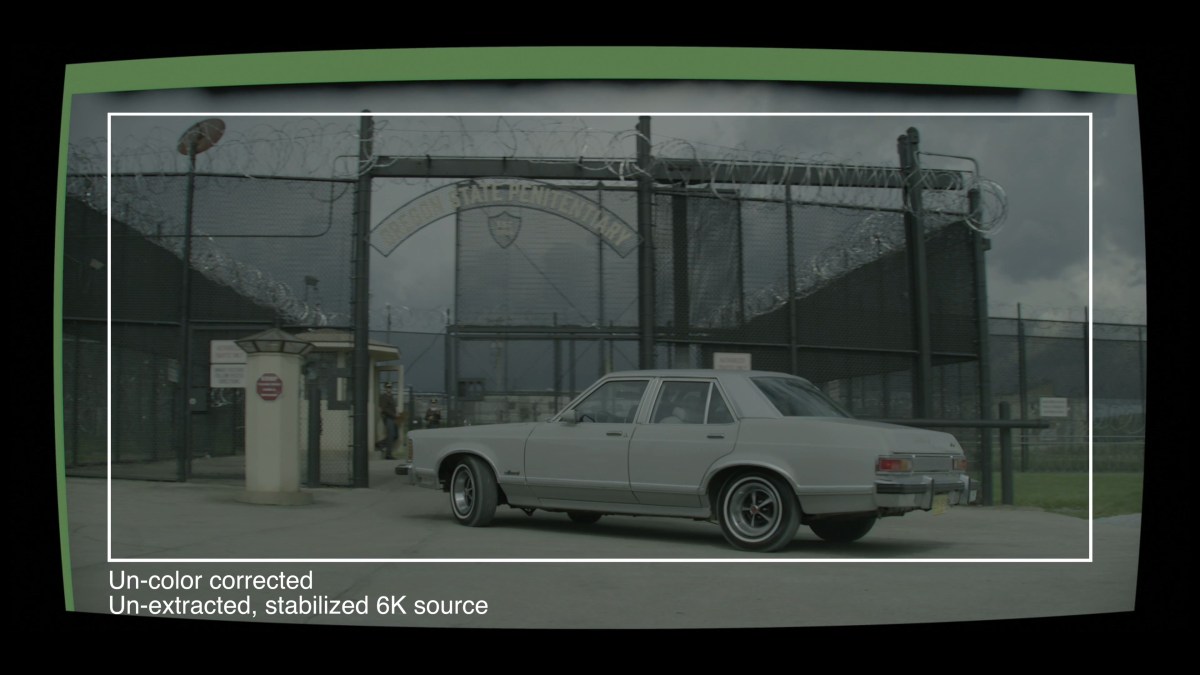
Presented live at Camerimage 2017, this provocative presentation examines the psychology, physiology, and physical relationships between resolution and sharpness. Panavision and Light Iron experts Michael Cioni, Dan Sasaki, and Ian Vertovec present a fresh perspective on how the pursuit of cinematic smoothness is tied to the race for resolution.

Harmonica Cinema: Mindhunter

Excellent article on the cinematography of Mindhunter by Spanish DP, Producer and cinematography scholar Ignacio Aguilar. Time to practice your rusty Spanish or get help from a good web translator.

Harmonica Cinema - Logo

Serie creada por David Fincher para Netflix, basada al parecer en investigaciones y trabajos reales del FBI y que está ambientada hacia 1977. El protagonista es un joven agente (Jonathan Groff), quien tras una operación fallida es relegado a dar clases formativas junto a otro agente más veterano (Holt McCallany) viajando por el país y estudiando casos concretos de crímenes reales. Para intentar resolverlos, los agentes comienzan a entrevistarse con asesinos en serie a fin de estudiar su psicología y tratar de aplicar lo aprendido para resolver los nuevos casos que se van presentando. Pero la cercanía con los asesinos y sus mentes provocarán un fuerte impacto en el protagonista. Hannah Gross, como su novia, así como Anna Torv, como una psicóloga que en principio colabora con el equipo y posteriormente se une al mismo, forman el reparto principal, en el que Cameron Britton, como uno de los peligrosos asesinos que aparecen en los diez episodios de esta notable primera temporada, crea una gran impresión.

Ignacio Aguilar
25 enero 2018
Harmonica Cinema

Fincher se ha hecho cargo de cuatro de estos diez episodios de arranque (los dos primeros y los dos últimos), mientras que Christopher Probst [ASC] rodó los dos primeros y Erik Messerschmidt los ocho restantes. Probst es un viejo conocido de los lectores de “American Cinematographer”, ya que desde hace más de dos décadas colabora con la revista con entrevistas y artículos y, desde hace años, viene siendo su editor técnico. Seguramente en alguna de estas entrevistas conoció a Fincher en los años 90. Desde entonces, en paralelo, ha venido desarrollando una sólida carrera como director de fotografía en videoclips, con trabajos para artistas como Taylor Swift o Eminem entre muchos otros. “Mindhunter” es su primera gran oportunidad en la ficción, como lo es también para Messerschmidt, ya que hasta la fecha su oficio venía siendo el de “gaffer” o jefe de eléctricos. Como ya le sucediera a Claudio Miranda, “gaffer” en parte de Se7en, The Game y Fight Club al que Fincher dio su primera gran oportunidad con “The Curious Case of Benjamin Button”, Messerschmidt ocupó este cargo para Jeff Cronenweth en “Gone Girl” y Fincher le ha ofrecido con esta serie la oportunidad de rodar una importante serie de televisión.

Desde hace muchos años, en concreto desde los tiempos de “Zodiac” (2007), con la que esta serie guarda bastantes similitudes temáticas y estilísticas, David Fincher ha venido siendo un abanderado de la tecnología digital para adquirir sus imágenes. Desde 2010, Fincher ha sido fiel a la empresa de cámaras RED, habiendo empleado casi todas sus cámaras en sus proyectos: la Red One MX en “The Social Network”, una mezcla de Red MX y Epic MX en “The Girl With the Dragon Tattoo” (2011), así como la Epic Dragon en “Gone Girl” (2014). Incluso también su serie “House of Cards” (2013) empleó los sensores Mysterium-X y Dragon. Fincher, por lo tanto, es uno de los más prestigiosos cineastas del universo RED, de modo que no resulta del todo extraño que la empresa le haya fabricado tres cámaras customizadas (denominadas Red Xenomorph, que recuerdan estéticamente al “Alien” de Giger, saga en la que participó Fincher como director). Estas cámaras incorporan el mismo sensor Dragon que Red Weapon convencionales, pero además de una forma más ergonómica, proporcionan más conexiones, vídeo y motores inalámbricos, etc. En cierto modo, lo que a estas alturas Red debería estar ofreciendo ya a sus consumidores, en lugar de sus cámaras modulares tradicionales con las que nunca parece poder competir con ARRI, excepto para Netflix, ya que sus cámaras son las únicas de “alta gama” (además de las Sony) que cumplen con el requisito de los 4K nativos (que llevan a absurdos como el hecho de que la única Alexa que se puede emplear sea la Alexa 65).

Lee el artículo completo

Harmonica Rental - LogoHarmonica Films - Logo

Interiors: Steve Arnold, Mindhunter

InteriorsMehruss Jon Ahi and Armen Karaoghlanian
January 19, 2018
Interiors

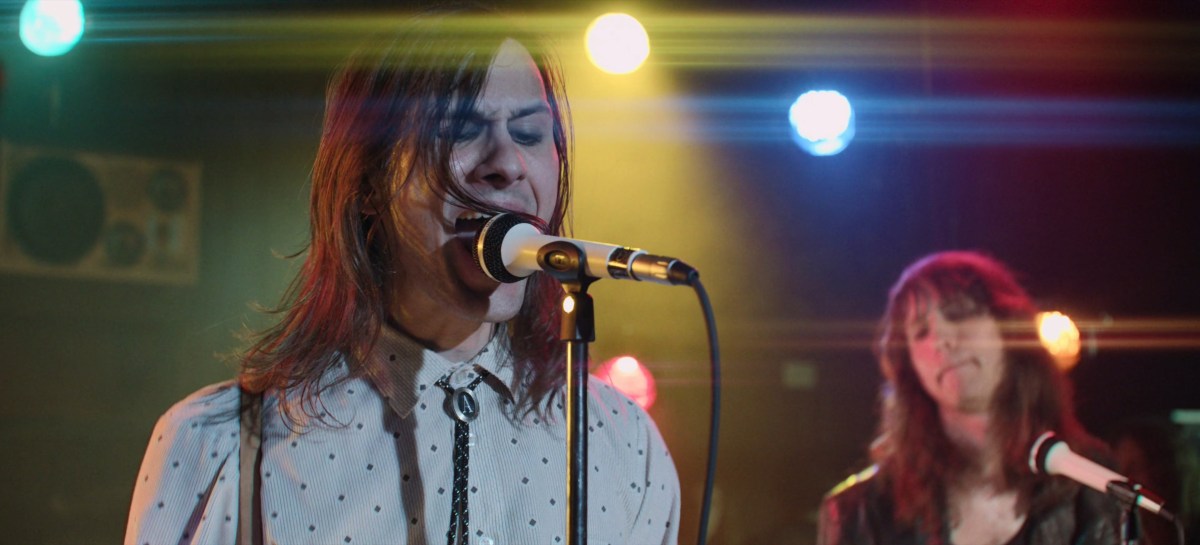
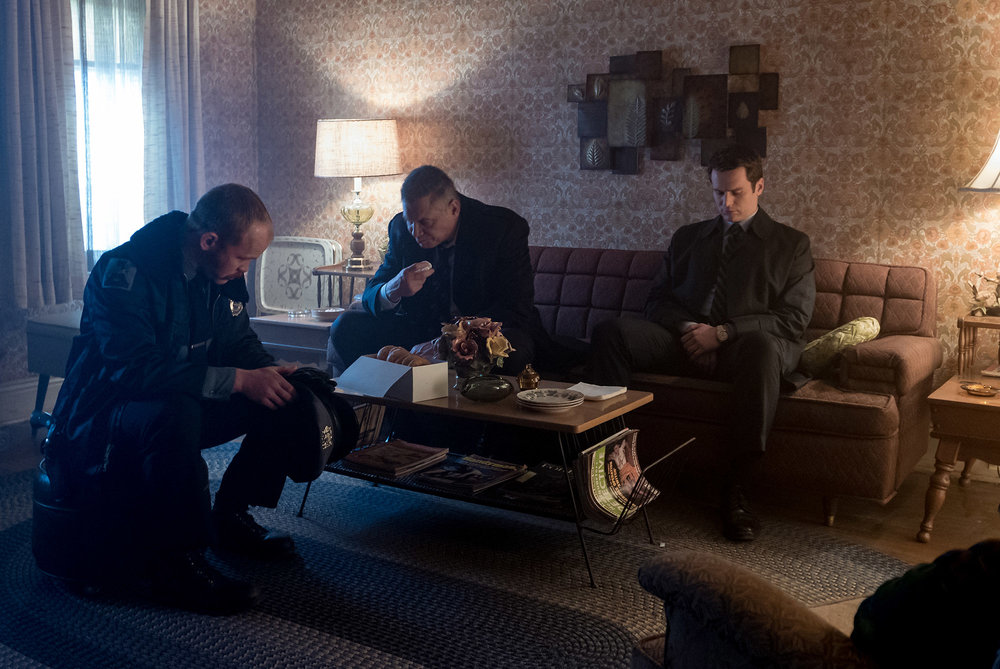
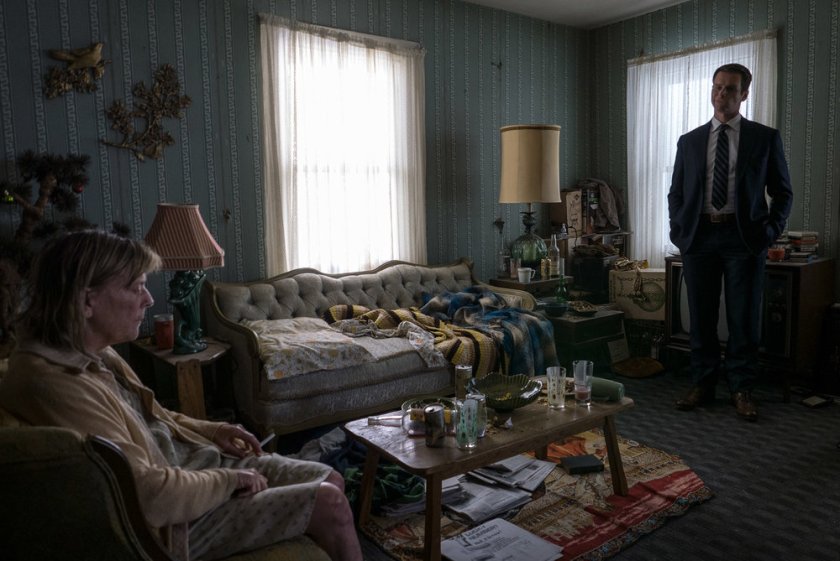
The television show, Mindhunter, created by Joe Penhall and executive produced and directed by David Fincher, is one of the most visually distinctive shows and for good reason. David Fincher’s filmography has become something that we aren’t used to seeing. From the Cinematography to the Production Design, Fincher has achieved a level of mastery that other films and television shows do not seem to have.

Based primarily in Pittsburgh, Pennsylvania, the show depicts incredible locations and interior spaces, such as a variety of interrogation rooms that are both visually stunning and exceptionally detailed.

In an exclusive interview with Interiors, we spoke with Steve Arnold, who is the Production Designer for Mindhunter. The images are property of Steve Arnold and his team.

Read the full interview

Interiors. Dwight's House

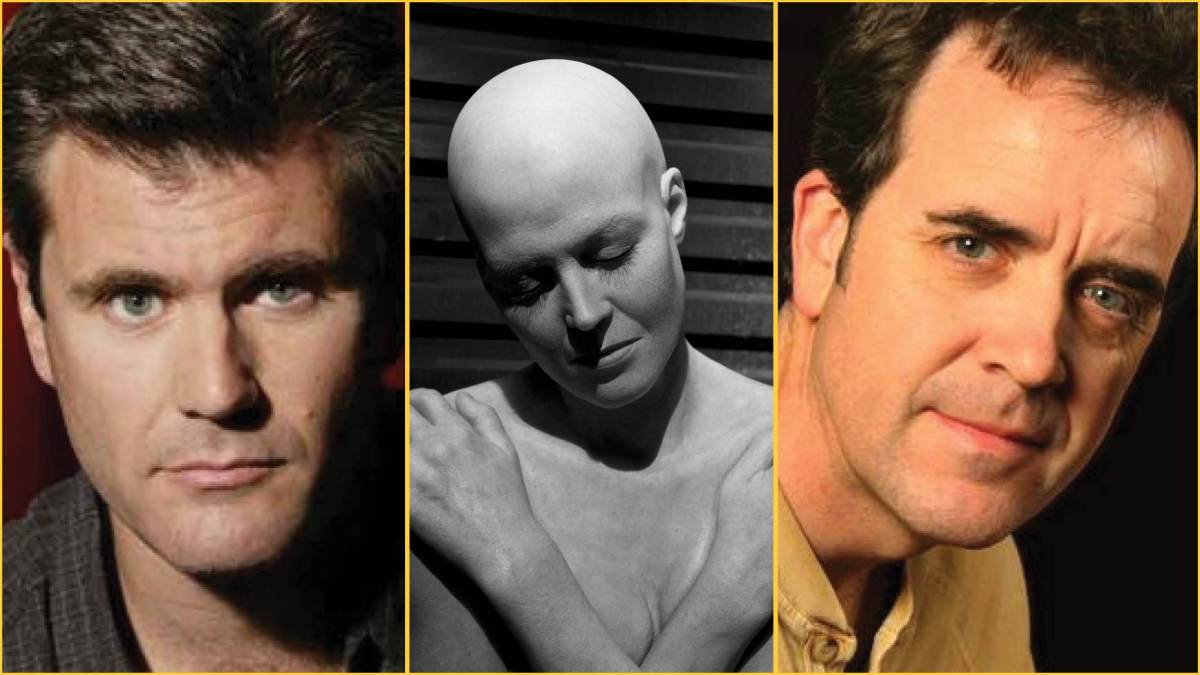
Interview with Alec Gillis and Tom Woodruff, Jr. of Studio ADI

JM Prater
January 15, 2018
Perfect Organism: The Alien Saga Podcast

As Alien fans, we’ve become used to change. Different directors; different scripts; different planets; different eras; different timelines; even different film studios. With everything so constantly in flux, it’s easy to forget that Alec Gillis and Tom Woodruff, Jr. have been there since nearly the very beginning. From their pioneering work on Aliens, to the foundation of the legendary Amalgamated Dynamics, Inc., Gillis and Woodruff have been at the vanguard of the effects industry for more than three decades.

In this exclusive, unprecedented interview, our very own JM Prater visited Gillis and Woodruff at Studio ADI in Hollywood for a sit-down conversation about their love for the Alien Saga, their relationships with the fans, and much, much more.

Listen to the full interview (01:18:40)