Fincher’s ‘Zodiac’: A Suspenseful and Thrilling Combination of Police Procedural and Newspaper Film That Masterfully Chronicles the Progression of Obsession

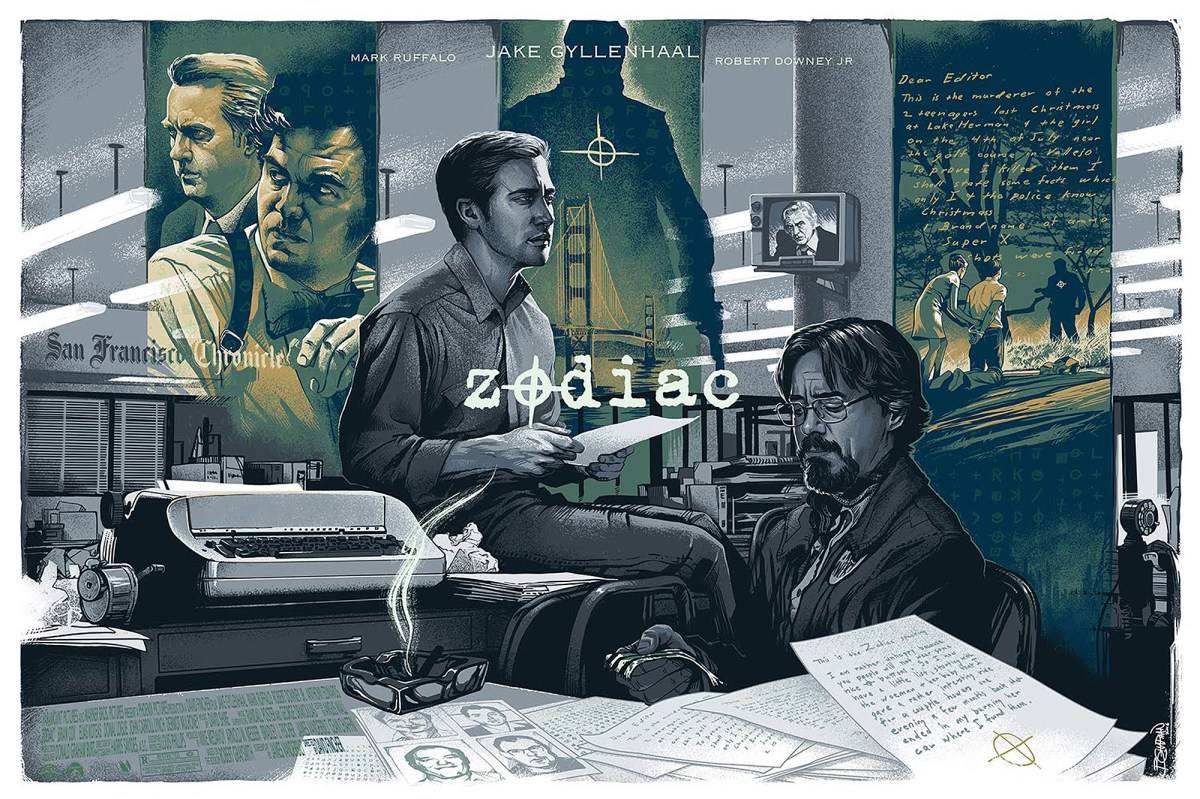
Zodiac poster by Barret Chapman

Koraljka Suton
January 24, 2020

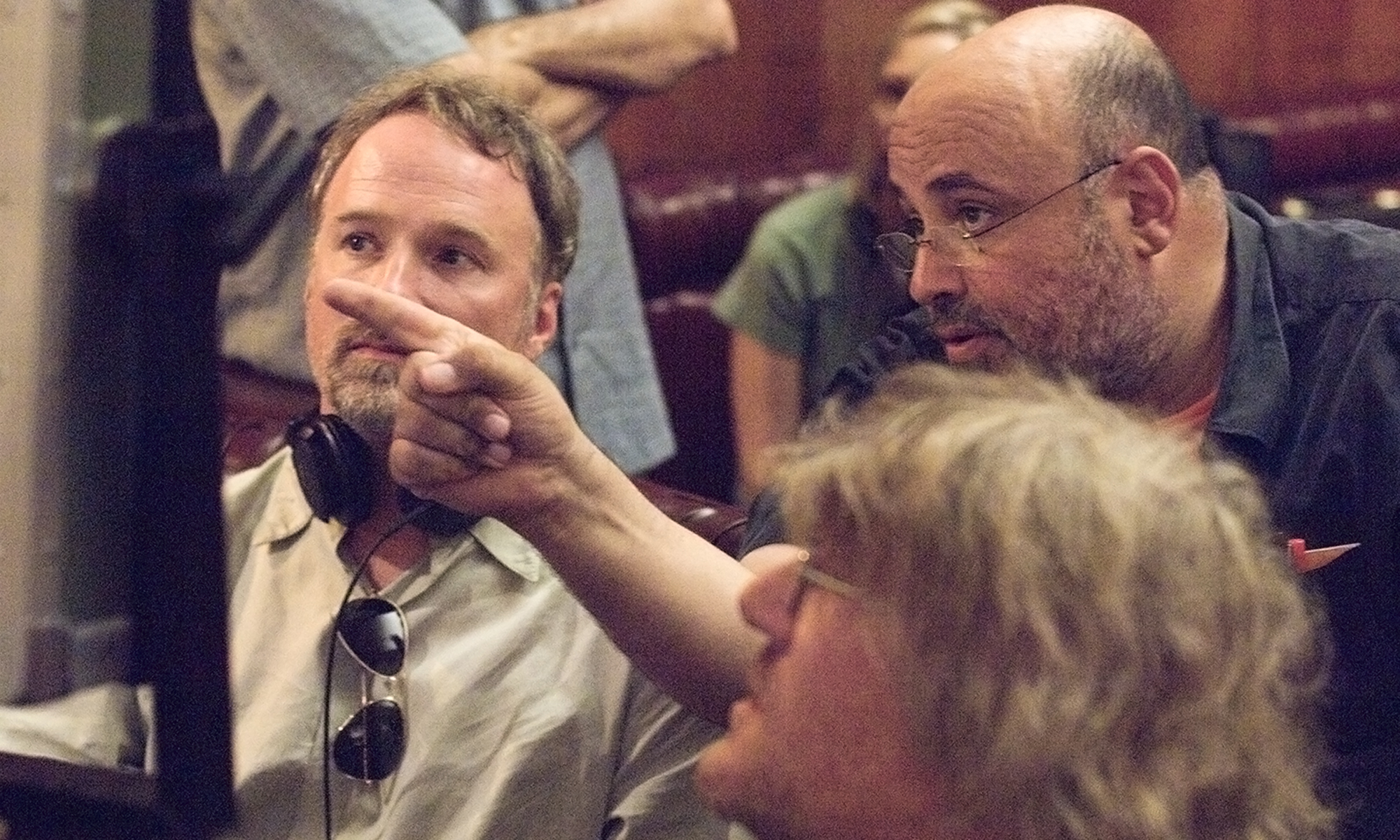
If you asked David Fincher about the childhood years he spent in San Anselmo in Marin County during the 1960s, the topic that would undoubtedly pop up would be that of an infamous serial killer who, in the director’s eyes, was “the ultimate boogeyman.” For it was precisely that time and that general area that saw the rise of the Zodiac, a murderer who frequently wrote letters and sent coded messages to local newspapers, gleefully taking credit for the gruesome killing sprees that would inevitably trigger waves of paranoia across the West Coast. As Fincher recalls: “I remember coming home and saying the highway patrol had been following our school buses for a couple weeks now. And my dad, who worked from home, and who was very dry, not one to soft-pedal things, turned slowly in his chair and said: ‘Oh yeah. There’s a serial killer who has killed four or five people, who calls himself Zodiac, who’s threatened to take a high-powered rifle and shoot out the tires of a school bus, and then shoot the children as they come off the bus.’” Fincher’s fascination with the mystery man who wreaked havoc in Northern California during the late 60s and early 70s, claiming to have taken the lives of thirty-seven people (out of which only five were confirmed as being his victims), ultimately resulted in the director gladly accepting to work on Zodiac, a 2007 movie written by James Vanderbilt. The screenwriter had read a 1986 non-fiction book of the same name while he was still in high school, years before pursuing his eventual career. After getting into screenwriting, he had the chance to meet Zodiac author Robert Graysmith, a cartoonist who had been working for one of the newspapers the killer wrote to during the 1960s, and decided to make a screenplay based on the information-packed book. Having creative control over the material was of the utmost importance to Vanderbilt, given the fact that the endings of his previous scripts had been altered. Together with producers from Phoenix Pictures, Vanderbilt bought the rights to both Zodiac and its follow-up, entitled Zodiac Unmasked, after which the Seven director was asked to come on board.

Apart from having a personal attachment to the story of the notorious serial killer who was never brought to justice, what drew Fincher to work on the project was also the fact that the ending of Vanderbilt’s script was left unresolved, thereby staying true to real-life events. But Fincher’s perfectionism and his wish to depict the open case as accurately as possible led to him asking that the screenplay be rewritten, for the wanted to research the original police reports from scratch. He also decided that he, Vanderbilt and producer Bradley J. Fischer should personally interview the people who were involved in the case so that they could discern for themselves whether the testimonies were to be believed or not. The people they spent months interviewing were family members of suspects, the Zodiac killer’s two surviving victims, witnesses, investigators both current and retired, as well as the mayors of Vallejo and San Francisco. As Fincher elaborated: “Even when we did our own interviews, we would talk to two people. One would confirm some aspects of it and another would deny it. Plus, so much time had passed, memories are affected and the different telling of the stories would change perception. So when there was any doubt we always went with the police reports.” They also hired a forensic linguistics expert to analyze the killer’s letters, with the expert’s focus being on how the Zodiac spelled words and structured sentences, as opposed to the emphasis that was put on the Zodiac’s handwriting by document examiners in the 1970s.
Read the full article

Film stills by Merrick Morton (Paramount Pictures)

Other in-depth articles on films by David Fincher on Cinephilia & Beyond:

Alien3: “Take all of the responsibility, because you’re going to get all of the blame”

Se7en: A Rain-Drenched, Somber, Gut-Wrenching Thriller that Restored David Fincher’s Faith in Filmmaking

Downwards Is the Only Way Forwards: Welcome to David Fincher’s The Game

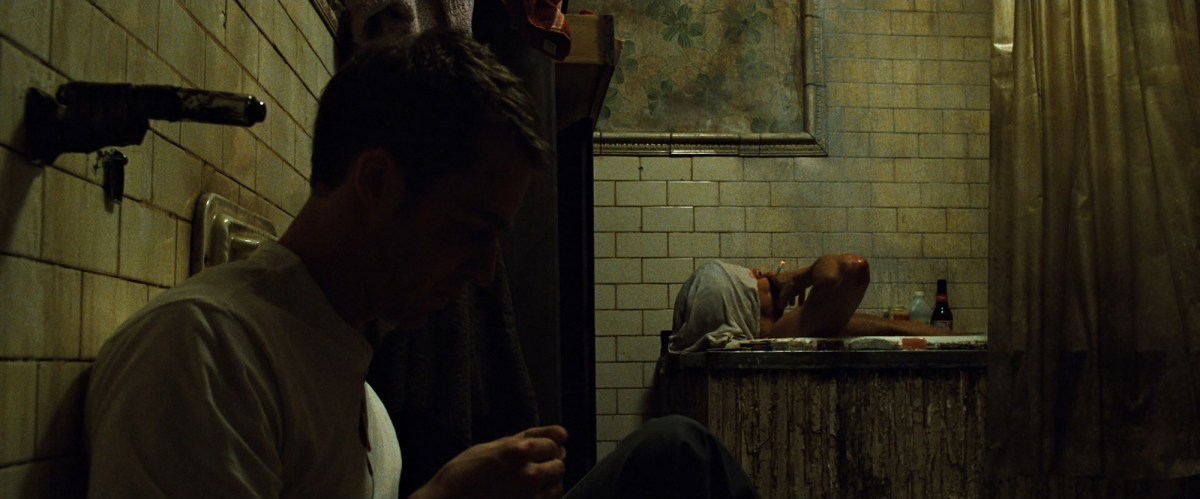
Fight Club’: David Fincher’s Stylish Exploration of Modern-Day Man’s Estrangement and Disillusionment

Fincher’s Zodiac As Easily One Of The Best Thrillers Of The Millennium So Far

From Facebook to ‘Fuck-You Flip-Flops’: How Aaron Sorkin and David Fincher Made ‘The Social Network’ a Fiery Word-Off

“David F*cking Fincher” Awards Brad Pitt His Modern Master Award at SBIFF

Sasha Stone
January 23, 2020
AwardsDaily

Roger Durling’s wildly successful Santa Barbara International Film Festival is underway with tributes and with honors being handed out for the next week or so. Last night, Brad Pitt was honored with the Leonard Maltin Modern Master award.

After a lengthy interview with Maltin, which covered all of Pitt’s work with directors like both Ridley and Tony Scott, the Coen brothers, Tarantino, and beyond, Pitt’s frequent collaborator David Fincher made a rare appearance to hand Pitt his Modern Master award. They have made three films together, if you didn’t know (which of course would be insane to not know). Pitt is a muse of sorts for Fincher, starting with Se7en (1995), then Fight Club (1999), and finally Benjamin Button (2008). Pitt said when accepting his award that he hoped the two get to do five more collaborations together. Wouldn’t that be something?

Brad Pitt is having quite a season. It’s as though we’ve never seen a movie star. Movie stars of his stature are “as rare as albino pandas, and here’s one of them,” said Fincher. What that means is that it’s rare indeed for an actor to possess that thing — that movie star thing. Charisma that could power an entire planet. You can’t teach it. You can’t learn it. It’s there or it isn’t. And with Pitt, it was there from his first appearance onscreen.

Here are the videos of the event (playlist):

January 22, 2020
officialSBIFF (YouTube)

Brad Pitt Looks Back on ‘Snatch’, ‘Oceans 12’, ‘Once Upon a Time…’ and More at SBIFF

Christina Radish
January 25, 2020
Collider

Read the highlights of the conversation

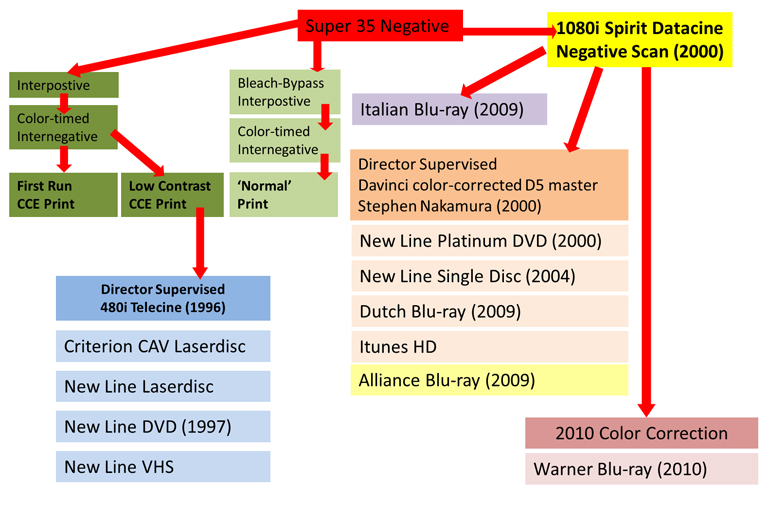
Not On Blu-ray?: Fight Club Compared

Blu-rays vs iTunes HD vs D-VHS vs DVD vs Laserdisc

Mac
April 7, 2018
Not On Blu-ray?

Caustic, nihilistic and controversial, Fight Club successfully adapted Chuck Palahniuk’s transgressive fiction novel, it’s a credit to screenwriter Jim Uhl’s excellent adaptation that the voice of the original novel is heard so clearly, and at the same time the film proved to be an enormous success. Though much credit is also due to the excellent sound and editing: so much in this film depends on hitting exactly the right tone.

Based on a reader suggestion, I decided to take a look at the various home video versions of Fight Club that are available.

Filming Fight Club

Fight club was photographed by Jeff Cronenweth, a then hot and upcoming Cinematographer who until that point hadn’t shot a major feature, but did have the advantage of being Blade Runner cinematographer Jordan Cronenweth’s son. Fincher has worked with both father and son on a number of projects culminating in ‘Alien 3’. Subsequently Jeff did camera work on a number of Fincher’s other features including ‘Se7en’ and ‘The Game’.

An Interview with Cronenweth in American cinematographer records Fincher’s preference for both natural and pre-existing lighting in locations over elaborate lighting setups. This necessitated the choice of higher speed stocks.

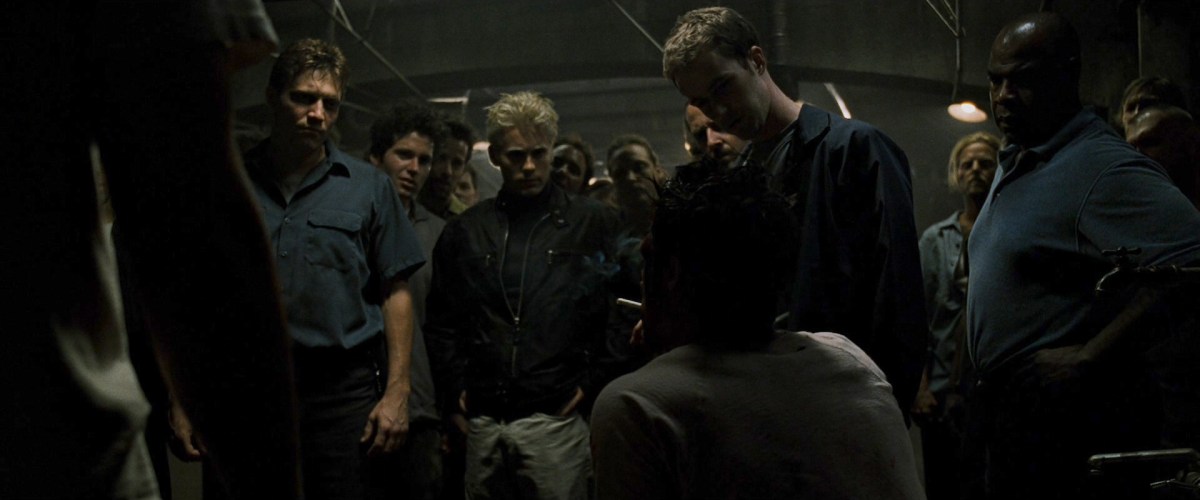
The film was shot using the Super35 format, and framed at 2.35:1. Daylight scenes were shot on Kodak EXR 100T and Vision 250D film, while the majority of night scenes were shot on ‘faster’, grainier Vision 500T.

Selected night scenes from the film were 5% flashed at the laboratory, which boosts contrast and enhances detail in the darker parts of the frame. Additionally a handful of release prints were treated with the Technicolor’s ENR silver retention process (bleach bypass) at the 80 IR level.

Shooting in Super35 at an aspect ratio of 2.35:1 provides considerable latitude for re-framing during the editing process, which David Fincher may have developed a taste for when working on the various home video editions of Se7en.

Read the full article

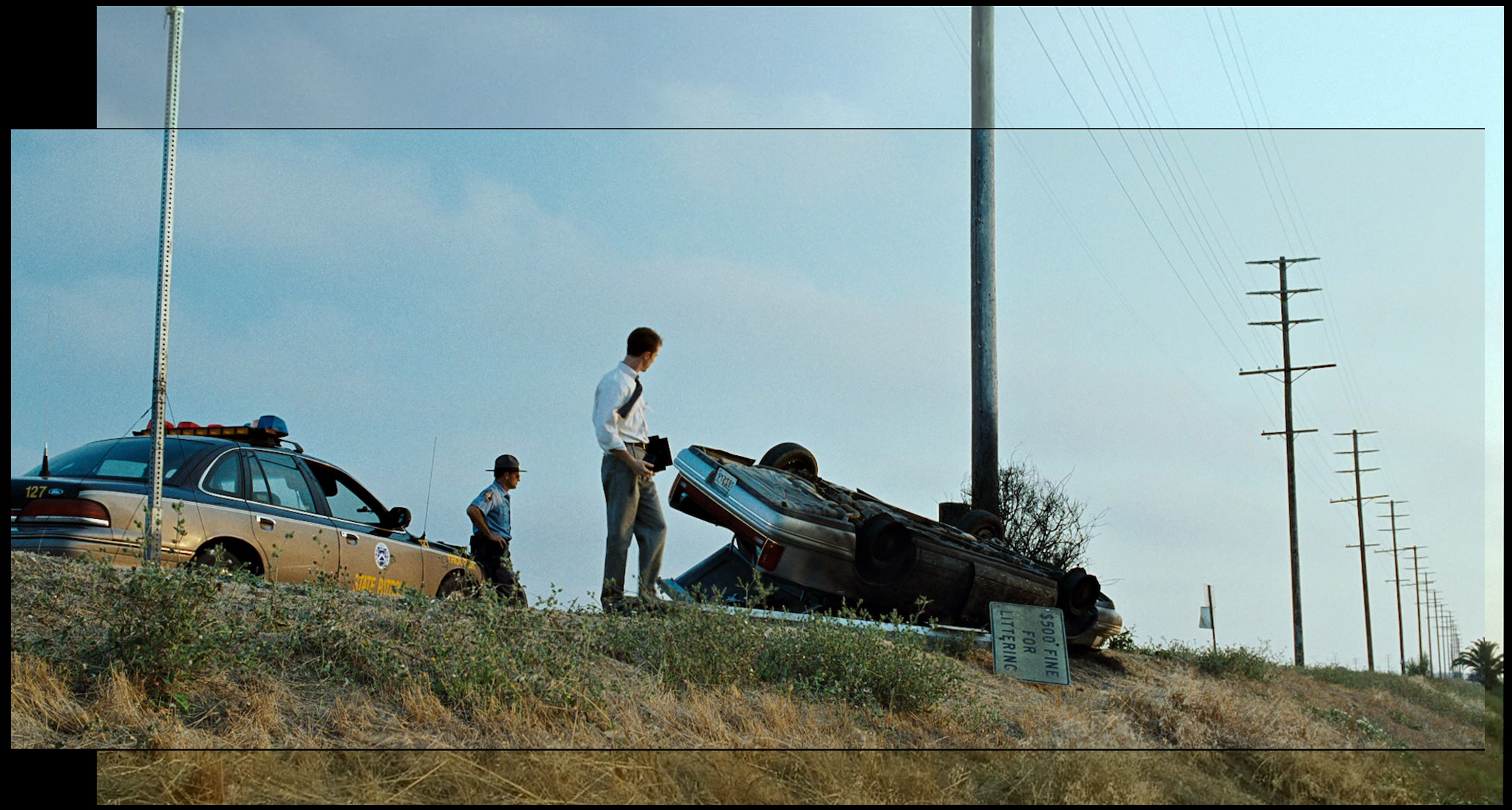
Here the composition is noticeably skewed between the 16:9 and 2.35:1 versions.

Not On Blu-ray?: The Mysterious Case of Se7en

Mac
June 4, 2013
Not On Blu-ray?

Se7en is a dark crime-horror fantasy, written by Andrew Kevin Walker, directed by David Fincher with cinematography by Darius Khondji. The film was a success both commercially and critically. However due to the complexity of the photographic process, it is difficult to be certain that any of the home-video releases reflect the image seen in first run showings. This article will examine the various video releases of Se7en, and explain the process by which they came about, and attempt to pick the best amongst them.

Se7en Through The Lens

During production careful consideration was put into developing the film’s ‘look’ by both the art department and the Cinematographer.

  • Super 35 cameras were used, which allowed the use of faster and wider ‘spherical’ lenses with shallower depth of field than comparable anamorphic lenses
  • The use of Super 35 also allowed some flexibility in re-framing shots in post production, since the film was intended to be projected in a 2.40:1 aspect ratio
  • On set smoke was used to reduce contrast and provide atmosphere to scenes
  • For some scenes the negative was ‘flashed’ using a Panaflasher to further reduce contrast, and bring out shadow detail
  • The film was pushed one stop (under-exposed and over-developed) to increase density and  saturation
  • A Deluxe ‘Color Contrast Enhancement’ or ‘CCE’ bleach-bypass process was used for first run prints, increasing contrast, effectively crushing blacks
  • The CCE process was deemed too expensive for the majority of first and second-run prints, which were then struck from an inter-positive that had itself been bleach-bypassed, which approximated the effect of the CCE process. This meant that there would be differences between the first-run showings of the film, and subsequent runs

Read the full article

Stills of Life: Miles Crist

Billy Moon (Safflare)
November 21, 2019
Stills of Life (Podcast)

Actors, producers, models, and other artists share, encourage, and reveal their professional experiences, failures, accomplishments and authentic selves.

Mindhunter‘ still & behind-the-scenes photographer, Miles Crist, shares his incredible path from knowing the right person at the right time to winning the 8-month job of photographing BTS of ‘Mindhunter‘ for Netflix, jumping from Columbia to Art Center, the demanding surprises of the profession, his passion for films, learning from David Fincher, and working for him again this winter.

Check out his website at milescrist.com!

Listen to the podcast

Ø MINDHUNTER S2
whatswrongwithcomplicated.com

Trent Reznor and Atticus Ross will use period-authentic instrumentation for their “Mank” score

They’ll avoid many of their favorite toys for David Fincher’s next movie, which is set in the Forties.

Revolver Staff
December 23, 2019
Revolver

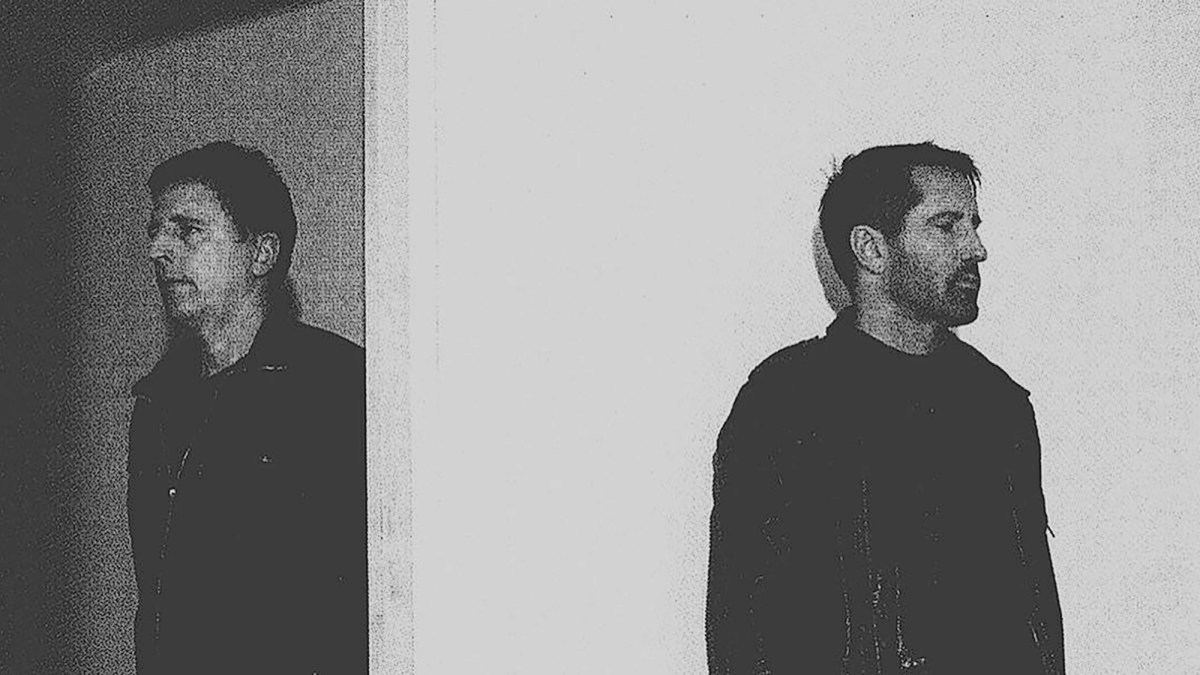
Director David Fincher — who first dragged Reznor and Ross into the film-scoring game by enlisting them for 2010’s The Social Network — is currently shooting the film Mank, a biopic about Herman J. Mankiewicz, the screenwriter of Orson Welles‘ Citizen Kane, played by Gary Oldman. As such, the movie is set in 1940. “We’re not gonna be using the modular synthesizer on that one,” Reznor revealed. “We think we’re gonna be period authentic, so it just creates a new set of challenges.”

Read the full article:

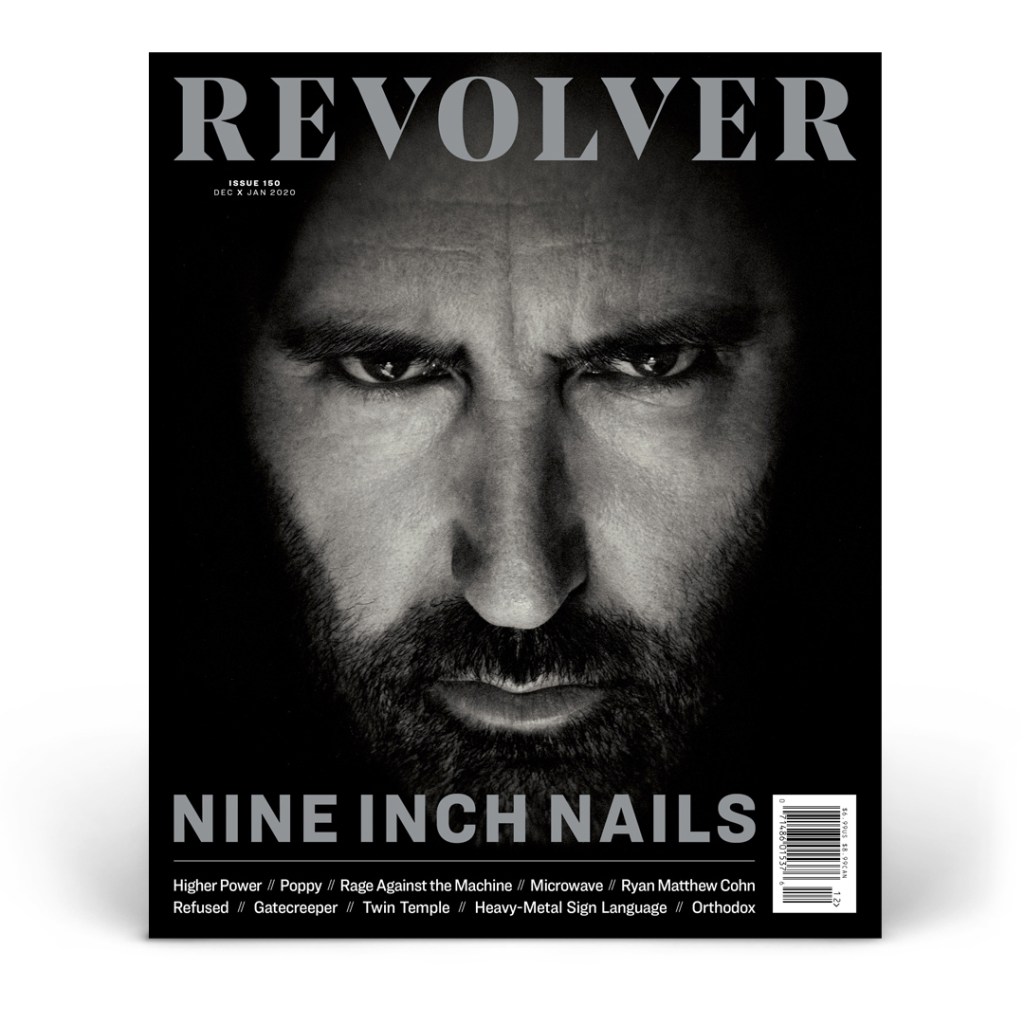
Nine Inch Nails: 9 Things We Learned from Our Visit to Trent Reznor’s Studio

Order the Dec/Jan Issue of Revolver, Featuring Nine Inch Nails

Netflix Helps Drive the Creative Vision with High-Dynamic-Range Content

Jay Holben
December 22, 2019
American Cinematographer

Some might consider high-dynamic-range (HDR) displays a technology of the future, but the reality is it’s here now and very much a contemporary delivery format. At the forefront of this delivery is Netflix, the streaming and production giant, which reports that roughly a quarter of the devices used to access its service monthly — more than 165 million — are configured for HDR. As a result, Netflix is making a concerted effort to provide HDR content and currently has more than 1,000 hours of such programming available.

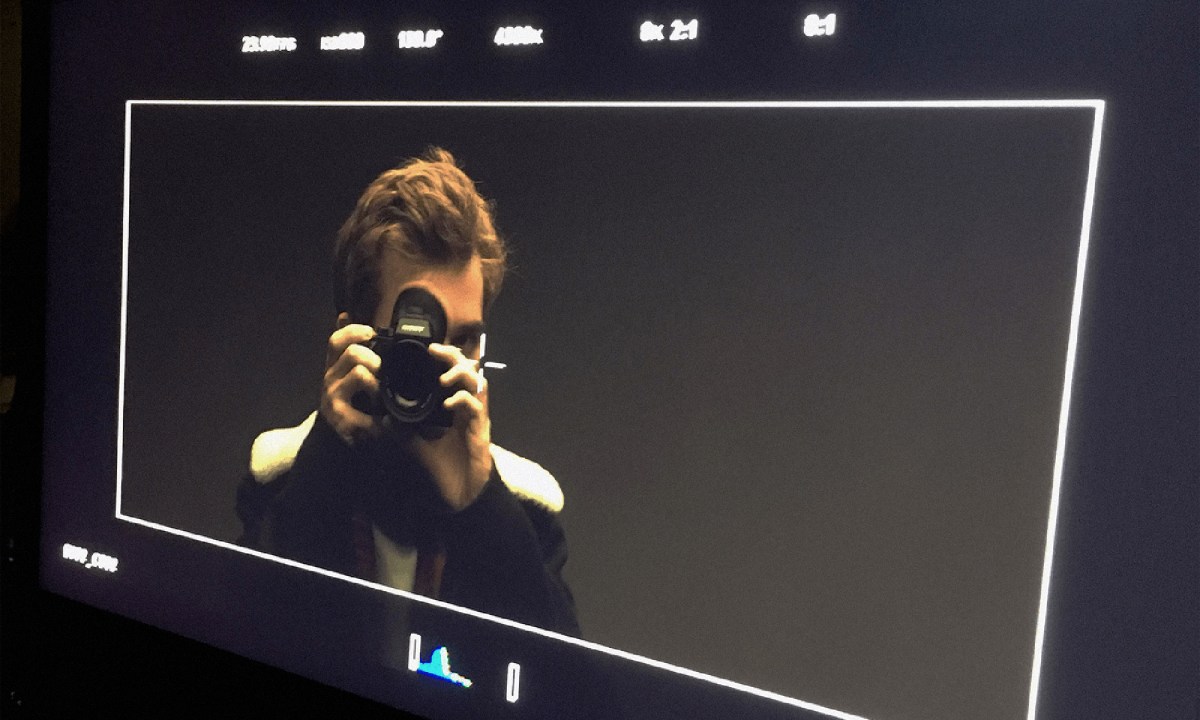
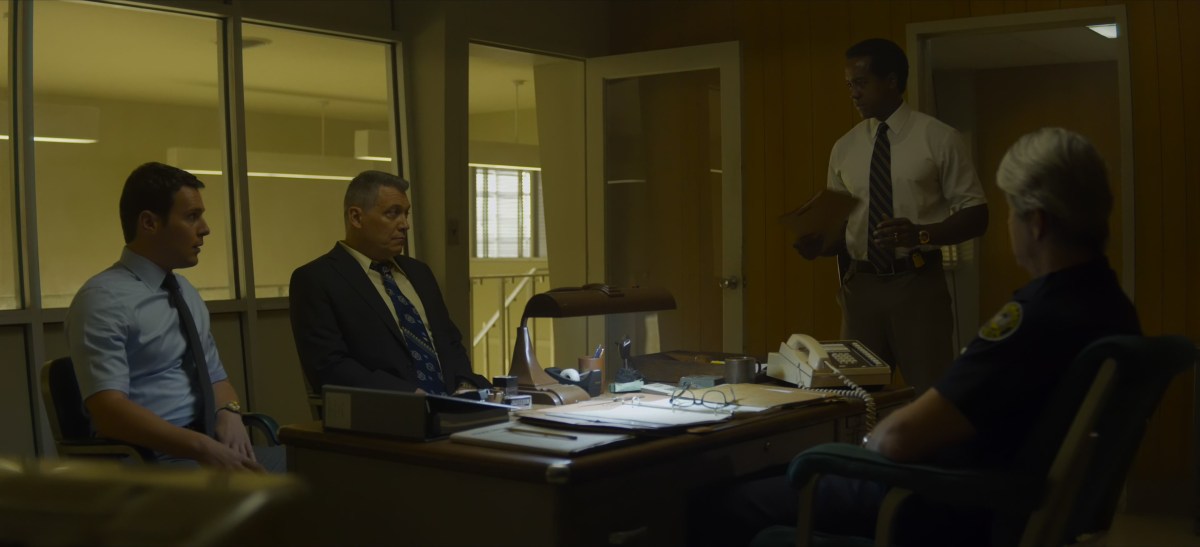
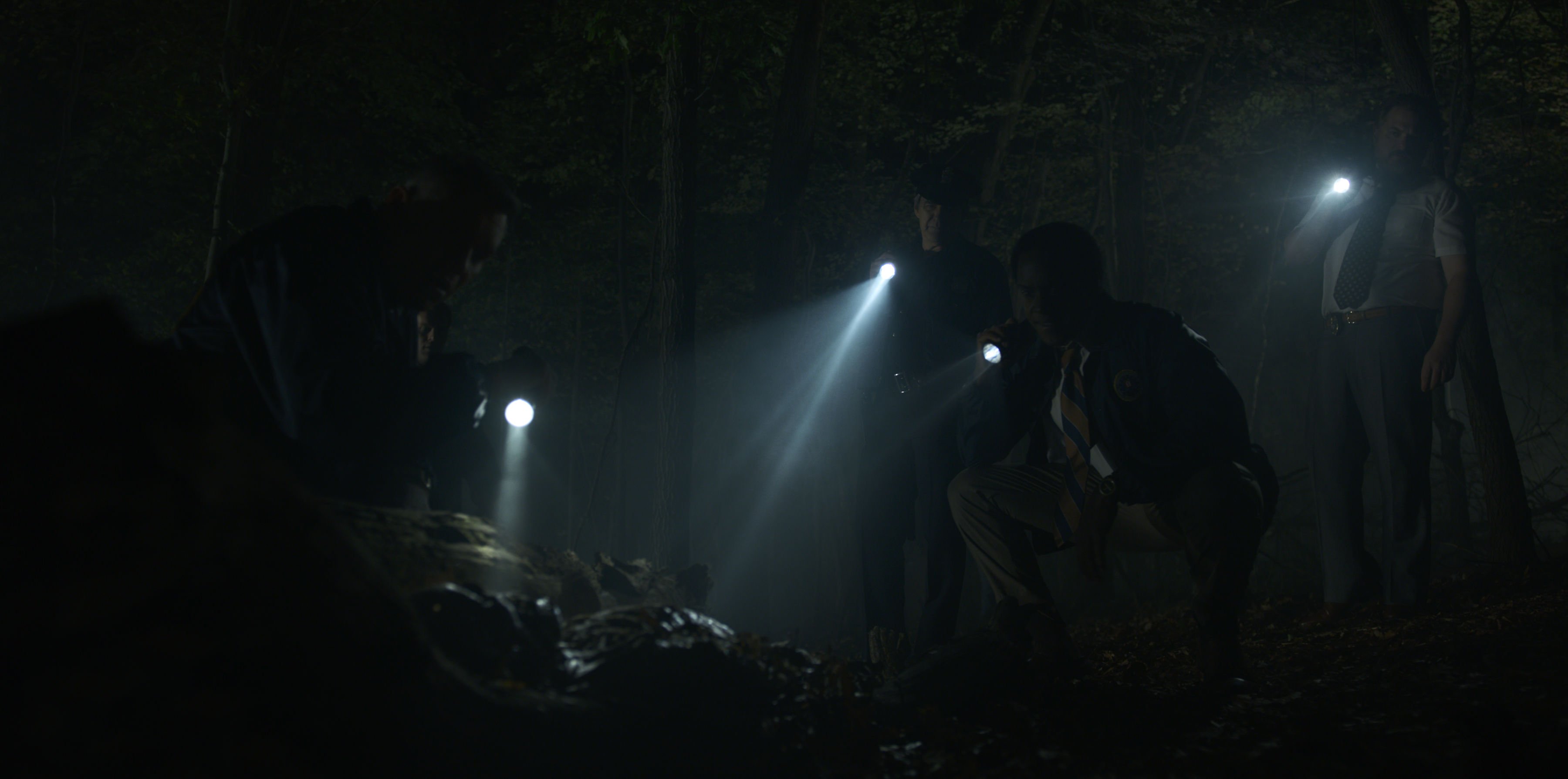
One of these titles is David Fincher’s gritty, period procedural Mindhunter, which earned Christopher Probst, ASC an ASC Award nomination for its pilot in 2017. The series is photographed by Erik Messerschmidt, who notes that production incorporated HDR into the second season. “With Mindhunter, we try to be very subtle with the photography,” says Messerschmidt. “The story and themes of the show are complex and nuanced, so it’s really important that the photography never draws attention to itself. HDR helps because it enables me to be very subtle in my use of color and contrast, particularly in the toe of the exposure. Everyone likes to talk about the bright whites in HDR, but I think perhaps the added range in the shadows is more interesting and more important than added range in the highlights.

“I think cinematographers have always advocated for a better experience for the audience, whether it’s fast film stocks with tighter grain, better projection technology, or higher quality digital-capture and display technologies,” he continues. “HDR is just another step in that direction. Standard-dynamic-range video distribution can only show a narrow exposure band of the modern digital sensor’s dynamic range. The opportunity to use more of the sensor’s range when we want to is a very exciting development.”

Read the full profile

Fight Club. How (Not) To Become A Space Monkey

Tom van der Linden
Like Stories of Old (YouTube)

Movies have always had a strong impact on me, they affect the way I look at the world and help make me a better person. With this channel I want to explore this boundary between film analysis and life lessons, because I believe that movies, just like the stories of old, contain valuable lessons and insights, and to better understand them is to better understand life.

In this video essay on Fight Club, I examine how charismatic leaders like Tyler Durden turn men into Space Monkeys.

Support this channel
Leave a One-Time Donation

Follow me on Facebook, Instagram, or Twitter.
Say hi: likestoriesofold@gmail.com
Business inquiries: lsoo@standard.tv

Sources:
Ernest Becker – The Denial of Death
Like Stories of Old – Complete Reading List

Featuring:
‘Where Is My Mind’ cover by Alex Voulgaris. Follow Alex on Instagram.
‘Where Is My Mind’ cover by Gattobus
Additional Music:
Skyler Lawson – Eclater
Luke Atencio – Projections
Additional music licensed from Musicbed

Sponsored by MUBI. Start your 30 DAY FREE TRIAL now.
With the support of Creative Europe – MEDIA Programme of the European Union.

When Only the “Right” Kind of Microphone Will Do

This ‘Mindhunter’ promo needed something very, very specific. Territory studio delivered.

Ian Failes
December 3, 2019
befores & afters

If you’ve watched David Fincher’s Mindhunter series about the development of the FBI’s Behavioural Science Unit from the late 1970’s through to 1980s, then you’ll already know there’s a certain kind of meticulousness to the Netflix show in each episode.

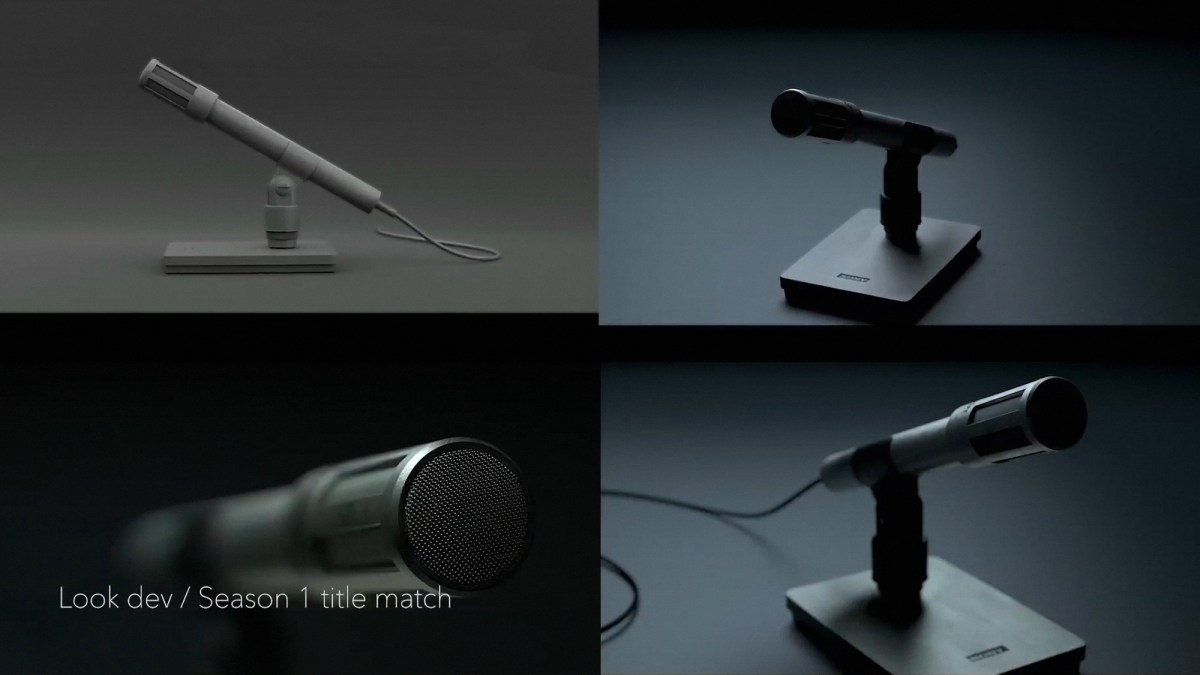
Well, that same kind of detail was added even to this promo for season 2 of series that got shown on social media. And it all revolved around…a microphone.

Tasked with creating a mic in between agents Ford and Tench in a police interrogation cell was Territory Studio, which also handled a few other clean-ups in the push-in shot.

Here’s the story, step-by-step, of how Territory – led by VFX Supervisor Simon Carr and VFX Producer Robin D’Arcy – researched the prop itself (even taking a used version apart), modeled it in CG and finished the shot.

Read the full article