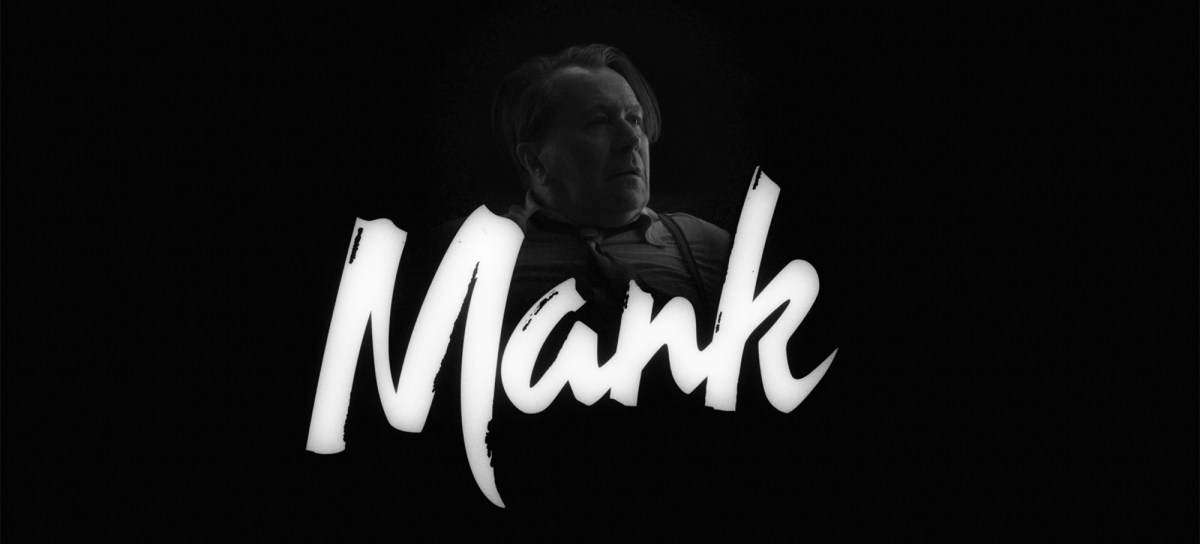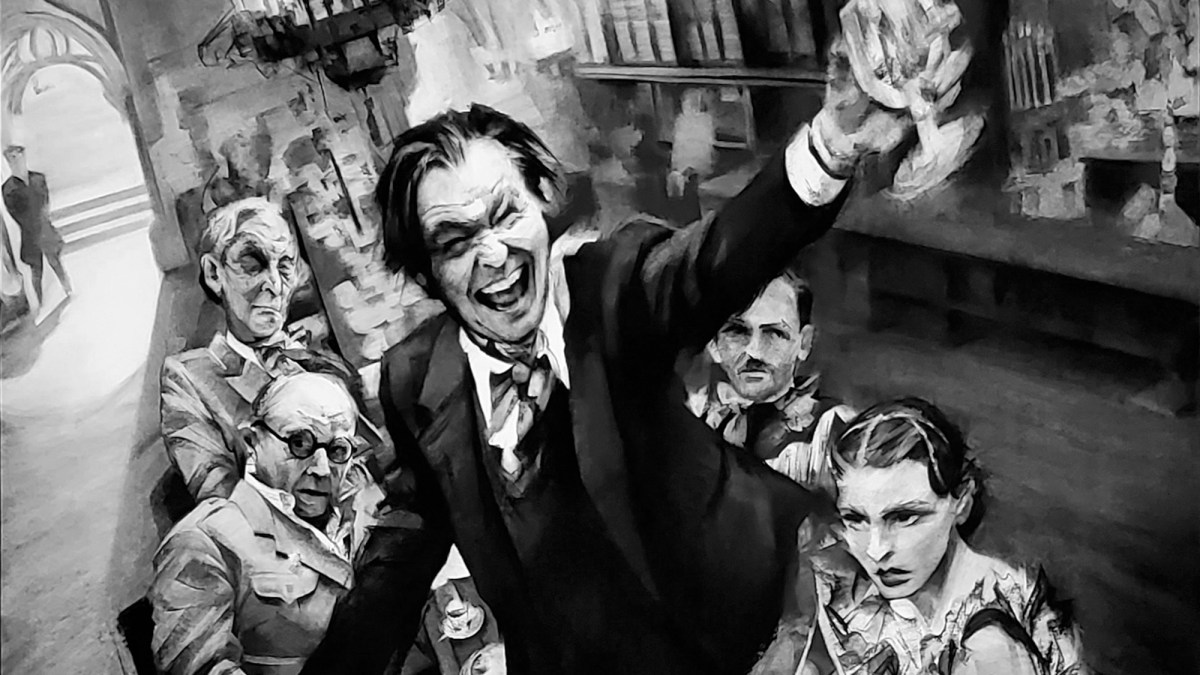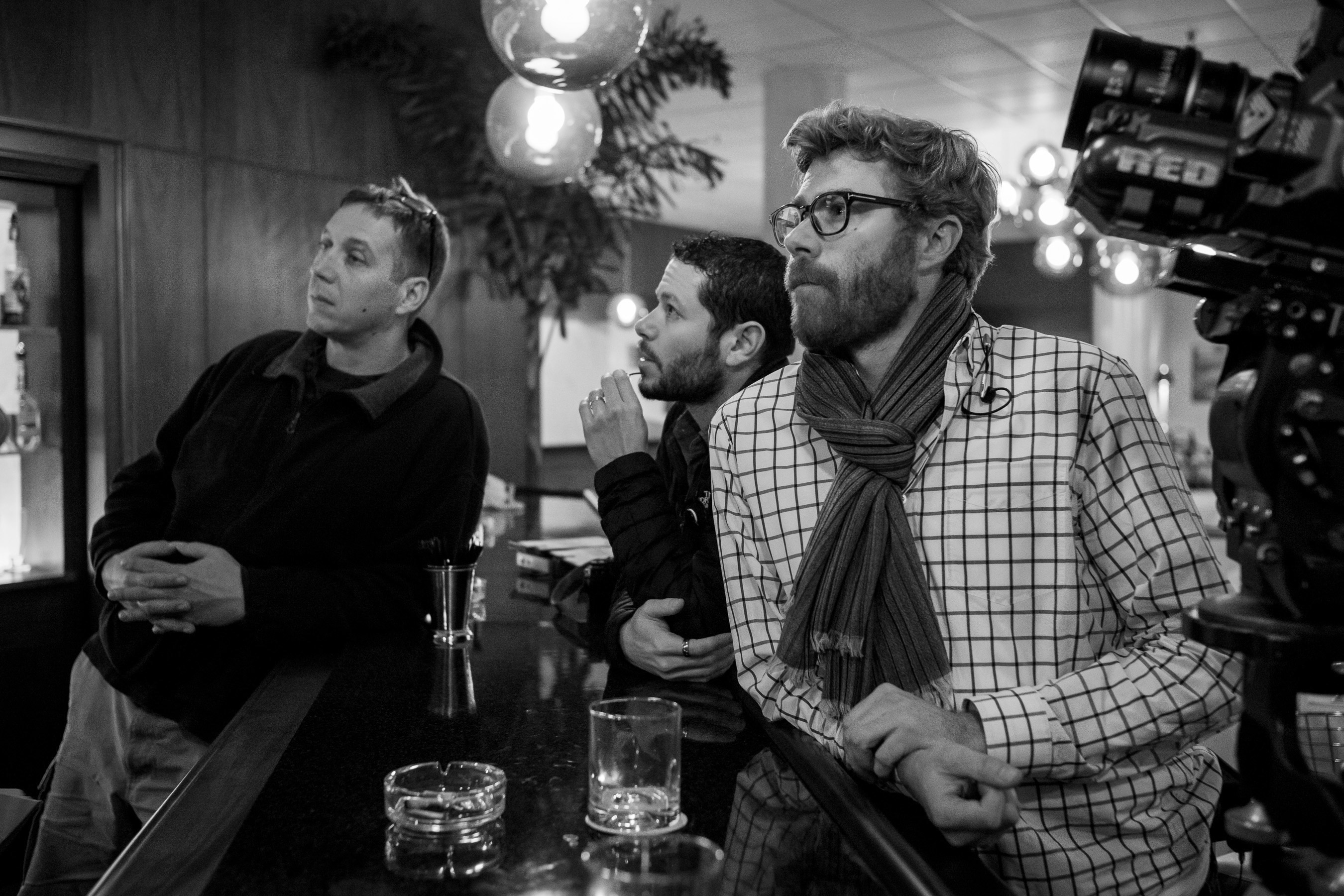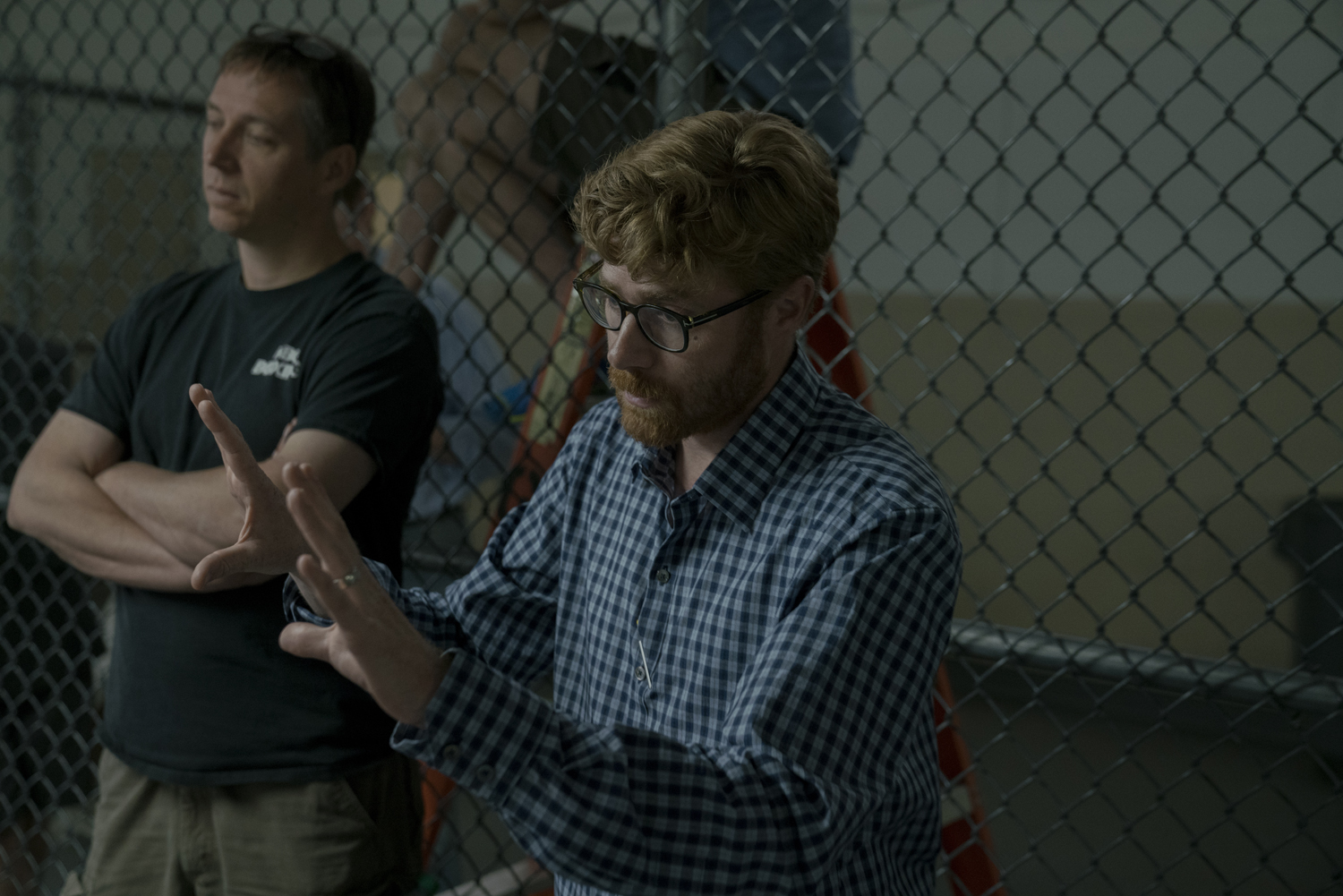
Mank: Reddit Teaser

Netflix

The Brothers Mankiewicz: Hope, Heartbreak, and Hollywood Classics“. By Sydney Ladensohn Stern:

Even before theatrical failures dimmed his dreams of escape, Herman had decided he could bring New York to Hollywood by importing some of his friends. If Ben Hecht couldn’t write him a good script, Herman told Schulberg, then Schulberg could tear up Herman’s two-year contract and fire them both. His boss could hardly refuse a bet like that, so Herman wired, “Will you accept three hundred per week to work for Paramount Pictures. All expenses paid. The three hundred is peanuts. Millions are to be grabbed out here and your only competition is idiots. Don’t let this get around.”

Hecht, who later claimed that Herman’s telegram arrived just in time to avert a financial disaster so severe that he had taken to his bed with Gibbon’s Decline and Fall of the Roman Empire, hurried west to enroll in what he called the Herman Mankiewicz School of Screenwriting.

r/CompetitionIsIdiots

Director: Kimb Luisi & Dan Young
Production Company: Sawhorse Productions
DP: Skyler Bocciolatt
Production Design: Sage Griffin
Storyboards: Andrew Paul

𝙸𝚗 𝚜𝚎𝚕𝚎𝚌𝚝 𝚝𝚑𝚎𝚊𝚝𝚎𝚛𝚜 𝙽𝚘𝚟𝚎𝚖𝚋𝚎𝚛 𝚊𝚗𝚍 𝚘𝚗 Netflix 𝙳𝚎𝚌𝚎𝚖𝚋𝚎𝚛 𝟺

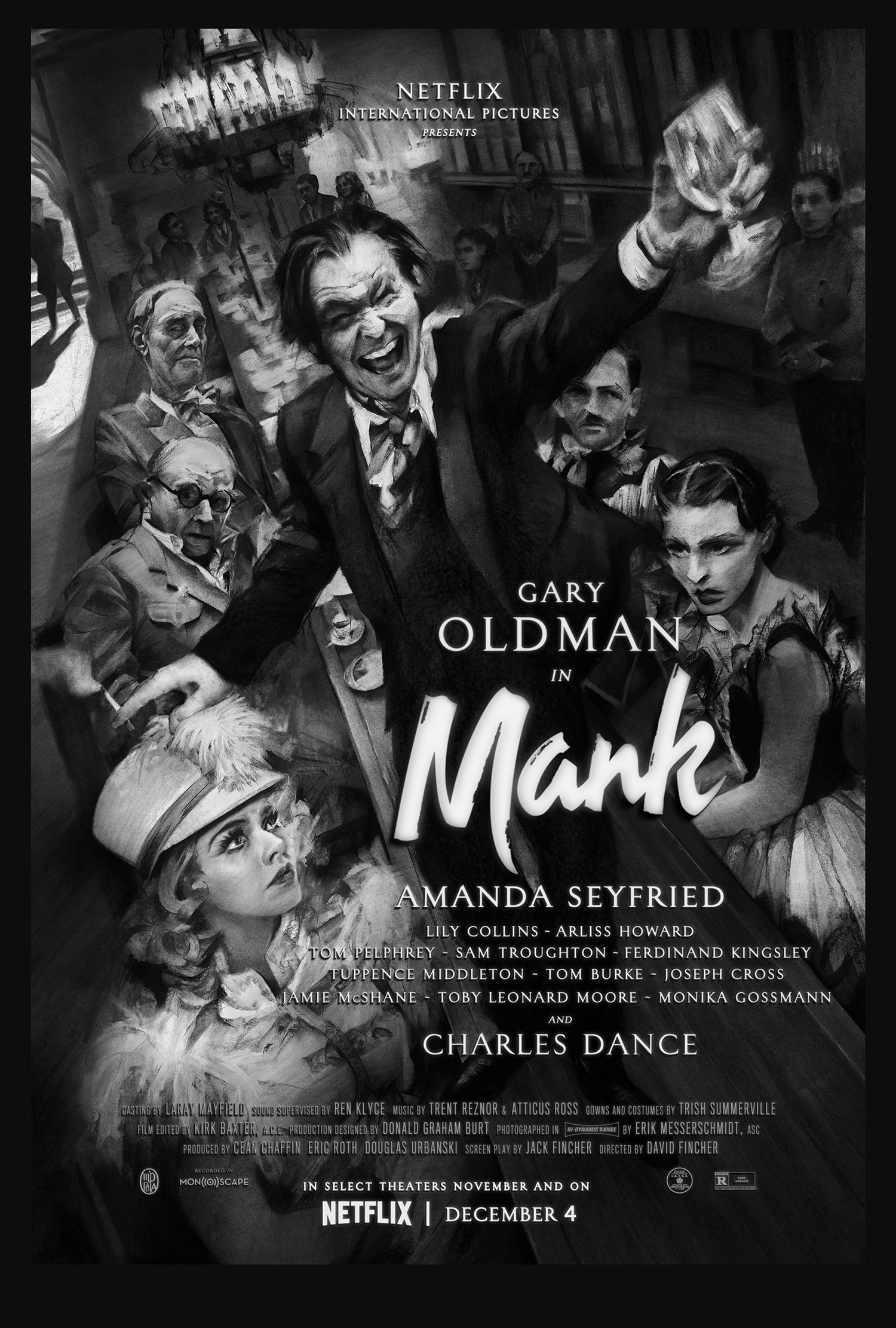
Mank: Official Teaser

Netflix

1930s Hollywood is reevaluated through the eyes of scathing wit and alcoholic screenwriter Herman J. Mankiewicz as he races to finish Citizen Kane.

Starring: Gary Oldman, Amanda Seyfried, Charles Dance

Cast: Lily Collins, Arliss Howard, Tom Pelphrey, Sam Troughton, Ferdinand Kingsley, Tuppence Middleton, Tom Burke, Joseph Cross, Jamie McShane, Toby Leonard Moore, Monika Gossmann

2h 11m

Click to enjoy the images in glorious 5K, full quality, and full screen view:

𝚆𝙴𝙻𝙻𝙴𝚂
(𝚎𝚡𝚝𝚎𝚗𝚍𝚒𝚗𝚐 𝚑𝚊𝚗𝚍)
𝙼𝚊𝚗𝚔? 𝙸𝚝’𝚜 𝙾𝚛𝚜𝚘𝚗 𝚆𝚎𝚕𝚕𝚎𝚜.⠀
⠀⠀⠀⠀
𝙼𝙰𝙽𝙺
(𝚎𝚝𝚑𝚎𝚛𝚒𝚣𝚎𝚍)
𝙾𝚏 𝚌𝚘𝚞𝚛𝚜𝚎 𝚒𝚝 𝚒𝚜.

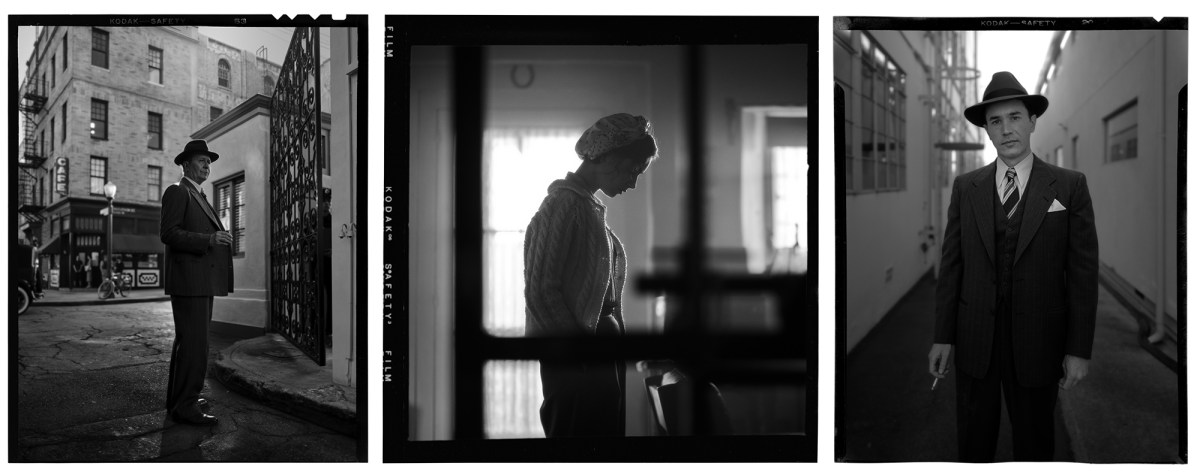
Orson Welles played by Tom Burke

𝙸𝚗 𝚜𝚎𝚕𝚎𝚌𝚝 𝚝𝚑𝚎𝚊𝚝𝚎𝚛𝚜 𝙽𝚘𝚟𝚎𝚖𝚋𝚎𝚛 𝚊𝚗𝚍 𝚘𝚗 Netflix 𝙳𝚎𝚌𝚎𝚖𝚋𝚎𝚛 𝟺

The Social Network Score Released in Dolby Atmos 3D Audio

October 3, 2020
NIN.com

This week marks 10 years since the release of the Academy Award-winning score for The Social Network. In celebration of the anniversary, Trent and Atticus have created a newly remixed version of the soundtrack in Dolby Atmos 3D Audio, providing an immersive listening experience. The new Atmos mix is currently able to stream right now on Amazon Music HD.

Look for this to become more widely available on other supporting services.

From Trent:

When we finished the score, we were in a phase where we intrigued by the possibilities of mixing in surround. At the time, 5.1 was the format of choice. Our intention was to spend three days after finishing the stereo mix and adapt it to 5.1… Thirty days later we finished! We found the material was very suited to the space and we went a little crazy

Jump to the present where atmos has become a viable format and we thought it would be cool to “adapt” the approach of the original 5.1 mix into the expansive canvas atmos provides. Our results are live on Amazon Music right now – check it out.

We were going to offer the option to purchase a download, but we couldn’t get it together to provide the most viable format (stay tuned). We are considering making some ultra HD Blu-Ray discs for your highest-quality Atmos listening pleasure.

Up next, The Fragile?

Empire Magazine: Mank Exclusive Images

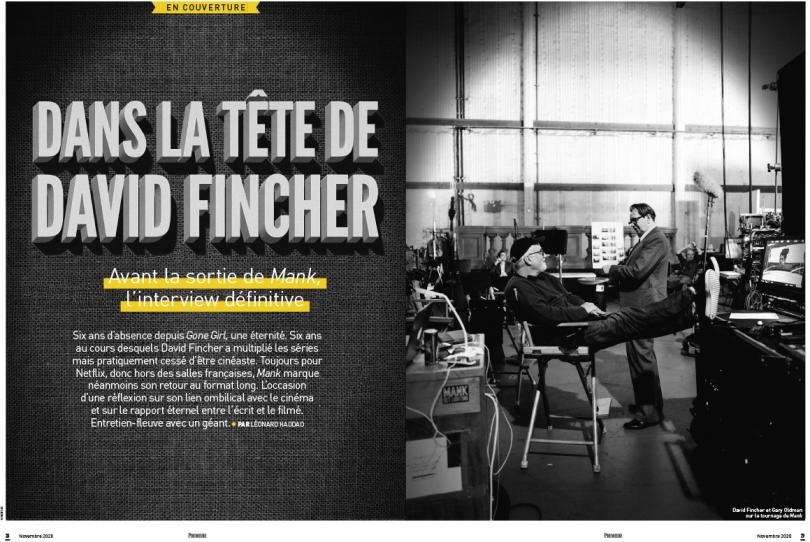
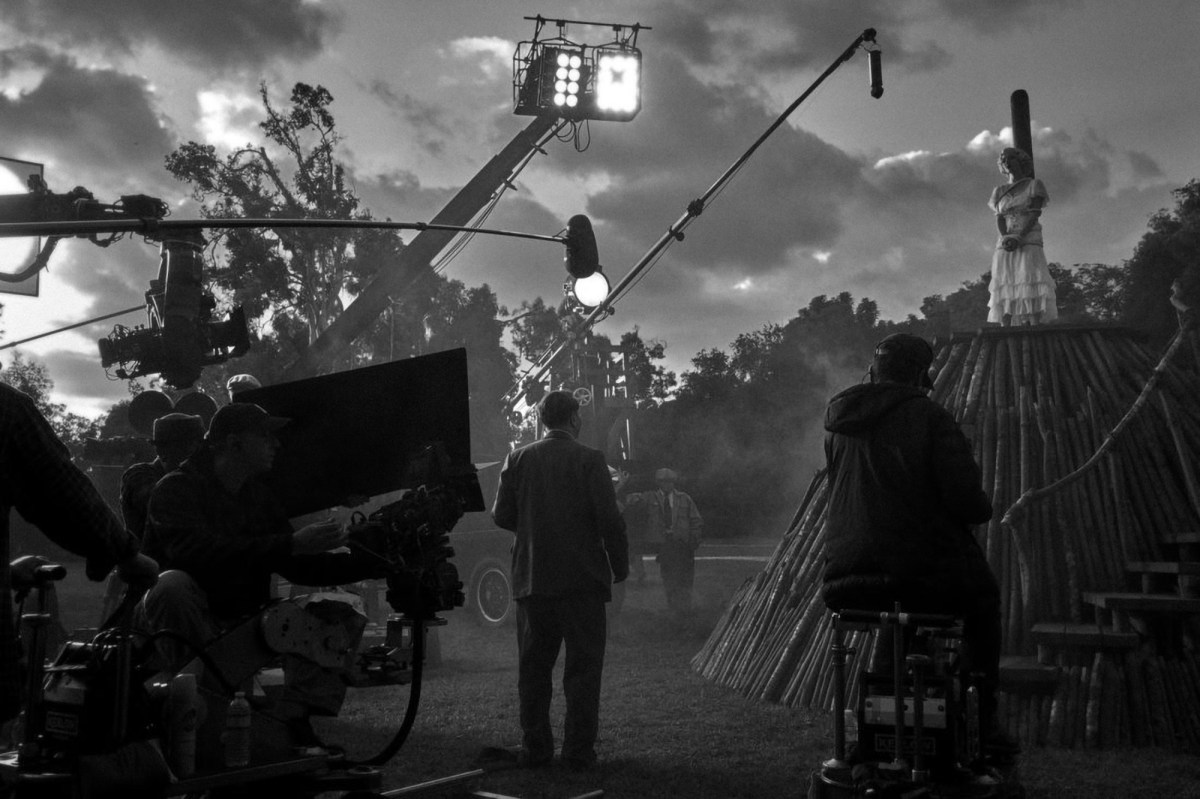
Gary Oldman as Mank, with Tom Pelphrey as his younger brother Joseph and a junior aide on an MGM studio soundstage.

September 28, 2020
Empire

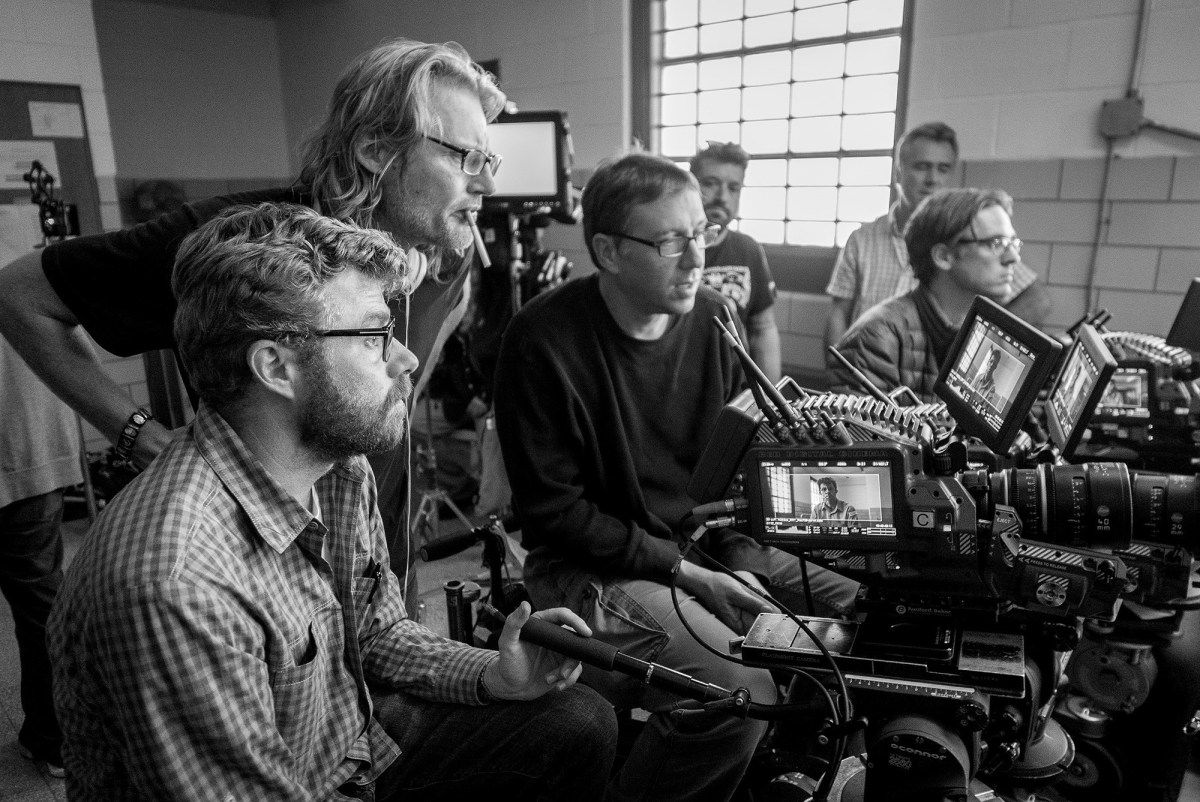
Gary Oldman and the director David Fincher working together on set.

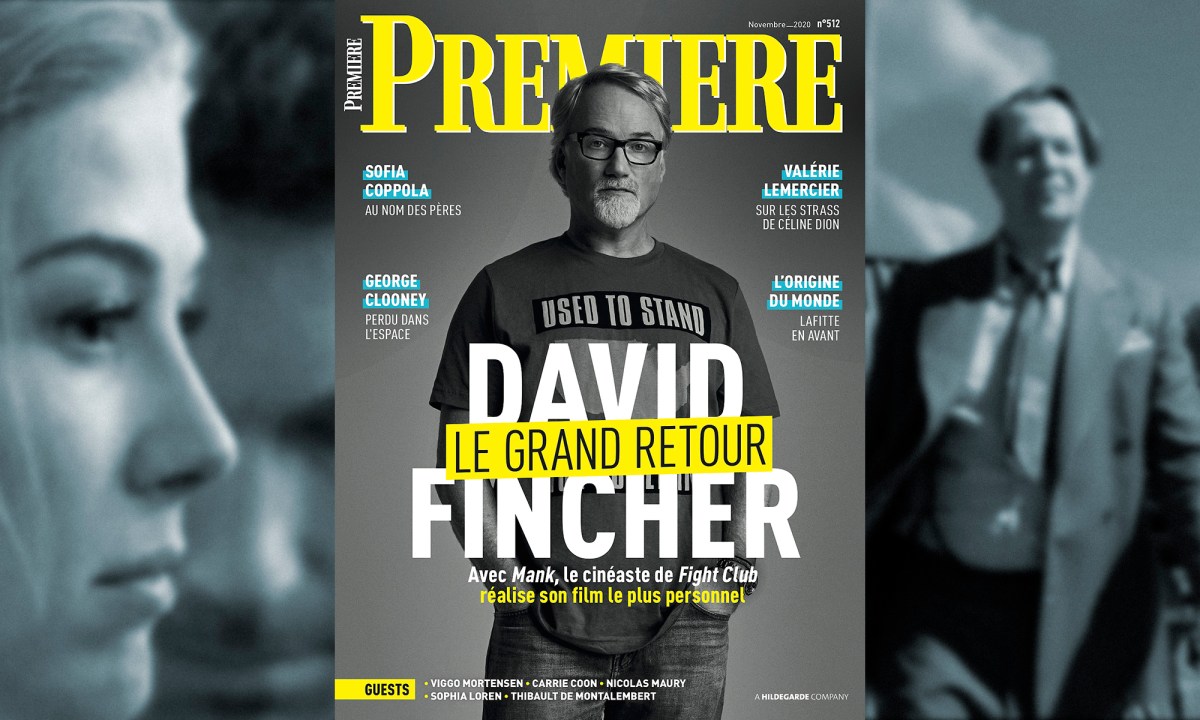
As seen in Empire’s feature about the making of Mank – which takes David Fincher back to the Golden Age of Hollywood, with a screenplay written by his own late father, Jack Fincher:

Mank: Gary Oldman On Giving A Stripped-Down Performance In David Fincher’s Hollywood Tale

Read Nev Pierce‘s full Mank set visit in the Chadwick Boseman Empire tribute issue, on sale Thursday 1 October, in print and digital (iOS & Android).

𝚌𝚘𝚖𝚒𝚗𝚐 𝚜𝚘𝚘𝚗

The Social Network. Ten Years Later

Andrew Saladino
September 23, 2020
The Royal Ocean Film Society

Watch it on vimeo

The first 1000 people to use this link will get a free trial of Skillshare Premium Membership.

Want to see every new Royal Ocean video EARLY? Check out our Patreon page!

Sources / Further Reading:

Inventing Facebook by Mark Harris
Mark Zuckerberg Tried To Stop The Social Network From Being Made by Alyson Shontell
Did Network Predict the Future of Television? by Steven Rosenbaum

Music: Chris Zabriskie – “Candlepower”

You can follow me through: Twitter, Vimeo

All Hell Broke Loose: David Fincher’s Se7en And The Medieval Morality Play

David Fincher’s grisly neo-noir turns 25 this year, but its major influences go back much further than the film industry. Kristina Murkett explores the film’s roots in the medieval morality play

Kristina Murkett
September 25, 2020
The Quietus

The gruesome, grim and gut-wrenching ending of Se7en is unparalleled. The “What’s in the box?” scene is a murderous masterpiece; Fincher’s direction is so violent, visceral and unsettling that the scene becomes not only about an execution on film, but the execution of film-making.

All of the elements in this scene combine to create the final climax in which detective David Mills (Brad Pitt) shoots serial-killer John Doe (Kevin Spacey): the sickly yellow colour palette; the handheld camera shots; the ominous crescendo in the score; and the menacing metaphor of Doe’s silhouette in his blood-red uniform against the setting sun.

In killing him, Mills fulfils Doe’s prophecy; in Doe’s own words, he “[becomes] vengeance, [becomes] wrath.”

Twenty-five years ago, when audiences first walked out of the cinema solemn and more than a little shell-shocked, critics realised the seismic power of the film. Roger Ebert said that​ “Se7en is one of the darkest and most merciless films ever made in the Hollywood mainstream,” whilst John Wrathall described it as “the most complex and disturbing entry in the serial killer genre since Manhunter.”

These reviews still ring true; the film’s themes are intense, insidious, and irredeemably gloomy, and yet the performances and psychological terror of the script are still undeniably gripping. Its box-office success (it was the seventh-highest grossing film of 1995) arguably secured Fincher’s image as a master of bleak, bold blockbusters, and it is still the 28th most highly rated film of all time on IMDb.

There are many works that had an important influence on the film: Silence of the Lambs, Psycho and M, to name a few. However, one of the most revelatory influences, and one that can help us to understand the fatal foreshadowing of the characters’ endings, is actually a genre that came 500 years before Se7en: the medieval morality play.

Read the full article

When David Fincher Changed TV Forever

To celebrate the 25th anniversary of Se7en and the 10th anniversary of The Social NetworkThe Ringer hereby dubs September 21-25 David Fincher Week. Join us all throughout the week as we celebrate and examine the man, the myth, and his impeccable body of work.

Thanks to ‘House of Cards,’ the man so deeply associated with filmmaking may ironically be best remembered for his impact on the streaming revolution

Alison Herman
September 25, 2020
The Ringer

Try and think back, if you can, to 2013. Obama has just won a second term. “Netflix” still means DVDs in red envelopes. And the idea of a major director deigning to do TV is remarkable enough to turn heads.

David Fincher was hardly the first name-brand auteur to try his hand at the small screen. Most famously, David Lynch brought paranormal dread to primetime with Twin Peaks in 1989; Steven Spielberg directed multiple episodes of his NBC anthology Amazing Stories, with subsequent chapters helmed by Clint Eastwood, Martin Scorsese, and Danny DeVito. But Fincher is neither an irrepressible weirdo prone to counterintuitive career moves nor a middlebrow populist with a family-friendly sensibility. He is, in many ways, a textbook Film Director: an uncompromising visionary who makes dark, violent, and above all, precise movies for adults. Fincher is the last person you could picture taking notes from a network executive, or taking part in the logistical corner-cutting that marks so much of TV production, which naturally made him the first person an up-and-coming entertainment hub would call to signal they’re Not Like Other Networks.

Read the full article

The Everything David Fincher Ranking

What better way to honor the notoriously obsessive director than by obsessively organizing all of his movies, music videos, and commercials?

Amanda DobbinsSean Fennessey, and Chris Ryan
September 25, 2020
The Ringer

To celebrate the 25th anniversary of Se7en and the 10th anniversary of The Social Network, The Ringer dubbed this past week David Fincher Week.

And to cap things off, noted Fincher fans Sean Fennessey, Chris Ryan, and Amanda Dobbins ranked everything in the director’s catalog—from the movies to the music videos to the commercials—on The Big Picture. What follows is an edited, truncated version of their conversation (slash debate).

Read the full list and listen to the podcast

Before ‘The Last Jedi,’ There Was ‘Alien 3’

To celebrate the 25th anniversary of Se7en and the 10th anniversary of The Social NetworkThe Ringer hereby dubs September 21-25 David Fincher Week. Join us all throughout the week as we celebrate and examine the man, the myth, and his impeccable body of work.

David Fincher’s entry in the ‘Alien’ franchise was particularly dark and divergent from the tone of its two predecessors. The director has disavowed it. But, in retrospect, the film may not have deserved all the flak it received.

Miles Surrey
September 25, 2020
The Ringer

Here’s my lukewarm take about the Alien franchise: Every single film is good in its own unique way. (Like most Alien fans, I’m going to pretend that the two spinoffs in which Xenomorphs fight Predators do not actually exist—those are quite bad.) Instead of following a regimented franchise blueprint like the Marvel Cinematic Universe, the series has given blank slates to its talented filmmakers. But what the franchise has lost in continuity, it’s gained in the creation of some of the most ambitious projects conceived at a blockbuster scale.

For the first Alien, and his second feature film, Ridley Scott crafted a tense, claustrophobic, existential horror movie—one frequently likened to a haunted house in space. Alien remains, to this day, scary as all hell; the chestburster scene is an all-timer. The follow-up, Aliens, directed by up-and-comer James Cameron after his success with The Terminator, is a loud, chaotic action film inspired by the Vietnam War. What Aliens lacks in scares, it makes up for in firepower and iconic one-liners. The fourth movie in the franchise, Alien: Resurrection, is a campy romp from the director of Amelie (Jean-Pierre Jeunet) in which an eccentric space general holds a chunk of his own brain after a Xenomorph takes a chunk out of his skull, Winona Ryder is a robot, and Sigourney Weaver’s Ellen Ripley dunks a basketball. When the franchise returned to Scott for the prequels Prometheus and Alien: Covenant, Scott used the Alien mythos to ponder the origins of mankind and what happens when an android that looks like Michael Fassbender tries to play God—and wherein Michael Fassbender becomes scarier than the actual Xenomorphs.

Read the full article

The Implied Horror of David Fincher’s Basements

To celebrate the 25th anniversary of Se7en and the 10th anniversary of The Social NetworkThe Ringer hereby dubs September 21-25 David Fincher Week. Join us all throughout the week as we celebrate and examine the man, the myth, and his impeccable body of work.

The director rarely lets his films slip into full-on gore, but the possibilities he creates within his viewers’ imaginations are even more disturbing

Miles Surrey
September 24, 2020
The Ringer

If you ever had a basement growing up, the thought of descending down the stairs for a menial task could feel like a perilous journey during which a ghastly creature hiding in the darkness could snatch you at any second. Never mind that every other time you’d gone down to the basement nothing happened—that’s exactly what the monster wanted you to think. A kid’s imagination is potent; and Hollywood has a knack for stoking that specific, universal type of fear and paranoia. It’s the basement, after all, where the Babadook ultimately resides. (At least from what I recall: The Babadook is a good movie and I plan to never watch it again.)

It’s within that space of imagining the worst possible scenario that David Fincher wrings the scariest moment from Zodiac, arguably the great director’s greatest achievement. In Robert Graysmith’s exhaustive search to unmask the Zodiac Killer, he meets a man who supposedly has a tip about the serial killer’s true identity, only to discover that two potential clues he had for the Zodiac—that the killer likely owned a basement, which is rare in California, and that he had a distinctive style of handwriting—are right in front of him. The stranger does own a basement; the handwriting Graysmith thought was the Zodiac’s actually belongs to the person whose home he just entered. That Graysmith is successfully lured into the man’s basement on a dark and stormy night only heightens the feeling that something really bad is going to happen. Obsessive curiosity and the search for truth supplant fear and Graysmith’s own survival instinct.

Read the full article