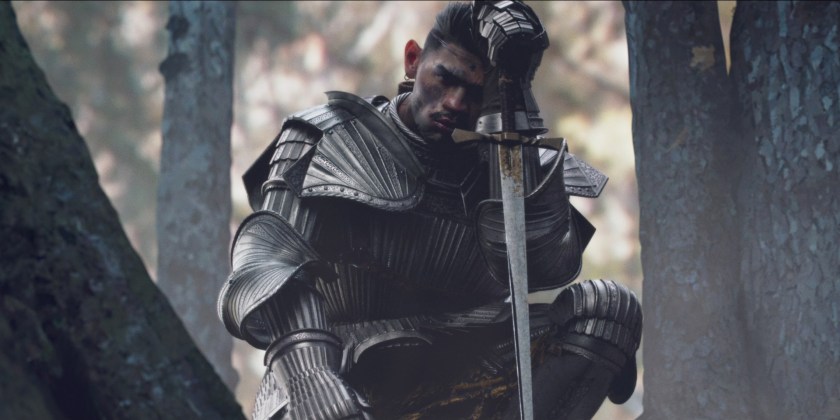
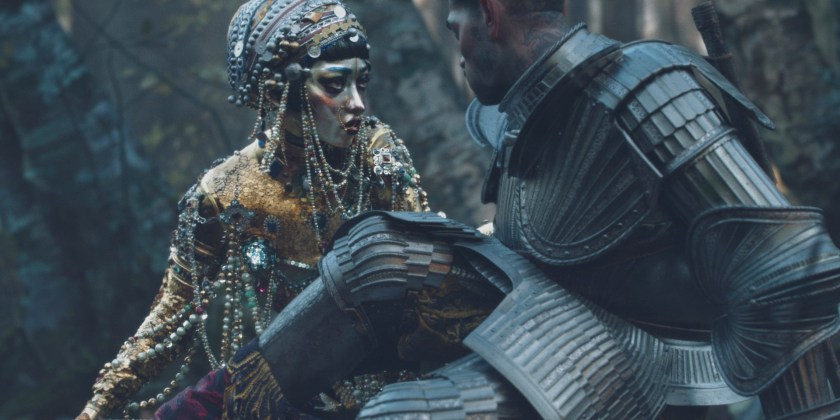
Oscar and Emmy winner Alberto Mielgo tells IndieWire about returning to the anthology with an animated original about a golden siren and an armored knight.
The director made his first animated short for the new season of this Netflix anthology. “It was an incredibly freeing, eye-opening, mind-expanding way to interface with a story,” he said.
Before David Fincher became an A-list director and multiple Oscar and Emmy nominee — lauded for of-the-moment films like “Fight Club” and “The Social Network” and the TV series “House of Cards” and “Mindhunter” — he was one of the co-founders of the production company Propaganda Films. Propaganda was known for its visually dazzling TV commercials and music videos, and Fincher honed his craft in dozens of miniature movies made in myriad styles.
Yet until recently, he had never directed animation, even though he loves the medium so much that he signed on a few years ago to be an executive producer of the Netflix anthology animation series “Love, Death + Robots,” which returns for its third season on Friday.
“Love, Death + Robots” sprung from the ashes of a project Fincher had been developing with the “Deadpool” director Tim Miller since the late 2000s: a revival of “Heavy Metal,” the animated movie series inspired by the adults-only science-fiction and fantasy comics magazine. The first season of “Love, Death + Robots” debuted in 2019, featuring 18 episodes (ranging in length from 6 to 17 minutes) that adapted short stories by genre favorites like Peter F. Hamilton, John Scalzi and Joe Lansdale. An eight-episode second season followed in 2021.
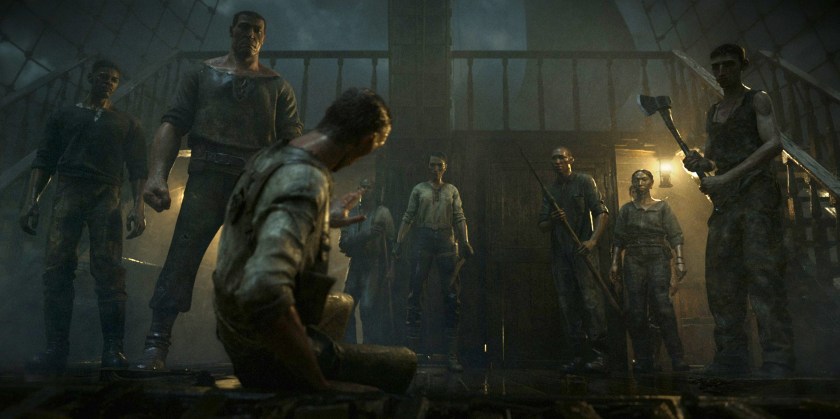
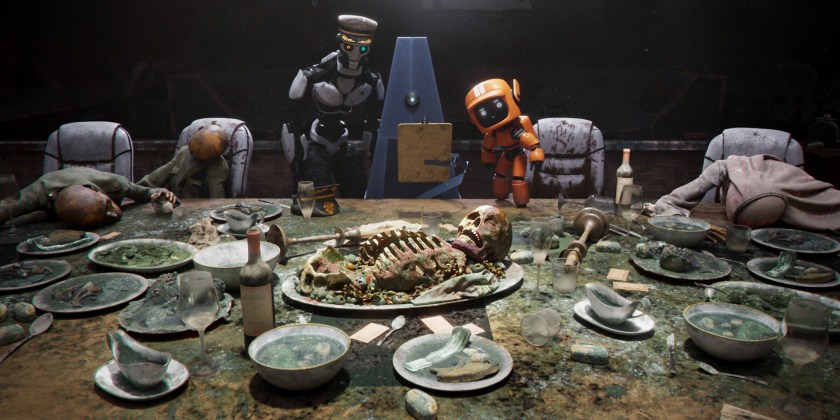
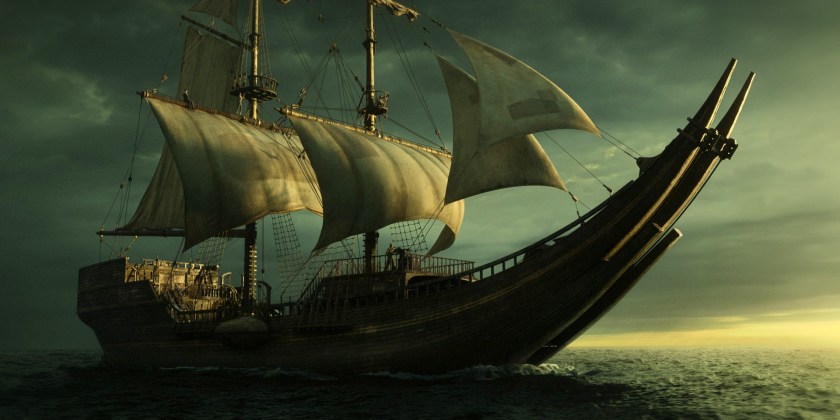
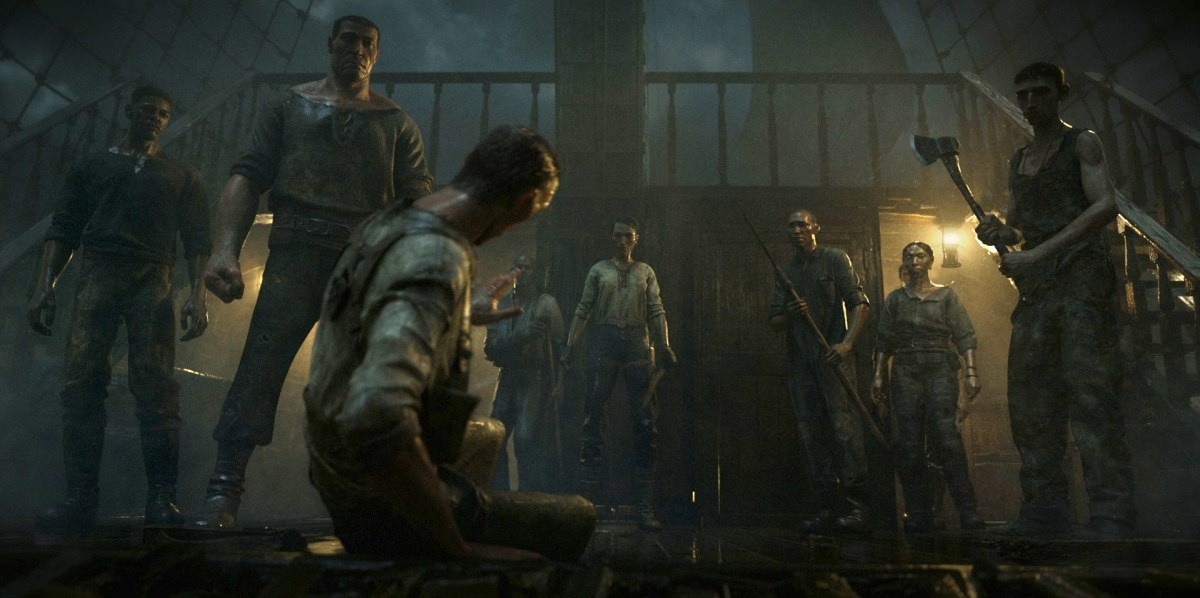
Despite his involvement, Fincher never made a short of his own until Season 3, when he and the screenwriter Andrew Kevin Walker (who wrote Fincher’s crime thriller “Seven”) tackled a tale by the British science-fiction author Neal Asher called “Bad Travelling.” Set on the high seas on a distant planet, the story follows a merchant ship as it is tormented by a giant, intelligent crab that manipulates the crew members and then eliminates them one by one. Fincher described the short as “like a David Lean movie crossed with ‘Ten Little Indians.’”
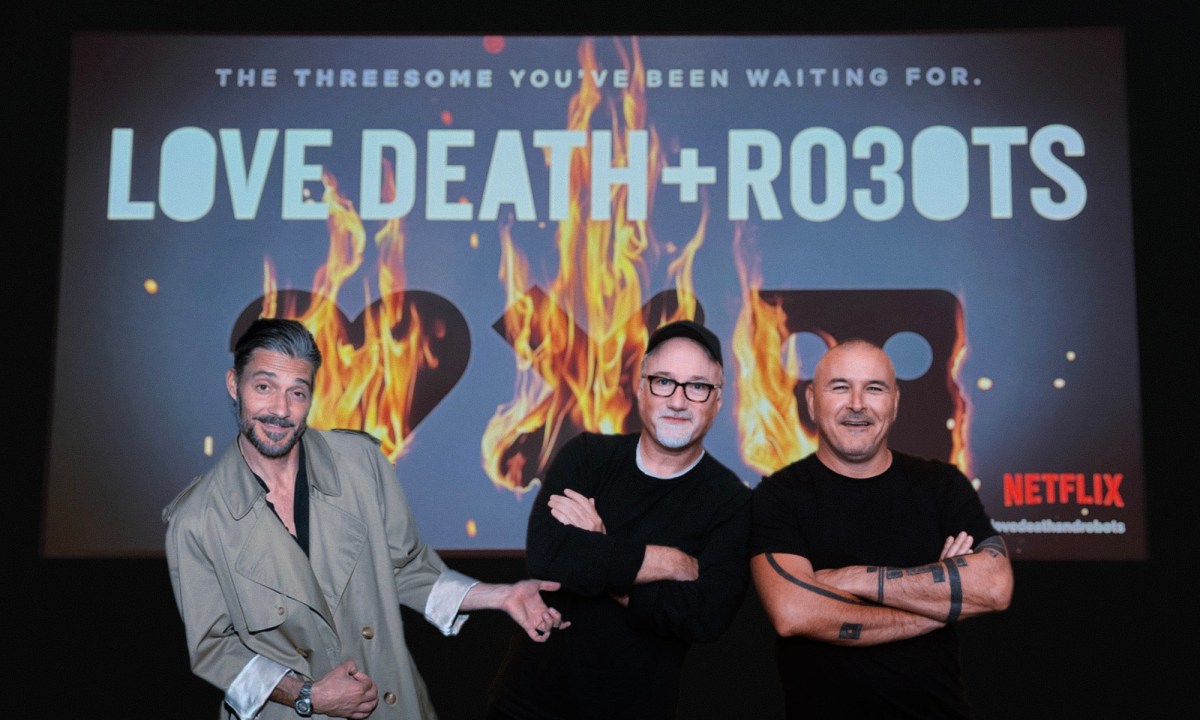
This month will see the return of “Love, Death + Robots” on Netflix, which is produced by Tim Miller and David Fincher. With the third volume arriving, something special is happening. Fincher will be helming his first animated short for the anthology streaming series.
Netflix has released a new trailer and announced Fincher is directing the segment “Bad Travelling” which was written by screenwriter Andrew Kevin Walker (“Se7en”) and based on a short story by Miller’s longtime pal, author Neal Asher. This marks Fincher’s first time directing something for the streaming series.
Netflix has also included a synopsis that reads as follows:
“A jable shark-hunting sailing vessel is attacked by a giant crustacean whose size and intelligence is matched only by its appetite. Mutiny, betrayal, and ventriloquism with a corpse.”
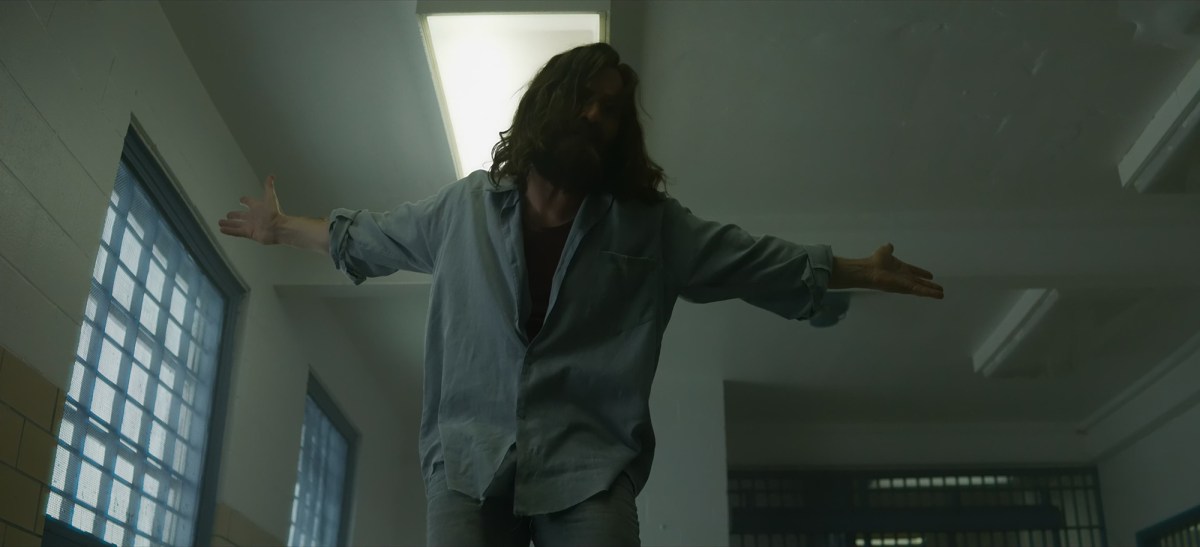
It’s not often that we as viewers and lovers of television get an inside scoop on what the future of a favorite show would have been — especially once it’s canceled. In the case of Netflix’s Mindhunter, which released its second season back in 2019, the series technically wasn’t canceled so much as a possible third season was put on “indefinite hold” per David Fincher, though the series’ executive producer has also confirmed in interviews since that Season 3 likely isn’t happening, partly due to the fact that it would have required an even steeper budget than the previous one. Now, thanks to Season 2 director Andrew Dominik, we have even more of a sense of why Mindhunter‘s dead-in-the-water third season would’ve had a higher price tag.
In speaking with Collider‘s own Steve Weintraub in a long-spanning interview about his documentary about Nick Cave and Warren Ellis, This Much I Know to Be True, the director also briefly touched on not only his experience with directing two of Mindhunter‘s Season 2 episodes, but also what the third season would have entailed in terms of its main story — as well as which real-life figures the FBI Behavioral Science Unit team consisting of Holden Ford (Jonathan Groff), Bill Tench (Holt McCallany), and potentially even psychologist Wendy Carr (Anna Torv) would have crossed paths with.
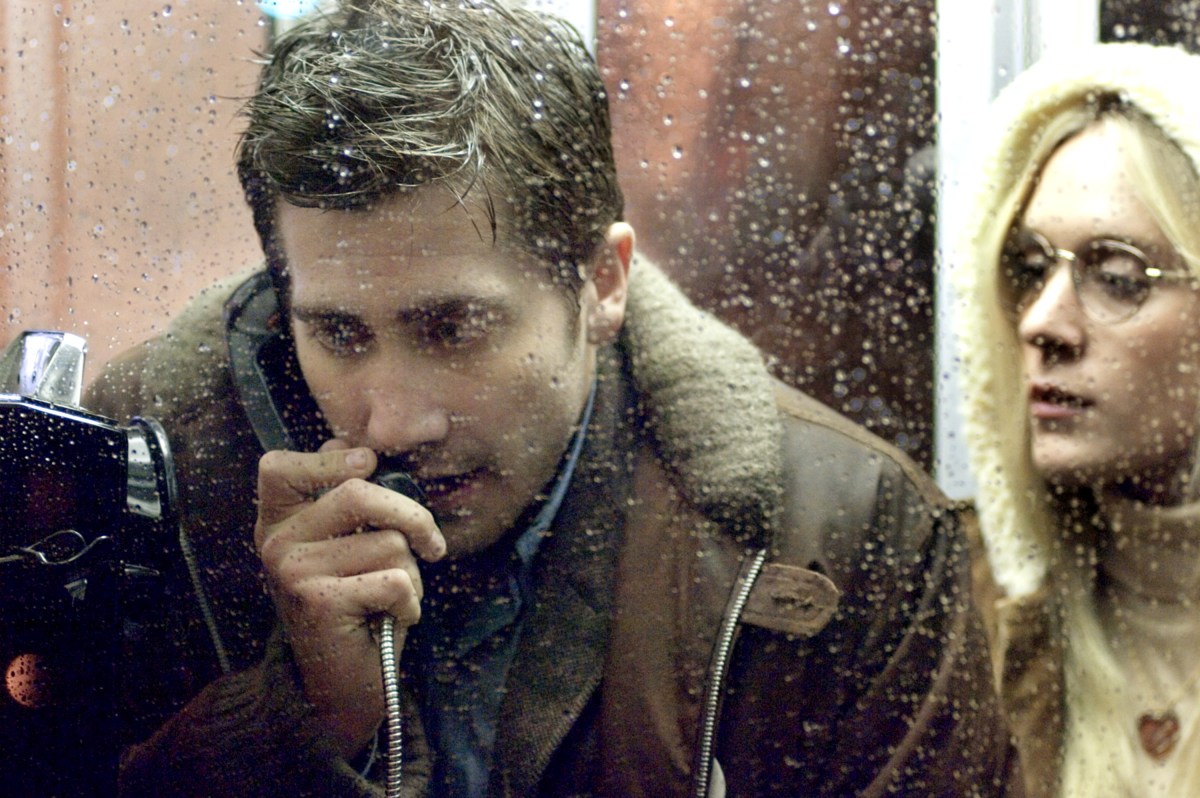
This week marks 15 years since “Zodiac” was released in theaters, and save for the actors looking 15 years younger than they do now, the film still feels like it could be released today. If anything, “Zodiac” feels more like a product of 2022 than 2007. The country is more obsessed with serial killers than ever before, with true crime podcasts and documentaries continuing to draw massive ratings, Zodiac killer memes being used in presidential primaries, and the latest Batman movie taking the form of a serial killer drama.
That makes it a great time to revisit “Zodiac,” as well as a good opportunity to take a deep dive into the making of the film. “Zodiac” attracted as much attention for its painstaking production process as it did for the finished product, as the always detail-oriented David Fincher went above and beyond to make sure everything in his film was historically accurate. Sometimes his methodical process hurt his relationships with the cast, but one thing is for certain: They made a great movie.
The Unmaking Of Movies. In-depth accounts of the ‘Greatest Movies Never Made’, Prominent ‘what ifs?’. Behind the scenes looks at canceled movies, lost projects, and the reasons why some projects went down in flames of development hell… Superman, Batman, Iron Man, Spider-Man, He-Man, Aliens, Hellboy, Robocop,and many more!
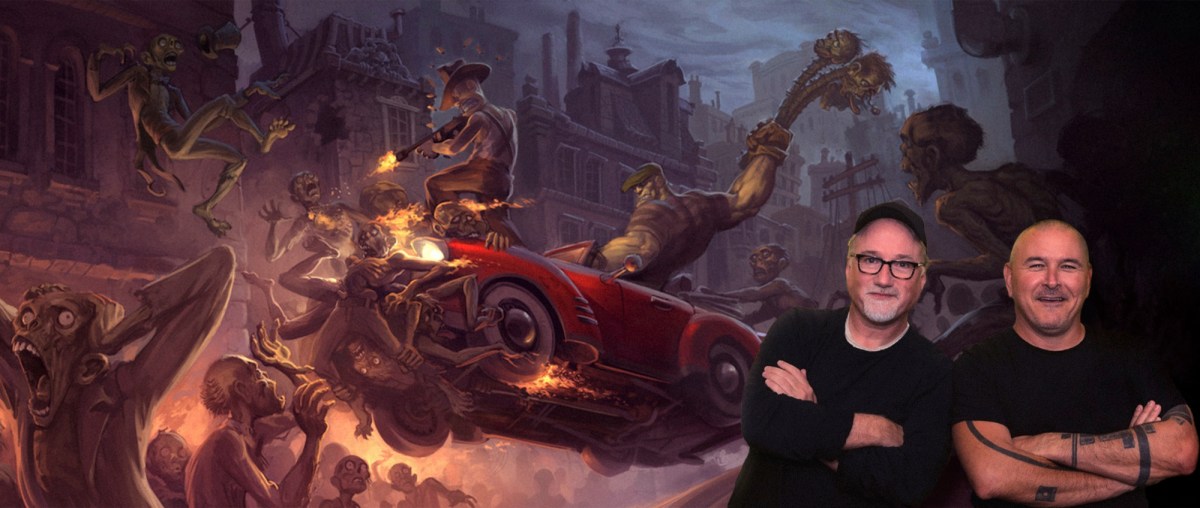
David Fincher has long been signed to produce a movie adaptation of Eric Powell‘s cult comic book: The Goon, published by Dark Horse, to be co-directed by Tim Miller and Jeff Fowler of Blur Studios with an original screenplay by Powell.
Video contains test animation for the David Fincher / Blur Studios / Dark Horse Entertainment produced film The Goon. Based on the Dark Horse Comic series by Eric Powell. Clancy Brown and Paul Giamatti provided the voices for this test. All artwork & footage belongs to its respective creators.
David Prior got his break directing DVD special features for such David Fincher films as “Zodiac” and “The Social Network.” He obviously drew on that work experience in writing and directing his debut horror feature film, “The Empty Man.”
“Any time you spent hanging around the set with David Fincher or Peter Weir or any number of the other people that I’ve been able to hang around the set with, it’s always going to be valuable,” Prior said.
“The Empty Man” focuses on an ex-detective named James Lasombra. James is grieving the deaths of his wife and son. He helps his friend Nora whose daughter has gone missing.
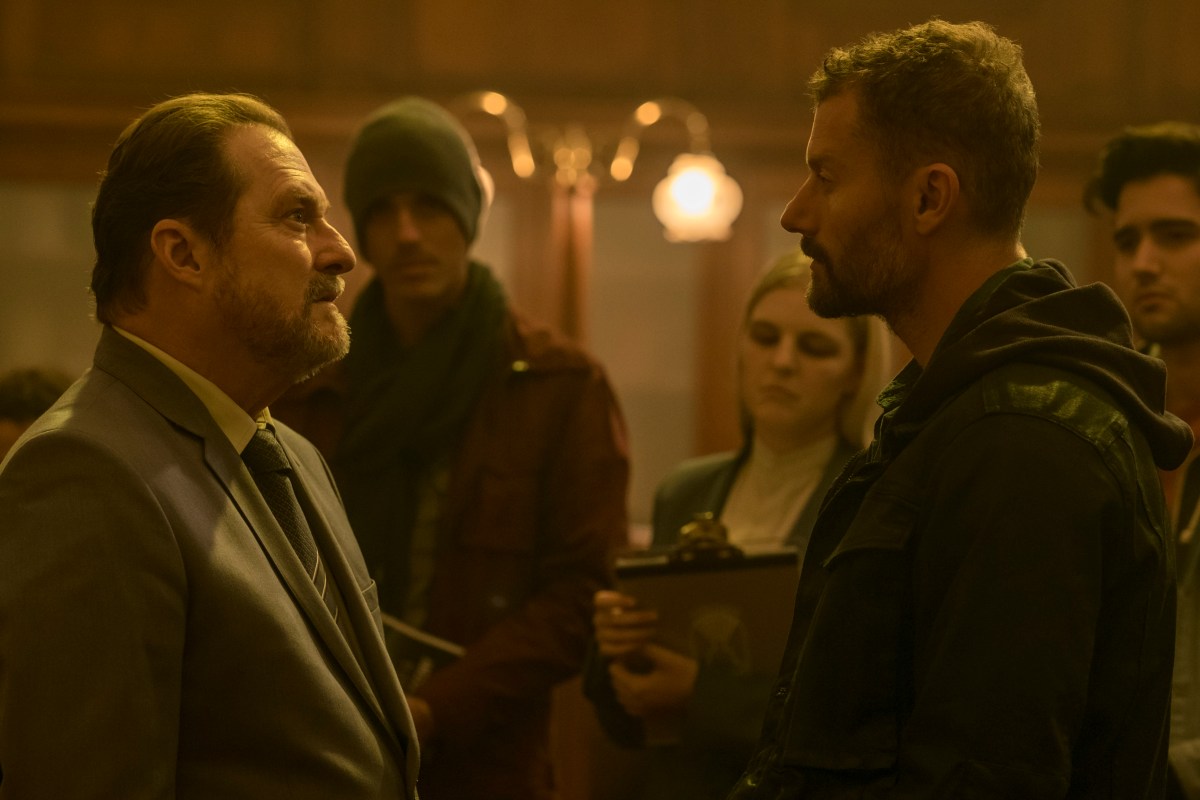
James’s investigation leads him to a sinister organization called The Pontifex Institute, which turns out to be a cult. The film stars James Badge Dale, and chameleon-like actor Stephen Root who delivers a great performance as the cult’s leader.
The movie also became embroiled in a mega media merger that delayed and botched its release. “The Empty Man” features an impending sense of dread and doom and themes of guilt, grief, the meaning of existence and mind control. Prior explains to WPR‘s “BETA” why he wanted to include such big ideas in his film.
When the twist-filled cosmic horror mind-bender The Empty Manwas unceremoniously dumped in theaters last October, its writer and director David Prior wasn’t even sent a link to the final version of the film by the studio. More than four years before, he’d pitched the movie to 20th Century Fox, a perhaps unconventional home for such a strange project, and, after the company was acquired by Disney in 2019, Prior’s debut feature slipped through the corporate cracks. In the middle of a global pandemic, The Empty Man was released with one misleading trailer, which marketed the two-hour-plus saga as another urban legend-inspired teen thriller, and minimal promotional fanfare. Unsurprisingly, it bombed, grossing just over $4 million worldwide. Prior transmitted and almost no one received.
Adapted from a Boom! Studios comic by the writer Cullen Bunn and artist Vanesa R. Del Rey, The Empty Man was initially sold to Fox in 2016 as a stylish horror mystery infused with thematic ambiguity, existential dread, and a dash of Lovecraftian terror. James Badge Dale plays ex-detective James Lasombra, a grief-stricken widower whose friend Nora (Marin Ireland) enlists him to help find her daughter Amanda (Sasha Frolova) after she disappears. Amanda and her teenage friends may or may not have summoned the Empty Man, a mystical entity with an odd connection to a cult-like organization called the Pontifex Institute, led by a charismatic leader played by Stephen Root of Office Space and Barry. (I’ve been describing it to friends as The Girl with the Dragon Tattoo meets The Ring.) In his early conversations with executives, Prior compared it to Mulholland Drive rather than something in The Conjuring universe or the Blumhouse arsenal. In the writing stage, executives even encouraged him to expand the film’s lengthy opening, a snowbound tale of hikers in Bhutan’s Ura Valley who stumble upon a sinister cave.
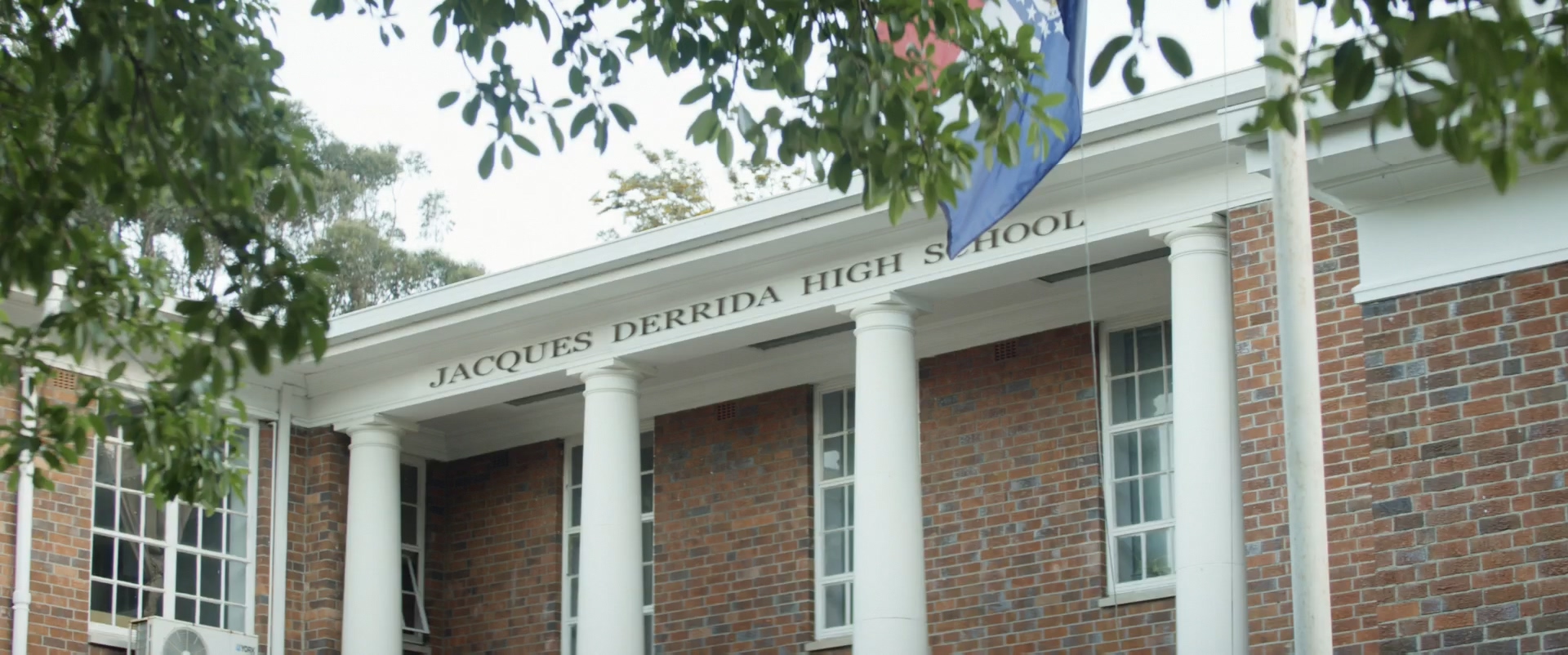
The Empty Man‘s journey to the big screen quickly unraveled. In some ways, the story has all the hallmarks of classic Hollywood fiasco: a shoot plagued by bad weather, disastrous test screenings, fights over runtime, studio meddling, a breakdown in communication, and an ambitious first-time director threading potentially alienating material into familiar genre fare. (Not many horror movies have a prominent shot of a high school named after a famous French philosopher.) In other ways, it’s a uniquely modern tale of mounting corporate neglect, expiring tax rebates, confusing IP mismanagement, and slow-building social media advocacy.
Are audiences hungry for movies like The Empty Man? The movie’s box office performance would suggest a definitive no, but, since becoming available as a digital rental in 2021, the film has taken on a second life online, where podcast hosts and viewers on platforms like Twitter and Letterboxd have sung its praises, turning it into the rare 21st century studio project that earns the over-used descriptor of “cult movie.”
Prior, who began his career working on a DVD of the 1999 horror movie Ravenous and later directed special features for David Fincher films like Zodiac and The Social Network, has a keen awareness of how his movie plays into certain narratives. Over a Google Hangout, he spoke with the combination of weary cynicism and wounded pride that often accompanies someone who has been through an ordeal. “It’s amazing how trenchant Barton Fink is about the way the Hollywood system really works,” he noted early in the conversation.
As the Coen Brothers screenwriter protagonist knows, the “life of the mind” can be painful. While unpacking the jargon-heavy mythology of his debut and the turmoil-packed narrative of its production, Prior repeatedly emphasized how grateful he was that the movie has found an audience and often laughed at the absurdity of its fate. Who can be blamed for what happened to The Empty Man? As one of the movie’s grizzled detectives remarks in the film, “We can’t indict the cosmos.”
Welcome to the Rock ‘n Roll Ghost Podcast. On this episode, the Ghost speaks with musician and composer Jason Hill about his career dating back to his days in the bands Convoy, Louis XIV and Vicki Cryer. As well as his work with The Killers and producing/touring with the New York Dolls and the recent passing of Sylvain Sylvain. Hill also talks about his late career turn towards film and TV composing. He has worked closely with director David Fincher on projects such as Fincher’s Gone Girl and the Netflix series Mindhunter. It’s a pretty wide ranging, fun interview with someone I go back nearly twenty years with.
Also, starting April 1st, Hill will be hosting Film Composing and Music production masterclasses. Check out the Department of Recording and Power‘s website for more information.











 The Fincher Analyst