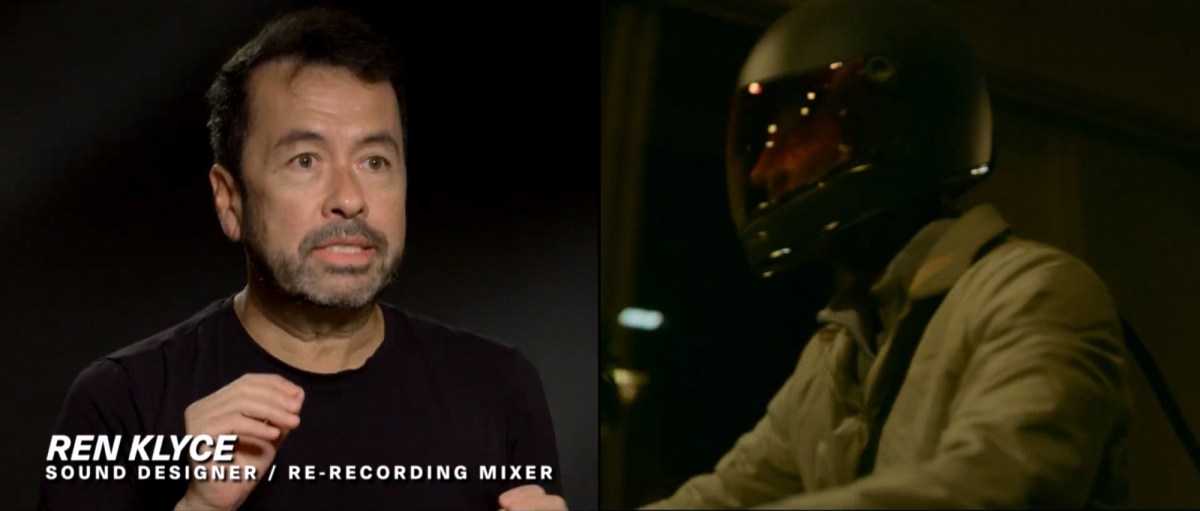
David Fincher’s films have often been analyzed for their visual style – the exacting cinematography, precise editing, muted color palette, and meticulous construction of the frame. But with the release of The Killer, people are starting to take note of another aspect – his evocative use of SOUND. However, you can’t really discuss the sonic landscape of a Fincher film without talking about his longest creative collaborator – sound designer Ren Klyce. From Se7en to The Killer, and every project in between, Klyce’s mixes have provided a crucial aural backdrop, frequently blurring the line between sound and music. They both build a textural ambience that sets the tone of the film while also allowing us to access the subjectivity of the characters on screen. So let’s explore how a David Fincher film sounds.
CHAPTERS:
0:00: Intro 1:33: Se7en & Ren Klyce 2:43: The Girl with the Dragon Tattoo 5:01: Zodiac & Musique Concrète 8:15: Role as Re-recording Mixer 10:33: Trent Reznor & Atticus Ross 11:43: The Social Network & Expressionistic Sound
You wouldn’t think that Ren Klycewould have a whole lot more to learn about his job as a sound professional on movies. He’s been at it for nearly 30 years, going back to “Se7en” in 1995 and presiding as director David Fincher‘s designated sound guy ever since. He’s earned nine Academy Award nominations for his sonic work, including on Fincher’s “Fight Club,” “The Social Network,” “The Curious Case of Benjamin Button,” “The Girl with the Dragon Tattoo” and “Mank.” And yet while discussing his latest collaboration with his favorite director, Netflix‘s “The Killer,” he asserts, “I learned a lot on this film. I think I learn every time. I always think, ‘Oh, I’m finally figuring out how to do my job.’ You get a new project and you realize that you’re learning a whole new set of skills. I like the idea that there’s still sort of a beginner mentality to the approach, and I think that’s actually a healthy way to do any type of work, honestly.”
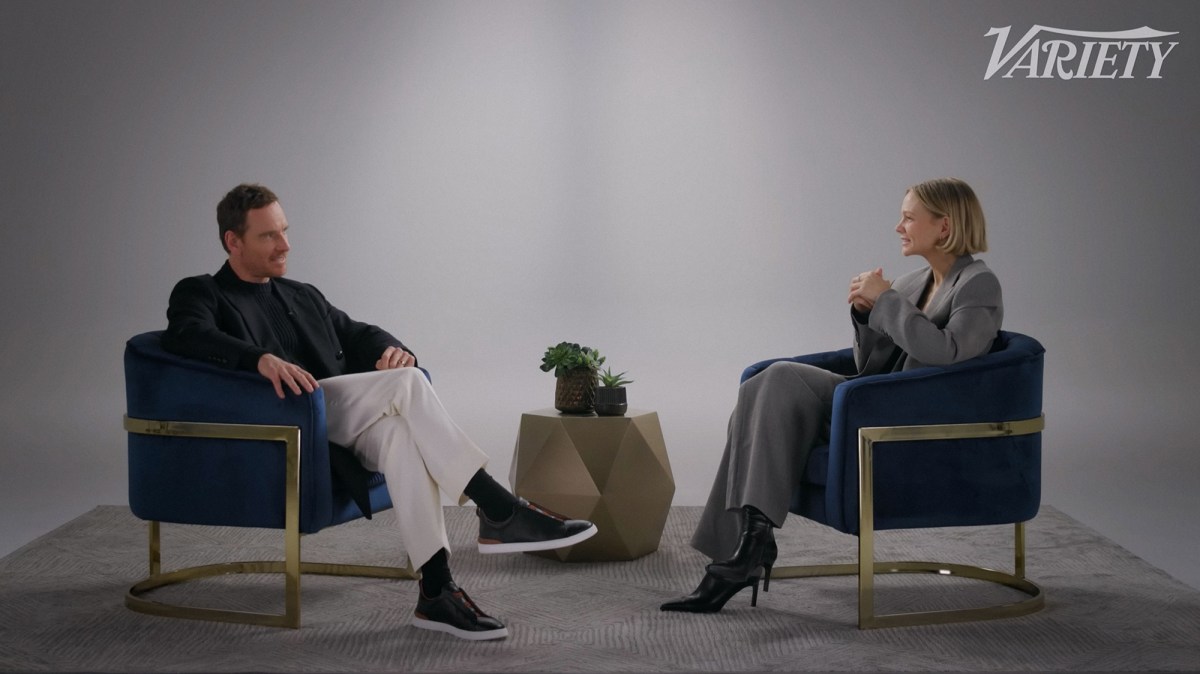
In their Actors on Actors conversation ‘Shame’ costars Carey Mulligan (‘Maestro‘) and Michael Fassbender (‘The Killer‘) reminisce on working with Steve McQueen and talk about the directors they worked with on their current projects, David Fincher and Bradley Cooper.
VarietyActors on Actors presented by AIR from Amazon Studios.
From ‘Shame’ to Netflix Films: Michael Fassbender and Carey Mulligan on Rejection and Being So in Character You Act Without Thinking
In “Maestro” and “The Killer,” the characters played by Carey Mulligan and Michael Fassbender exist in different worlds. Mulligan’s Felicia Montealegre Bernstein, an up-and-coming actress who becomes conductor Leonard Bernstein’s wife and soul mate, breathes rarefied air among East Coast artists from the 1950s through the ’70s. Fassbender’s tightly coiled, mostly silent assassin, meanwhile, travels the world seeking vengeance, while keeping his focus by doing push-ups on his fingertips.
Twelve years ago, though, Fassbender and Mulligan inhabited the same toxic universe, as dysfunctional siblings in 2011’s “Shame.” The film was writer-director Steve McQueen’s bleak, sexually explicit examination of sex addiction through the eyes of Fassbender’s character, Brandon, a New York City executive brought low by his self-destructive desires. Mulligan’s Sissy, a lounge singer, was sorrowful and also boundary-less.
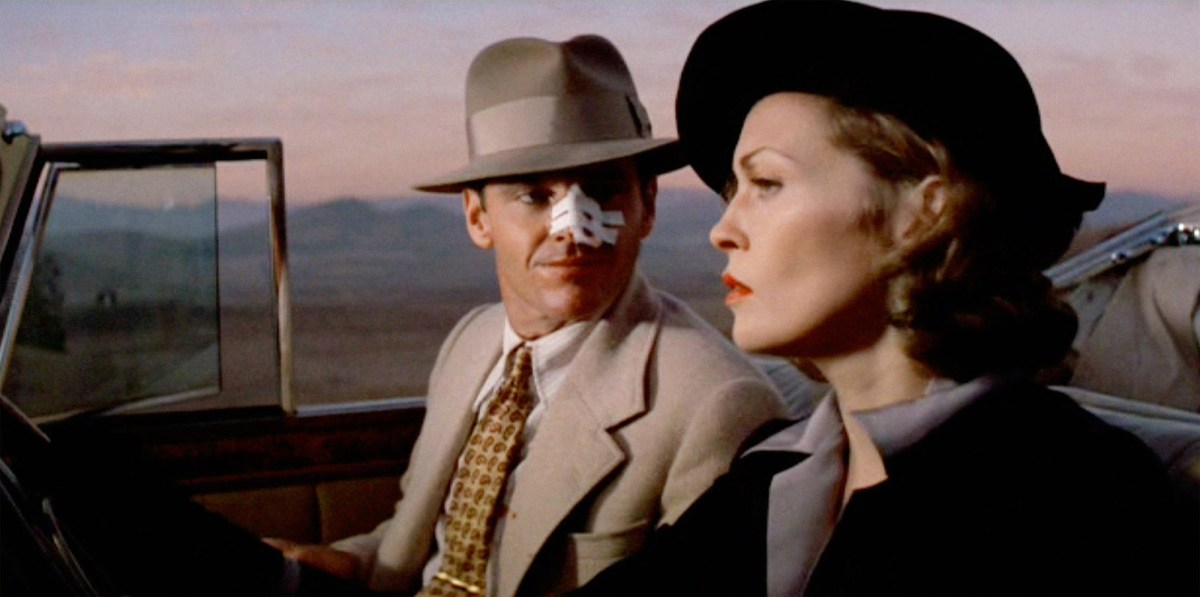
Roman Polanski’s 1974 neo-noir Chinatown is regarded as one of the greatest films of all time. In this episode, we’re joined by Academy Award-winning cinematographer Erik Messerschmidt to discuss this masterpiece of cinema.
We start by talking to Erik about his passion for filmmaking and what led him to a career in cinematography. He shares how he was drawn to the camaraderie and creative collaboration of working on set. Over time, he realized the cinematographer role allowed him to blend his interests in art, science, and technology.
This year, he’s reunited with David Fincher for his adaptation of the graphic novel, The Killer, starring Michael Fassbender, and also teamed up with Michael Mann to shoot his racing biopic, Ferrari, starring Adam Driver.
When it comes to Chinatown, Erik praises the elegant camerawork and seamless visual storytelling. Polanski uses the camera deliberately, guiding the audience through clues and reveals without excessive dialogue. The mystery unfolds through precise editing and minimalist framing. We also discuss the phenomenal performances and how Polanski pulls back at key moments to ground the major plot turns.
Chatting with Erik gave us a new appreciation for the nuance and artistry of Chinatown. It’s a masterclass in subtle visual storytelling that inspired generations of filmmakers. Roman Polanski’s direction and Robert Towne’s script form a potent combination. We highly recommend revisiting this neo-noir gem.
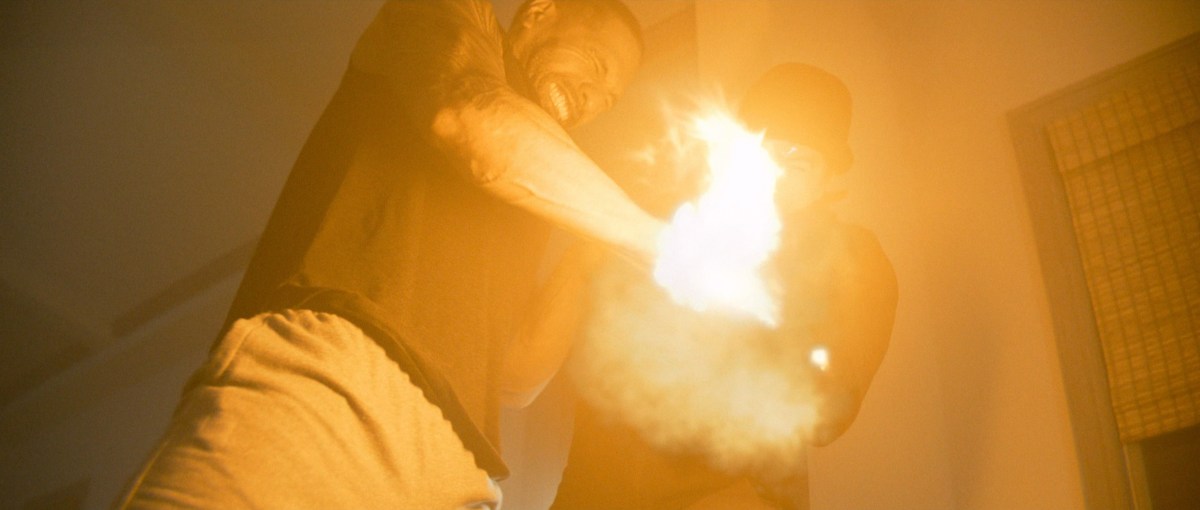
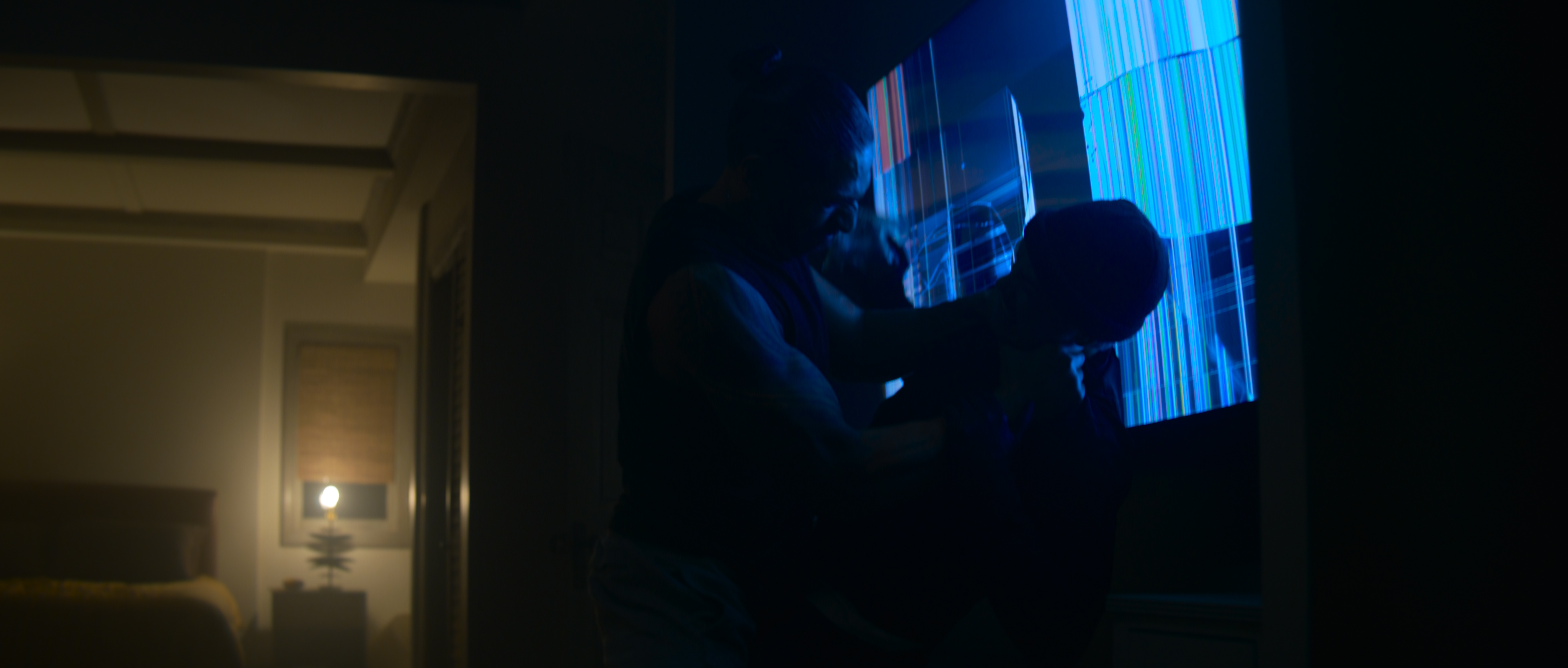
The violence in The Killer isn’t indiscriminate, or extensive, but it has impact. And as much as Michael Fassbender’s hitman often works with a gun, sometimes things required more intimacy than that.
His journey to dispense his brand of justice takes him to Florida to find The Brute (Sala Baker), a mountainous fellow assassin. In the dead of night, he decides to steal into his house – when all hell breaks loose.
“The Brute represents somebody who may have done horrible things to somebody close to him,” says David Fincher, setting the scene. “He’s come to get his retribution. But I always loved the idea that everyone’s plan works… till you get punched in the face.”
The confrontation grows and grows and would require the utmost effort from the cast, stunt team and other heads of department. “It’s full on,” says Michael Fassbender, who does his fair share of stunt work himself, but is clear who is taking the major beating. “It’s the most physical [this sequence]. Not so much for me, as for the two boys. The fight is messy, it’s intense.”
Before battle could commence, the stage needed to be set. Producer William Doyle had found the exterior of The Brute’s house, while the interior was built in a studio space in New Orleans, with production designer Don Burt having to consider what was right for the character, the story and the stunts.
“The set was built in conjunction with the whole design of the fight itself,” says Burt. “There were a couple of instances, like, ‘Let’s put the door here, to the left instead of the right, so that works better for flowing through to the next room.”
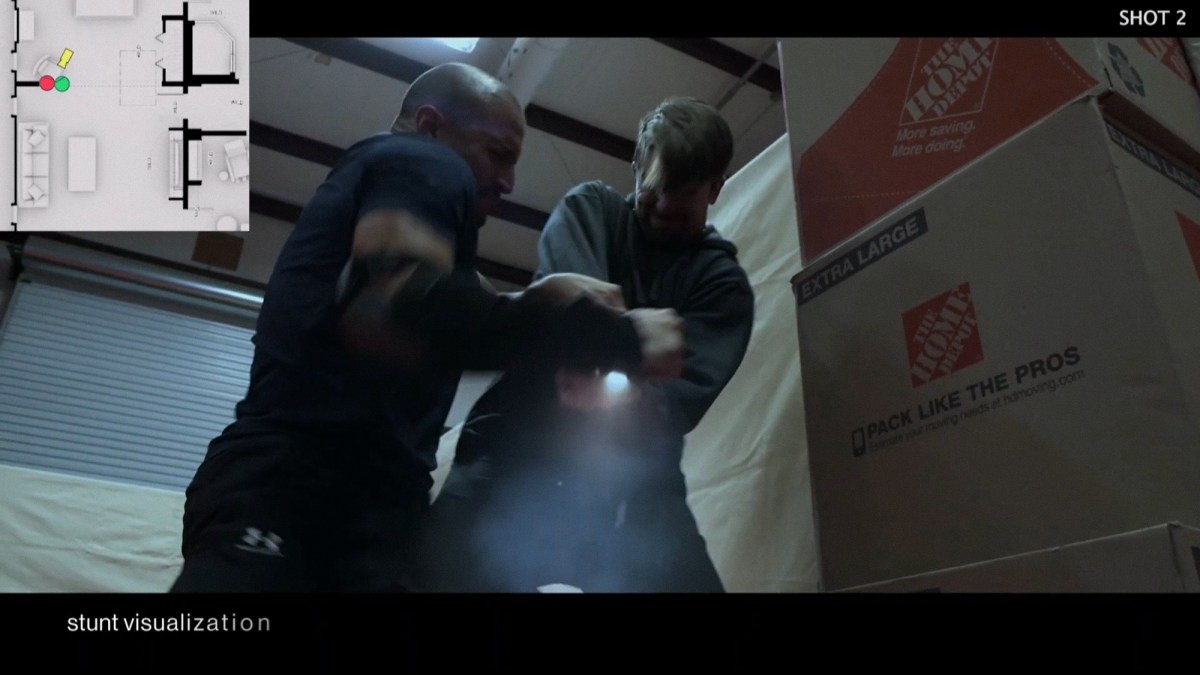
Burt talks highly of fight coordinator Dave Macomber, who worked for months prior to the production to help design the conflict. “He did a video of the action, set up boxes to simulate the rooms and things that would have to be broken, and he would send us specific notes on what would happen.”
There was then time dedicated to a walkthrough rehearsal on the set. “Ceán [Chaffin, producer] made sure that happened early enough so there would be time for the art department to rebound!”
Alongside Burt and Macomber, cinematographer Erik Messerschmidt worked to establish the geography of the house for the audience. “We had to think about how to explain the space, while simultaneously shooting a fight scene,” says Messerschmidt, who points out how they carefully considered the staging with a view to story and commonsense, rather than amping the natural chaos of a fight.
This extended to how the scene was lit with a view to reality. “The sequence is hard, the camera is moving all over the place, the actors are moving all over the place, and it’s fast,” says Messerschmidt. “So we have to think about how we’re going to stage it for the light.”
This meant discussions with the art department about finding sources, from lights fitted under the kitchen cabinets, to establishing streetlights outside. “We decided we wanted hard, artificial street light through the windows,” says Messerschmidt, which meant erecting lights on the exterior location to match that. “In terms of the scope of the movie, a tremendous amount of energy went into just figuring out that fight.”
For fight coordinator Dave Macomber, whose stunt credits include HBO’s Watchmen (2019) and Avengers: Endgame (2019), working with Fincher was a unique experience. “He’s different from any other director I’ve worked with,” says Macomber. “His approach to things, all the intricacies, being able to do the number of set ups he does at the speed that he does.”
He regards the director as being able to predict, or foresee, elements which only become obvious to others in retrospect. “It takes a second to go, ‘Okay, he wants this in order to be able to achieve that!’ Most people only see that when they’re looking at their movie.”
It would be easy to imagine a fight as simply a blizzard of blows, but Macomber sees the possibilities of revealing character in the carnage. “I’ve always thought of fight moves as kind of ‘action dialogue,’” he says. “So whenever we’re creating these kinds of sequences, I’m always trying to keep in mind the motivation of the person within the scene.”
Macomber recalls long conversations with Justin Eaton, the stunt double for Fassbender, as they choreographed the sequence, checking “Does that really make sense?” For Eaton, who has worked with Macomber several times, it was a hugely positive experience, not least because he saw his friend given license to explore what was best for the material. “Fincher gave Dave a lot of freedom, to kind of audition what he thought would be the best way to capture things. Dave was blown away, because Fincher is one of his favorite directors. He’s been like a kid in a candy shop working on this.”
“The way the fight is designed, it’s like each piece goes into the next piece,” says Sala Baker, whose work as a stunt performer and actor goes back to playing the physical incarnation of Sauron in The Lord of the Rings. “David is such a particular mind,” says Baker, who really enjoyed how curious and open the director was, exploring suggestions and ideas to the full. “If you say anything, he’s going to really get into it. And Michael is so easy to work with, fun and open to adjustments.”
Baker also stresses how well-looked after everyone is, however bruising their scenes might be. “It’s such an amazing working environment to have that kind of care.” Pain, of course, when you’re delivering stunts, is part of the job. As Dave Macomber explains, “The way I think about it is there’s a difference between pain and injury. And there’s a difference between injury and debilitating injury. We accept the fact that things are going to be painful!”
“I feel sorry for those guys,” says Fincher, reflecting on the reality of staging the fight, although it all aids the experience on screen. “I like the idea of the audience rooting for this confrontation,” says Fincher. “And then it goes on and on and on. And you’re kind of going, ‘Good God, it’s awful what they’re doing to each other!’”
Director David Fincher, Editor Kirk Baxter, Sound Designer Ren Klyce, Cinematographer Erik Messerschmidt, and Stunt Coordinator Dave Macomberbreak down the fight sequence between The Brute and The Killer in The Killer.
How lucky am I to have been involved in this amazing project, with so many talented people?
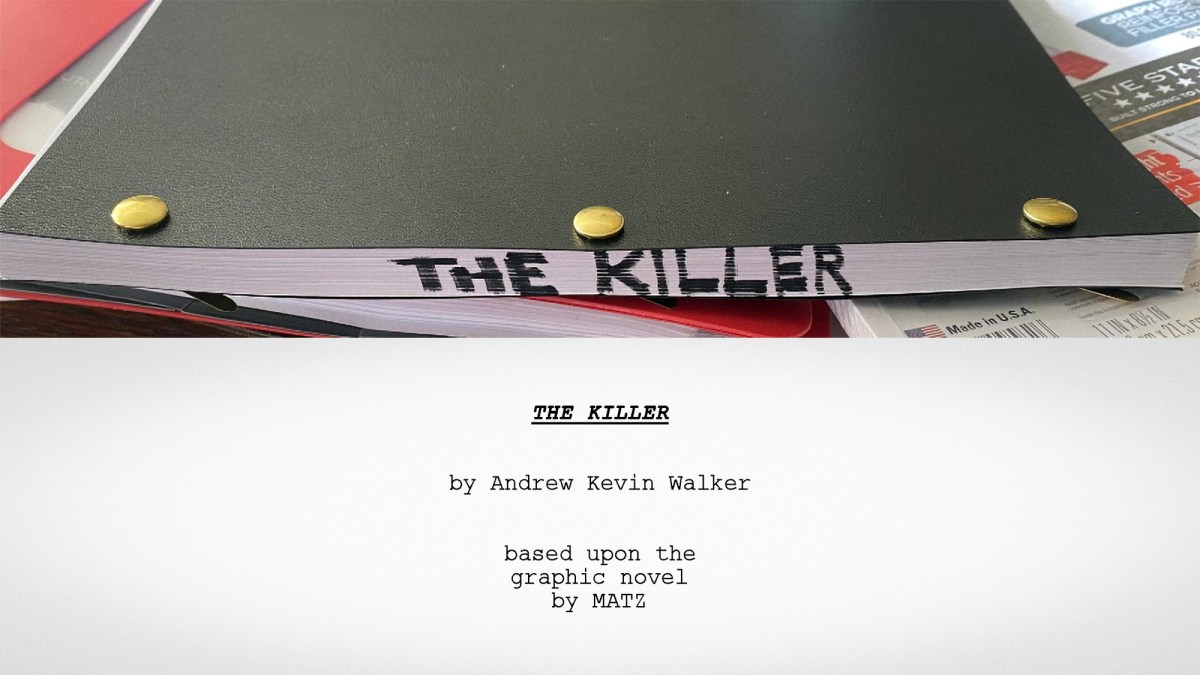
It’s a production draft – shooting script, basically – imperfect + rough around the edges, with some incongruous prose, for example, + sluglines doing utilitarian work, but… thanks to the kind permission of Netflix, for those interested, here’s the link to the script for The Killer.
George Lucas once said, “The sound and music are 50 percent of the entertainment in a movie.” It’s a quote you hear many pay lip service to, but the reality is that’s not how we think about movies. If it was, then sound masters like Ren Klyce, Richard King, Ai-ling Lee, and Johnnie Burn would be household names in the filmmaking world.
There is one group, though, that lives by Lucas’ words: fellow great directors. Filmmakers like David Fincher, Christopher Nolan, Jonathan Glazer, Greta Gerwig, and Bradley Cooper think of their movies in terms of sound and build it into their process, from conception through post, and seek out aural masters like Klyce, King, Lee, and Burn.
In reviewing the year in sound design, the IndieWire craft staff was near unanimous on the year’s very best, quickly zeroing in on these five titles.




 The Fincher Analyst