Film Roundtable: Jeff Cronenweth, Erik Messerschmidt, and Phedon Papamichael

Matthew Woolf
December 18, 2020
Film Roundtable (Instagram)

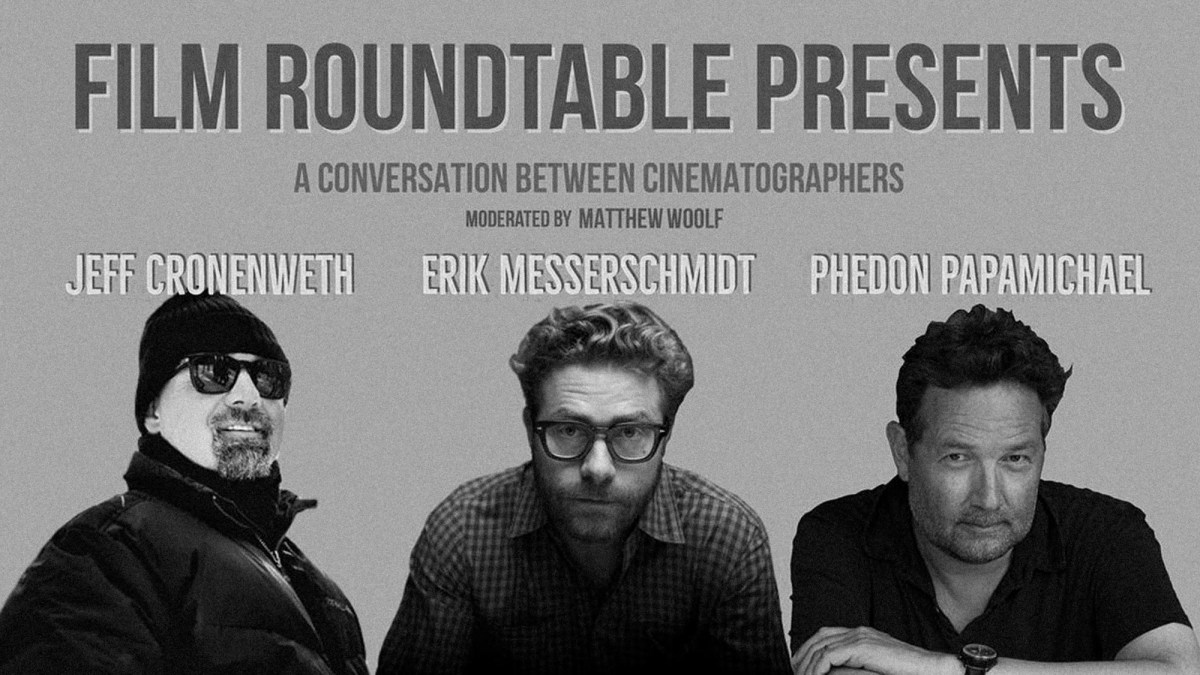
In our latest Film Roundtable discussion we talked with Jeff Cronenweth, Erik Messerschmidt, and Phedon Papamichael about how the love of the image fosters the collaborative relationship amongst Cinematographers.

Listen to the podcast

Composers of the Year Trent Reznor and Atticus Ross: “It’s Been an Intimidating Journey”

With Mank and Soul, the two musicians stepped out of their comfort zone in 2020

Michael Roffman and Spencer Kaufman
December 18, 2020
Consequence of Sound

Our Annual Report continues today with the announcement of Trent Reznor and Atticus Ross as our Composers of the Year. Stay tuned for more awards, lists, and articles in the days and weeks to come about the best music, film, and TV of the year. If you’ve missed any part of our Annual Report, you can check out all the coverage here

“You’re naming us Best Composers of All Time, right,” Trent Reznor asks over the phone. His partner-in-crime Atticus Ross laughs on another line. He’s joking, of course, but he’s also not exactly out of his element. While all-time might be a stretch — at least, for now — the two are certainly in contention for the last decade. After all, it’s been a wild 10 years for Reznor and Ross, one that began with a deafening bang.

That big bang arrived at the 83rd Academy Awards in 2011, when Reznor and Ross triumphed over the likes of Hans Zimmer and Alexandre Desplat to win Best Original Score for David Fincher’s The Social Network. Their debut score wound up being an opening salvo as Hollywood came calling — and fast. Since then, they’ve amassed an eclectic resume that most composers spend decades building up.

They’ve worked with veterans (Peter Berg, Susanne Bier), they’ve gone indie (Jonah Hill, Trey Edward Schulz), they’ve even found success on television (HBO’s Watchmen). Yet none of their collaborations have felt more succinct than their ensuing work with Fincher. They’re the Bernard Herrmann to his Alfred Hitchcock, the Giovanni Fusco to his Michelangelo Antonioni, the John Williams to his Steven Spielberg.

It’s a fitting marriage, not only in sound, but also in mind. Fincher is a perfectionist — meticulous for details, particular with pictures — and that ideology is right in line with Reznor and Ross (see: Nine Inch Nails, How to Destroy Angels). The two parties are carnivorous for challenges, and their working relationship has been nothing but a series of hurdles. Hurdles that have only notched higher and higher as the years pass them.

Mank is by far their most arduous collaboration yet. As if making a movie about the greatest movie of all time wasn’t tough enough, Reznor and Ross tasked themselves in using only period-authentic instruments from the 1940s. It’s a major departure from anything the two have done up to this point, eschewing their industrial minimalism for a dusty assortment of horns, swinging tempos, and nostalgia-tinged sounds.

Yet Fincher wasn’t the only call Reznor and Ross received, as far as 2020 movies are concerned. Pixar also rang for their latest spirited venture, Soul. Working alongside Inside Out director Pete Docter, the two composers dove headfirst into the sprawling, animated underworld. Together, they dreamed up a specific piece of music for each one of the film’s imaginative locales: The Great Before, The Great Beyond, The Astral Plane, and The You Seminar.

So, yes, it’s been a year for Reznor and Ross. In celebration, Consequence of Sound spoke to the award-winning composers about their outstanding run through the past and purgatory. Together, they weighed in on their long-storied history with Fincher, flexing new muscles with old instruments, the differences in working with animation, and past scores that inspired them. Needless to say, there are many decades to come.

Read the full interview

Mank Cinematography with Erik Messerschmidt ASC

Ben Consoli
December 18, 2020
Go Creative Show

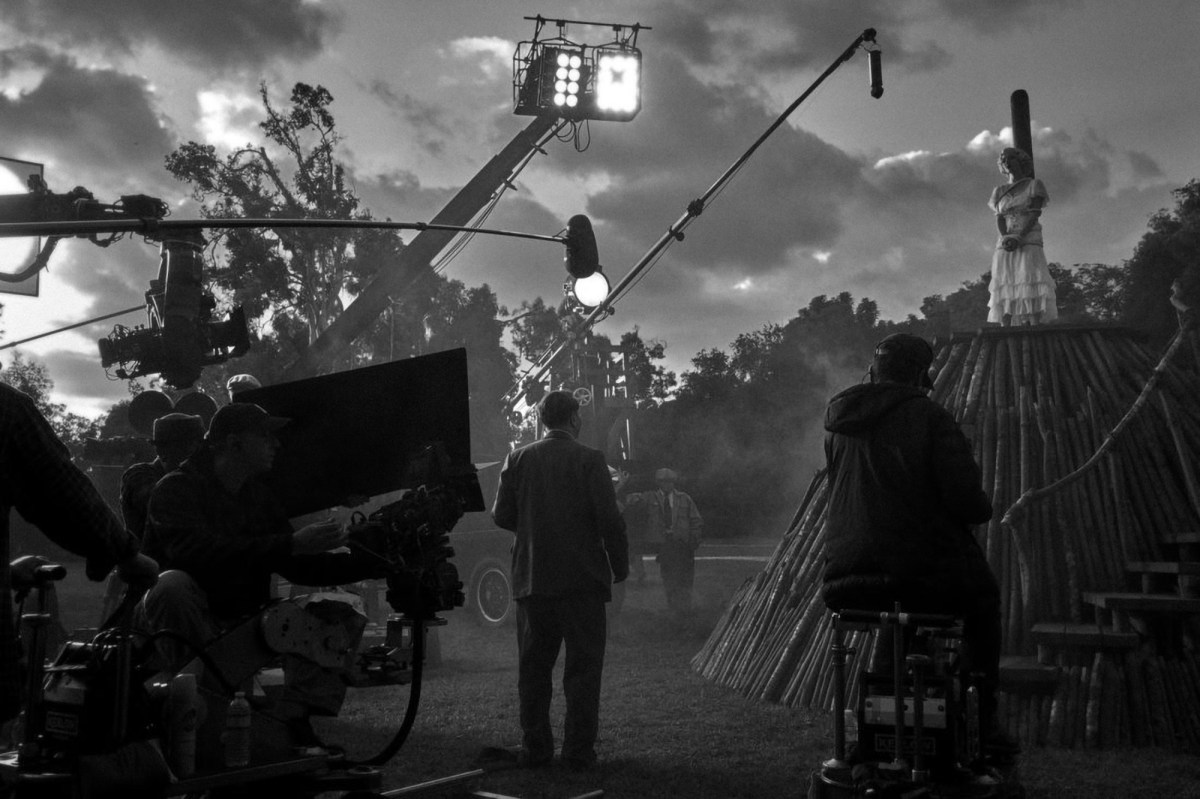
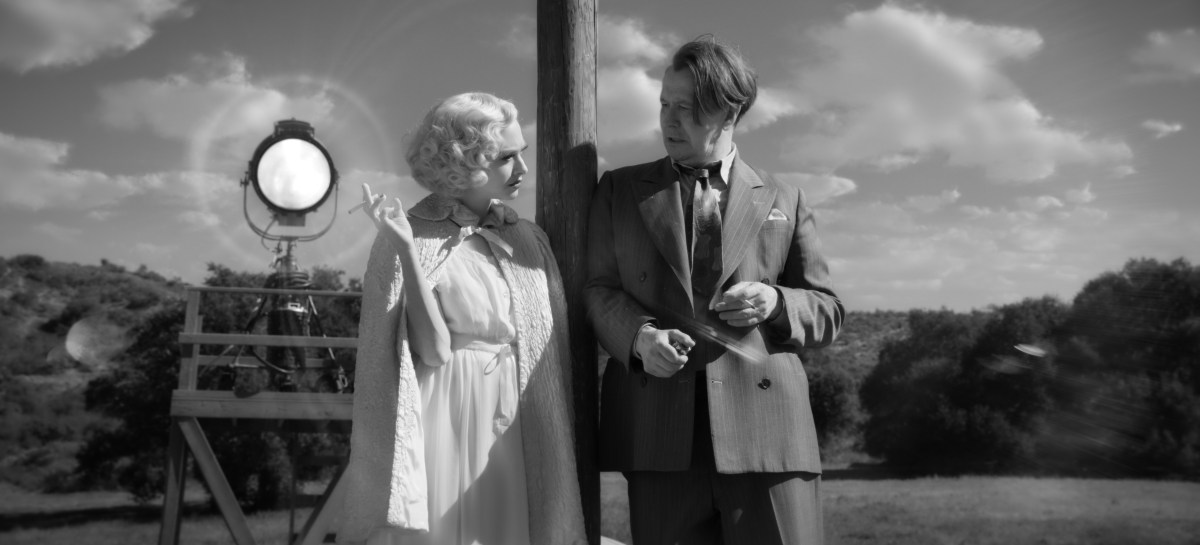
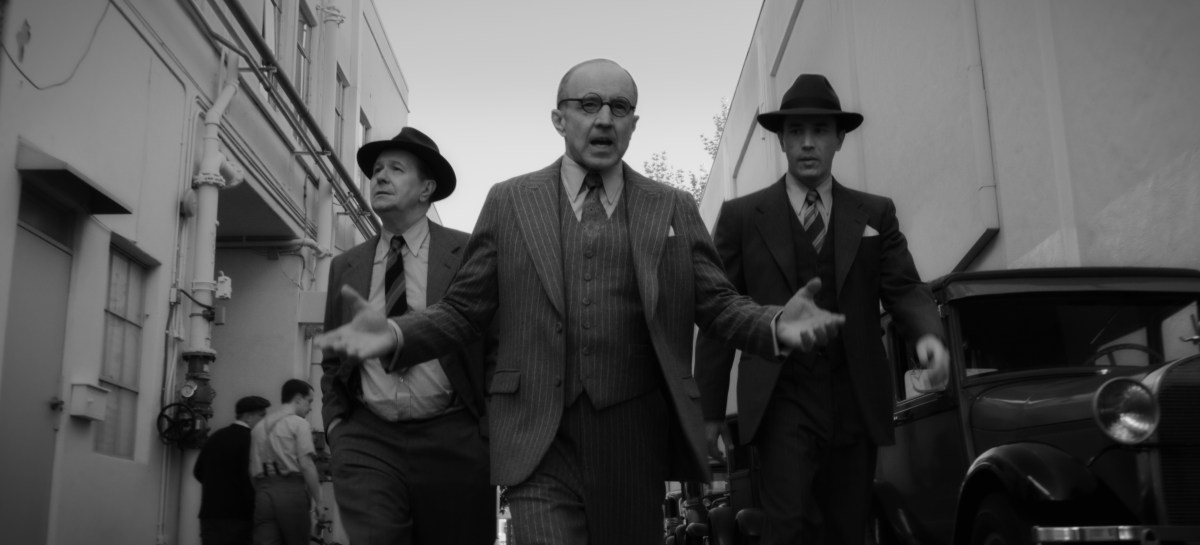
David Fincher’s highly-anticipated Netflix film MANK is here! Cinematographer Erik Messerschmidt ASC explains how modern equipment and techniques were used to create an authentic-looking 1930s black and white film.

Erik and Go Creative Show host, Ben Consoli, discuss why they chose not to shoot on film, how shooting & lighting black and white is different than color, Erik’s philosophy on camera coverage, and so much more!

What you will learn in this episode:

  • Prep and working with David Fincher (03:31)
  • Authentic black and white visual approach (16:02)
  • Shooting with deep focus (21:44)
  • Lighting for black and white (23:15)
  • Lighting dissolve transitions in Mank (26:24)
  • Transforming 8K footage to look like film (30:43)
  • Why shooting on film was never considered (35:43)
  • Filtration used on Mank (40:30)
  • Philosophy on camera coverage (44:40)
  • Filming and lighting the election party (53:12)
  • Using ND filter contacts for actor eyes (57:40)
  • Production design in black and white (01:04:24)
  • And more!

Listen to the audio or video podcast

Show Links:

The Go Creative Show is supported by:

MZed: Education for Creatives
PostLab: Collaborative Editing for Final Cut Pro and Premiere Pro

Go Creative Show is now on Patreon! Get access to exclusive content, become a show co-host, vote on future guests, receive executive producer credit, and more!

Mank Cinematographer Erik Messerschmidt on Why He Didn’t Shoot on Celluloid, Classic Influences, and Modern Touches

Joshua Encinias
December 17, 2020
The Film Stage

Beginning his collaboration with David Fincher as a gaffer on Gone Girl, cinematographer Erik Messerschmidt’s third collaboration with the director has now arrived nearly a decade later. Mank follows alcoholic screenwriter Herman J. Mankiewicz in his mad dash to finish the script for Citizen Kane, and Messerschmidt’s playful interpolation of Gregg Toland’s iconic cinematography is a sight to behold in every frame.

I spoke with Messerschmidt about his work with Fincher on Mindhunter organically leading to Mank, how Fincher doesn’t accept “much of anything he can’t control,” emulating the look of 1940s cinema without trying to perfectly recreate it, and he provides a list of movies he studied in preparation for Mank

Read the full interview

Classic Movie Musts: Mank (2020) with special guest Sydney Stern

Max Baril
December 15, 2020
Classic Movie Musts

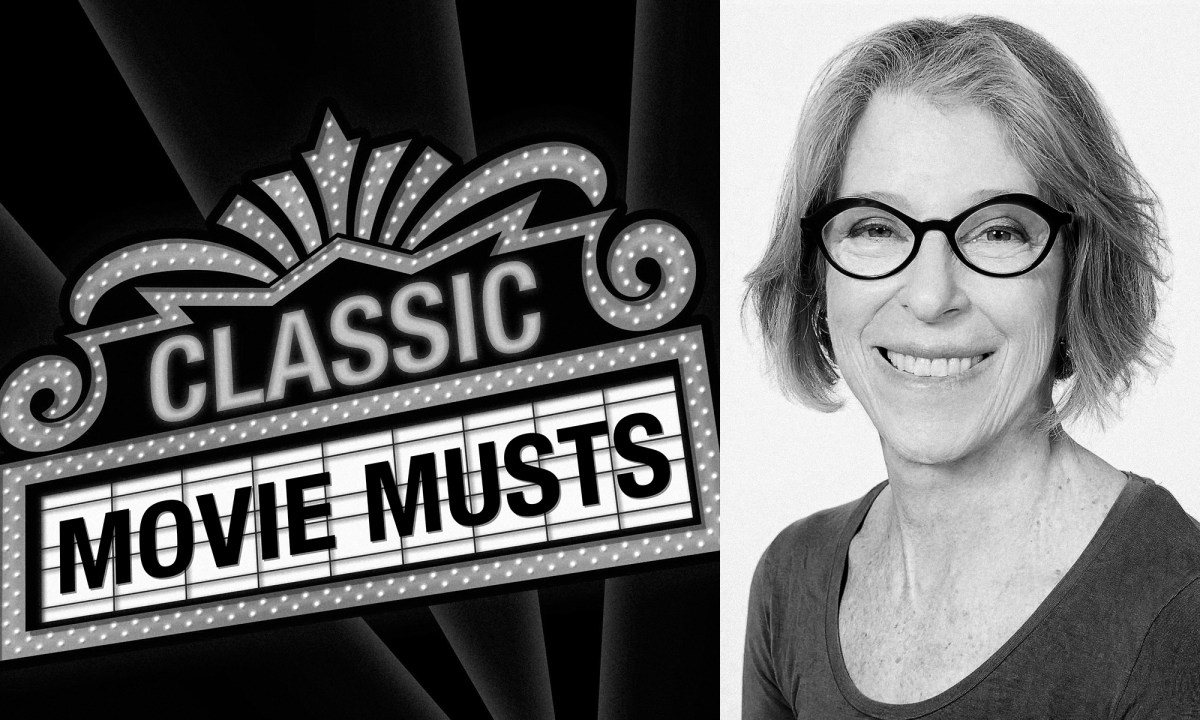
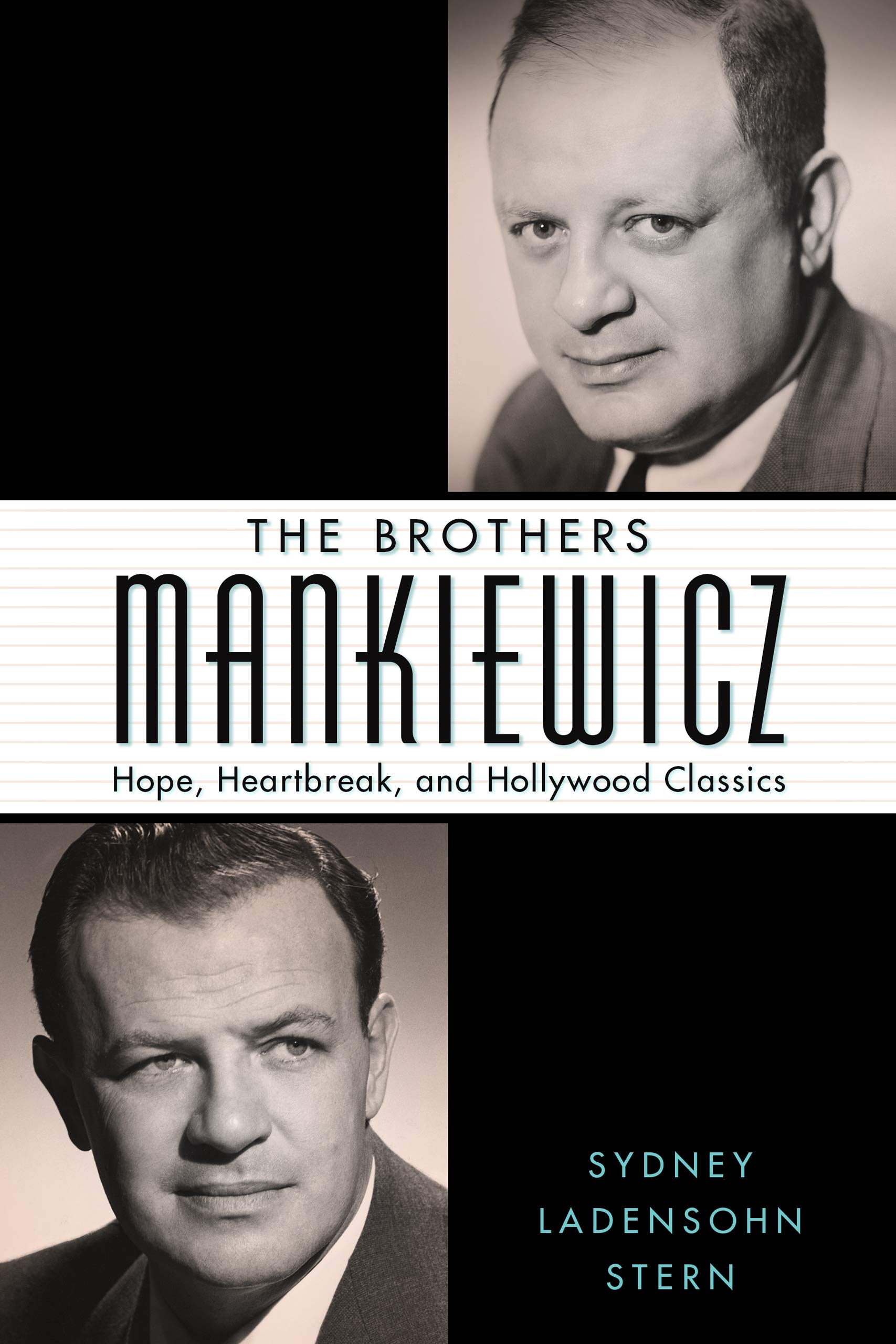
In this episode we welcome back Sydney Stern, author of the book The Brothers Mankiewicz: Hope, Heartbreak, and Hollywood Classics, to help discuss David Fincher‘s new film, MANK (2020), starring Gary Oldman.

Listen to the podcast

Support Classic Movie Musts on Patreon and get access to our weekly exclusive podcast, Classic Movie Musts: Double Feature, and our monthly exclusive podcast, Max’s Movie Musts.

The Brothers Mankiewicz: Hope, Heartbreak, and Hollywood Classics.
By Sydney Ladensohn Stern:

Front Row: David Fincher

John Wilson
December 17, 2020
Front Row (BBC, Radio 4)

Visionary director David Fincher on Mank, his new film about 1930s Hollywood, as seen through the eyes of screenwriter Herman J. Mankiewicz (Gary Oldman) as he races to finish Citizen Kane with Orson Welles.

Mank‘s screenplay is by Fincher’s father Jack Fincher, who started writing it in the early 1990s and died in 2003.

David Fincher’s other films, which have earned thirty Oscar nominations, include Fight Club, Se7en, The Zodiac, The Social Network, The Curious Case of Benjamin Button, Gone Girl, and Panic Room.

Fincher also talks about the future of cinema, streaming, and his early career as a director of iconic music videos such as Madonna‘s Vogue and George Michael‘s Freedom.

Mank is released on Netflix.

Presenter: John Wilson
Producer: Timothy Prosser
Studio Manager: Emma Harth

Listen to the podcast:

Front Row (BBC, Radio 4)
BBC Sounds

So, Why Does Bill Nye Play Upton Sinclair in Mank?

Nate Jones
December 16, 2020
Vulture

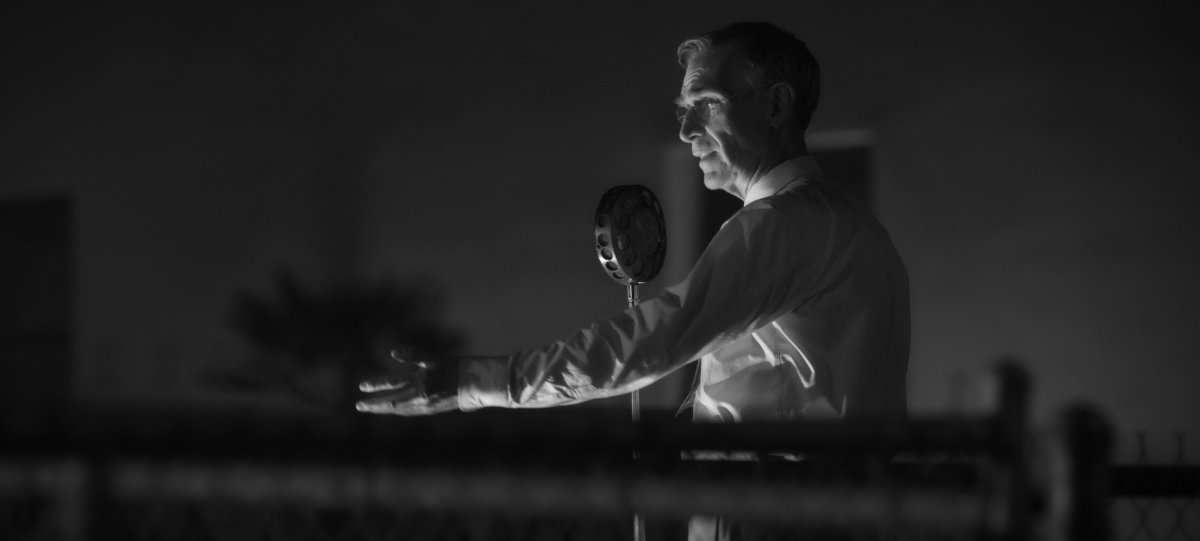
One of the big surprises of David Fincher’s Mank is that it turns out to be just as much about Upton Sinclair as it is about Herman Mankiewicz. In this version of Hollywood history, Mankiewicz was spurred to write Citizen Kane due to his guilt over the Hollywood dirty-tricks campaign that sank Sinclair’s 1934 campaign for governor of California. The Jungle author makes a brief appearance at a rally in Mank, at which point we get another of the film’s big surprises: Sinclair is played by none other than Bill Nye. Yes, the Science Guy. It’s unconventional casting, but it works. Stripped of his lab coat and bow tie, Nye is a little hard to place. He comes off as an avuncular, trustworthy orator; it’s only afterward when you realize, Wait, was that Bill Nye?

We naturally had some questions about how the whole thing came out. Luckily, Nye was happy to jump on a Zoom call and discuss the story behind his cameo.

Read the full interview
‘Mank’ Costume Designer Trish Summerville on Designing for Real-Life Old Hollywood Figures

L’OFFICIEL speaks to the costume designer about outfitting characters like Orson Welles, Marion Davies, and more Hollywood figures in David Fincher’s ‘Mank.’

Sophie Shaw
December 8, 2020
L’Officiel

In Netflix’s newly released Mank, Hollywood’s latest movie about the movies, glimpses of the era’s glitz and glamour are thrown amidst the alcohol-sodden life of screenwriter Herman J. Mankiewicz (Gary Oldman), or Mank, as he works on what would become his and Orson Welles’ magnum opus, Citizen KaneFor Costume Designer Trish Summerville, she wanted to show a piece of Hollywood history through an honest portrayal. “I don’t want to do a pretend version of what Hollywood should be,” Summerville tells L’OFFICIEL

Like many buzz-worthy films in history, excitement for Oscar-contender Mank built thanks to a key name tied to the project: David Fincher. The exacting director was a draw for Summerville, who previously worked with him on Gone Girl and The Girl With the Dragon Tattoo. Everything else—like doing a period piece, filming in black and white, and working with an all-star cast—was a plus from there, according to the designer.

Read the full profile

Netflix Playlist: Trent Reznor and Atticus Ross “Anatomy of a Score”

Netflix
December 9, 2020

Composers Trent Reznor and Atticus Ross discuss the unique style, sound, and authenticity of the music in Mank and their approach in tackling the unique challenges presented while scoring during the COVID-19 pandemic.

𝙸𝚗 𝚜𝚎𝚕𝚎𝚌𝚝 𝚝𝚑𝚎𝚊𝚝𝚎𝚛𝚜 𝙽𝚘𝚟𝚎𝚖𝚋𝚎𝚛 𝚊𝚗𝚍 𝚘𝚗 Netflix 𝙳𝚎𝚌𝚎𝚖𝚋𝚎𝚛 𝟺

Recreating 1930s Hollywood for ‘Mank’, the new Netflix film from David Fincher

December 15, 2020
FilmLight

Mank is the highly anticipated Netflix biopic directed by David Fincher. The movie is told through the eyes of alcoholic Hollywood screenwriter, Herman J. Mankiewicz, as he battles with personal demons to finish the screenplay for Orson Welles’ renowned Citizen Kane.

While Fincher and his team have worked with FilmLight’s Baselight colour grading system since the 2008 film The Curious Case of Benjamin Button and the Netflix TV series House of Cards, it was with Netflix’s Mindhunter that the director established his own in-house DI facility in Hollywood. Colourist Eric Weidt was brought on to lead colour development on the facility’s Baselight X system.  Weidt had previously developed custom film emulation profiles for traditional film photographers, and brought his considerable experience in post-production for fashion stills and films to the grading suite.

Entirely shot in black and white, Mank has a 1930s Hollywood feel. Many tests were done before shooting – cameras, lenses, even light bulbs – before Eric developed the HDR, SDR and day-for-night LUTs alongside the project’s DoP Erik Messerschmidt. Fincher wanted to re-create certain period elements in post, for example “black blooming” in the shadows.

Read the full case study