Mindhunter as Social Research

Jonathan Wynn
March 5, 2018
Everyday Sociology Blog

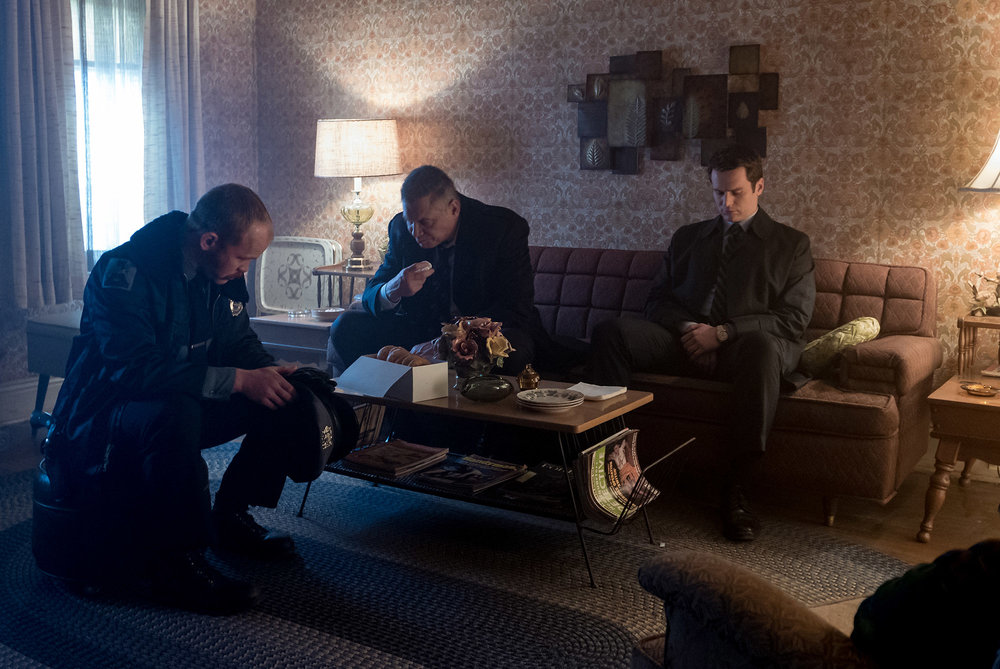
I recently watched a Netflix show called Mindhunter. The show—based on a non-fiction book—is about the beginnings of a crime division in the FBI that attempts to tackle serial killers.

If you’ve ever taken a sociology class, the first and most obvious thing about the show are the explicit references to our discipline! One of the main characters, Debbie, played by Hannah Gross, is a graduate student in sociology, studying deviance. In the first episode Debbie explains the sociological approach to deviance to her date, a somewhat listless young FBI agent named Holden (played by Jonathan Groff of Hamilton and Glee fame). In a bar she admonishes Holden: “You teach about criminality but you’ve never heard of Labeling Theory?” (Although, granted, Debbie doesn’t get Durkheim right.)

The characters of the show are, in a way, responding to what they see as newer kinds of deviance, wherein killers inflict extreme violence upon strangers, often with some repetition in manner and types of targets. The FBI agents have a puzzle they want to solve, and they find that older theories, concepts, and facts (largely informed by movies and Sigmund Freud) inhibit their understanding of what they see on the ground. One of Holden’s teachers asks the sociological question: “Are criminals born, or are they formed?”

Halfway through I realized that this was a show about a research team conducting social science. Holden and his partners—a grizzled former military-man, Bill, and Wendy, a professor of psychology—spend the season slowly piecing together new terminology, building their new understanding of deviance through multiple interviews with murderers and some rather engaging dialogue between each other.

Read the full article

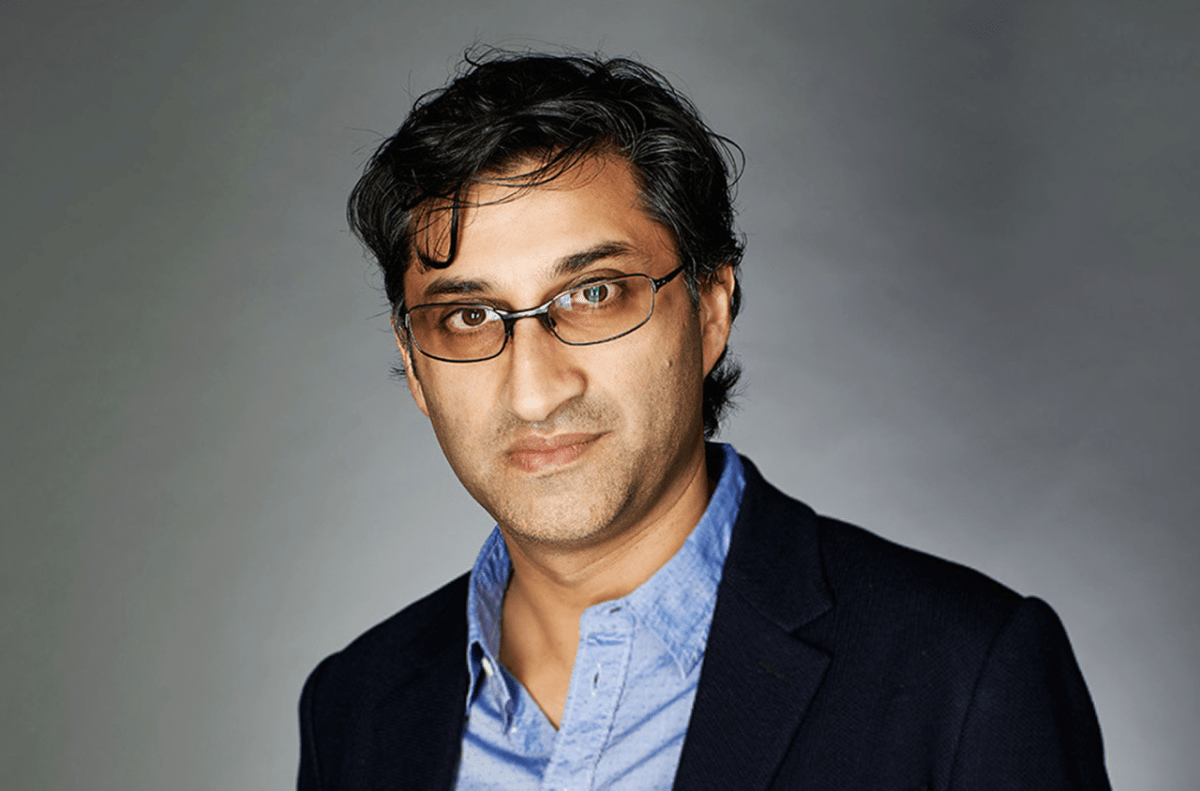
Asif Kapadia on the music of Mindhunter, Amy and Senna

2018-02-09 Soundtracking with Edith Bowman (Audioboom) - Episode 76. Asif Kapadia on The Music of Mindhunter, Amy and Senna

Edith Bowman
February 9, 2018
Soundtracking with Edith Bowman (Audioboom)

Another week, another Oscar winner chats to Soundtracking in partnership with the EE BAFTAs.

These days, the quality and quantity of original programming on streaming services is quite astounding – with A-list talent delivering high-class drama time and time again.

One of Netflix‘s standout series of 2017 was Mindhunter. Overseen by David Fincher, it tells the story of how the FBI’s profiling unit came into being in the 1970s. By turns dark, funny, moving, cool and brutal, it also makes great use of contemporary pop & rock.

So it’s with great pleasure that we welcome Asif Kapadia to the show, who directed two episodes of the first season.

Asif has won numerous awards for The Warrior, Senna and Amy, with the latter scooping the Oscar for Best Documentary. There will, of course, be plenty of examples of Amy Winehouse‘s music throughout the course of the conversation, as well as composer Antonio Pinto‘s work on both Amy and Senna.

The “FINCHER App”

Christopher Probst, ASC, Nominee for the ASC Awards

2018 32nd ASC Awards

The Nominees Are: 2017 Achievements in Cinematography Earn ASC Accolades

The American Society of Cinematographers

The winners will be revealed at the organization’s February 17 ceremony. The event will be held at the Ray Dolby Ballroom at Hollywood & Highland.

The ASC Awards — attended each year by more than 1,500 guests including Society members, other top cinematographers, their crews and representatives from many industry-leading support companies worldwide — is cinematography’s biggest annual event, celebrating the finest work of the year and its exceptional practitioners.

Motion Picture, Miniseries, or Pilot Made for Television:

Pepe Avila del Pino for The Deuce pilot on HBO
Serge Desrosiers, CSC for Sometimes the Good Kill on Lifetime
Mathias Herndl, AAC for Genius (“Chapter 1”) on National Geographic
Shelly Johnson, ASC for Training Day pilot (“Apocalypse Now”) on
CBS
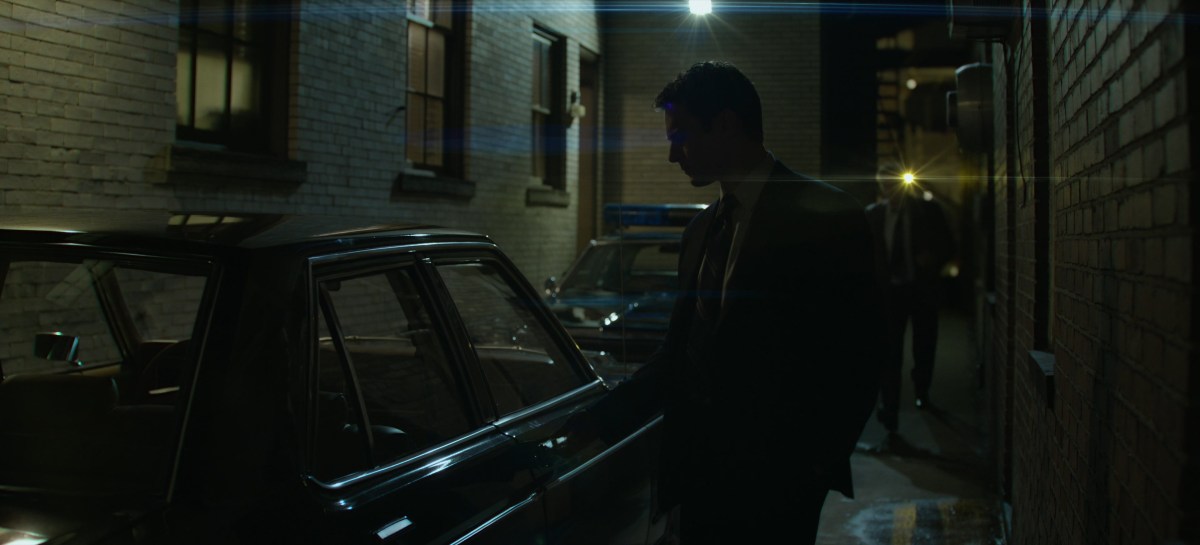
Christopher Probst, ASC for Mindhunter pilot on Netflix

2018-02-01 Christopher Probst, ASC (Instagram) - Ad appearing in the recent issue of American Cinematographer magazine [Ed.]

Netflix (American Cinematographer)

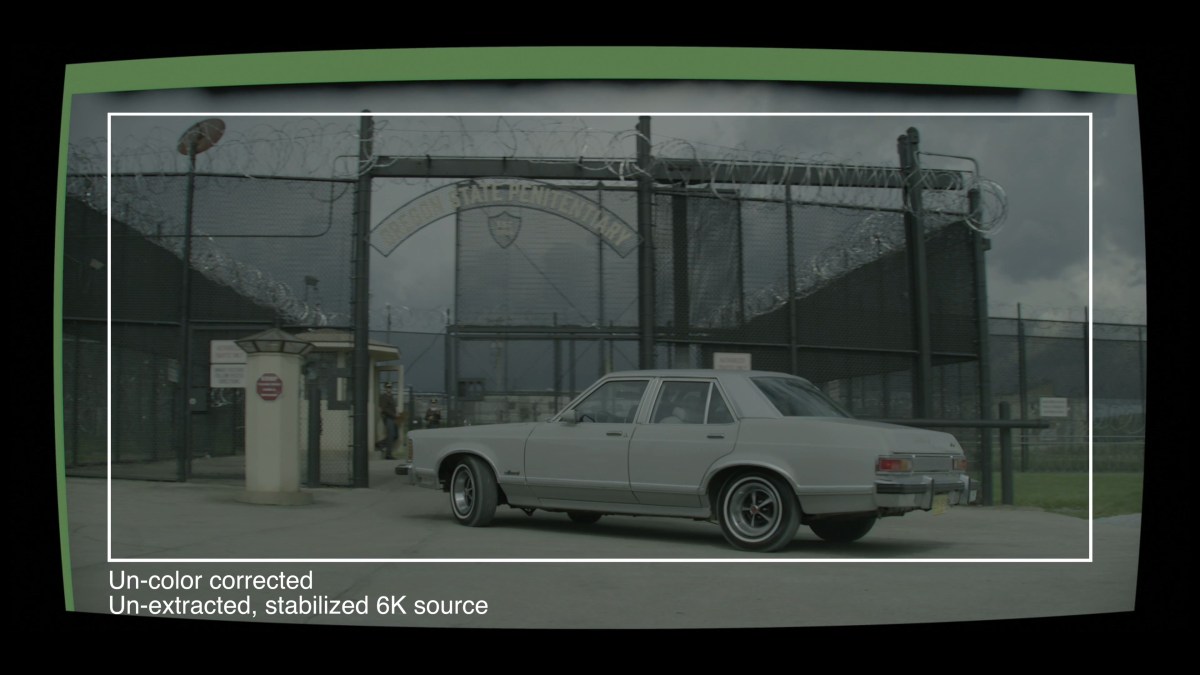
The Beauty of Large Format 8K

DXL Channel (vimeo)
December 20, 2017

Presented live at Camerimage 2017, this provocative presentation examines the psychology, physiology, and physical relationships between resolution and sharpness. Panavision and Light Iron experts Michael Cioni, Dan Sasaki, and Ian Vertovec present a fresh perspective on how the pursuit of cinematic smoothness is tied to the race for resolution.

Harmonica Cinema: Mindhunter

Excellent article on the cinematography of Mindhunter by Spanish DP, Producer and cinematography scholar Ignacio Aguilar. Time to practice your rusty Spanish or get help from a good web translator.

Harmonica Cinema - Logo

Serie creada por David Fincher para Netflix, basada al parecer en investigaciones y trabajos reales del FBI y que está ambientada hacia 1977. El protagonista es un joven agente (Jonathan Groff), quien tras una operación fallida es relegado a dar clases formativas junto a otro agente más veterano (Holt McCallany) viajando por el país y estudiando casos concretos de crímenes reales. Para intentar resolverlos, los agentes comienzan a entrevistarse con asesinos en serie a fin de estudiar su psicología y tratar de aplicar lo aprendido para resolver los nuevos casos que se van presentando. Pero la cercanía con los asesinos y sus mentes provocarán un fuerte impacto en el protagonista. Hannah Gross, como su novia, así como Anna Torv, como una psicóloga que en principio colabora con el equipo y posteriormente se une al mismo, forman el reparto principal, en el que Cameron Britton, como uno de los peligrosos asesinos que aparecen en los diez episodios de esta notable primera temporada, crea una gran impresión.

Ignacio Aguilar
25 enero 2018
Harmonica Cinema

Fincher se ha hecho cargo de cuatro de estos diez episodios de arranque (los dos primeros y los dos últimos), mientras que Christopher Probst [ASC] rodó los dos primeros y Erik Messerschmidt los ocho restantes. Probst es un viejo conocido de los lectores de “American Cinematographer”, ya que desde hace más de dos décadas colabora con la revista con entrevistas y artículos y, desde hace años, viene siendo su editor técnico. Seguramente en alguna de estas entrevistas conoció a Fincher en los años 90. Desde entonces, en paralelo, ha venido desarrollando una sólida carrera como director de fotografía en videoclips, con trabajos para artistas como Taylor Swift o Eminem entre muchos otros. “Mindhunter” es su primera gran oportunidad en la ficción, como lo es también para Messerschmidt, ya que hasta la fecha su oficio venía siendo el de “gaffer” o jefe de eléctricos. Como ya le sucediera a Claudio Miranda, “gaffer” en parte de Se7en, The Game y Fight Club al que Fincher dio su primera gran oportunidad con “The Curious Case of Benjamin Button”, Messerschmidt ocupó este cargo para Jeff Cronenweth en “Gone Girl” y Fincher le ha ofrecido con esta serie la oportunidad de rodar una importante serie de televisión.

Desde hace muchos años, en concreto desde los tiempos de “Zodiac” (2007), con la que esta serie guarda bastantes similitudes temáticas y estilísticas, David Fincher ha venido siendo un abanderado de la tecnología digital para adquirir sus imágenes. Desde 2010, Fincher ha sido fiel a la empresa de cámaras RED, habiendo empleado casi todas sus cámaras en sus proyectos: la Red One MX en “The Social Network”, una mezcla de Red MX y Epic MX en “The Girl With the Dragon Tattoo” (2011), así como la Epic Dragon en “Gone Girl” (2014). Incluso también su serie “House of Cards” (2013) empleó los sensores Mysterium-X y Dragon. Fincher, por lo tanto, es uno de los más prestigiosos cineastas del universo RED, de modo que no resulta del todo extraño que la empresa le haya fabricado tres cámaras customizadas (denominadas Red Xenomorph, que recuerdan estéticamente al “Alien” de Giger, saga en la que participó Fincher como director). Estas cámaras incorporan el mismo sensor Dragon que Red Weapon convencionales, pero además de una forma más ergonómica, proporcionan más conexiones, vídeo y motores inalámbricos, etc. En cierto modo, lo que a estas alturas Red debería estar ofreciendo ya a sus consumidores, en lugar de sus cámaras modulares tradicionales con las que nunca parece poder competir con ARRI, excepto para Netflix, ya que sus cámaras son las únicas de “alta gama” (además de las Sony) que cumplen con el requisito de los 4K nativos (que llevan a absurdos como el hecho de que la única Alexa que se puede emplear sea la Alexa 65).

Lee el artículo completo

Harmonica Rental - LogoHarmonica Films - Logo

Interiors: Steve Arnold, Mindhunter

InteriorsMehruss Jon Ahi and Armen Karaoghlanian
January 19, 2018
Interiors

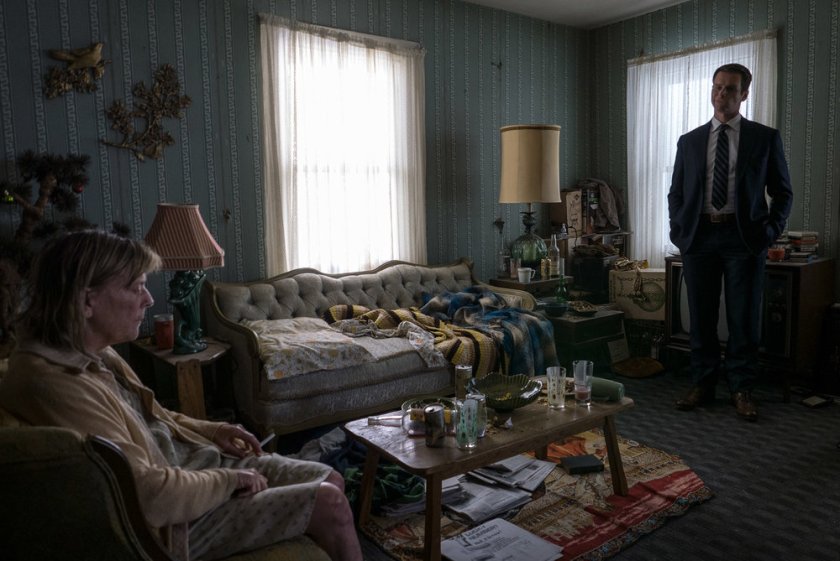
The television show, Mindhunter, created by Joe Penhall and executive produced and directed by David Fincher, is one of the most visually distinctive shows and for good reason. David Fincher’s filmography has become something that we aren’t used to seeing. From the Cinematography to the Production Design, Fincher has achieved a level of mastery that other films and television shows do not seem to have.

Based primarily in Pittsburgh, Pennsylvania, the show depicts incredible locations and interior spaces, such as a variety of interrogation rooms that are both visually stunning and exceptionally detailed.

In an exclusive interview with Interiors, we spoke with Steve Arnold, who is the Production Designer for Mindhunter. The images are property of Steve Arnold and his team.

Read the full interview

Interiors. Dwight's House

Interview with Jason Hill

Daniel Schweiger
January 4, 2018
Film Music Magazine

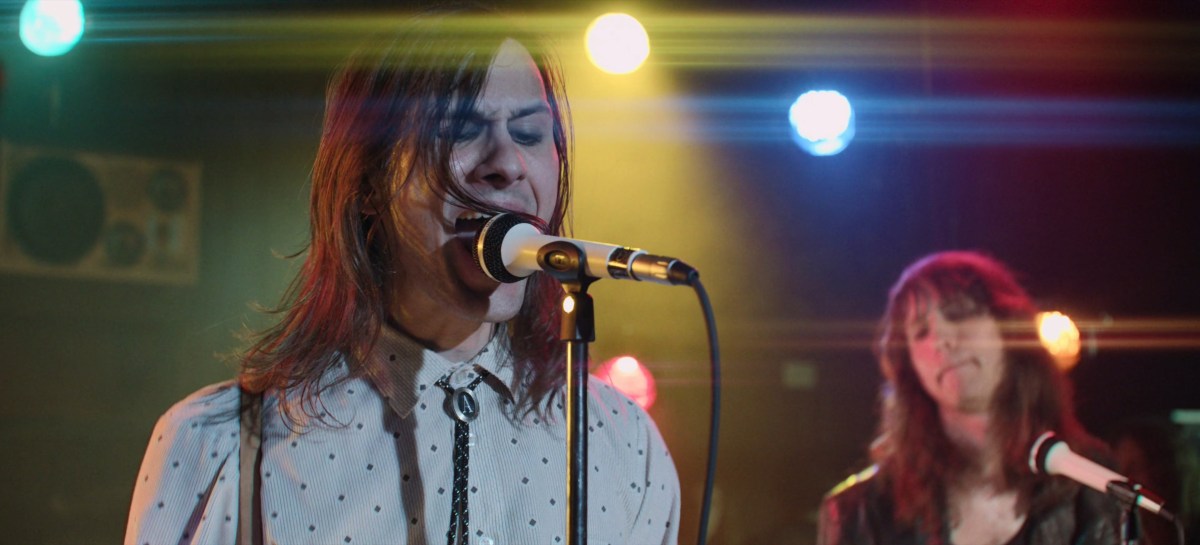
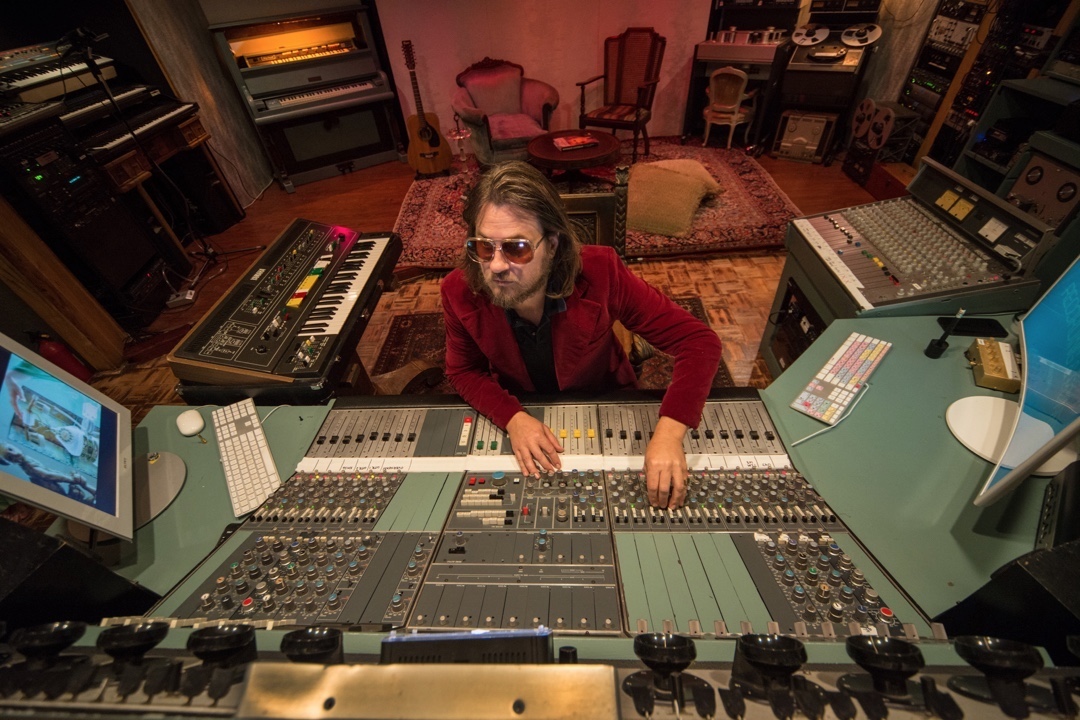
Just about the last thing anyone wants to do is enter the mind of pure evil, let alone hear it meticulously, and deliciously describe its murderous exploits. That a view inside of its horrifying headspace has resulted in such eerily intoxicating music is a testament to the powerfully emerging voice of Jason Hill in “Mindhunter.” Created by serial killer media enabler par excellence David Fincher, this acclaimed Netflix series’ twist is that we barely see any violence at all. Rather, the acts and its reasoning are told to FBI profilers Holden Ford (Jonathan Groff) and Bill Tench (Holt McCallany), who traverse the country to find out what makes madmen tick. That the birth of the agency’s serial killer profiling unit is no work of fiction makes their subjects’ descriptions all the more terrifying, if no less fascinating in the awfulness that’s drawn entertainment to these predators again and again. That Jason Hill hears the recording sessions, and their effect upon the agents, with such dark poetry is all the more unsettling.

If the interview subjects of “Mindhunter” have seemed to emerge from the shadows, seemingly out of nowhere, the same might be said (if not murderously) about how Hill’s innovative talent has burst upon the binge-watching scene. With only one scoring credit for a dirt biking madman behind him, Hill’s production work for the likes of David Bowie, The New York Dolls and The Killers along with his band Louis XIV have led him into Fincher’s company – a band of musical profilers whose work has ranged from the raging orchestra of Howard Shore’s “Se7en” to the subtle, conspiratorial piano of David Shire’s “Zodiac” and the piercing electronics of Trent Reznor and Atticus Ross’ “Gone Girl.”

Hill’s realization of a twisted psyche is just as uncommon and original, eschewing the kind of dissonance that scores most associate with serial killers, Hill’s soundtrack for this hit, ten-part series is poetic, even beautiful in its crystalline use of sound and samples, music that suggests a voyage to an alternate, shimmering universe far more than it does a basement torture dungeon. Its ethereal, even poignant stuff, yet with a tonality that tells us something is unholy in its deceptively surreal bliss. Even as brilliantly crazy as Brian Reitzell’s music was for the equally astounding “Hannibal,” there’s never been quite a serial killer show, or soundtrack like “Mindhunter.” In no small part, we can thank an essentially newfound composer who’s brave enough to hear shocking words that might drive others’ insane, and turn the description of the deeds into things of hypnotic, unearthly beauty that dares us to turn away. And like the subject of the increasingly unnerved agents, Hill is the killer who keeps the tape machine running, now describing in detail to us how he draws listeners ever deeper into “Mindhunter’s” entrancing madness.

Read the full interview

Top 10 Title Sequences of 2017

The Very Best Title Sequences of 2017, as chosen by Art of the Title

Lola Landekic & Will Perkins
January 4, 2018
Art of the Title

For our fourth annual list of the year’s top 10 title sequences, Art of the Title’s editors chose from among film, television, video games, web series, and conferences. The Top 10 of 2017 were chosen based on criteria such as originality and innovation, impact, atmosphere, relevance to subject matter, and technique.

Paring the long list down from 142 to just 10 was a difficult task, but one done with relish. These title sequences were painstakingly crafted, acted, shot, composited, modelled, painted, choreographed, rotoscoped, animated, typeset, and hand-drawn by teams large and small all around the world, with budgets modest and mighty, in state-of-the-art facilities and in home studios. So sit back, relax, and enjoy some of the most interesting and innovative work to hit screens this year. These sequences represent the cream of the crop.

Read the full article

Behind the Scenes of Mindhunter with Christopher Probst, ASC

Christopher Probst, ASC (Instagram)