Top 10 Title Sequences of 2017

The Very Best Title Sequences of 2017, as chosen by Art of the Title

Lola Landekic & Will Perkins
January 4, 2018
Art of the Title

For our fourth annual list of the year’s top 10 title sequences, Art of the Title’s editors chose from among film, television, video games, web series, and conferences. The Top 10 of 2017 were chosen based on criteria such as originality and innovation, impact, atmosphere, relevance to subject matter, and technique.

Paring the long list down from 142 to just 10 was a difficult task, but one done with relish. These title sequences were painstakingly crafted, acted, shot, composited, modelled, painted, choreographed, rotoscoped, animated, typeset, and hand-drawn by teams large and small all around the world, with budgets modest and mighty, in state-of-the-art facilities and in home studios. So sit back, relax, and enjoy some of the most interesting and innovative work to hit screens this year. These sequences represent the cream of the crop.

Read the full article

Behind the Scenes of Mindhunter with Christopher Probst, ASC

Christopher Probst, ASC (Instagram)

Thought Police

Asif Kapadia, director of episodes 3 and 4, with Erik Messerschmidt on the Mindhunter set.

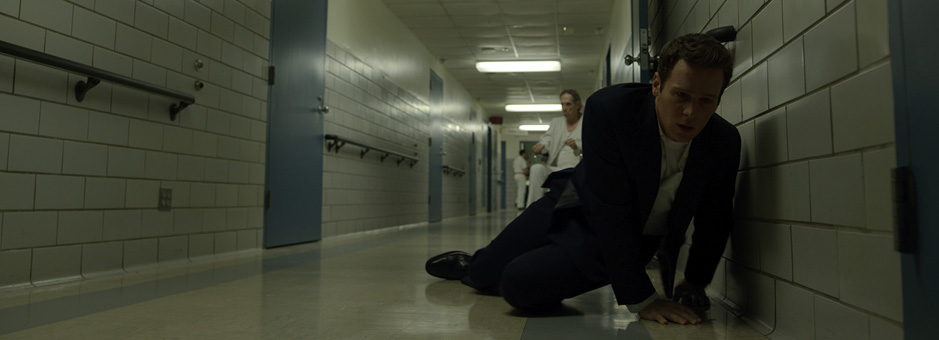
Director David Fincher drove an era-defining aesthetic using the highest-end equipment. Definition spoke to cinematographer Erik Messerschmidt to find out how it influenced the huge Netflix hit, Mindhunter.

Julian Mitchell, Editor
January 2018
Definition (Bright Publishing)

Read the full interview

Conversations with Jonathan Groff of MINDHUNTER

SAG-AFTRA Foundation (YouTube)
December 4, 2017

Q&A with Jonathan Groff of MINDHUNTER.

How do we get ahead of crazy if we don’t know how crazy thinks? In MINDHUNTER, FBI agents Holden Ford (Jonathan Groff) and Bill Tench (Holt McCallany) study the damaged psyches of serial killers in an attempt to understand and catch them, and in the process pioneer the development of modern serial killer profiling. The series launched globally October 13 on Netflix.

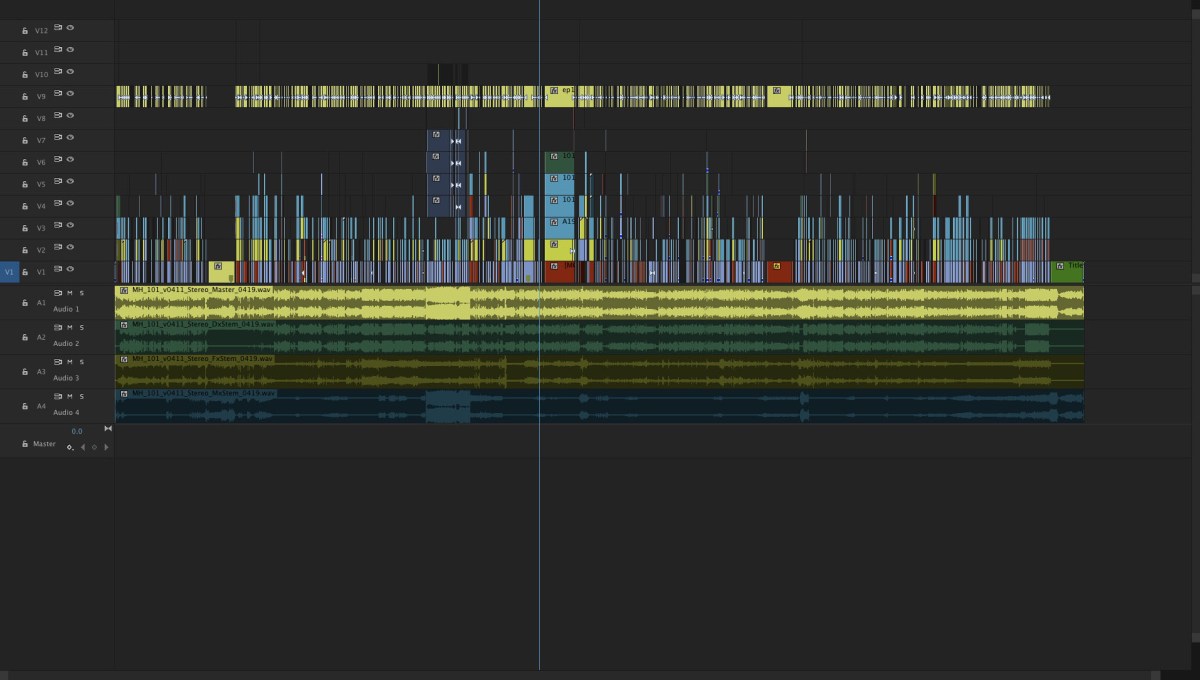
ART OF THE CUT. On editing Mindhunter with Kirk Baxter, ACE and Tyler Nelson

Premiere Pro Screenshot of Mindhunter Episode 1

Steve Hullfish
December 21, 2017
ProVideo Coalition

Mindhunter is one of those binge-able shows that has people talking. I spent a few days last summer at the Fincher production facility in LA where the show is cut and met one of the show’s editors, Tyler Nelson. One of the other editors on the series is Oscar-winner, Kirk Baxter, ACE, whom I interviewed previously for his work on Gone Girl. Both Gone Girl and Mindhunter were edited in Premiere Pro. (I was not able to talk to the third editor on the series, Byron Smith, who also cut the Netflix series, Altered Carbon.)

Kirk’s filmography includes numerous collaborations with director David Fincher. He was the additional editor on Zodiac. He also edited Fincher’s The Curious Case of Benjamin Button, The Social Network, The Girl with the Dragon Tattoo and Gone Girl. He won back to back Oscars for Social Network and The Girl with the Dragon Tattoo. He also cut episodes of Fincher’s House of Cards.

Tyler Nelson recently cut the feature Rememory, and was the assistant editor on Gone Girl, The Girl with the Dragon Tattoo, The Social Network and The Curious Case of Benjamin Button. He was also an assistant editor on House of Cards and The Good Wife.

This installment of Art of the Cut is a little different. I spoke to Kirk and Tyler separately about specific episodes of Mindhunter. Kirk spoke only about his work on Episode 10, the season finale. Tyler talked about several episodes that he cut from earlier in the season, so we’ll start with Tyler’s interview and then move to Kirk’s.

The series is available on Netflix and it may be useful to check out Episode 2, 3 and 10 prior to the interview… or cue them up as you’re reading! The series has been renewed for season 2.

Read the full interview

A Q&A with producer Peter Mavromates and colourist Eric Weidt

FilmLight

The Netflix original series Mindhunter, from director David Fincher, has been delivered in 4K and high dynamic range (HDR).

Co-produced by Peter Mavromates and graded by colorist Eric Weidt, it is set in the late 1970s, and sees two FBI agents expand criminal science by delving into the psychology of murder. Grading took place on the Baselight X color grading system from FilmLight, alongside editorial and VFX, in Fincher’s Hollywood finishing facility.

In this exclusive interview, Peter Mavromates and Eric Weidt tell us more about how they created the desired look for the series, their collaboration with the director, editorial and VFX, and much more…

Read the full interview

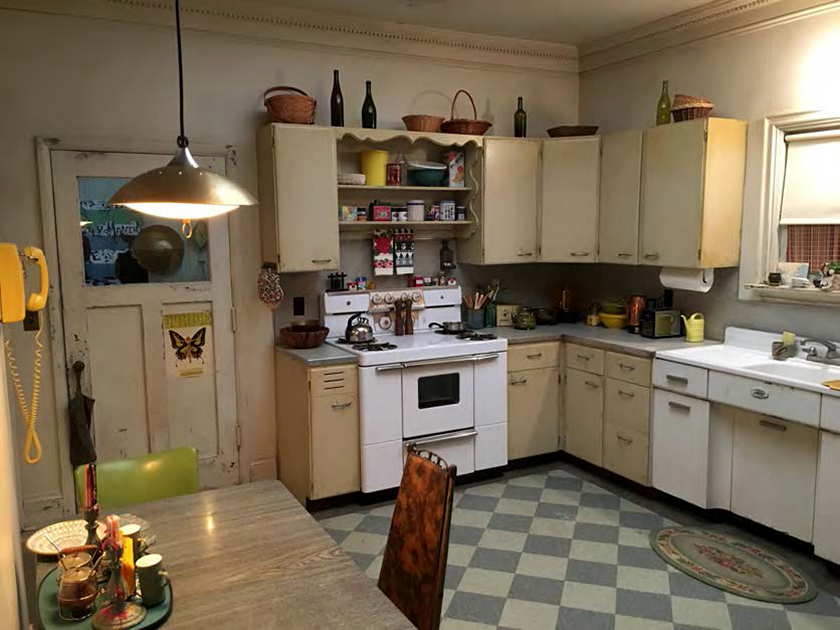
2017 ADG Awards Presentations. Mindhunter, Steve Arnold

Art Directors Guild

2017 ADG Awards Presentations

Category I: One Hour Period or Fantasy Single-Camera Series

Mindhunter

S1:E1 Episode 1
S1:E4 Episode 4
S1:E9 Episode 9

2013 Steve Arnold
Steve Arnold
Production Designer
steve-arnold.com

Design Presentation (PDF):

How Mindhunter Gets Under Your Skin


Overanalyze
Published on 15 Nov 2017
YouTube

A video essay analysing what makes Mindhunter so creepy.

Mindhunter is a Netflix original crime drama series executive produced by David Fincher set in the late 1970s in which two FBI agents expand criminal science by delving into the psychology of murder and getting uneasily close to all-too-real monsters.

Features portrayals of real-life serial killers such as Ed Kemper, Richard Speck, Monte Ralph Rissel and Jerry Brudos.

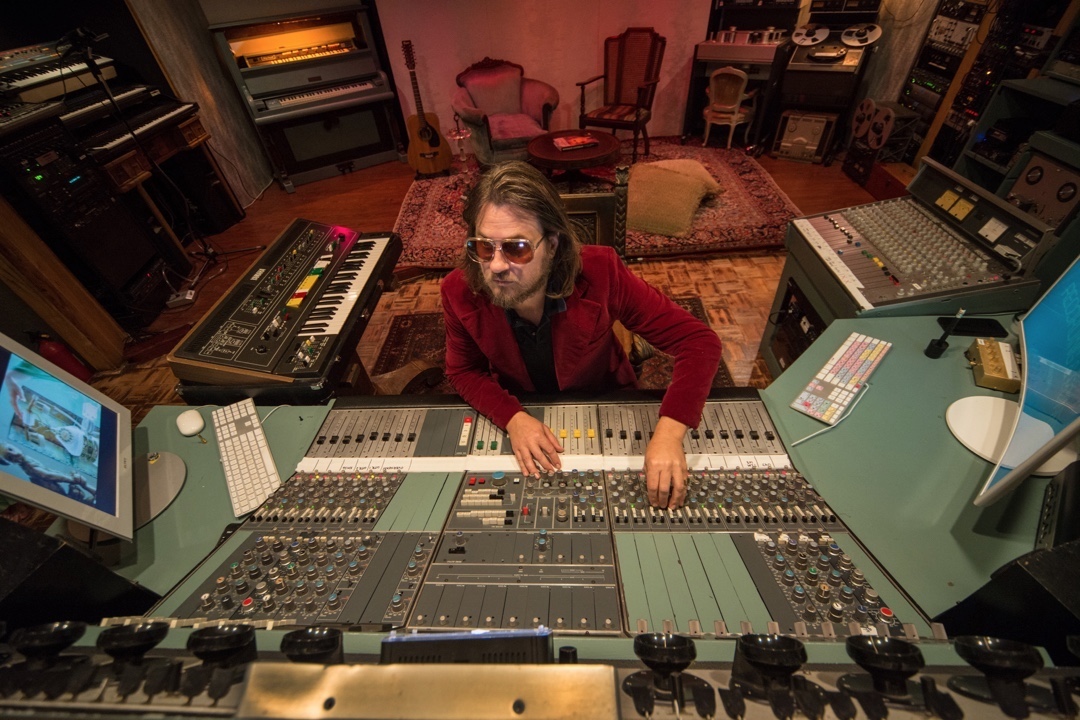
MINDHUNTER Soundtrack CD out on December 15

Jason Hill
Instagram

amazon-logo_greyMindhunter (A Netflix Original Series Soundtrack)

And at the top digital music platforms.

MINDHUNTER: Inside the mind of composer, David Fincher collaborator Jason Hill (part 1)

Kyle Kohner
November 9, 2017
RIFF Magazine

MINDHUNTER: Composer Jason Hill, of Louis XIV, never complacent (part 2)

Kyle Kohner
November 15, 2017
RIFF Magazine