
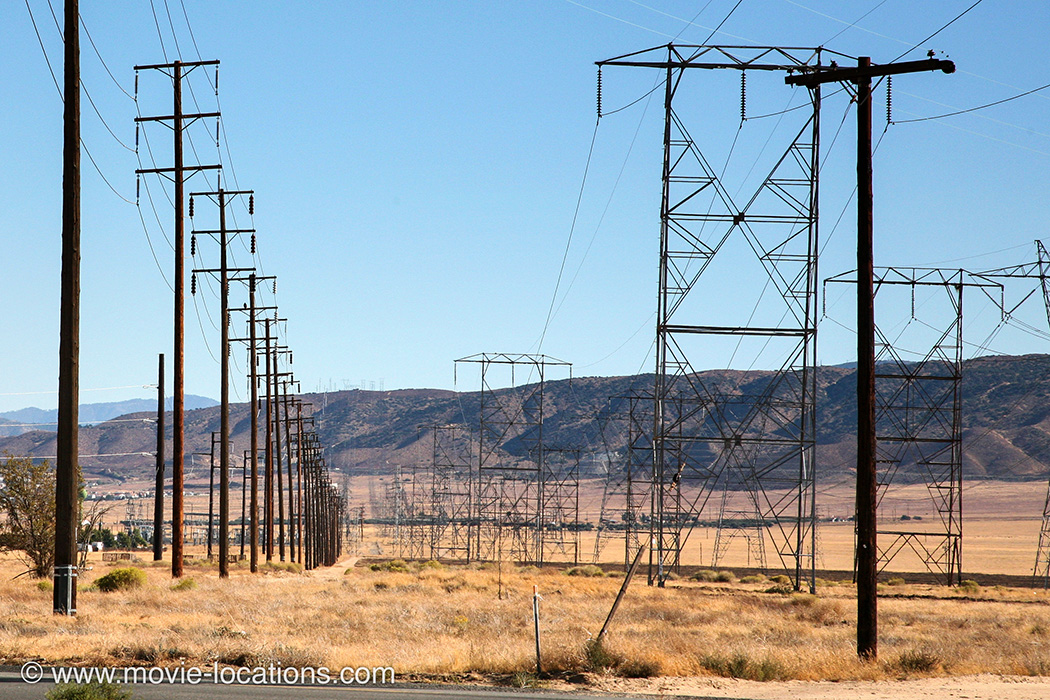

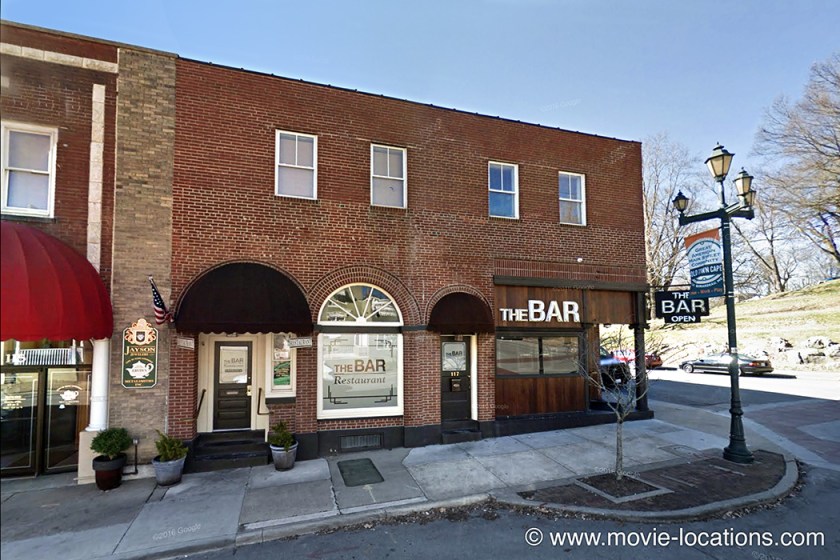
The Social Network • Gone Girl


The Hollywood Reporter (YouTube)
June 22, 2018
A craftsman with a camera and an artist with a vision. Frank W Ockenfels 3 takes us through his detailed story of his close relationship with the late David Bowie. A master of light and one of the industry’s most prolific photographers, this is ‘Magic Hour.’
Click for a full screen view:


LumaForge (YouTube)
May 3, 2018
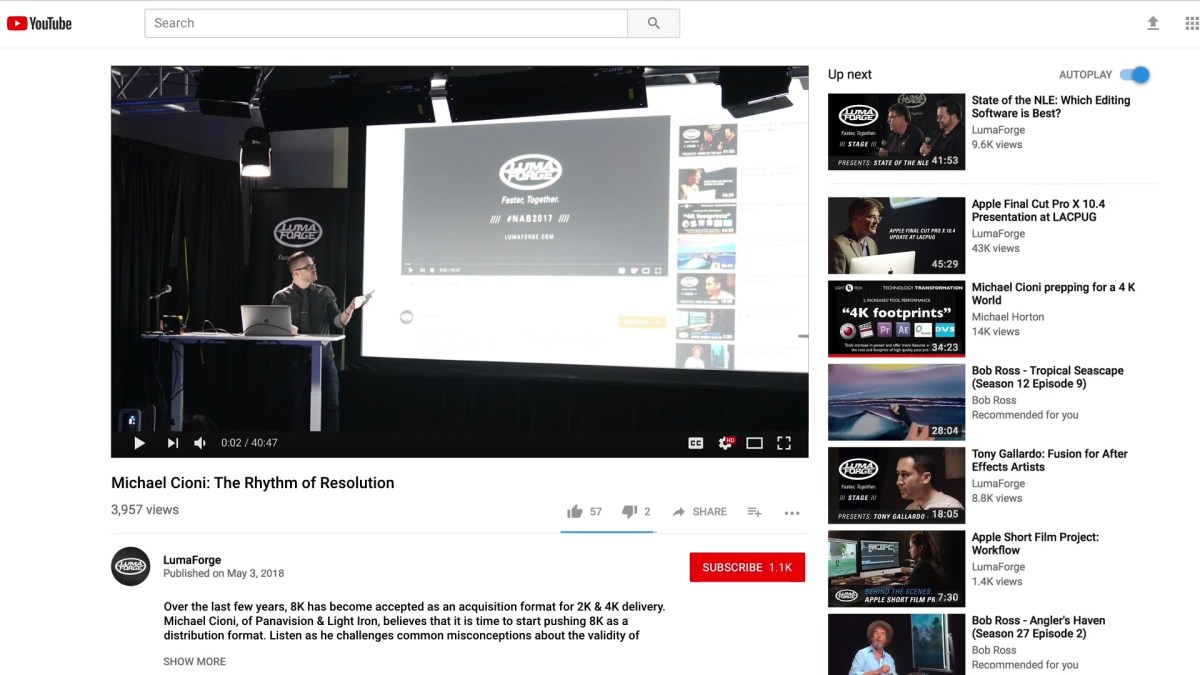
Over the last few years, 8K has become accepted as an acquisition format for 2K & 4K delivery. Michael Cioni, of Panavision & Light Iron, believes that it is time to start pushing 8K as a distribution format. Listen as he challenges common misconceptions about the validity of 8K exhibition.
Cioni uses Moore’s Law to explore the idea that the resolution of our capture and delivery of video will continue to grow far into the future. In the early years of Light Iron, Michael and his team faced many challenges in moving from a 2K to 4K digital intermediate for their customers. But they overcame those challenges and are now working toward supporting 8K distribution.
Episode 20
January 16, 2018
Colorist Podcast
This episode is sponsored by Colorist Society International and Mixing Light.
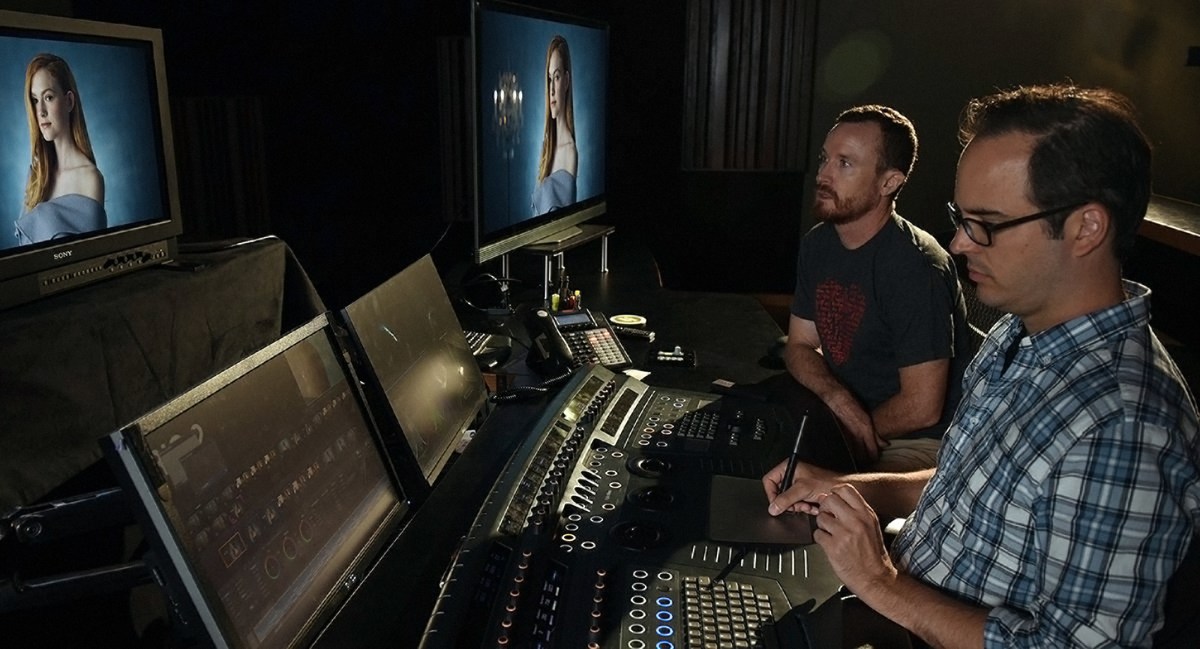
On this episode of the colorist podcast, I talk with Ian Vertovec, Co-Founder, and Senior Colorist at Light Iron.
Ian has colored major films “The Social Network,” “The Girl with the Dragon Tattoo,” and “Gone Girl.” And more recently, he has colored the TV shows “Baskets” for FX and “Glow” on Netflix.
Originally from Chicago, Ian focused on photography, then moved on to digital compositing. He later co-founded two post facilities in Los Angeles: Plaster City, then Light Iron. Out of necessity, he moved on to color at his company. He found his combination of photography and compositing matched perfectly for a career as a colorist.
In this podcast, we talk about:
Episode 22
December 6, 2010
Tech Media Planet
Colorist Ian Vertovec from Light Iron Digital takes us through the ins and outs of color grading one of this year’s biggest hit films “The Social Network”.
September 2, 2011
Dolby (YouTube)
Playlist:
Migdalia Melendez
December 21, 2017
Screen Rant
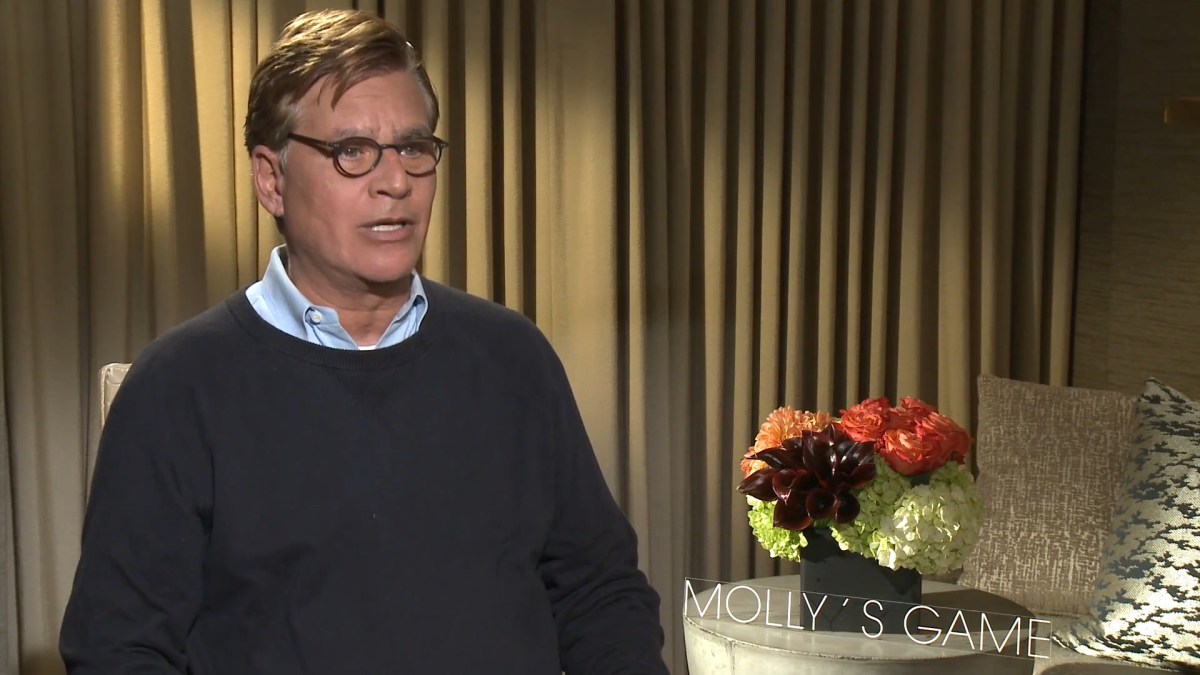
Aaron Sorkin is lauded as one of the best screenwriters of our time whose films have generated more than $350 million dollar at the box office. A seasoned writer of twenty five years penning classics such as The West Wing, and A Few Good Men, it comes as no surprise that Sorkin would get the urge to direct. At one point he was attached to direct The Social Network until David Fincher came along, and Sorkin ended up taking home as Oscar for Best Adapted Screenplay. Seven years later he was sent Molly Bloom’s autobiography, Molly’s Game, and became fascinated with the former high stakes poker queen after meeting with her.
The film adaptation chronicles Molly Bloom’s journey from Olympic skier to running a high stakes poker game in both Los Angeles, and New York. Apparently, A-List celebrities such as Leonardo DiCaprio, Ben Affleck, and Tobey Maguire were frequent players. However, things get ugly fast as soon as the Russian mob gets involved.
Producers Mark Gordon and Amy Pascal ran down a list of possible directors with Sorkin, but offered him another chance to take the director’s chair. He took it. With a tight turnaround from casting to wrapping, Aaron Sorkin’s feature film debuts on Christmas Day. Screen Rant sat down with the first time director and touched base on which director he has learned from the most, and about his quickfire dialogue.
Late Night with Seth Meyers (YouTube)
December 19, 2017
DP/30: The Oral History Of Hollywood (YouTube)
December 21, 2017
Tyler Mowery
November 21, 2017
YouTube
Today I look at David Fincher, his personal directing style, and the process that created The Social Network.
The Discarded Image (Julian Palmer)
Published on 14 Nov 2017
YouTube
In this video essay I breakdown how David Fincher uses popular music in films like Fight Club, The Social Network and the new Netflix series Mindhunter.
Rooney Mara is addicted to filmmaking vision, and it’s resulted in one of the most surprising young careers Hollywood has right now.
Zack Sharf
Jul 7, 2017
IndieWire
It’s the “A Ghost Story” scene critics can’t stop talking about. Still grieving from the loss of her husband, the widow M returns home and consumes an entire vegan chocolate pie in one sitting. David Lowery captures the moment in a nearly four-minute long take, but the stillness of the camera makes it feel like an eternity. It’s up to Rooney Mara to fill the frame with a sense of hopelessness that anyone who’s been through the grieving process can relate to. She does so with the commitment and the sensitive gusto that has defined a majority of her 12 years as an actress.
Mara first began acting as an extra in movies starring her sister, Kate, before landing television supporting roles on shows like “Law & Order: Special Victims Unit,” “Women’s Murder Club” and “ER.” Now she’s one of the most exciting film stars in the business, with one of the year’s best films in select theaters (read IndieWire’s A review here) and a potential Oscar contender hitting awards season on November 24 (“Mary Magdalene”). Her ascension to becoming an indie film darling has been marked by careful decision-making, and it all started with a shot from Hollywood’s most demanding auteur.
With “A Ghost Story” now playing, it’s become increasingly clear Rooney Mara will never stop surprising when it comes to her performances. Here’s how she made it happen.
Sheryl Oh
August 8, 2017
Film School Rejects
Allegiances are never simple in a Fincher film.
David Fincher makes some seriously memorable films. That’s like saying water is wet, but his movies are impeccably crafted without seeming ostentatious or painfully clinical. Arguably, the best part about his films is the talking. You won’t find a film of his where character dynamics aren’t laid bare in the form of a lengthy conversation. Literally putting words on screen has been a landmark of his since the beginning of his film career.
Notably, many of Fincher’s movies crescendo to significant arguments and interrogations, and it is never just run-of-the-mill grilling. He has the ability to make talking – for want of a better term – interesting. Part of what makes his interrogations so enveloping and immersive is the insistent, intimate focus on the subjects at hand. Characters are thrust into settings but also command them in cinematically satisfying ways:
Fincher gives us just enough of any given setting, and the details are always overshadowed by the manner in which the characters move and interact within them. (Jones, 44)
Fincher has a new Netflix series coming out in a couple of months; one which will undoubtedly feature some of his signature wordy conversations. While awaiting the release of Mindhunter, we examine what it takes for him to put together the perfect interrogation scene.
RocketJump Film School
Published on Aug 4, 2015
YouTube
Are computer generated visual effects really ruining movies?
We believe that the reason we think all CG looks bad is because we only see “bad” CG. Fantastic, beautiful, and wonderfully executed CG is everywhere – you just don’t know it. Truly great visual effects serve story and character – and in doing so are, by their very definition, invisible.
Written and Narrated by Freddie Wong
Edited by Joey Scoma
Assistant Editor – Joshan Smith
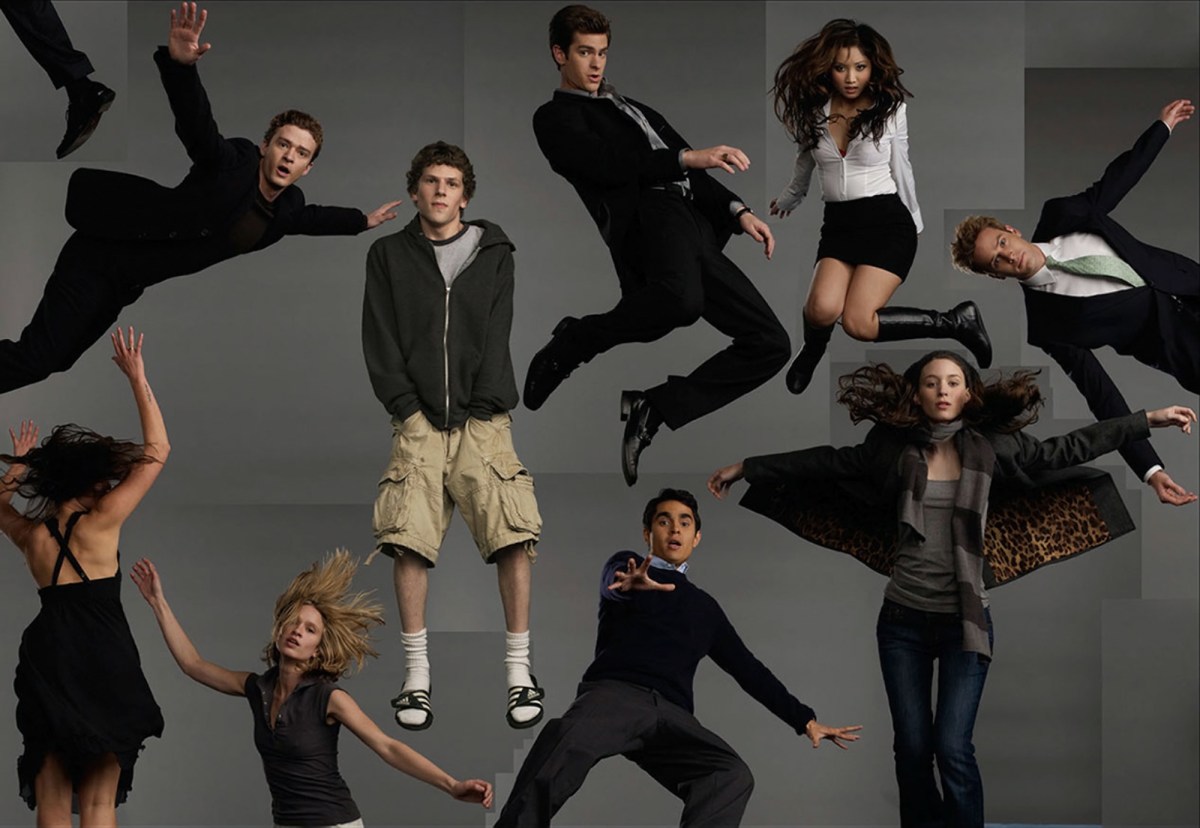
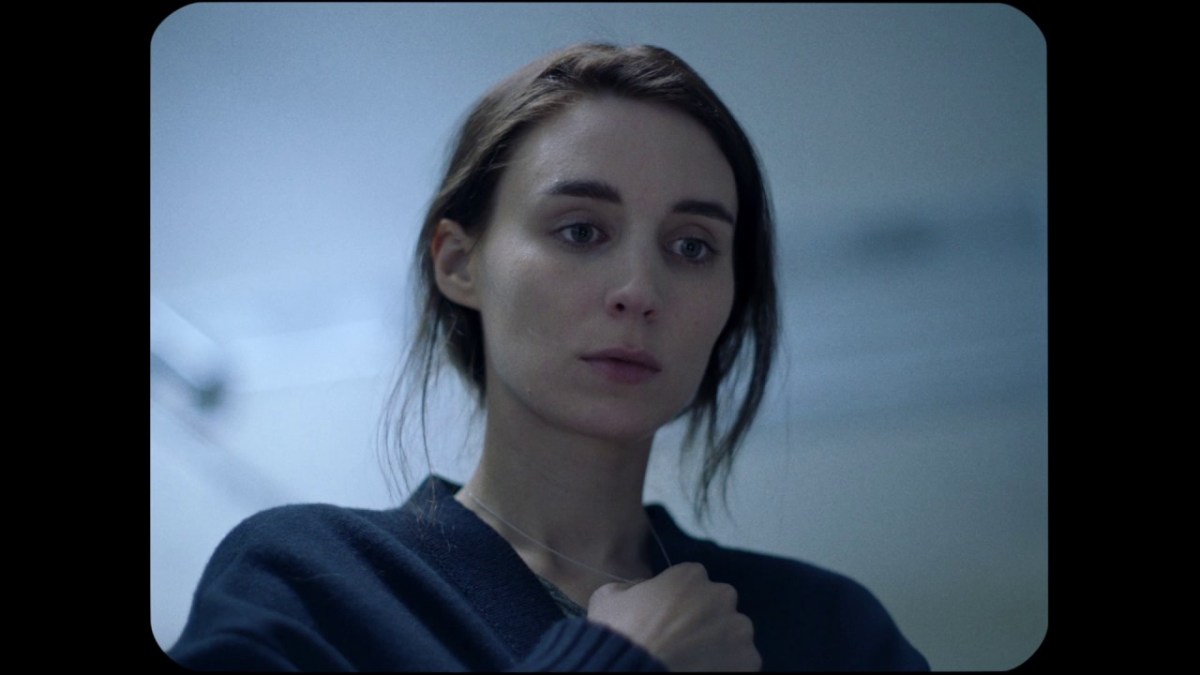
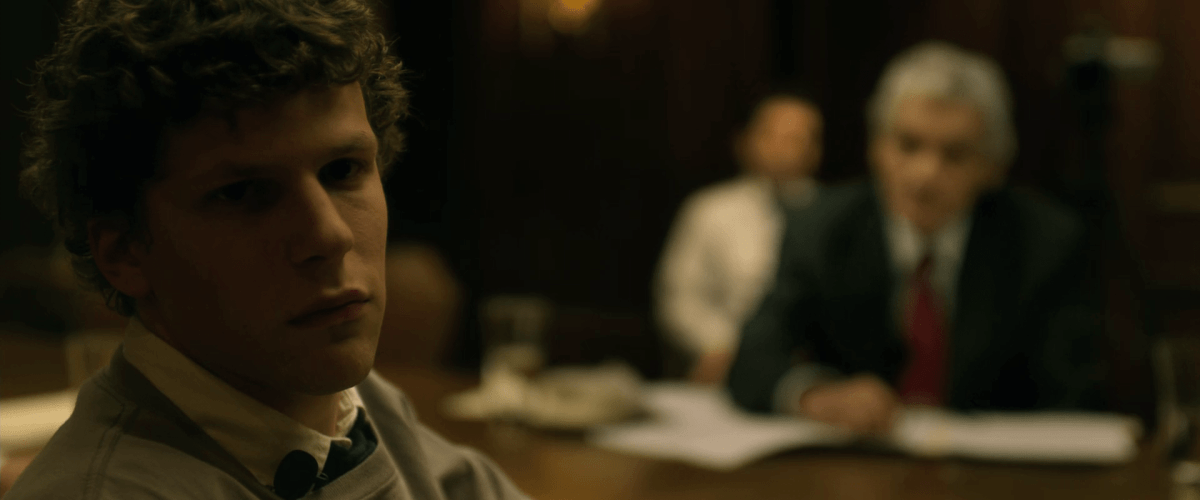
 The Fincher Analyst