Neville Pierce on Seven

SOMEONE ELSE’S MOVIE is just what it says on the label: Each week, an actor, director, screenwriter, critic or industry observer will discuss a film that he or she admires, but had no hand in making.

Hosted as genially as possible by Norm Wilner.

July 31, 2018
Someone Else’s Movie

Neville Pierce

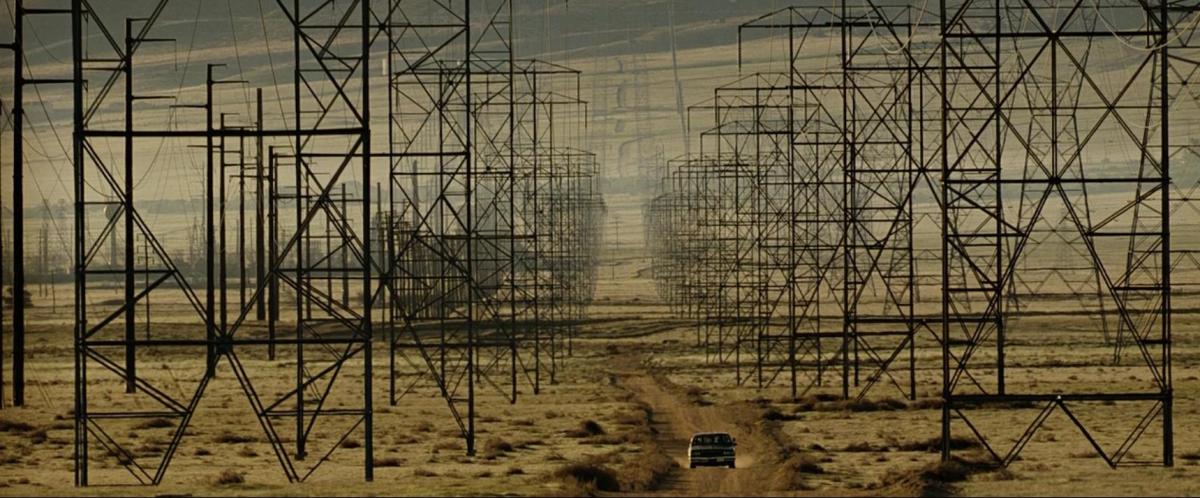
The show returns to London so journalist and filmmaker Neville Pierce — whose latest short, Promise, just arrived on Vimeo — can discuss the life-changing impact and technical virtuosity of David Fincher‘s Seven. Your genial host Norm Wilner believes in the second part.

Listen to the conversation

Previous episodes discussing Fincher films:

Jeffrey P. Nesker on Alien 3
Mark O’Brien on The Game
Jean Grae on Fight Club

The Pitch (vimeo)
July 20, 2018

Promise (2017)

A Syrian refugee can only stay in Britain if she becomes a surrogate mother for a desperate couple, but their illicit pact has dark consequences.

Stars: Rebecca Callard, Nabil Elouahabi, Lara Sawalha
Directed by Neville Pierce
Written by Hannah Lee
Produced by Luke Walton & Neville Pierce

“Superbly done” – Mark Romanek

Promise is a haunting film of loss and hope which takes an old story and sets it in contemporary Britain. “Pregnant with resonances, both biblical and political” – Projected Figures

Promise was made as part of The Pitch, a competition which offers its winner a £30,000 production budget and a trip to Hollywood.

Read an interview with Promise screenwriter and Pitch finalist Hannah Lee.

Opinion: SE7EN’s John Doe Didn’t Succeed as He Planned

Jonathan Barkan
July 3, 2018
Dread Central

David Fincher’s 1995 psychological horror/thriller Se7en is one of most enduring and terrifying films of its kind, standing alongside the likes of The Silence of the Lambs, Zodiac, Frailty, and The Vanishing, amongst others. The tale of two detectives, one new to the force and one on the way out, searching for a serial killer whose victims are chosen according to the seven deadly sins, Se7en was lauded upon release and was wildly commercially successful.

While the gritty, grimy, darkness that pervades throughout the film hovers like a miasma of evil, it’s the ending that has cemented the film in cinema history. I urge those who have not seen the film to avoid reading any further because this piece will delve deep into spoiler territory, ruining a great deal of what makes this film so special.

Read the full article


Murder by Imitation: The Influence of Se7en’s Title Sequence

Tim Groves
April 2018 (Issue 43)
Screening the Past

The serial killer film is nothing if not prolific: Robert Cettl discusses over six hundred examples in his annotated filmography, Richard Dyer argues that there are over two thousand serial killer films, and the IMDB lists more than 3500 film and television titles. [1] As with any genre, the serial killer film is marked by its typicality. Indeed, Philip Simpson criticises the serial killer film as a subgenre that is “endlessly derivative of its predecessors”. [2] The tropes of the clever, fiendish killer, his grotesque, ritualistic ‘signature’ and the gifted but damaged investigator are certainly familiar, but how does the serial killer film replicate itself on a textural level? This article will analyse the influence of Kyle Cooper’s much admired opening title sequence in Se7en (David Fincher, 1995). [3] However, rather than exploring the general influence of the sequence, I will focus on its stylistic similarities to the credit sequences of other serial killer texts such as The Bone Collector (Phillip Noyce, 1999), Red Dragon (Brett Rattner, 2002), Sanctimony (Uwe Boll, 2001), Taking Lives (D.J. Caruso, 2004) and the first season of Whitechapel (Ben Court and Caroline Ip, 2009). I will argue that their imitative or plagiaristic qualities can be interpreted in terms of Mark Seltzer’s work on the repetitive and circular discourse of serial killing.

Se7en

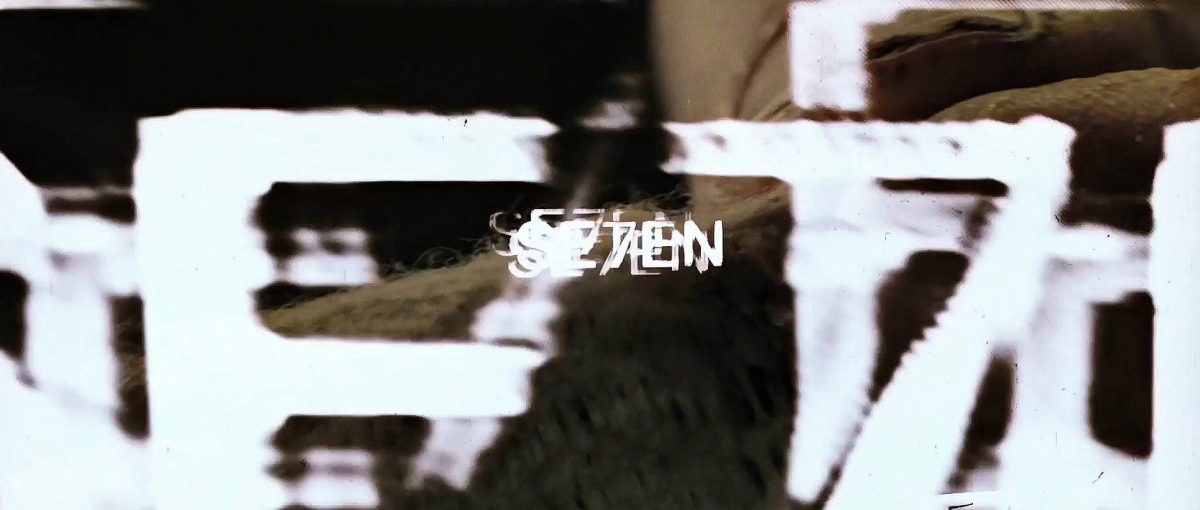
The title sequence of Se7en appears a few minutes into the film, occurring after a brusque initial encounter between Detectives William Somerset (Morgan Freeman) and David Mills (Brad Pitt) at the scene of the first murder. The sequence runs for just over two minutes and contains over a hundred shots, many in close up. It shows a person (whom we retroactively infer is the killer John Doe [Kevin Spacey]) shaving off the skin on his fingertips, and then working on a group of notebooks while wearing bandages. We see Doe writing in longhand, and highlighting and erasing portions of other texts. He also develops photographs and uses scissors to trim Polaroids and pieces of film. Doe incorporates some of these images and texts into the notebooks and then uses needle and thread to stitch the pages of his journal into a book, one of many.

The title sequence provides vital story material for the viewer about Doe’s activities. He removes his fingertips to ensure that he does not leave fingerprints behind, either in his apartment or at crime scenes. This also enables him to toy with the investigators by leaving a message composed of fingerprints on a wall at the second murder scene. Instead of this resulting in Doe’s apprehension, it points the police to his third victim, whose amputated arm was used to ‘write’ the words “help me”. After Doe surrenders, the police discover that he does not have a Social Security number, nor any banking or other official records. He is also, as Somerset states, “John Doe by choice”. His anonymity focuses police attention on to his mission or “work”. Indeed, during the final confrontation, Doe insists that he is not personally important, but that his crimes will be remembered and studied because of their shocking nature and diabolical logic (and Se7en is more memorable than many other serial killer films for precisely this reason).

Read the full essay

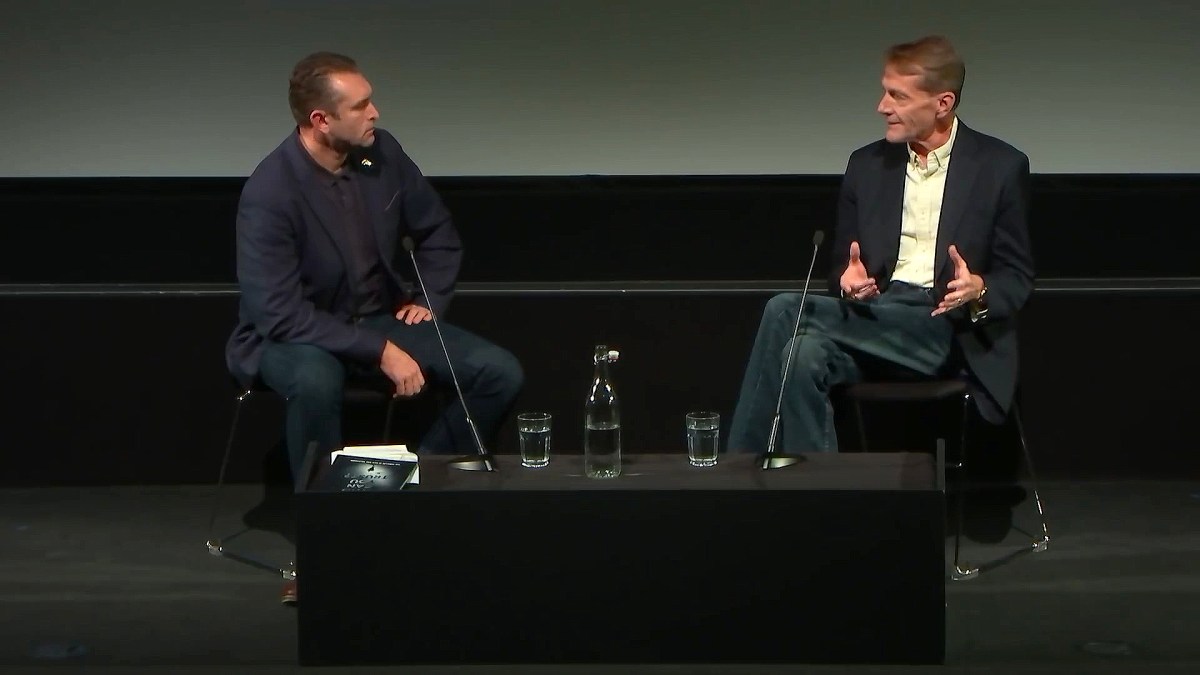
In conversation with… Lee Child on David Fincher’s Se7en

A video of Lee Child’s intro to last year’s BFI screening of “SE7EN“. I was there that night for the specially imported, ‘privately owned’ (QT?), original CCE 35mm print. I would have preferred a 4K DCP…

Joe Frady

November 30, 2017
BFI (YouTube)

Thriller author Lee Child talks to the BFI‘s Stuart Brown about David Fincher’s dark crime thriller, which follows a detective duo who find themselves pursuing a serial killer who uses the seven deadly sins to theme his murders. With a great ensemble cast and Darius Khondji’s camerawork helping to bring out the bleak, urban landscape, Se7en was a worldwide success.

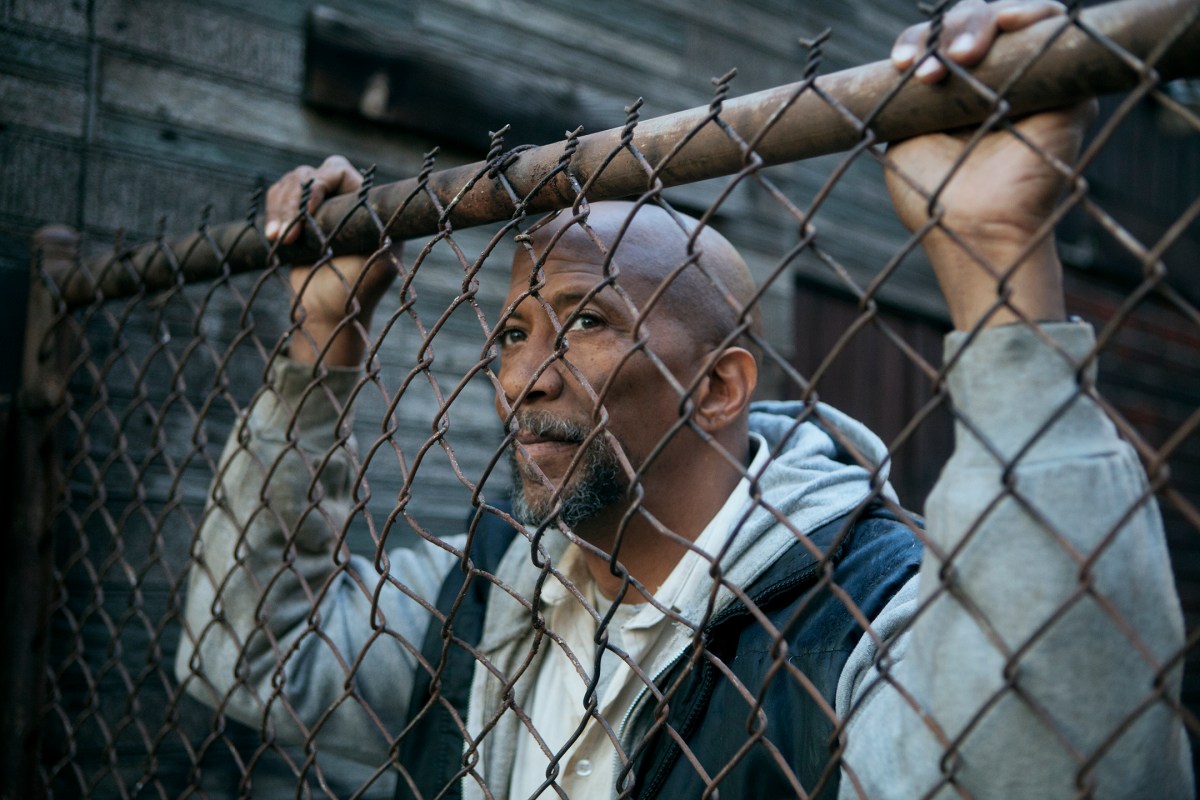
“The Wire” and “House of Cards” actor Reg E. Cathey has died

2013. Reg E. Cathey in House of Cards, Season 1 (Patrick Harbron / Netflix)

Veteran character actor, with a distinctive deep baritone voice, Reg E. Cathey has died at the age of 59, after a battle with lung cancer.

He had an extensive career in both TV and film but started being recognized for his work for David Simon and HBO in the mini-series The Corner and in the fourth and fifth seasons of The Wire, where he played newspaperman turned political operative Norman Wilson.

He also was Prison Unit Manager Martin Querns in the HBO series Oz, and boxing promoter Barry K. Word in the FX series Lights Out starring Holt McCallany.

He gained critical acclaim with his role in the Netflix series created by Beau Willimon House of Cards, as the owner of the small barbecue restaurant enjoyed by Frank Underwood, Freddy Hayes, which earned him three consecutive Emmy Award nominations for Outstanding Guest Actor in a Drama Series, including a win in 2015.

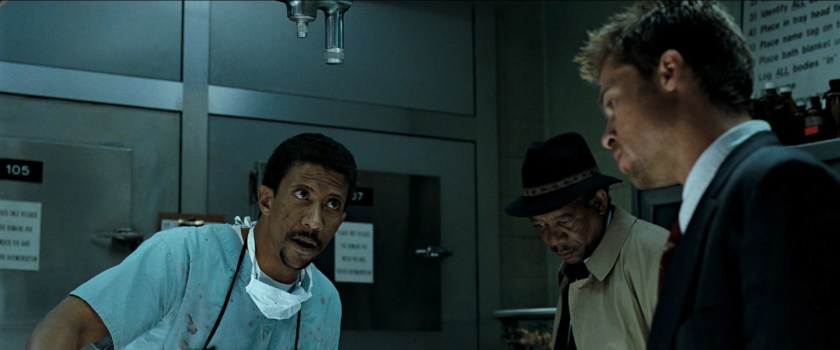
Cathey had already worked for David Fincher before the first two episodes of House of Cards. Almost twenty years earlier, he played the brief but “meaty” role of Dr. Santiago in the chillingly memorable post-autopsy scene in Se7en.

1995. Seven - Reg E. Cathey.jpg

How David Fincher Uses Pop Music

The Discarded Image (Julian Palmer)
Published on 14 Nov 2017
YouTube

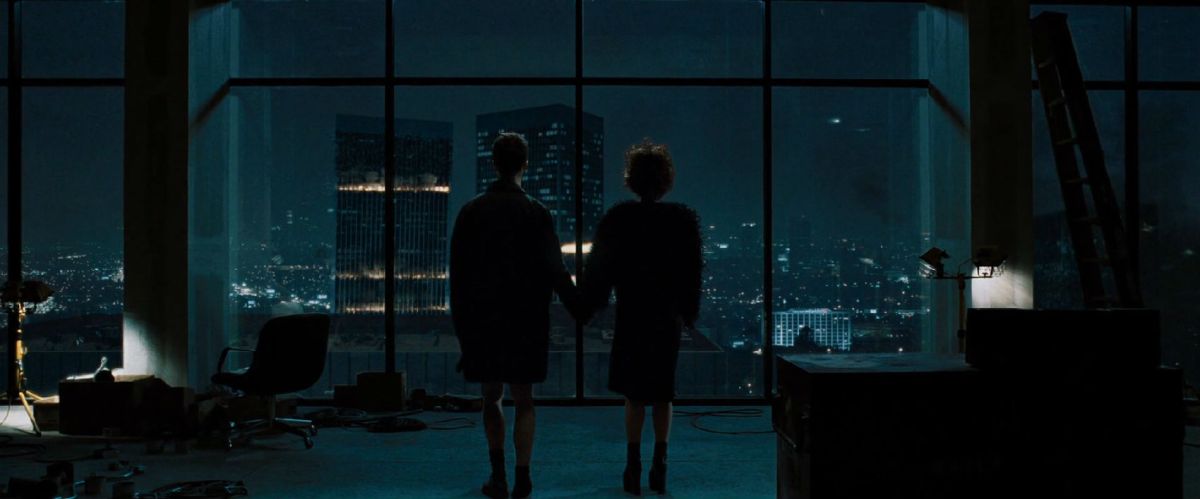
In this video essay I breakdown how David Fincher uses popular music in films like Fight Club, The Social Network and the new Netflix series Mindhunter.

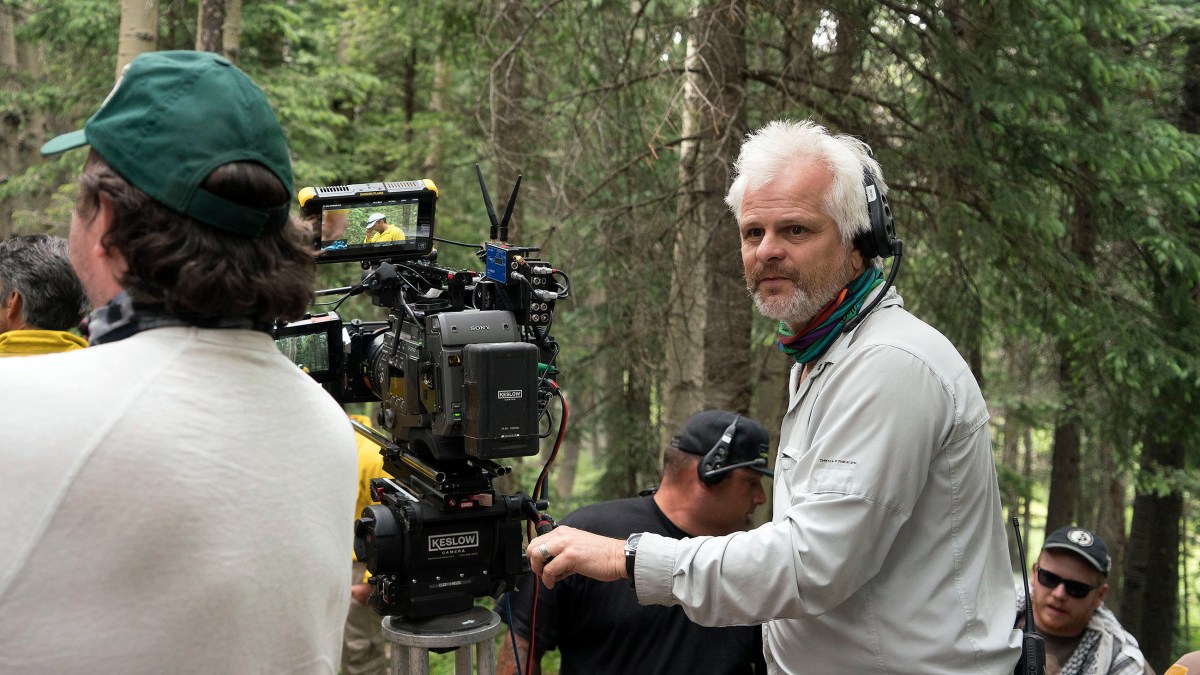
Exclusive: DP Claudio Miranda on ‘Only the Brave’, Shooting Fire, and David Fincher Stories

By Adam Chitwood
October 12, 2017
Collider

Claudio Miranda has had an interesting career thus far. After working as a gaffer on films like Se7en and Fight Club, filmmaker David Fincher (with whom he’d worked on a few commercials and music videos as a cinematographer) asked him to serve as the cinematographer for the wildly ambitious 2008 film The Curious Case of Benjamin Button. That VFX-intensive effort scored Miranda an Oscar nomination and led to him then shooting visually breathtaking movies like Tron: Legacy and Oblivion, and of course Life of Pi, for which he won the Best Cinematography Oscar.

Miranda’s latest film reteams him with director Joseph Kosinski for the third time and also marks something of a departure—the true story drama Only the Brave. The film revolves around one unit of local firefighters who battled the Yarnell Hill wildfire in 2013 to tragic results. Josh Brolin leads a cast that includes Miles Teller, Jeff Bridges, James Badge Dale, Taylor Kitsch, and Jennifer Connelly.

With Only the Brave hitting theaters on October 20th, I recently got the chance to have an extended conversation with Miranda about his work on the film. He talked about his working relationship with Kosinski, the challenges of capturing real fire onscreen, shooting on location, and his approach to shooting realistic visual effects.

But I’m also a big fan of Miranda’s work in general, so the conversation veered off into his early days working as a gaffer for Fincher, and we discussed his “trial by fire” experience shooting Benjamin Button as well as what it’s like to work with Fincher and how his gaffer work with other cinematographers like Harris Savides and Dariusz Wolski has shaped his approach. Finally, with Kosinski next set to direct the Top Gun sequel Top Gun: Maverick, I asked Miranda what the prep has been like on that movie so far.

It’s a wide-ranging and refreshingly candid conversation that hopefully admirers of Miranda’s work, or just those curious about cinematography in general, will find illuminating. I certainly had a great time chatting with the talented DP.

Read the full interview

Seven: The Violence of a Cinematic Hellscape

Posted by David Shreve | Aug 29, 2017
Audiences Everywhere

There are less than 20 gunshots fired in David Fincher’s 1995 film Seven, each exchanged between David Mills and John Doe. If you don’t count Detective Somerset’s late face slap, there is only one wounding act of violence committed onscreen. It’s an oft-shared description offered by cinephiles and aspiring screenwriters and critics: Seven is, in the most basic sense, a non-violent film, even as watching it feels like a very violent viewing experience. For most of its run-time, Seven, which this week celebrates its 20th anniversary, is a noir- serial killer thriller built around already murdered corpses rather than murderous acts. Yet, this basic quantifiable description feels misleading to anyone watching or re-watching the film, anyone caught within or recently escaped from the spiraling trap of the film’s increasingly unsettling, malicious scenes.

Seven is widely credited for displaying influence from prior detective films and inspiring several films of comparable serial killer concern, but few films in either comparative line have less character violence and yet even fewer give as distinct an impression of having witnessed something truly violent.

Read the full article

How a Thinking Filmmaker Films Thinking: The Shot-By-Shot Slow Burn of David Fincher

Posted by Brandi Blahnik | Aug 28, 2017
Audiences Everywhere

One of the most challenging aspects of storytelling is showing a character thinking. It might sound like a straightforward task, but think about what you look like while studying. Ever watched someone complete a puzzle? It’s a quiet, meditative task marked by trial and error. In reality, there’s remarkably little head-scratching or furrowed brows. Visually, it’s rather unimpressive.

So how does a creator reveal thinking—poring over material, investigative work, head-buried-in-clues research—without absolutely boring the audience? How does a director reinvent frustration, the false lead, the maddening search, particularly over a two-hour film?

David Fincher has made a career of chronicling that very process.

Not only has Fincher produced some of the most haunting detective sequences in film—Se7en, Zodiac, The Girl with the Dragon Tattoo—but you’d be unlikely to find criticism calling his films boring. He’s a master at tension-building and unapologetic about his resolutions. Perhaps this is why so many of his characters fall prey to their own obsessive madness. The unraveling of a character is something Fincher portrays with patience and deliberateness.

Read the full article