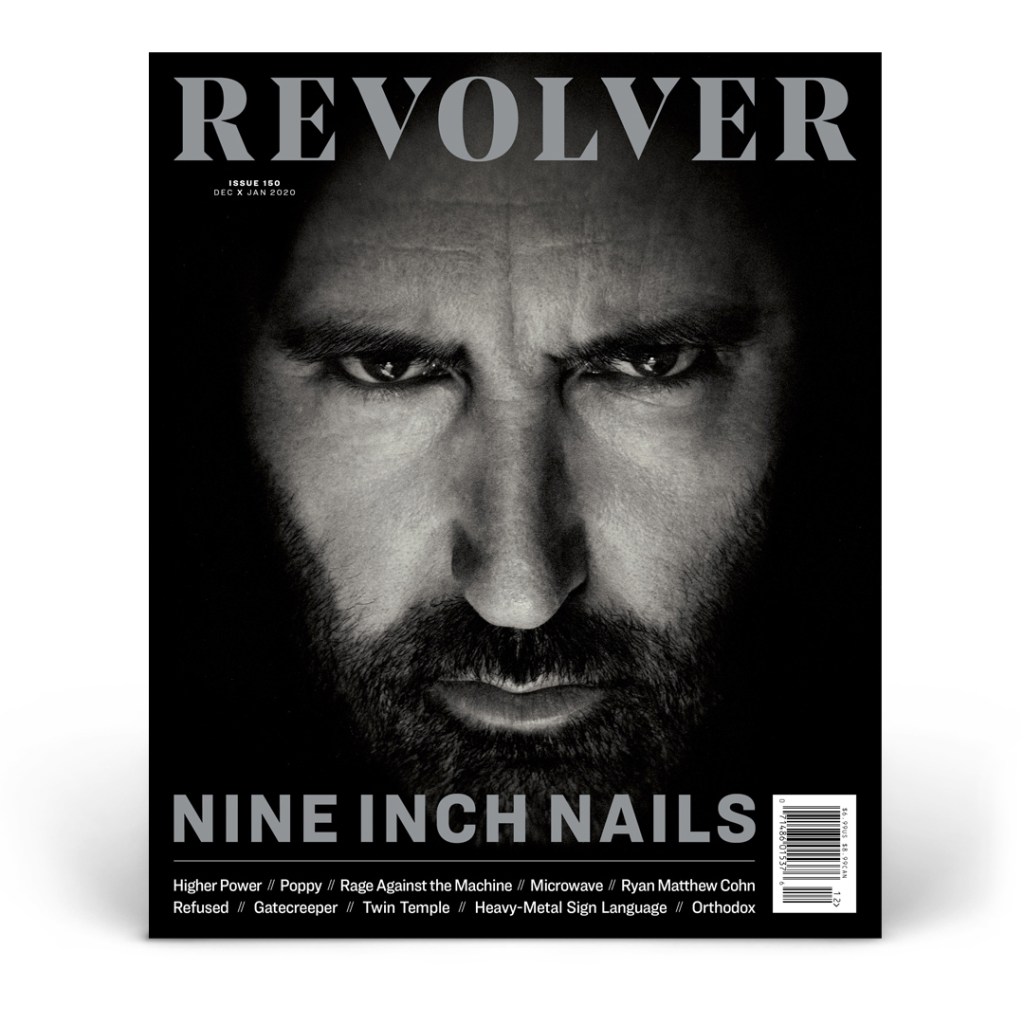
Director David Fincher — who first dragged Reznor and Ross into the film-scoring game by enlisting them for 2010’s The Social Network — is currently shooting the film Mank, a biopic about Herman J. Mankiewicz, the screenwriter of Orson Welles‘ Citizen Kane, played by Gary Oldman. As such, the movie is set in 1940. “We’re not gonna be using the modular synthesizer on that one,” Reznor revealed. “We think we’re gonna be period authentic, so it just creates a new set of challenges.”
Some might consider high-dynamic-range (HDR) displays a technology of the future, but the reality is it’s here now and very much a contemporary delivery format. At the forefront of this delivery is Netflix, the streaming and production giant, which reports that roughly a quarter of the devices used to access its service monthly — more than 165 million — are configured for HDR. As a result, Netflix is making a concerted effort to provide HDR content and currently has more than 1,000 hours of such programming available.
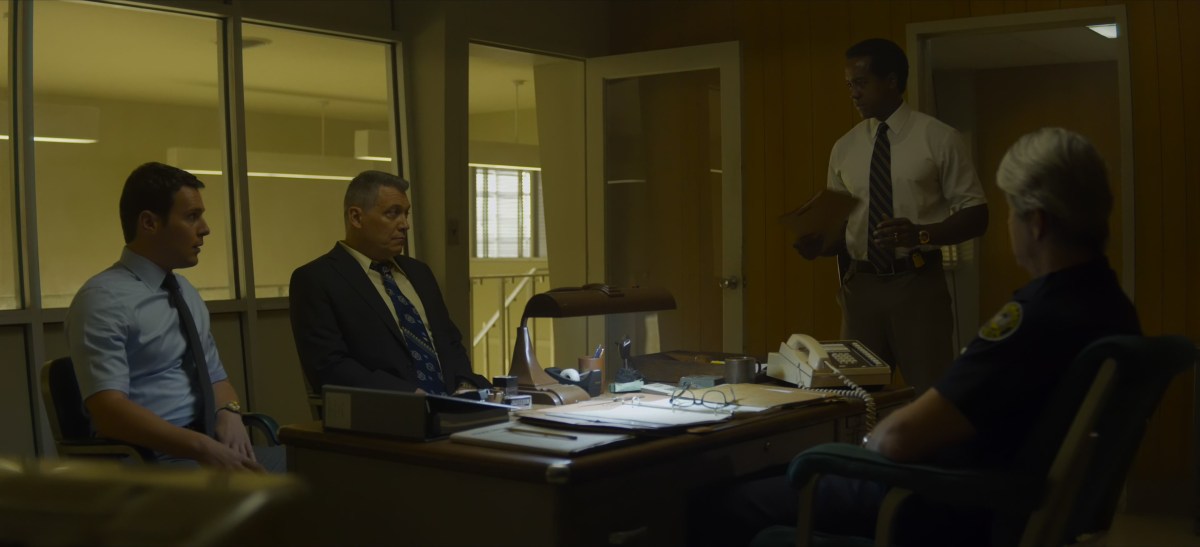
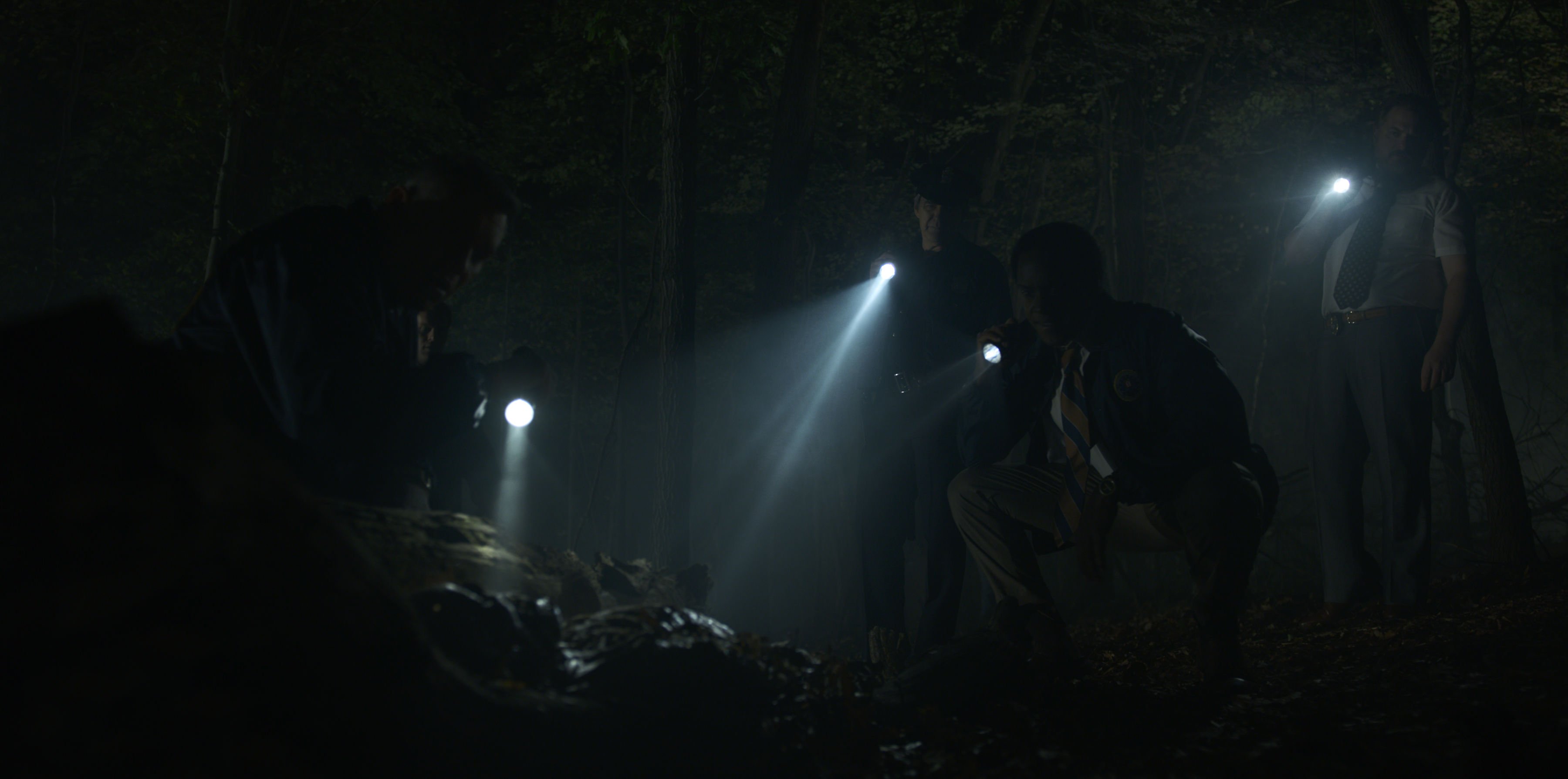
One of these titles is David Fincher’s gritty, period procedural Mindhunter, which earned Christopher Probst, ASC an ASC Award nomination for its pilot in 2017. The series is photographed by Erik Messerschmidt, who notes that production incorporated HDR into the second season. “With Mindhunter, we try to be very subtle with the photography,” says Messerschmidt. “The story and themes of the show are complex and nuanced, so it’s really important that the photography never draws attention to itself. HDR helps because it enables me to be very subtle in my use of color and contrast, particularly in the toe of the exposure. Everyone likes to talk about the bright whites in HDR, but I think perhaps the added range in the shadows is more interesting and more important than added range in the highlights.
“I think cinematographers have always advocated for a better experience for the audience, whether it’s fast film stocks with tighter grain, better projection technology, or higher quality digital-capture and display technologies,” he continues. “HDR is just another step in that direction. Standard-dynamic-range video distribution can only show a narrow exposure band of the modern digital sensor’s dynamic range. The opportunity to use more of the sensor’s range when we want to is a very exciting development.”
Movies have always had a strong impact on me, they affect the way I look at the world and help make me a better person. With this channel I want to explore this boundary between film analysis and life lessons, because I believe that movies, just like the stories of old, contain valuable lessons and insights, and to better understand them is to better understand life.
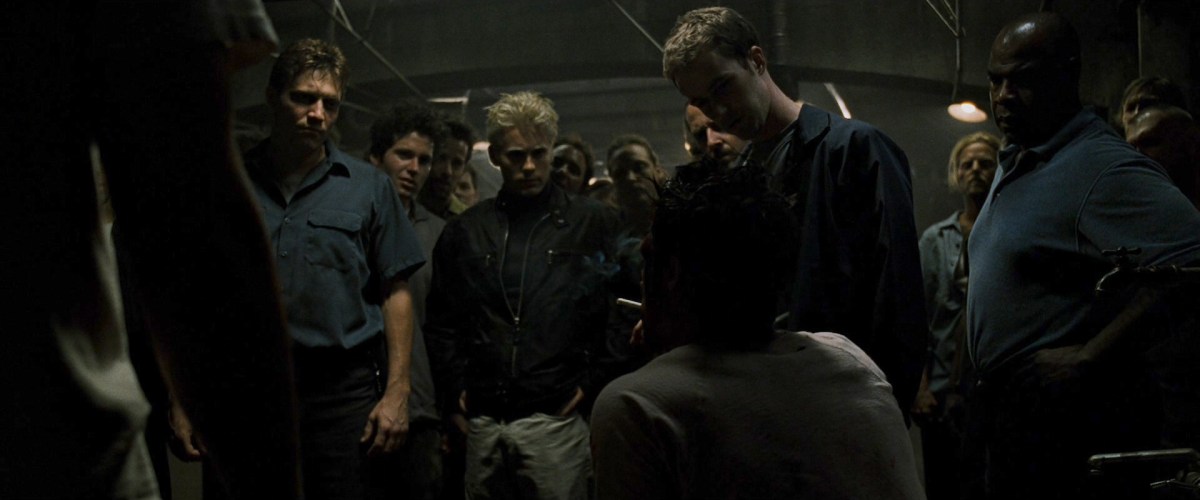
In this video essay on Fight Club, I examine how charismatic leaders like Tyler Durden turn men into Space Monkeys.
If you’ve watched David Fincher’s Mindhunter series about the development of the FBI’s Behavioural Science Unit from the late 1970’s through to 1980s, then you’ll already know there’s a certain kind of meticulousness to the Netflix show in each episode.
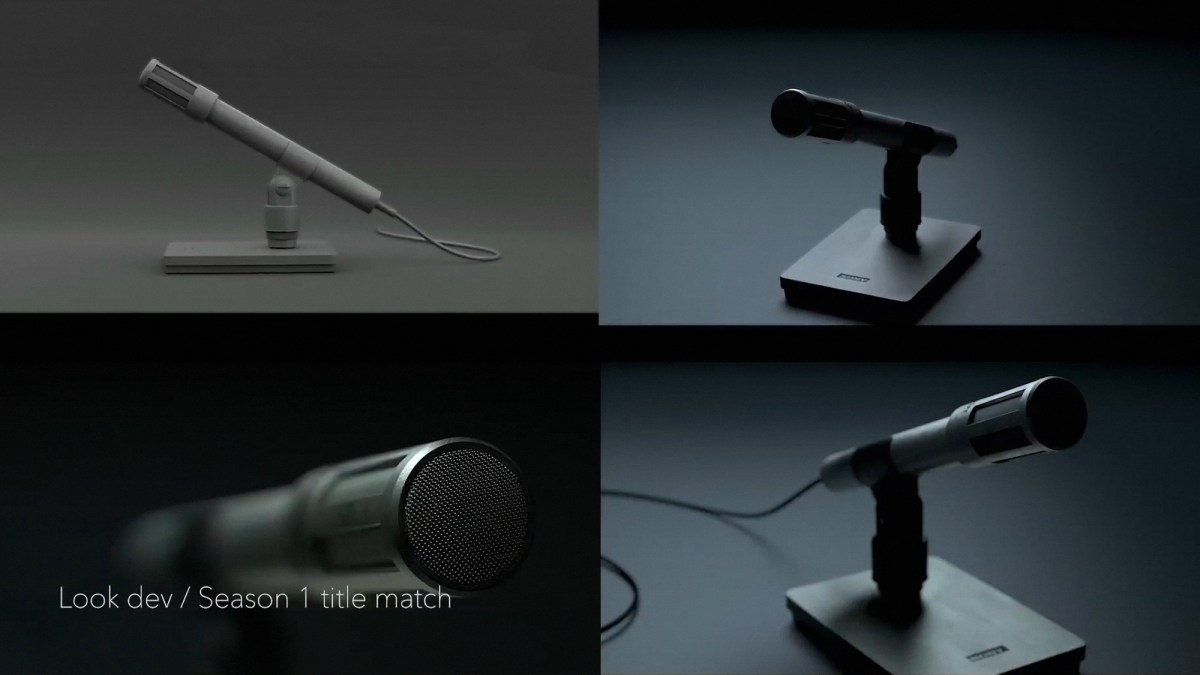
Well, that same kind of detail was added even to this promo for season 2 of series that got shown on social media. And it all revolved around…a microphone.
Tasked with creating a mic in between agents Ford and Tench in a police interrogation cell was Territory Studio, which also handled a few other clean-ups in the push-in shot.
Here’s the story, step-by-step, of how Territory – led by VFX Supervisor Simon Carr and VFX Producer Robin D’Arcy – researched the prop itself (even taking a used version apart), modeled it in CG and finished the shot.
In 1989 Chuck Palahniuk participated in a controversial type of “personal development” seminar, known generically as a large group awareness training (LGAT) and, according to Palahniuk, this seminar inspired him to become a writer.
In the two decades since Fight Club was published and released, film reviewers, academics, journalists, and the public have largely agreed about Palahniuk’s commentary on consumerism and masculinity; however, just as Tyler Durden spliced single frames of pornography into family films, it will be argued that Chuck Palahniuk, and later David Fincher, spliced numerous references to the LGAT industry into Fight Club. It will be contended that, while Fight Club touches on multiple themes, a major metaphor relates to Palahniuk’s involvement with these organisations.
Because Palahniuk and Fincher refer to various individuals, processes, criticisms, and critics associated with LGATs, this analysis will start with an overview of the LGAT industry. Evidence of Palahniuk’s participation in the most well-known LGAT of its time will then be provided, and the remainder of the paper will discuss the parallels between this industry and the book/film.
John Hunter, author of this essay, was diagnosed with bipolar I disorder in 2003 and since then has been trying to understand the illness, and its impact on belief-formation. In 2017 John completed his PhD in psychology, contending that a brutal form of “personal development” training triggers a bipolar state (hypomania/mania), that this experience contributes to a kind of religious conversion… and that Chuck Palahniuk and David Fincher were satirising these trainings in Fight Club.
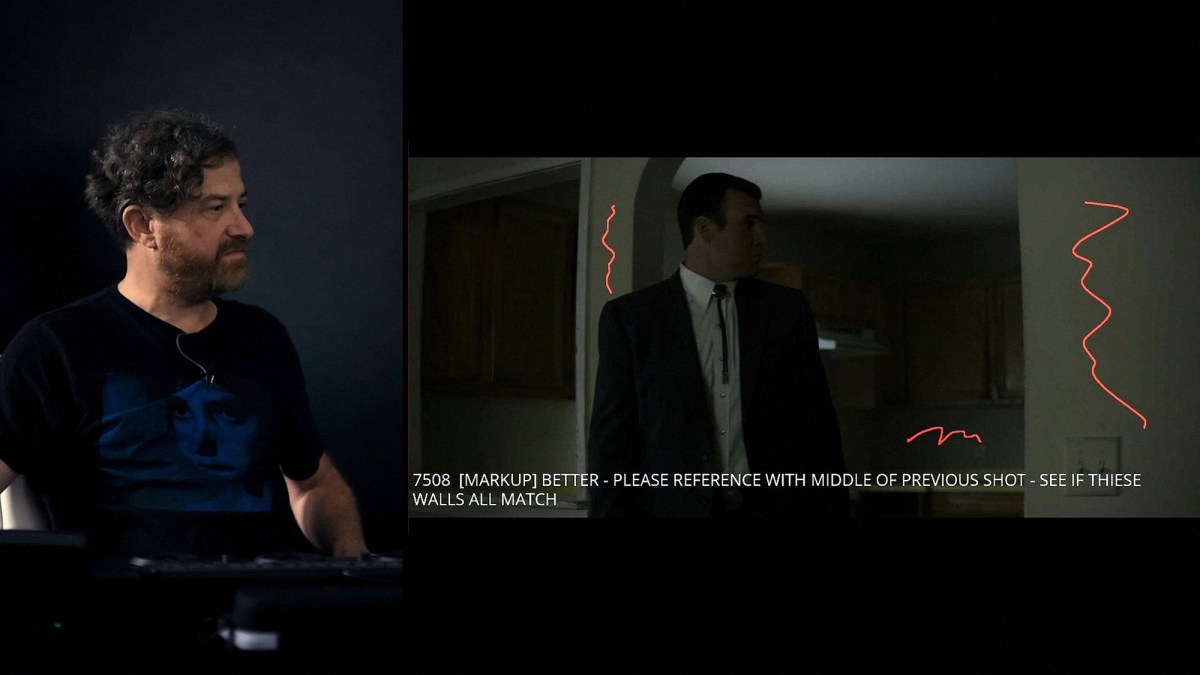
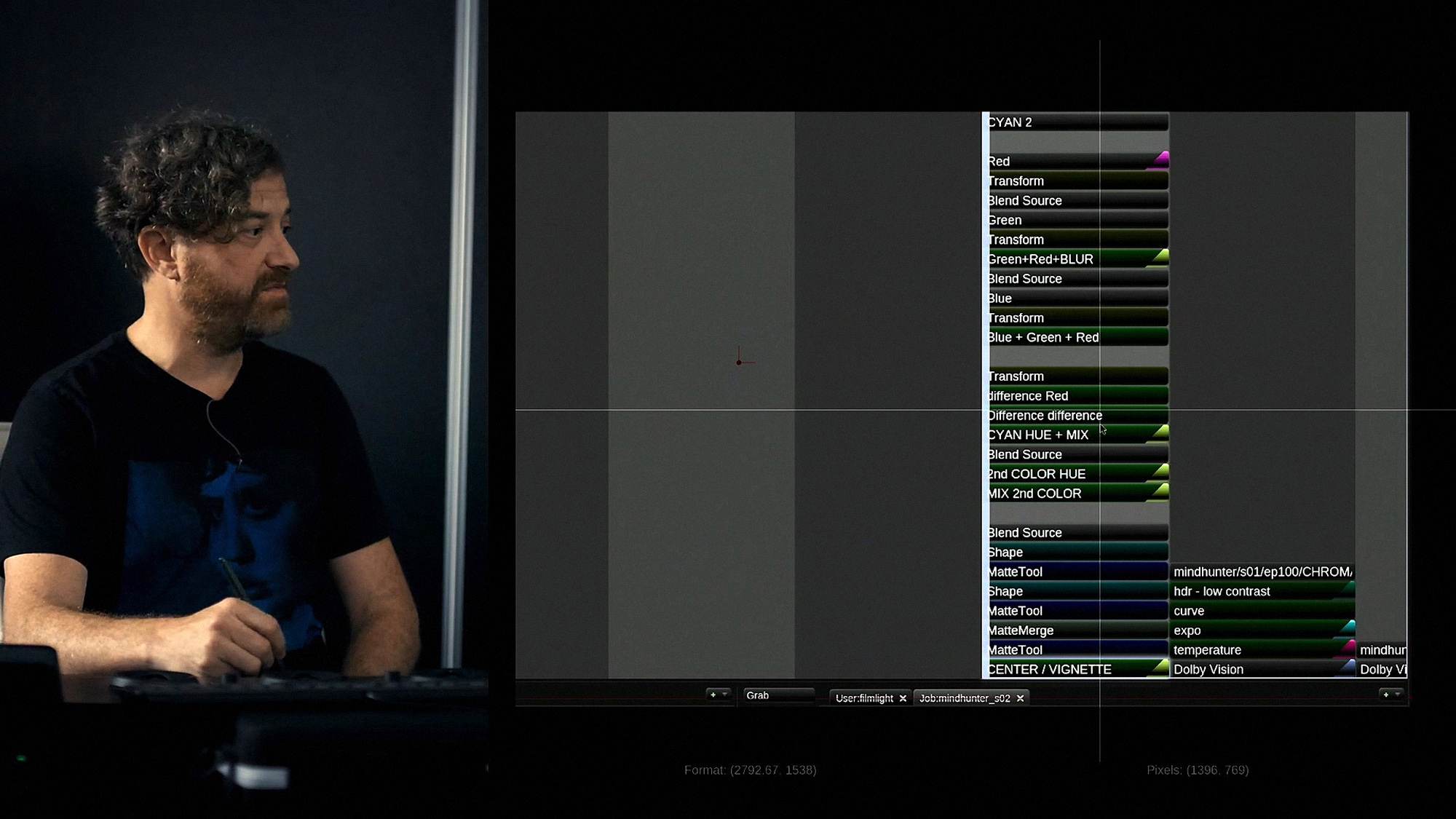
Eric Weidt talks about his collaboration with director David Fincher – from defining the workflow to creating the look and feel of Mindhunter. He breaks down scenes and runs through colour grading details of the masterful crime thriller.
Eric Weidt spent years in Paris working with fashion photographers transitioning from traditional film to digital capture workflows. He created custom film-emulation ICC profiles, and mastered color work and compositing techniques for print stills and fashion films.
Clients included Mario Testino, David Sims, Patrick Demarchelier, Mert Alas and Markus Piggot, Steven Meisel, Hedi Slimane, Karl Lagerfeld. His motion picture work for David Fincher includes responsibilies as VFX artist (Gone Girl), and Digital Intermediate Colorist (Videosyncracy and Mindhunter).
He holds a BA in Theater Arts from the University of California at Santa Cruz and is both an American and French citizen.
Where craft meets culture. Hosted by The Modern School of Film’s Robert Milazzo, Murmur is a prescient tour through our sight and sound culture; featuring scenes, songs, and an array of guest tour-guides from all sides of the brain:
Oh, F’it, let’s actually talk about the film Fight Club @ Twenty – still the smartest delinquent in the room – with the man whose book-as-rolling-ball-of-art-and-confusion began a movie birthed by an apropos society of full-throated artists: Chuck Palahniuk. The film still can’t drink, but it’s no less a danger to society. Its meta and mythos are more than meets the eye, and its fever-pitch lives in Chuck’s own agnostic baptisms. Write what you know, perhaps; film what’s to remain, please. Live from Cologne, Germany Live from Cologne, Germany, with an assist from Black Francis of The Pixies. Gleiten [Slide].
Ron Magid Unit Photography by Rolf Konow and Bob Penn, courtesy of 20th Century Fox July, 1992 American Cinematographer
Alex Thomson, BSC — one of Britain’s premier cinematographers — creates images of dazzling perfection, richness and clarity, images which have graced some of the most exquisite-looking films in recent memory: Legend, Ridley Scott‘s epic fairytale; Eureka, Nicholas Roeg‘s influential retelling of Citizen Kane; and Excalibur, John Boorman‘s visually magnificent approach to the King Arthur legend.
Though Alien3 is ideal subject matter for Thomson’s rich photographic style, he might never have lent his expertise to the project had it not been for one of the greatest triumphs and tragedies of his career. Late in 1990, Thomson had been chosen by one of the world’s undisputed filmic masters to photograph what promised to be his final masterpiece: the director was David Lean; the project was Joseph Conrad‘s Nostromo.
Unfortunately, Lean took ill and died, Nostromo shut down and a saddened Alex Thomson returned to London, wondering what he would do next. “I came back from France on a weekend and they called me on Monday to see if I could take over on Alien3,” Thomson recollects. “I started work on Tuesday, which was about a week and a half into production. I was happy to do it; it kept my mind off what might have been.” (There is a certain karmic irony to Thomson’s twist of fate. As fans of the first Alien film will recall, the spaceship in that picture was dubbed the Nostromo.)
Behind the camera, Alex Thomson, BSC watches intently as operator David Worley lines up a shot on Charles Dance as Sigorney Weaver stands by.
The production history of Alien3 is a troubled one. Before Thomson joined the film, its first director, New Zealander Vincent Ward — one of a slew of directors who had been attached to the project during its lengthy pre-production phase — had been replaced by rock video director David Fincher. Thomson was hired when the film’s original cinematographer, Jordan Cronenweth, ASC (Blade Runner) left the production.
Many cinematographers might feel stifled by a production where the original look had already been determined, but not Thomson. “I had no problem with following in Jordan’s footsteps because his approach was so right,” he enthuses. “It was marvelous to be pointed in the right direction by a man of his caliber.”
First-time feature director Fincher, for his part, is an award-winning rock video director with a background in visual effects storyboarding at ILM. “To take something over like this at 28 must’ve been quite awe-inspiring, but he handled it as if he’d done 20 pictures,” Thomson relates.
It’s been 20 years since David Fincher’s cult classic Fight Club first exploded onto screens. The film, based on Chuck Palahniuk’s 1996 novel of the same name, repelled and excited audiences in equal measure when it was released, changing the optics of how political cinema could or should be – with the first worries of copycat rebels emerging from the gutters. Today, Fight Club boasts a loyal and fervent fanbase still full of praise, discomfort, conspiracy theories and fascination for the iconic relic of modern cinema.
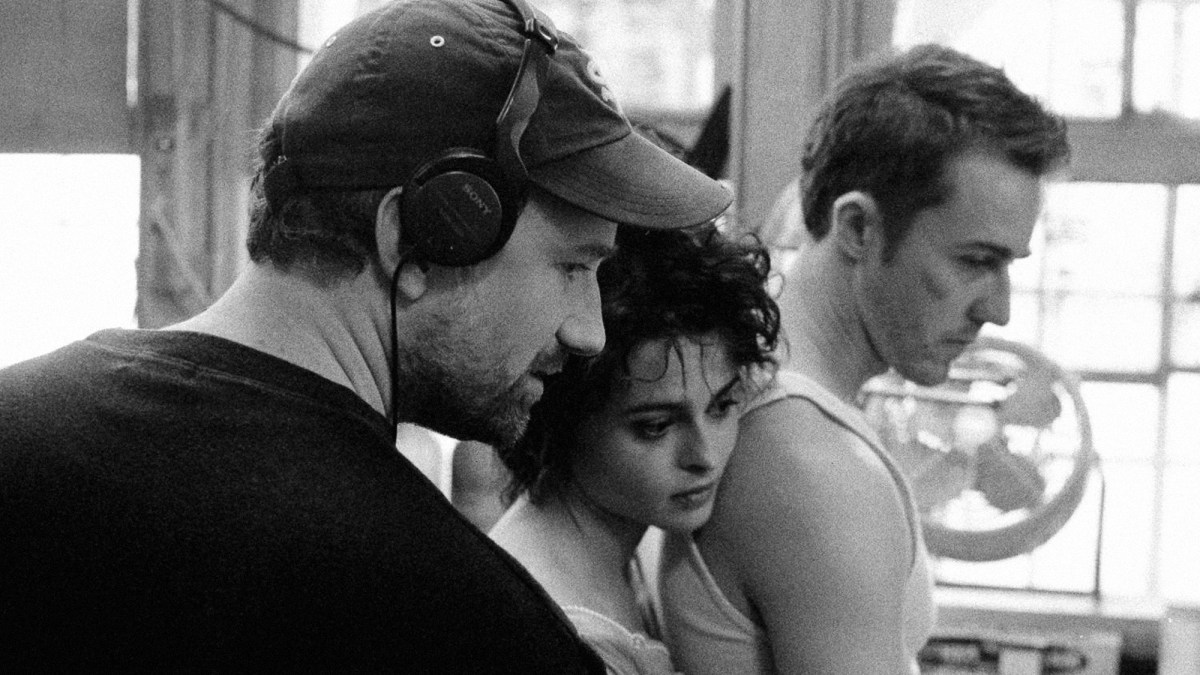
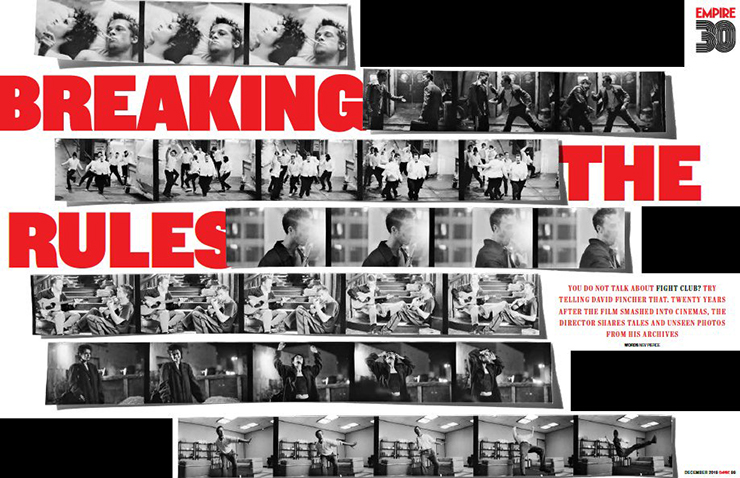
Exclusively for Empire and Nev Pierce, David Fincher opened his personal photography archives in the 2020 Preview Issue, leafing through his memories on-set, and sharing insights on many of the film’s key ingredients – from the setting of Project Mayhem’s headquarters, to his stellar leading trio of Edward Norton, Brad Pitt and Helena Bonham Carter, to the mechanics of successfully shooting Edward Norton’s cheek off. Here’s a sneak preview of the feature, in which Fincher explains why the dynamic of his three stars, as the story’s mismatched trio of lonely and dangerous sociopaths, worked so well – with photos from Fincher’s own collection.
Fight Club archive material courtesy of David Fincher. Black and white photography by Merrick Morton. Special thanks to Ceán Chaffin and Andrea McKee.
David Fincher on his leading trio:
“They were a very playful and fun group. Brad is a kind of feline influence. He’s like, ‘Are all the instincts here aligned?’ and, ‘Can we now play and find an interesting mistake or a movement or a gesture?’ Edward is very much, ‘Tell me in advance all the things you want me to hit and let me blow your mind.’ And Helena is sort of a blend of the two. She’s disciplined and, ‘What is it you’re trying to get across? Let me work backwards from that a little bit.’
Edward had only made a few movies and I think he wanted to get it right. There’s a tendency for him to come across as somebody who’s trying to contain or control what’s happening. But really I think what he wants to know is, ‘Where is this thing headed? Let me try and help you get it there.’ He has a very different process than the other two. But when they were together, they were a lot of fun. As far as having an intensely watchable and charismatic triumvirate, they were a ball.”










 The Fincher Analyst