Tim Miller Talks Leaving Deadpool 2, The Goon Movie, & Goes Comic Book Shopping

ColliderVideos
Published on Jul 26, 2017
YouTube

Watch: Tim Miller Talks ‘The Goon’ Movie, Leaving ‘Deadpool 2’, and Goes Comic Book Shopping

By Adam Chitwood
July 26, 2017
Collider

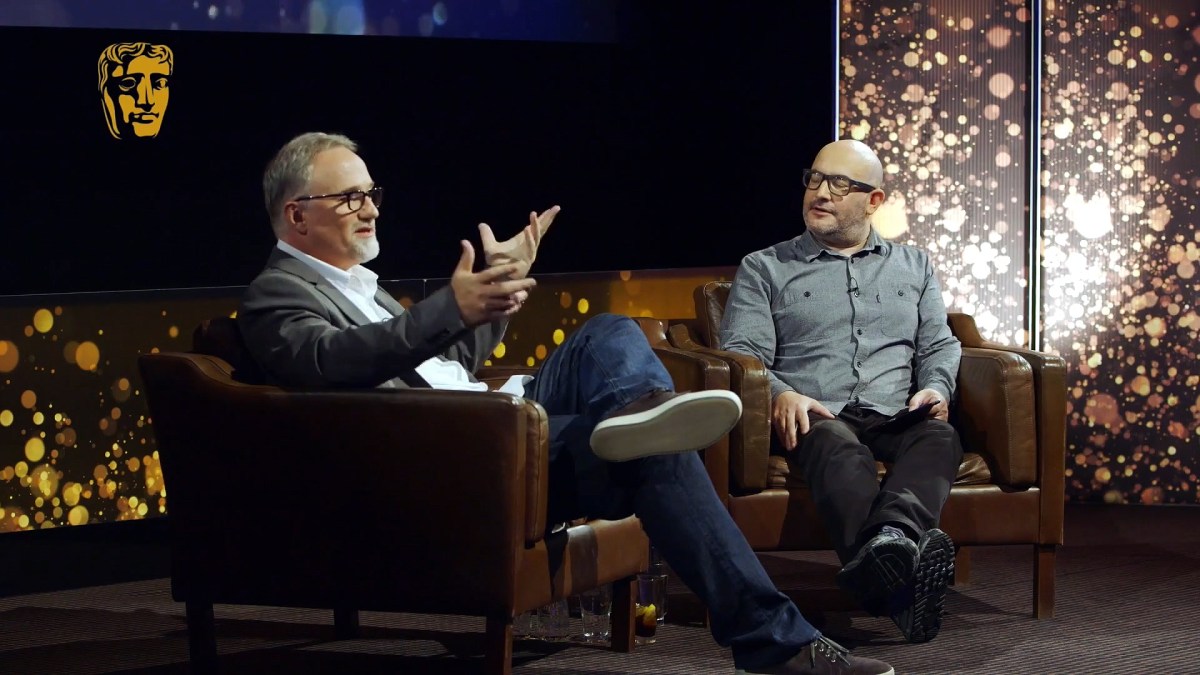
In a new episode of Comic Book Shopping, we’re joined by Deadpool director and Blur Studios co-founder Tim Miller to talk comics, his career, leaving Deadpool 2, an encouraging update on The Goon movie, and his next project. If you like comics and celebrity interviews, this is your show. Each week we’re joined by a new guest, who hits up a local comic book shop with host Jon Schnepp and peruses the wares while also discussing their career, upcoming projects, and of course their favorite comic books.

In this week’s episode, Schnepp and Tim Miller venture to Miller’s local shop Comic Bug in Culver City, where they discuss how Miller got his career started, how he founded the visual effects, animation, and design company Blur Studios, and his early work creating unforgettable cut scenes for video games like DC Universe Online and Star Wars: The Old Republic. Miller also reveals how he landed the job of directing Deadpool, the long road to finally getting the movie made, and briefly touches on his exit from Deadpool 2.

During the conversation, Miller also gives a tantalizing update on The Goon movie that he’s been developing for years, saying there’s going to be an announcement soon and teasing their take on the movie (hint: it’s Goodfellas meets Army of Darkness). Miller also says he hopes to be shooting a new “big movie” next year, which may or may not be a new Terminator film.

Check out the full conversation in the video above, where Miller’s love for comics shines bright as he explains how he gets a pull list from Comic Bug each week. If you missed our previous episodes, check out the link: Comic Book Shopping (YouTube)

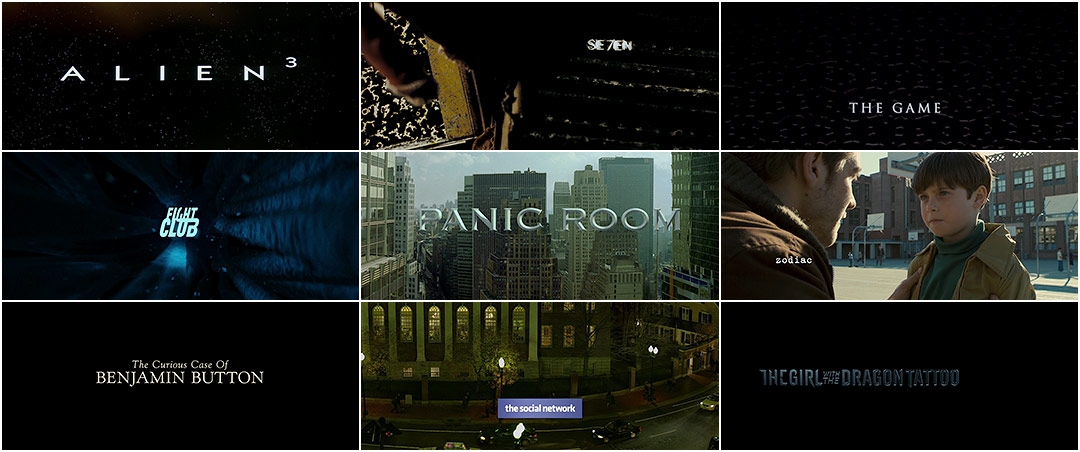
Art of the Title: David Fincher

David Fincher: A Film Title Retrospective

August 27, 2012
Art of the Title

The History of Movie Title Sequences

John P. Hess
July 30th, 2017
Filmmaker IQ

Not only do Title Sequences tell you the name of the film and the stars, they can also set the tone and mood and put you in the right frame of mind to experience the film or TV show to come. Explore the history of the title sequence and how they’ve evolved along with business of filmmaking over the past century.

Procedural: Zodiac and the Digital Cityscape

A Video Essay by Conor Bateman

RealTime
July 17, 2017
vimeo

Conor Bateman observes how analogue and digital, real and constructed, bleed into a paranoid, video-game vision of 1970s San Francisco in David Fincher’s classic crime procedural, Zodiac.

Commissioned by Open City Inc, publisher of RealTime 2017, ©RealTime

Why CG Sucks (Except It Doesn’t)

RocketJump Film School
Published on Aug 4, 2015
YouTube

Are computer generated visual effects really ruining movies?

We believe that the reason we think all CG looks bad is because we only see “bad” CG. Fantastic, beautiful, and wonderfully executed CG is everywhere – you just don’t know it. Truly great visual effects serve story and character – and in doing so are, by their very definition, invisible.

Written and Narrated by Freddie Wong
Edited by Joey Scoma
Assistant Editor – Joshan Smith

Interiors: The spaces in David Fincher’s films

Interiors

Interiors is an online film and architecture journal, published by Mehruss Jon Ahi and Armen Karaoghlanian, that analyses and diagrams films in terms of space.


A Pair of Artists Use Architecture to Study Film

The founders of “Interiors,” a journal dedicated to film and architecture, diagram scenes from movies such as “Fight Club,” “Psycho,” and more.

Colin Warren-Hicks
January 30, 2014
Metropolis


INTERIORS: David Fincher

If cinema is a matter of what’s in the frame, David Fincher is an artist who is very much concerned about all four corners of his canvas.

by INTERIORS Journal
June 3, 2013
ArchDaily


Panic Room (2002)

“Their positioning throughout the scene provides us with an understanding of how David Fincher uses space within the film, and in doing so, how he also maintains the architectural integrity of the film.”

Mehruss Jon Ahi and Armen Karaoghlanian
2012-01
Interiors


Se7en (1995)

“The vastness of the desert around them emphasizes the fact that the handcuffed John Doe is captured; a lack of freedom despite the free space around him.”

Mehruss Jon Ahi and Armen Karaoghlanian
2013-01
Interiors


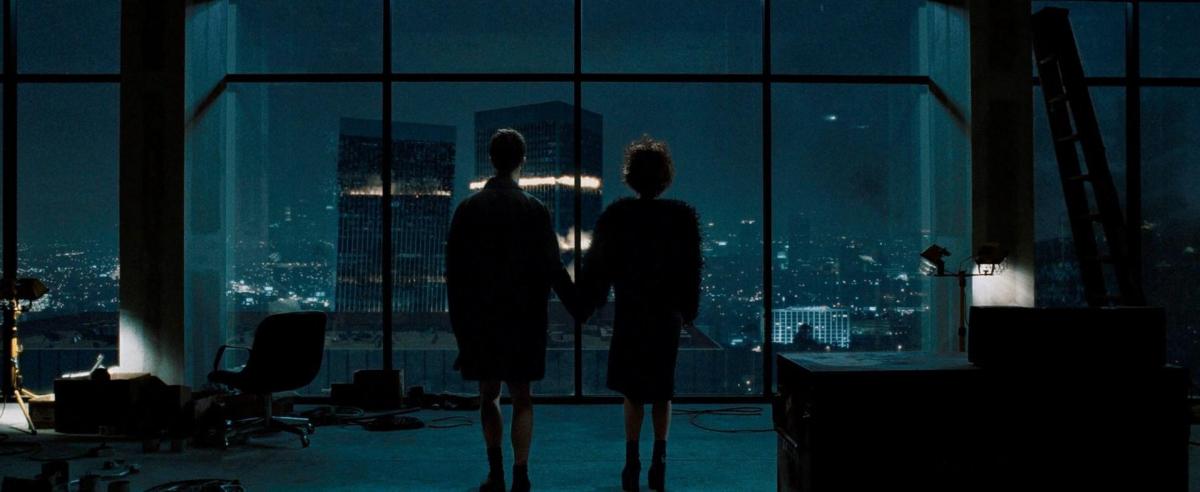
Fight Club (1999)

“David Fincher switches from a subjective perspective onto an objective perspective after the reveal has been made.”

Mehruss Jon Ahi and Armen Karaoghlanian
2014-01
Interiors

David and Brad seem impressed by the latest toy from RED

Jarred Land (Facebook)
Jarred Land (Instagram)
July 7, 2017

Crazy. Last night it seems the entire the world was arguing over how insane we were (again) and how the Hydrogen display we are promising is just simply impossible. […]

Read the full announcement:

Facebook
Instagram

Order here: http://www.red.com/hydrogen
Link to PDF: http://www.red.com/hydrogen.pdf

More details by Jim Jannard, founder of RED, on the RED User forums.

Thanks to mikez