If you’ve watched David Fincher’s Mindhunter series about the development of the FBI’s Behavioural Science Unit from the late 1970’s through to 1980s, then you’ll already know there’s a certain kind of meticulousness to the Netflix show in each episode.
Well, that same kind of detail was added even to this promo for season 2 of series that got shown on social media. And it all revolved around…a microphone.
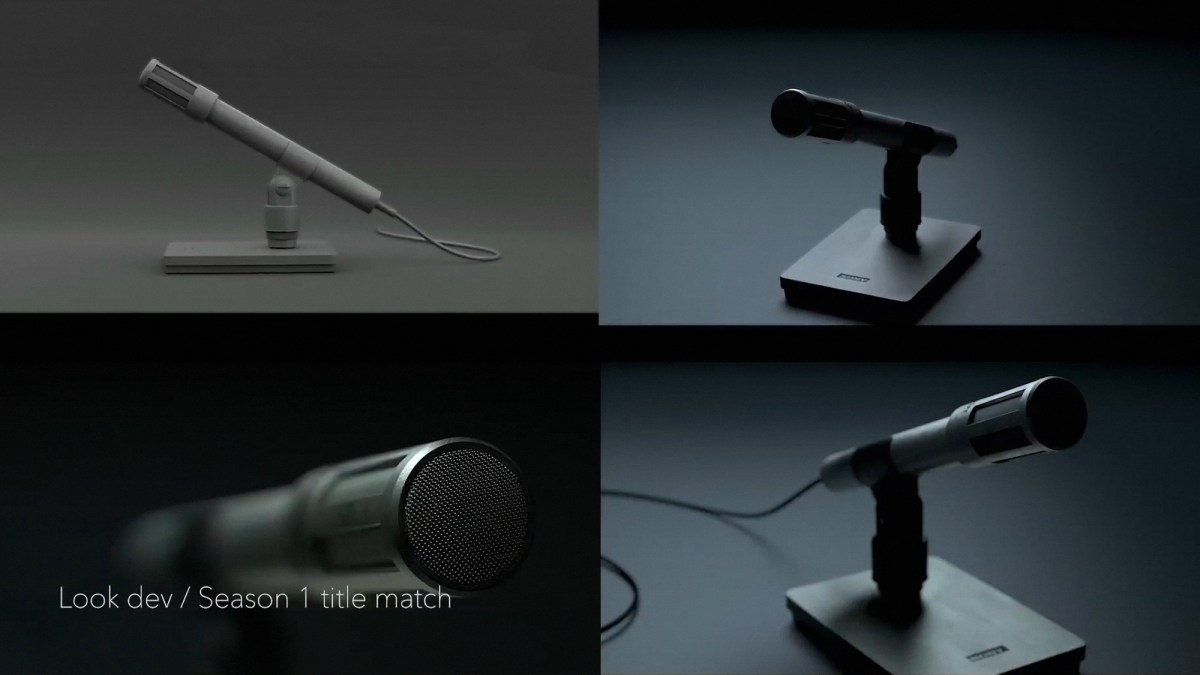
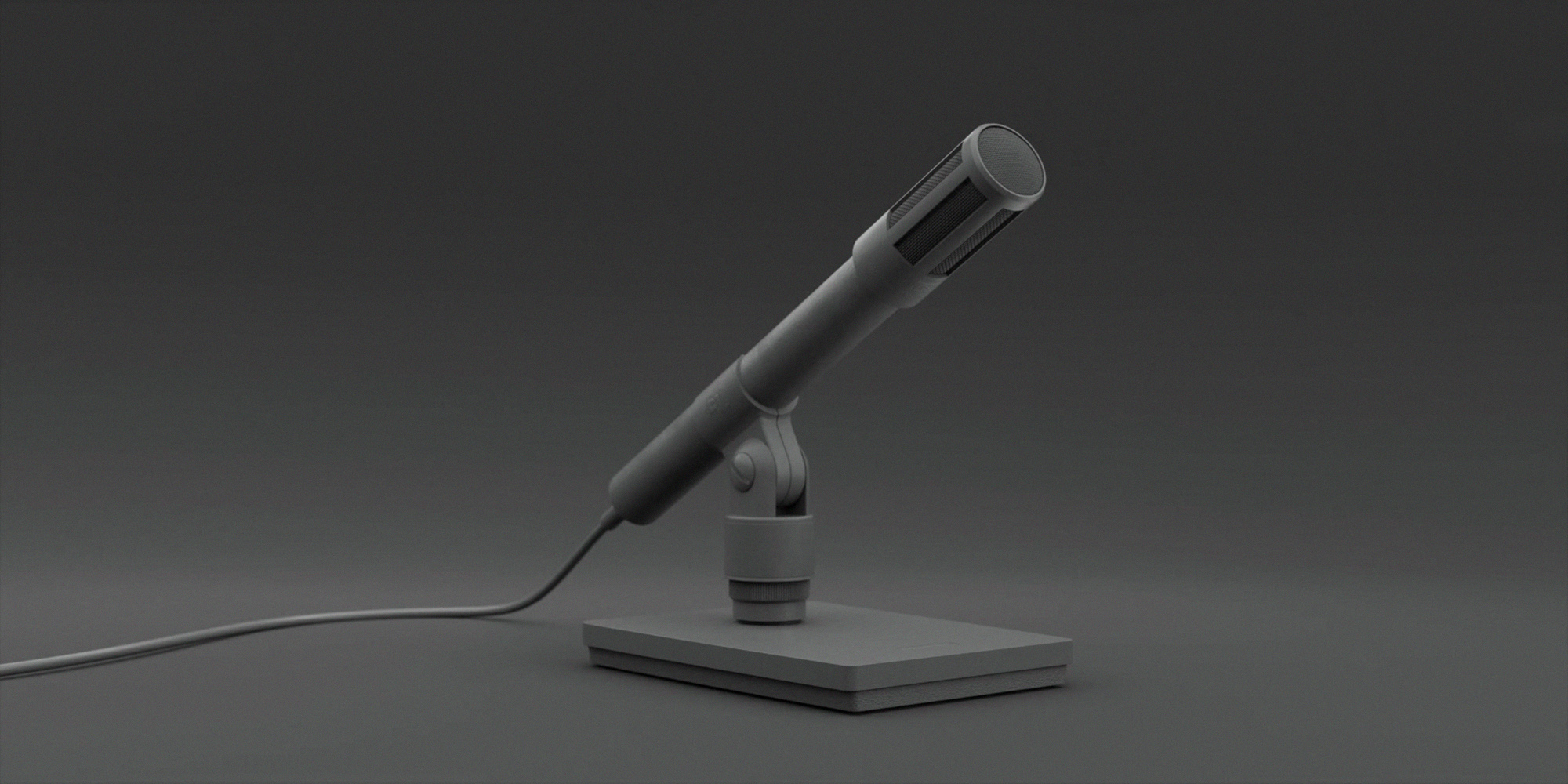
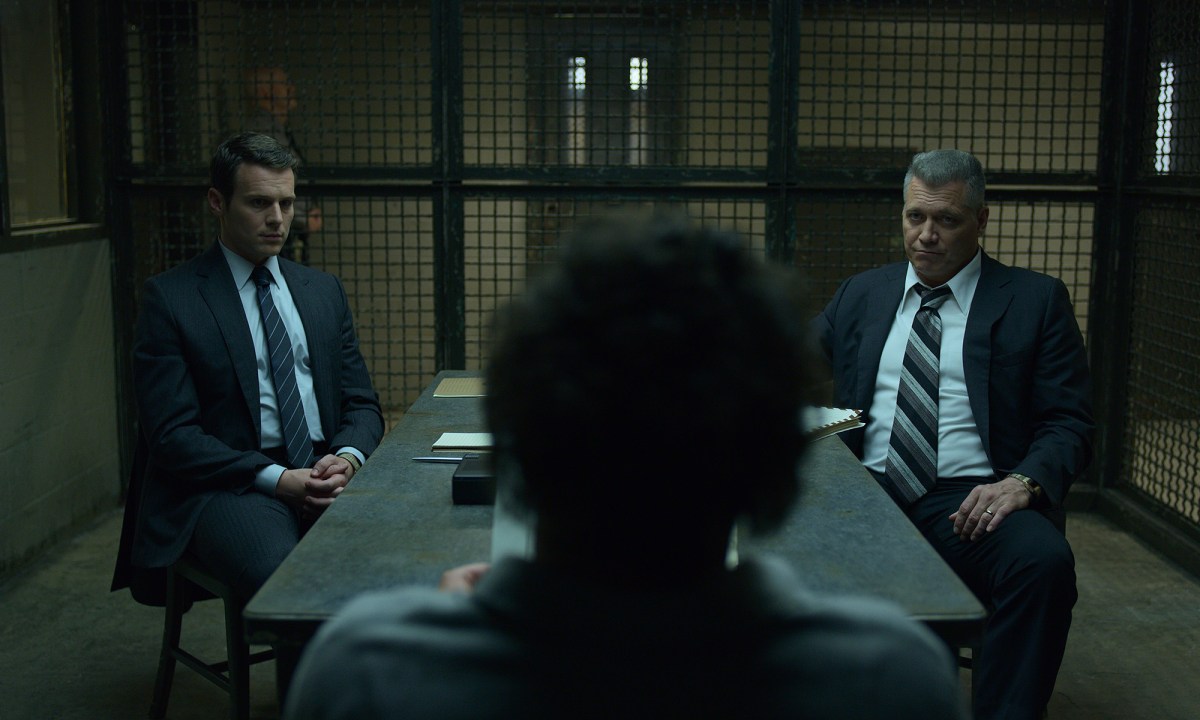
Tasked with creating a mic in between agents Ford and Tench in a police interrogation cell was Territory Studio, which also handled a few other clean-ups in the push-in shot.
Here’s the story, step-by-step, of how Territory – led by VFX Supervisor Simon Carr and VFX Producer Robin D’Arcy – researched the prop itself (even taking a used version apart), modeled it in CG and finished the shot.
Charting the development of the FBI’s behavioural science unit in late 1970’s USA, and based on the true-crime book ‘Mindhunter: Inside the FBI’s Elite Serial Crime Unit‘, Netflix‘s TV series required an effortless recreation of time and place.
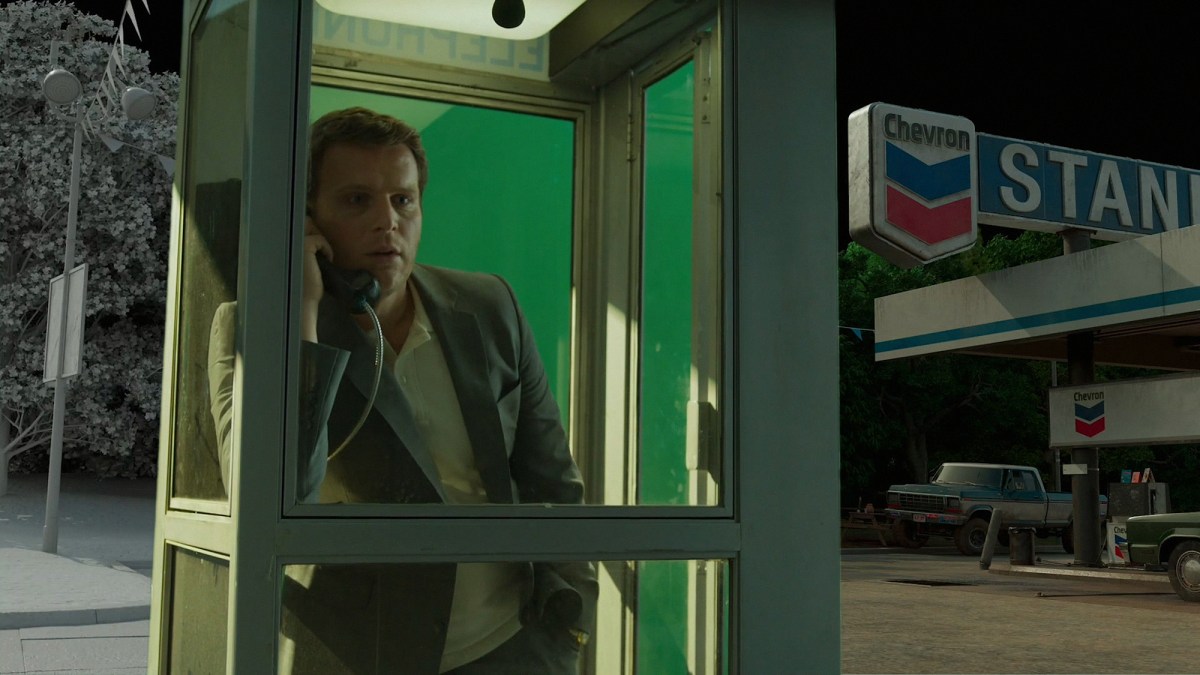
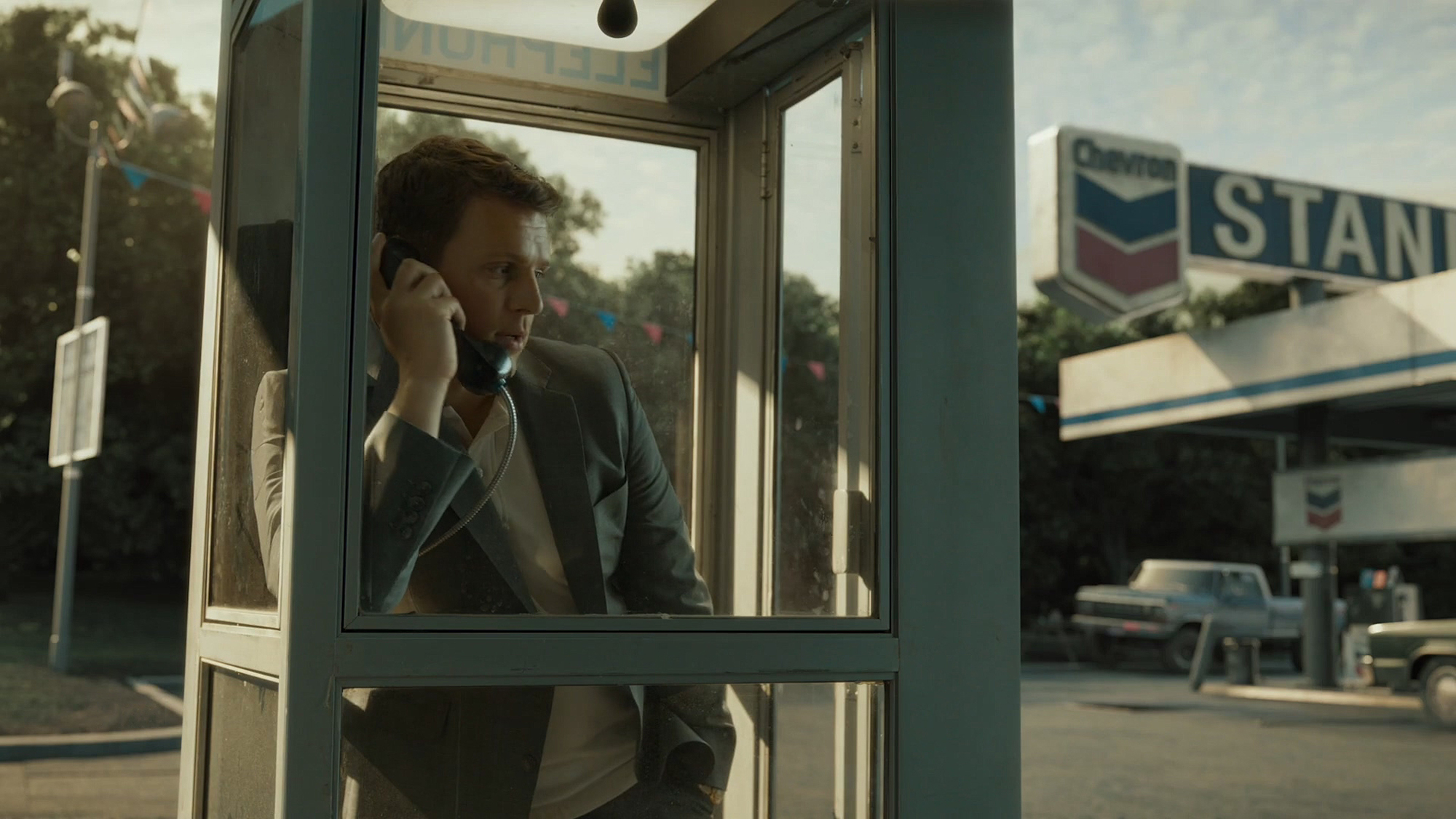
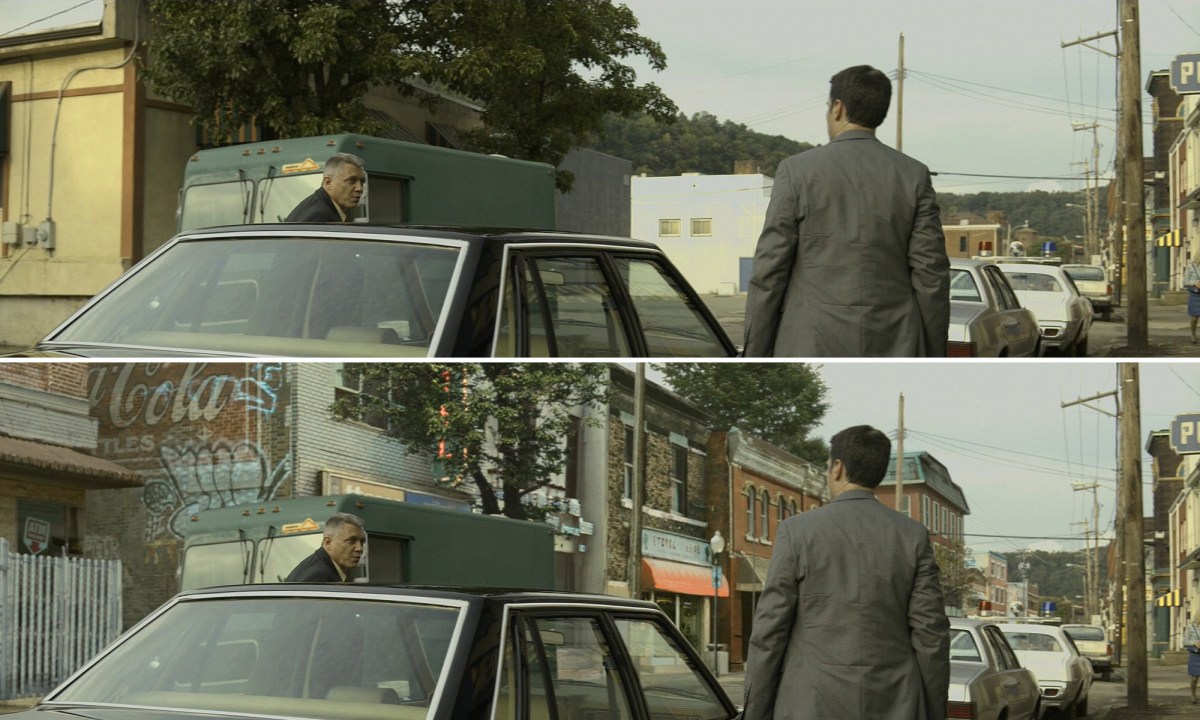
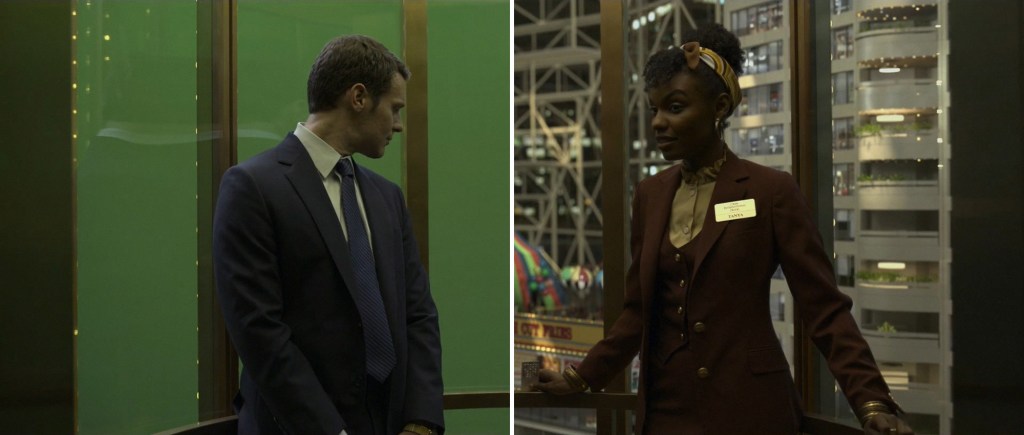
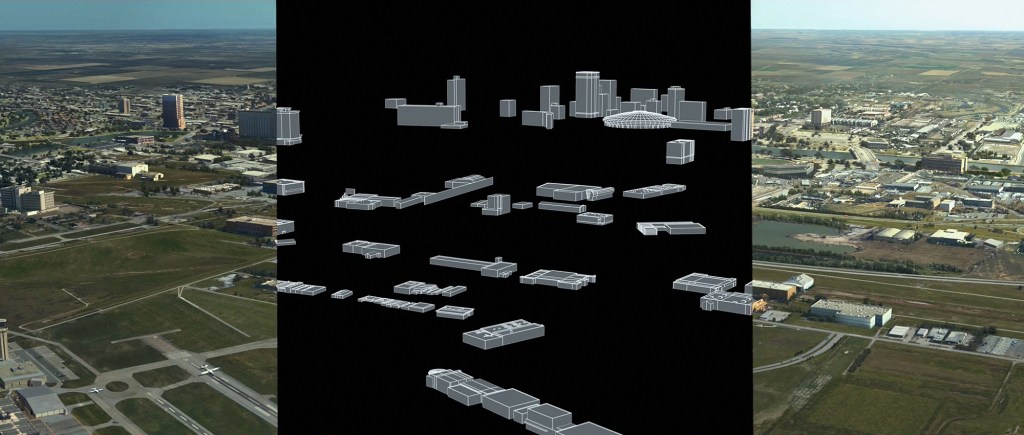
We worked with the production team behind Netflix’s second season of Mindhunter, initially to produce a promo shot which was published across their social media channels, and then to create some stand-alone VFX shots. The scene shots ranged from creating CG backdrops, torches and microphones, to recreating authentic vehicles and helicopters for search scenes. This fascinating series allowed us to become part of legendary Director, David Fincher’s world.
With microphones providing a pivotal accessory throughout both seasons, we were asked to create a teaser recreating their iconic first microphone, which also features in the opening credits, in CG. The teaser was used across their official Facebook, Twitter and Instagram channels before the launch of season 2, garnering hundreds of thousands of views.
… to final scene shots…
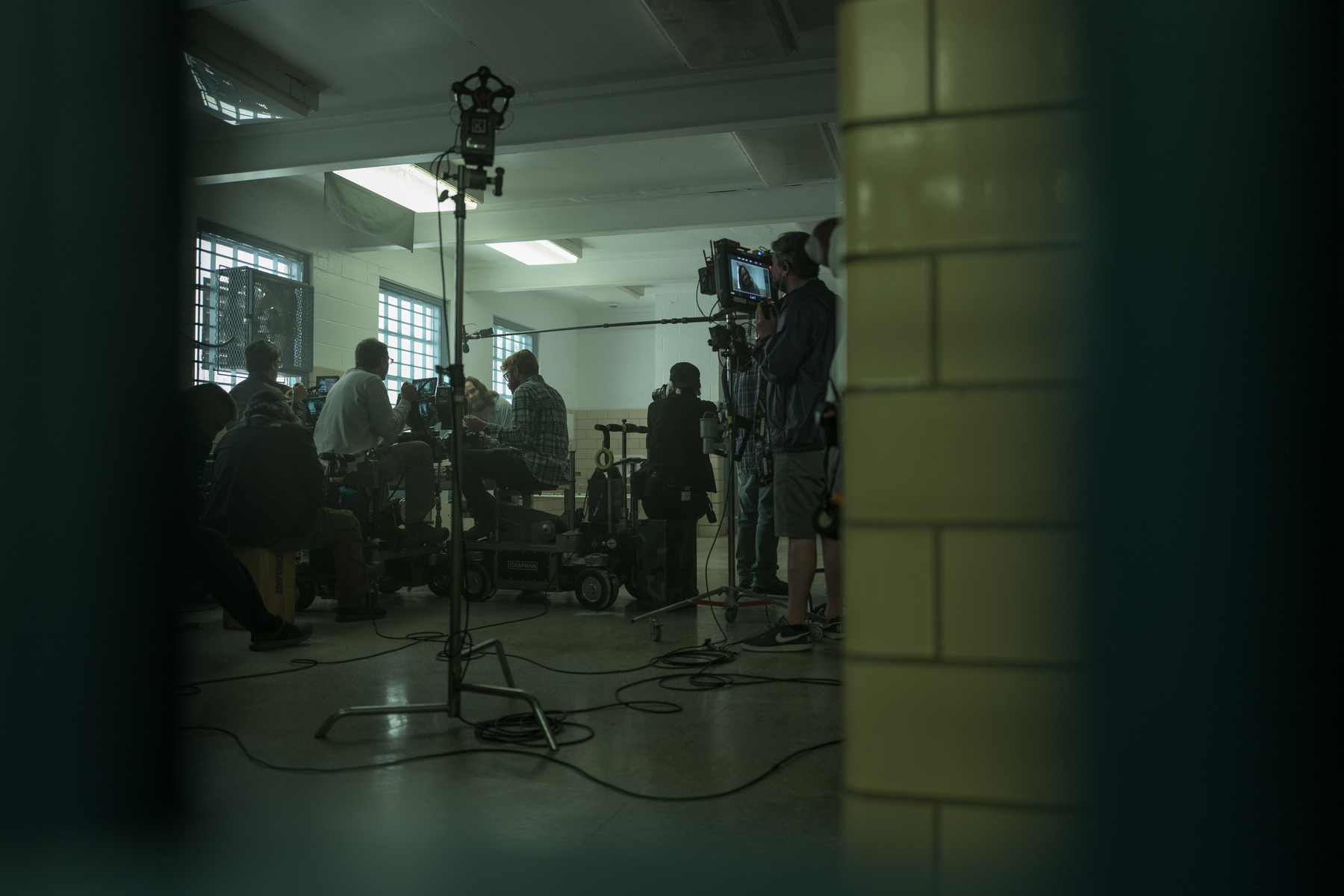
Providing final shots in 6K meant working in the finest of detail, at the highest quality. Working closely with Fincher, and the producer, Peter Mavromates, feedback was precise and invaluable, making for a smooth and speedy process. From researching types of trees for the woodland car scene, to playing with atmospheric lighting and weather conditions, we enjoyed this project from start to finish.
A guide to Netflix, Disney+, HBO Max, Apple TV+, Amazon Prime Video and Hulu as they compete in the ongoing streaming wars and what it means for the stuff you actually watch.
Mindhunter is not like other crime shows. In this video essay, Thomas Flight explores some of the inventive techniques creators Joe Penhall and David Fincher employ to inject drama and conflict into the show.
This is a detailed analysis of the ways in which Mindhunter pulls the audience into the lives of its characters as they explore the minds of some of the worst criminals on earth.
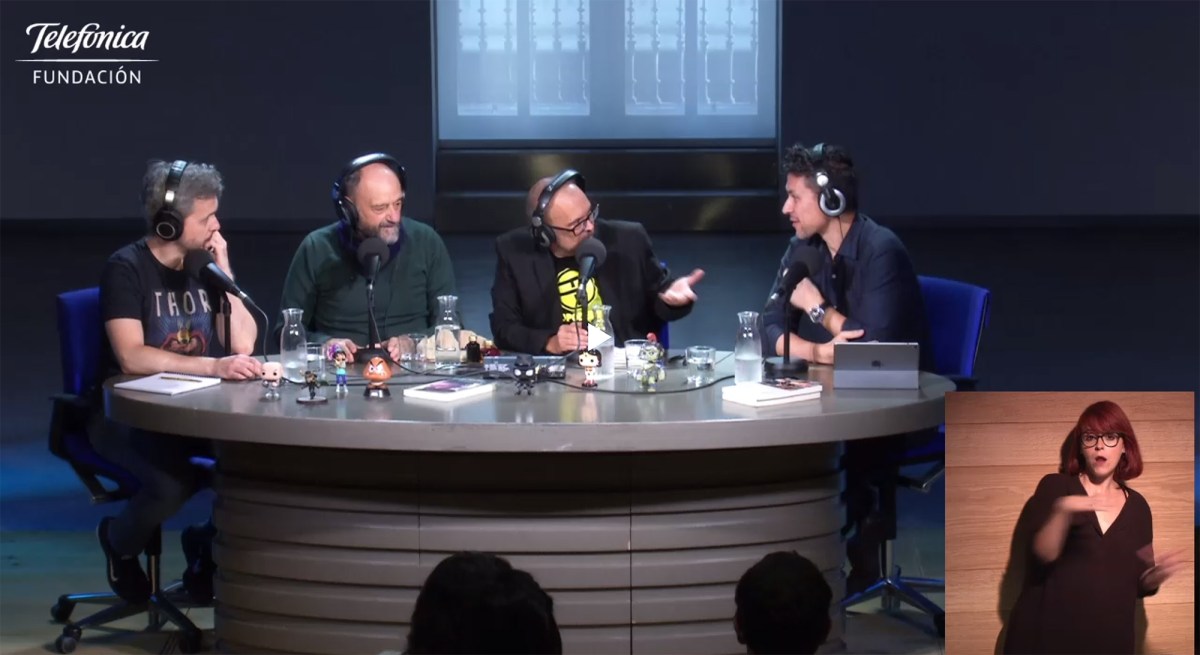
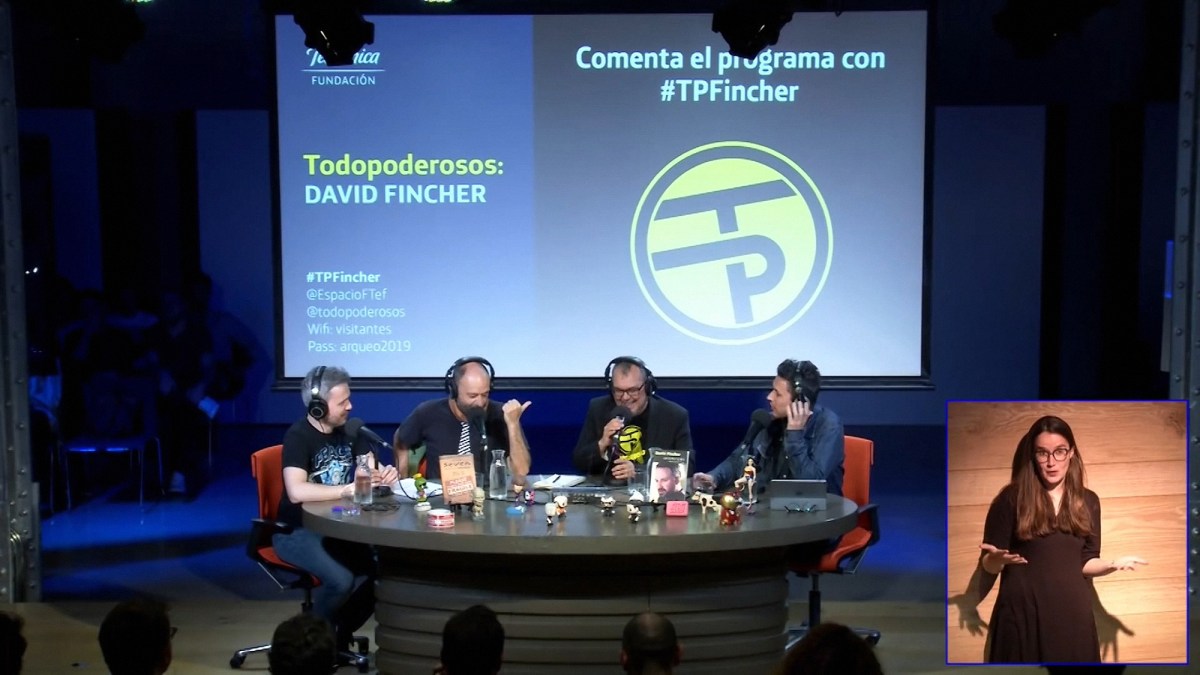
Castillos de naipes, chicas tatuadas, botones menguantes y hambrientos del like. Han vuelto los Todopoderosos para contarnos todo lo que se les quedó pendiente sobre David Fincher.
O sea, Rodrigo Cortés, Javier Cansado, Juan Gómez-Jurado y Arturo González-Campos. Que alguien llame a los mindhunters.
Autor de libros como La Leyenda Del Ladrón, El Paciente, Cicatriz o su reciente Reina Roja, un autor traducido a más de 40 idiomas, y una de las mentes más intrigantes de la cultura española.
Un ilustre ignorante que demostrará que ambos adjetivos son falsos en su caso. Uno de los grandes cómicos de este país y un comunicador que, cada día, hay que descubrir. Se afeita regular, eso también lo tiene.
Rodrigo Cortés ha hecho una película dentro de una caja y tres fuera. Escribe libros, habla por la radio y huele genial. Una vez se quedó atrapado en un ascensor con Carlos Boyero.
Durante muchas noches ha gritado en La Parroquia de Onda Cero, escribe libros, hace guiones y es monologuista, la prueba viviente de que un feo también tiene lugar en este mundo.
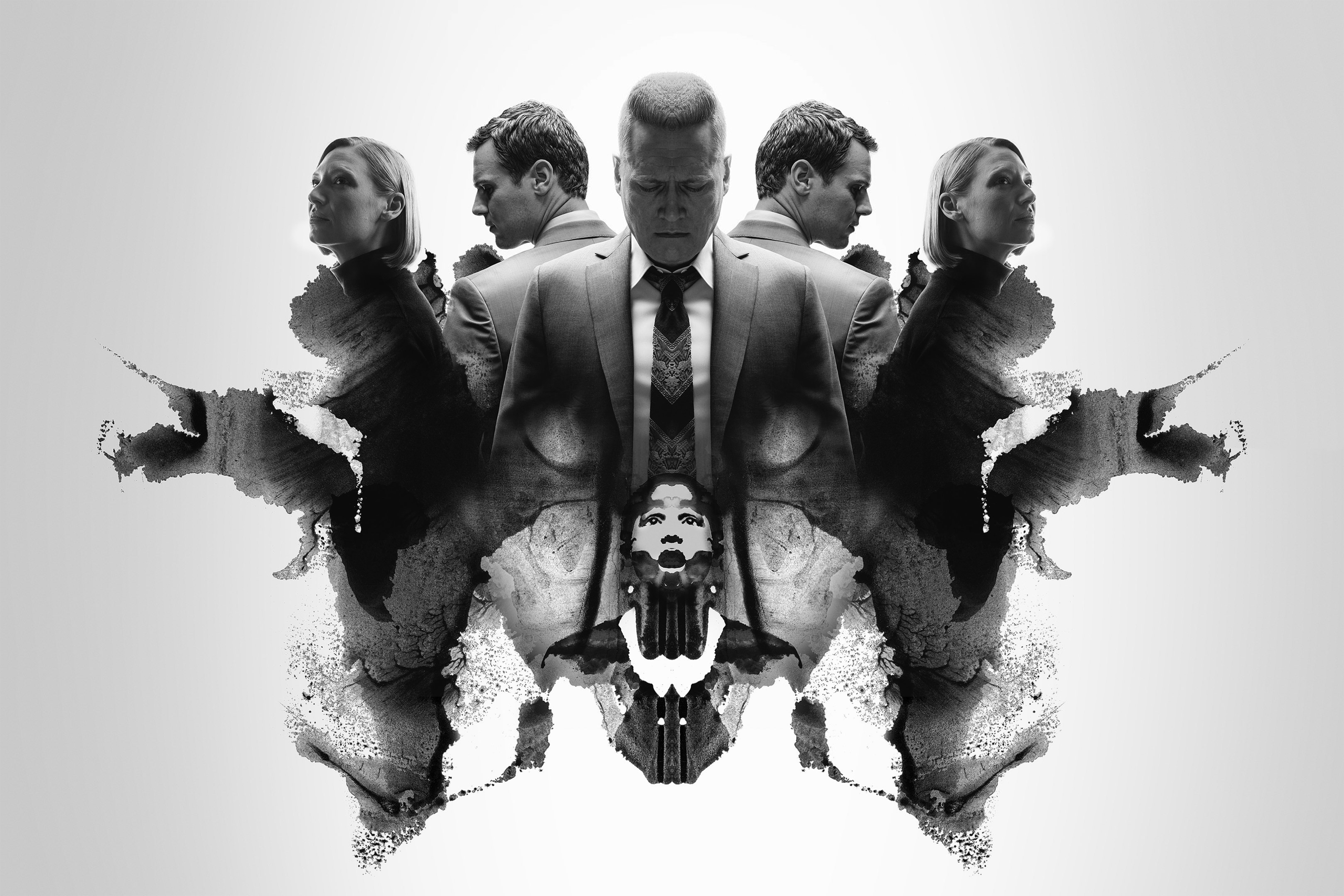
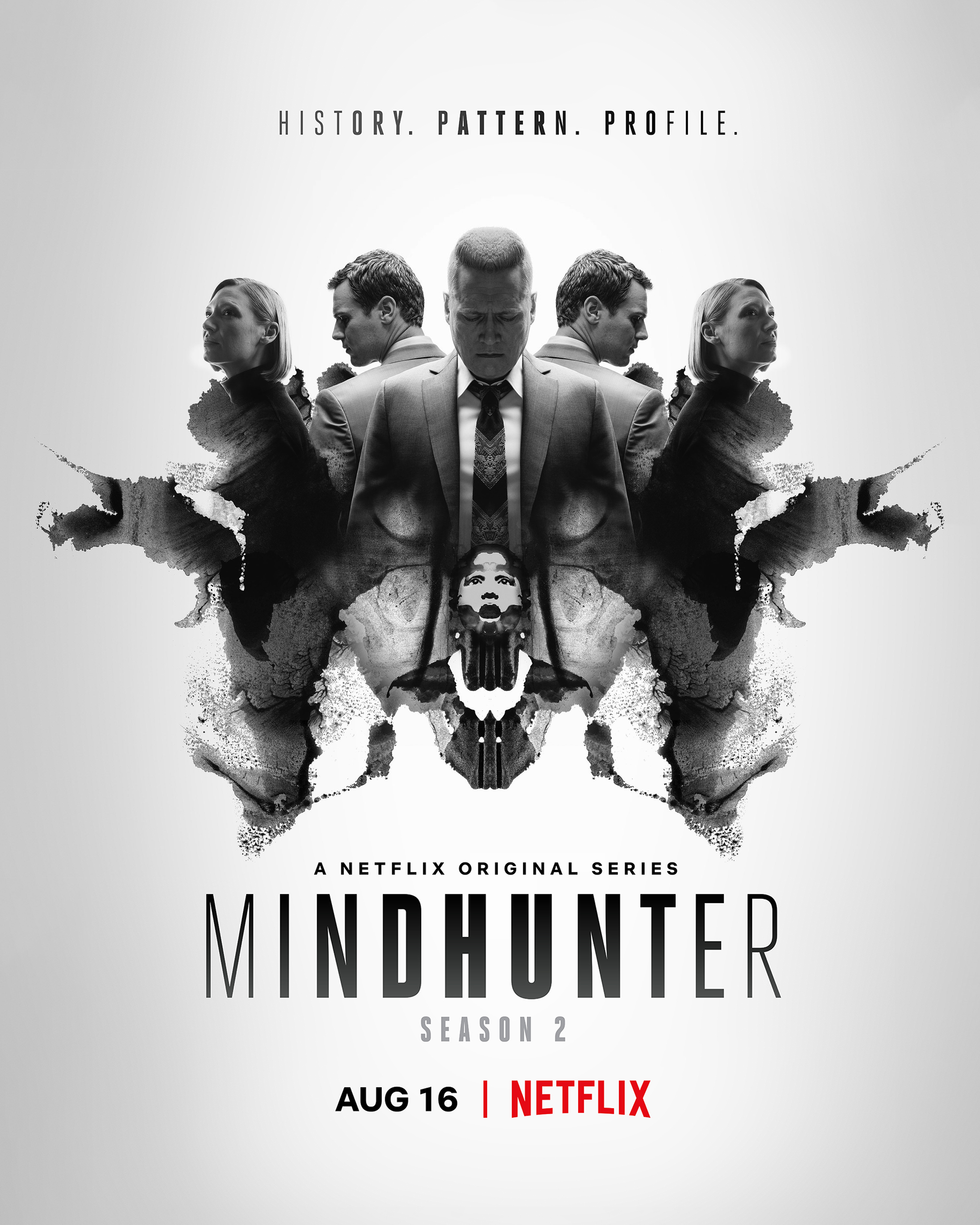
FBI agents Holden Ford and Bill Tench probe further into the psyches of those who have done the unthinkable. With help from psychologist Wendy Carr, they apply their groundbreaking behavioral analysis to hunting notorious serial killers.
Inspired by true events, Mindhunter Season 2 will premiere globally on Netflix on August 16, 2019.
The new season stars Jonathan Groff, Holt McCallany, Anna Torv, Joe Tuttle, Albert Jones, Stacey Roca, Michael Cerveris, Lauren Glazier, and Sierra McClain.
The series is directed by David Fincher (Gone Girl, The Social Network, Zodiac) as well as Andrew Dominik (The Assassination of Jesse James by the Coward Robert Ford, Killing Them Softly) and Carl Franklin (Devil In A Blue Dress, One False Move, episodes of House of Cards and The Leftovers).
David Fincher, Joshua Donen (Gone Girl, The Quick and the Dead), Charlize Theron (Girlboss, Hatfields & McCoys) and Cean Chaffin (Fight Club, Gone Girl) executive produce along with Courtenay Miles and Beth Kono.
Every story, as movie trailers never tire of informing us, has a beginning. The story of the cover-song trend in movie trailers began nine years ago, when the veteran trailer editor Mark Woollen found himself grappling with a difficult assignment. This was not unusual for Woollen, who is known for producing iconic, inventive mood-piece trailers for tough-to-market, tougher-to-summarize films by such directors as Terrence Malick, Steven Soderbergh, Michel Gondry, and Alejandro González Iñárritu. The brilliantly odd trailer for the Coen brothers‘ “A Serious Man,” punctuated by a rhythmically recurring shot of Fred Melamed bouncing Michael Stuhlbarg’s head off a chalkboard? That was Woollen. The trailer for Todd Field‘s “Little Children,” which used the sound of an oncoming train in lieu of music? That was Woollen, too. There are some films that can’t be marketed by traditional means; Woollen is the trailer auteur to whom auteurs turn for a nontraditional solution.
In early 2010, Woollen’s company, Mark Woollen & Associates, was tapped to produce a trailer for David Fincher’s “The Social Network.” As Woollen remembers it, it was March or April; Fincher was still busy in the editing room, and Trent Reznor and Atticus Ross had not yet written the movie’s score (which would win an Academy Award). With the Cambridge Analytica scandal and the election of 2016 still years away, the Facebook story seemed like curiously dry material for Fincher, the director of “Fight Club.” “It was kind of getting beat up in the press,” Woollen said. “Like, ‘How can you make a movie about Facebook? Are you gonna make a movie about eBay or Amazon next?'”
At first, Woollen wasn’t sure how to cut a trailer for a Facebook movie, either. But the answer turned out to be sitting on his hard drive. A few years earlier, while searching for something else, he’d downloaded an MP3 file from what he described as “some GeoCities-looking kind of Web site.” The file was a 2001 live recording of the song “Creep“—the first hit single by the British art-rock band Radiohead—as performed by Scala and Kolacny Brothers, a two-hundred-member girls’ choir from Belgium. The recording had a lot of the things that a trailer editor looks for in a piece of music. “It has this gentle introduction, it has moments that build and swell and rise, and then it can come down and land nicely,” Woollen said. “I felt, like, Here’s a track I can build a piece around.”
More important, the music seemed to work on a thematic level. Woollen, who was not a Facebook user, had been kicking around ideas about connectivity and loneliness. He played the choir recording on repeat while driving to work and thought about “lost, lonely voices that felt like they were speaking from the depths of the Internet.” In his business, Woollen said, “You’re always talking about trailers that invite you in, saying, ‘Come and see us, come and see us.'” He liked the counterintuitive notion of building a trailer around a song whose refrain is “What the hell am I doing here / I don’t belong here.” “The irresistible ingredient,” Woollen said, “was one hundred Belgian girls singing ‘You’re so fucking special’ in full voice.”
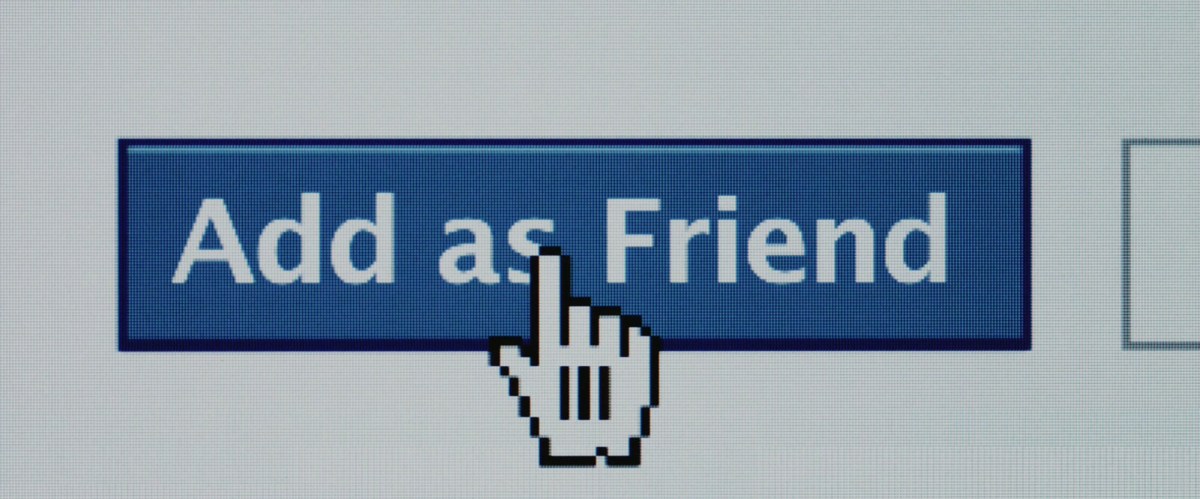
The finished trailer is an unsettling masterpiece. For fifty seconds, it plays like an ad for Facebook—a montage of photos, status updates, and unseen hands confirming friendships with the click of a blue-and-white button. Then, at the one-minute mark, a pixelated image of Jesse Eisenberg’s alarmingly dead-eyed Mark Zuckerberg fades into view. Woollen said that he was nervous about showing Fincher a cut that held back the director’s own footage in favor of stock photos and family pictures supplied by the staff of Mark Woollen & Associates. But Fincher liked it; the first time he screened “The Social Network” for the studio, he played Woollen’s trailer first.
Hemos convertido nuestro auditorio en una fábrica de jabones, un juego peligroso, una caja sospechosa, una casa de cartas, una habitación del pánico…
O sea, Javier Cansado, Rodrigo Cortés, Juan Gómez-Jurado y Arturo González-Campos, los mindhunters de Todopoderosos, se han dedicado a hablar de David Fincher y sus pecados capitales.
Autor de libros cómo El Paciente, Cicatriz o su reciente Reina Roja, un autor traducido a más de 40 idiomas, y una de las mentes más intrigantes de la cultura española.
Un ilustre ignorante que demostrará que ambos adjetivos son falsos en su caso. Uno de los grandes cómicos de este país y un comunicador que, cada día, hay que descubrir. Se afeita regular, eso también lo tiene.
Rodrigo Cortés ha hecho una película dentro de una caja y dos fuera. Escribe libros, habla por la radio y huele genial. Una vez se quedó atrapado en un ascensor con Carlos Boyero.
Durante muchas noches ha gritado en La Parroquia de Onda Cero, escribe libros, hace guiones y es monologuista, la prueba viviente de que un feo también tiene lugar en este mundo.