‘Mank’ VFX: How David Fincher Directed the Scene-Stealing Stars of the Hearst Castle Zoo

Fincher provided meticulous notes to Industrial Light & Magic on how the monkeys, giraffes, and elephants should look and perform.

Bill Desowitz
February 3, 2021
IndieWire

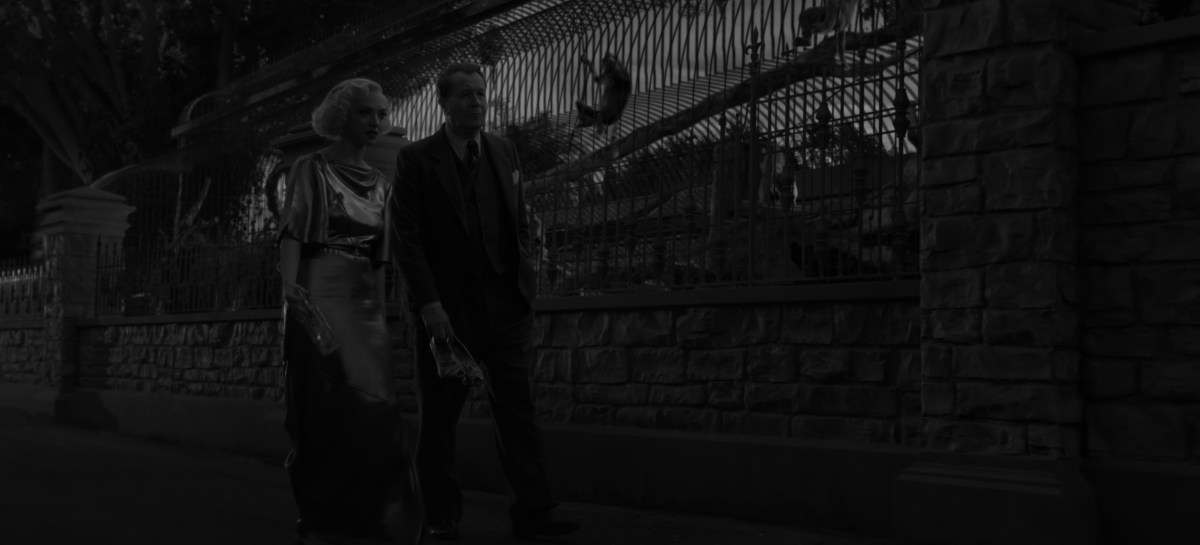
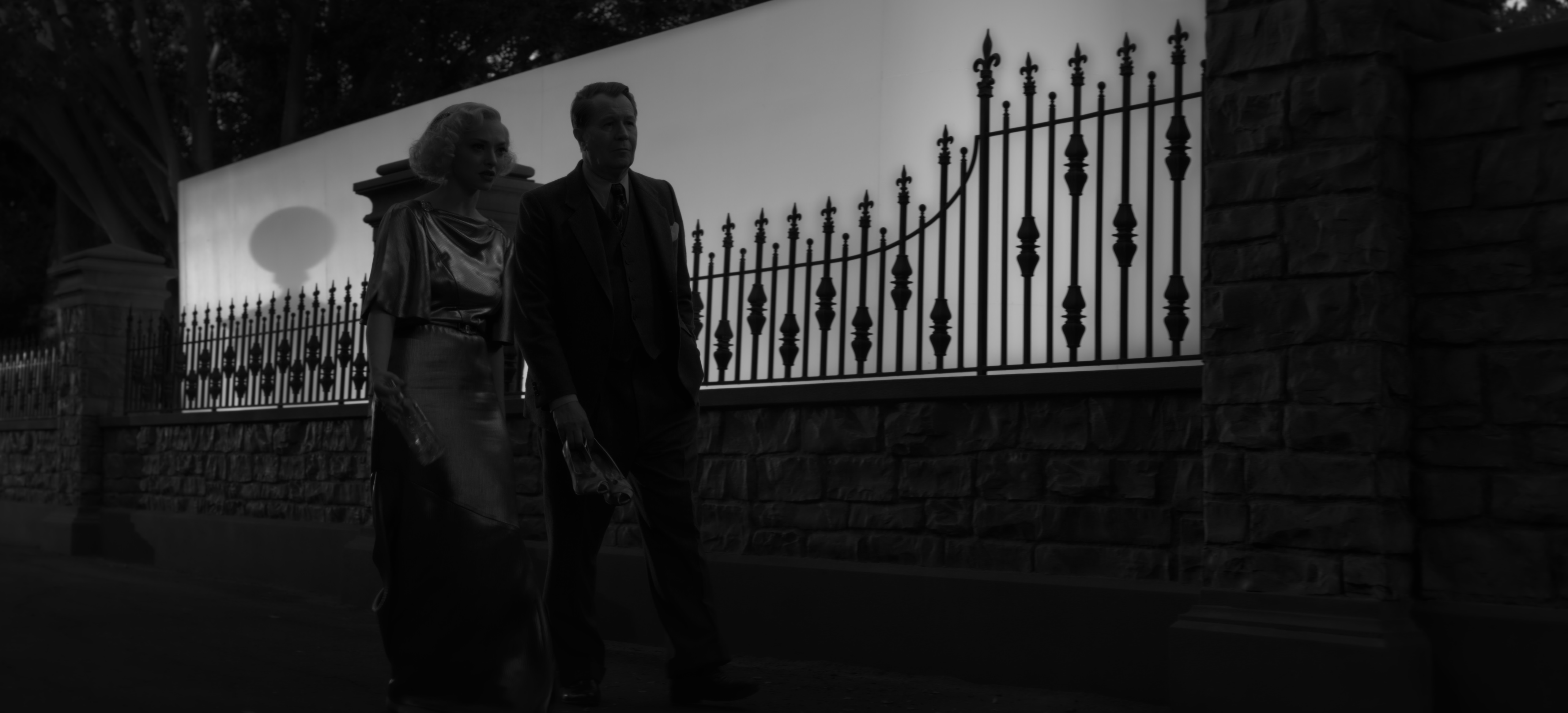
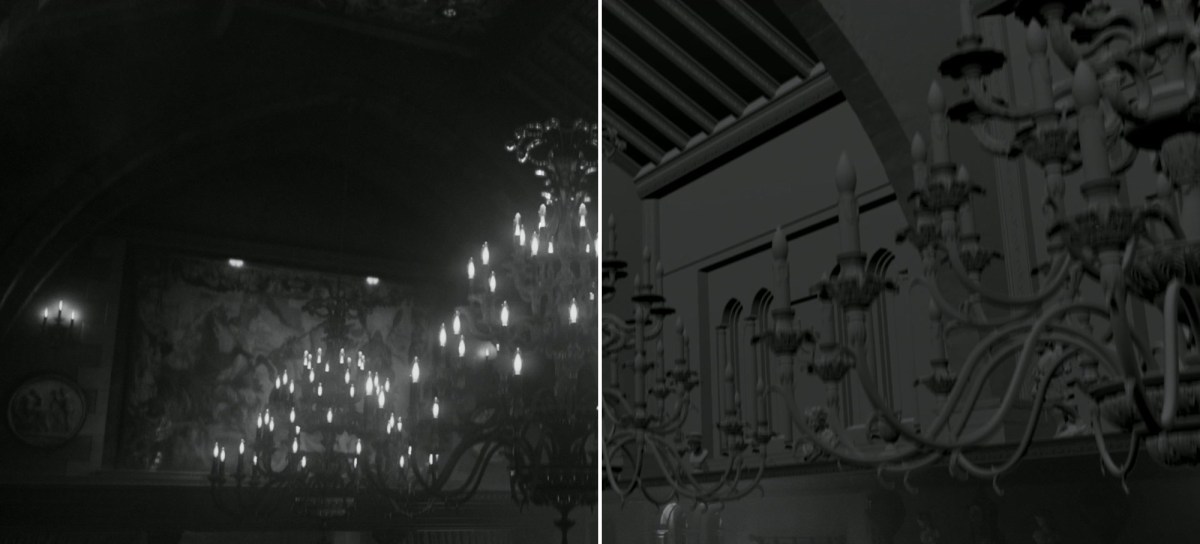
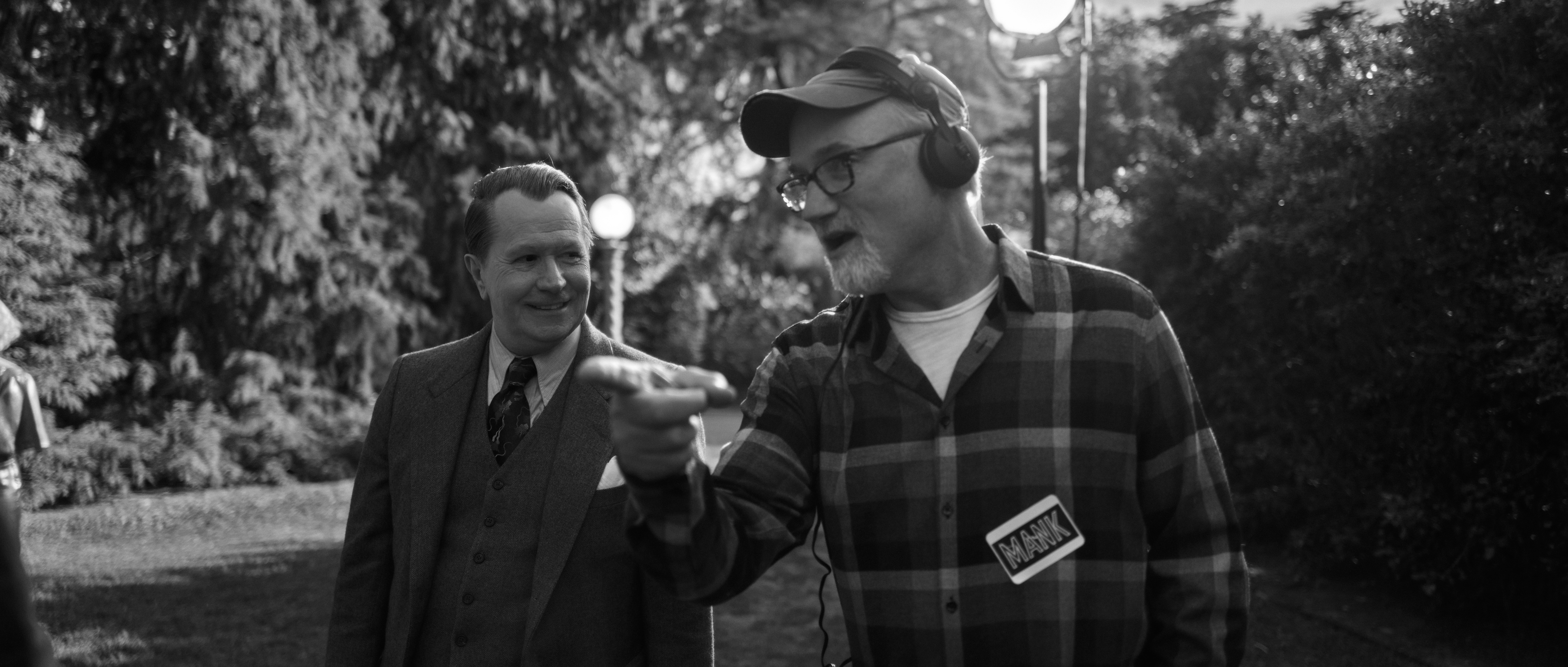
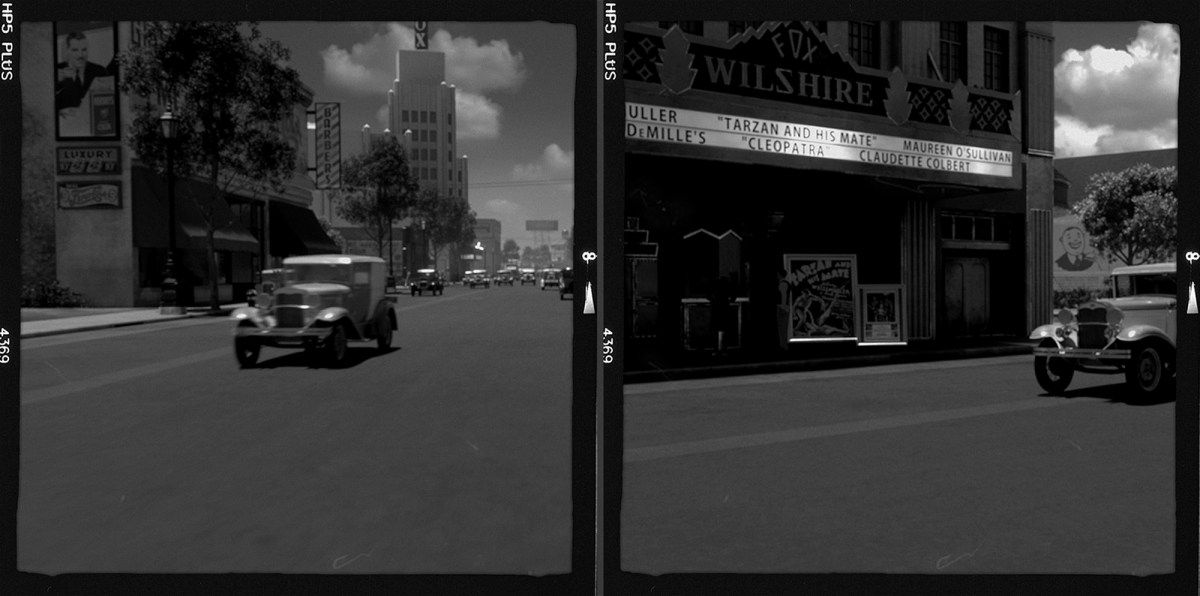
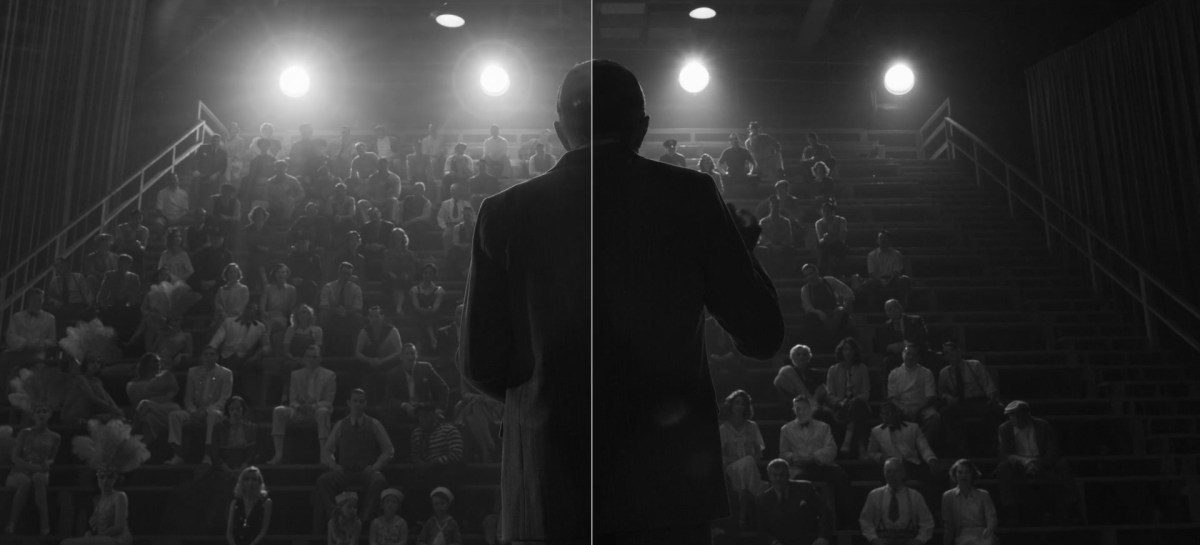
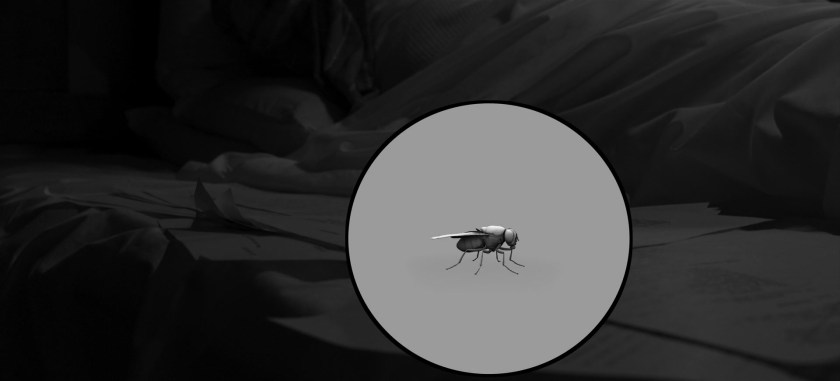
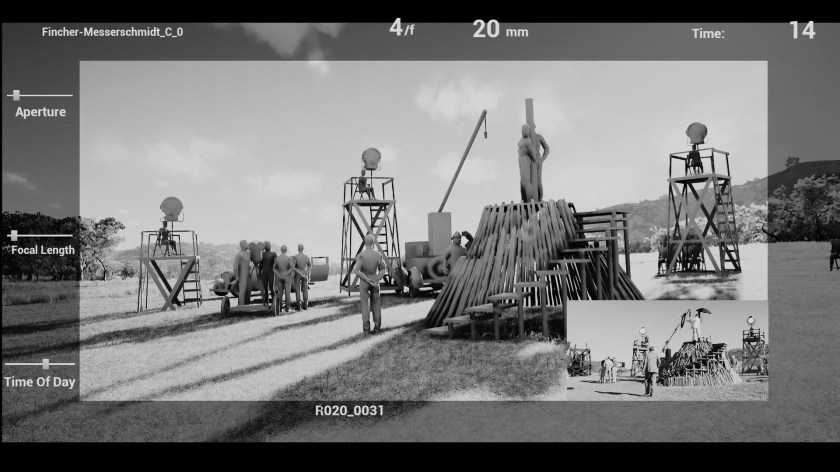
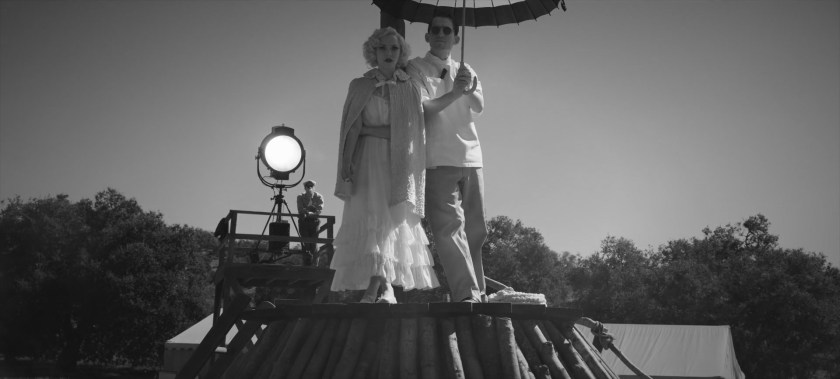
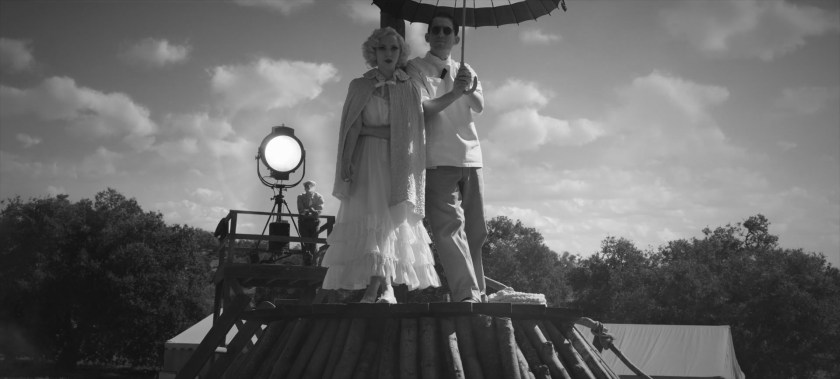
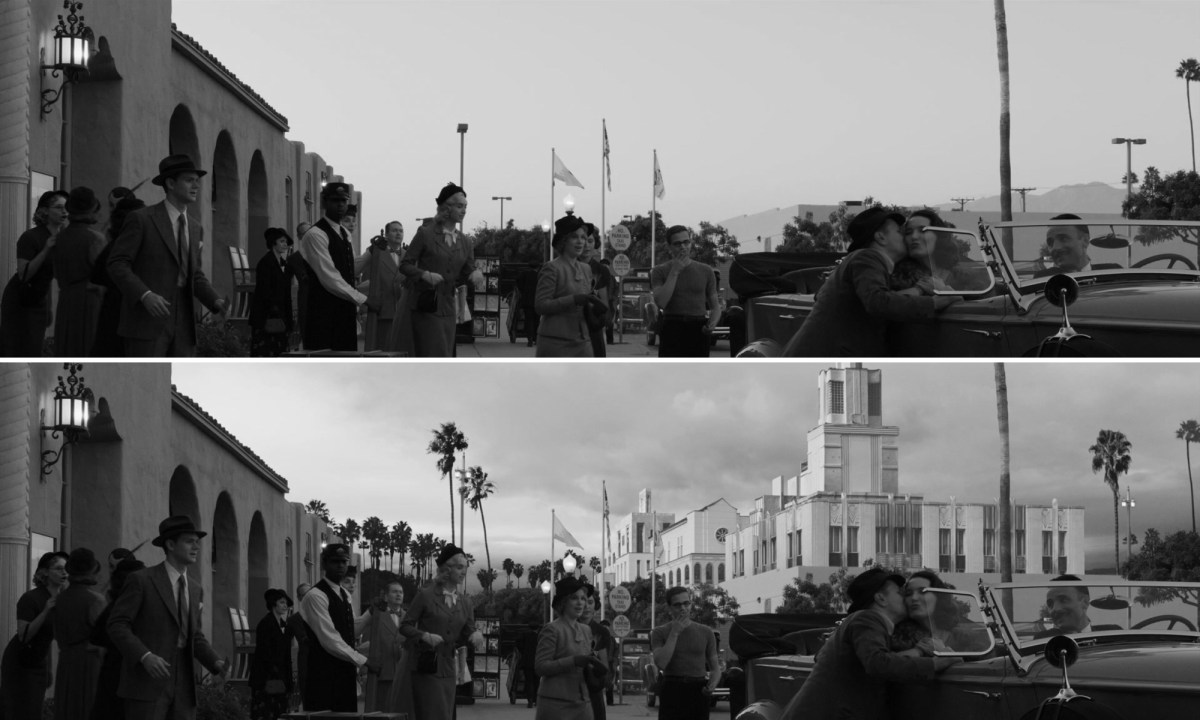
While the “Mank” visual effects team meticulously recreated ’30s-era LA in black-and-white (utilizing the matte paintings of Artemple, Territory’s LED rear screen projection, and Savage’s sky replacement with the Unreal engine), David Fincher took a special interest in directing the photo-real CG animals from Industrial Light & Magic that inhabit the Hearst Castle private zoo.

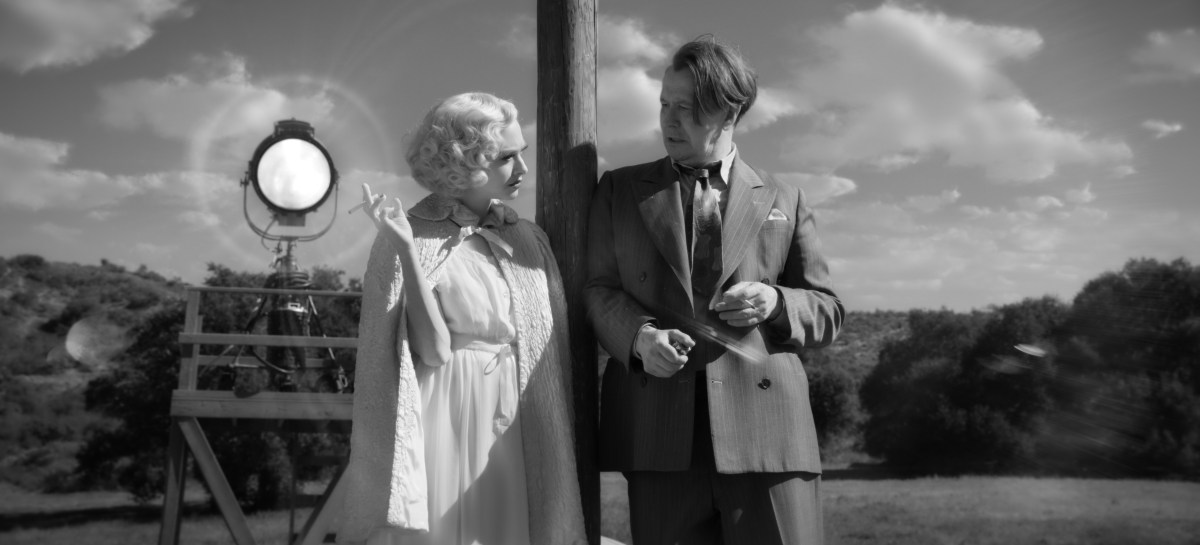
In a brief but memorable series of exchanges with the animals during their chatty moonlight stroll, Mank (Gary Oldman) and Marion Davies (Amanda Seyfried), are definitely upstaged by the scene-stealing Capuchin monkeys, elephants, and giraffes. “David wanted specific performances from all the animals,” said ILM VFX supervisor Pablo Helman (“The Irishman”). “He wanted the [four] monkeys to be agitated, the giraffes to spring in a certain way, and the elephants to have a response.”

Read the full profile

Going with the Grain to Capture the 1930s Black-and-White-Film World of Mank

Trevor Hogg
February 2, 2021
VFX Voice (VES)

A consistent entry on the greatest of all-time films is Citizen Kane, which is famous for innovative filmmaking, having been inspired by the life of American media mogul William Randolph Hearst and serving as the Hollywood debut of wunderkind Orson Welles. Just as legendary is the behind-the-scenes turmoil, in particularly Hearst attempting to derail the project and the careers of those involved. There were also accusations that Welles did not deserve a screenwriting credit as the true author was Herman J. Mankiewicz.

The script controversy captured the attention of journalist Jack Fincher who wrote an initial draft 30 years ago that was furthered developed by his son, David Fincher, best known for directing SevenFight ClubZodiac and The Social Network. The Netflix production of Mank stars Gary Oldman, Amanda Seyfried, Lily Collins, Arliss Howard, Tuppence Middleton and Charles Dance.

Over the course of his career, Mank co-producer and VFX Producer Peter Mavromates (Mindhunter) has frequently collaborated with Fincher as a post-production supervisor. “There is a high level of consistency in our post team, so we get to have that conversation about how we can do it better the next time.”

Visual effects and DI are done in-house. “When we’re doing tests during pre-production,” Mavromates says, “a lot of the time they are shot in the parking lot and we bring the files right into the DI in the building. How awesome is that kind of feedback for Erik Messerschmidt [Raised by Wolves], our DP, and David Fincher to be able to play with something, see it, test it, bend it, and then go back out and try an alternative version right away? That’s valuable. That’s also the advantage to having in-house visual effects, which is having the ability not to be on the clock. I can call David upstairs where our visual effects are and say, ‘I want you to look at these three shots.’ I can give feedback to the artist right there, and maybe the artist can immediately do his note and get him to sign off. I think of David as the visual effects supervisor and I am the supervisor on some of the more technical stuff, like retouches.”

Read the full profile

VES: Inside the Visual Effects of the Netflix Film Mank

Gavin Graham, VES Board Secretary
January 1, 2021
VES (Visual Effects Society) (Facebook, Twitter)

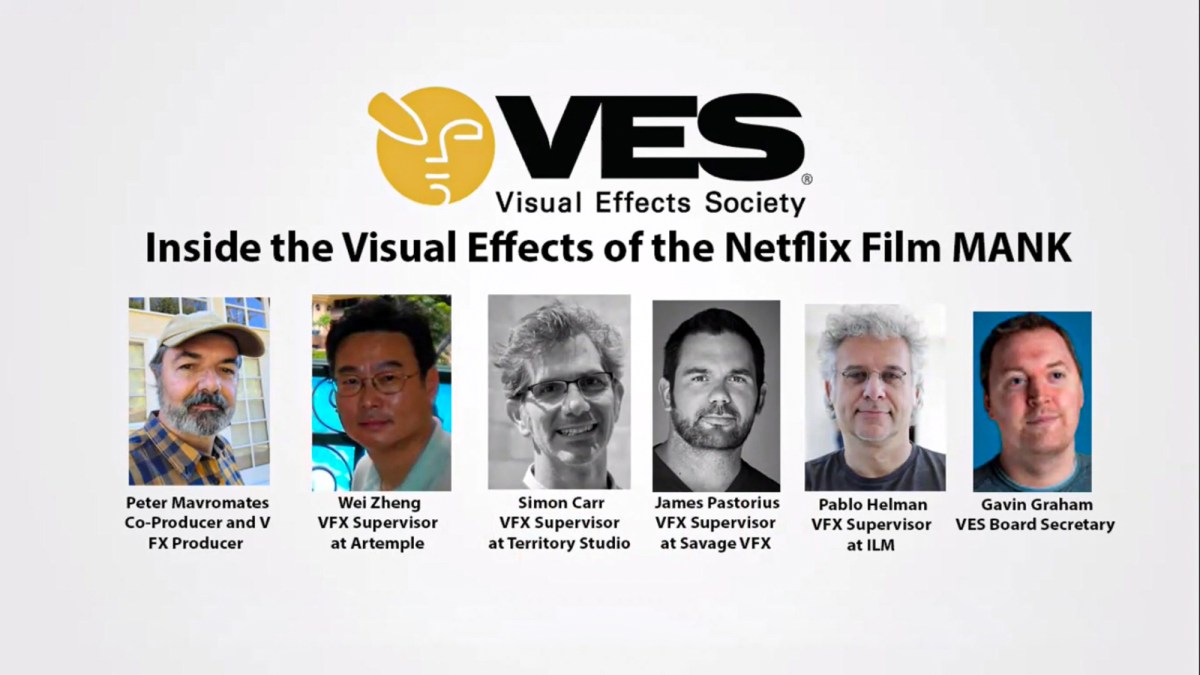
Panelists include Co-Producer and VFX Producer Peter Mavromates, VES Award nominated Visual Effects Supervisor at Artemple Wei Zheng, Visual Effects Supervisor at Territory Studio Simon Carr and HPA Award nominated Visual Effects Supervisor at Savage VFX James Pastorius and VES Award-winning Visual Effects Supervisor at ILM Pablo Helman, moderated by VES Board Secretary Gavin Graham.

The Next Best Picture Podcast: A Behind The Scenes Look At “Mank”

Will Mavity
January 26, 2021
Next Best Picture

Mank” is one of 2020’s most technically dazzling films. David Fincher‘s perfectionism transported us back to the Golden Age of Hollywood to tell us the story of Academy Award winning screenwriter Herman Mankiewicz (played by Gary Oldman) and the film has been hailed as one of the year’s best, most recently being rewarded as one of the Top 10 films of the year by the American Film Institute (AFI). Many members from the film’s production were kind enough to give us a behind-the-scenes look into the making of the film including Academy Award-nominated sound designer Ren Klyce, Costume Designer Trish Summerville & Co-Producer/VFX Producer, Peter Mavromates.

The Next Best Picture Podcast is proud to be a part of the Evergreen Podcasts Network. Listen to the podcast:

NextBestPicture.com
Apple Podcasts
Spotify
SoundCloud
Google Podcasts

Megaphone
Stitcher
TuneIn
PlayerFM
Acast
Castbox

Please take a moment to review us on Apple Podcasts here. And if you’re feeling generous, you enjoy what you hear and want to hear more, please help support us on Patreon for as little as $1 a month and you’ll receive some exclusive podcast content.

How David Fincher Faked an Old Movie

Danny Boyd
December 13, 2020
CinemaStix (YouTube)

Today, let’s dive into the filmmaking mind of director David Fincher, and his 2020 film Mank.

David Fincher loves CGI and VFX, and that is on full display just as much in Mank (2020) as it is in all his past films. Only this time, for Mank, David Fincher had to use those tools, along with an old school cinematography and directing style, and smart editing, not only to create a convincing 1930’s Hollywood world, reminiscent of movies like Orson WellesCitizen Kane, but also a convincing golden age Hollywood movie. Let’s see how David Fincher faked Mank.

Video written & edited by Danny Boyd (Instagram). Support me on Patreon.

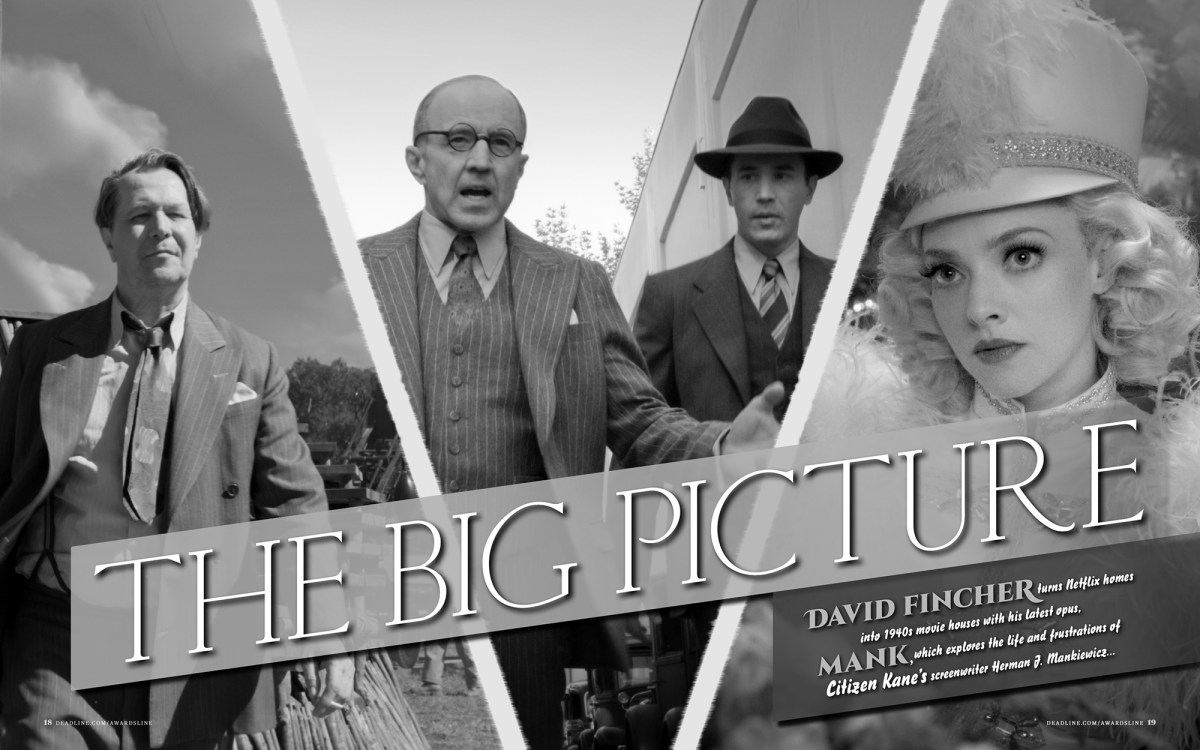
Awardsline: The Big Picture

David Fincher brings the big screen to us for his latest picture. With a cast led by Gary Oldman & Amanda Seyfried, is Mank a love letter to cinema’s golden age or an indictment of the shadier side of the movie biz?⁠

Joe Utichi
January 6, 2021
Awardsline (Deadline)

Read the full issue of Deadline Presents Awardsline

The Burning Question That Drove David Fincher’s Decades-Long Journey To Make ‘Man

Joe Utichi
January 6, 2021
Deadline

David Fincher turns Netflix homes into 1940s movie houses with his latest opus, Mank, which explores the life and frustrations of Citizen Kane’s screenwriter Herman J. Mankiewicz, as he works his way through the draft of what will become Orson Welles’ seminal directorial debut. With its title role imbued with Mankiewicz’s world-weary wit by Gary Oldman, and from a script first drafted more than 20 years ago by Fincher’s father Jack, who passed away in 2003, the film reignites the debate about the authorship of a film Welles might nearly have taken sole credit for. But it is about more than that besides; a love and hate letter to the machinations of the movie business, a remarkably timely examination of the façade of truth in the news media, and an intimate study of tortured souls beaten down by the world around them and their own insecurities. Joe Utichi meets Fincher, Oldman and Amanda Seyfried—who rehabilitates the image of actress and socialite Marion Davies—for a closer look.

Read the full profile

How Territory Studio recreated 1930’s Hollywood for Fincher’s Mank

London-headquartered facility Territory Studio, has recreated the iconic LA street of Wilshire Boulevard for David Fincher’s 1930’s-set, Mank. The sequence using LED rear projection to evoke the traditional techniques used during the 1930s and 1940s which the movie pays homage to. Here’s how. 

Adrian Pennington
January 4, 2021
RedShark

Territory’s team led by VFX Supervisor Simon Carr and CG Supervisor Ashley Pay spent a considerable amount of time in LA in pre-production, working with Fincher and DP Erik Messerschmidt ASC. They used archival footage, maps and old photography coupled with their own research and black and white photographic references captured while driving on Wilshire Blvd to inform lighting and texture in the CG scene. They began to rebuild the famous street as it would have appeared when Herman J. Mankiewicz and Sara Mankiewicz drove down it in 1934. 

“We wanted to capture the imagery of a new city rising from the sand and dust, distinctly modern, yet with a sense of the Wild West,” Carr says.   

Territory was tasked with conveying the sense of lawlessness and neglect in a city without road markings or highway code. Scouting both on the ground in LA and via Google Maps, they drew out the ground plan: identifying shops, gas stations and cinemas from the archive footage along which to drive a virtual camera car.

Read the full article

The Cinematography Podcast: Erik Messerschmidt

Erik Messerschmidt, ASC: Mank, Mindhunter, Legion, Raised By Wolves, working with David Fincher.

Ben Rock & Illya Friedman
December 30, 2020
The Cinematography Podcast (Cam Noir)

Erik Messerschmidt, ASC believes that cinematographers get too much credit for how a movie looks and not enough for how the story is told. When you break a scene apart and assemble a sequence, the cinematographer has a huge part to play in the process of deciding when to move the camera, what lenses are used, how it flows and when it moves. Erik thinks when you look at it that way, cinematography has a lot more in common with editing rather than photography.

Erik’s most recent project, Mank– which is currently streaming on Netflix- was shot entirely in black and white. The look was the result of lots of conversations with director David Fincher. They both had a clear idea of what they wanted it to look like and also exactly what they did not want- too much heavy handed, contrast-heavy black and white cinematography in a film-noir style would take the viewers out of the experience, so it needed a lighter touch. Erik used fine art photography from the ’30’s to the mid ’40’s as a reference, and he and David Fincher wanted an homage to Citizen Kane without it actually looking like the film. Fincher was clear that he wished to transport the audience so they would lose their awareness of watching a black and white movie, and feel as though they are in the world of Herman J. Mankiewicz as he writes the script for Citizen Kane in the 1940’s.

Erik has worked with director David Fincher on several projects, first working as a gaffer on Gone Girl, then moving into the camera department on the series MindhunterErik and David have become very close collaborators, and he enjoys working with him. Fincher likes a sense of hyper reality to his movies, and Erik sees it as his job as the cinematographer to learn what the director responds to, figure out how best to support their process and bring something to the party.

Before moving into the camera department, Erik worked for several years as a gaffer. After working with David Fincher on two seasons of Mindhunter, Erik needed more work since he was a newly minted director of photography. He got the opportunity to shoot second unit on Sicario: Day of the Soldado with cinematographer Dariusz Wolski as the lead DP. He then worked on a few episodes of the TV series Legion with producer/director Noah Hawley and DP-turned-director Dana Gonzales, which was visually fun to work on. Legion’s look was whimsical yet dark, as it explored the main character’s mental illness and possible superpowers. He had the opportunity to work with Dana again on the finale of season four of Fargo. Erik also shot several episodes of the Ridley Scott series, Raised By Wolves, splitting the series with DP Ross Emery.

Listen to the podcast:

Cam Noir
Apple Podcasts
Spotify

Mank is available to watch right now on Netflix.
Find Erik Messerschmidt: Instagram

LIKE AND FOLLOW US, send fan mail or suggestions!: editor@camnoir.comFacebookInstagramTwitter

Podcast Credits:

Sponsored by Hot Rod Cameras (Instagram)
Editor in Chief: Illya Friedman (Instagram)
Ben Rock (TwitterInstagram)
Producer: Alana Kode
Editor: Ben Katz
Composer: Kays Alatractchi

‘Mank’ VFX: ‘Body-and-Fender’ Work and So Much More

Behind Mank‘s Invisible Visual Effects

Ian Failes
December 14, 2020
befores & afters

I recently had the chance to ask Territory Studio about their visual effects work for Mank, which involved the re-creation of Wilshire Blvd from the 1930s. Like those shots, so much of Mank’s VFX work was invisible, involving subtle augmentations to tell the period story.

Overseeing these visual effects shots was director David Fincher himself, alongside co-producer Peter Mavromates, and the film’s art department. Fincher and Mavromates co-ordinated an outside effort, also, led by four VFX supervisors at different studios: Artemple (Wei Zheng), Territory Studio (Simon Carr), Savage (John Pastorious) and ILM (Pablo Helman).

In this befores & afters conversation, Mavromates discusses the various VFX work—from sky replacements to matte paintings, to CG animals and what he calls ‘body-and-fender’ shots—that helped tell Mank’s tale.

Read the full interview