The Curious Development History of ‘Benjamin Button’

Adam Chitwood
January 3, 2019
Collider

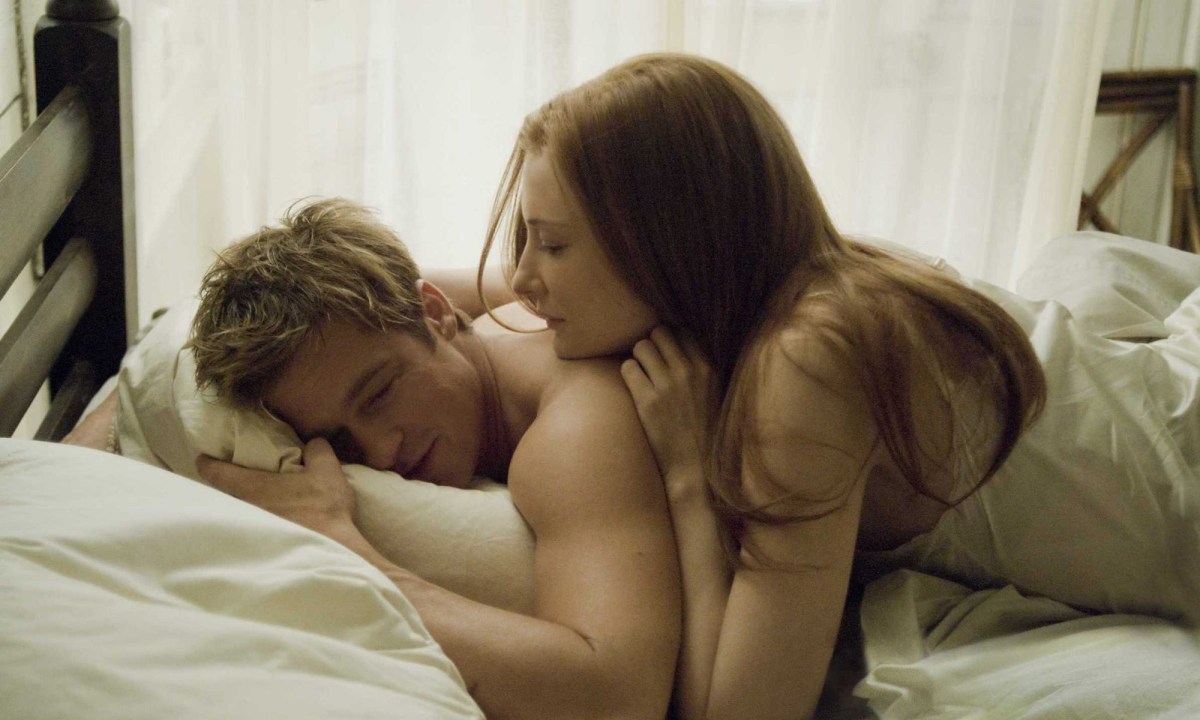
The Curious Case of Benjamin Button is, at first glance, a unique entry in director David Fincher’s filmography. It’s an epic romance of sorts; a sweeping love story told through the ages, one which would appear to be at odds with what many view as a cold and cynical worldview that permeates Fincher’s other films like Se7en, Fight Club, or Zodiac. But upon further inspection, The Curious Case of Benjamin Button fits right in with the rest of Fincher’s darker films, as it’s really the story of a man whose entire life is surrounded by the reminder of death.

Benjamin Button hit theaters on December 25, 2008—almost exactly a decade ago—and was the biggest hit of Fincher’s career until Gone Girl, grossing over $330 million worldwide. It received mostly positive reviews and was nominated for 13 Oscars, winning three for Art Direction, Makeup, and Visual Effects. It almost certainly paved the way for Fincher to next make The Social Network, another successful Oscar-winning film, but actually creating The Curious Case of Benjamin Button was arduous, and the road to getting the film off the ground in the first place was a decades-long journey.

The Curious Case of Benjamin Button itself is based on a short story in an F. Scott Fitzgerald book published in 1922, and the central premise caught Hollywood’s attention in the late 1980s: the story of a man born old who ages backwards and dies young.

The first director attached to the project was Frank Oz, with Martin Short attached to star. But after working on the script for a few months for Universal Pictures, Oz left the project. He couldn’t quite crack how to turn this short story into a compelling drama, as the central premise lacked significant conflict.

So Universal’s president of production at the time, Casey Silver, next turned to screenwriter Robin Swicord, asking her to attempt an adaptation. She turned in a first draft in January 1990 and her contribution was so substantial that on the finished iteration of the film directed by Fincher, Swicord received a “Story by” co-credit.

Read the full article

In Conversation with Jennifer Haley, Writer (Mindhunter)

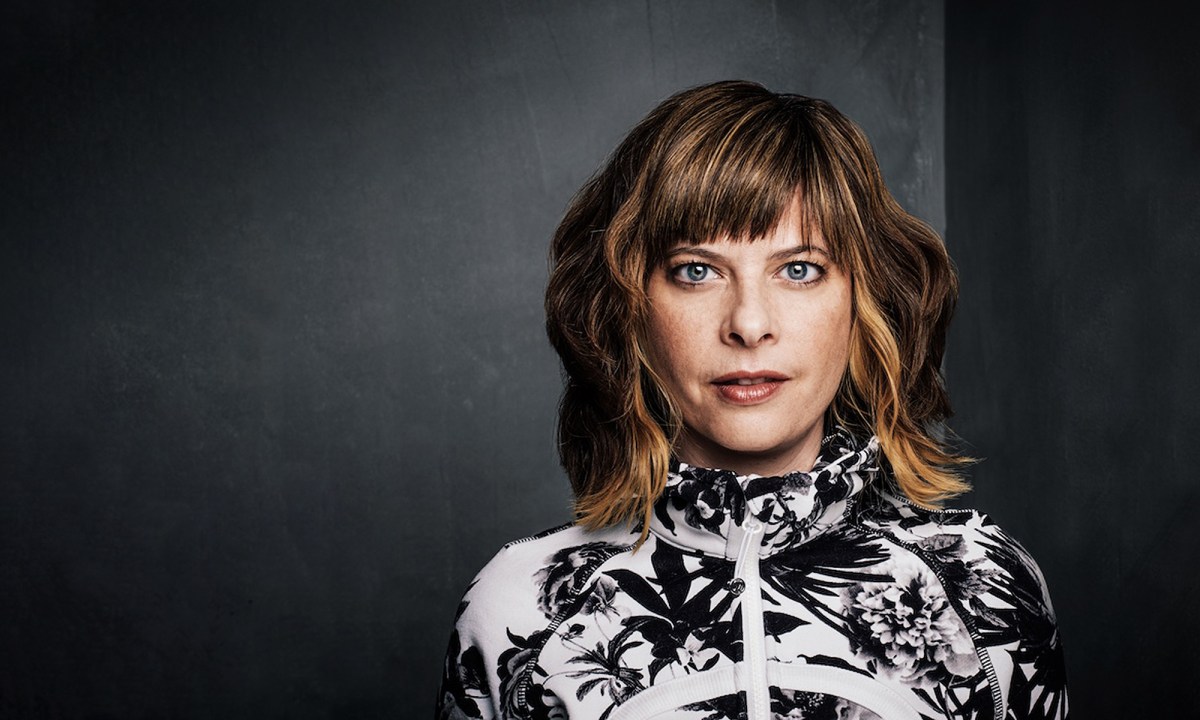
Jennifer Haley (Peter Konerko)

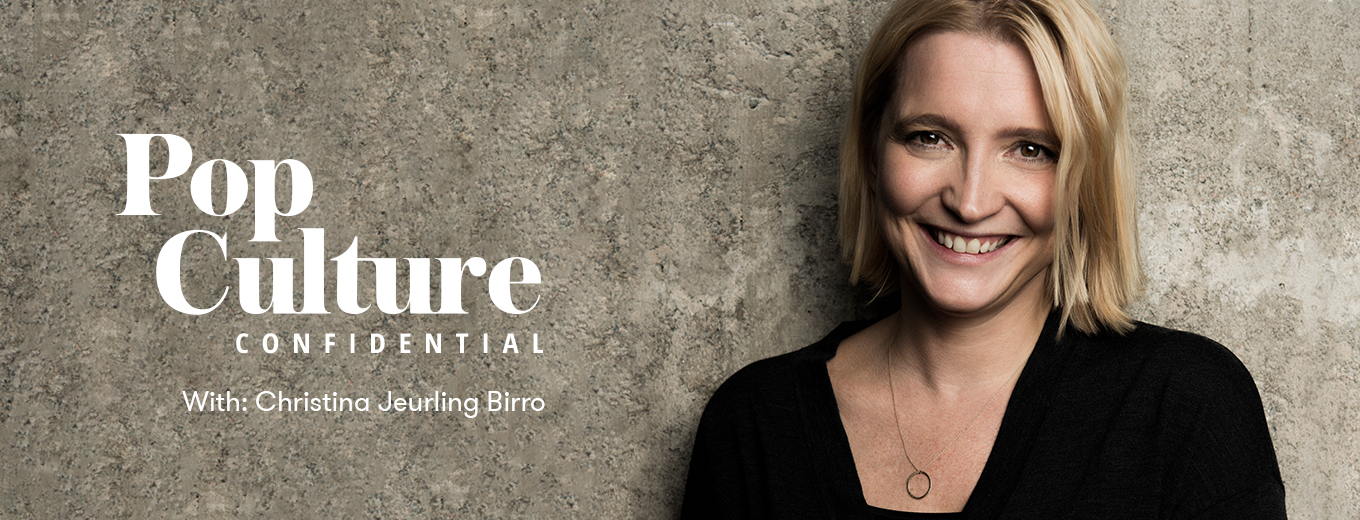
Pop Culture Confidential. Episode 90: Jennifer Haley – Writer, Mindhunter

2018. Pop Culture Confidential (Podcast)

Christina Jeurling Birro
November 29, 2017
Pop Culture Confidential

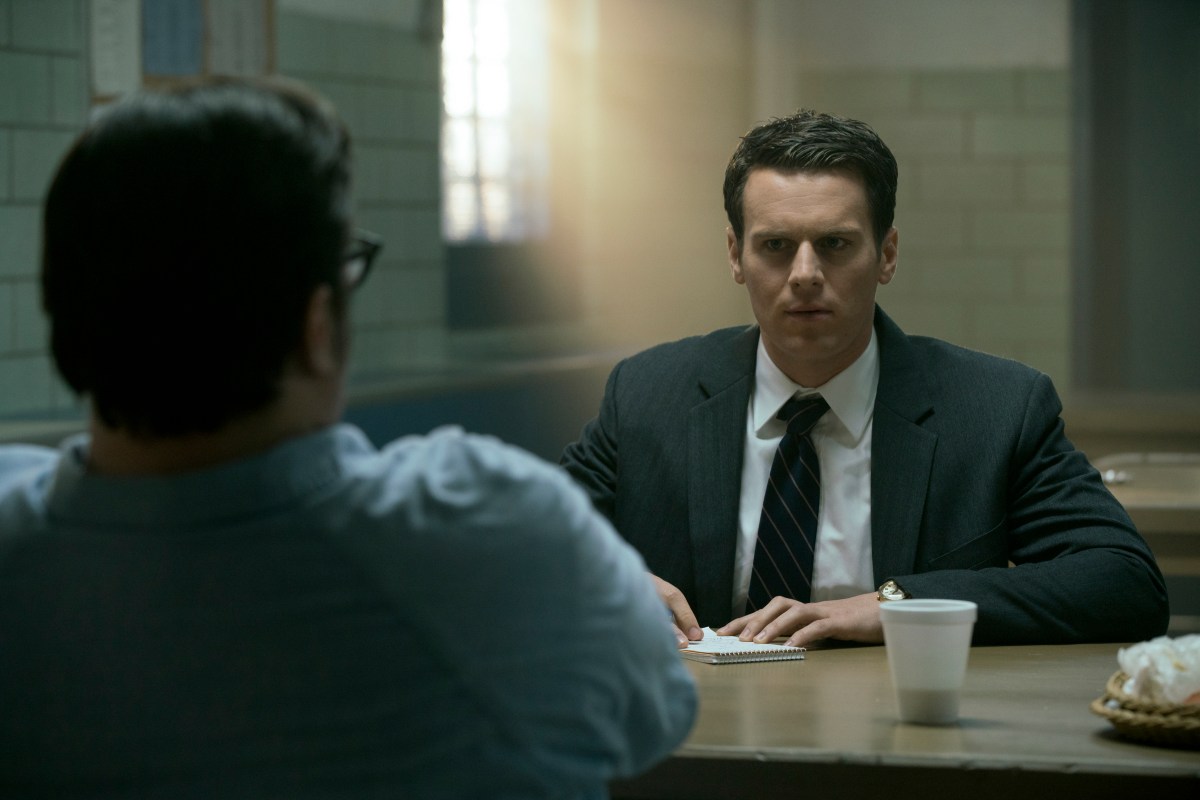
Thrilling, dark, gripping and tense are just some of the words used to describe the hit Netflix series Mindhunter. Playwright Jennifer Haley is a writer and co-producer on the series, and joins us this week to share her experience getting into the minds of FBI agents and serial killers.

Mindhunter is a meticulously paced crime drama based on the writings of the pioneering serial killer profiler John E Douglas. Along with his team, they interviewed the likes of Ted Bundy, Charles Manson, and Ed Kemper during the seventies and eighties which resulted in a redefining of criminal profiling forever.

The series has wonderful casting, beautiful cinematography, and some of the creepiest conversations you will hear this year. Lead by David Fincher who is Executive Producer and director of four of the episodes, the writers on Mindhunter have delivered an amazing array of characters.

Listen to the podcast

L.A. Not So Confidential. S1 Ep. 4: Writing Minds – Jennifer Haley Interview

2018. L.A. Not So Confidential (Podcast).jpg

Dr. Scott & Dr. Shiloh
December 3, 2017
L.A. Not So Confidential

Forensic psychologists, Dr. Scott and Dr. Shiloh, interview award-winning playwright Jennifer Haley who was a writer on Season 1 of Netflix‘s 2017 hit Mindhunter. In their first interview episode, they dive into the excitement and obstacles of bringing John Douglas‘ book to life and dish on several story arcs that leave us not-so-patiently waiting for Season 2! What’s with Wendy and that cat? Will there be a musical episode to see Jonathon Groff in action?

Listen to the podcast

L.A. Not So Confidential: S1 Ep. 3: Hunting Minds

Dr. Shiloh and Dr. Scott dissect their new favorite show, Netflix’s Mindhunter, and compare their own first experiences interviewing and working with the criminal population.

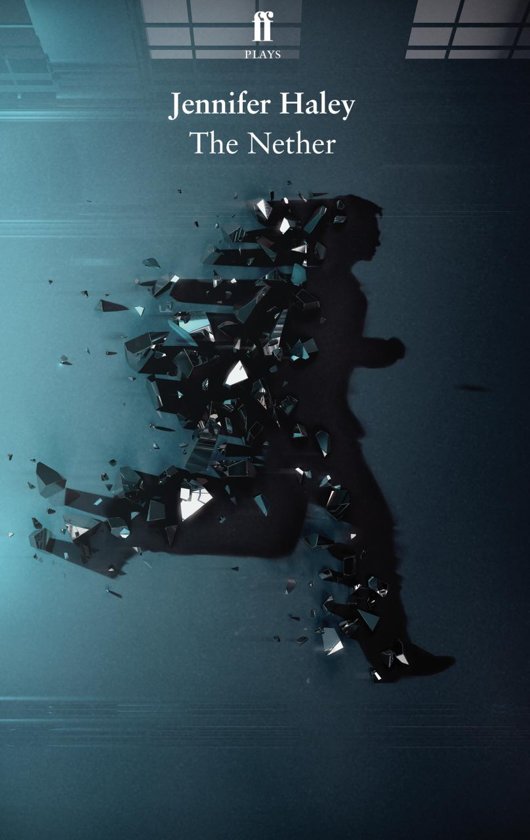
2012. Jennifer Haley - The NetherJennifer Haley .com

In Conversation with Andrew Kevin Walker

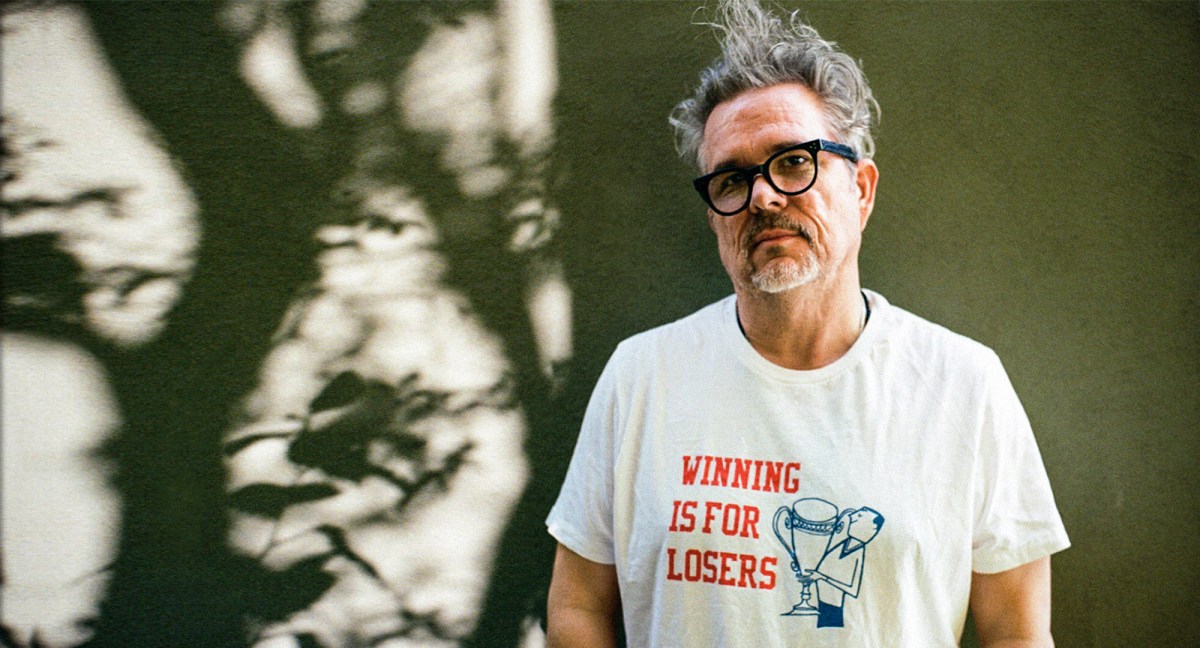
Andrew Kevin Walker (Brad Elterman)

On Story: 610 Andrew Kevin Walker – Se7en

Austin Film Festival (YouTube, vimeo)
June 18, 2016

Screenwriter Andrew Kevin Walker dissects his bleak thriller masterpiece, Se7en and working with director David Fincher to create the cult classic film.

Andrew Kevin Walker Interview

Movies and Stuff (YouTube)
Published on 22 Oct 2015

Dan and Abe interview the writer of Se7en Andrew Kevin Walker. Andrew touches on the history of Se7en, meeting Fincher, and his Silver Surfer script.

Episode 117: Ben from Fright-Rags, and Andrew Kevin Walker!

2018-10-12. Shock Waves (Libsyn) - Episode 117. Ben from Fright-Rags, and Andrew Kevin Walker!

Shock Waves
October 12, 2018

Join your hosts Ryan Turek and Rob Galluzzo as they welcome to the show Ben Scrivens, the owner/creator of horror T-shirt company Fright-Rags! Reviewed! TALES FROM THE HOOD 2, AMERICAN HORROR STORY: APOCALYPSE. The gang is also joined by special guest Andrew Kevin Walker, the screenwriter of David Fincher‘s SE7EN, SLEEPY HOLLOW, BRAINSCAN, 8MM, THE WOLFMAN, and much, much more. We get candid about the screenwriting process, the projects that never came to be, his working relationship with Fincher, and how he wrote SE7EN while working at Tower Records! All this and more!

Listen to the podcast

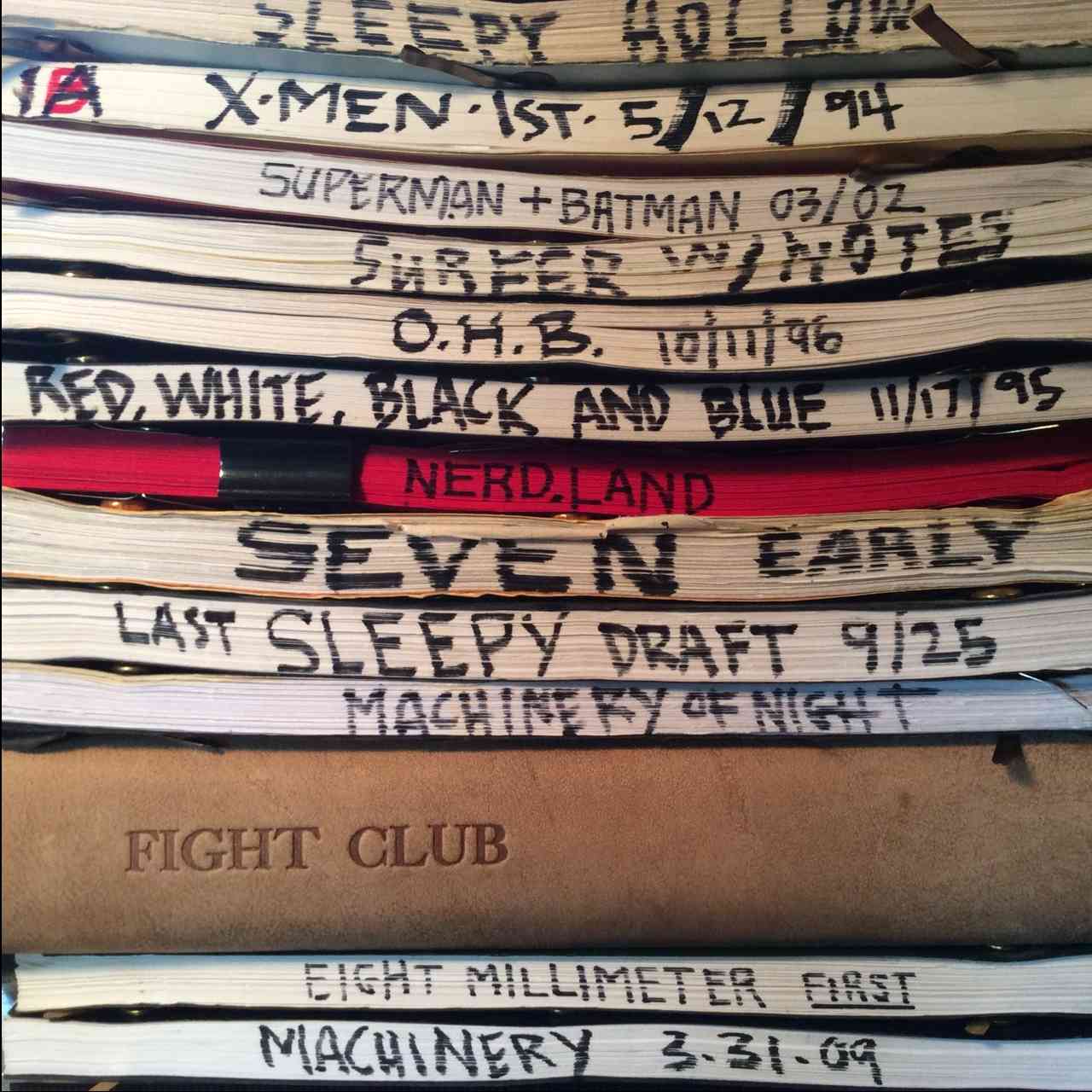
1992 Andrew Kevin Walker - Se7en. First Draft (andrewkevinwalker.com)Andrew Kevin Walker .com

The Thrilling Parallels Between Detective Somerset and John Doe in ‘Se7en’

Emily Kubincanek
August 24, 2018
Film School Rejects

How can the good guy and bad guy be so similar?

At the core of any story is the relationship between protagonist and antagonist, especially in a story where the protagonist must understand his enemy in order to find him. The best battles between good and evil are convoluted with characteristics that could be categorized as either, or neither. When hero and villain are more alike than either would want to admit, that makes for a dynamite struggle between them. There are so many books out there that explain how to achieve that element in storytelling, but few movies ever do it as well as David Fincher’s serial killer masterpiece Se7en (1995).

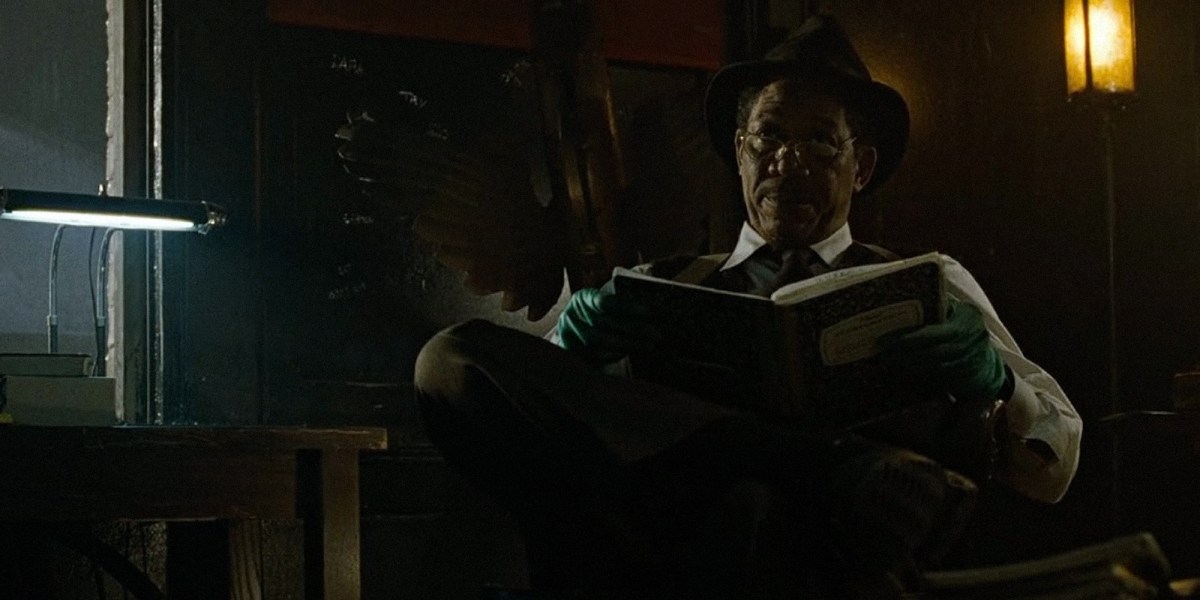
Honestly, we’ve learned to expect nothing less than greatness with a Fincher + serial killer collaboration, and Se7en was his first. This almost neo-noir thriller follows the investigation of a serial killer using the seven deadly sins to justify brutal killings all over an unnamed city. Detective Somerset (Morgan Freeman) is an aging homicide detective on his way out of the department when he’s assigned the worst last case. He’s paired with his replacement, an idealistic and determined young detective named Mills (Brad Pitt). They’re forced to work through their differences to solve the case, which is more horrifying and unpredictable than either could imagine.

There are viable arguments for who is the true protagonist in this movie, Somerset or Mills. For the sake of reading the rest of this article, just humor me if you disagree that Somerset is the protagonist in this story. He begins and ends this movie, most of the struggles are his own, and he’s in 90 percent of the scenes. While Mills has a major relationship with the killer John Doe (Kevin Spacey) as well, what convinces me that he is not the protagonist is the connection and similarities between Somerset and Doe.

Read the full article

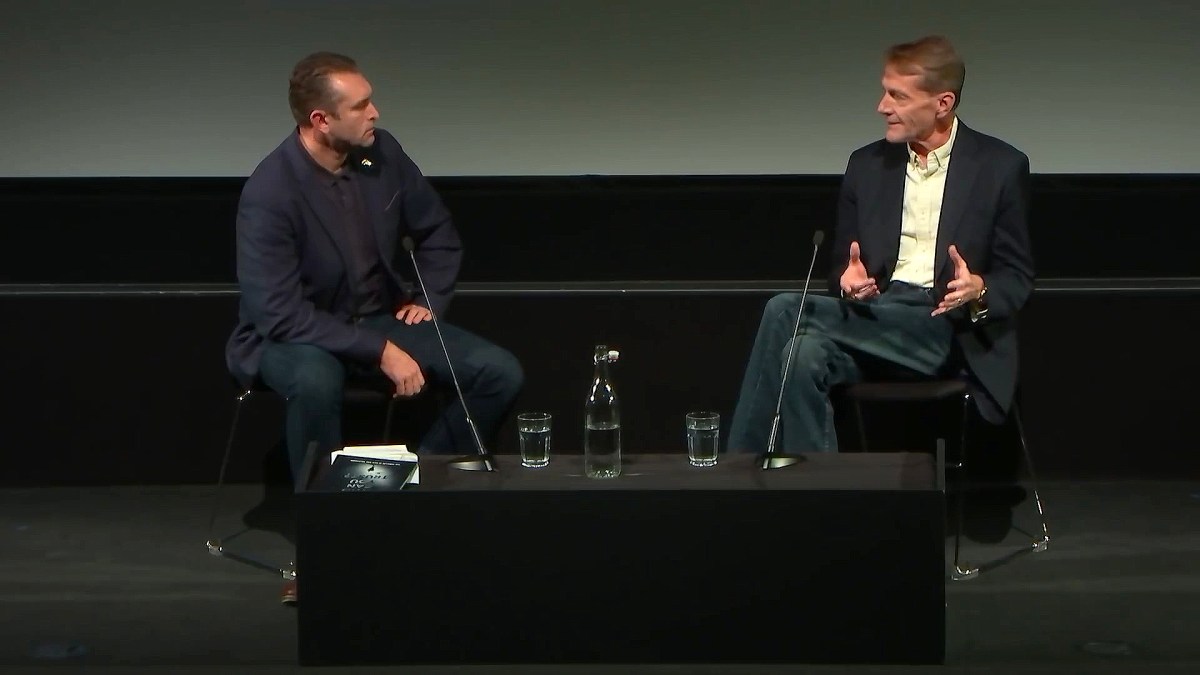
In conversation with… Lee Child on David Fincher’s Se7en

A video of Lee Child’s intro to last year’s BFI screening of “SE7EN“. I was there that night for the specially imported, ‘privately owned’ (QT?), original CCE 35mm print. I would have preferred a 4K DCP…

Joe Frady

November 30, 2017
BFI (YouTube)

Thriller author Lee Child talks to the BFI‘s Stuart Brown about David Fincher’s dark crime thriller, which follows a detective duo who find themselves pursuing a serial killer who uses the seven deadly sins to theme his murders. With a great ensemble cast and Darius Khondji’s camerawork helping to bring out the bleak, urban landscape, Se7en was a worldwide success.

The Girl with the Dragon Tattoo — Breaking Convention

Michael Tucker
January 30, 2018
Lessons from the Screenplay (YouTube)

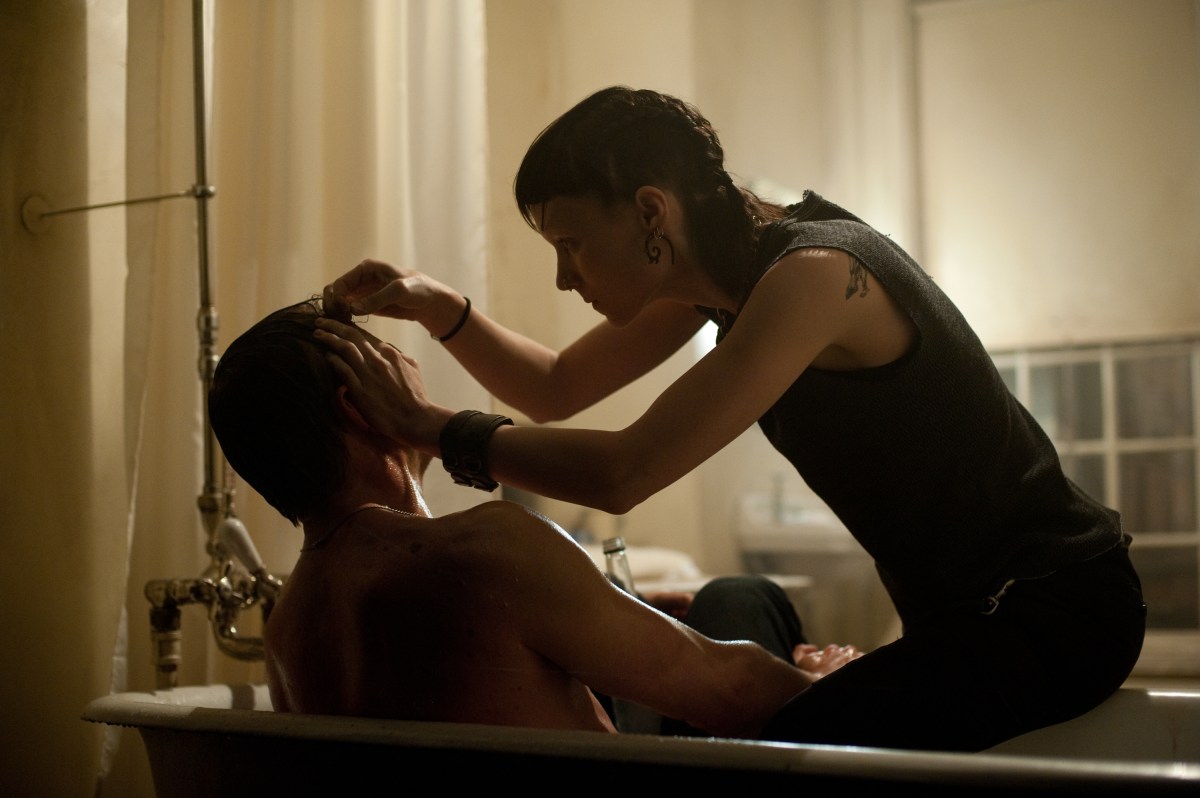
The Girl with the Dragon Tattoo is an exciting thriller about an unlikely pair of misfits trying to solve a forty-year-old crime, but it’s also interesting from a structural perspective. It uses a non-conventional, five-act structure. This video breaks down the anatomy of an act, to examine how the film breaks the rules while following them at the same time.

Support LFTS on Patreon
Facebook
Twitter
Website
LFTS Recommended Reading List

Books in this video
amazon-logo_grey
Into the Woods: A Five-Act Journey Into Story by John Yorke
Screenplay: The Foundations of Screenwriting by Syd Field

Watch the previous video on The Avengers and traditional act structure:

David Fincher quote:
BFI LFF: MINDHUNTER Q&A with David Fincher hosted by Nev Pierce. Audio
Min. 1:05:28

Other Lessons from the Screenplay:
Gone Girl — Don’t Underestimate the Screenwriter
True Detective vs. Se7en — Creating Light Amongst The Dark

How Mindhunter Gets Under Your Skin


Overanalyze
Published on 15 Nov 2017
YouTube

A video essay analysing what makes Mindhunter so creepy.

Mindhunter is a Netflix original crime drama series executive produced by David Fincher set in the late 1970s in which two FBI agents expand criminal science by delving into the psychology of murder and getting uneasily close to all-too-real monsters.

Features portrayals of real-life serial killers such as Ed Kemper, Richard Speck, Monte Ralph Rissel and Jerry Brudos.

The Plot Twist Checklist

Ciara Wardlow
August 8, 2017
Film School Rejects

A toolbox for the construction of plot twists, not an instruction manual (nobody reads those anyway).

A great plot twist is the stuff movie legends are made of. It’s what separates the good from the mind-blowingly great; the fertile ground from which many a movie meme and some of the most iconic lines in all of film history have sprouted (“No, I am your father,” “What’s in the box?!”, Bruce Willis is a ghost, etc.). As a good plot twist thrives on innovation and doing the unexpected, it is impossible to put together a genuine “how-to” guide for the crafting of plot twists. Instead, included below is a curated collection of some of the tools most frequently used in the construction of the best cinematic twists and turns. Maybe some of you might want to use these to craft some of your own twisting narratives, but even if not, as with any art, identifying and understanding the tools being used only enables a deeper appreciation of the finished product.

Read the full article