From the moment 1992’s Reservoir Dogs launched him like a supernova, Quentin Tarantino‘s career was intertwined with Harvey and Bob Weinstein. From Pulp Fiction to Inglourious Basterds, Kill Bill and the rest, Tarantino stayed monogamous as their cornerstone auteur until The Weinstein Company imploded and it was time for him to seek a new studio to hang his hat. This created the most hotly contested courtship Hollywood had seen in years.
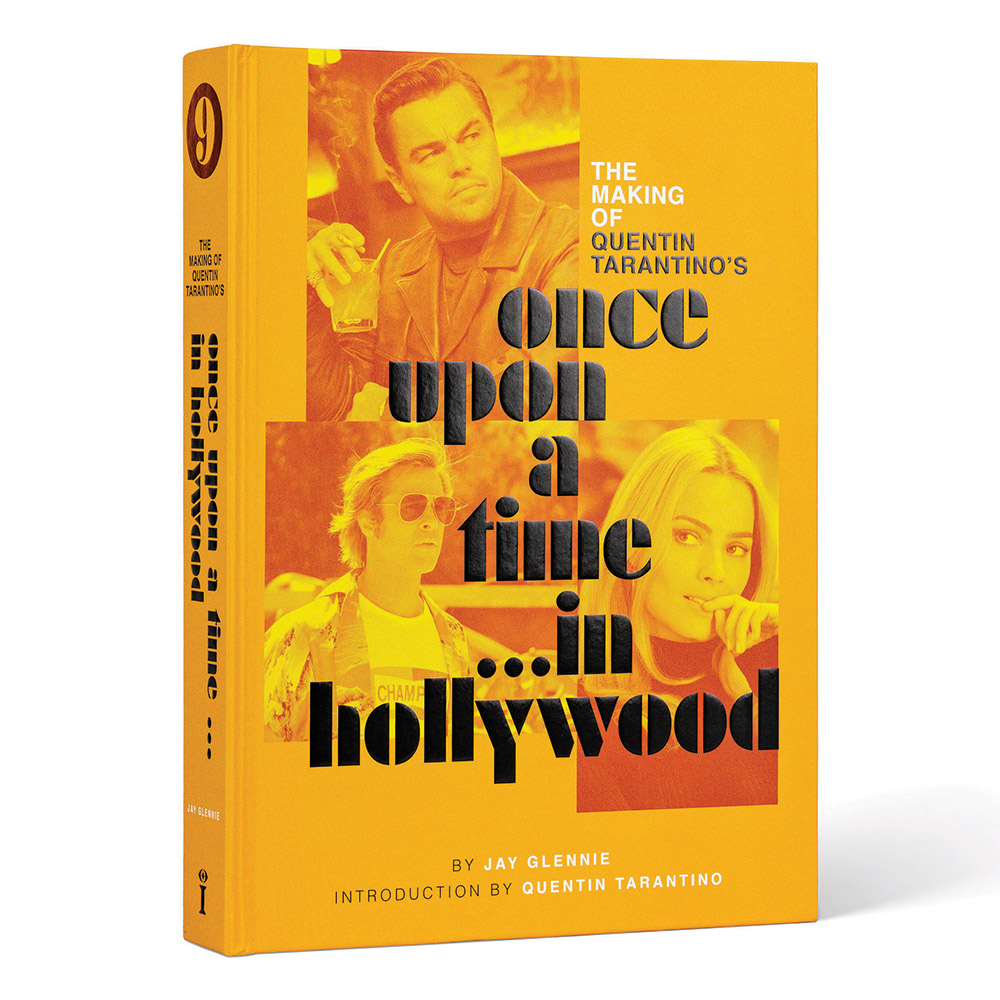
In a chapter from his new book The Making of Quentin Tarantino’s Once Upon a Time in Hollywood (Insight Editions), out October 28, author Jay Glennie details the seduction process and how Tom Rothman‘s passion — which included ensuring Tarantino retained the deal he had across all his films (including Django Unchained which Sony released internationally), that gives him back his copyright after 20 years — won Sony not only that global hit movie, but also most likely the 10th and final film Tarantino is working on now.
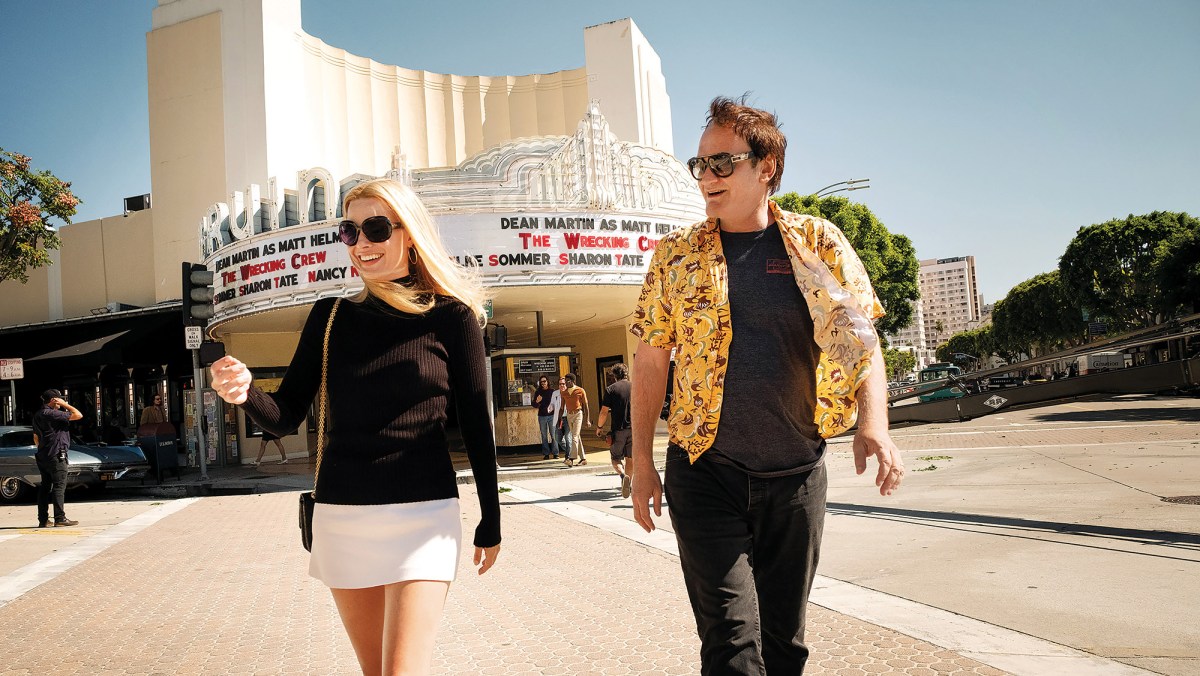
In an exclusive excerpt from the revealing new book ‘The Making of Quentin Tarantino’s Once Upon a Time… in Hollywood,’ the film’s director and stars Leonardo DiCaprio, Brad Pitt and Margot Robbie explain how they took L.A. back to the summer of ’69.
“Rick, how are you doing with getting Hollywood Boulevard for me?” Quentin asked his location manager, Rick Schuler. “I’m doing well,” Schuler replied.
Quentin looked at his first assistant director, Bill Clark, and looked at Schuler. “Doing well” was not going to cut it. Once Upon a Time in Hollywood was a Los Angeles story, a Hollywood story, and it needed to be filmed in Los Angeles. It needed Hollywood as a backdrop. He wanted to convert Los Angeles back to 1969 — “You know, literally street by street, block by block.”
Schuler had been in discussion with the California Film Commission for weeks. Under Quentin’s gaze, he admitted, “Well, I think I’m 80 percent there.”
“Rick, if there’s anything I can do to help you out, I’ll be willing to do that,” Quentin replied.
Production designer Barbara Ling was also anxious to know what it was she was going to be working with. Schuler had been asking the Hollywood powers that be, responsible for the economic success of their city, to shut down eight blocks.
“They had been, like, ‘Eight blocks? No way!’ and had said no a hundred times,” Ling recalls. “I also remember, eight blocks was freaking out the producers budget-wise.”
Schuler had an idea how he could utilize the filmmaker’s extraordinary enthusiasm and will to best use. He had an idea he wanted to run by Bill Clark: Schuler had a meeting with the Hollywood neighborhood council. Would Quentin be willing to address them — just talk about the project? Talk about the movie, what Hollywood meant to him? It could help get things over the line.
The day of the meeting, Schuler sprung it on Quentin and Clark that he wanted to make the filmmaker the surprise star act of his pitch and have him come in at the end. Nobody on the council would know he was there beforehand.
“For whatever reason, Rick thought it would be best if he kept Quentin a surprise to the council members,” Clark says.
The Church of Tarantino is a podcast channel with weekly shows dedicated to discussing every and anything related to the films of Quentin Tarantino. One of our 4 unique monthly series drop an episode every Friday. Ranking Tarantino (1st Friday of the month), The Bible Study (2nd Friday of the month), Inglourious Blue Balls (3rd Friday of the month) & Tarantinoesque Film Review (4th Friday of the month). Whether we’re ranking various aspects of his films, dissecting his scenes, discussing all the projects he’s announced, or reviewing films that are like his, there’s something for every QT fan.
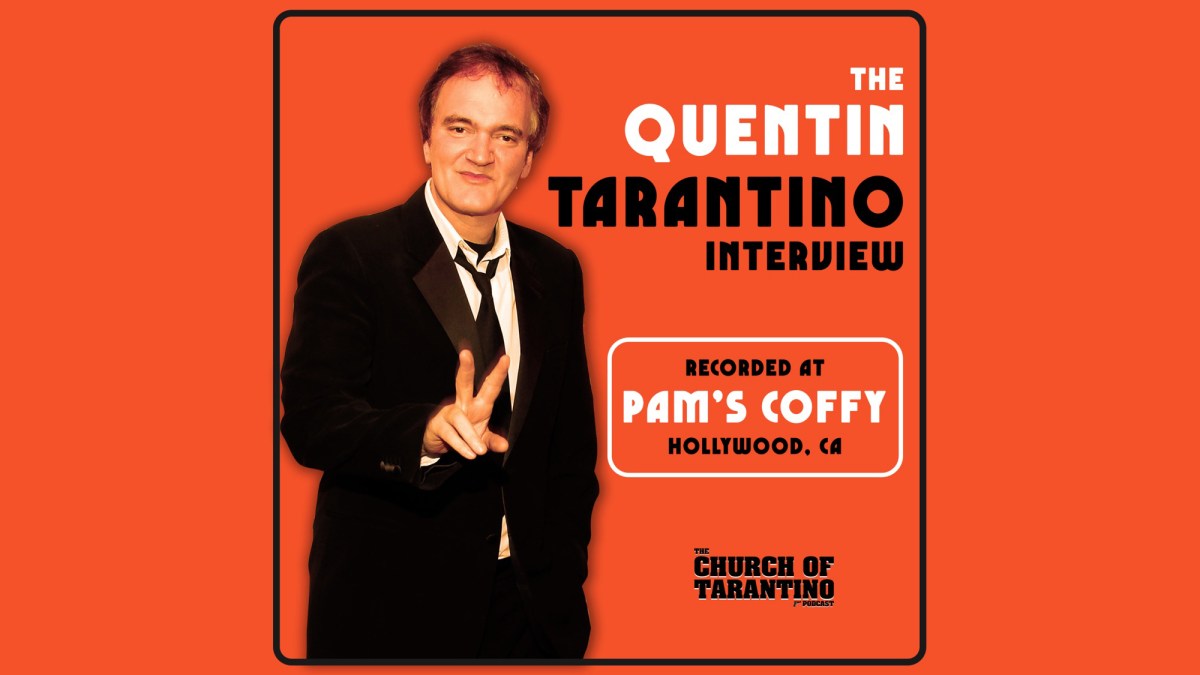
For this episode, join the Reverend inside Pam’s Coffy, for his first ever sit down with Mr. Quentin Tarantino, as they discuss the cancellation of The Movie Critic, the origin of The Adventures of Cliff Booth, why he handed it to Brad Pitt and David Fincher, his “favorite director”, what his next project is going to be, why Kill Bill: The Whole Bloody Affair is still unavailable to the public, the brilliance of the late great Michael Madsen and so much more, including the question he’s been dying to ask for over 2 and a half years: “What ever happened to the Untitled TV Series?” This is a must-listen for true Tarantino fans.
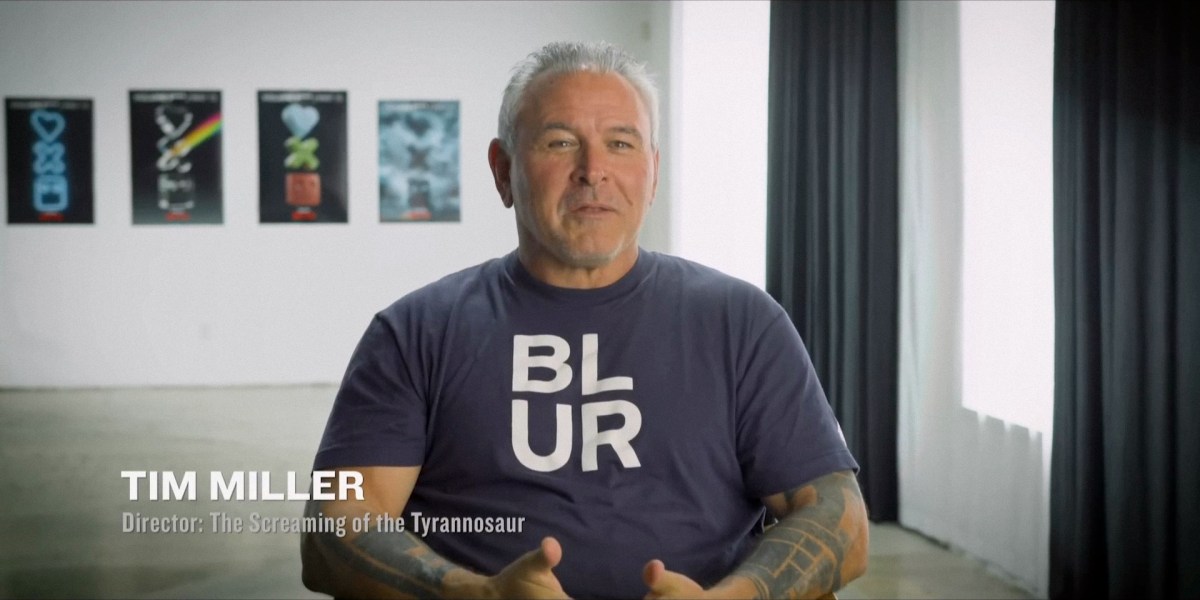
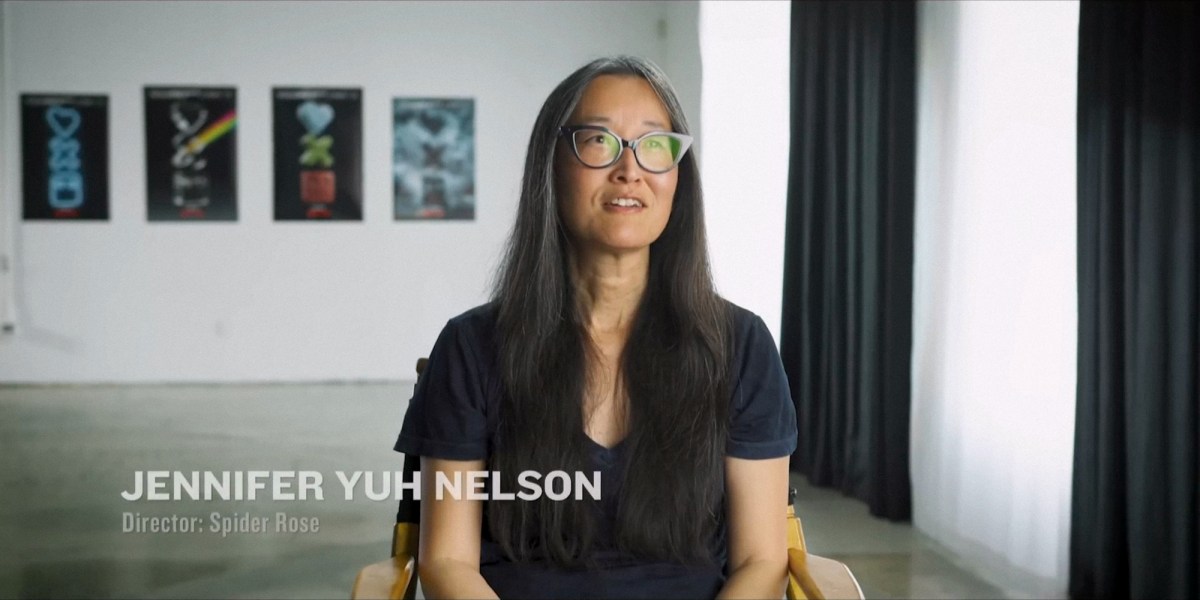
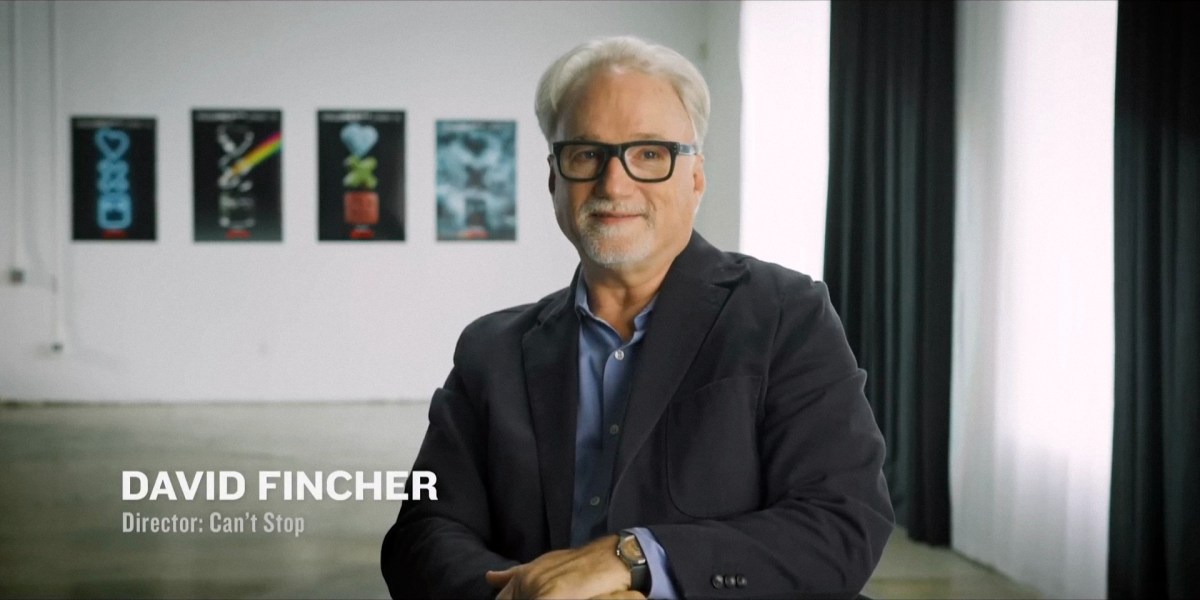
Director Tim Miller discusses how he approached directing this dinosaurs in space adventure, starring MrBeast! Featuring Jennifer Yuh Nelson and David Fincher.
When Netflix launched as a DVD rental service in 1998, that was its most effective pitch to potential customers — an unmistakable reference to the thing that people hated the most about Blockbuster. With more than 9,000 locations, Blockbuster was the biggest video rental chain in the world, but it was alienating members because its profits came from charging hefty fines for movies that weren’t returned on time.
“It was an obvious sore spot,” Reed Hastings, Netflix’s co-founder, says. “People loved renting movies and watching them at home, but the late fee became the symbol of everything painful about that model. So we decided to create something different.”
Netflix didn’t just do away with late fees by allowing customers to keep movies for as long as they wanted. It offered subscribers unlimited rentals for a monthly flat fee. As a bonus, it delivered DVDs directly to customers’ homes, eliminating the hassle of having to drive to the local Blockbuster to scour aisle after aisle of movies in search of something to watch.
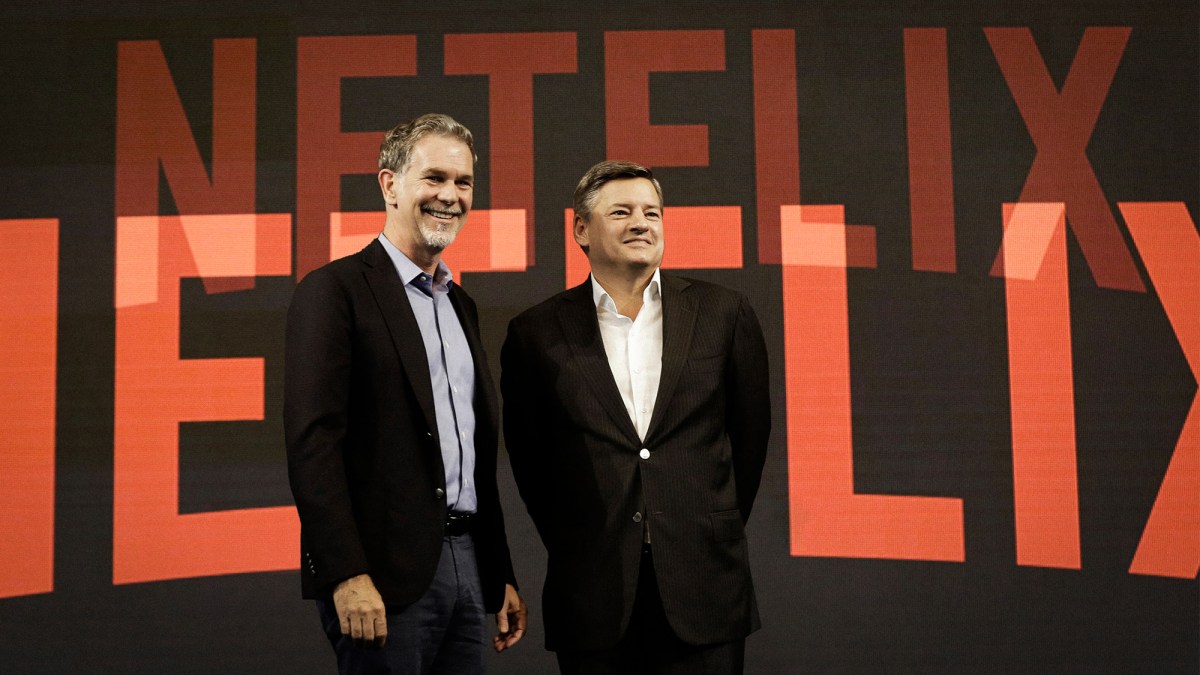
That gamble paid off. Twenty-eight years after it debuted with little fanfare, Netflix, now under the leadership of Hastings’ successors, Ted Sarandos and Greg Peters, dominates Hollywood. Its market cap of $392.68 billion surpasses those of Disney, Warner Bros., Discovery, Paramount Global, and Comcast combined.
Reed Hastings on Ted Sarandos committing to spending $100 million on House of Cards, picking the show up for an unheard-of two seasons, before a pilot had even been shot, and agreeing not to give David Fincher any notes and guaranteeing him full creative control:
“I wasn’t comfortable with it. It seemed perilously aggressive to me, just on the edge of reckless. We’d been working together for a decade, so I’d come to trust Ted’s instincts. But they were definitely not my instincts.”
David Fincher bristles at being labeled a perfectionist.
He makes an unconvincing case in the shadow of his filmography, which includes “Fight Club,” “Zodiac” and “The Social Network” among several other films marked by a meticulous and unerring technical precision. But Fincher’s objections ring especially hollow when it comes in the midst of an explanation — involving corrections to emulsion caused by the device that perforated the original celluloid — why a new 4K version of “SE7EN” took a year to complete. Yet even if one were inclined to describe his approach merely as a “passionate attention to detail,” that attention has nevertheless resulted in some of the most unforgettable cinematic images of the last 30 years — and now, one of the most beautiful restorations produced in the high-definition era.
Perhaps ironically, “SE7EN,” the film that marked his Hollywood breakthrough, was by his description inspired by “movies with dirt under their fingernails.” Following its premiere at the 2024 TCM Film Festival, the upgraded transfer will be released in theaters (including IMAX) Jan. 3, to be followed on 4K UHD Jan. 7. Fincher recently spoke with Variety about the film, describing his approach to the project after the critical and commercial underperformance of his debut feature, “Alien 3;” revealing details about key casting and creative choices in bringing to life the story of a serial killer inspired by the seven deadly sins; and reflecting on its legacy as a film that both inspired countless imitators and defined his reputation — be it as a perfectionist or just a filmmaker who learned to ask for forgiveness instead of permission.
David Fincher:
I bristle at that idea of perfectionism because if you look at an image and you can see that there’s something going on on the left side of it, I’ll admit it was a big problem for me when I moved to high definition because now I could finally see all of the background actors looky-looing and counting, and you go, “Wow, what is this behavior that’s in the background?” So the more you see, the more I feel it’s my responsibility to make sure that the only thing that’s documented is the stuff that focuses your attention on what you need to walk away with.
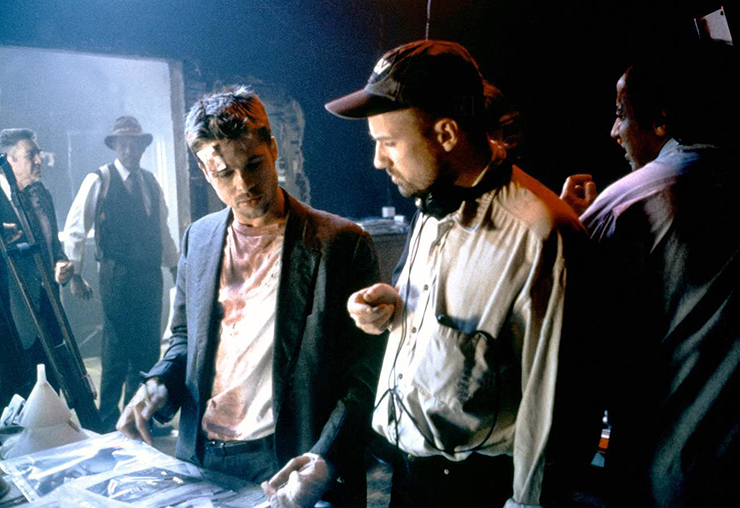
Rain drenches an anonymous street in Los Angeles, which is standing in for an anonymous city that won’t be named. Two A-list actors, playing polar opposite detectives assigned to a frightening and ominous case, stand around and wait for their turn to step on set, where they’re poised to discover the next atrocity left for them by a mysterious serial killer named John Doe.
But in this specific moment, director David Fincher is just trying to figure out how to get the body of character actor Michael Reid McKay, transformed into the victim we’ll come to know as Sloth, onto the set without disrupting the man’s intricate makeup job.
That’s just one of many unexpected challenges facing David Fincher (Fight Club, The Social Network, Zodiac) as he labored on SE7EN, the mesmerizing dark-noir thriller that cast Brad Pitt and Morgan Freeman as cops tracking a killer whose victims are modeled after the Seven Deadly Sins. It’s an ingenious hook, designed by screenwriter Andrew Kevin Walker. But it was Fincher’s meticulous execution of the crimes that burrowed under the skin of moviegoers back in 1995, and helped make SE7EN an unforgettable achievement that earned its place in the pop-culture pantheon of contemporary masterpieces.
I’m not sure Fincher knew he was creating a masterpiece at the time of filming. The former music-video director was coming off of a disastrous shoot with Alien 3, was focused on establishing himself and his own voice, and had to deal with a difficult schedule attached to one of his leading men. (More on that in a second). And then, there was this damn Sloth body… the one that wakes up mid-investigation, and scares the daylights out of John C. McGinley (Scrubs).
Speaking with CinemaBlend on behalf of a 30th anniversary 4K UHD release of SE7EN (which arrives on January 7), Fincher started reminiscing about that particular Deadly Sin.
By any reasonable measure, David Fincher had made it by 1990. He was directing rapturous music videos for Madonna (Express Yourself, Vogue) and doing lucrative ads for top brands worldwide. The production company he co-founded, Propaganda Films, had cornered the MTV market, helping launch the careers of such future notables as Spike Jonze and Antoine Fuqua.
But there was Hollywood to conquer and Fincher, not yet 30, rushed headlong into his feature debut, one that no superfan of Ridley Scott (also a genius director of commercials) could pass up: the third movie of the Alien franchise. While it has since found a hardcore base of defenders, 1992’s dour, much-mussed Alien3, a troubled production, was a disappointment that Fincher has largely disowned.
A little over three years later, however, he was back with a movie that has since come to define him, even with future Oscar-nominated titles on the horizon. Starring Morgan Freeman and a rising Brad Pitt as detectives — one deliberate and cynical, the other impulsive and naive — in an oppressively rainy city hunting down a ghoulish maker of tableaus based on the deadly sins, Seven yoked Fincher’s gift for atmosphere to Fritz Lang-worthy material that approached metaphysical profundity.
“Who wants to spend their time bitching and moaning about transgressions that were done to you?” says Fincher, 61, of the tough years between Alien3 and the breakthrough that cemented his style. “That seems like a waste of time. I don’t think I was persecuted on Alien3, but I definitely learned what my limits were.”
The story of his rebound, though, remains a valuable one, even if the director himself would rather move on. In advance of Friday’s world premiere of a newly remastered 8K Imax version of Seven at the TCM Classic Film Festival, it feels like time to tell it again. Fincher is in a sharply funny, self-deprecating mood — his typical M.O. — when he connects on Zoom from his Los Angeles office.

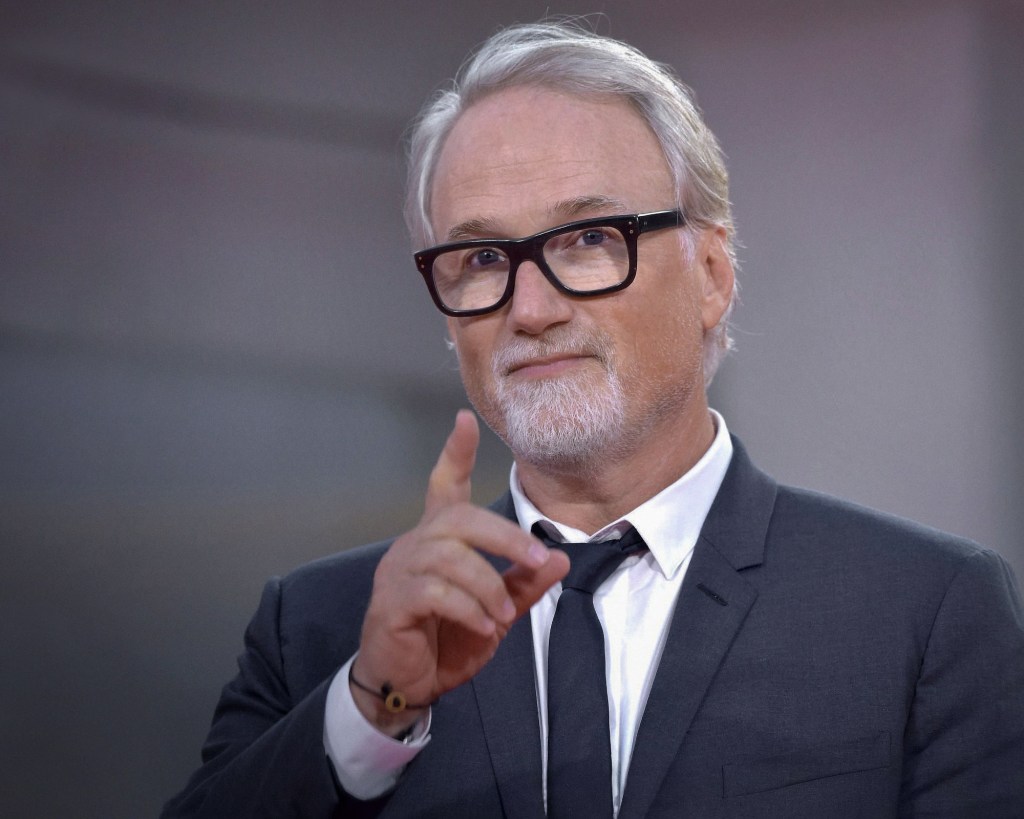
 The Fincher Analyst