Interview with Jason Hill

Daniel Schweiger
January 4, 2018
Film Music Magazine

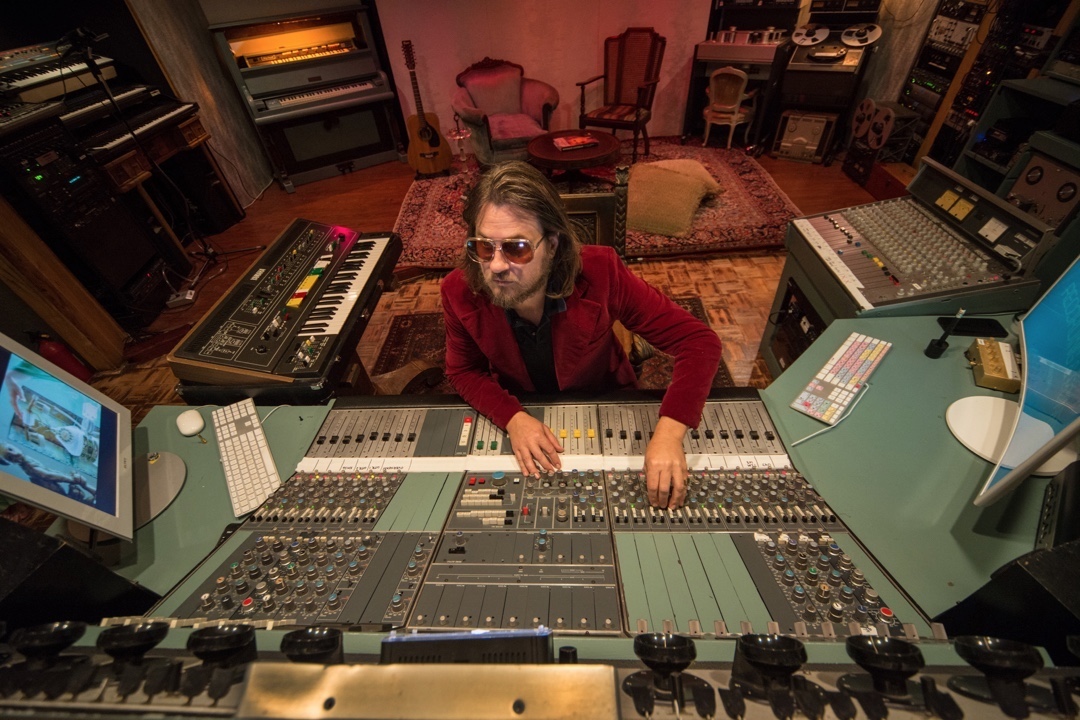
Just about the last thing anyone wants to do is enter the mind of pure evil, let alone hear it meticulously, and deliciously describe its murderous exploits. That a view inside of its horrifying headspace has resulted in such eerily intoxicating music is a testament to the powerfully emerging voice of Jason Hill in “Mindhunter.” Created by serial killer media enabler par excellence David Fincher, this acclaimed Netflix series’ twist is that we barely see any violence at all. Rather, the acts and its reasoning are told to FBI profilers Holden Ford (Jonathan Groff) and Bill Tench (Holt McCallany), who traverse the country to find out what makes madmen tick. That the birth of the agency’s serial killer profiling unit is no work of fiction makes their subjects’ descriptions all the more terrifying, if no less fascinating in the awfulness that’s drawn entertainment to these predators again and again. That Jason Hill hears the recording sessions, and their effect upon the agents, with such dark poetry is all the more unsettling.

If the interview subjects of “Mindhunter” have seemed to emerge from the shadows, seemingly out of nowhere, the same might be said (if not murderously) about how Hill’s innovative talent has burst upon the binge-watching scene. With only one scoring credit for a dirt biking madman behind him, Hill’s production work for the likes of David Bowie, The New York Dolls and The Killers along with his band Louis XIV have led him into Fincher’s company – a band of musical profilers whose work has ranged from the raging orchestra of Howard Shore’s “Se7en” to the subtle, conspiratorial piano of David Shire’s “Zodiac” and the piercing electronics of Trent Reznor and Atticus Ross’ “Gone Girl.”

Hill’s realization of a twisted psyche is just as uncommon and original, eschewing the kind of dissonance that scores most associate with serial killers, Hill’s soundtrack for this hit, ten-part series is poetic, even beautiful in its crystalline use of sound and samples, music that suggests a voyage to an alternate, shimmering universe far more than it does a basement torture dungeon. Its ethereal, even poignant stuff, yet with a tonality that tells us something is unholy in its deceptively surreal bliss. Even as brilliantly crazy as Brian Reitzell’s music was for the equally astounding “Hannibal,” there’s never been quite a serial killer show, or soundtrack like “Mindhunter.” In no small part, we can thank an essentially newfound composer who’s brave enough to hear shocking words that might drive others’ insane, and turn the description of the deeds into things of hypnotic, unearthly beauty that dares us to turn away. And like the subject of the increasingly unnerved agents, Hill is the killer who keeps the tape machine running, now describing in detail to us how he draws listeners ever deeper into “Mindhunter’s” entrancing madness.

Read the full interview

Thought Police

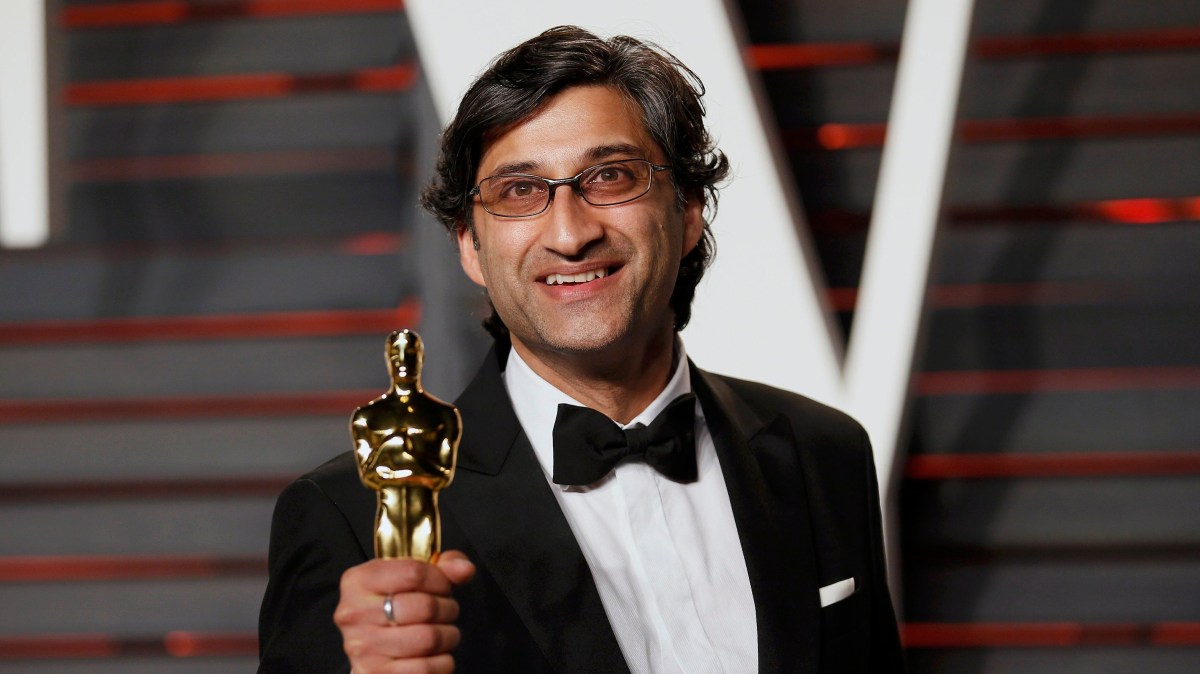
Asif Kapadia, director of episodes 3 and 4, with Erik Messerschmidt on the Mindhunter set.

Director David Fincher drove an era-defining aesthetic using the highest-end equipment. Definition spoke to cinematographer Erik Messerschmidt to find out how it influenced the huge Netflix hit, Mindhunter.

Julian Mitchell, Editor
January 2018
Definition (Bright Publishing)

Read the full interview

Conversations with Jonathan Groff of MINDHUNTER

SAG-AFTRA Foundation (YouTube)
December 4, 2017

Q&A with Jonathan Groff of MINDHUNTER.

How do we get ahead of crazy if we don’t know how crazy thinks? In MINDHUNTER, FBI agents Holden Ford (Jonathan Groff) and Bill Tench (Holt McCallany) study the damaged psyches of serial killers in an attempt to understand and catch them, and in the process pioneer the development of modern serial killer profiling. The series launched globally October 13 on Netflix.

ART OF THE CUT. On editing Mindhunter with Kirk Baxter, ACE and Tyler Nelson

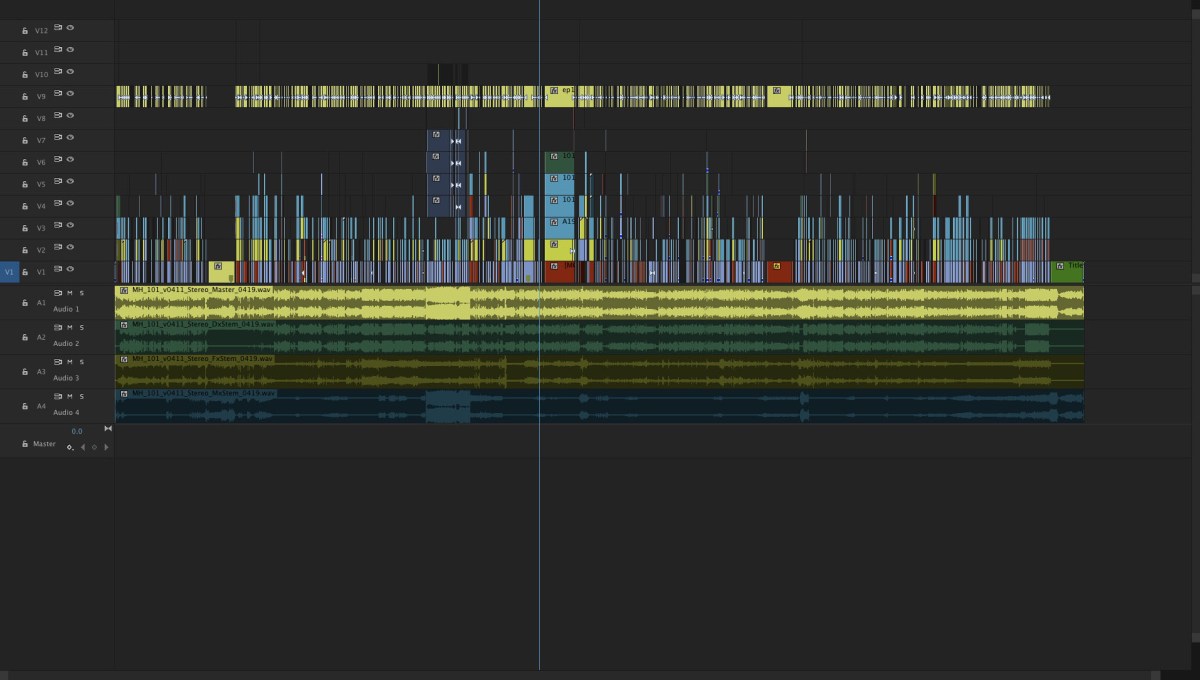
Premiere Pro Screenshot of Mindhunter Episode 1

Steve Hullfish
December 21, 2017
ProVideo Coalition

Mindhunter is one of those binge-able shows that has people talking. I spent a few days last summer at the Fincher production facility in LA where the show is cut and met one of the show’s editors, Tyler Nelson. One of the other editors on the series is Oscar-winner, Kirk Baxter, ACE, whom I interviewed previously for his work on Gone Girl. Both Gone Girl and Mindhunter were edited in Premiere Pro. (I was not able to talk to the third editor on the series, Byron Smith, who also cut the Netflix series, Altered Carbon.)

Kirk’s filmography includes numerous collaborations with director David Fincher. He was the additional editor on Zodiac. He also edited Fincher’s The Curious Case of Benjamin Button, The Social Network, The Girl with the Dragon Tattoo and Gone Girl. He won back to back Oscars for Social Network and The Girl with the Dragon Tattoo. He also cut episodes of Fincher’s House of Cards.

Tyler Nelson recently cut the feature Rememory, and was the assistant editor on Gone Girl, The Girl with the Dragon Tattoo, The Social Network and The Curious Case of Benjamin Button. He was also an assistant editor on House of Cards and The Good Wife.

This installment of Art of the Cut is a little different. I spoke to Kirk and Tyler separately about specific episodes of Mindhunter. Kirk spoke only about his work on Episode 10, the season finale. Tyler talked about several episodes that he cut from earlier in the season, so we’ll start with Tyler’s interview and then move to Kirk’s.

The series is available on Netflix and it may be useful to check out Episode 2, 3 and 10 prior to the interview… or cue them up as you’re reading! The series has been renewed for season 2.

Read the full interview

Nev Pierce’s Next Steps

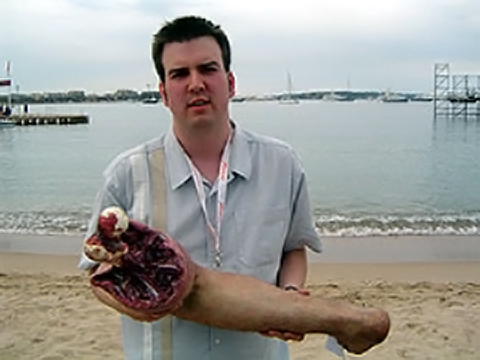
2004 Nev Pierce - Cannes
Cannes, 2004

Nev Pierce, one of the finest British film journalists, with a career of 20 years, and now a thriving Filmmaker, has revamped his website, NevPierce.com.

A nice occasion to revisit it, read his interviews to A-list actors and filmmakers, specially the essential David Fincher set visits and career interviews for Total Film and Empire magazines, from Zodiac to Mindhunter, plus a retrospective piece on Fight Club (all fully available in PDF), watch the trailers for his short films, praised by Fincher and Mark Romanek themselves, and rejoice at the announcement that he is co-writing a TV series and developing the thriller Packaged, as co-writer and director, with executive producer… David Fincher.

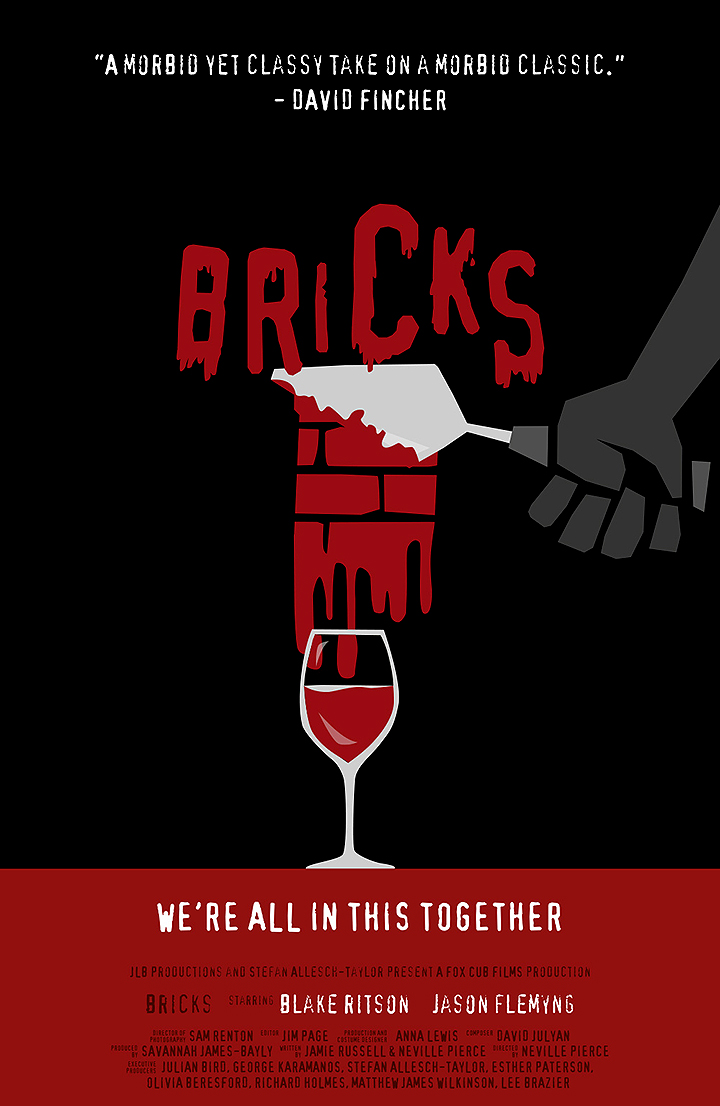
2015 Bricks (Nev Pierce)1.jpg
Bricks (Short Film, 2015)

Aaron Sorkin Got Advice from David Fincher and other Directors

Migdalia Melendez
December 21, 2017
Screen Rant

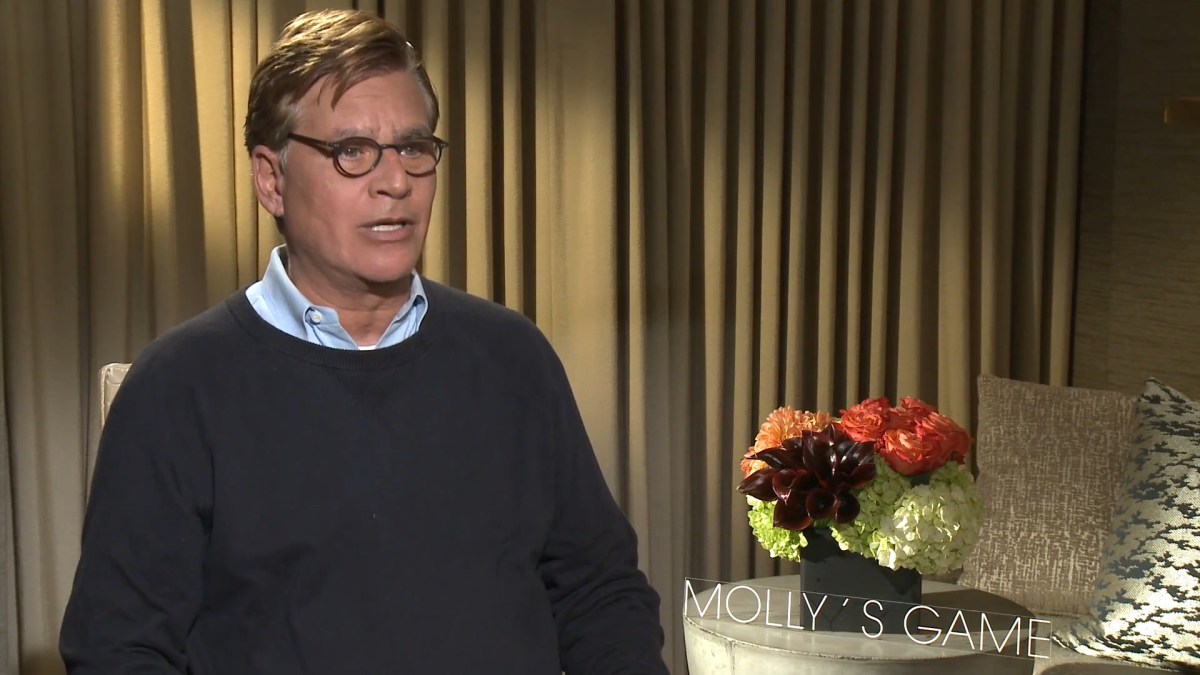
Aaron Sorkin is lauded as one of the best screenwriters of our time whose films have generated more than $350 million dollar at the box office. A seasoned writer of twenty five years penning classics such as The West Wing, and A Few Good Men, it comes as no surprise that Sorkin would get the urge to direct. At one point he was attached to direct The Social Network until David Fincher came along, and Sorkin ended up taking home as Oscar for Best Adapted Screenplay. Seven years later he was sent Molly Bloom’s autobiography, Molly’s Game, and became fascinated with the former high stakes poker queen after meeting with her.

The film adaptation chronicles Molly Bloom’s journey from Olympic skier to running a high stakes poker game in both Los Angeles, and New York. Apparently, A-List celebrities such as Leonardo DiCaprio, Ben Affleck, and Tobey Maguire were frequent players. However, things get ugly fast as soon as the Russian mob gets involved.

Producers Mark Gordon and Amy Pascal ran down a list of possible directors with Sorkin, but offered him another chance to take the director’s chair. He took it. With a tight turnaround from casting to wrapping, Aaron Sorkin’s feature film debuts on Christmas Day. Screen Rant sat down with the first time director and touched base on which director he has learned from the most, and about his quickfire dialogue.

Read the interview transcript


Late Night with Seth Meyers (YouTube)
December 19, 2017

DP/30: The Oral History Of Hollywood (YouTube)
December 21, 2017

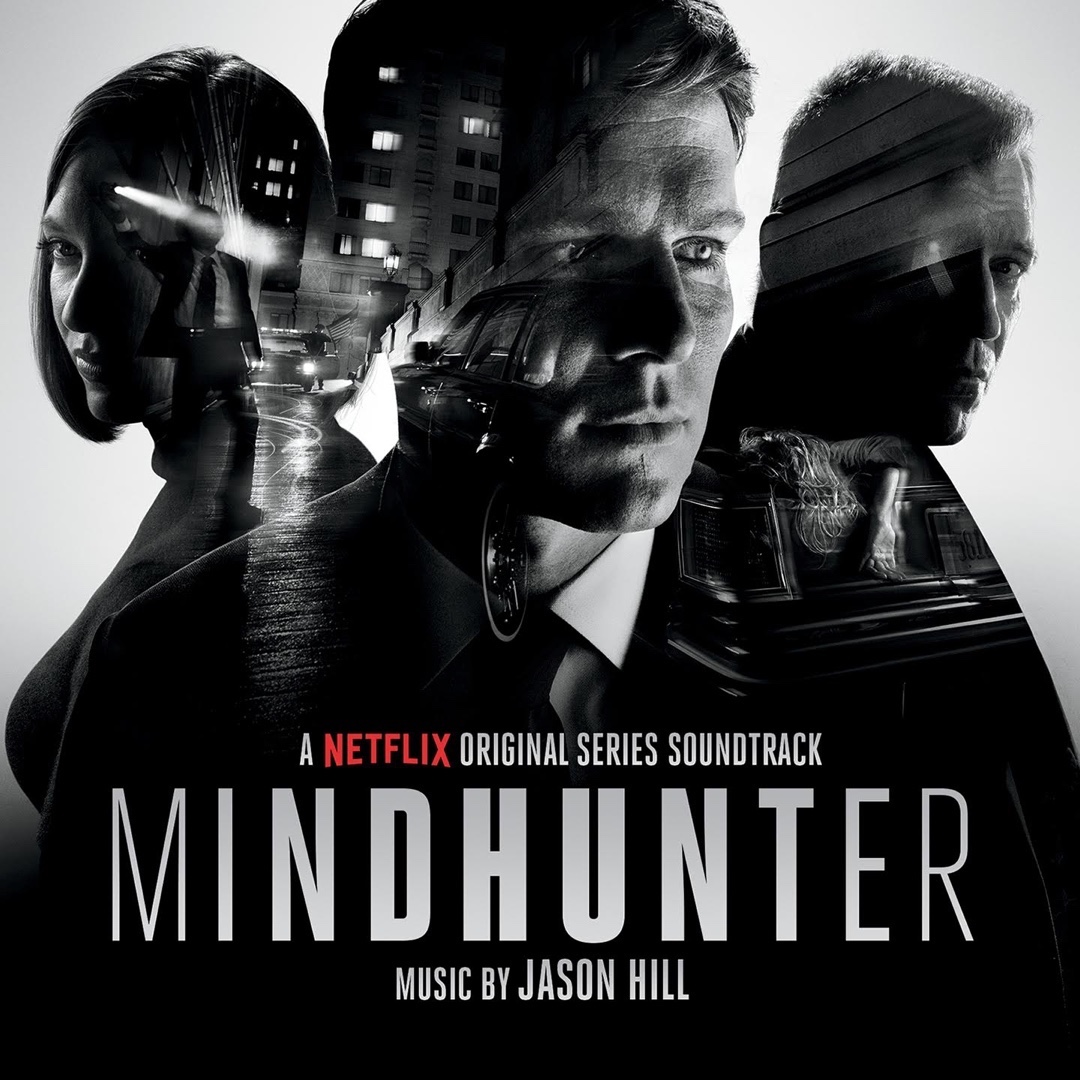
MINDHUNTER Soundtrack CD out on December 15

Jason Hill
Instagram

amazon-logo_greyMindhunter (A Netflix Original Series Soundtrack)

And at the top digital music platforms.

MINDHUNTER: Inside the mind of composer, David Fincher collaborator Jason Hill (part 1)

Kyle Kohner
November 9, 2017
RIFF Magazine

MINDHUNTER: Composer Jason Hill, of Louis XIV, never complacent (part 2)

Kyle Kohner
November 15, 2017
RIFF Magazine

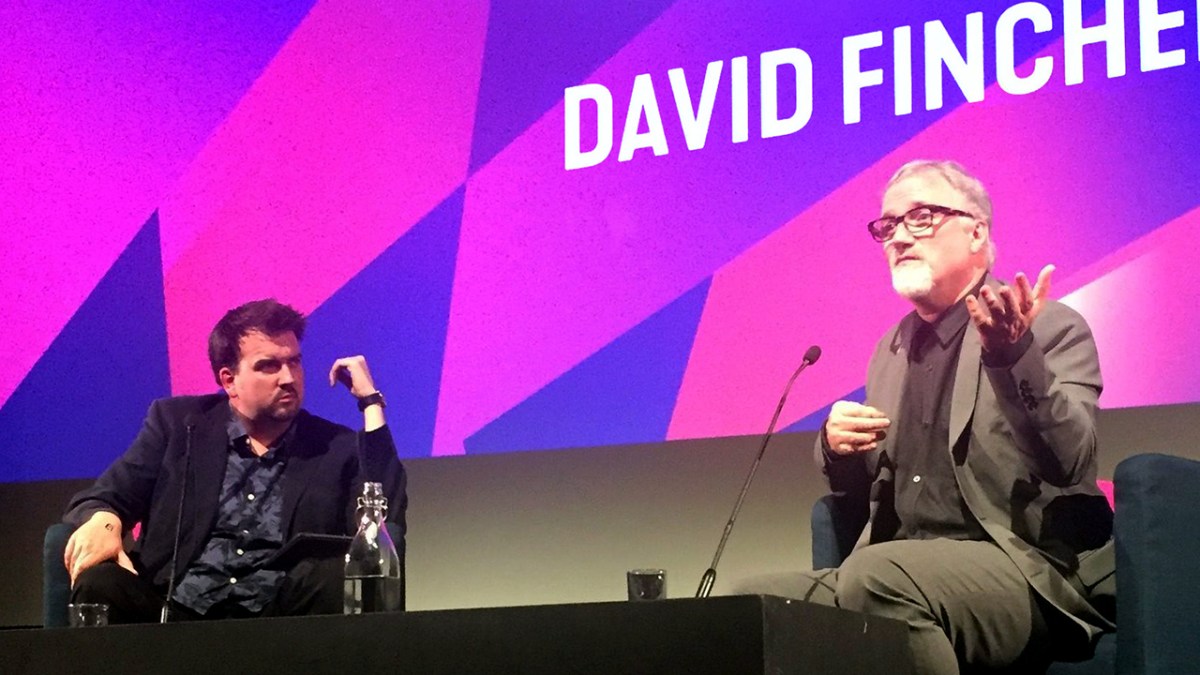
David Fincher: ‘Moviemaking is a rat f*ck, every day is a skirmish’

Matt Thrift
November 12, 2017
Little White Lies

The alchemist behind Fight Club and Zodiac discusses his newest true crime saga, the Netflix Original series MINDHUNTER.

Netflix has come a long way since the launch of its flagship in-house production, House of Cards back in 2013. The first two episodes of that landmark series saw one of American cinema’s most fastidious craftsmen make his first foray into television. Now David Fincher is back and doubling down, helming four episodes of 2017’s most anticipated binge-fest, an adaptation of the memoir by FBI agent John Douglas, the criminal profiler who served as inspiration for Jack Crawford in Thomas Harris’ bestseller, ‘The Silence of the Lambs’. Fincher gave us a call for an epic conversation about all things MINDHUNTER.

Read the full interview

With Mindhunter, David Fincher’s killer completes their journey

Netflix’s newest crime drama series is the culmination of a career-long obsession for the director.

Brogan Morris
October 22, 2017
Little White Lies

Mindhunter director Asif Kapadia on Ed Kemper and learning David Fincher’s style

Christopher Hooton
Nov 6, 2017
Kernels (Independent)

How do films make you feel? The Independent gets personal about cinema and TV with actors, directors, cinematographers and other people from the continually evolving world of “content” in a new fortnightly podcast hosted by Culture Editor Christopher Hooton.

Netflix‘s new original series Mindhunter has enrapt a legion of viewers with its smart, reserved style. Chris sits down with episodes 3 and 4 director Asif Kapadia to look at how it came together, how Brad Pitt‘s DVD of Senna led to his signing, directing an actor as serial killer Ed Kemper, learning from David Fincher on set, and how a season of TV’s episodes are carved up for different directors.

Listen to the interview

David Fincher on the Music of ‘Mindhunter’

By Paula Parisi on October 23, 2017
Max the Trax

Director and producer David Fincher wanted a backing track that “didn’t sound like music” for his new Netflix series Mindhunter, which is exactly what he got in the 10-episode show’s original score by composer Jason Hill. Hill, a veteran of the early aughts indie rock scene with throwback style, invented a library of original sounds he processed into music. “I didn’t use any sound libraries,” said Hill, proprietor of the Department of Recording & Power. “I do use a computer, in terms of capture, but everything pretty much starts with a bunch of analog, weird stuff. I kind of get mad scientist brain when I press play.” Pitch perfect for a show about the genesis of the FBI’s elite Behavioral Sciences Unit, formed in 1978.  An inspired touch — the sound of Hill running his fingers around water-filled wine glasses — has become something of an audio signature for the series, which also features a rigorously curated complement of 1970s tunes.

Fincher is known as a meticulous craftsman who not only chooses great material, but applies his exacting style to bring it to the screen in a way that is both visually and narratively compelling. While his talent as a musical tastemaker has certainly been acknowledged, it’s emphasized to a lesser extent against the dazzle of his other gifts. But Fincher’s record stands: best score Oscars for Trent Reznor and Atticus Ross for 2010’s The Social Network, and a best soundtrack Grammy for the duo’s 2012 The Girl with the Dragon Tatoo as well as a nom for their work on Gone Girl.

Fincher received his own Academy Award nominations for directing The Social Network and 2008’s The Curious Case of Benjamin Button (which also earned Oscar and Grammy nominations for composer Alexandre Desplat).  And that’s before even getting to the part about how in the ’80s he helped invent the music video genre as a founder of Propaganda Films (including Don Henley’s cinematic “The End of the Innocence” and helming entries for Madonna and Nine Inch Nails (as well as Loverboy and Rick Springfield, among many others. He’s collected his own Grammys for directing the 1994 clip for The Rolling Stones‘ Love is Strong” featuring the band and their friends as giants cavorting through Manhattan), and more recently, in 2014 for Justin Timberlake’s Suit and Tie (feat. Jay Z).  Fincher spoke to MaxTheTrax editor in chief Paula Parisi about the music for Mindhunter, his music video roots and (small!) contribution to Trent Reznor’s career as a film composer.

Read the full interview