‘Mindhunter’ DP Erik Messerschmidt on Working with Fincher, the Show’s Aesthetic, and Season 2

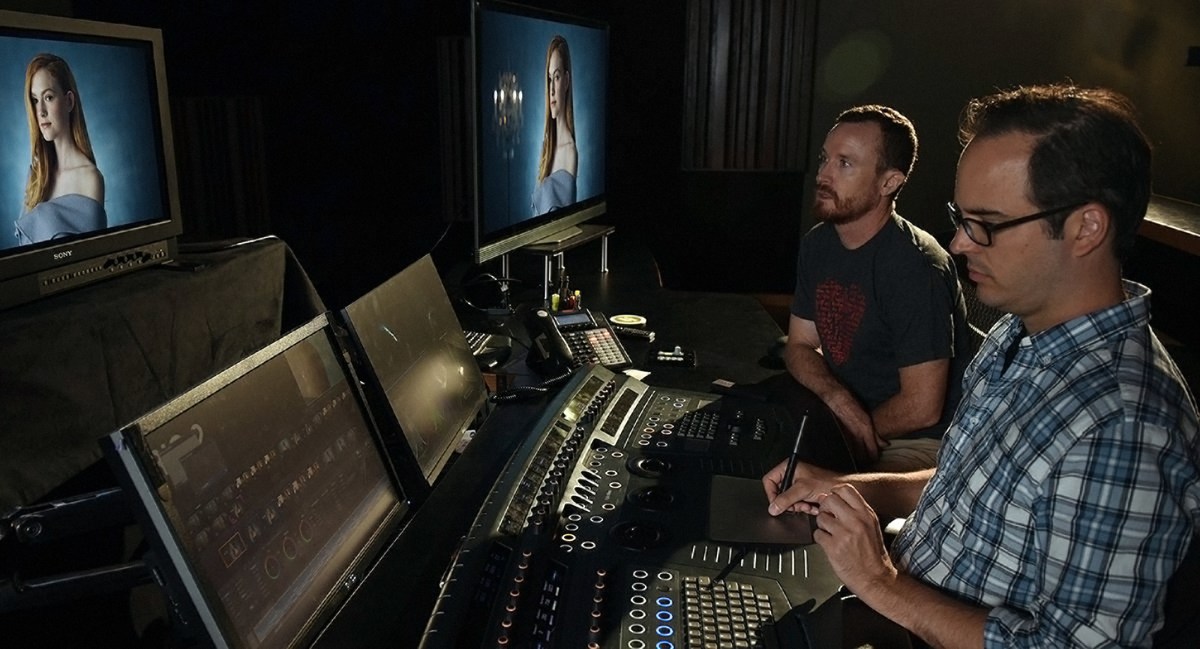
Erik Messerschmidt with Camera Operator Brian Osmond (Patrick Harbron / Netflix)
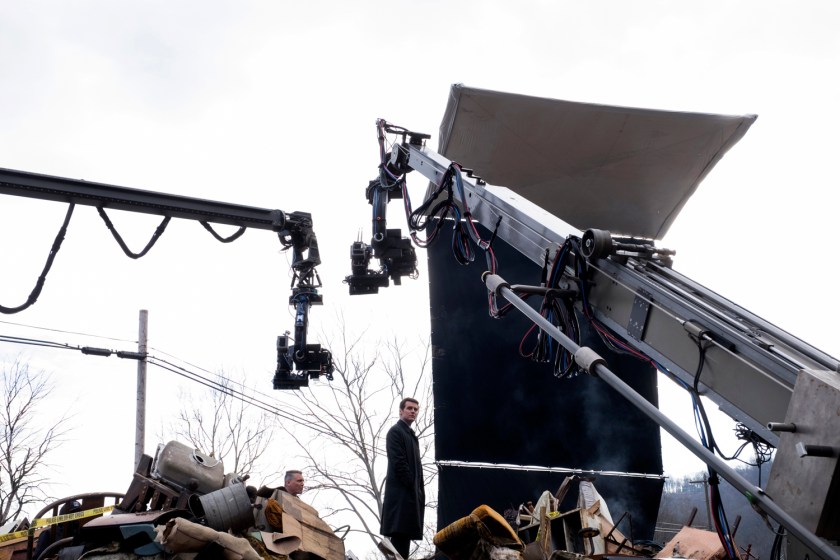
2018-05-28. Collider - ‘Mindhunter_ DP Erik Messerschmidt on Working with Fincher, the Show_s Aesthetic, and Season 2 06
Merrick Morton / Netflix

Adam Chitwood
May 28, 2018
Collider

The Netflix original series Mindhunter is, by far, one of the best new shows currently running. The true story-based, 1977-set drama chronicles the early days of criminal psychology and criminal profiling primarily through the eyes of three people at the FBI’s Behavioral Science Unit: eager newcomer Holden Ford (Jonathan Groff), somewhat jaded veteran Bill Tench (Holt McCallany), and brilliant psychology professor Wendy Carr (Anna Torv). That this show is immaculately crafted from top to bottom will come as no surprise to those aware that it’s the brainchild of David Fincher, who serves as executive producer and directed nearly half of the series’ first season.

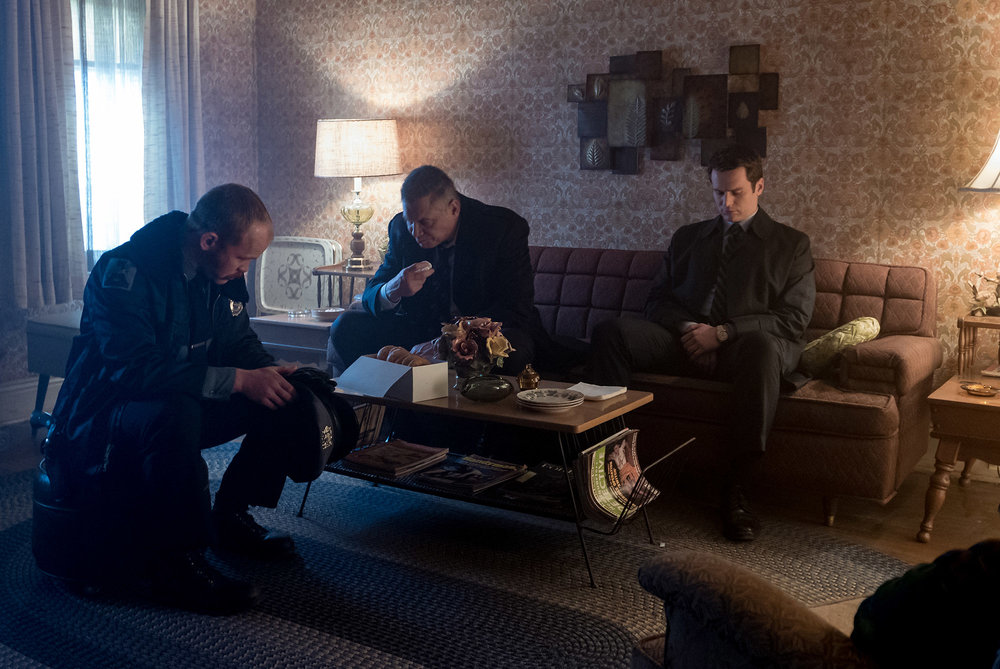
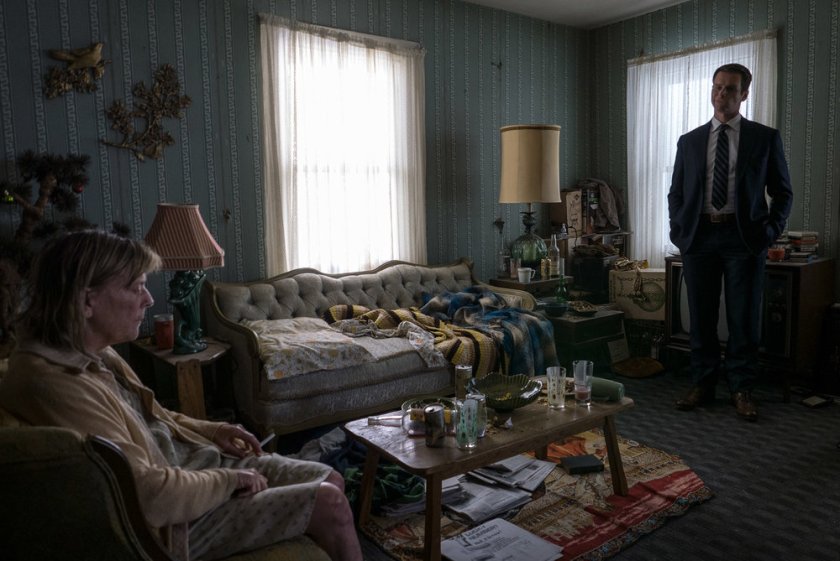
This is without doubt one of the best looking pieces of entertainment released in 2017, regardless of medium, with classical framing, motivated camera movement, and a tremendous palette that gives a mere peek into the darkness inside the minds of the criminals and serial killers who are the subject of the Behavioral Science Unit’s interviews.

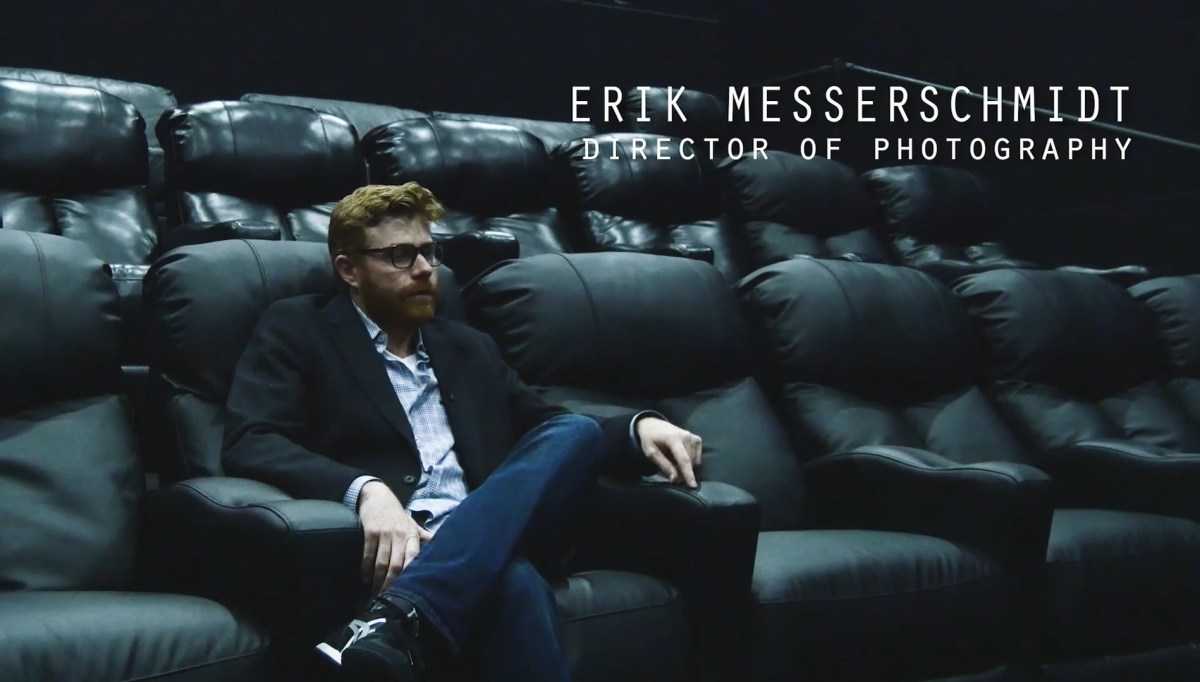
So when I got the chance to speak with cinematographer Erik Messerschmidt about his work on the series, I was thrilled. Messerschmidt shot eight of the first season’s 10 episodes, including the Fincher-directed closing installments, and as he revealed during our interview, this was essentially his first major gig as a cinematographer. Messerschmidt had worked previously as a gaffer on shows like Mad Men and Bones, and then later the feature film Gone Girl where he first came into contact with Fincher. Based on their work together on that film, Fincher called Messerschmidt up when they were looking for a new DP for Mindhunter after the show’s original cinematographer exited over creative differences.

This promotion from gaffer to DP is a familiar refrain with Fincher’s cinematographers, as he did the same with his The Game and Fight Club gaffer Claudio Miranda, who was brought on as DP for The Curious Case of Benjamin Button and went on to win the Oscar for Best Cinematography for his work on Life of Pi.

Messerschmidt’s rise to the primary cinematographer of Fincher’s brand new TV show elicits similarly spectacular results, as the DP’s work on Mindhunter is elegantly classical and incredibly motivated by character and theme. During the course of our conversation, Messerschmidt talked about the road that led to him becoming the cinematographer on Mindhunter, the specifics of his working relationship with Fincher, what it’s like to serve as a DP in the world of episodic television, how the work of production designers and costumes designers goes under-appreciated, and trying to maintain a consistent aesthetic with multiple directors. He also teased a bit about Mindhunter Season 2, including revealing their extensive shooting schedule.

Check out the full interview
2018-05-28. Collider - ‘Mindhunter’ DP Erik Messerschmidt on Working with Fincher, the Show’s Aesthetic, and Season 2 07.jpg
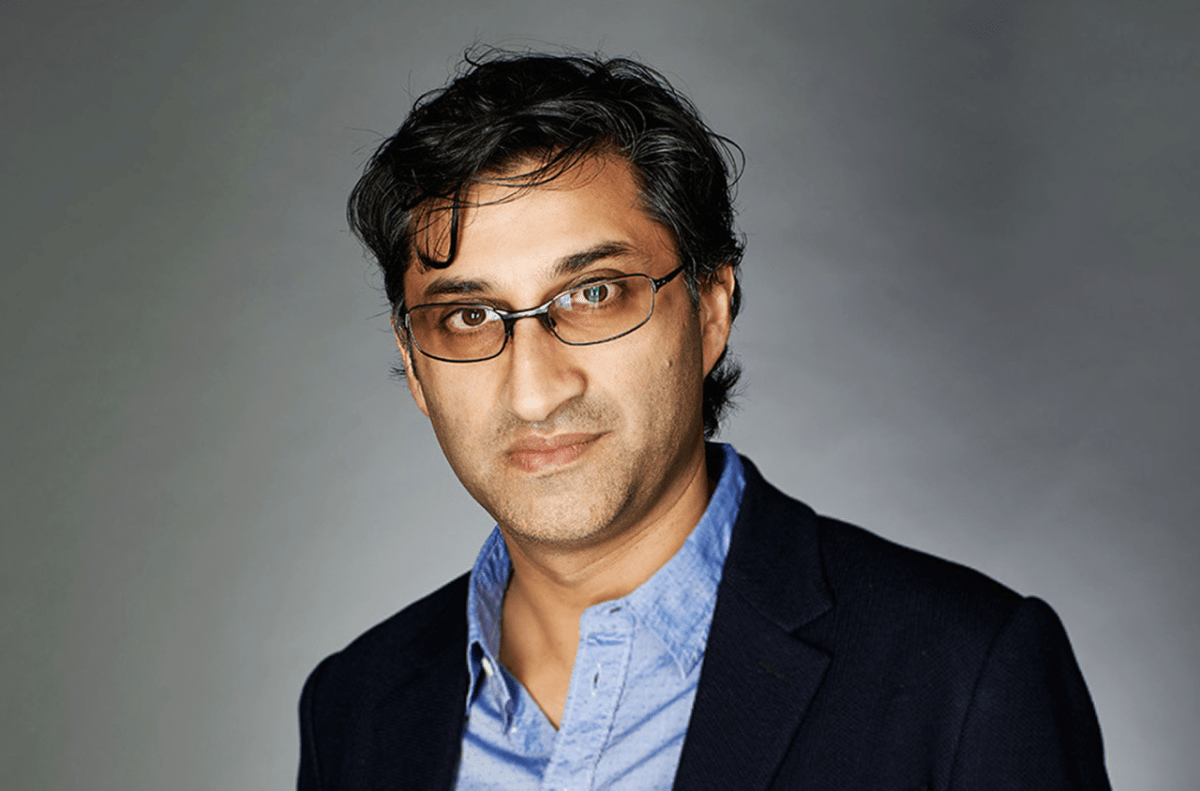
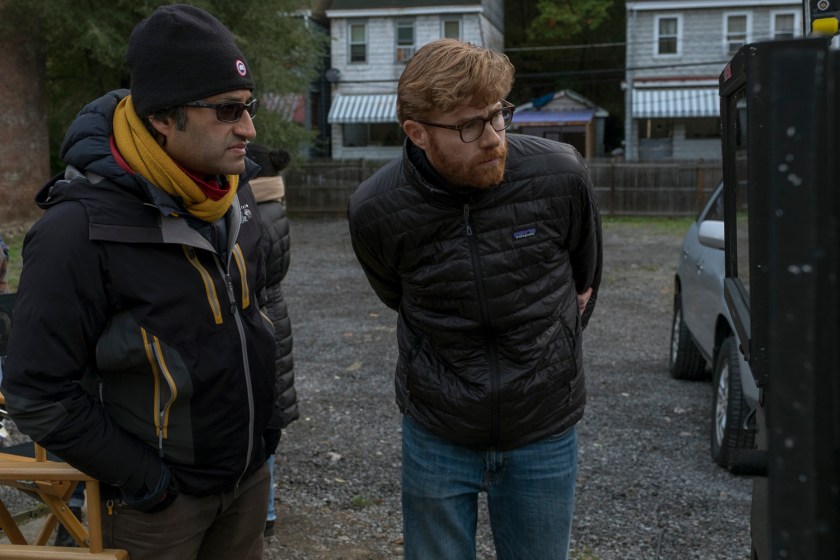
Erik Messerschmidt with Episodes 3 & 4 Director Asif Kapadia (Merrick Morton / Netflix)

MINDHUNTER: Mindful Operating

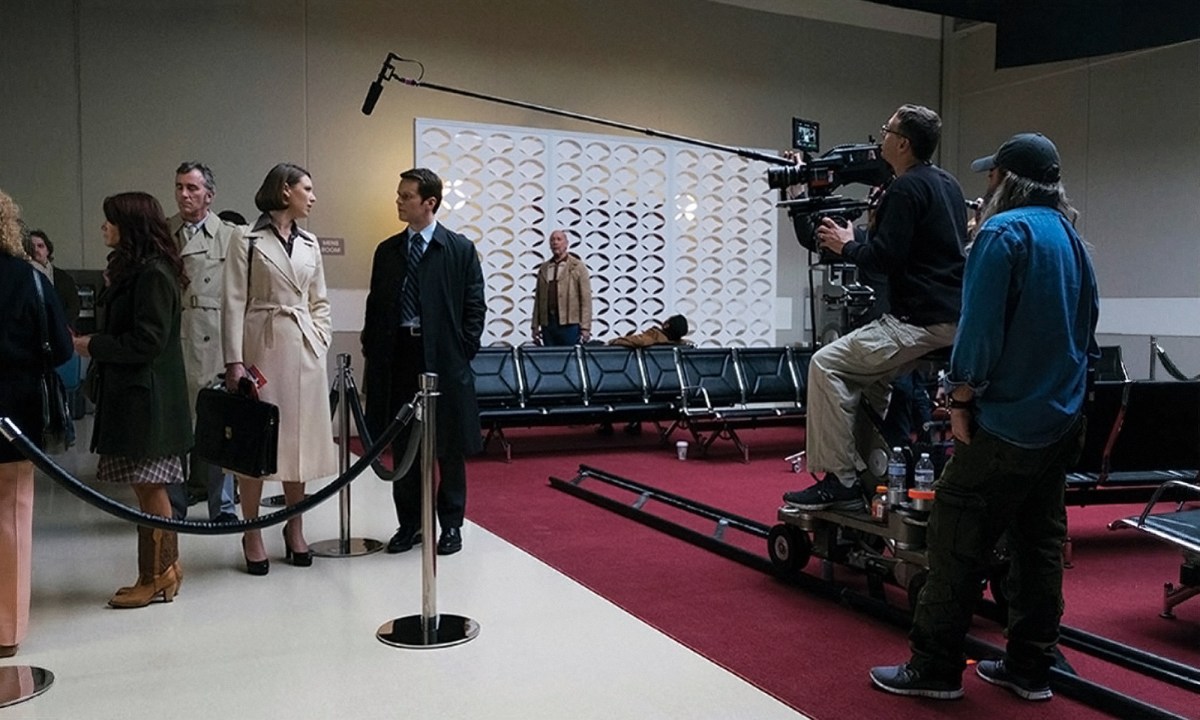
Operator Brian Osmond, SOC and dolly grip Dwayne Barr push in on a dialog scene between Anna Torv and Jonathan Groff (Merrick Morton / Netflix)
With Brian Osmond, SOC.

Derek Stettler
May 2018 (Spring 2018)
Camera Operator (Society of Camera Operators)

With Mindhunter, Netflix reunites with director David Fincher for the first time since he helped the streaming service launch into original programming with their first series, House of Cards. In Mindhunter, Fincher’s attention to detail proved a perfect match for creating the dark world of obsession and intrigue that is the true story of the origin of the FBI Behavioral Science Unit. Based on the real-life experiences of FBI special agent, John Douglas, who pioneered the practice of psychological profiling, Mindhunter takes place in the 1970’s and follows two FBI agents who radically expand criminal science as the study the methods and motivations of serial killers. But getting so close to real world monsters has consequences, and their encounters with the darkest of humanity begin to change them and the way they work.

Read the full interview:

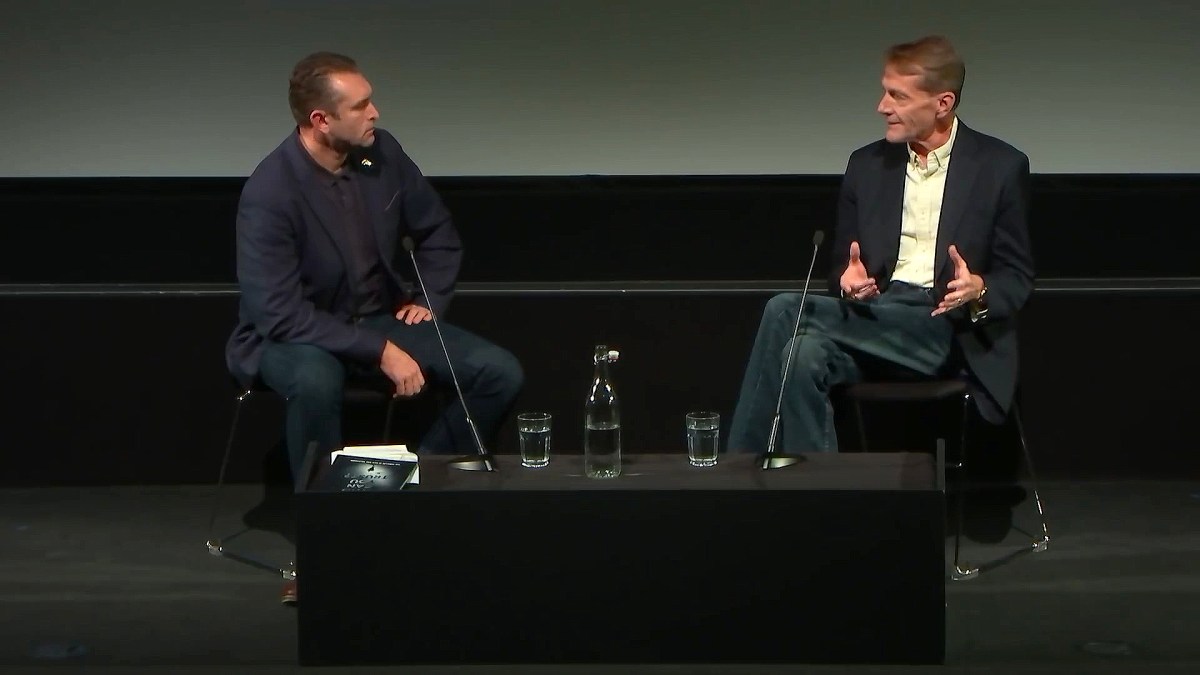
In conversation with… Lee Child on David Fincher’s Se7en

A video of Lee Child’s intro to last year’s BFI screening of “SE7EN“. I was there that night for the specially imported, ‘privately owned’ (QT?), original CCE 35mm print. I would have preferred a 4K DCP…

Joe Frady

November 30, 2017
BFI (YouTube)

Thriller author Lee Child talks to the BFI‘s Stuart Brown about David Fincher’s dark crime thriller, which follows a detective duo who find themselves pursuing a serial killer who uses the seven deadly sins to theme his murders. With a great ensemble cast and Darius Khondji’s camerawork helping to bring out the bleak, urban landscape, Se7en was a worldwide success.

Colorist Podcast: Ian Vertovec, from Light Iron

2018-01-16 Colorist Podcast - Episode 20. Ian Vertovec

Episode 20

January 16, 2018
Colorist Podcast

This episode is sponsored by Colorist Society International and Mixing Light.

On this episode of the colorist podcast, I talk with Ian Vertovec, Co-Founder, and Senior Colorist at Light Iron.

Ian has colored major films “The Social Network,” “The Girl with the Dragon Tattoo,” and “Gone Girl.” And more recently, he has colored the TV shows “Baskets” for FX and “Glow” on Netflix.

Originally from Chicago, Ian focused on photography, then moved on to digital compositing. He later co-founded two post facilities in Los Angeles: Plaster City, then Light Iron. Out of necessity, he moved on to color at his company. He found his combination of photography and compositing matched perfectly for a career as a colorist.

In this podcast, we talk about:

  • Coloring David Fincher films and working with extremely dark images
  • The challenges of working on VFX heavy projects
  • Making HDR look both cinematic and realistic
  • Advantages of working with high-end systems like Quantel Pablo
  • The difference between working on TV and films
  • How experience with compositing served him as a colorist
  • Bringing life to images using texture
  • Using film emulation LUTs in his workflow
  • Comparing different cameras as a colorist
  • Using ACES in a color managed workflow
  • Keeping grades simple, clean, and efficient

Listen to the interview

Tech Media Planet: The Social Network

Episode 22

December 6, 2010
Tech Media Planet

Colorist Ian Vertovec from Light Iron Digital takes us through the ins and outs of color grading one of this year’s biggest hit films “The Social Network”.

Listen to the interview

Dolby: Ian Vertovec and Michael Cioni, from Light Iron

September 2, 2011
Dolby (YouTube)

Playlist:

Zodiac. When Truth is Stranger Than Fiction

Daniel Netzel
March 28, 2018
Film Radar

An experimental video essay covering David Fincher‘s “Zodiac“, a true crime masterpiece that might be more true than you’d expect.

All interview excerpts taken from the special edition Blu-ray and DVD.

Thomas Flight‘s video that helped inspire me:

Asif Kapadia on the music of Mindhunter, Amy and Senna

2018-02-09 Soundtracking with Edith Bowman (Audioboom) - Episode 76. Asif Kapadia on The Music of Mindhunter, Amy and Senna

Edith Bowman
February 9, 2018
Soundtracking with Edith Bowman (Audioboom)

Another week, another Oscar winner chats to Soundtracking in partnership with the EE BAFTAs.

These days, the quality and quantity of original programming on streaming services is quite astounding – with A-list talent delivering high-class drama time and time again.

One of Netflix‘s standout series of 2017 was Mindhunter. Overseen by David Fincher, it tells the story of how the FBI’s profiling unit came into being in the 1970s. By turns dark, funny, moving, cool and brutal, it also makes great use of contemporary pop & rock.

So it’s with great pleasure that we welcome Asif Kapadia to the show, who directed two episodes of the first season.

Asif has won numerous awards for The Warrior, Senna and Amy, with the latter scooping the Oscar for Best Documentary. There will, of course, be plenty of examples of Amy Winehouse‘s music throughout the course of the conversation, as well as composer Antonio Pinto‘s work on both Amy and Senna.

The “FINCHER App”

Interiors: Steve Arnold, Mindhunter

InteriorsMehruss Jon Ahi and Armen Karaoghlanian
January 19, 2018
Interiors

The television show, Mindhunter, created by Joe Penhall and executive produced and directed by David Fincher, is one of the most visually distinctive shows and for good reason. David Fincher’s filmography has become something that we aren’t used to seeing. From the Cinematography to the Production Design, Fincher has achieved a level of mastery that other films and television shows do not seem to have.

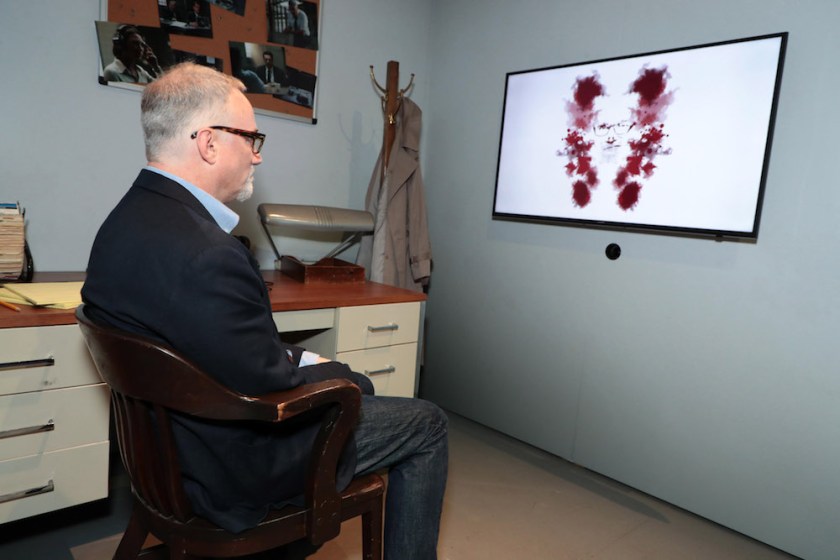
Based primarily in Pittsburgh, Pennsylvania, the show depicts incredible locations and interior spaces, such as a variety of interrogation rooms that are both visually stunning and exceptionally detailed.

In an exclusive interview with Interiors, we spoke with Steve Arnold, who is the Production Designer for Mindhunter. The images are property of Steve Arnold and his team.

Read the full interview

Interiors. Dwight's House

Interview with Alec Gillis and Tom Woodruff, Jr. of Studio ADI

JM Prater
January 15, 2018
Perfect Organism: The Alien Saga Podcast

As Alien fans, we’ve become used to change. Different directors; different scripts; different planets; different eras; different timelines; even different film studios. With everything so constantly in flux, it’s easy to forget that Alec Gillis and Tom Woodruff, Jr. have been there since nearly the very beginning. From their pioneering work on Aliens, to the foundation of the legendary Amalgamated Dynamics, Inc., Gillis and Woodruff have been at the vanguard of the effects industry for more than three decades.

In this exclusive, unprecedented interview, our very own JM Prater visited Gillis and Woodruff at Studio ADI in Hollywood for a sit-down conversation about their love for the Alien Saga, their relationships with the fans, and much, much more.

Listen to the full interview (01:18:40)

Interview with Jason Hill

Daniel Schweiger
January 4, 2018
Film Music Magazine

Just about the last thing anyone wants to do is enter the mind of pure evil, let alone hear it meticulously, and deliciously describe its murderous exploits. That a view inside of its horrifying headspace has resulted in such eerily intoxicating music is a testament to the powerfully emerging voice of Jason Hill in “Mindhunter.” Created by serial killer media enabler par excellence David Fincher, this acclaimed Netflix series’ twist is that we barely see any violence at all. Rather, the acts and its reasoning are told to FBI profilers Holden Ford (Jonathan Groff) and Bill Tench (Holt McCallany), who traverse the country to find out what makes madmen tick. That the birth of the agency’s serial killer profiling unit is no work of fiction makes their subjects’ descriptions all the more terrifying, if no less fascinating in the awfulness that’s drawn entertainment to these predators again and again. That Jason Hill hears the recording sessions, and their effect upon the agents, with such dark poetry is all the more unsettling.

If the interview subjects of “Mindhunter” have seemed to emerge from the shadows, seemingly out of nowhere, the same might be said (if not murderously) about how Hill’s innovative talent has burst upon the binge-watching scene. With only one scoring credit for a dirt biking madman behind him, Hill’s production work for the likes of David Bowie, The New York Dolls and The Killers along with his band Louis XIV have led him into Fincher’s company – a band of musical profilers whose work has ranged from the raging orchestra of Howard Shore’s “Se7en” to the subtle, conspiratorial piano of David Shire’s “Zodiac” and the piercing electronics of Trent Reznor and Atticus Ross’ “Gone Girl.”

Hill’s realization of a twisted psyche is just as uncommon and original, eschewing the kind of dissonance that scores most associate with serial killers, Hill’s soundtrack for this hit, ten-part series is poetic, even beautiful in its crystalline use of sound and samples, music that suggests a voyage to an alternate, shimmering universe far more than it does a basement torture dungeon. Its ethereal, even poignant stuff, yet with a tonality that tells us something is unholy in its deceptively surreal bliss. Even as brilliantly crazy as Brian Reitzell’s music was for the equally astounding “Hannibal,” there’s never been quite a serial killer show, or soundtrack like “Mindhunter.” In no small part, we can thank an essentially newfound composer who’s brave enough to hear shocking words that might drive others’ insane, and turn the description of the deeds into things of hypnotic, unearthly beauty that dares us to turn away. And like the subject of the increasingly unnerved agents, Hill is the killer who keeps the tape machine running, now describing in detail to us how he draws listeners ever deeper into “Mindhunter’s” entrancing madness.

Read the full interview

Thought Police

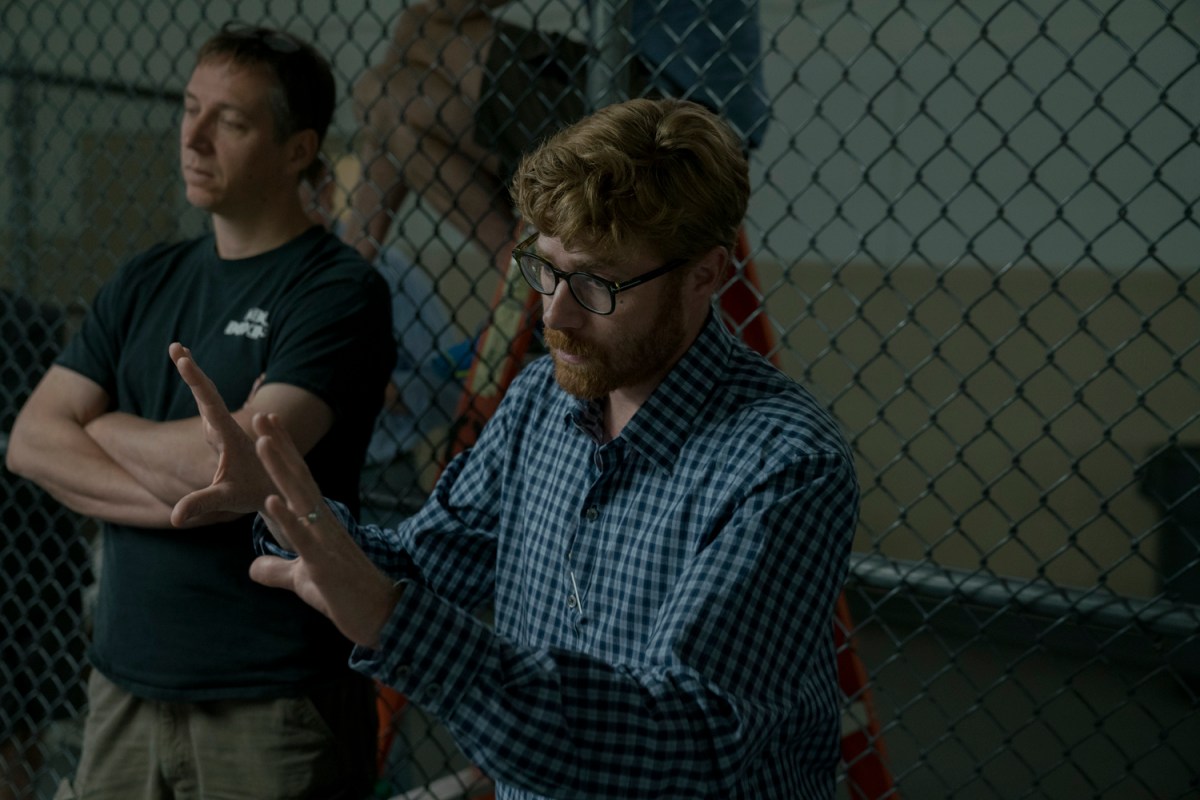
Asif Kapadia, director of episodes 3 and 4, with Erik Messerschmidt on the Mindhunter set.

Director David Fincher drove an era-defining aesthetic using the highest-end equipment. Definition spoke to cinematographer Erik Messerschmidt to find out how it influenced the huge Netflix hit, Mindhunter.

Julian Mitchell, Editor
January 2018
Definition (Bright Publishing)

Read the full interview