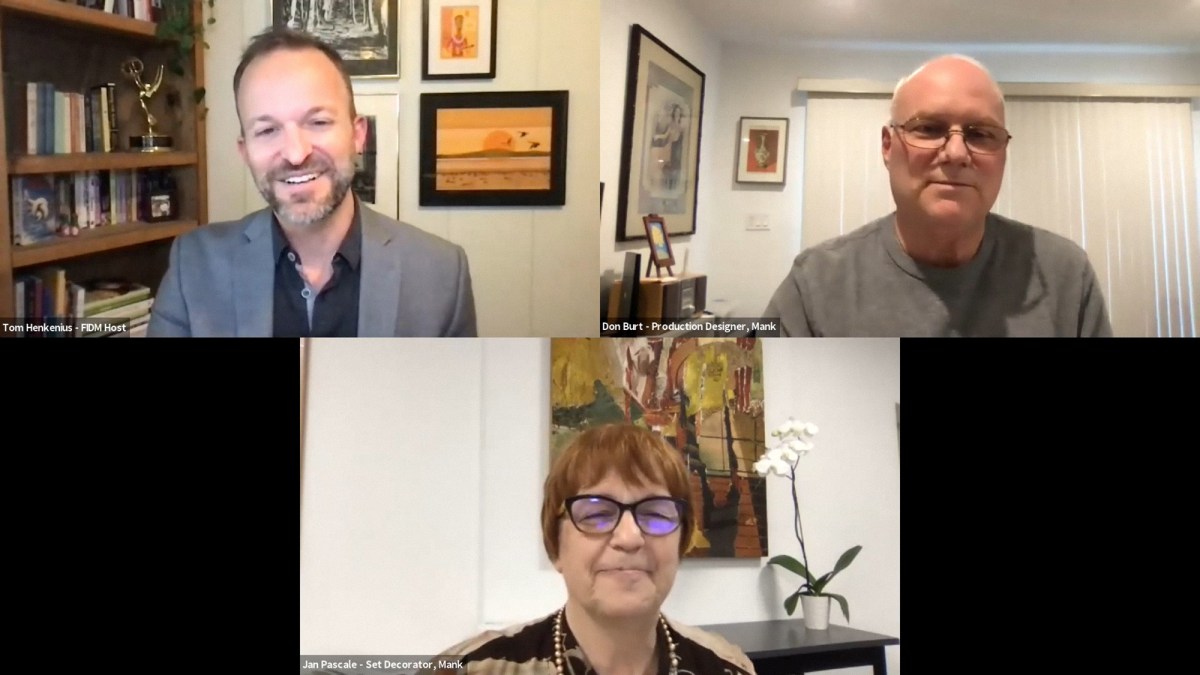
Join us for a live Q&A with Production Designer Donald Graham Burt and Set Decorator Jan Pascale about their Academy Award nomination for Best Production Design on the hit Netflix film Mank, nominated for 10 Academy Awards this year including Best Picture, Best Director (David Fincher), Best Actor in a Leading Role (Gary Oldman), Best Actress in a Supporting Role (Amanda Seyfried), and Best Costume Design (FIDM Grad Trish Summerville).
About Your Moderator, Tom Henkenius: Tom is an Emmy award-winning broadcast journalist, director of FIDM’s Bachelor of Arts degree in digital marketing and principal partner at Thunder Communications, a content production company. Tom spent 10 years as a television news journalist after graduating from USC Annenberg. Tom holds a Master’s of Science from USC’s Iovine and Young Academy in Integrated Design, Business and Technology.
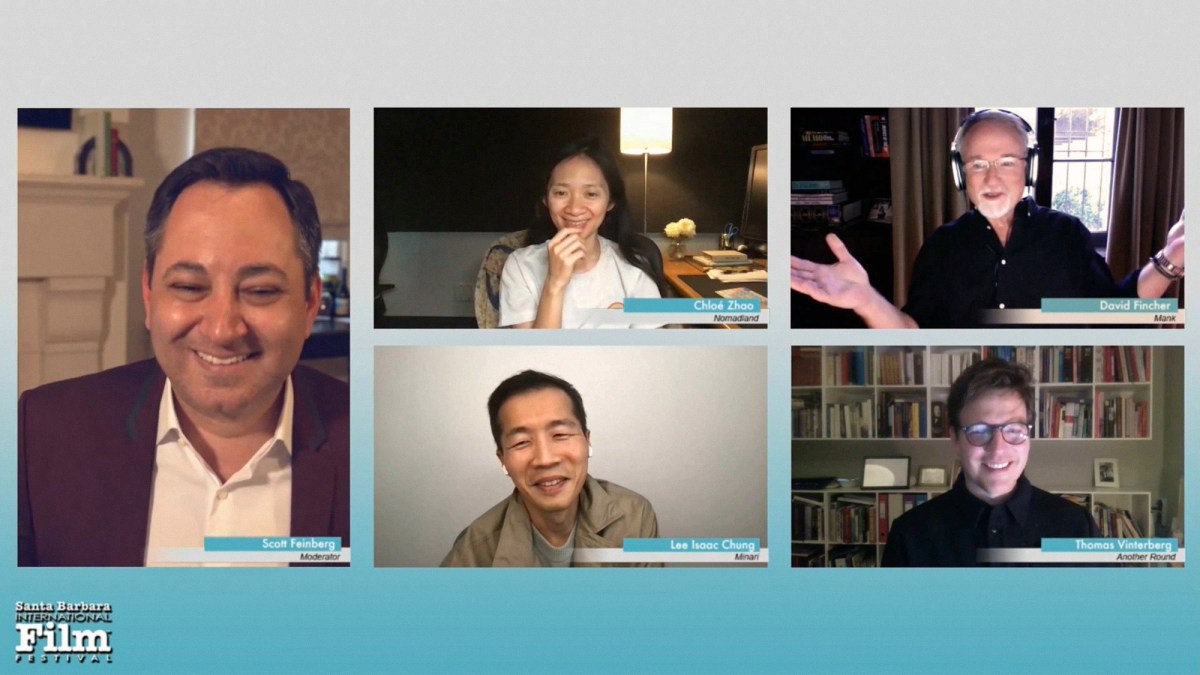
The Santa Barbara International Film Festival Outstanding Directors of the Year Award is given to directors not afraid to push the envelope in the cinematic world, with an expertise that is both gracious and bold.
Moderated by The Hollywood Reporter Awards Columnist Scott Feinberg, the recipients are:
Chloé Zhao (Nomadland) David Fincher (Mank) Lee Isaac Chung (Minari) Thomas Vinterberg (Another Round)
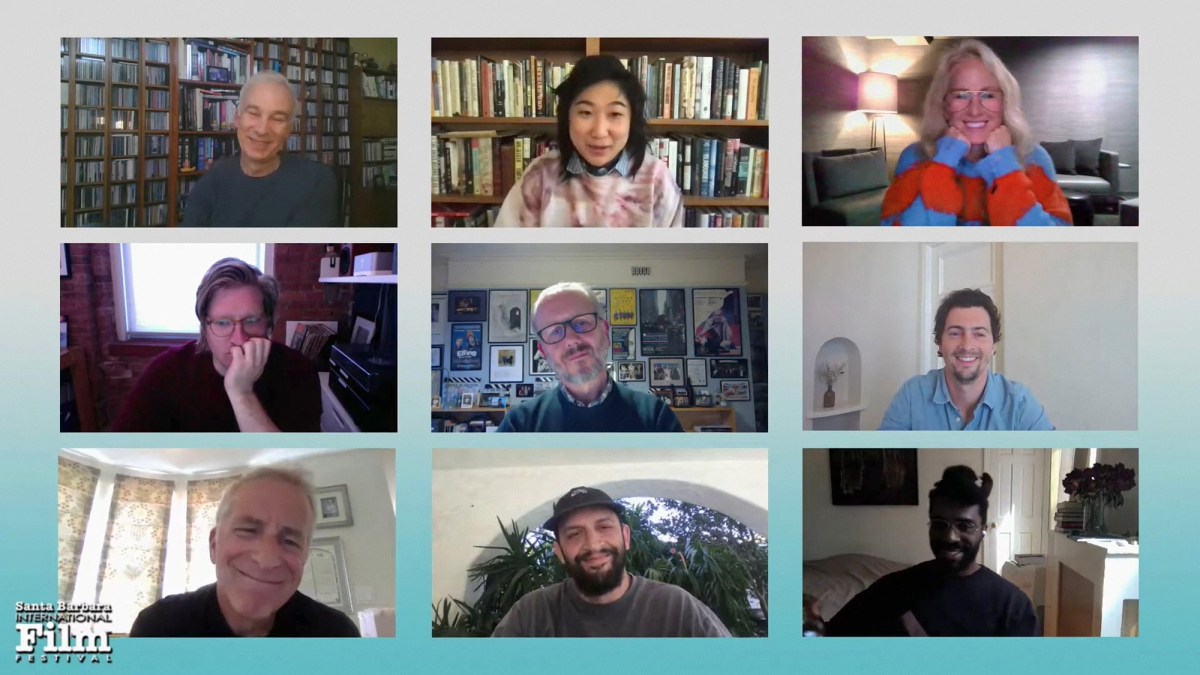
The Santa Barbara International Film Festival annual Producers Panel moderated by the Los Angeles Times’ Glenn Whipp, assembles top producers to dig into the business and creative sides of producing the year’s top films. Panelists include multi-hyphenate Shaka King (“Judas and the Black Messiah“), Christina Oh (“Minari“), Ceán Chaffin (“Mank“), Dan Janvey (“Nomadland“), David Parfitt (“The Father“), Josey McNamara (“Promising Young Woman“), Marc Platt (“The Trial of the Chicago 7“), and Sacha Ben Harroche (“Sound of Metal“).
Variety’s seventh annual Artisan Awards celebrates those essential to the filmmaking process and who have exhibited the most exciting and innovative work of the year in their respective fields.
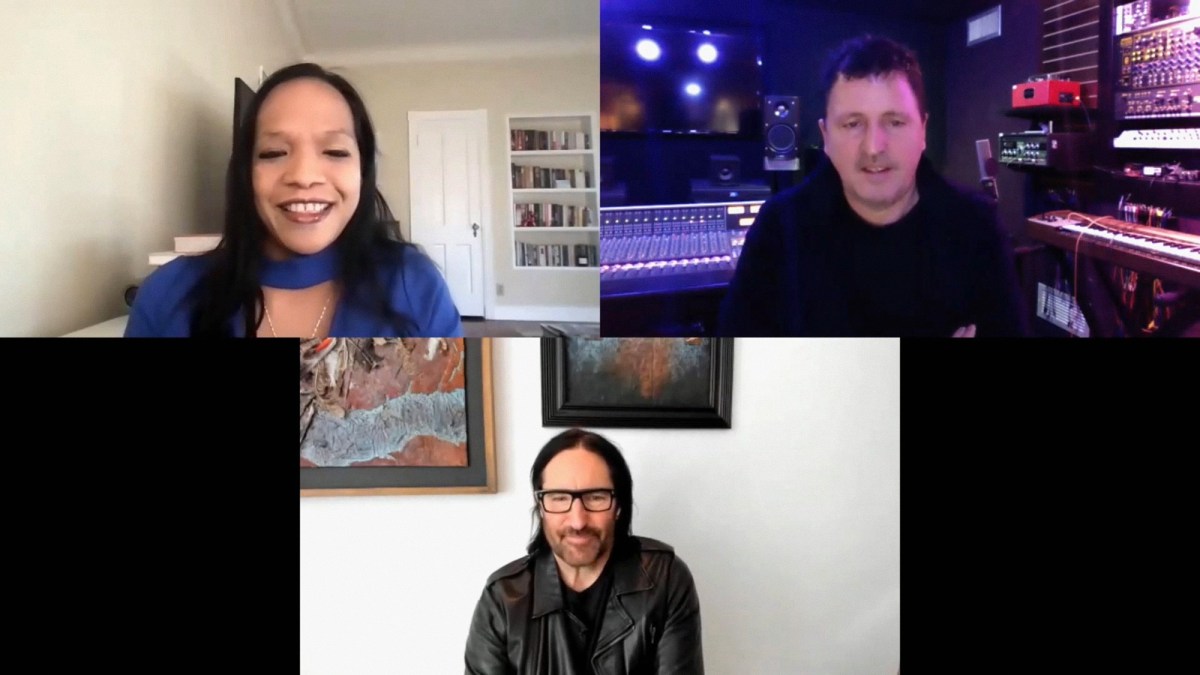
The Variety Artisans Award were presented to Editor Alan Baumgarten (The Trial of the Chicago 7), Supervising Sound Editor Nicolas Becker (Sound of Metal), Costume Designer Alexandra Byrne (Emma), Production Designer Donald Graham Burt and Set Decorator Jan Pascale (Mank), Visual Effects Supervisor Sean Faden (Mulan), Hair Department Head Mia Neal (Ma Rainey’s Black Bottom), Actor and Musician Leslie Odom Jr. (One Night in Miami), Musicians Trent Reznor and Atticus Ross (Mank, Soul), Cinematographer Joshua James Richards (Nomadland).
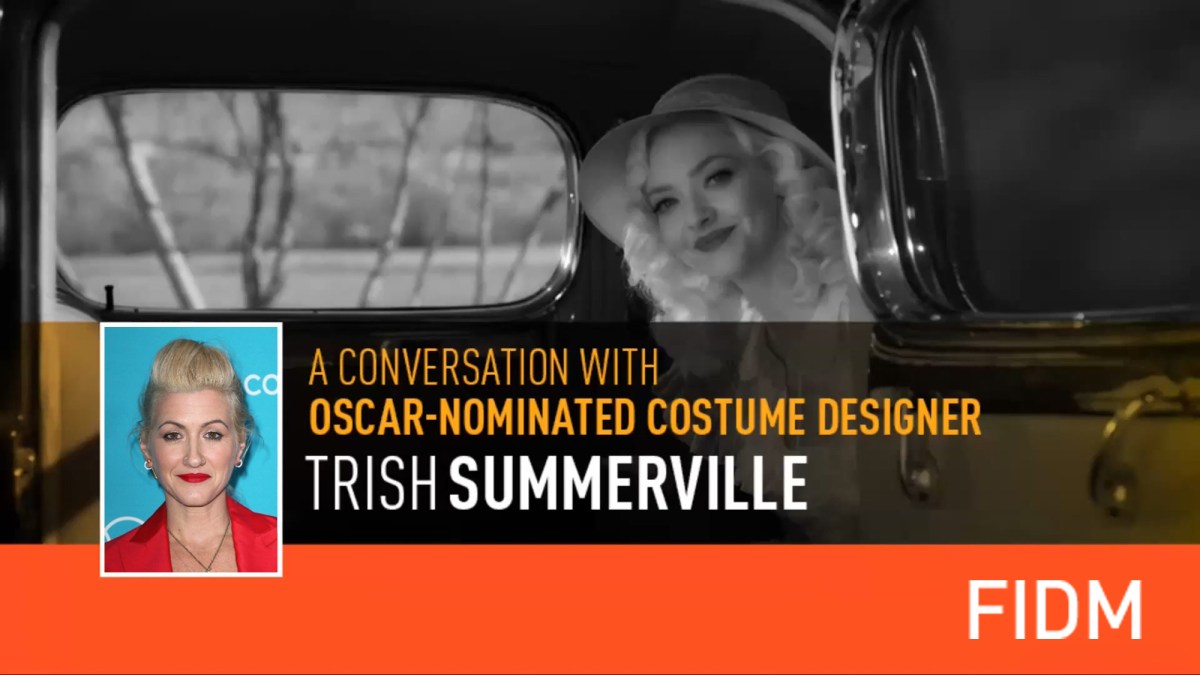
Multi-award winning costume designer and FIDM Grad Trish Summerville joins FIDM Museum Curator Kevin Jones for a live Q&A about her work on the hit Netflix film Mank, nominated for 10 Academy Awards this year including Best Costume Design (Trish Summerville), Best Picture, Best Director (David Fincher), Best Actor in a Leading Role (Gary Oldman), and Best Actress in a Supporting Role (Amanda Seyfried).
Learn how Trish recreated looks based on real-life people, including Marion Davies, as she and her team take audiences back to the golden age of Hollywood when Herman J. Mankiewicz sets out to write Citizen Kane.
Known for her impressive work on films including The Hunger Games: Catching Fire, The Girl with the Dragon Tattoo, and Gone Girl, Trish will share advice and key takeaways from her career spanning decades. You’ll have a chance to submit your own costume design questions, so we encourage you to come prepared.
Her work has been featured many times in the FIDM Museum’s “Art of Motion Picture Costume Design” and “Art of Television Costume Design” exhibitions.
Tom Graham, Head of Dolby Vision Content Enablement. Dolby Laboratories April 3, 2021 Dolby Professional (Dolby)
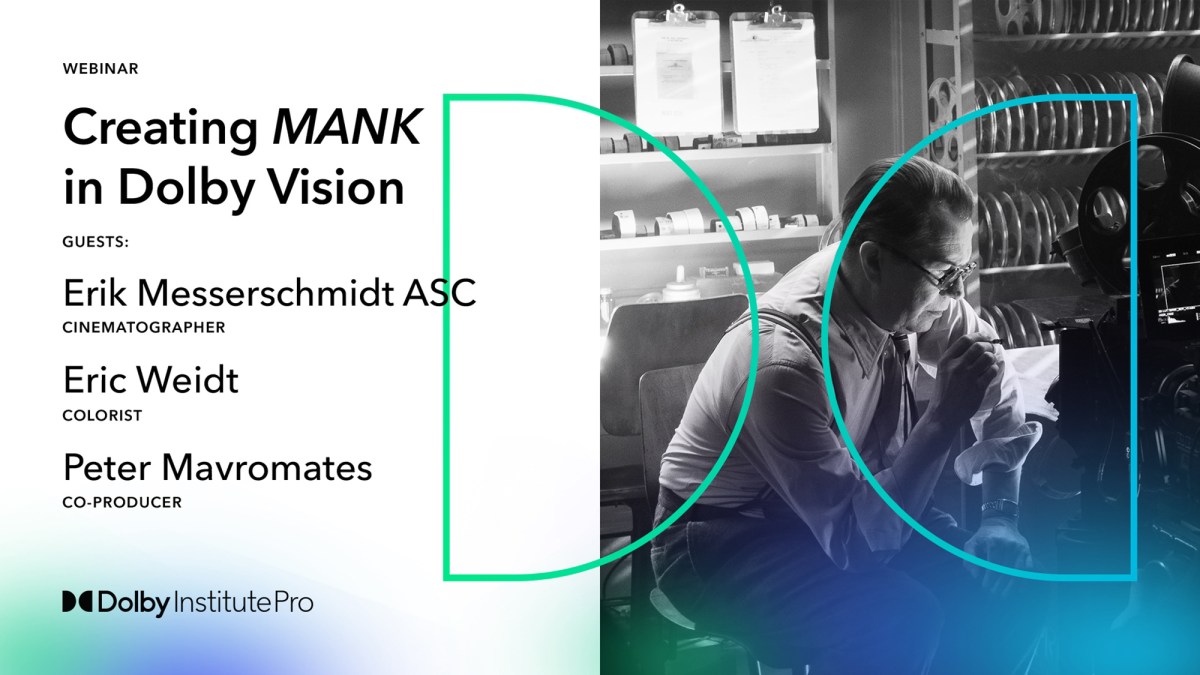
Hear from Cinematographer Erik MesserschmidtASC, Colorist Eric Weidt, and Co-Producer Peter Mavromates as they share their insights and experiences creating the stunning visuals for David Fincher’s Oscar nominated movie Mank in Dolby Vision HDR. This session provides insights into their methodology and workflow for creating this stunning black-and-white Hollywood epic Netflix movie.
We’re extremely excited to share with you the latest addition of our Shot Talk interview series. Legendary filmmaker David Fincher and his incredible cinematographer Erik Messerschmidt sit down with cinematographer Lawrence Sher to discuss their 10x Oscar-nominated film Mank.
This episode has the kind of technical deep-dive discussions that you’re not gonna get anywhere else, including the philosophy of black and white vs. color cinematography, detailed FX breakdowns on several important scenes from the film, and why Fincher avoids Steadicam at all costs.
Along with the interview, we’re also releasing a bunch of great shots from the film, so you can start adding them to your decks and getting inspired right away!
But before you dive in and watch the filmmaking mini-masterclass above… make sure to go check out Mank, streaming now on Netflix.
Sign up for an account at ShotDeck, the world’s first fully-searchable film image database. It’s an invaluable research and educational resource that makes life easier for anyone in Film, Media, Advertising, and Education.
If you are creative, Shotdeck is the place to get inspired and discover new films and talented artists through our meticulously tagged database of still images, all while saving you time.
Search by film title, keyword, location, color, or a dozen other criteria to quickly find the exact “shots” you need to communicate your vision for your next project.
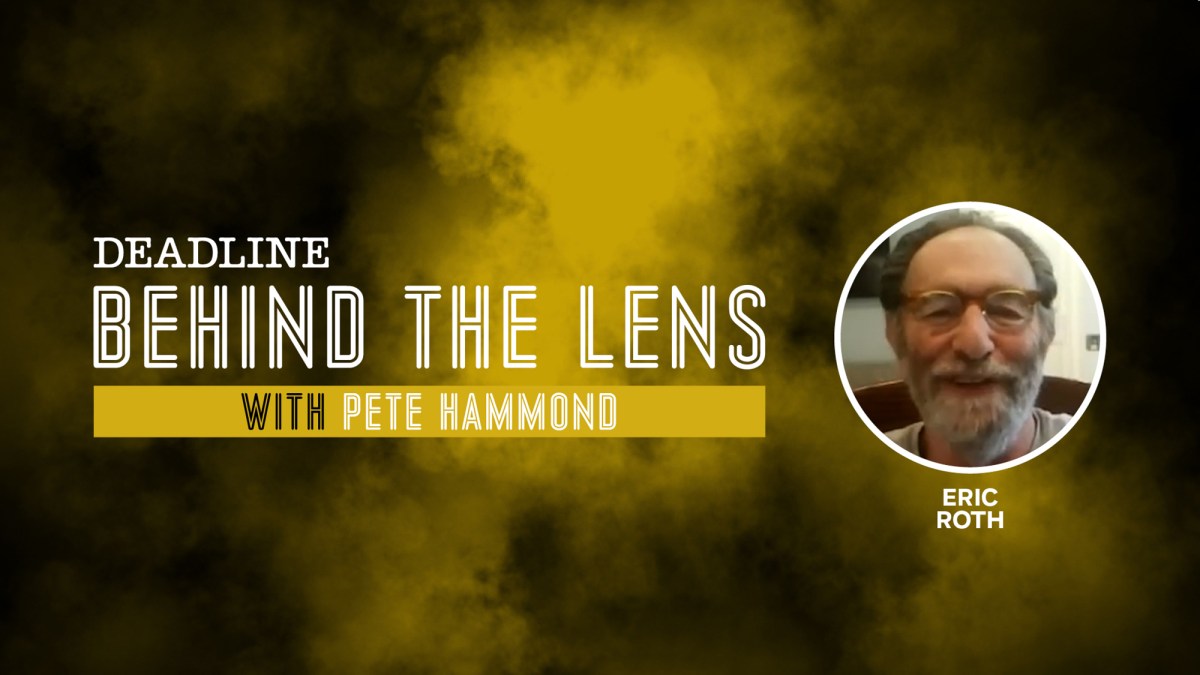
If you are in the mood for a master class in what it takes to be a successful screenwriter in Hollywood, look no further than this week’s episode of my Deadline video series Behind the Lens, where I go deep into the making of Mank with one of its producers, Eric Roth. This happens to be Roth’s first feature film producing credit, and he still laughs at the thought of it because in his heart he isn’t really a member of that tribe. The man is a writer through and through; while Mank has brought him his sixth Oscar nomination, it’s his first in the Best Picture category.
Roth is one of the most prolific writers in movies, having previously been Oscar nominated for scripts on Munich, The Insider, The Curious Case of Benjamin Button, A Star Is Born and Forrest Gump, for which he actually won the Academy Award. He talks about all of them, what it takes to make a successful movie, the many directors he has worked with, as well as actors, and so much more. Scorsese, Spielberg, Fincher, Mann, Zemeckis — the list is just so very long.
We actually start our interview talking about one big name he worked with that made him very proud, and that was Akira Kurosawa. Not bad. He also has high praise for his Mank director David Fincher, and tells how the director brought him into the project as a producer, but to also carefully parse the screenplay without rewriting it. In other words, he and Fincher went over it line by line and Roth was probably the best kind of sounding board you could ever hope for. Fincher’s late father Jack Fincher died in 2003 but gets sole credit. In that regard we also talk about how a film about a film about a screenwriter could gather a leading 10 nominations yet not get one for its writing (!) It baffles him, but that is what happened. Mank details the creation of the certified 1941 classic Citizen Kane as well as how writer Herman Mankiewicz and Orson Welles managed to jointly create an all-timer, sharing the film’s only Oscar for Best Screenplay.
Roth’s other credits include scripts for The Good Shepherd, Ali, The Postman, The Horse Whisperer, Extremely Loud and Incredibly Close, the upcoming Killers of the Flower Moon for Martin Scorsese, whom he praises mightily, and Denis Villeneuve’s Dune, among others. When I produce a preview card for one of his earliest credits, The Nickel Ride, which I saw at a sneak in 1974, he went right down memory lane and tells the story of his first job on a big film, rewriting The Drowning Pool for Paul Newman who greeted him on the set by saying, “Here comes our savior.” Indeed.
On April 10, the DGA celebrated the craft of directing during the 30th Annual Meet the Nominees: Theatrical Feature Film symposium. In a historic virtual event that was viewed by DGA members worldwide, the 2020 Outstanding Directorial Achievement in Theatrical Feature Film Award nominees — Lee Isaac Chung (Minari), Emerald Fennell (Promising Young Woman), David Fincher (Mank), Aaron Sorkin (The Trial of the Chicago 7) and Chloé Zhao (Nomadland) — joined Special Projects Committee Chair Jeremy Kagan online for an in-depth discussion about their work.
“In this unimaginable year, which has truly been like no other, it’s an extraordinary pleasure and honor to be joined, even if it’s just virtually, by all five of the outstanding nominees,” said DGA President Thomas Schlamme in his welcome to the online audience. “Each of these fine directors join an illustrious line of filmmakers throughout Guild history who have represented the best in directorial achievements. I personally want to congratulate each and every one of you.”
Following a viewing of clips from each of the nominated features, Kagan prompted the nominees to share stories of their individual journeys that brought their powerful films to life.
“For me, it’s always about what do we think we’re doing as much as what we are doing,” said Fennell when asked her methodology for directing actors. “If we think we’re a hero and that goes against what’s happening in the script, play the hero. And it’s giving permission as well for the actor.”
Sorkin revealed his secrets behind the art of directing crosstalk. “Make sure that they put the burden on the other actor. Make them stop you from talking. Don’t stop because of the script told you to stop. And similarly, the actor who is doing the interrupting interrupt them as soon as you hear the word that’s making you say ‘no!’ or whatever is making you argue.”
Chung shared his process when it comes to rehearsals. “I try to make sure I talk throughout it; I don’t let them fully get into the scenes so that part of it they are still working it out mentally. I don’t get quiet and let them do it. …so I can try to preserve when the cameras are rolling that first time.”
“My personal taste is that I want to see what the audience is seeing,” said Fincher about his work preferences. “I work through the camera. I walk-through a number of rehearsals without having monitors up, but from the time we set a master or alternate master, the rest of the day is working through the camera because that’s the only thing that matters.”
“It’s always what’s on the camera,” agreed Zhao. “That’s it. That’s the difference between film and theater. People think because I work with a lot of nonprofessional actors, I’m usually like right there with them. But I love it very much…. because a lot of the time we have the sun right there and we can only do one take.”
Chloé Zhao wins the DGA Theatrical Feature Film Award for Nomadland. Zhao shares gratitude for the recognition and spotlights her fellow nominees for their films.
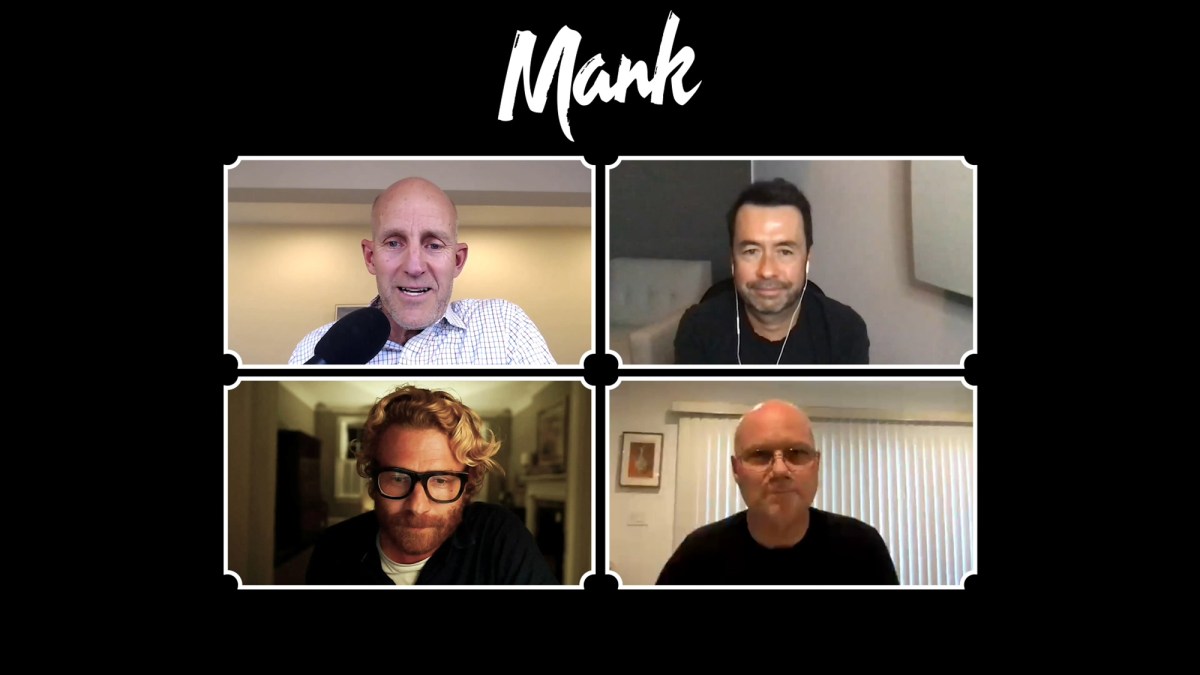
A conversation with Production Designer Donald Graham Burt, Cinematographer Erik Messerschmidt, and Sound Designer Ren Klyce on behalf of Mank. Moderated by John Horn.



 The Fincher Analyst