Harmonica Cinema: Mindhunter

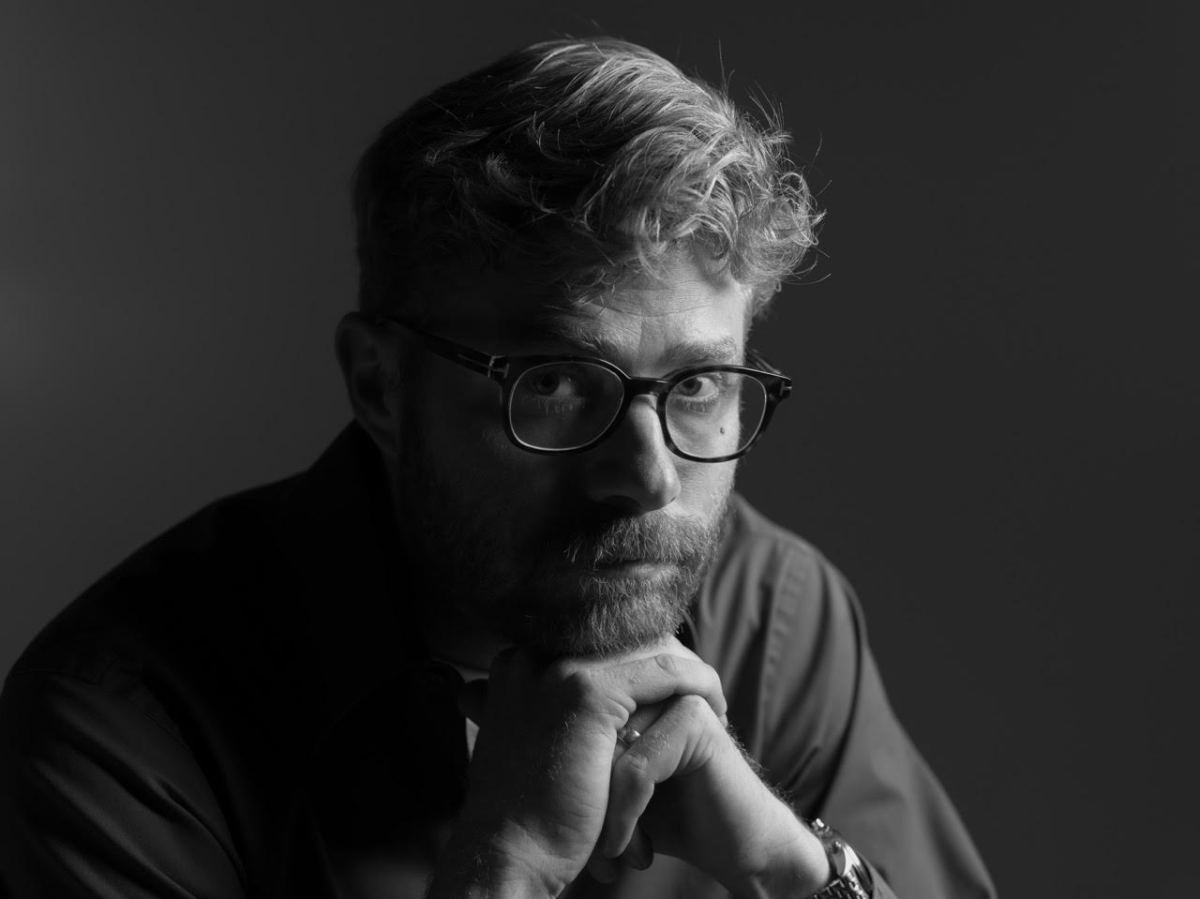
Excellent article on the cinematography of Mindhunter by Spanish DP, Producer and cinematography scholar Ignacio Aguilar. Time to practice your rusty Spanish or get help from a good web translator.

Harmonica Cinema - Logo

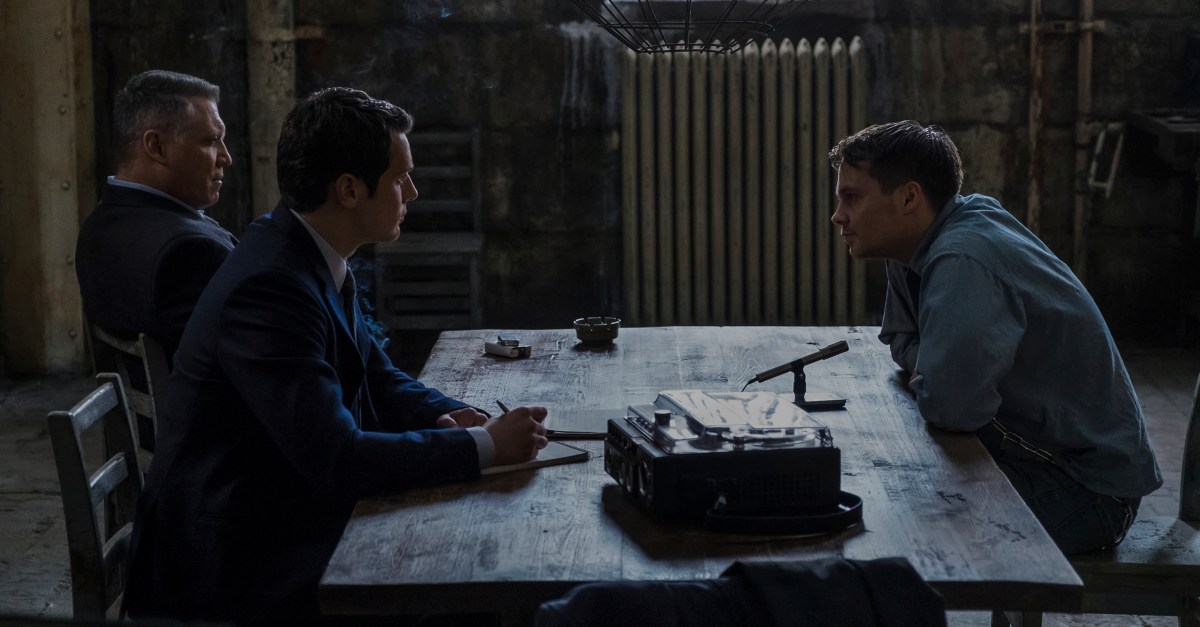
Serie creada por David Fincher para Netflix, basada al parecer en investigaciones y trabajos reales del FBI y que está ambientada hacia 1977. El protagonista es un joven agente (Jonathan Groff), quien tras una operación fallida es relegado a dar clases formativas junto a otro agente más veterano (Holt McCallany) viajando por el país y estudiando casos concretos de crímenes reales. Para intentar resolverlos, los agentes comienzan a entrevistarse con asesinos en serie a fin de estudiar su psicología y tratar de aplicar lo aprendido para resolver los nuevos casos que se van presentando. Pero la cercanía con los asesinos y sus mentes provocarán un fuerte impacto en el protagonista. Hannah Gross, como su novia, así como Anna Torv, como una psicóloga que en principio colabora con el equipo y posteriormente se une al mismo, forman el reparto principal, en el que Cameron Britton, como uno de los peligrosos asesinos que aparecen en los diez episodios de esta notable primera temporada, crea una gran impresión.

Ignacio Aguilar
25 enero 2018
Harmonica Cinema

Fincher se ha hecho cargo de cuatro de estos diez episodios de arranque (los dos primeros y los dos últimos), mientras que Christopher Probst [ASC] rodó los dos primeros y Erik Messerschmidt los ocho restantes. Probst es un viejo conocido de los lectores de “American Cinematographer”, ya que desde hace más de dos décadas colabora con la revista con entrevistas y artículos y, desde hace años, viene siendo su editor técnico. Seguramente en alguna de estas entrevistas conoció a Fincher en los años 90. Desde entonces, en paralelo, ha venido desarrollando una sólida carrera como director de fotografía en videoclips, con trabajos para artistas como Taylor Swift o Eminem entre muchos otros. “Mindhunter” es su primera gran oportunidad en la ficción, como lo es también para Messerschmidt, ya que hasta la fecha su oficio venía siendo el de “gaffer” o jefe de eléctricos. Como ya le sucediera a Claudio Miranda, “gaffer” en parte de Se7en, The Game y Fight Club al que Fincher dio su primera gran oportunidad con “The Curious Case of Benjamin Button”, Messerschmidt ocupó este cargo para Jeff Cronenweth en “Gone Girl” y Fincher le ha ofrecido con esta serie la oportunidad de rodar una importante serie de televisión.

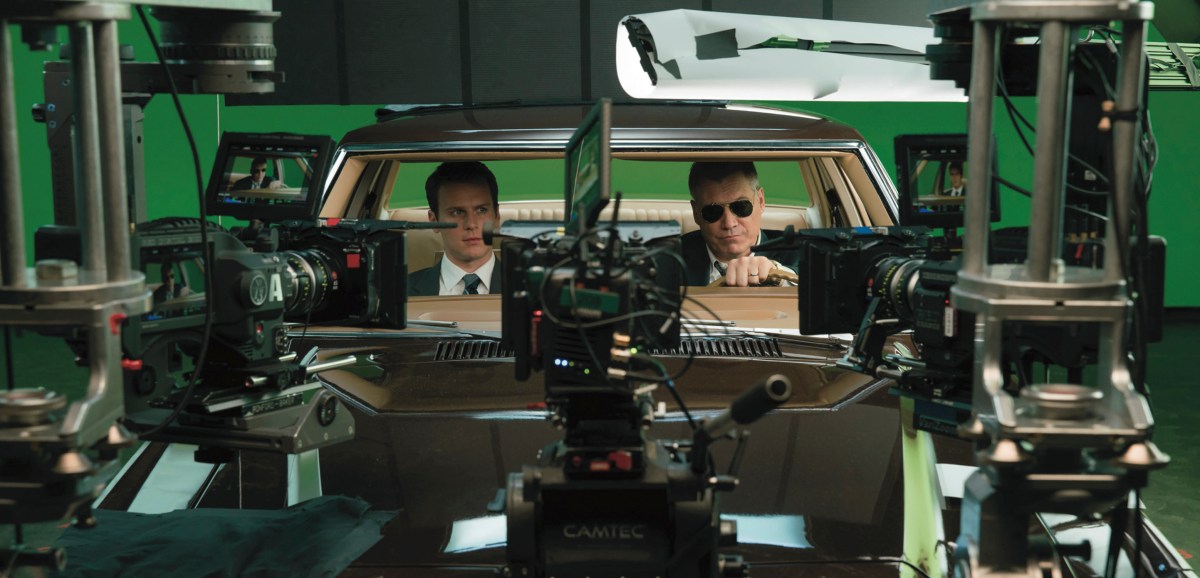
Desde hace muchos años, en concreto desde los tiempos de “Zodiac” (2007), con la que esta serie guarda bastantes similitudes temáticas y estilísticas, David Fincher ha venido siendo un abanderado de la tecnología digital para adquirir sus imágenes. Desde 2010, Fincher ha sido fiel a la empresa de cámaras RED, habiendo empleado casi todas sus cámaras en sus proyectos: la Red One MX en “The Social Network”, una mezcla de Red MX y Epic MX en “The Girl With the Dragon Tattoo” (2011), así como la Epic Dragon en “Gone Girl” (2014). Incluso también su serie “House of Cards” (2013) empleó los sensores Mysterium-X y Dragon. Fincher, por lo tanto, es uno de los más prestigiosos cineastas del universo RED, de modo que no resulta del todo extraño que la empresa le haya fabricado tres cámaras customizadas (denominadas Red Xenomorph, que recuerdan estéticamente al “Alien” de Giger, saga en la que participó Fincher como director). Estas cámaras incorporan el mismo sensor Dragon que Red Weapon convencionales, pero además de una forma más ergonómica, proporcionan más conexiones, vídeo y motores inalámbricos, etc. En cierto modo, lo que a estas alturas Red debería estar ofreciendo ya a sus consumidores, en lugar de sus cámaras modulares tradicionales con las que nunca parece poder competir con ARRI, excepto para Netflix, ya que sus cámaras son las únicas de “alta gama” (además de las Sony) que cumplen con el requisito de los 4K nativos (que llevan a absurdos como el hecho de que la única Alexa que se puede emplear sea la Alexa 65).


Lee el artículo completo

Harmonica Rental - LogoHarmonica Films - Logo

Behind the Scenes of Mindhunter with Christopher Probst, ASC

Christopher Probst, ASC (Instagram)

Thought Police

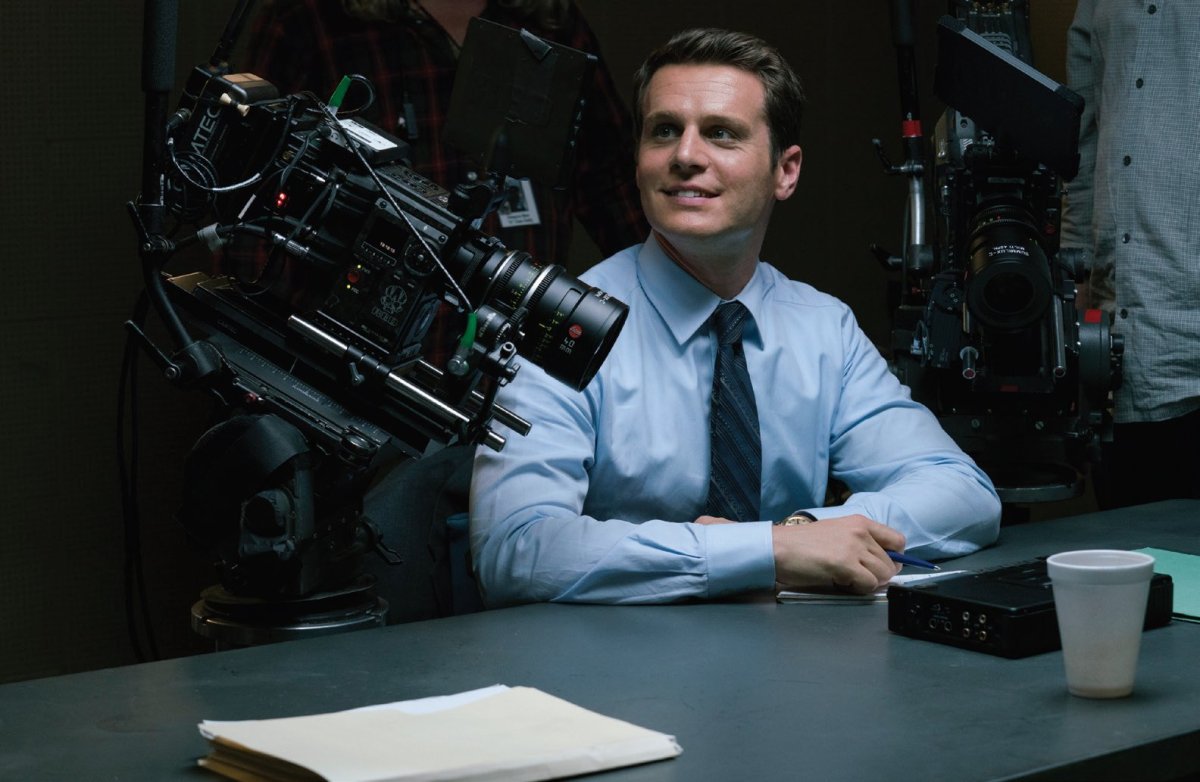
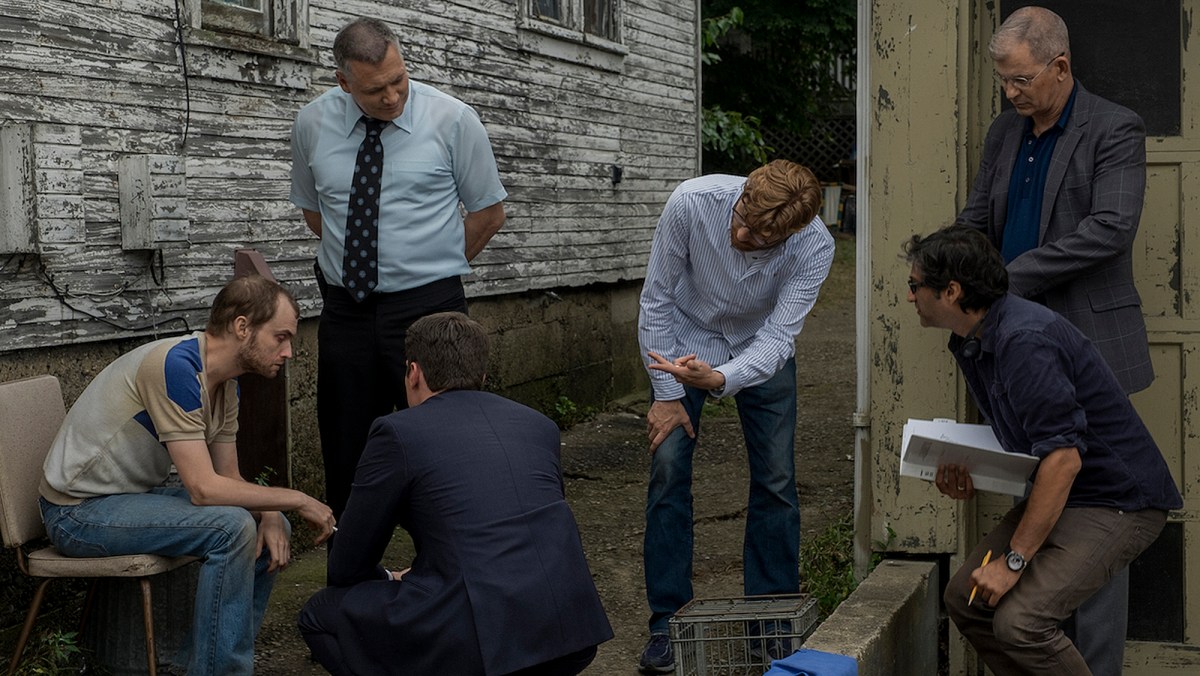
Asif Kapadia, director of episodes 3 and 4, with Erik Messerschmidt on the Mindhunter set.

Director David Fincher drove an era-defining aesthetic using the highest-end equipment. Definition spoke to cinematographer Erik Messerschmidt to find out how it influenced the huge Netflix hit, Mindhunter.

Julian Mitchell, Editor
January 2018
Definition (Bright Publishing)

Read the full interview

How Stephen Shore’s Photographs Inspired Netflix’s Mindhunter

Alexxa Gotthardt
November 23, 2017
Artsy

In the first scene of the Netflix crime show Mindhunter, the camera trails a car through the run-down streets of small-town Braddock, Pennsylvania. We don’t know that it’s 1977, or that someone will be offed in the next five minutes—but the setting provides clues. It’s a rainy night lit only by moody street lamps and the beams of an AMC Matador police car. The nearby buildings ooze seediness.

The scene is lonely, unglamorous, and wildly intriguing. It’s also resolutely American—and whisks viewers swiftly back to the 1970s.

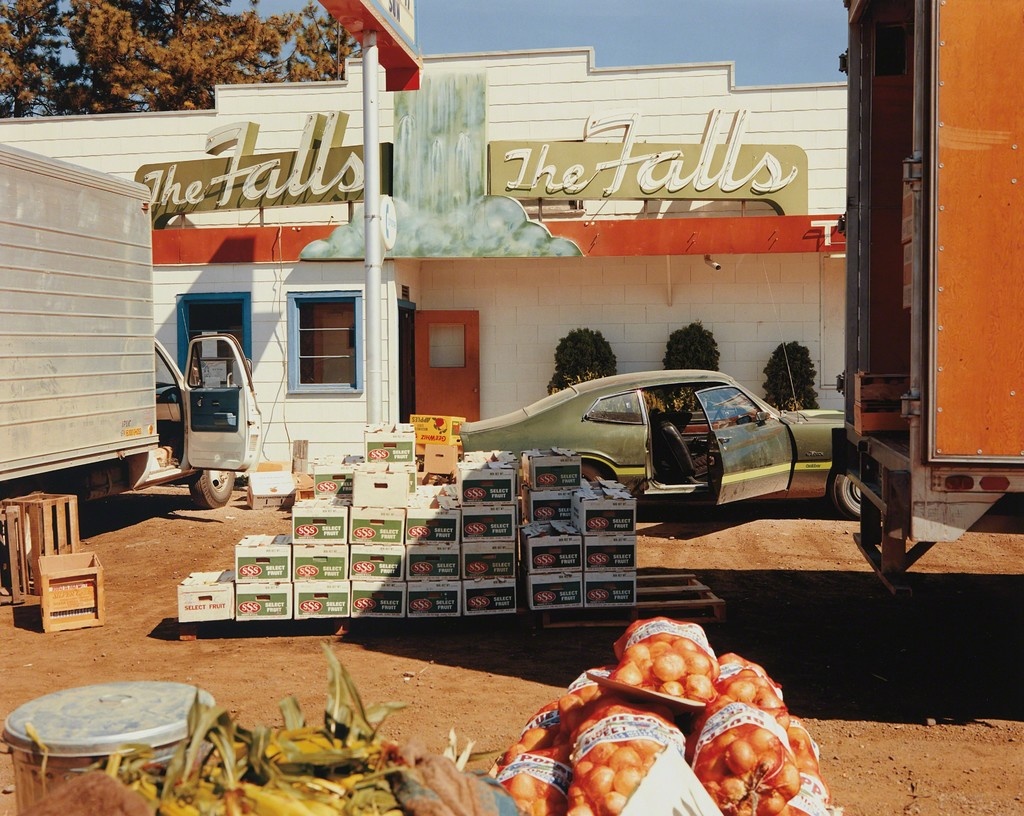
It’s perhaps unsurprising, then, that the show’s creators were inspired by the pioneering U.S. photographers of that decade—namely, the great Stephen Shore, whose career spent capturing backroads, motel rooms, and lunch counters across America is currently being celebrated in a retrospective at the Museum of Modern Art. “Since Mindhunter is a period piece, photography from the era was hugely helpful to all of us,” the show’s cinematographer, Erik Messerschmidt, tells me from Los Angeles.

Read the full article

Netflix Delivers a Killer Serial Killer Series: Production on David Fincher’s ‘Mindhunter’

In addition to serving as co-executive producer for Mindhunter, Fincher directed four hours of the 10-episode season.

By: Kevin H. Martin
10/26/2017
Creative Planet Network / Digital Video Magazine

The first masterpiece from filmmaker David Fincher was his feature film Se7en, a procedural featuring one of the most memorable serial killers ever committed to celluloid. Ten years ago he returned this dark territory with Zodiac, an adaptation of the true-life case involving a still-unknown killer who struck repeatedly throughout the San Francisco Bay area. In the years since, Fincher helped launch House of Cards (an adaptation of the successful UK series) for Netflix. He comes back to the crime investigation genre with Mindhunter, a 10-part streaming series that launched on Netflix on Oct. 13.

[…]

In addition to serving as co-executive producer for Mindhunter, Fincher directed four hours of the 10-episode season, with Christopher Probst shooting the pilot installment. The other directors were Asif Kapadia, Tobias Lindholm and Andrew Douglas.

Cinematographer Erik Messerschmidt shot part of episode two, along with the remaining eight episodes. Messerschmidt had served as gaffer on Fincher’s most recent feature, Gone Girl. He pulled double duty on this fall’s Granite Mountain, gaffing and shooting 2nd unit—the latter a duty he performed for next year’s Sicario follow-up, Soldado, as well. “Fincher was very involved in the process, which is to be expected. He was there every day,” Messerschmidt says.

Read the full article

2018-04 ICG Magazine - Mindhunter 11 (Patrick Harbron)
Patrick Harbron / Netflix

Crime Scenes: Evolving the Postproduction Process on ‘Mindhunter’

I recently spoke with Tyler Nelson, one of the four series editors, who was given the opportunity to move from the assistant chair to that of a primary editor on ‘Mindhunter.’

By: Oliver Peters
10/26/2017
Creative Planet Network / Digital Video Magazine

How Mindhunter filmed using a customised camera

by Hannah Gal
30/10/2017
KFTV

Erik Messerschmidt was director of photography on Netflix‘s Mindhunter – he talks about using a customised camera with David Fincher.

As a hard working gaffer, Erik Messerschmidt has reached the top of his profession, but his ambition has always been to work as a cinematographer.

His break came when David Fincher asked him to join Netflix’s new project. The director had previously worked with the cinematographer on the 2014 domestic thriller Gone Girl and signed on to Mindhunter, a story that traces the development of the FBI’s understanding of criminal science in the 1970s. Fincher directed four of the show’s ten episodes and was an executive producer on the full series.

Read the full profile

DP Erik Messerschmidt on Shooting Netflix’s Mindhunter with a Custom Red Xenomorph

Matt Mulcahey
October 26, 2017
Filmmaker

When mere mortals gear up for a job, they are restricted to selecting cameras currently in existence. Not David Fincher.

Fincher has long hated all the gak required to make a digital cinema camera functional: a wireless transmitter to get signal to video village, the add-ons to provide wireless iris and focus control, the assistant camera’s onboard monitor hanging off the side — all the things that turn a small, lightweight camera body into a labyrinth of cables and breakout boxes.

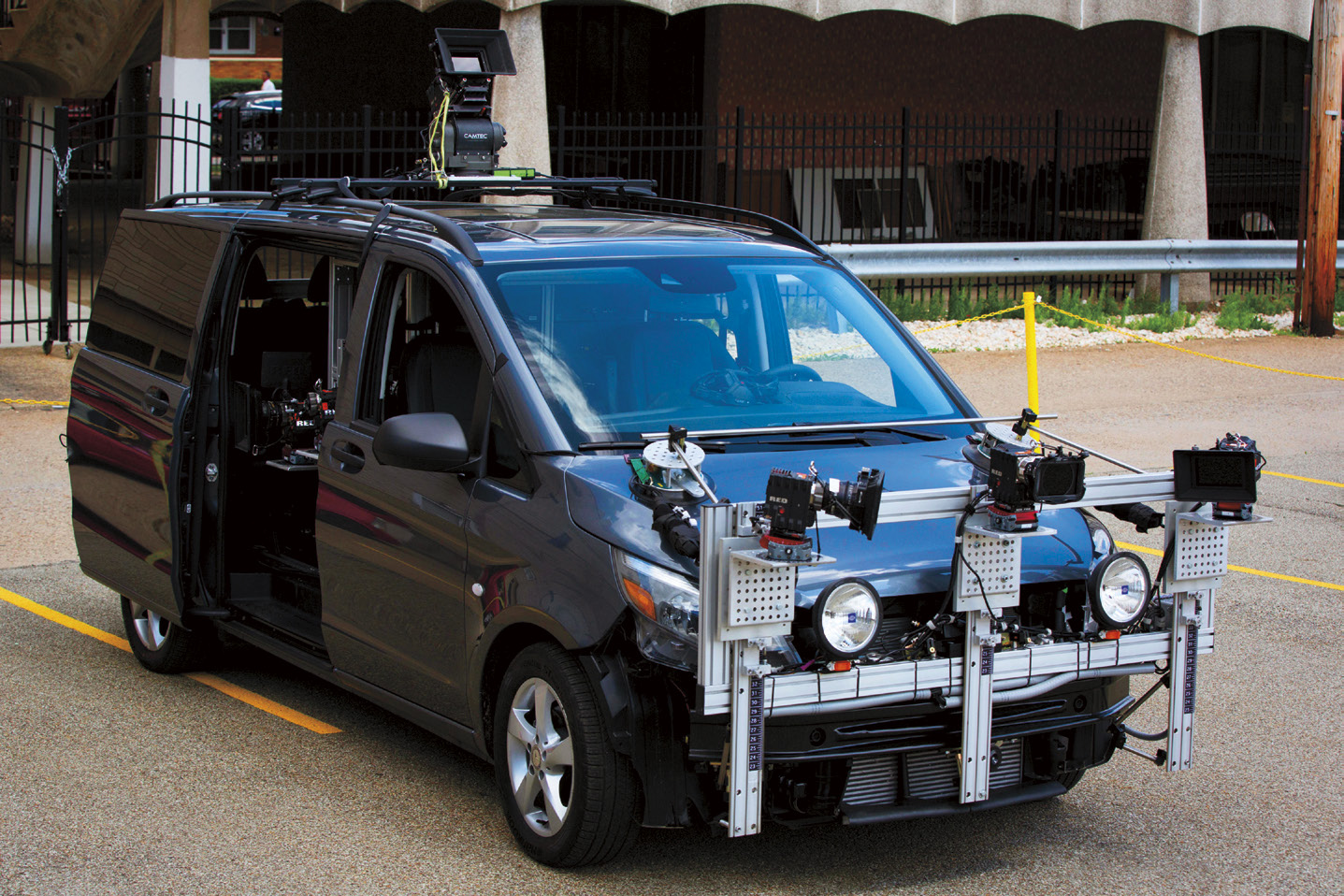
Red Digital Cinema responded by making Fincher his own set of custom Weapon Red Dragons for use on the new Netflix series Mindhunter—each with the features listed above built into an ergonomically friendly camera christened the Xenomorph. Put a lens on the front and a battery on the back and the Xenomorph is ready to rock and roll.

On Mindhunter, cinematographer Erik Messerschmidt reaped the benefits of that smaller camera footprint. Messerschmidt spoke to Filmmaker about his work on the new series, which follows the fictionalized story of the agents (Jonathan Groff’s Holden Ford and Holt McCallany’s Bill Tench) who started the FBI’s psychological profiling program in the 1970s by interviewing incarcerated serial killers.

Read the full interview

2017-09-22 Alison Leigh Evans (Instagram) - Mindhunter Camera Department Xmas Decorations [EDIT]

Mindhunter Camera Department Xmas Decorations (Alison Leigh Evans, Instagram)

Art of the Shot: Mindhunter cinematographer Erik Messerschmidt

Working with David Fincher, the RED XENOMORPH, CW Sonderoptic Leica Summilux-C lenses and shooting for Netflix

By David Alexander Willis
October 23, 2017
ProVideo Coalition

Shot with a tailor-made RED camera, the RED XENOMORPH, auteur David Fincher chose cinematographer Erik Messerschmidt to helm camera for his latest, and possibly most ambitious project, the 10-episode Mindhunter series. Based on the novel Mind Hunter: Inside the FBI’s Elite Serial Crime Unit, Messerschmidt lensed actors Jonathan Groff and Holt McCallany during the extended production as they play FBI agents Holden Ford and Bill Tench. Focusing on the precocious criminal psychology work of the 1970s, the show centers on the duo as they attempt to understand the mind of a serial killer. Mindhunter is available to watch via Netflix now.

Read the full interview

Thanks to Joe Frady

From ‘Zodiac’ to ‘Mindhunter’: 5 Visual Elements that Define David Fincher’s Cinematic Universe

Cinematographer Erik Messerschmidt breaks down how the look of Netflix’s “Mindhunter” builds on Fincher’s well-established style.

Chris O’Falt
October 19, 2017
IndieWire

David Fincher is one of the most distinctive visual storytellers working today. On his new Netflix’s show “Mindhunter,” the director’s well-established visual style and use of film language is carried throughout the entire Season 1 arc, despite Fincher having only directed four of the ten episodes himself. IndieWire recently talked the show’s principal cinematographer Erik Messerschmidt – who was once Fincher’s gaffer, and shot 90% of “Mindhunter” – about what defines the cinematic style of the great auteur and how he built off the look of “Zodiac” to create something we aren’t used to seeing on TV.

Read the full article

Why David Fincher’s ‘Mindhunter’ DP Believes ‘There Are No Rules’ in Lighting

Hawkins DuBois
October 13, 2017
No Film School

‘Mindhunter’ DP Erik Messerschmidt shot the darkly intimate show with custom-made RED Xenomorphs.

When it comes to cinematography, every filmmaker, every movie or show, and every shot is different. While there may be a “textbook” way to approach a scene, there is no “correct” way. Even so, patterns and styles always emerge, and few filmmakers have developed a look as distinctive as David Fincher‘s. While Fincher is best known for his mysterious and gritty films, ranging from Fight Club to The Social Network, he’s recently ventured into the realm of streaming television, where he has produced and directed the critically-acclaimed House of Cards, and now seeks to expand on that success with the recently-released Mindhunter for Netflix.

Mindhunter tells the story of a pair of FBI agents, played by Jonathan Groff and Holt McCallany, as their work in the Elite Serial Crime Unit leads them down a dark path where they interrogate and explore the mindsets of serial killers and rapists. It’s another psychologically tense world from the mind of Fincher, and a significant part of what brings this world to life is the work of cinematographer Erik Messerschmidt, who keeps audiences grounded and in the moment.

Messerschmidt, a longtime gaffer in the industry, built up years of knowledge while working alongside some of the best DPs in Hollywood, and his unique background allowed him to creatively solve problems and accentuate story with his camerawork. No Film School recently sat down with Messerschmidt to talk about his career and Mindhunter, including his decision to come up through the lighting department, mastering crew-management skills, and how to incorporate natural lighting into your shots.

Read the full interview