Editing David Fincher’s ‘The Killer’ on Premiere Pro

Netflix has another hit movie on its hands with David Fincher’s The Killer. We spoke to the film’s editor, Kirk Baxter, and Assistant Editor, Jennifer Chung, about how they put it together using Adobe Premiere Pro.

Andy Stout
November 10, 2023
RedShark

Kirk Baxter ACE picked up two Oscars working on previous Fincher titles you will probably have heard of, The Social Network (2010) and The Girl with the Dragon Tattoo (2011). In other words, The Killer has some serious pedigree behind it, and much like this year’s Academy Award for Editing winner Everything Everywhere All At Once, it was cut on Adobe Premiere Pro.

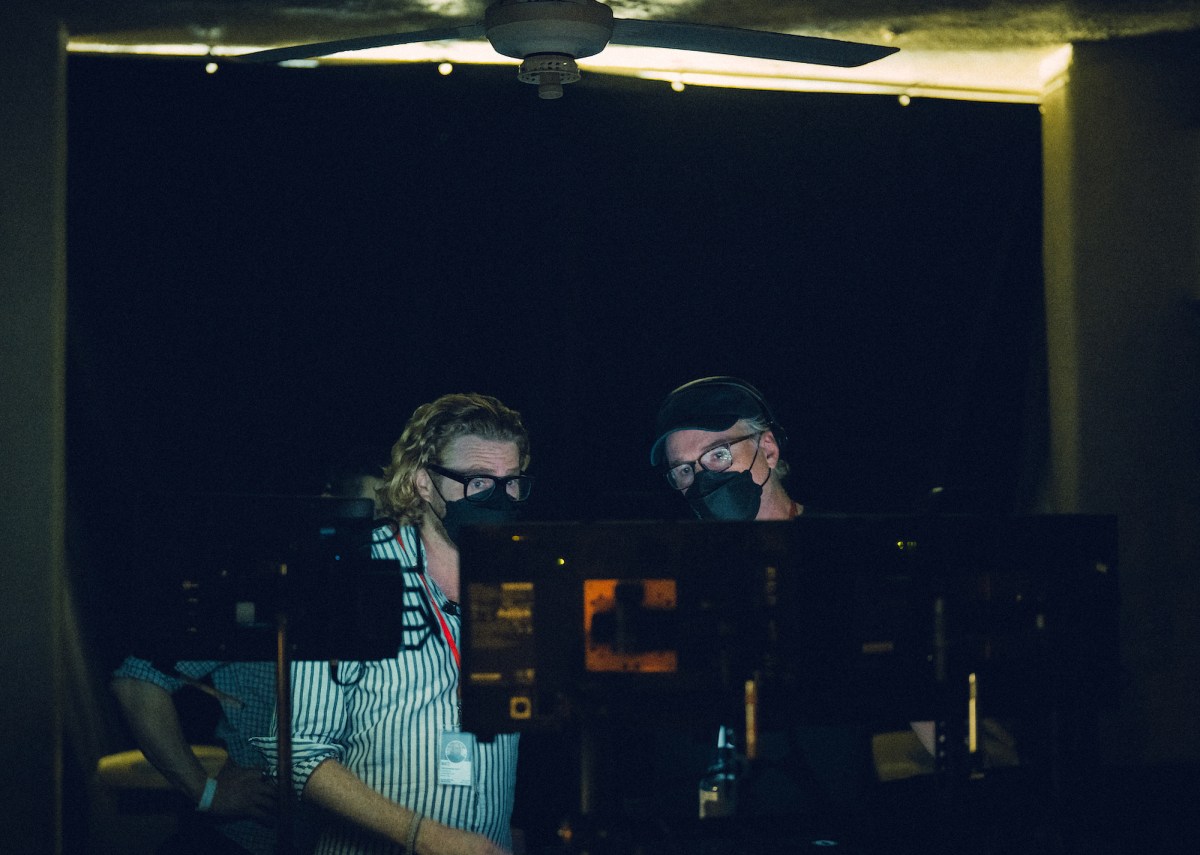
Jennifer Chung ACE was one of the Assistant Editors on The Killer and represents a 14-strong editing department. Chung is currently cutting her first indie feature (“It’s a different kind of stress,” she says laughing), but looking back on The Killer, is there any particular sequence that stands out as her favorite?

“I think it has to be the fight sequence,” she says. “The fight sequence is pretty epic. And it just goes on. I think Kirk did an incredible job with that; it’s just really fun to watch.”

“I watched something on TV which had a big fight sequence two nights ago, and I couldn’t follow it,” says Kirk Baxter, who edited The Killer and put the movie’s signature fight scene together. “I knew people were fighting, but I couldn’t track who owned what fist and what thing. It was just a jumble of limbs edited quickly.”

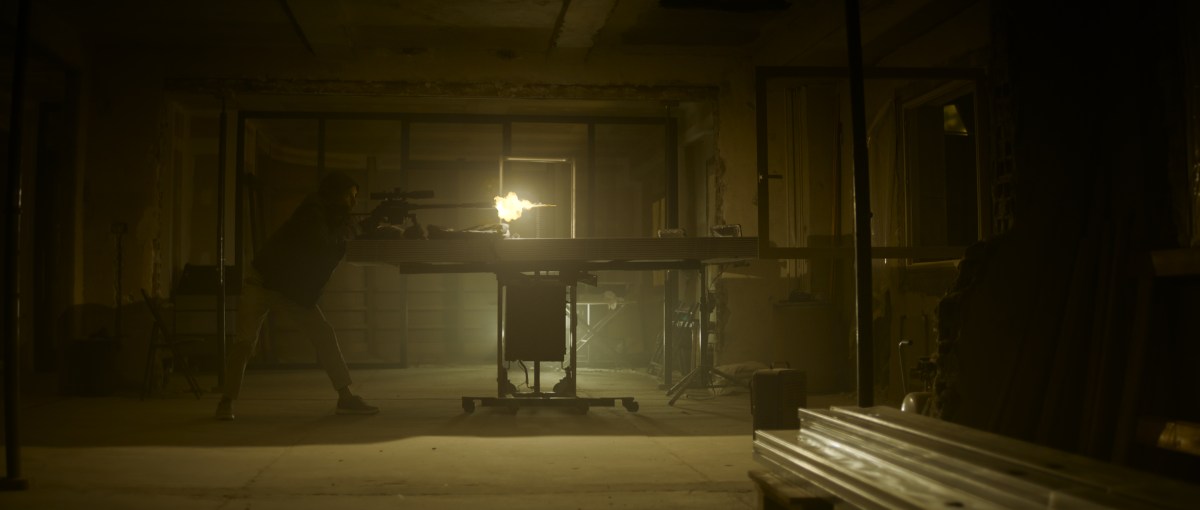
No such failure to follow the action in The Killer’s own fight scene, which Baxter says is essentially a sequence of 18 scenes with multi-camera setups depicting a single fight all strung together in a row. He was cutting the sequence as Fincher was shooting it. The shoot would break at lunchtime when he’d start cutting the first half of the day, getting the second half later at the end, then cutting into the evening and sending it to Fincher to see if any pickups were needed.

“It was this crazy, relentless week of all of us going around the clock to know that we had the thing,” he says. 
Read the full profile

“I Don’t Think Directors Should Be Amenable”: Erik Messerschmidt on Shooting The Killer and David Fincher’s Simple Process

Nick Newman
November 8, 2023
The Film Stage

One of my most-read pieces last year revolved around two films that hadn’t shown a single frame. Strange except for the fact that it was a conversation with Erik Messerschmidt, whose recent time’s been devoted to shooting new films by David Fincher and Michael Mann––exactly the subjects who will earn eyeballs with just a mention. One year later, with The Killer winding down its limited release before a Netflix debut on Friday, I spoke again with Messerschmidt about the intensive, exhaustive, rewarding process behind one of 2023’s supreme entertainments, and how being guided by modern American cinema’s most-obsessive auteur was the only way to get it right.

The Film Stage: I made a point of seeing The Killer at New York’s Paris Theater––it’s a nice-sized screen, well-projected, a Dolby sound system. The unfortunate truth is that most watching it on Netflix won’t have a comparable experience.

Erik Messerschmidt: Sure.

Millions of people can see it, but then you think about people’s set-ups––let alone competing for their attention. How do you generally feel about this dichotomy, and specifically with this film?

I think the cinema is an extraordinary community experience, and it’s for that reason that it’s worth protecting. I think there is something really extraordinary about being in the room and experiencing something at the same time, and there is something equally extraordinary of being a director and experimenting whether or not you can control the audience response en masse. You know? Which is something you can only really test in the cinema environment. Look: there’s a real thing about being able to pause it and go to the bathroom, or pause it and go grab another glass of wine or whatever––pause it and watch it later. The “captive audience” part of the cinema is what makes it unique and important. I don’t necessarily agree that the technology is the reason to go to the cinema. I think the immersive nature of being in the black room with the single screen without screaming kids and your phone sitting there––all the other distractions––that’s a real thing. And I think the sound is a real thing, although people have home theaters in their homes now and surround sound and stuff. But it’s not the same as being in a calibrated environment.

I sort of go back to my childhood and think… I didn’t see Star Wars projected until I was, probably, 19 years old, but I had seen it 50 times on my parents’ VHS. In the wrong aspect ratio. And it’s the movie that made me want to make movies. As a cinematographer––as a student of cinema––I think it’s vitally important to project cinema and encourage people to see movies in a cinema. This movie in particular is especially well-appreciated in a cinema, but I would argue more for the sound, to be honest––because of what Ren Klyce is doing with the sound. I hope people enjoy the picture, too, obviously. I don’t put much stock in the idea of “Oh, well, it’s going to be on Netflix so people are going to see the film on television.” I just think people see films on television anyway.

Half the movies I see, by the way––and I’m hesitant to admit it, but it’s true––are on airplanes. [Laughs] I think the goal of filmmakers is to reach the audience, and you want to reach as many as possible, and hope people see your movie in the cinema. That’s where it’s intended. But you have to accept the reality that there are many avenues to view the image, and if someone sees it on Netflix, hopefully next time there’s a screening they get up and go. When there’s a screening of Lawrence of Arabia I jump at the opportunity because there are so few opportunities, but it doesn’t mean I don’t enjoy it at home on my Apple TV either. [Laughs]

Read the full interview

Killer Instincts

David Fincher aims to unsettle with Michael Fassbender as a ruthless assassin in gripping thriller The Killer.

By Nev Pierce
Photograph by Jean-Baptiste Mondino

November 1, 2023
Netflix Queue

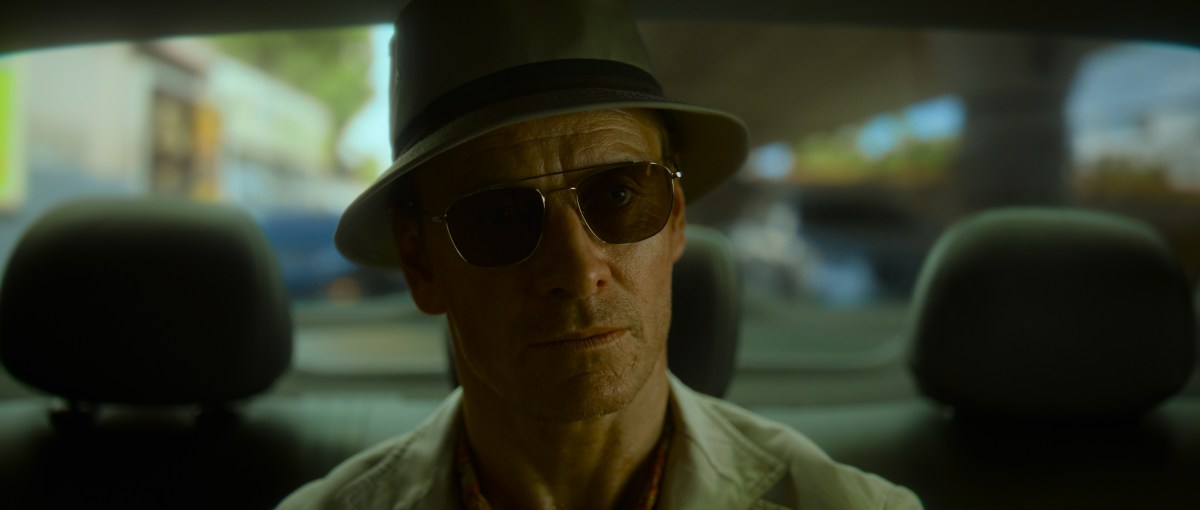
The Killer is about an exacting professional whose meticulous methods and wry worldview are disrupted by unruly reality. This may be a clue as to why David Fincher wanted to make it. The Fight Club filmmaker is well-known for his tenacious approach to directing — always pushing for more. And in Michael Fassbender he has a leading man who is equally driven.

The Oscar-nominated star of 12 Years a Slave and Steve Jobs left screens for a few years to take up professional racing behind the wheel of a Porsche in the European Le Mans Series. This blend of danger and precision seems apt for playing the title character in The Killer, an unnamed assassin who aims to execute things — and people — perfectly.

We’ll get to how, or if, one can define “perfection” in cinema, but to an on-set observer, it might seem Fincher will settle for nothing less. While he would contest this, he knows his definitions can differ from others’. “My idea of professionalism is you work 24-7 to make good on your promises,” he says, before continuing with a self-aware smile. “Not a lot of people feel that way. Some people are like: ‘You do the best you can in 40 hours a week and let the chips fall where they may.’”

Read the full profile

Watch The Killer on Netflix

Screenwriter Andrew Kevin Walker Explains Why Michael Fassbender Eats All Those Hard-Boiled Eggs in David Fincher’s “The Killer”

Fincher’s Se7en and Fight Club collaborator talks protein, process, and audiences’ expectations.

Esther Zuckerman
October 26, 2023
GQ

Screenwriter Andrew Kevin Walker’s first produced screenplay was Se7en, which became director David Fincher‘s breakout film. Since then Walker has worked with Fincher a number of times, pitching in on The Game and “polishing the edges” of Jim Uhls’ original script for Fight Club. But not everything they’ve collaborated on more recently has made it to the big screen. Walker did a rewrite on the unmade sequel to The Girl with the Dragon Tattoo, and one on a Fincher version of 20,000 Leagues Under the Sea that Walker says could have been “mind-blowing.”

After these and other false starts, a new Fincher/Walker project has finally come to fruition: The Killer, out in theaters this weekend and on Netflix next week. “There’s no way to express proper gratitude to this gentleman David Fincher, and the effect he’s had on my life,” Walker says. “But it is fun to now be able to go, ‘Hey, David and I have been trying to get to this for a long time. Thank you. Go see this, because this one isn’t the only one we’ve been spending years trying to write.'”

Read the full interview

‘The Killer’: DP Erik Messerschmidt, Editor Kirk Baxter & Sound Designer Ren Klyce On “The Joy” Of Working With David Fincher

Antonia Blyth, Senior Awards Editor
October 7, 2023
Deadline

In the David Fincher-directed film, The Killer, from a screenplay by Andrew Kevin Walker, and based on a graphic novel, Michael Fassbender stars as an assassin battling his employers when a hit goes terribly wrong.

Speaking during a panel at Deadline’s Contenders London event, editor Kirk Baxter addressed a rumor that the role required Fassbender to not blink at all.

There were many times watching the dailies where he heard Fincher’s voice saying, ‘That’s terrific, but let’s see that once again without the f—ing blinking.’ Baxter added, “Not so much that Fassbender needing that direction, it’s just been a thing.”

Watch the full interview

Look at the Deadline Contenders Film London Studio Photos

Why Seven still has one of the most shocking endings in cinematic history

“What’s in the box?!”

C. Molly Smith and Will Robinson
September 21, 2023
Entertainment Weekly

In 1995, Brad Pitt‘s exclamation of fear and dread jolted audiences and left a lasting cultural imprint. The ending of Seven, director David Fincher‘s breakout film, is one of the most shocking, disturbing, and iconic twists in modern cinema, capping a tight, wrought thriller.

The film’s initial introduction to its world, a metropolis mired in unrest, is normal enough. Cool veteran Detective Somerset (Morgan Freeman) is paired with young hothead Detective Mills (Pitt) in pursuing a serial killer who picks his victims based on the seven deadly sins. They follow the clues and corpses, and the murderous John Doe (Kevin Spacey) eventually makes it into their custody, promising to reveal his two final victims—targeted for envy and wrath.

But the third act abandons cinematic tropes and convention. The promise of the final two corpses is questioned when a mysterious box arrives that is Doe’s coup de grace; it contains the head of Mills’ wife, Tracy (Gwyneth Paltrow)—never seen on screen, but revealed through dialogue and reaction. Doe acted on his envy of Mills’ normal life and incurs Mills’ lethal wrath. Though he’s killed at the hands of the good guy, the bad guy’s death serves as a loss for the positive forces of the world.

And it was all this close to not happening; “What’s in the box?!” nearly missed its canonization. Fincher, scribe Andrew Kevin Walker, and some of the cast, including Brad Pitt, fought for the original planned finale, against the studio’s protests. The producers eventually conceded to uphold the work’s artistic integrity. “There’s nothing wrong with up endings, it’s just that the dark ending of Seven was what it was about,” Walker told Uproxx. “To change the ending to something else was to remove the very heart of the story.”

Entertainment Weekly looks at how off-camera elements of the film successfully crafted suspense and resulted in Seven‘s enduring ending.

Read the full profile

Venice Film Festival: “The Killer” World Premiere

September 3, 2023
Venice Film Festival (YouTube)

Press conference featuring Director of Photography Erik Messerschmidt ASC, Sound Designer Ren Klyce, Director David Fincher, and Editor Kirk Baxter ACE.

Red Carpet featuring Producer Peter Mavromates, Director of Photography Erik Messerschmidt ASC, Writer of the original “The Killer” (“Le tueur”) comic Alexis “Matz” Nolent, Editor Kirk Baxter ACE, Sound Designer Ren Klyce, Director David Fincher. The original stream has the ambient sound turned down to a minimum because it is too busy and noisy, and only barely intelligible in the close-ups.

The David Fincher Process: 1st Assistant Editor’s POV

Sven Pape, ACE
June 11, 2022
This Guy Edits

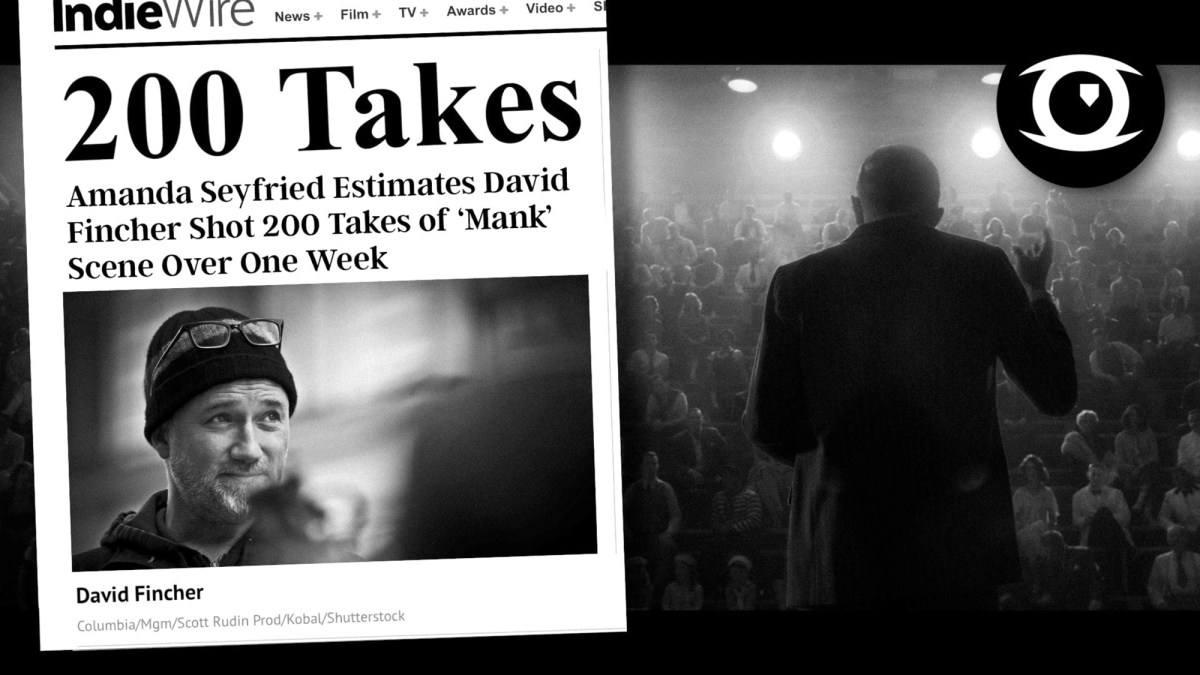
The editing and post-production of David Fincher‘s Mank.

Netflix’s Mank was leading 2021 Oscars nominations with 10 nominations, including Best Picture and Best Director. First assistant editor Ben Insler opens up the editing timeline of the film and shares insights on the editing and workflow process.

Grab my Secret Editing Hacks for FREE.

This Guy Edits on Patreon, YouTube, Instagram, Twitter, Facebook.

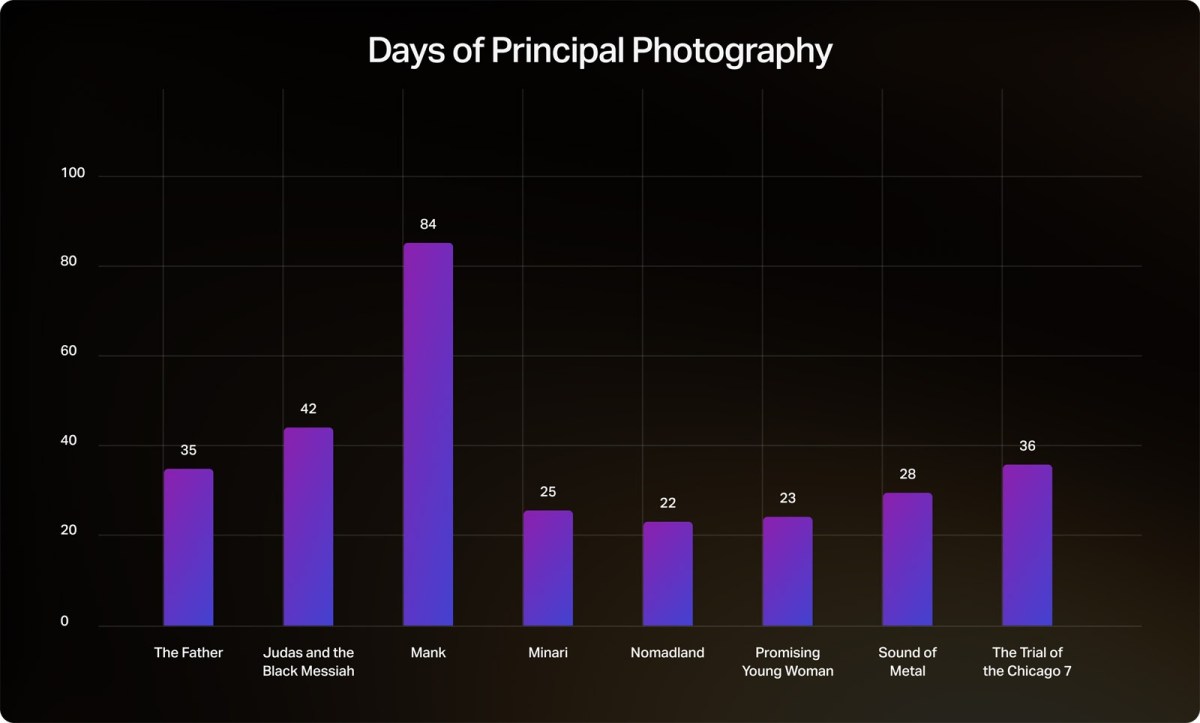
Workflow Breakdown of Every 2021 Oscars Best Picture Nominee

Lisa McNamara
April 26, 2021
Frame.io Insider

It’s probably fair to say that the 2021 Academy Awards were unlike any others. How do we count all the ways?

A global pandemic that shuttered productions and theaters. Distribution of first-run films over streaming services or with premium per-view rental prices. A raft of indie-style films made on shoestring budgets. Big-budget blockbusters pushing their release dates to 2021 and beyond, taking them out of the race. A ceremony broadcast that was not just delayed by two months, but was entirely reconceived and relocated from the Dolby Theatre to Los Angeles’s Union Station, with acceptance speeches uninterrupted by orchestras and time limits.

It’s also the first year that Frame.io made a big splash at the Oscars, used on three of the nominated films (including Best Film Editing and Best Sound winner Sound of Metal), as well as the broadcast show itself. And we’re even doing our own coverage a little differently, splitting the Best Picture nominees and Best Film Editing nominees into two separate articles to give you a deeper dive into the processes, both technical and creative.

And yet, there are the ways in which the spirit of the Oscars remains very much the same. First-timers and foreign films challenging established directors with an acclaimed body of work. The novelty of having a woman (never mind two) nominated for Best Picture—with Chloé Zhao as only the second woman to claim the win. The snubs of Black directors like Spike Lee, Regina King, and perhaps most pointedly, Shaka King, whose Judas and the Black Messiah was nominated for Best Picture.

But all of that aside, the Oscars are still a much-anticipated yearly tradition for those of us who love cinema.

We’re excited to present our fourth-annual Oscars Workflow Roundup! We’ll dig into the workflows of the eight films nominated for Best Picture and consider how this strange and unprecedented year has played out—and what it might mean for the future of how movies are both made and consumed.

Read the full article

A Conversation with the Editors of David Fincher’s Motion Picture MANK

Meagan Keane
March 24, 2021
Adobe

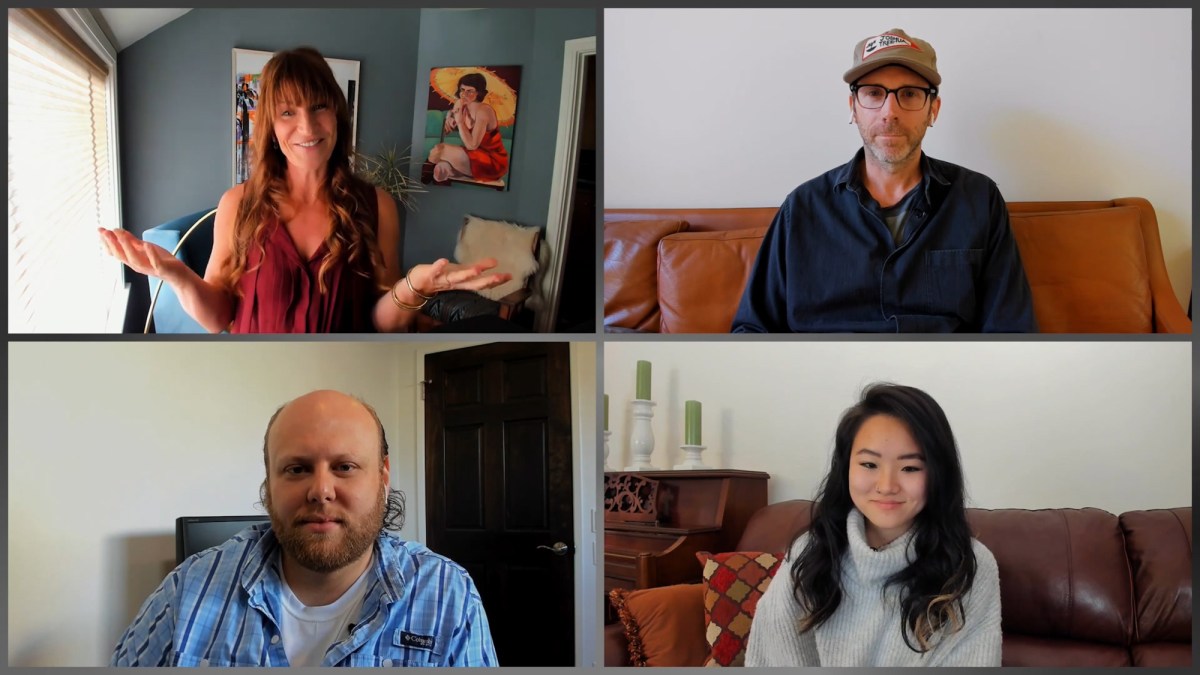
Join Adobe for an exciting discussion with the editorial team from Netflix’s Mank featuring special guests Kirk Baxter, ACE, first assistant editor Ben Insler, and assistant editor Jennifer Chung. The team goes behind-the-scenes of the critically-acclaimed, Oscar nominated film to share their creative editing process and collaborative workflows for in-house VFX. Learn how they crafted a modern-day homage to one of the most celebrated films of all time, and overcame the challenges of a remote workflow using Premiere Pro Productions and After Effects.

Kirk Baxter, ACE, has been recognized with Academy Awards for his work on The Social Network and The Girl with the Dragon Tattoo, an Academy Award nomination for The Curious Case of Benjamin Button and multiple nominations from the American Cinema Editors. The Australian native is a long-time collaborator of David Fincher, including five of the director’s films and two of his series, Mindhunter and House of Cards.

Ben Insler currently works as a feature film assistant editor in Los Angeles, most recently on David Fincher’s Mank. He has previously assisted on television series, documentaries, and commercials, as well as edited for television, independent features and numerous shorts.

Jennifer Chung is an assistant editor working in Los Angeles. Originally from the midwest, she graduated with a BFA in Cinema Art + Science from Columbia College Chicago. She works in scripted tv and film, most recently on the “Blindspotting” series and David Fincher’s “Mank”. Along with assisting, she has also edited numerous shorts, music videos and promotional content.

Adobe on: Facebook​, Twitter,​ Instagram, Adobe Video & Motion (YouTube)

Adobe® Video & Motion tools provide comprehensive video editing, motion design, VFX, sound, & animation for beginners to professionals. All tools are available through Creative Cloud membership.​