Patrick (H) Willems (YouTube)
Published on Aug 10, 2017
Tag: Cinematography
Cross-Examining David Fincher’s Interrogations
Sheryl Oh
August 8, 2017
Film School Rejects
Allegiances are never simple in a Fincher film.
David Fincher makes some seriously memorable films. That’s like saying water is wet, but his movies are impeccably crafted without seeming ostentatious or painfully clinical. Arguably, the best part about his films is the talking. You won’t find a film of his where character dynamics aren’t laid bare in the form of a lengthy conversation. Literally putting words on screen has been a landmark of his since the beginning of his film career.
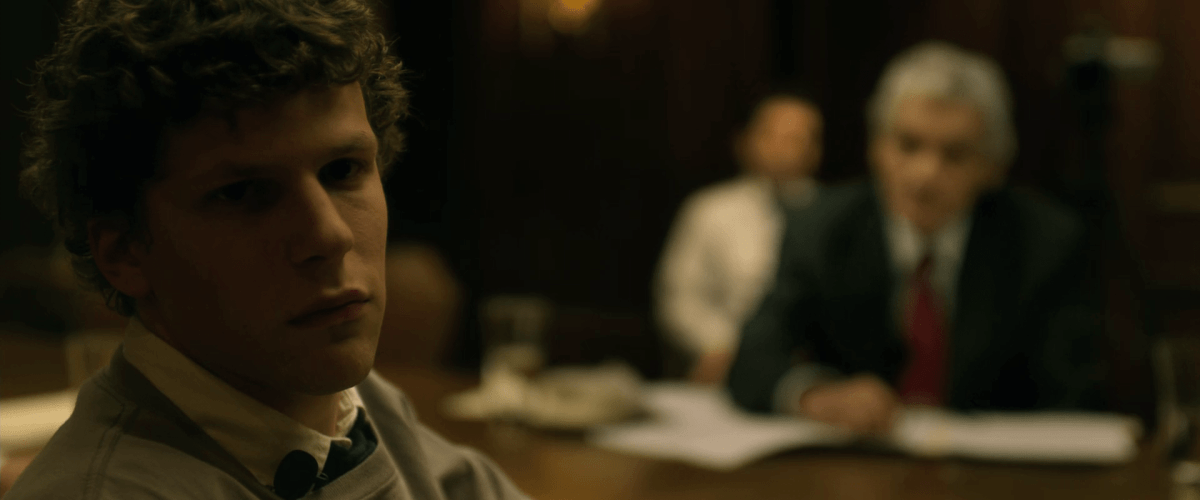
Notably, many of Fincher’s movies crescendo to significant arguments and interrogations, and it is never just run-of-the-mill grilling. He has the ability to make talking – for want of a better term – interesting. Part of what makes his interrogations so enveloping and immersive is the insistent, intimate focus on the subjects at hand. Characters are thrust into settings but also command them in cinematically satisfying ways:
Fincher gives us just enough of any given setting, and the details are always overshadowed by the manner in which the characters move and interact within them. (Jones, 44)
Fincher has a new Netflix series coming out in a couple of months; one which will undoubtedly feature some of his signature wordy conversations. While awaiting the release of Mindhunter, we examine what it takes for him to put together the perfect interrogation scene.
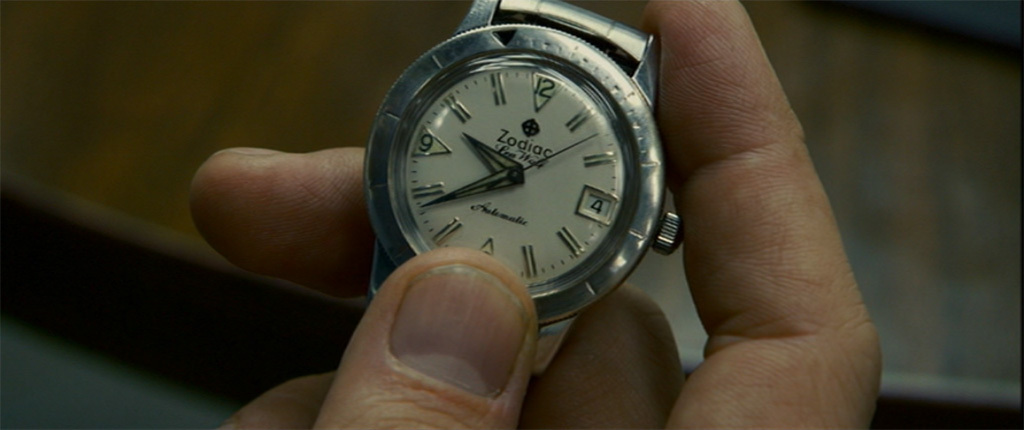
Procedural: Zodiac and the Digital Cityscape
A Video Essay by Conor Bateman
Conor Bateman observes how analogue and digital, real and constructed, bleed into a paranoid, video-game vision of 1970s San Francisco in David Fincher’s classic crime procedural, Zodiac.
Commissioned by Open City Inc, publisher of RealTime 2017, ©RealTime
Interiors: The spaces in David Fincher’s films

Interiors is an online film and architecture journal, published by Mehruss Jon Ahi and Armen Karaoghlanian, that analyses and diagrams films in terms of space.
A Pair of Artists Use Architecture to Study Film
The founders of “Interiors,” a journal dedicated to film and architecture, diagram scenes from movies such as “Fight Club,” “Psycho,” and more.
Colin Warren-Hicks
January 30, 2014
Metropolis
If cinema is a matter of what’s in the frame, David Fincher is an artist who is very much concerned about all four corners of his canvas.
by INTERIORS Journal
June 3, 2013
ArchDaily
“Their positioning throughout the scene provides us with an understanding of how David Fincher uses space within the film, and in doing so, how he also maintains the architectural integrity of the film.”
Mehruss Jon Ahi and Armen Karaoghlanian
2012-01
Interiors
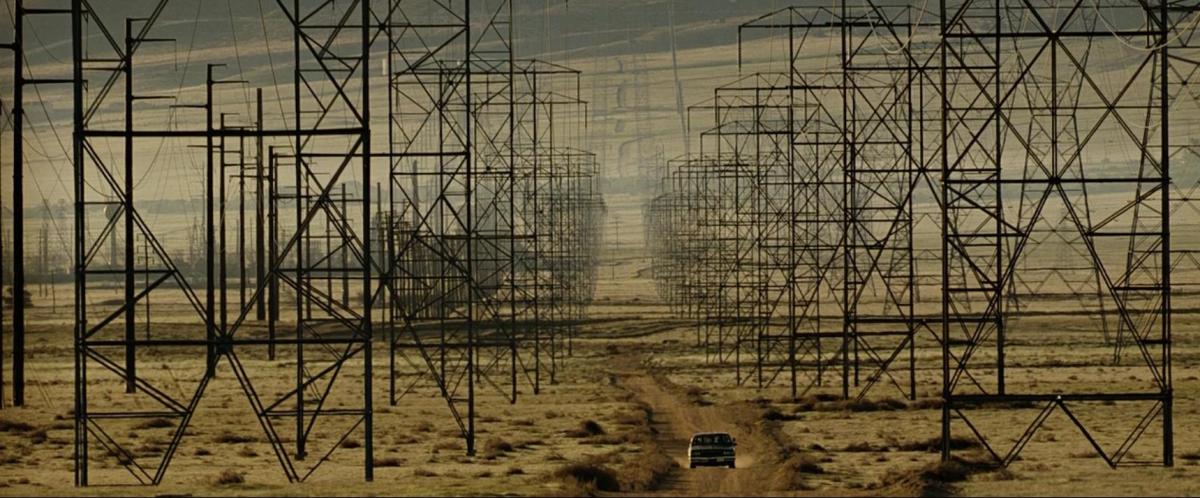
“The vastness of the desert around them emphasizes the fact that the handcuffed John Doe is captured; a lack of freedom despite the free space around him.”
Mehruss Jon Ahi and Armen Karaoghlanian
2013-01
Interiors
“David Fincher switches from a subjective perspective onto an objective perspective after the reveal has been made.”
Mehruss Jon Ahi and Armen Karaoghlanian
2014-01
Interiors
It has mutated and spawned…
Has the “Xenomorph” mutated?
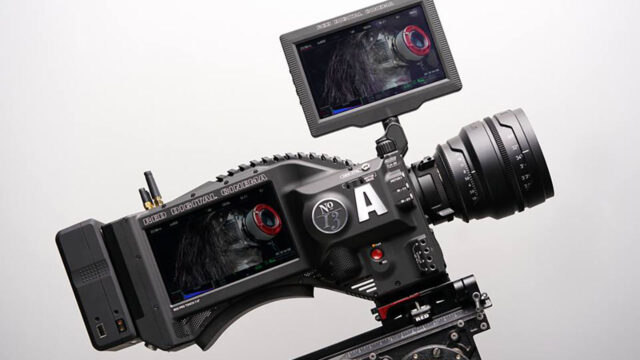
Last year, RED built a fully customised camera for David Fincher to shoot his upcoming series “Mindhunter” for Netflix:
David Fincher’s Custom RED Xenomorph for Netflix’s “Mindhunter”
by Richard Lackey | 6th May 2016
Cinema5D


Has it mutated?: