
Techmoan (YouTube)
May 5, 2018
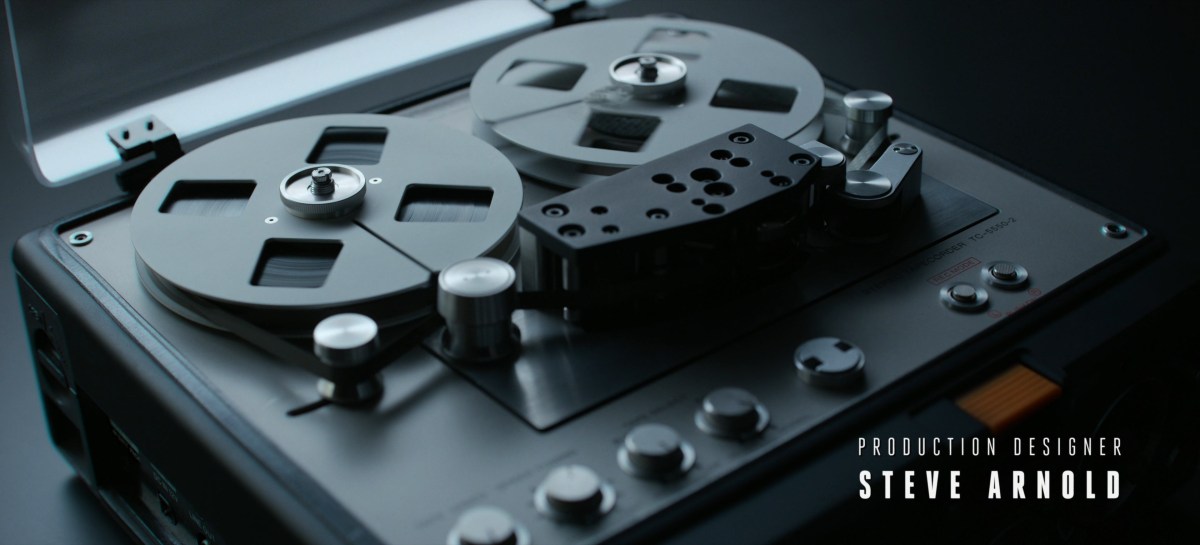
A ‘joyously nerdy’ video in which I attempt to assemble all the components to recreate the reel-to-reel title sequence from the Netflix Show Mindhunter.
hifiengine: the Portable Stereo Reel-to-Reel Tape Recorder Sony TC-510-2 (or Sony TC-5550-2 in Japan)
The Tapeheads forums: “Looking for the sony tc-510“
The RPF forums: “The Tape Recorder from Netflix MINDHUNTER” (“David wants perfect”)
New Mindhunter style metal 5″ reels can be bought from Righteous Reels.
Special thanks to Jason Moore (on Patreon) for the tip regarding The Professionals episode.
The music used in my recreation of the title sequence is ‘Spirit Of the Dead‘ – by Aakash Ghandi and is from the youtube audio library (Download link).
NOTE: The TDK tape leader was created specifically for the sequence with CGI to hide the original Sony one:
Ollin VFX 2018 Demo reel
Ollin VFX (vimeo)
December 12, 2017
Comment by Kenneth Palkow (Kenney’s Custom Props) in Techmoan’s video
2020
Very nicely done, Techmoan. It’s amazing to see how many people fell in love with that recorder.
Working for David Fincher and having the opportunity to work with some very talented individuals was amazing. About 40% of the prop was recreated. We had acquired a couple machines. There was also one we found in a museum but did not get that one. In the end, I had 2 machines to work with. Some logos you noticed were not present anymore and that’s because that was a part I machined… like the head roller cover. The original had some deep gouged marks.
Since the recorder needed to look new from that time period, it was best to make a new one. I machined that part aluminum. There were other parts I needed recreate and machine. As you know, these machines are rare and it was just easy to tear the recorder down to every nut and bolt and give it a complete restoration. The hardest part was the housing and lettering. Some of it I had to recreate while other parts was just a refinish. In the end, I decided to match the original finish using ceramic based gun coatings. It was a durable finish and the color match ended up being perfect. So, the entire housing and misc parts, like the head/roller cover I totally refinished with this coating.
The next challenge was the reels themselves. David wanted a .005″ chamfer specifically on all edges of the reels. This was mainly because he was going to do plenty close ups and the details and the details had to be spot on. Again, I created a CAD model based on metal reels of that time period and machined them out of aluminum. I had to make custom fixtures to machine these parts because they are so thin. The center hubs a created a CAD model and 3D printed. I then wet polished the hubs down to 2000 grit. The hubs in the sequence were placed upside down. I did not intend or ask for my company initials to be visible…. that just happened by chance or intentional by the prop master or even possibly David was happy enough with my work that he did this for me. Either way, I was really excited to see that in the sequence.
I think The Fincher Analyst is correct about the tape having a cg overlay done. There were many other details I recreated as well…. like the rubber seal between the clear cover and housing. That part I did a cad model, printed a master, pulled a mold, and cast the recreated seals in rubber. The clear cover is also custom made. I did modify the locking knob on the cover to a magnetic one so the actor would just have to pull up vs trying to fidget with trying to get it to release… or worrying about it locking up and not release fluidly for the camera. Remember, the seen had to be very fluid.
Anyway, I hope this gives you some insight as to how much effort David wanted put into that opening sequence. Another friend of mine, Max Burman did the corpse stills you see.
Adam Savage Is Obsessed With This Tape Recorder
Adam Savage’s Tested
May 15, 2023
Comment by Kenneth Palkow (Kenney’s Custom Props) in Adam Savage’s Tested video
May 16, 2023
Hey brother, thank you for the shout out.
Yes, yes, and yes…. David Fincher 100% was extremely meticulous about detail on this reel to reel. His specifications was .005 of an inch chamfer on the reels edges alone. We had two machines at our disposal and I took one to create a superhero prop for that opening sequence alone.
Since a good portion of the recorder had damages, such as deep scratches, gouges, etc etc, I had to re-create those parts by CNC machining. The seal for the top cover I 3-D print it and even the top cover is not original. I had to make a new one from scratch. The top cover where the pick ups are that says Sony, I did not remove the logo, because that part as well I had to remake from scratch. Again, CNC machining. There were areas of machining that I was holding half a thou tolerance. Lol, I know, crazy. But, I was instructed that this would be an extreme close-up scene. The rest of the machine I tore down, refinished the side panels the back panel to take out all of the scratches gouges and then did a refinish using KG gun coatings. There was some Cerakote as well in there.
The reels were probably the most pain in the butt. Machining, thin metal like that can be problematic with vibration so I had to form a custom jig that sandwiched the reels down so I can machine the chamfers. The center hub is 3-D printed and if you look closely on the Opening sequence when he is tightening the reel knob, you will see my company initials KCP. That actually was an accident and no one was supposed to see that but someone put the reels upside down. I’m not gonna complain. Lol.
Truth be told this task of refinishing/fabricating. This reel to reel went in front of two other prop shops before it ultimately ended up in my hands. David was extremely adamant about the quality of this prop that the Prop Master took it to two shops. One of the shops tried, but could not give the quality level of work David was asking for.
That second shop gave me a call one day and said “Kenney don’t be mad at me but I’m sending somebody your way. They are being truly anal about the detail and I told them if you’re looking for someone that’s anal, you need to go to Ken shop“. Not five minutes later Prop Master called me at about 20 minutes later I was on a flight to Pittsburgh for a morning meeting the next day. I looked at the previous work done by the last shop, and thought to myself this is some pretty good work and question whether I could pull off with David wanted. Ultimately, that opening sequence is a project I’m most proud of being a part of and definitely one of the most beautifully done.
And last, I did make mention to the art department that in exchange for the hard work, David needed to bring me on for World War Z 2. Lol there was a lot more to this project but that’s pretty much the gist of it. Thanks again, brother, for the shout out.
If by any chance, you would like files to the the reel to reel or any of the other parts, let me know.
 Mehruss Jon Ahi and Armen Karaoghlanian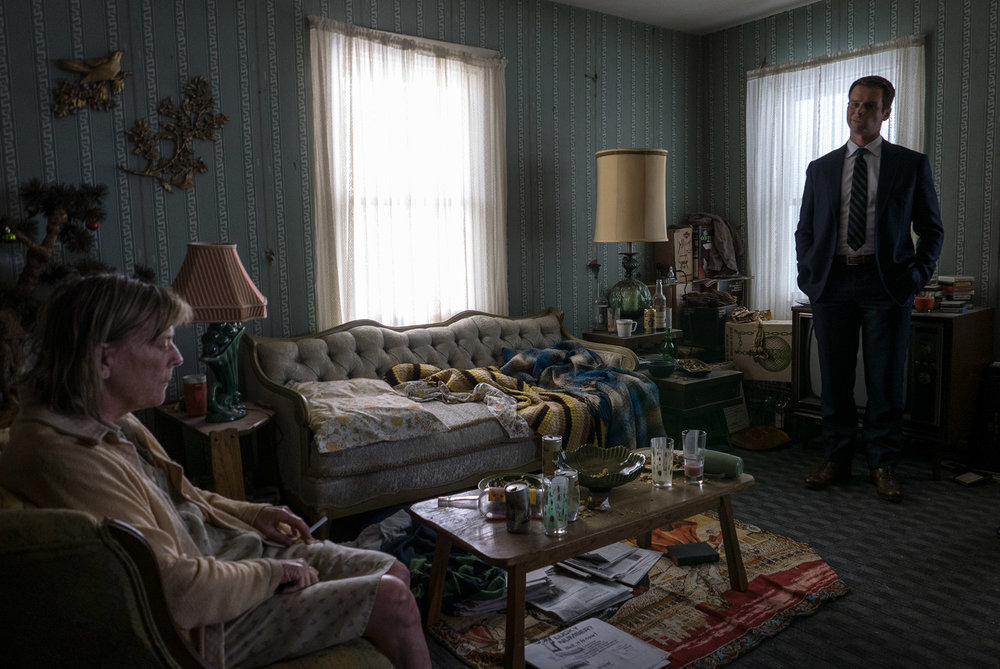
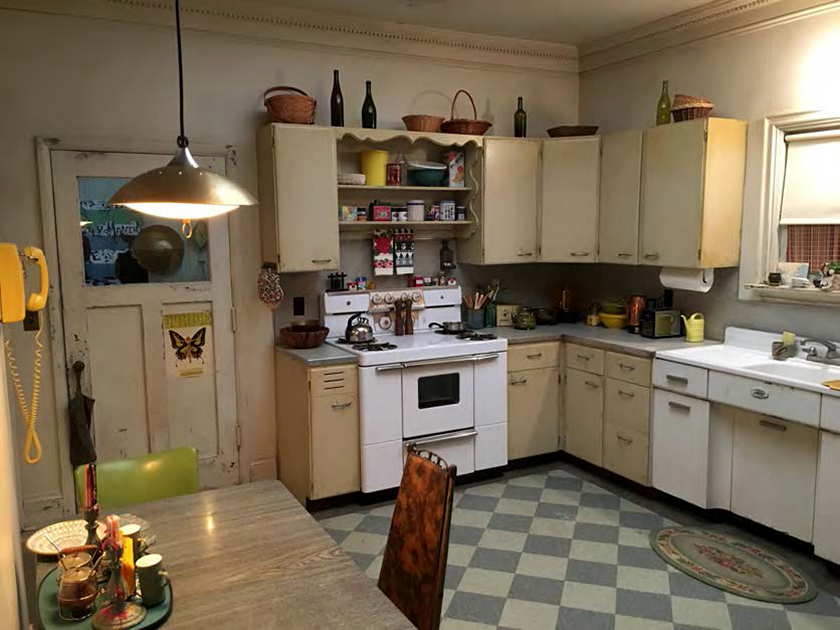

 The Fincher Analyst