Daniel Schweiger
January 4, 2018
Film Music Magazine
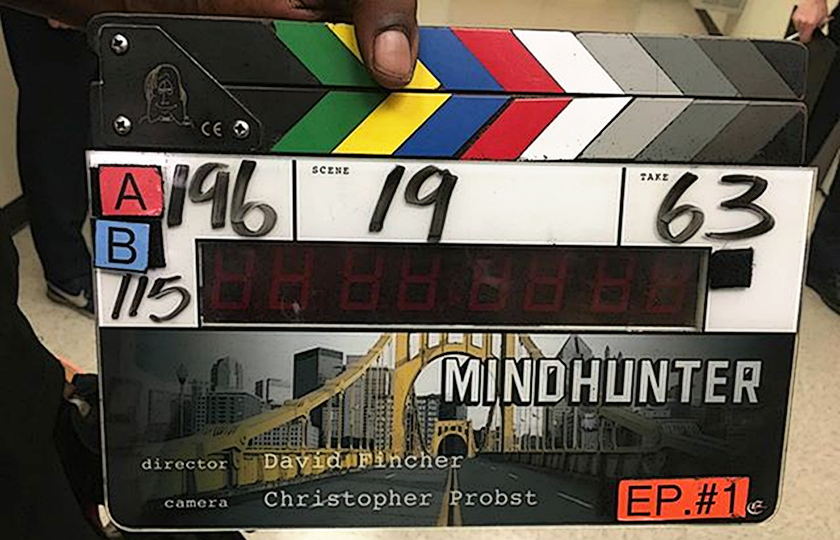
Just about the last thing anyone wants to do is enter the mind of pure evil, let alone hear it meticulously, and deliciously describe its murderous exploits. That a view inside of its horrifying headspace has resulted in such eerily intoxicating music is a testament to the powerfully emerging voice of Jason Hill in “Mindhunter.” Created by serial killer media enabler par excellence David Fincher, this acclaimed Netflix series’ twist is that we barely see any violence at all. Rather, the acts and its reasoning are told to FBI profilers Holden Ford (Jonathan Groff) and Bill Tench (Holt McCallany), who traverse the country to find out what makes madmen tick. That the birth of the agency’s serial killer profiling unit is no work of fiction makes their subjects’ descriptions all the more terrifying, if no less fascinating in the awfulness that’s drawn entertainment to these predators again and again. That Jason Hill hears the recording sessions, and their effect upon the agents, with such dark poetry is all the more unsettling.
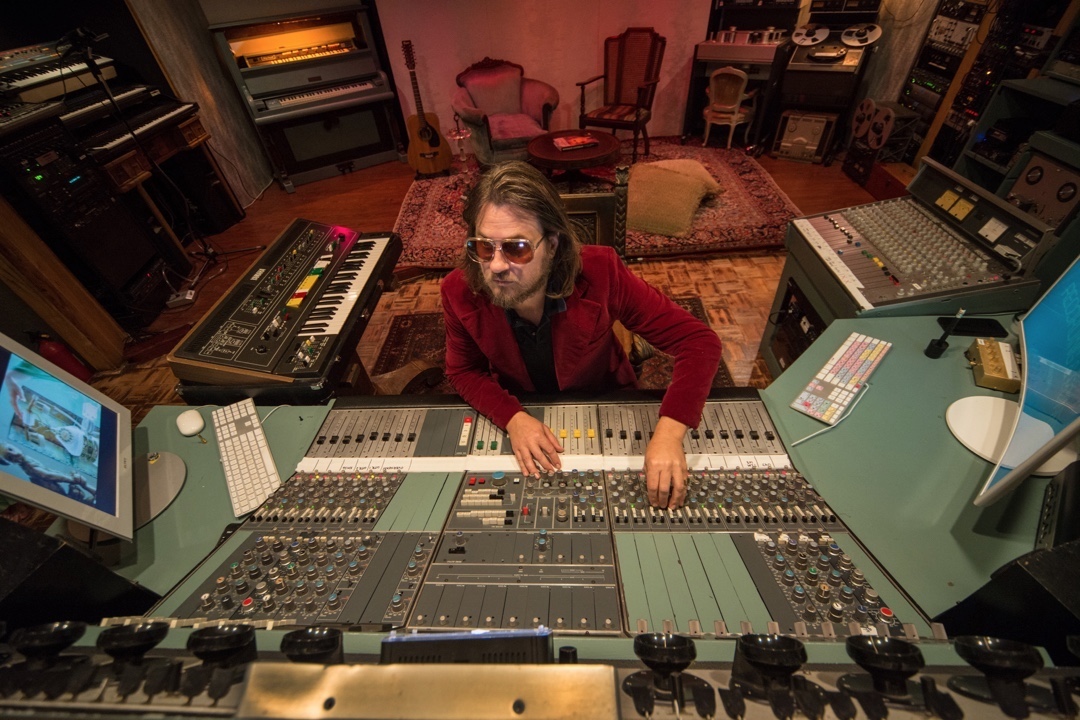
If the interview subjects of “Mindhunter” have seemed to emerge from the shadows, seemingly out of nowhere, the same might be said (if not murderously) about how Hill’s innovative talent has burst upon the binge-watching scene. With only one scoring credit for a dirt biking madman behind him, Hill’s production work for the likes of David Bowie, The New York Dolls and The Killers along with his band Louis XIV have led him into Fincher’s company – a band of musical profilers whose work has ranged from the raging orchestra of Howard Shore’s “Se7en” to the subtle, conspiratorial piano of David Shire’s “Zodiac” and the piercing electronics of Trent Reznor and Atticus Ross’ “Gone Girl.”
Hill’s realization of a twisted psyche is just as uncommon and original, eschewing the kind of dissonance that scores most associate with serial killers, Hill’s soundtrack for this hit, ten-part series is poetic, even beautiful in its crystalline use of sound and samples, music that suggests a voyage to an alternate, shimmering universe far more than it does a basement torture dungeon. Its ethereal, even poignant stuff, yet with a tonality that tells us something is unholy in its deceptively surreal bliss. Even as brilliantly crazy as Brian Reitzell’s music was for the equally astounding “Hannibal,” there’s never been quite a serial killer show, or soundtrack like “Mindhunter.” In no small part, we can thank an essentially newfound composer who’s brave enough to hear shocking words that might drive others’ insane, and turn the description of the deeds into things of hypnotic, unearthly beauty that dares us to turn away. And like the subject of the increasingly unnerved agents, Hill is the killer who keeps the tape machine running, now describing in detail to us how he draws listeners ever deeper into “Mindhunter’s” entrancing madness.
Read the full interview




 The Fincher Analyst