How David Fincher and Tim Miller’s ‘Love, Death and Robots’ Made the Leap to Netflix

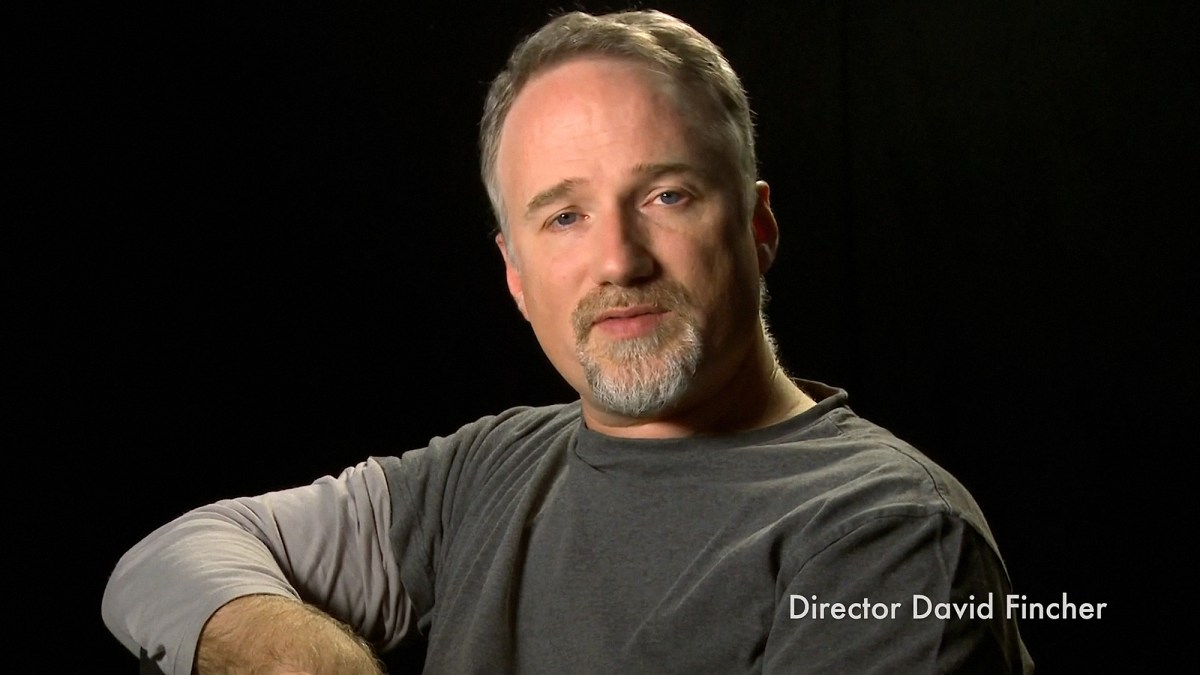
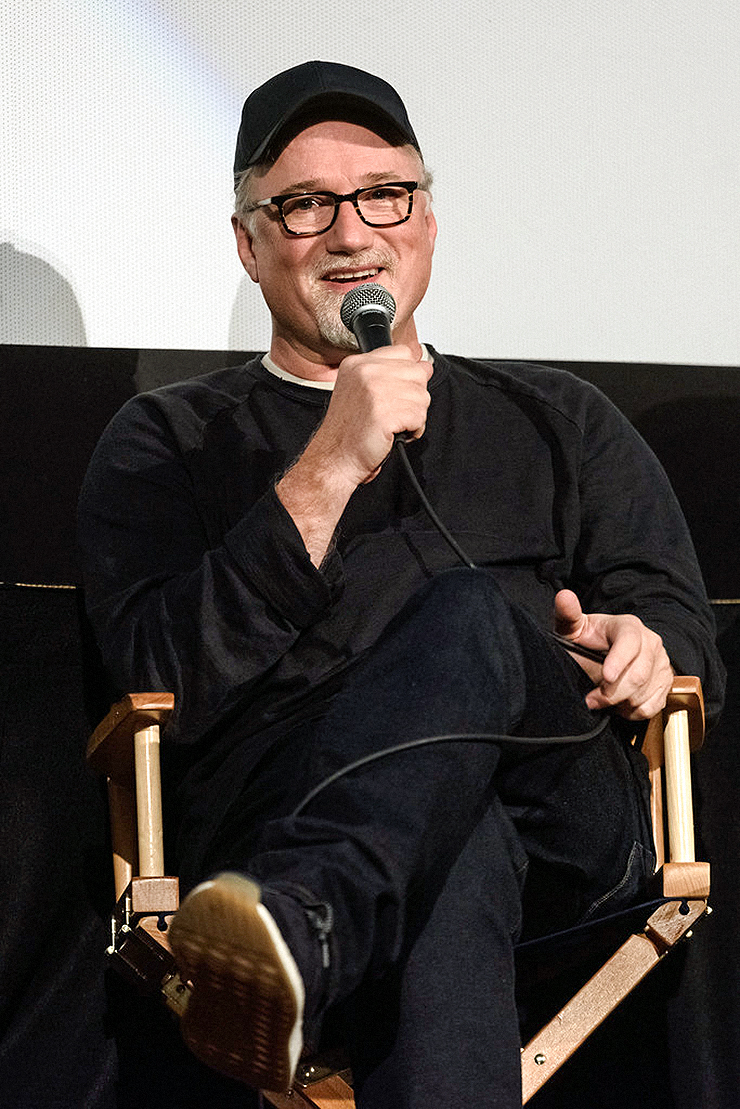
David Fincher & Tim Miller, Executive Producers
SXSW Film Festival. Austin, TX
(Daniel Boczarski / Getty Images, Zimbio)

Brandon Katz
March 11, 2019
Observer

Steven Spielberg may or may not be marshaling forces against Netflix. The Academy may or may not have awarded Green Book Best Picture as a slight to the streamer’s unanimously praised Roma. A handful of power players in Hollywood still dismiss direct-to-consumer platforms as secondary hubs of entertainment. But they’ll be on the wrong side of history.

Some of cinema’s greatest filmmakers are flocking to the world of streaming, tempted by its deep pockets and creative freedom (hello, Martin Scorsese). Roma didn’t need to win Best Picture for Netflix to make a powerful point about its place in the industry—with an increasingly ambitious library of original shows and films, the service has already become arguably the No. 1 destination for entertainment. Adding directors David Fincher and Tim Miller’s new animated anthology series Love, Death and Robots to the mix just further underlines that fact.

The creative duo, who boast three Academy Award nominations between them, originally viewed the series—a collection of animated short stories that spans various genres including science fiction, fantasy, horror and comedy—as a film. But up against Hollywood’s risk-averse studios, they could never get a firm green light. Enter Netflix, which has emerged as a home for the kind of daring, left-field storytelling we rarely see in mainstream cinema.

“We got a ‘yes’ [from film studios] for a while here, a ‘yes’ for a while there, and then everybody starts on the whole ‘Yeah, but anthology, yeah, but anthology,’ and, you know, ‘Is it going to be confusing?’ And it’s like, why would a buffet be confusing?” Fincher told Observer at SXSW. “Why would it be confusing that you can have fruit or pancakes? Really, streaming services are kind of the perfect place to do something like this, because, you know, these [shorts] are distractions. But they’re really detailed in their execution, and a lot of love and care went into it.”

Netflix offered Fincher and Miller the opportunity—and a ton of freedom—to breathe life into their vision, so it’s easy to see why they ultimately landed there. The partnership helped Love, Death and Robots truly take shape.
Read the full profile

David Fincher. SXSW Film Festival. Austin, TX
(Daniel Boczarski / Getty Images, Zimbio)

David Fincher on If He’d Ever Direct a Superhero Film

Brandon Katz
March 9, 2019
Observer

David Fincher Wants to Destroy the Concept of the Half-Hour and Hour-Long Show

David Fincher (Patrick Lewis/Starpix for Netflix/REX/Shutterstock, IndieWire)

SXSW: Fincher and Tim Miller talk about their decade-long journey to making the new Netflix animation anthology “Death, Love and Robots.”

Chris O’Falt
Mar 9, 2019
IndieWire

The concept of an anthology animated short series, made by different artists from around the world, was a near-impossible pitch for executive producers David Fincher and Tim Miller to sell. Following the SXSW premiere of six of their 18 shorts — which will air on Netflix under the “Love, Death and Robots” banner — the duo revealed they had received countless rejections (though one unnamed studio said yes, before, as Miller described it, “they chickened out”) until the show eventually landed at Netflix.

“It was a very difficult thing to pitch a movie studio because it’s not often we’ll see it with all the credits in the middle,” said Fincher, referring to the fact that the 90-minute program the SXSW audience had just watched included end credits following each of the six shorts. “You want to move on to the next. For a streaming service it’s perfect.”

The idea that the shorts could be different lengths and have no narrative connective tissue was perfect for the on-demand nature of a subscription streaming service. According to Fincher, dating back to “House of Cards” and “Mindhunter,” his conversations with Netflix, including Chief Content Officer Ted Sarandos, have been centered around the need to break free of the half-hour and hour-long format.

“We have to get rid of the 22-minute [length of a half-hour show with commercials] and 48-minute [length of an hour-long show with commercials] because there’s this Pavlovian response to this segmentation that to me seems anathema to storytelling,” said Fincher. “You want the story to be as long as it needs to be to be at maximum impact or entertainment value proposition.”

Read the full profile

In Conversation with Jesse C. Boyd (Mindhunter, Day 5, TURN)

Davina Baynes
March 9, 2019
Absolute Music Chat

Jesse C. Boyd has graced our screens playing roles such as Frank Janderman in David Fincher’s Mindhunter, the lead role of Jake in Day 5, a Queen’s Ranger in TURN and a wolf in The Walking Dead. We had an in-depth, and really fun conversation, about his childhood in rural North Carolina, his career and roles, upcoming projects, music, his love of hot sauce and lots more besides.

[…]

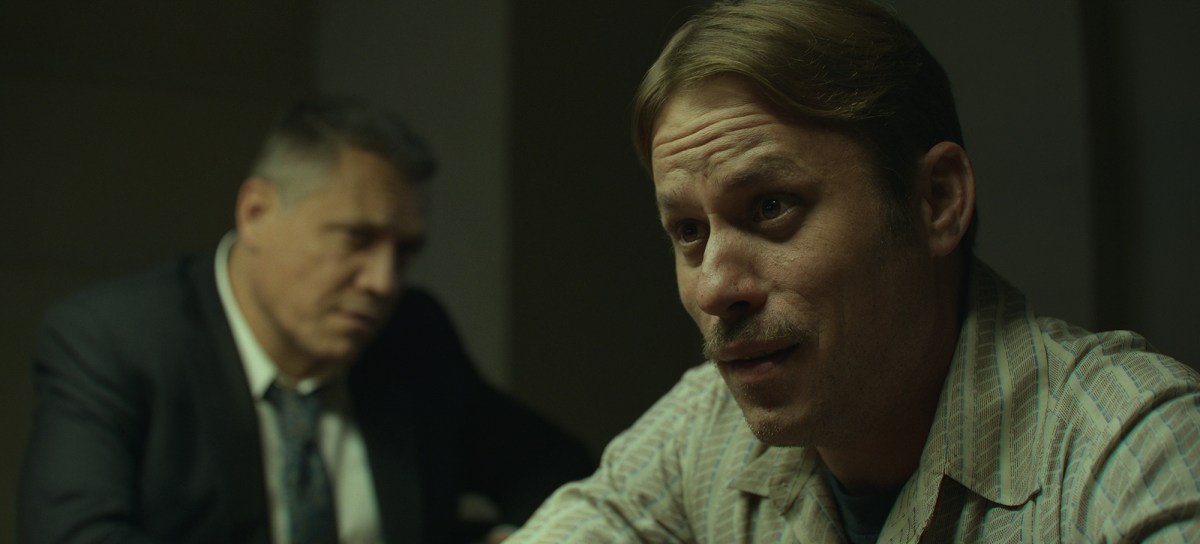
JCB: For Mindhunter I auditioned for it for, I think, a year – it was really long time. I remember I did my first tape when I was at a film festival in Idaho and, I think, while I was there I found out that I got Day 5. Then when I was filming Day 5 season 1 I got my second audition and they added another 8 pages to it. That was just ongoing and ongoing over time until, finally (and I think I was wondering whether it was actually happening) they were like, ‘They want you to come in to the office and do another read.’ I went in for another read. I think that Laray Mayfield (who does the casting) she actually does prefer self-tapes because she wants to weed through and see what she gets. They did just such an incredible job with that casting. When I saw it myself I just thought, ‘Wow! This is just so authentic and good!’ Laray is so talented too. Getting finally into the room you’re like, ‘Don’t screw this up!’

DB: When you were in the room was it just one or two run-throughs, or did she tweak how she wanted you to play it?

JCB: She did tweak. I know she did a version where she wanted it really fast. You’ve got to realise we’ve been doing these auditions over a year and the names are changing and the dialogue changes so you are consistently reframing what you’ve already learned. And then you’re finally going into the room and they’re like, ‘Can you do a fast version?’ (I think they want to see how [actors] can be on their feet, because of the way they filmed that show. When I ended up filming it they had so many different versions that we did of dialogue, I think they wanted to see whether you could handle these quick switches). There was one take that was super-fast and one that was more slowed down.

DB: How did you prep for that role? For who Frank Janderman actually is.

JCB: First of all I [had] spent a lot of time in Pittsburgh which was great (I did work and lots of things there), so that Pittsburghian accent was all around me. Then I just saw Frank as just like so many people that I feel that I already kind of know in life. This ‘nobody-fucking-asked-you’ kind of guy, but also he believes he’s a hotshot. He was accessible to me through so many other people I had met in my life that I know, that I think are really so much about the façade of not showing who they really, truly are – some of that, broken-downness in them.

DB: There’s a long interrogation scene and then a shorter one: how many takes did they do?

JCB: Oh my God! I wish I could tell you! Can I say a million takes? They did that big interrogation scene – we had three cameras running at all times – I think we filmed it for 12 hours the first day (it’s a 9-and-a-half page scene) three cameras, so you’re getting every angle on either side, and you’re doing it over, and over, and over, and over, and over… and just when you’re done, you’re doing it over, and over, and over again. Then I think the next day we went back and did another 6 hours. So it was a really long time of doing which is, I think, what makes it so great. First of all you’re breaking down a lot; you’re coming back; you’re refreshing with new things; you’re constantly finding new things to play with; and also you have so much coverage that when he [David Fincher] chooses what he’s going to put together he really has every colour of the box to paint his picture with.

Read the full interview

Jesse C. Boyd (Janet Adamson / JA Images)

Read the other Absolute Music Chat conversations with the Cast of Mindhunter (more to come): Jonathan Groff, Holt McCallany, Cameron Britton, Cotter Smith, Jack Erdie, Adam Zastrow, Alex Morf, Tobias Segal, Thomas Francis Murphy, Chris Dettone.

LOVE DEATH + ROBOTS. 💀 Trailer

March 8, 2019
Netflix (YouTube)

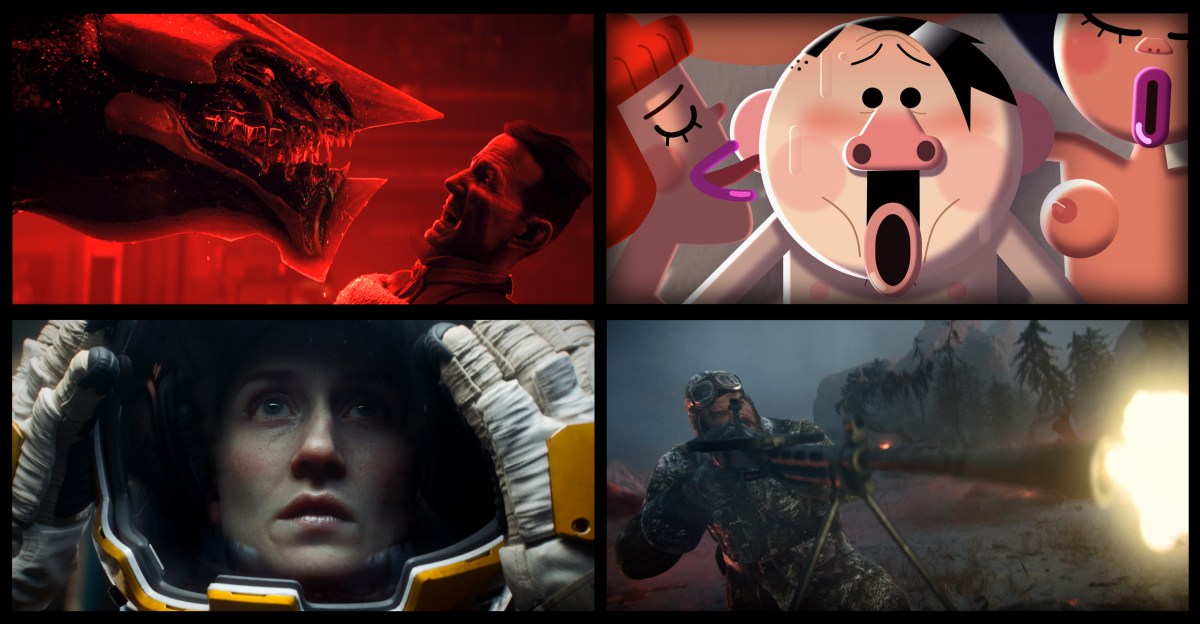
Militarized werewolves, interstellar aliens, demons from hell and more are unleashed in 18 NSFW animated stories.

Watch LOVE DEATH + ROBOTS on Netflix

Follow LOVE DEATH + ROBOTS on Instagram & Reddit

More details, including synopses of each short story in the Episode Guide

H8URS: David Fincher

H8URS

8hours [Eight – Hours] is a site dedicated to bringing film analysis to the masses through video essays, an exciting new format, sprung from the internet.

Video essays are a platform for filmmakers and film buffs to present researched but personalized film critiques, analysis, discussions and lessons to the world. They are a way of democratizing film criticism and the filmmaking process, a direct line to engaging with movie lovers like you.

We believe that you don’t need to go to film school to be a filmmaker and that breaking down the choices made by filmmakers can serve as a key to learning the craft of filmmaking.

There is a lot of contente here, but we can’t take credit for all of it. We’ve spent the better part of a year scouring the dusty corners of the Internet for the best video essays. We then archived each video to the 8hours library according to categories including film title, director, genre and a range of screenwriting and filmmaking techniques.

We know there are tons of talented people out there making videos, but it can be hard, if not impossible, to find them all. As new movies, technology and analysis emerge, our goal with 8hours is to continue to grow while making sure great videos are just a click away.

That’s where you come in:

  • If you know of an essay or creator you don’t see on our site, please Submit a Video.

  • If you have an idea for a video essay you’d like to see made, use our Pitch Box.

And as always, happy viewing:

H 8 U R S : David Fincher

LOVE DEATH + ROBOTS. ❤️ Trailer

March 1, 2019
Netflix (YouTube)

Tales of love, tales of heartbreak, tales of inter-dimensional fornication all converge in 18 NSFW animated stories.

Watch LOVE DEATH + ROBOTS on Netflix

Follow LOVE DEATH + ROBOTS on Instagram & Reddit

More details, including synopses of each short story in the Episode Guide

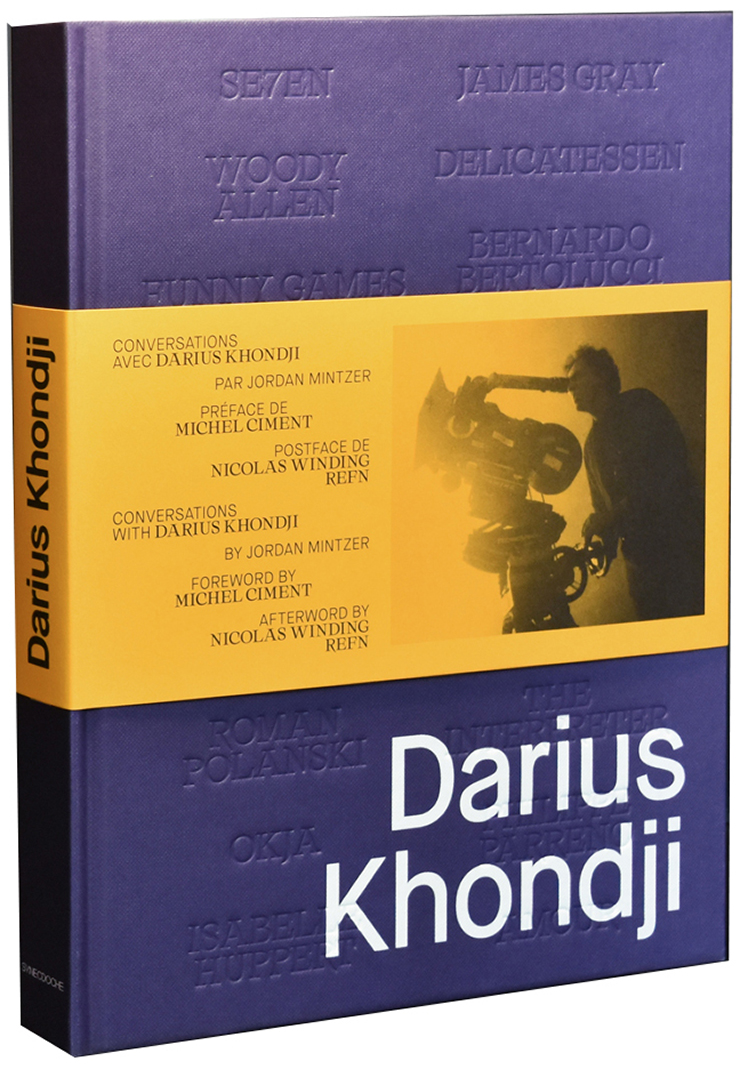
Conversations with Darius Khondji

Visit with Darius Khondji, ASC, AFC

Darius Khondji, ASC, AFC (Marianne Chemetov / American Cinematographer)

Benjamin B
February 11 & 22, 2019
American Cinematographer (Blogs), The Film Book

When I visit Darius Khondji, ASC, AFC, in his home in Paris recently for coffee, tea and talk about his art and craft, we speak in his dark living room, with a small pool of light from a lamp on a nearby table, and soft daylight coming through French windows that give on to a snowy courtyard.

Darius’ wife, photographer Marianne Chemetov, kindly agrees to shoot a still of her husband for me near a window. They discuss the lighting. Darius asks to be in silhouette, and, afterwards he darkens Marianne’s photo on his iPhone even further. I ask him about this, and he says: “I like the radical quality of this chiaroscuro.”

Part 1: Book, Dimming, Colors, Direction

Part 2: Sources, Exposure, Contradictions, Directors

Book Excerpt: Conversations with Darius Khondji

The esteemed ASC member reflects on his breakthrough feature Se7en, which helped change the face of Hollywood horror and suspense features and remains a cinematic touchstone.

November 05, 2018
American Cinematographer

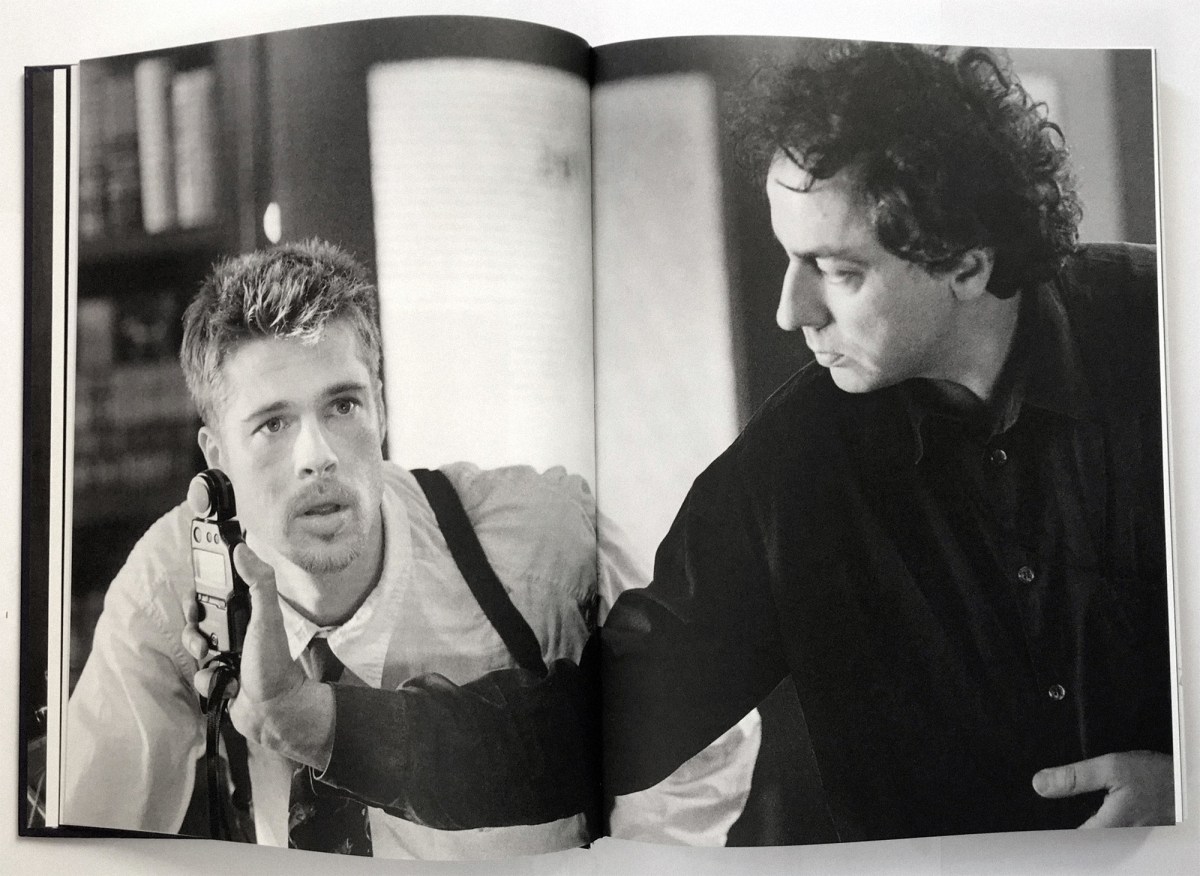
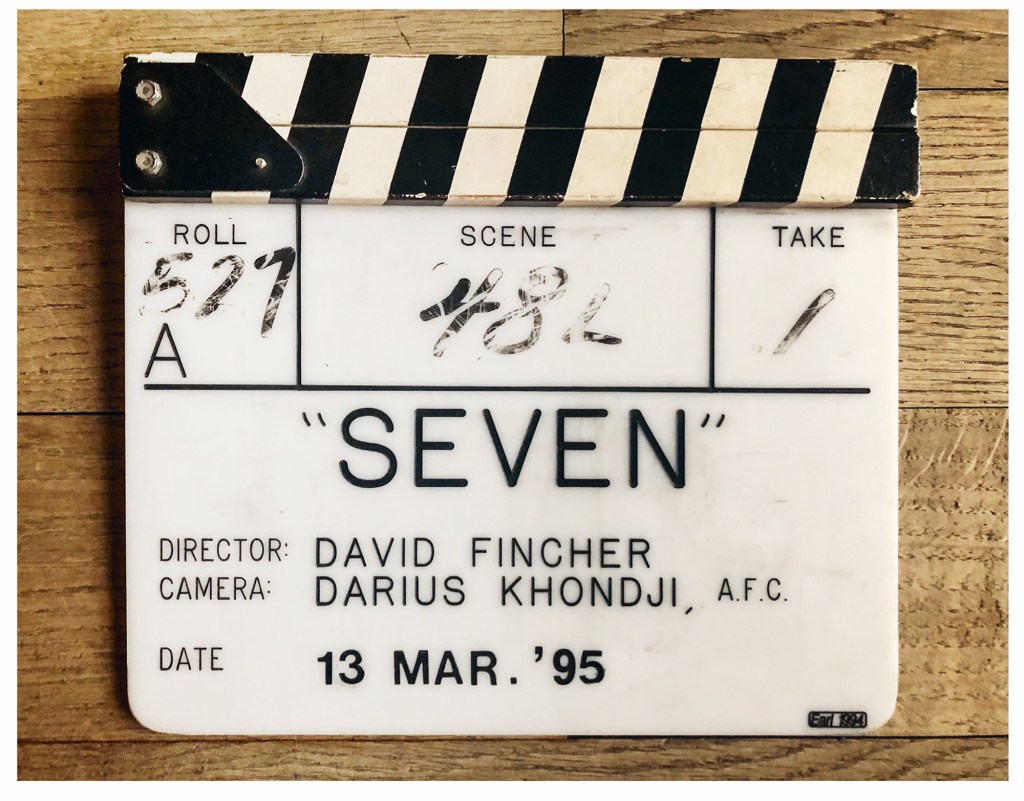
The following is an excerpt from the new book Conversations with Darius Khondji, written by The Hollywood Reporter film critic Jordan Mintzer and published in a French-English bilingual edition by Synecdoche in Paris. The excerpt is taken from the chapter “Out of the Shadows,” which begins with Khondji describing his work on David Fincher’s Se7en (1995) — the first feature he shot in Hollywood.

Read the excerpt

Order the beautiful limited-edition hardcover book: Conversations with Darius Khondji, by Jordan Mintzer (Synecdoche, Paris). HIGHLY RECOMMENDED!

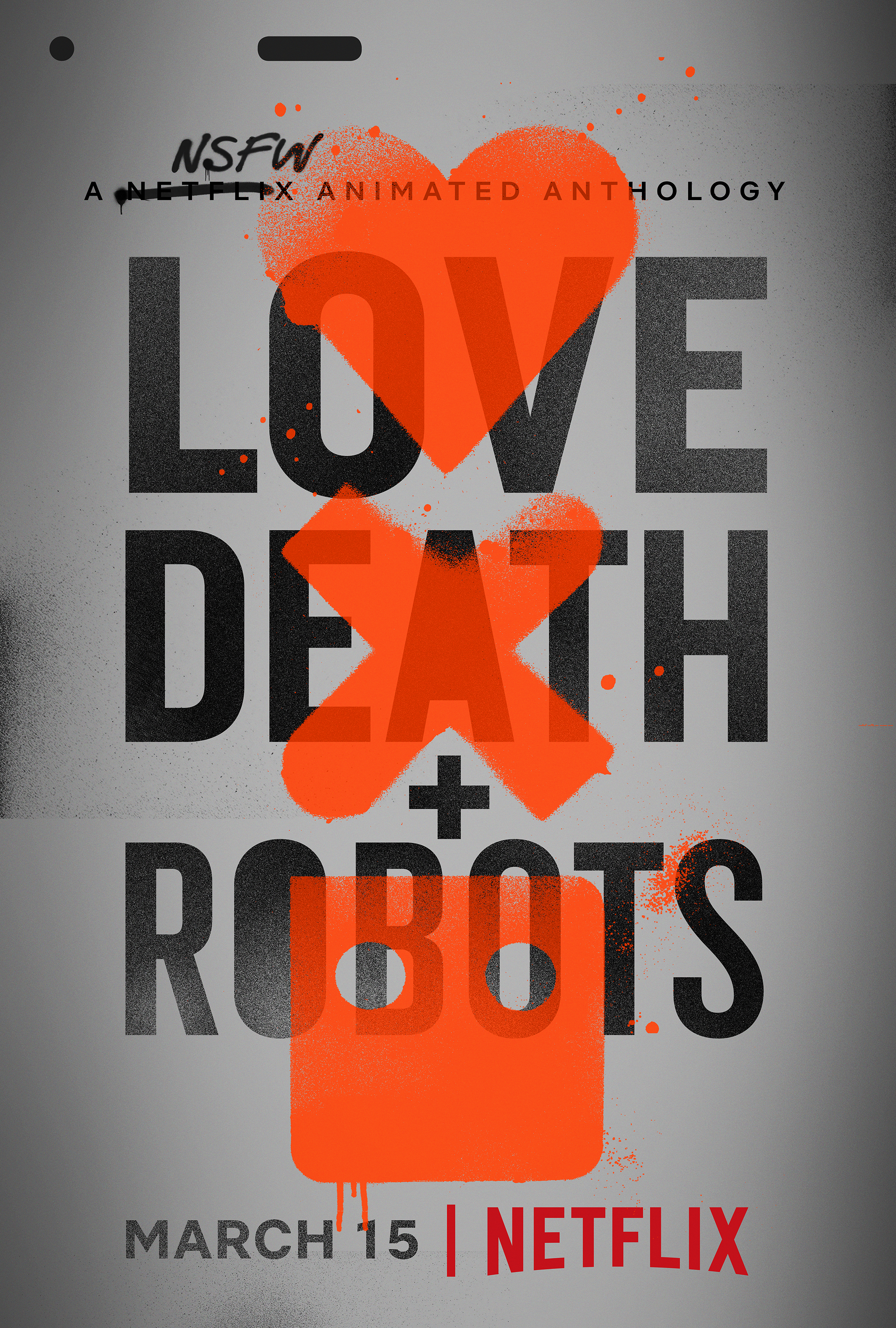
LOVE DEATH + ROBOTS: Official Trailer, Poster & Release Date

February 14, 2019
Netflix

Sentient Dairy Products, Rogue Werewolf Soldiers, Robots Gone Wild, Sexy Cyborgs, Alien Spiders And Blood-thirsty Demons From Hell Converge In An 185-minute Genre Orgy Of Stories Not Suitable For The Mainstream.

This spring, 18 animated short stories presented by Tim Miller (Deadpool, upcoming untitled Terminator sequel) and David Fincher (MINDHUNTER, Gone Girl, House of Cards) land on Netflix in it’s first ever animated adult anthology series. Love Death and Robots premieres March 15th only on Netflix.

The full roster of stories will cover a variety of adult topics including racism, government, war, free will, and human nature. The anthology collection spans the science fiction, fantasy, horror and comedy genres and each short has a unique animation style: from traditional 2D to photo-real 3D CGI. The creators were assembled for a global calling for best in class animators from all over the world including artists from France, Korea, Hungary, Canada and the US among others. The series draws inspiration from the eclectic and provocative comic book material from the 1970’s that influenced both Miller’s and Fincher’s formative interests in storytelling.

More details, including synopses of each short story in the Episode Guide

Watch LOVE DEATH + ROBOTS on Netflix

Neil Kellerhouse (Netflix)

PIX System: Introduction to PIX

March 26, 2019
PIX System (YouTube)

At PIX System, we help create entertainment and media by bringing creativity, collaborators and assets together. For 16 years, we’ve been creating and innovating ways to give the top creative talent, studios, mini-majors, networks, indie productions, and online content providers the time and resources they need to create. Better. Faster. More reliably.

Our industry leading platform is an open sandbox and secure home base, viewer, community workspace, media mine, think tank and muse – a place on the digital frontier where creative and strategic content and communication are safe and tidy and easily found, shared and worked on alone or together.

PIX Wins Technical Oscar: Our Conversation

Nick Dager
February 11, 2019
Digital Cinema Report

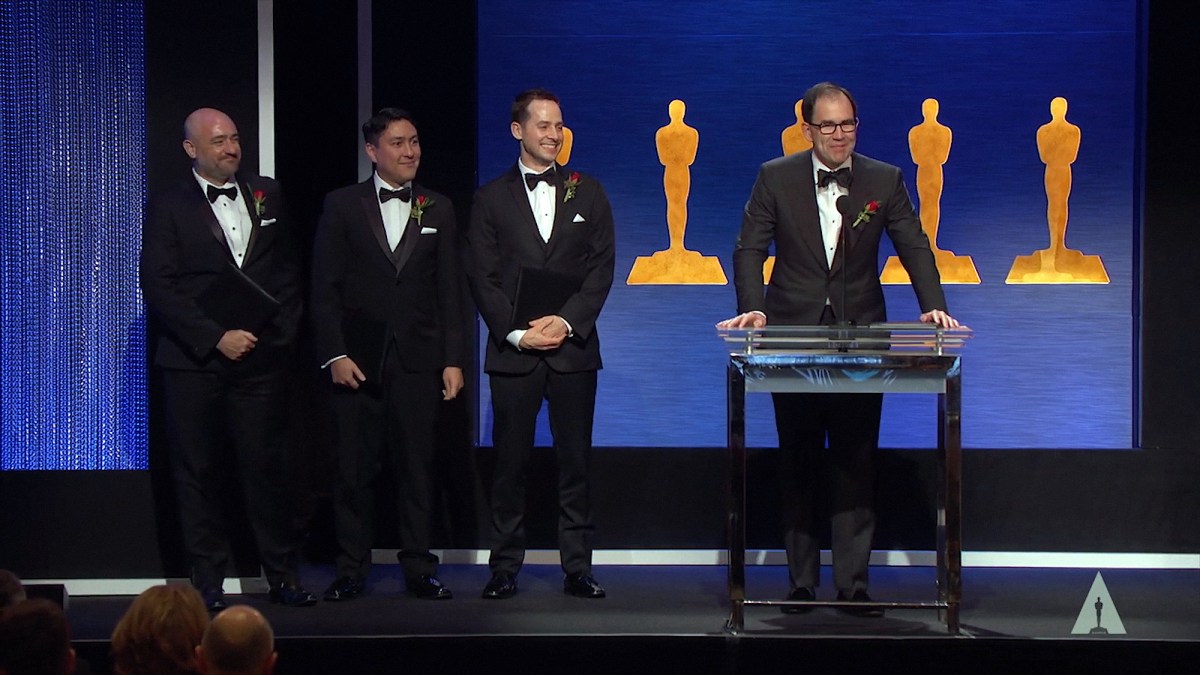
On Saturday night at its annual Scientific and Technical Awards Presentation, the Academy of Motion Picture Arts and Sciences honored PIX with a Technical Achievement Award. The award recognized Eric Dachs, founder and CEO; Erik Bielefeldt, director of research and development; Craig Wood, technical director; and Paul McReynolds for the design and development of the industry leading security mechanism for distributing media. Prior to the awards ceremony, Digital Cinema Report spoke exclusively with Bielefeldt and Wood to talk about the company’s continued innovation in the evolving world of content collaboration from film to digital to next-generation data rich requirements.

Read the full interview

PIX, the only addiction I have left.”
— David Fincher

PIX System

PIX System honored at the Academy of Motion Picture Arts and Sciences’ Scientific and Technical Awards

February 9, 2019
Oscars.org

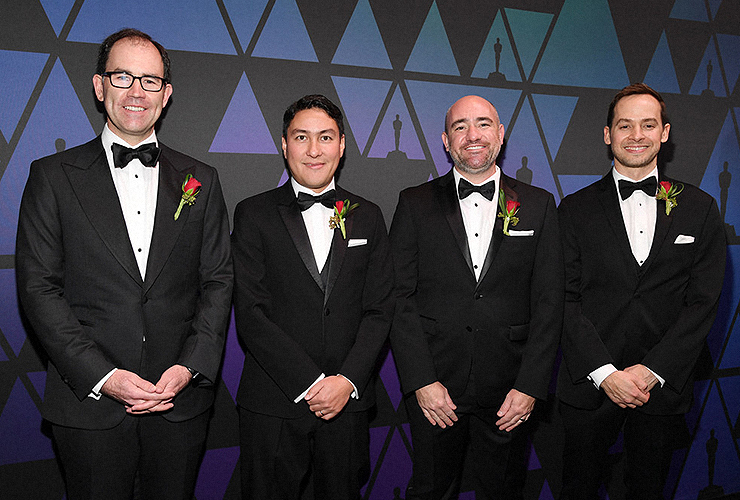
Technical Achievement Award (Academy Certificate): to Eric Dachs, Erik Bielefeldt, Craig Wood and Paul McReynolds for the design and development of the PIX System’s novel security mechanism for distributing media.

PIX System’s robust approach to secure media access has enabled wide adoption of their remotely collaborative dailies-review system by the motion picture industry.

Scientific & Technical Awards 2018 | 2019

February 10, 2019
Oscars (YouTube)

PIX founder and CEO Eric Dachs thanked Ren Klyce, Ceán Chaffin and David Fincher (present at the ceremony): “your friendship, patience, and talents have had an enduring and measurable impact on our work, and more importantly, in filmmaking.”

Eric Dachs, Erik Bielefeldt, Craig Wood, and Paul McReynolds
(Amy Sussman/Getty Images)

SciTech Awards

Carolyn Giardina
February 9, 2019
The Hollywood Reporter

Evening of Excellence: 2019 Scientific and Technical Achievement Awards

Jay Holben
February 21, 2019
The American Society of Cinematographers

How David Fincher and ‘Panic Room’ Helped Launch a SciTech Award Recipient

Pix was initially developed to help ‘Panic Room‘s’ sound team.

Carolyn Giardina
February 9, 2019
The Hollywood Reporter

The familiar Pix app is one of the early tools with security features developed to improved communication and collaboration during production, which was initially conceived as filmmaking became more distributed geographically. After being used on more than 5,000 film and TV projects including Black Panther, Bohemian Rhapsody and Mindhunter, its developers will be among those honored Saturday at the Academy of Motion Picture Arts and Sciences’ annual Scientific and Technical Awards.

Pix founder/CEO Eric Dachs — who with director of R&D Erik Bielefeldt, technical director Craig Wood and Paul McReynolds will receive Technical Achievement Awards — started his career in sound and it was while working as an assistant to seven-time Oscar nominated sound designer Ren Klyce on David Fincher’s 2002 film Panic Room that the idea for Pix was born. “I got a look at how digital technology was changing motion picture postproduction, but I also saw the inefficiency from faxing notes when the work was distributed geographically,” Dachs tells The Hollywood Reporter. “I started writing a really simple prototype application for capturing David’s spotting notes and getting them distributed to the crew via a simple web application. So that [composer Howard Shore] could get the music notes in real time, and the different departments within sound were no longer having to wait for faxes.”

One afternoon during the final mix, Klyce showed Fincher the app and the technically-savvy director was impressed. In fact, he continues to use it today.

Read the full profile

Dachs ’98 Receives Sci-Tech Oscar for PIX System

Cynthia Rockwell
March 4, 2019
Wesleyan University

The Academy of Motion Picture Arts and Sciences (AMPAS) honored Eric Dachs ’98, the founder and CEO of PIX System, with a Technical Achievement Award at its Oscars 2019 Scientific and Technical Awards Presentation on Feb. 9, 2019.

Since its creation in 2003, PIX System has become the entertainment industry gold standard in providing secure communication and content management capabilities. Dachs, a theater major while at Wesleyan, designed and coded the initial software early in his career when he was an assistant to sound designer Ren Klyce for Panic Room. It was then that he saw the need for an easy, safe digital platform to share revisions and collaborate across locations.

Read the full profile

PIX, the only addiction I have left.”
David Fincher

PIX System