The Design of ‘Mank’: How Costumes and Sets Energized David Fincher’s Homage to Old Hollywood

TheWrap magazine: Costume designer Trish Summerville and production designer Donald Graham Burt take us behind the scenes.

Joe McGovern
January 12, 2021
The Wrap

A version of this story about “Mank” appeared in the Race Begins issue of TheWrap’s awards magazine.

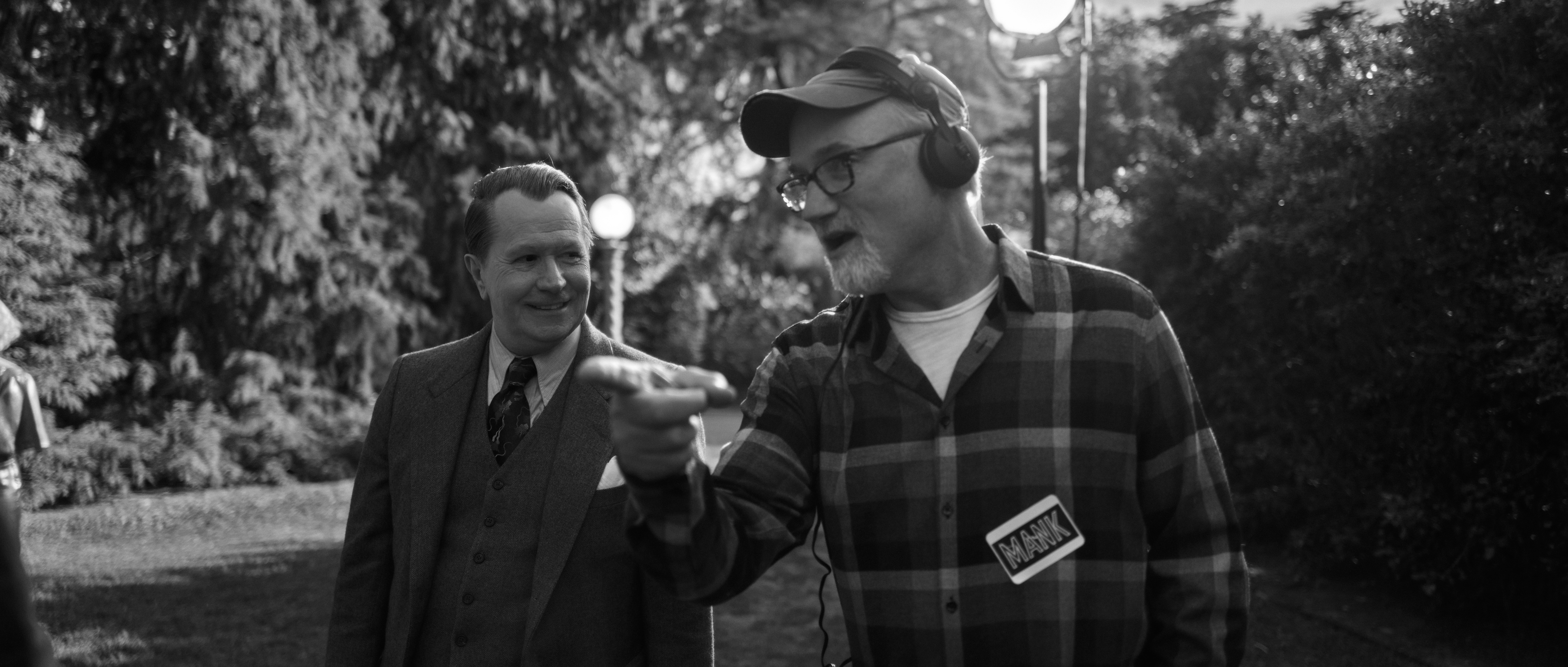
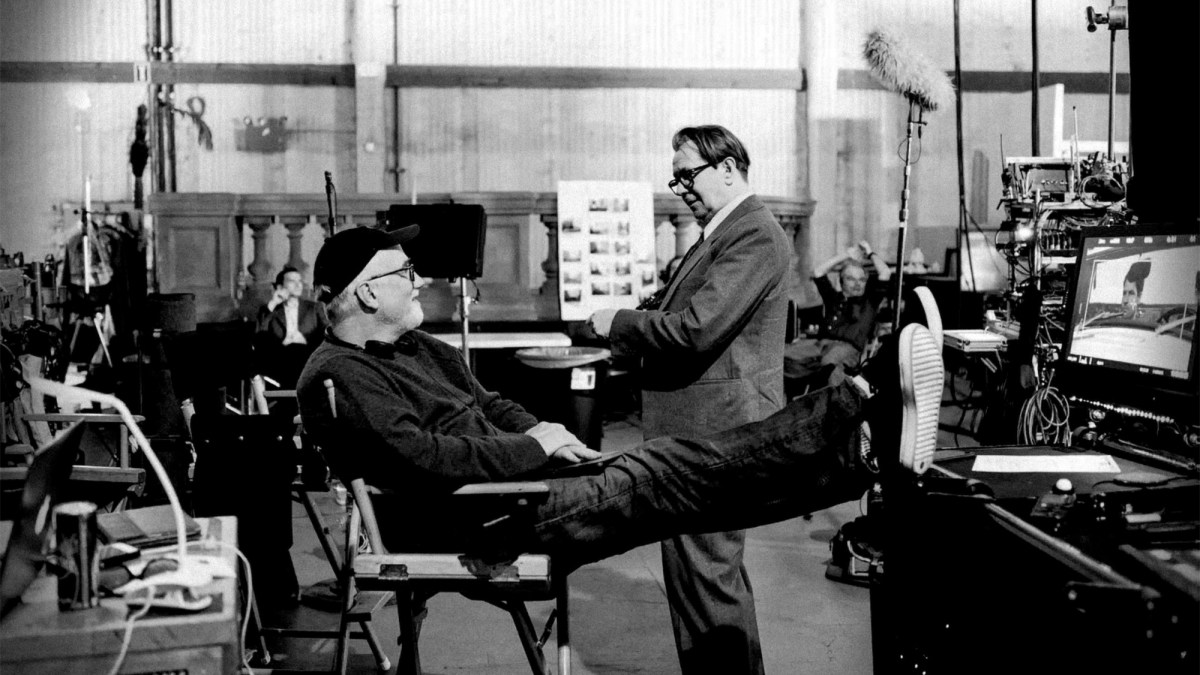
“Fincher-vision” is the term that costume designer Trish Summerville uses while discussing her experience working with director David Fincher. “His mind is so clear about what he wants, but there’s still room for spontaneity,” she said. “That’s why there’s so much happiness in the craft departments on his films. And so much repeat business.” Production designer Donald Graham Burt echoed her sentiment. “When David starts telling me about a new film, he visually sees the whole thing in his head,” he said. “But there’s room for expansion creatively.”

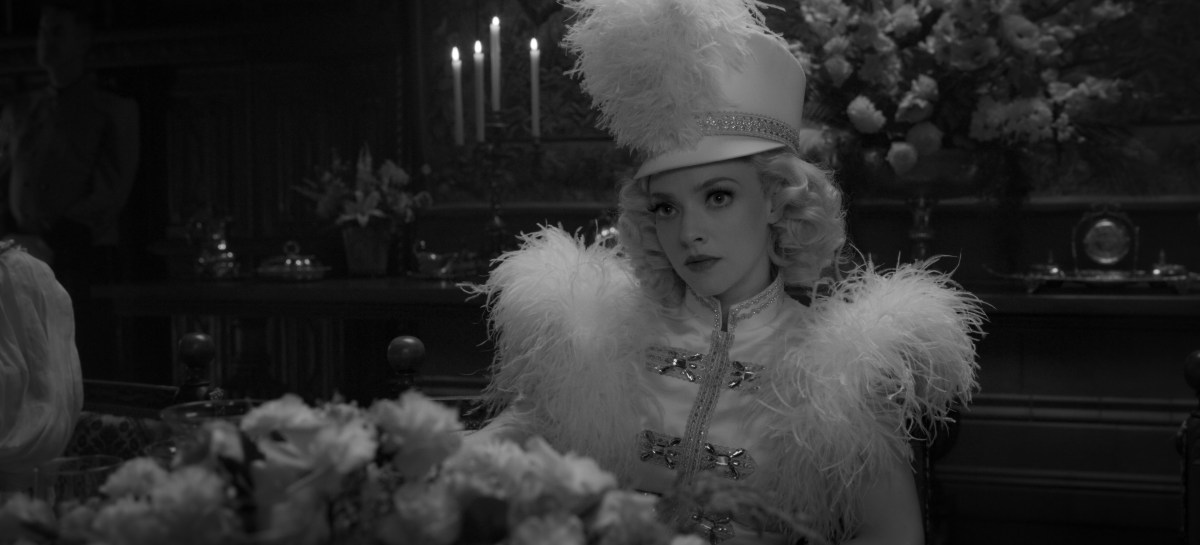
Those qualities were essential to “Mank,” Summerville’s third project with the director and Burt’s sixth. (Burt won an Oscar for 2008’s “The Curious Case of Benjamin Button”; Summerville’s other credits include “The Hunger Games: Catching Fire” and “Red Sparrow.”) Fincher’s look at the screenwriter of “Citizen Kane” is a rich evocation of 1930s Hollywood that’s grounded in the reality of its time and place, though the film was shot in silvery black-and-white.

The two department heads talked often, ironically, about color. “There are some colors that don’t translate well,” Summerville said. “Salmon and chartreuse and acid greens are jarring in black-and-white. So Don and I talked a lot about our color palettes.” Summerville also reminded Fincher, making his first black-and-white feature, not to place too much trust in his eyes and instead view everything through the camera monitor.
Read the full profile

David Fincher: The Rolling Stone Interview

The boundary-pushing filmmaker behind ‘Mank’ reflects on his career, his journey into Hollywood’s past and the industry’s uncertain future

David Fear
January 12, 2021
Rolling Stone

When David Fincher sat down with Netflix executives in the spring of 2019, he did not expect to be handed the equivalent of a blank check. Sure, the 58-year-old filmmaker — a former music-video wunderkind best known for pushing the envelope with baroque serial-killer thrillers (Seven), toxic-masculinity satires (Fight Club) and social-media origin stories (The Social Network) — was a name-brand director, and had helped kick off the golden age of streaming with the outlet’s first original series, House of Cards. But Fincher was used to resistance. You can’t have this budget. You can’t tell that story. What do you mean, you’re doing a TV show, for a mail-order DVD company, and all the episodes come out at once?!

So when Fincher was told by his patrons at the company that they were interested in helping him make anything he wanted, he thought of a long-dormant labor of love: a script his late father, Jack Fincher, had written about the making of Citizen Kane. Not the tale of the brilliant director, producer, star and co-writer who, at a precociously young age, took Hollywood by storm with his rise-and-fall drama. This was the story of the alcoholic screenwriter who was hired to pen the script, originally titled American, and then inserted a personal grudge against the powers that be into the greatest movie of all time.

Fincher wanted to shoot it in black-and-white. He wanted to use a lot of old-fashioned stylistic nods to Hollywood movies of the ‘40s, as if the film had just been discovered in a vault after 80 years of gathering dust. Also it would involve an obscure chapter in California’s political history concerning Upton Sinclair’s 1934 run for governor and a disinformation campaign allegedly masterminded by studio execs. It was a shot in the dark. By his own admission, Fincher couldn’t believe it when Netflix said yes.

To see Mank, Fincher’s throwback ode to the Golden Age of Tinseltown USA, however, is to know why they did. Chronicling how the broken-down writer Herman J. Mankiewicz (played by Gary Oldman) helped permanently change film as an art form, his movie is an audacious, complicated, stylistically daring and thoroughly entertaining yarn — the kind of retro nod to a bygone era that makes you feel like you’ve injected a day’s worth of TCM programming into your veins. But it’s also a challenging drama about complicity, the price of speaking truth to power and the manipulation of modern media, which couldn’t make the film feel more urgent.

Over a two separate two-hour conversations from his home in Los Angeles, Fincher discussed bringing this tribute to his father (who died in 2003) to the screen, his reputation as a taskmaster on set, why he’s sorry Fight Club pissed off a fellow filmmaker, and more.

Read the full interview

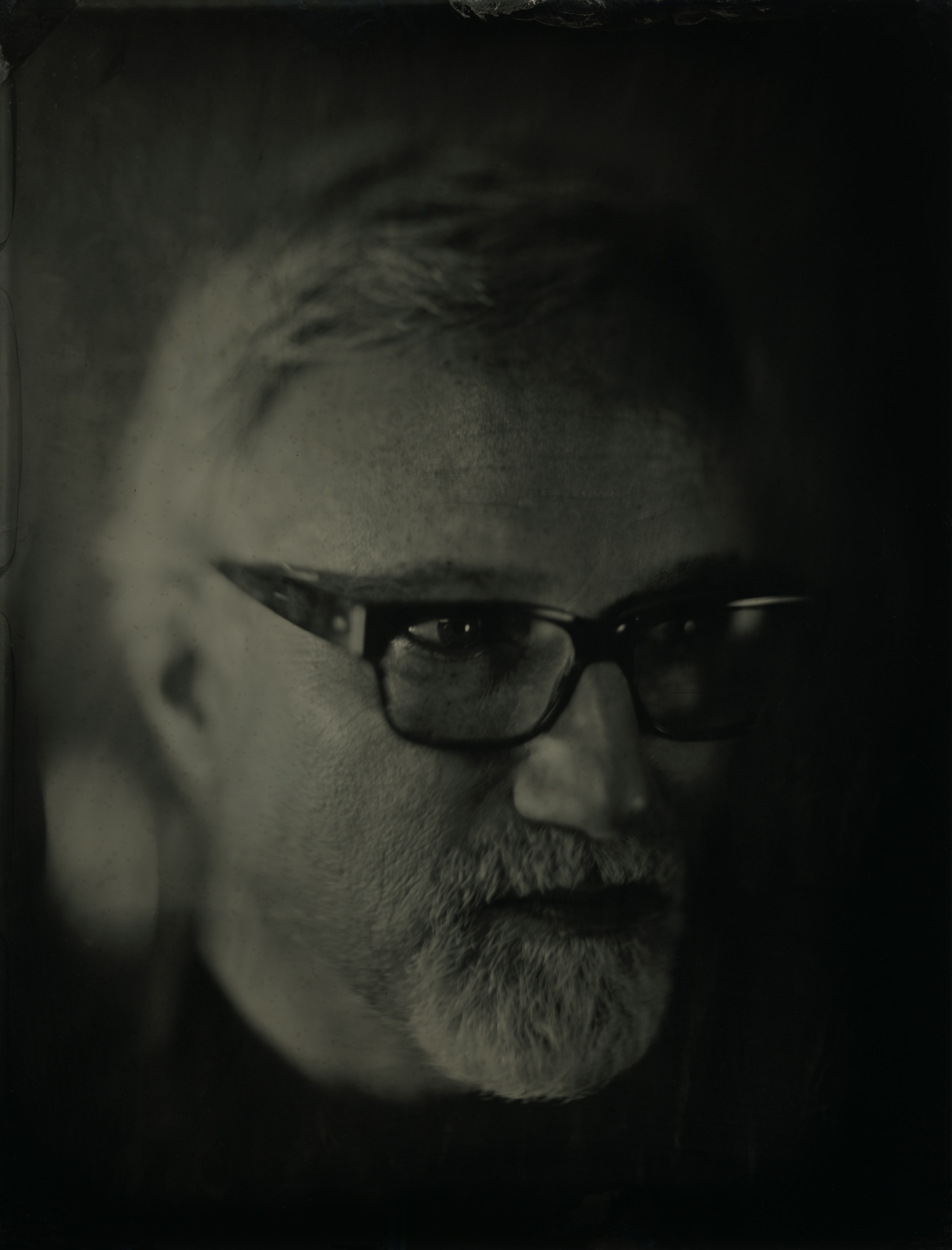
Wet plate ptotograph by Gary Oldman

‘Mank’ Cinematographer Erik Messerschmidt Aims For Subtle Use Of Period Technique On Old Hollywood Drama

“You don’t want it to be a parlor trick”

Matt Grobar
January 11, 2021
Deadline

On David Fincher’s Mank, cinematographer Erik Messerschmidt channeled the aesthetics of Hollywood’s Golden Age,  in order to tell the story of one of its legendary figures.

Written by Fincher’s late father, Jack, the drama follows brilliant, alcoholic screenwriter Herman J. Mankiewicz (Gary Oldman), as he pens the script for Citizen Kane.

Shooting digitally, in native black and white, Messerschmidt would place viewers inside Mankiewicz’s era by playing with the vocabulary of films from the ’30s and ’40s. At the same time, he would look to pay homage with his choices to Gregg Toland, the pioneering DP behind Kane, who popularized deep focus photography. “I think it was more [loose] inspiration, and we certainly weren’t recreating anything from Citizen Kane directly,” Messerschmidt notes. “When I was feeling insecure about the choices I was making, I’d be like, ‘Okay, what would Gregg Toland have done?’ But we were certainly making our own movie.”

After collaborating with the younger Fincher on his serial killer drama, Mindhunter, Messerschmidt was well prepared to take on the demands of this passion project, which he’d been looking to bring to the screen since the beginning of his career. “You know, David is interested in the pursuit of excellence,” he says, “so we are endeavoring for that on every take.”

At the same time, the project was intimidating, on a certain level—the challenge being to bring period style to Mank, without ever taking it over the top. Below, the DP breaks down his approach to shooting the Oscar contender, which marks his first narrative feature, along with the many highlights of his experience on set.

Read the full interview

Making of ‘Mank’: How David Fincher Pulled Off a Modern Movie Invoking Old Hollywood

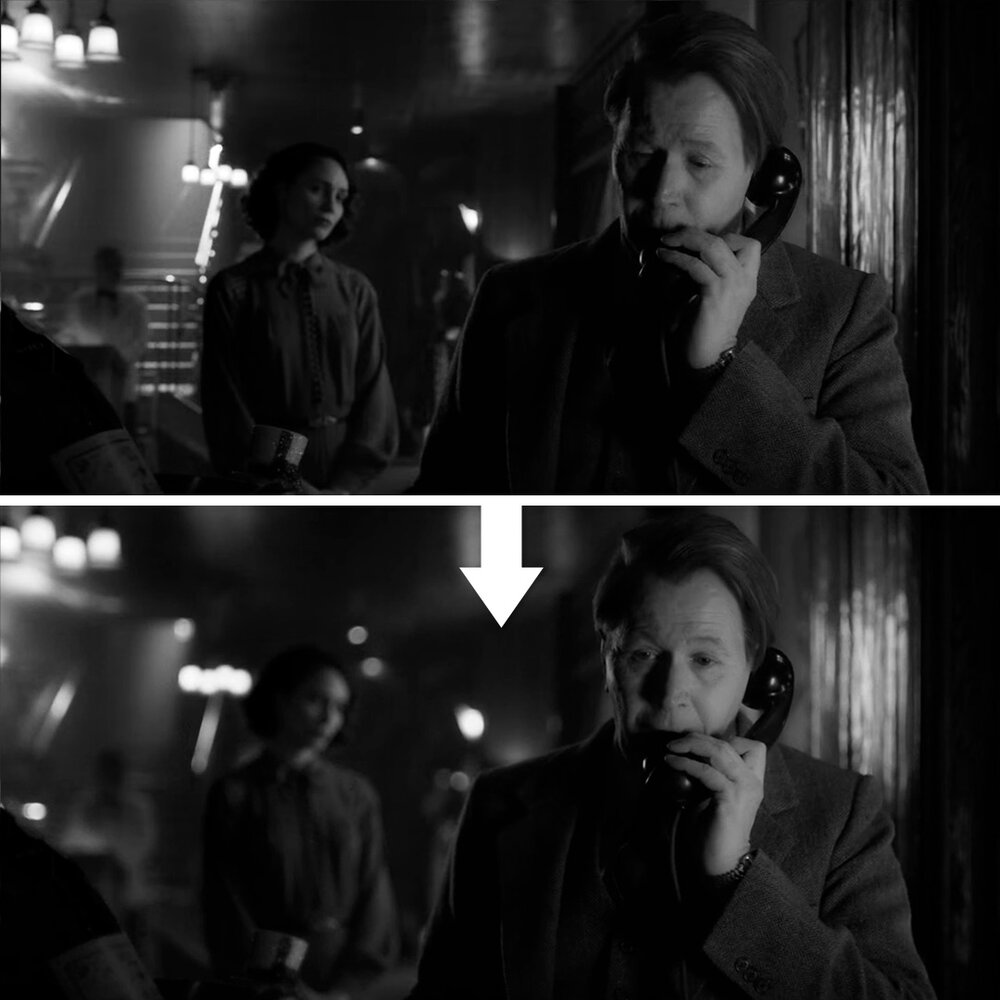
The director had to employ digital advances to achieve a vintage aesthetic in telling the tale of ‘Citizen Kane’ screenwriter Herman Mankiewicz: “If we had done it 30  years ago, it might’ve been truly a bloodletting.”

Rebecca Keegan
January 11, 2021
The Hollywood Reporter

Screenwriter Herman Mankiewicz never sought credit for conceiving one of the all-time great ideas in the history of cinema — the notion that the Kansas scenes in The Wizard of Oz should be shot in black and white and the Oz scenes in color. In fact, for much of his career in Hollywood from the late 1920s to the early ’50s, Mankiewicz seemed to view his scripts with about as much a sense of ownership as a good zinger he had landed at a cocktail party.

But what fascinated David Fincher was that when it came time to assign credit on the screenplay for Citizen Kane, which Mankiewicz wrote with Orson Welles in 1940 (or without, depending on your perspective), the journeyman screenwriter suddenly and inexplicably began to care. Precisely why that happened is the subject of Fincher’s 11th feature film, Mank.

“I wasn’t interested in a posthumous guild arbitration,” Fincher says of Mank, which takes up the Citizen Kane authorship question reinvigorated by a 1971 Pauline Kael essay in The New Yorker. “What was of interest to me was, here’s a guy who had seemingly nothing but contempt for what he did for a living. And, on almost his way out the door, having burned most of the bridges that he could … something changed.”

Shot in black and white and in the style of a 1930s movie, Mank toggles between Mankiewicz (Gary Oldman) writing the first draft of Citizen Kane from a remote house in the desert and flashback sequences of his life in Hollywood in the ’30s, including his friendship with newspaper tycoon William Randolph Hearst (Charles Dance), who inspired Citizen Kane, and Hearst’s mistress, actress Marion Davies (Amanda Seyfried).

A filmmaker known for his compulsive attention to detail, Fincher had even more reason than usual to treat every decision with care on Mank, as he was working from a screenplay written by his father, journalist Jack Fincher, who died in 2003. Jack had taken up the subject in retirement in 1990, just as David was on the eve of directing his first feature, Alien 3, and the two would try throughout the 1990s to get the film made, with potential financiers put off by their insistence on shooting in black and white.

Read the full profile

Culture Pop: Arliss Howard, “Mank”

Steve Mason & Sue Kolinsky
January 9, 2021
Culture Pop Podcast

Culture Pop is a look at pop culture through the mind of Steve Mason, co-host of the #1-rated sports talk show in Los Angeles. Joined by stand-up comic Sue Kolinsky, they hear from their friends, plus comics, actors, filmmakers and celebrities talking about movies, television, technology, trends and completely random stuff.

Arliss Howard joins Steve and Sue to talk about his work with David Fincher in Mank playing Louis B. Mayer, with Stanley Kubrick in Full Metal Jacket, his directorial debut Big Bad Love, and the future of film theaters.

Listen to the podcast:

Apple Podcasts
Spotify
PodBean

Mank: Why David Fincher Embraced Old Hollywood Artifice

Julian Palmer & Manuela Lazic
January 5, 2021
The Discarded Image (YouTube)

In this video essay we look at David Fincher‘s Mank, and explore how the director uses artifice to comment on old Hollywood, and Citizen Kane. The video also features other Fincher films such as The Social Network, Fight Club, Se7en and Zodiac.

Co-written by Manuela Lazic
In association with Ça Existe Productions
Support the channel on Patreon
All music licensed from Musicbed. Get a free trial
Try MUBI Free for 30 Days
With the support of Creative Europe – MEDIA Programme of the EU Plus.

Follow Julian: Twitter, Facebook, Instagram
Follow Manuela: Twitter, Instagram

There’s More To Orson Welles Than Citizen Kane

Mank: Cinefade Supercut

Cinefade VariND
January 7, 2020

Cinefade is a motorised variable ND filter that allows cinematographers to gradually transition between a deep and a shallow depth of field in one shot at constant exposure to accentuate a moment of extreme drama in film or to make a client’s product stand out in commercials.

It can also be used in VariND mode to achieve interior to exterior transition shots without ‘riding the iris’ and to control reflections on automotive shoots with the remotely controlled RotaPola.

Director of Photography Erik Messerschmidt ASC used the Cinefade VariND not only as a practical tool to control exposure on set but also as a storytelling tool to accentuate certain moments and guide the viewer’s attention.

Director: David Fincher
Director of Photography: Erik Messerschmidt ASC
A Camera First Assistant: Alex Scott

Erik Messerschmidt ASC to Filmmaker Magazine:

“We also used this tool called the cmotion Cinefade. It’s a motorized polarizer that you sync to the iris so we could effectively pull depth of field. It’s quite extreme. You could pull five stops of depth of field. So we could go from a T8 to a 2. That thing kind of lived on the camera. There were times where we’d say, “It’s too much. Let’s look at it at a 5.6.” So you set the iris to a 5.6, the polarizer compensates and now you’re looking at the same scene but with less depth of field. So, it was nice to be able to use focus and iris as a storytelling tool instead of just an exposure tool.”

Read the full presentation

How David Fincher Faked an Old Movie

Danny Boyd
December 13, 2020
CinemaStix (YouTube)

Today, let’s dive into the filmmaking mind of director David Fincher, and his 2020 film Mank.

David Fincher loves CGI and VFX, and that is on full display just as much in Mank (2020) as it is in all his past films. Only this time, for Mank, David Fincher had to use those tools, along with an old school cinematography and directing style, and smart editing, not only to create a convincing 1930’s Hollywood world, reminiscent of movies like Orson WellesCitizen Kane, but also a convincing golden age Hollywood movie. Let’s see how David Fincher faked Mank.

Video written & edited by Danny Boyd (Instagram). Support me on Patreon.

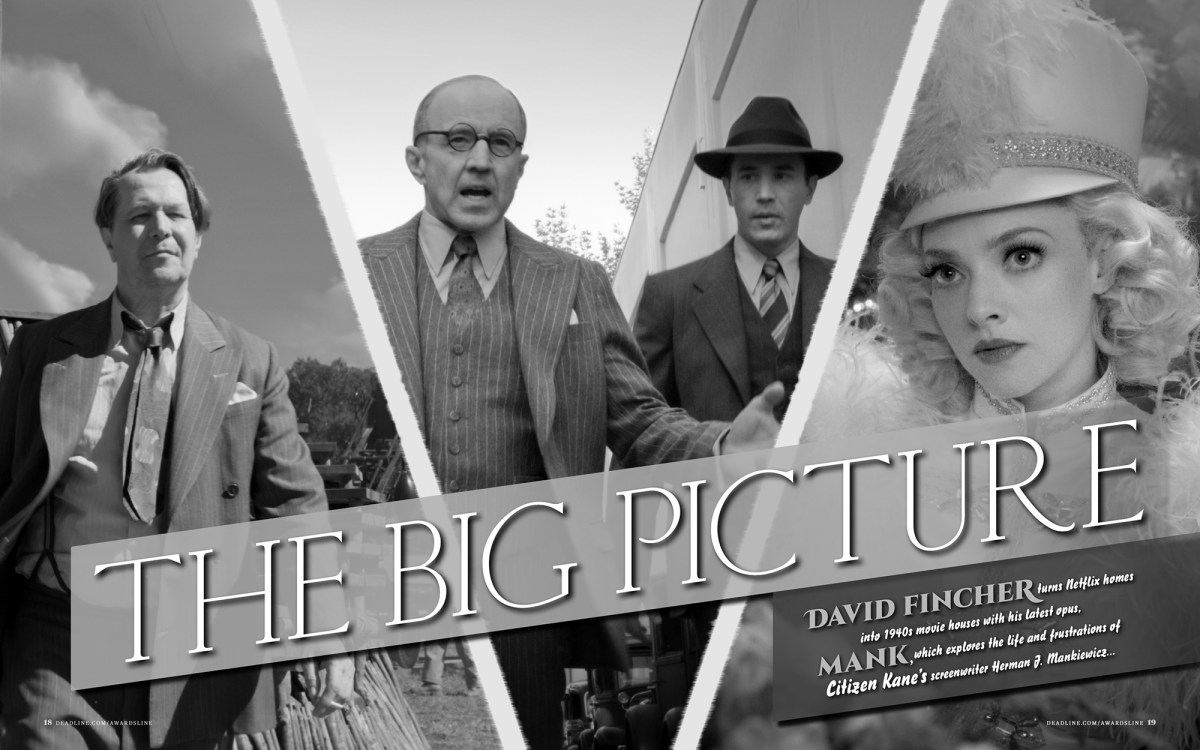
Awardsline: The Big Picture

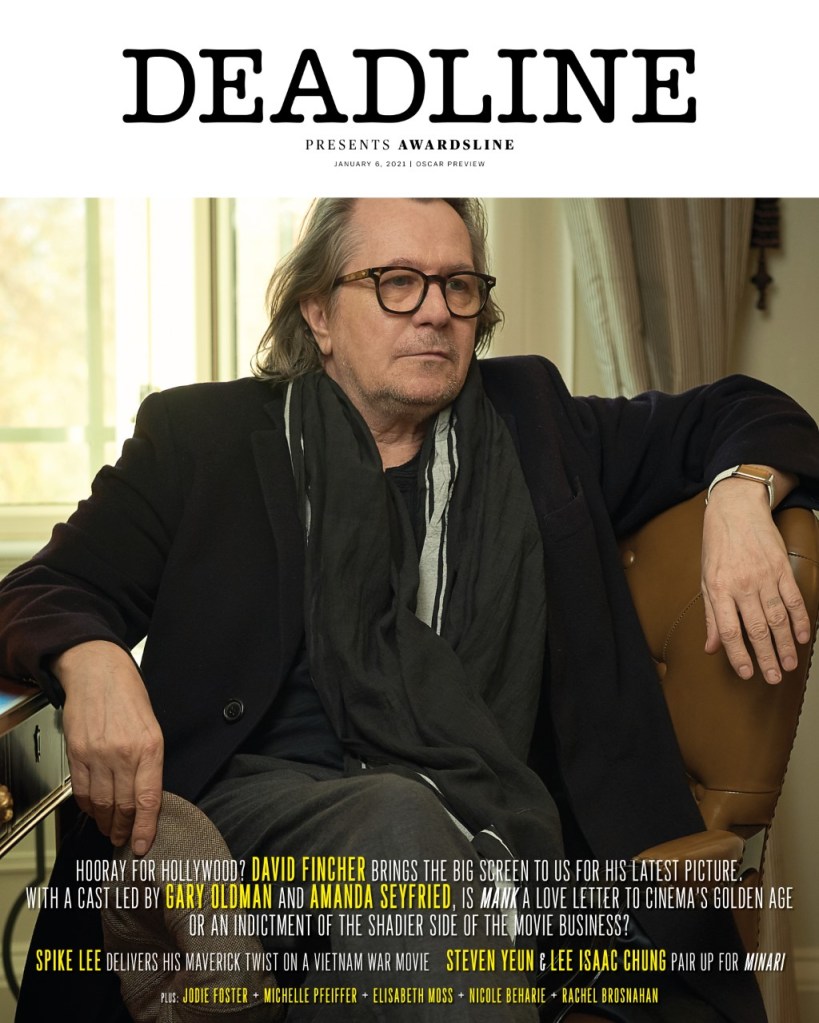
David Fincher brings the big screen to us for his latest picture. With a cast led by Gary Oldman & Amanda Seyfried, is Mank a love letter to cinema’s golden age or an indictment of the shadier side of the movie biz?⁠

Joe Utichi
January 6, 2021
Awardsline (Deadline)

Read the full issue of Deadline Presents Awardsline

The Burning Question That Drove David Fincher’s Decades-Long Journey To Make ‘Man

Joe Utichi
January 6, 2021
Deadline

David Fincher turns Netflix homes into 1940s movie houses with his latest opus, Mank, which explores the life and frustrations of Citizen Kane’s screenwriter Herman J. Mankiewicz, as he works his way through the draft of what will become Orson Welles’ seminal directorial debut. With its title role imbued with Mankiewicz’s world-weary wit by Gary Oldman, and from a script first drafted more than 20 years ago by Fincher’s father Jack, who passed away in 2003, the film reignites the debate about the authorship of a film Welles might nearly have taken sole credit for. But it is about more than that besides; a love and hate letter to the machinations of the movie business, a remarkably timely examination of the façade of truth in the news media, and an intimate study of tortured souls beaten down by the world around them and their own insecurities. Joe Utichi meets Fincher, Oldman and Amanda Seyfried—who rehabilitates the image of actress and socialite Marion Davies—for a closer look.

Read the full profile

Amanda Seyfried embraces the silences in David Fincher’s ‘Mank’

Actress Amanda Seyfried says she’s never worked so hard in her life as she did on “Mank,” but to do so with director David Fincher was a “dream.”
(Michael Nagle/For The Times)

Gregory Ellwood
January 4, 2021
Los Angeles Times

How excited was Amanda Seyfried at the prospect of starring in a David Fincher film? “I would have played a piece of wood,” she says with a laugh. Luckily for all involved, the role as silver screen star Marion Davies for Fincher’s Netflix release “Mank” was nowhere near as stiff. In fact, Seyfried delivers a scene-stealing performance, one that neither of the two initially took for granted would happen for the story of “Citizen Kane” screenwriter Herman J. Mankiewicz and his friendship with the actress and companion to media mogul William Randolph Hearst.

Fincher recalls an initial 1 a.m. Skype with Seyfried after she’d finished a long day of shooting another film. As hard as it may be to fathom, the seminal director insists he was “sort of panicking” through his pitch to her. He was trying to convey aspects of the film he envisioned beyond what was on the written page but was having trouble expressing his thoughts.

“She was actively participating in helping me to find the right words to pitch her on this project. And it wasn’t like she did it two or three times. She did it, like, three times a minute for 45 minutes. After a while, it became obvious that this was sort of a second nature thing that she does to make other people feel comfortable or to make other people feel heard. And, by the end of it, when we hung up, I thought, ‘the woman who has to give semi-inebriated little Herman Mankiewicz a tour of her [private] zoo, has to have this skill or has to have this tributary to her behavior. It has to be something that’s sort of innate.’ It’s the den-mother thing.”

Even as Fincher was telling himself, “‘If she says yes, take her up on it,’ because there was something really special about that,” Seyfried was feeling an urgency of her own.

Read the full profile