Gillian Flynn is an author, screenwriter and showrunner who delights in writing what she calls “bad women” – fascinatingly flawed female characters who she grants the freedom to kill, lie, harm and harass in a way that sometimes ruffles feathers. Take her 2012 novel Gone Girl, for example, which she later adapted into a smash hit movie with David Fincher. That murder-mystery tale of a marriage steeped in deceit captivated the world and sparked near-endless conversation about the poison and/or empowerment of its main character, Amy Dunne.
That novel and movie – released within two years of each other – didn’t just make Flynn a literary darling. It also catapulted her to the summit of film and TV. In 2018, she co-wrote the brilliant Widows with Steve McQueen, and adapted her first novel, Sharp Objects, into a gloriously slow-burning limited series starring Amy Adams. Since then, she’s won cult acclaim for her streaming adaptation of Utopia, the British Channel 4 series.
In the conversation you’re about to hear, we ask Gillian how she pens her captivating characters and the social importance of allowing women to run riot on-screen and in her novels, the way that male anti-heroes are frequently permitted to do. She reflects on the accusations of misogyny that her work attracted from some female writers in the aftermath of Gone Girl’s release and reveals an alternative ending to that story that would have taken the tale of Nick and Amy Dunne in an entirely different direction.
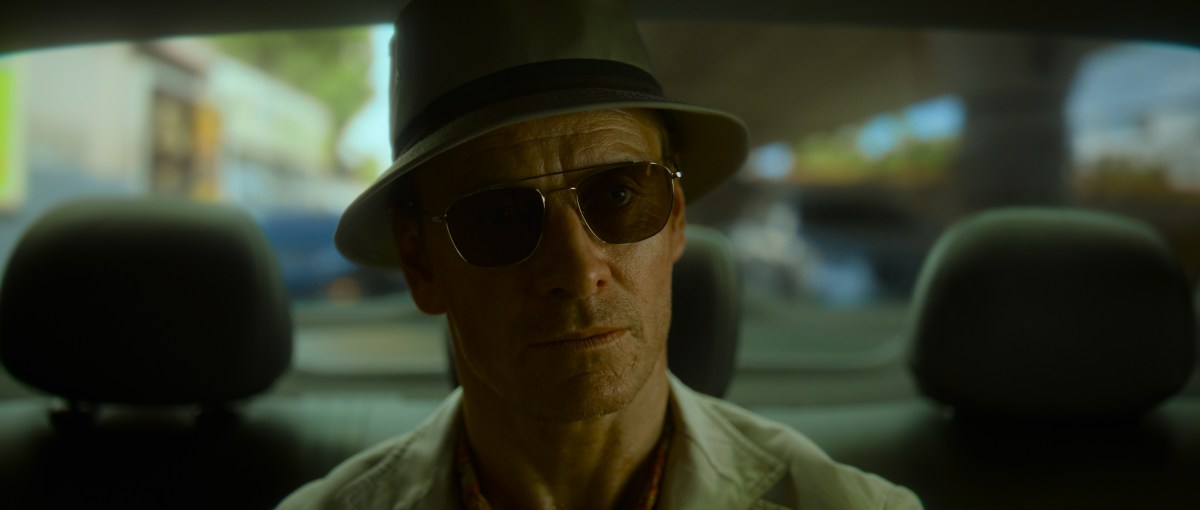
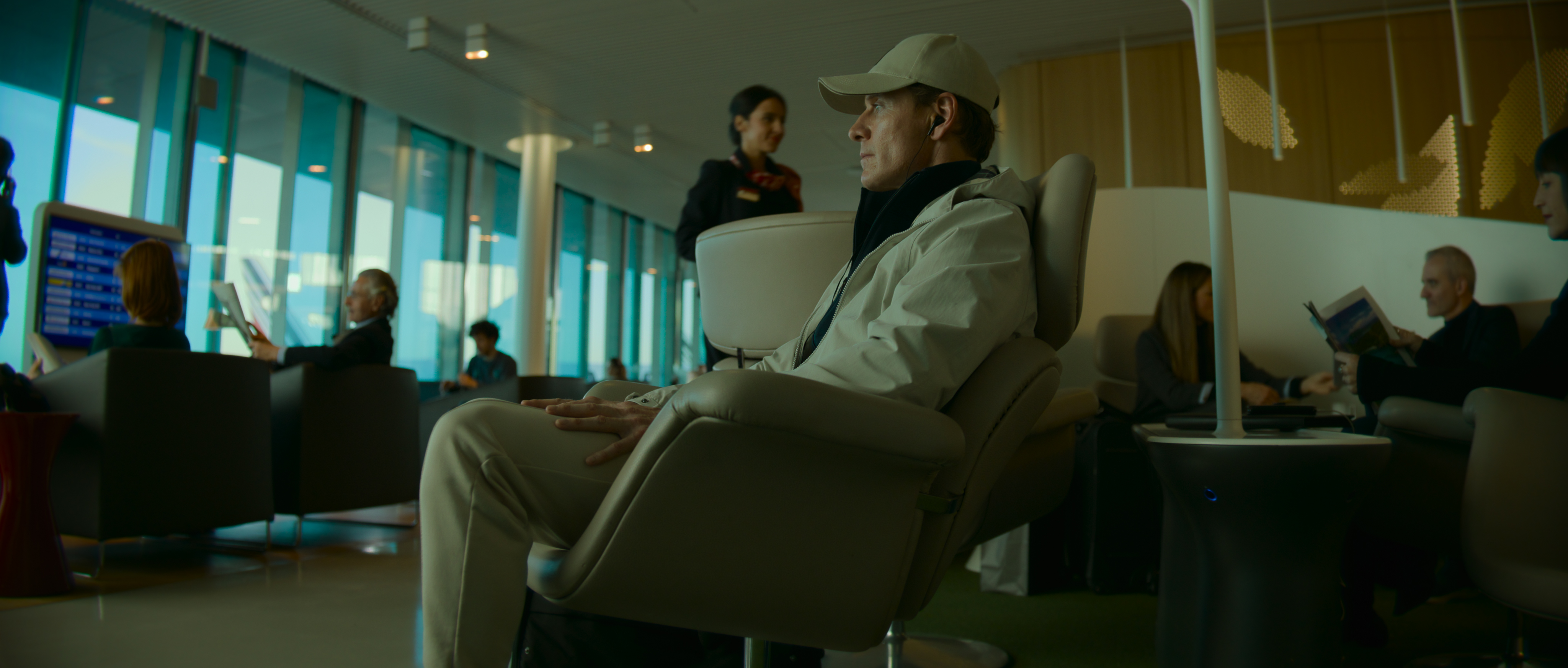
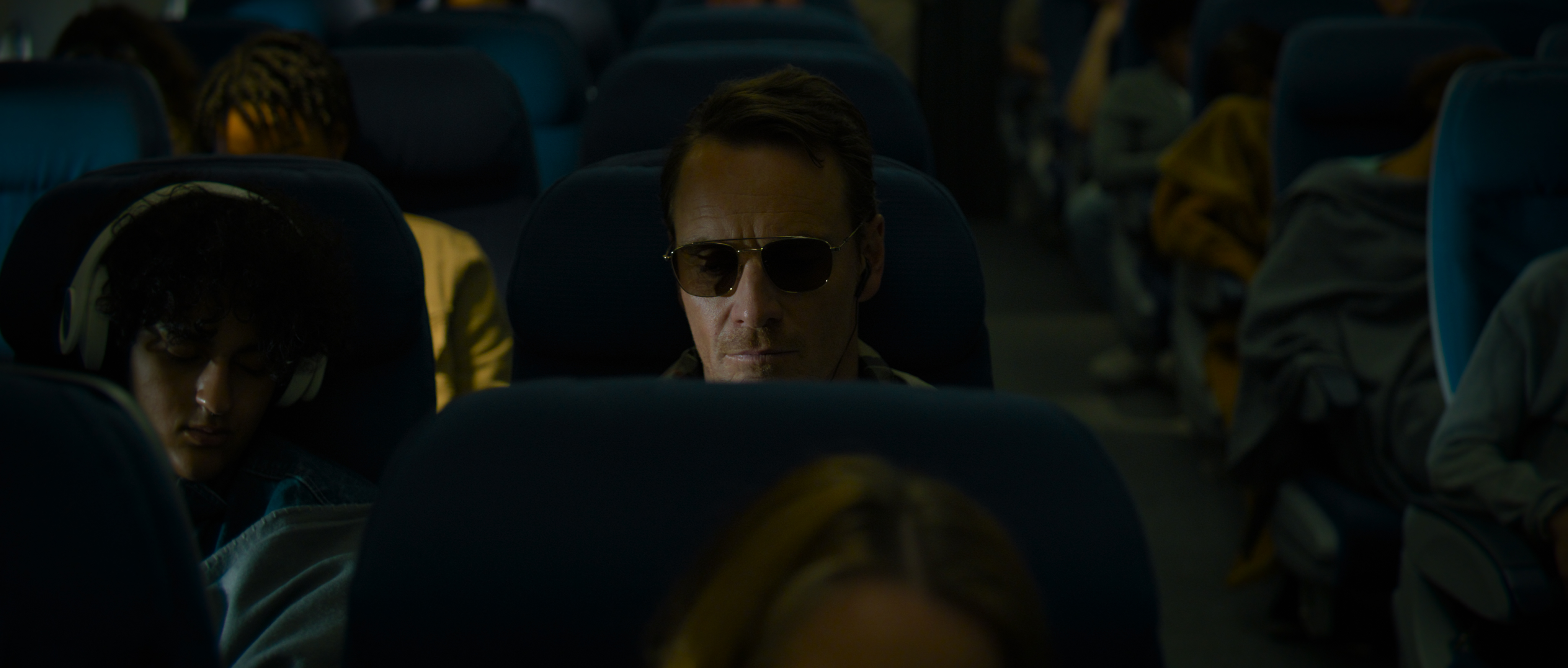
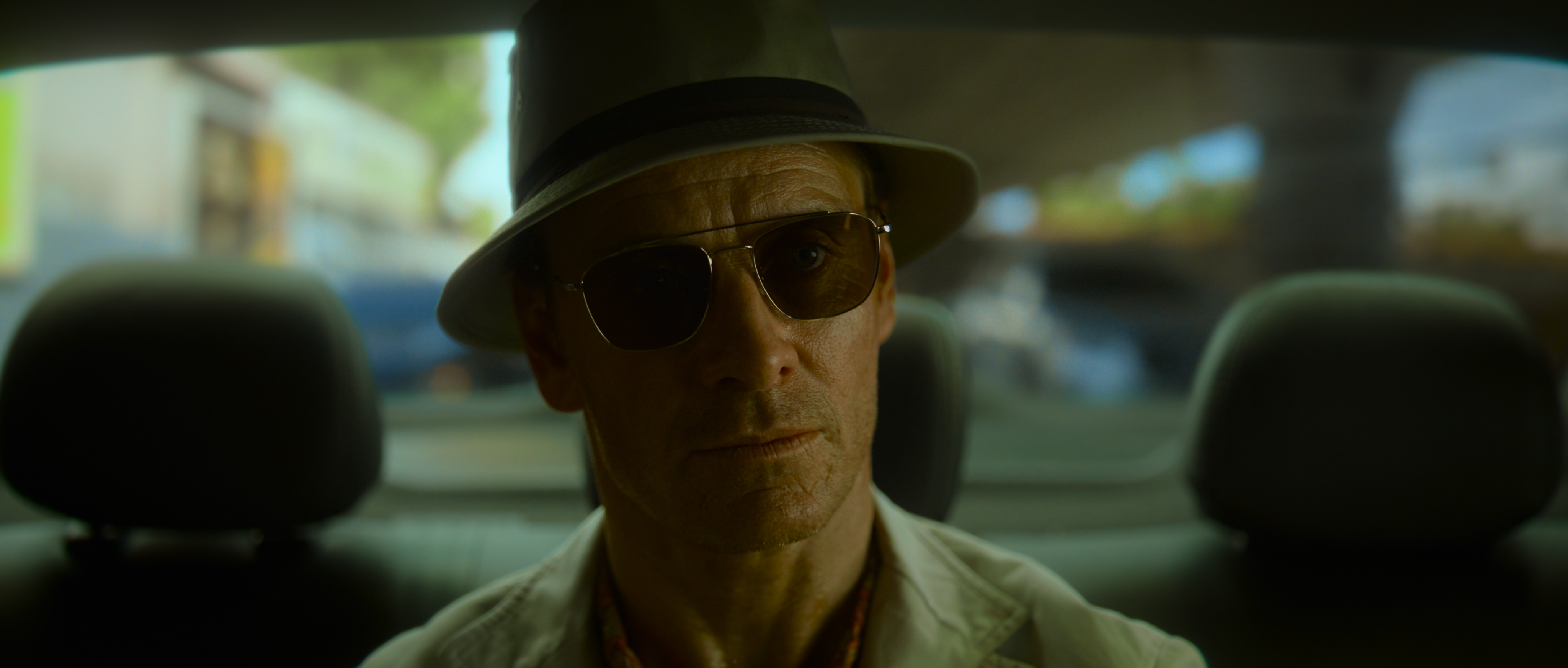
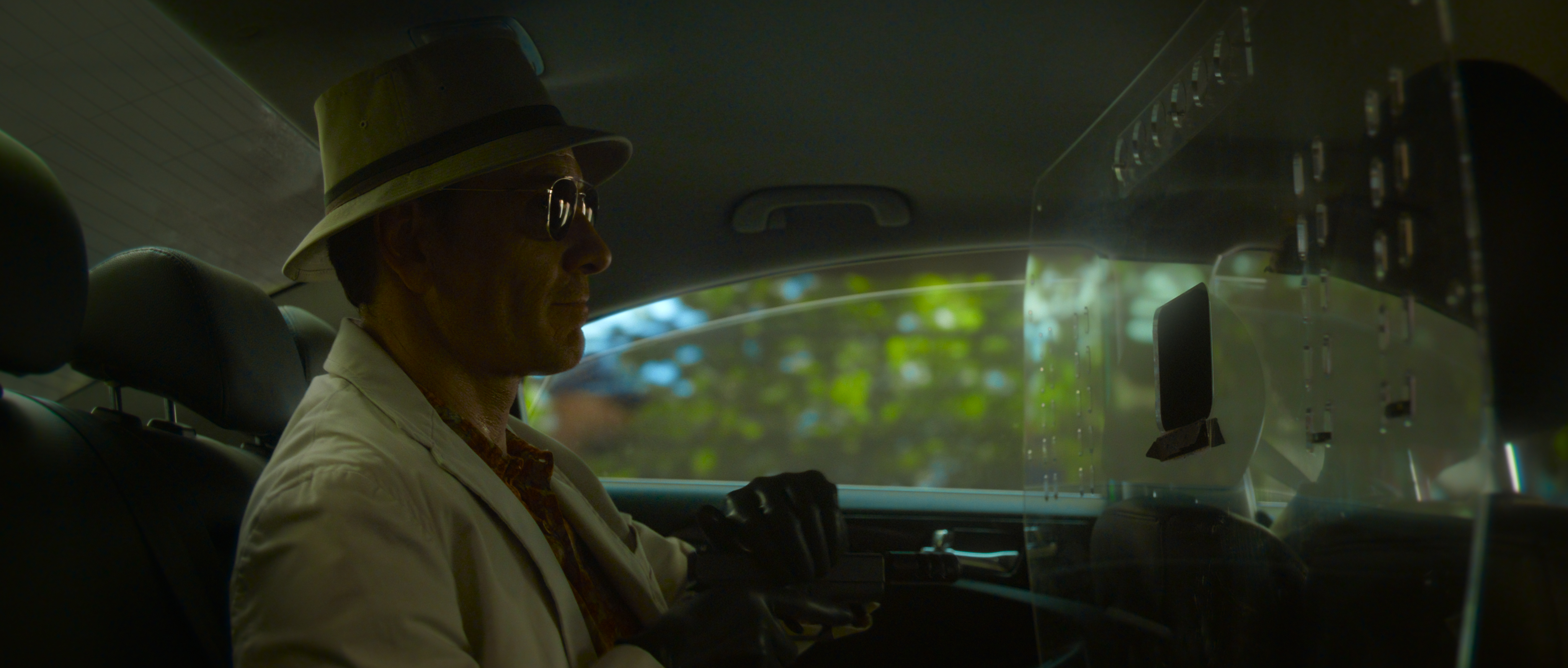
In the David Fincher-directed film, The Killer, from a screenplay by Andrew Kevin Walker, and based on a graphic novel, Michael Fassbender stars as an assassin battling his employers when a hit goes terribly wrong.
Speaking during a panel at Deadline’s Contenders London event, editor Kirk Baxter addressed a rumor that the role required Fassbender to not blink at all.
There were many times watching the dailies where he heard Fincher’s voice saying, ‘That’s terrific, but let’s see that once again without the f—ing blinking.’ Baxter added, “Not so much that Fassbender needing that direction, it’s just been a thing.”
It’s always an exciting time in cinema when a new David Fincher movie is on the horizon. The modern master of suspense, Fincher’s filmography ranges from chilling murder-mysteries such as Seven and Zodiac to the generations-spanning romance of The Curious Tale Of Benjamin Button, neo-noir The Girl With The Dragon Tattoo and true-life tale The Social Network. Now, he’s about to unleash bold new thriller The Killer, a new kind of hitman movie starring Michael Fassbender (in his first role since 2019’s X-Men: Dark Phoenix) as a meticulous professional assassin whose life spirals out of control when a job goes wrong.
The new issue of Empire features the most in-depth look at the movie you’ll find anywhere on Earth – including an access-all-areas on-set report from three locations across the globe, following Fincher and his crew and witnessing his precise, pulse-pounding filmmaking in action. We have brand-new interviews with Fincher and Fassbender from on set about what makes their mysterious eponymous killer tick, how they’re putting the audience inside his head, their process of working together, pulling off incredible stunt sequences and much, much more. And in a rare, revealing additional retrospective interview, Fincher looks back at some of the most stand-out shots from across his entire career – from Ben Affleck’s cringeworthy smile in Gone Girl, to Panic Room’s swooping long-take, and more – sharing the fascinating stories of how they came to be.
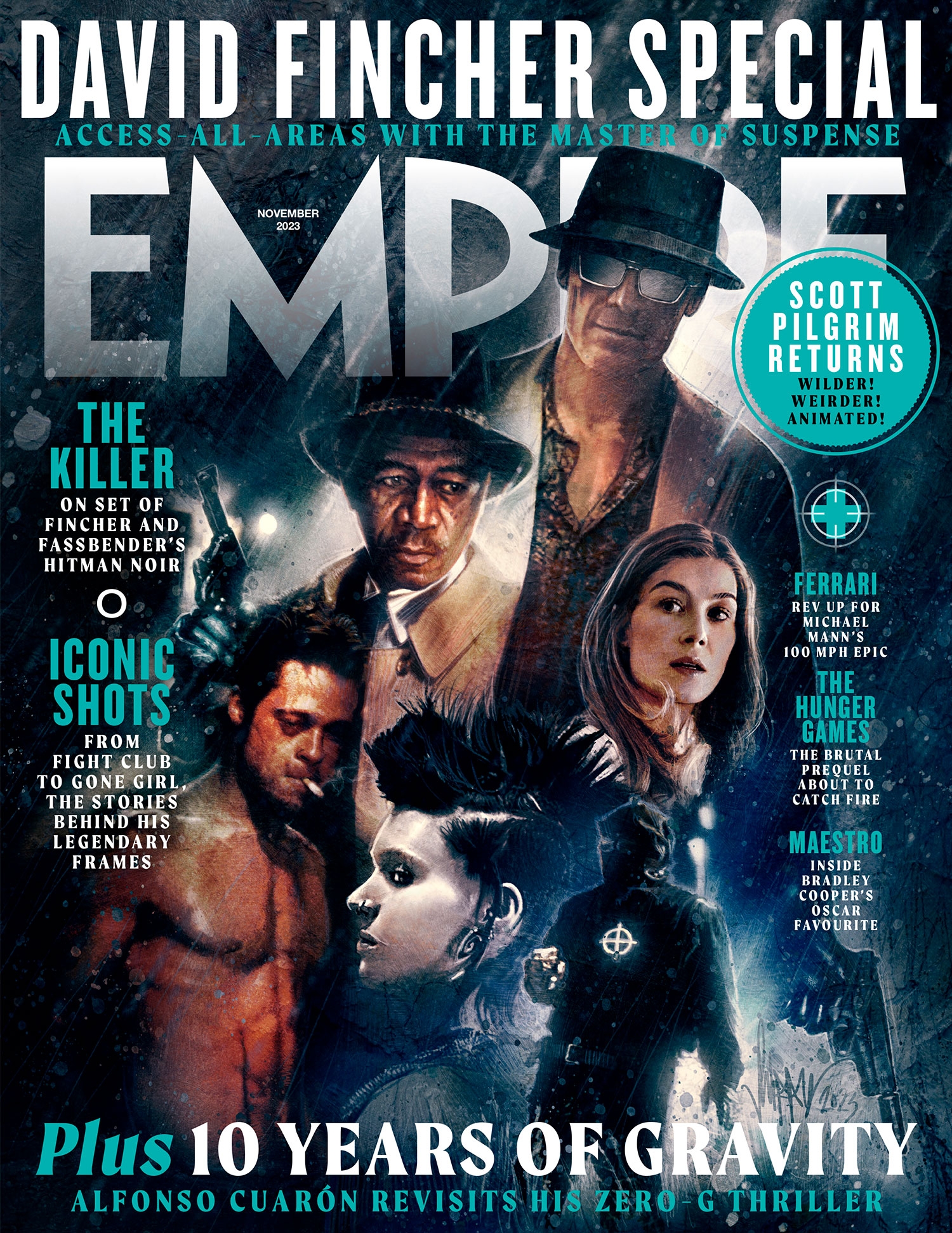
The newsstand cover for our David Fincher special is a moody, rain-splattered compilation of some of his most iconic characters – Morgan Freeman’s Detective Somerset from Seven,Brad Pitt’s Tyler Durden from Fight Club, Rooney Mara’s Lisbeth Salander from The Girl With The Dragon Tattoo, the Zodiac killer, Rosamund Pike’s Amy Dunne from Gone Girl, and Michael Fassbender’s new hitman protagonist – illustrated exclusively for Empire by Paul Shipper.
Fincher-focused delights aside, the stacked new issue also contains a deep-dive into the new Hunger Games prequel, The Ballad Of Songbirds & Snakes; a celebration of Gravity’s 10th anniversary with Alfonso Cuarón; a set report from Aardman’s stop-motion sequel Chicken Run: Dawn Of The Nugget; we dig into the much-anticipated British indie How To Have Sex; there are fresh looks at anime series Scott Pilgrim Takes Off, Bradley Cooper’s musical biopic Maestro, Michael Mann’s racing drama Ferrari; and much, much more.
Trust us – this issue is all Killer, no filler. Empire’s David Fincher celebration issue, saluting the work of one of Hollywood’s biggest names, hits newsstands from Thursday 28 September.
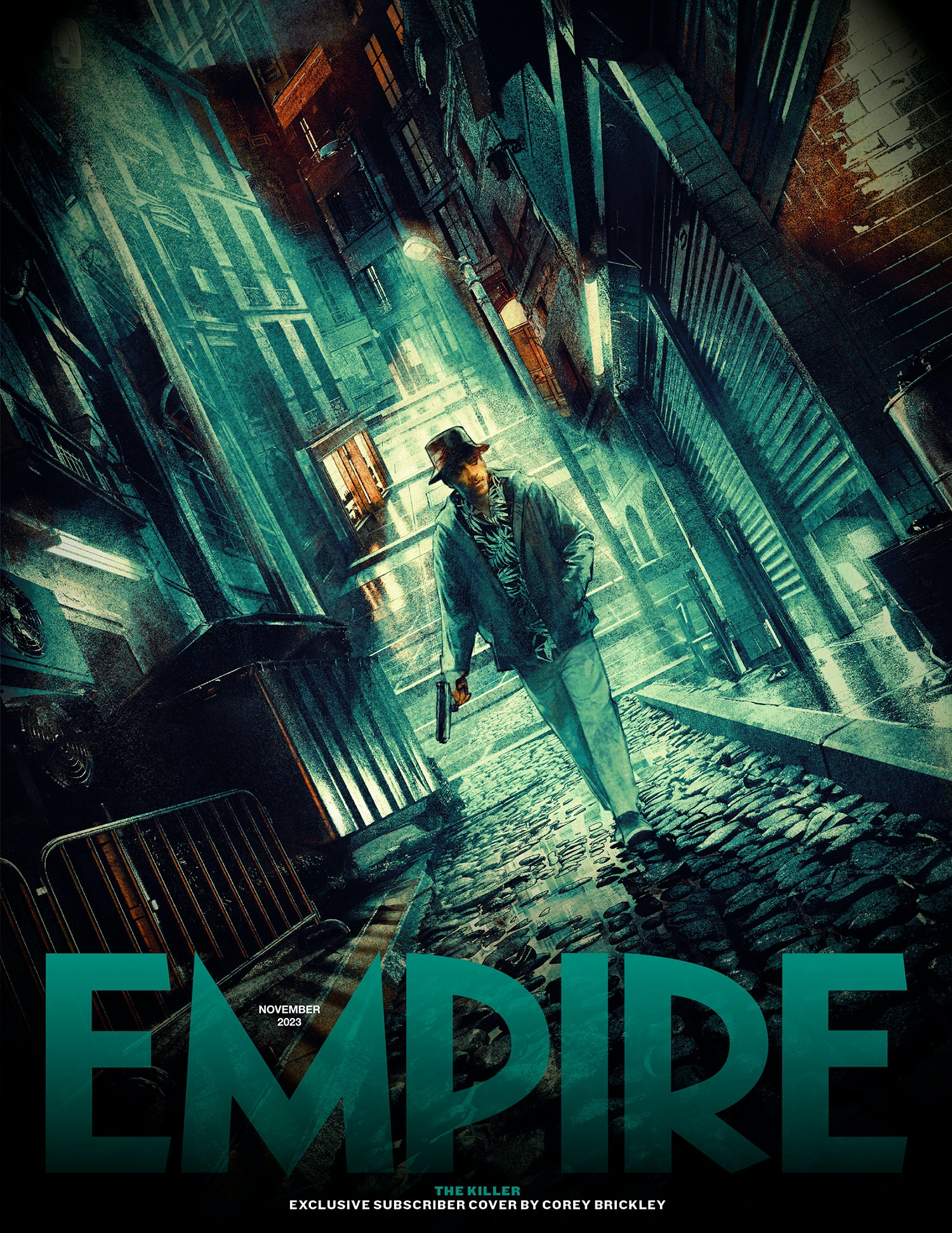
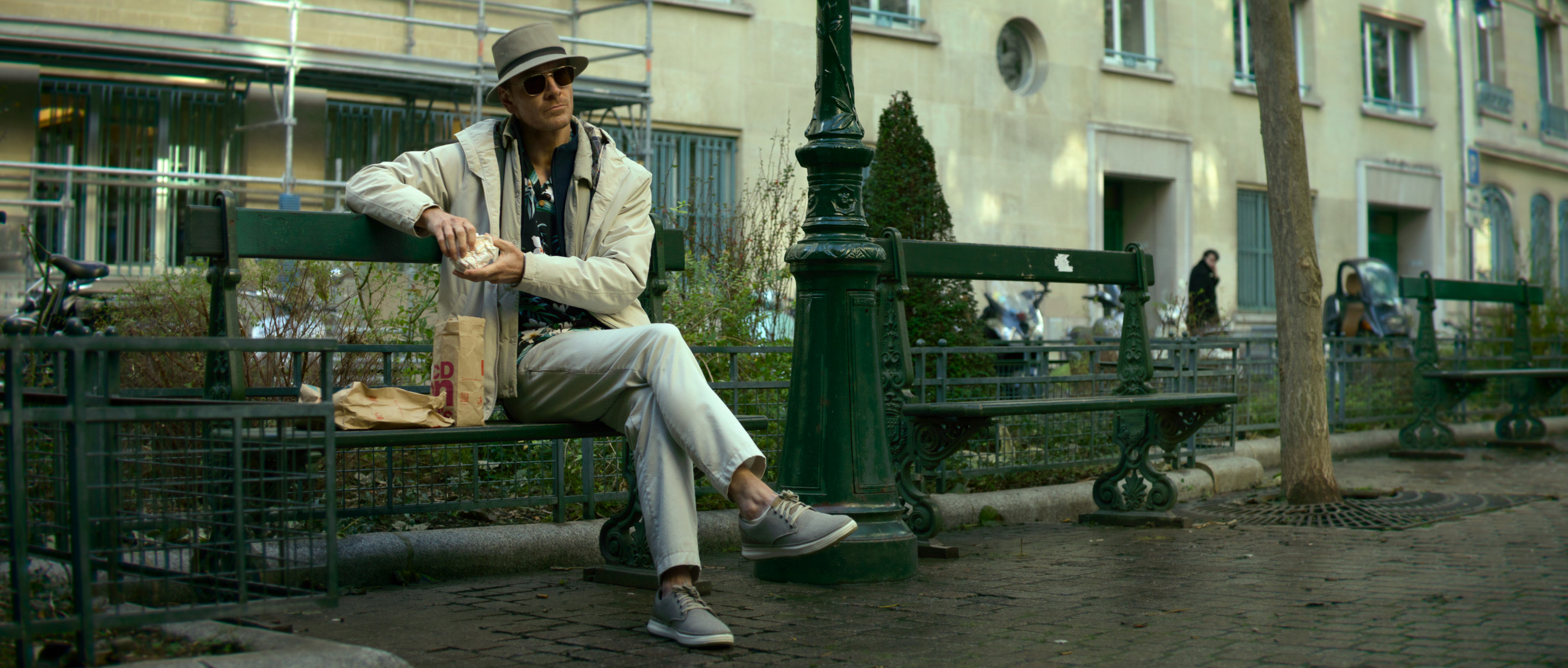
The subscriber cover is a noir-ish vision of Michael Fassbender’s titular assassin from The Killer, stalking cobbled streets for his next target, decked out in tourist get-up so as to go unnoticed – illustrated exclusively for Empire by Corey Brickley.
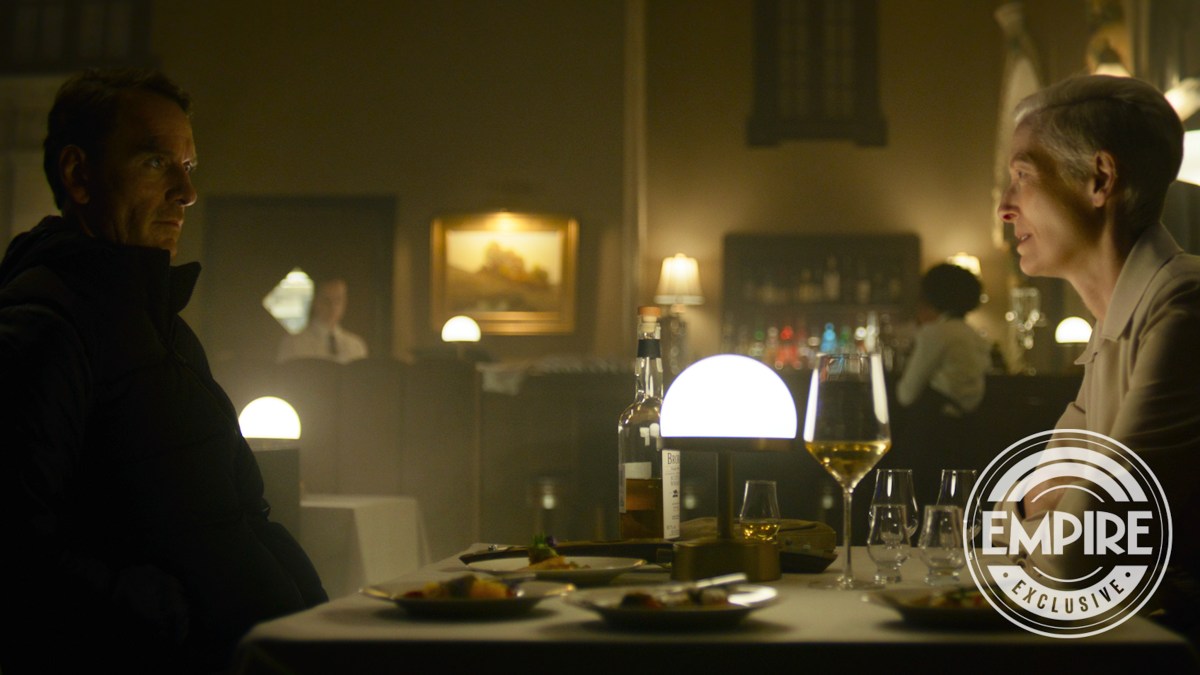
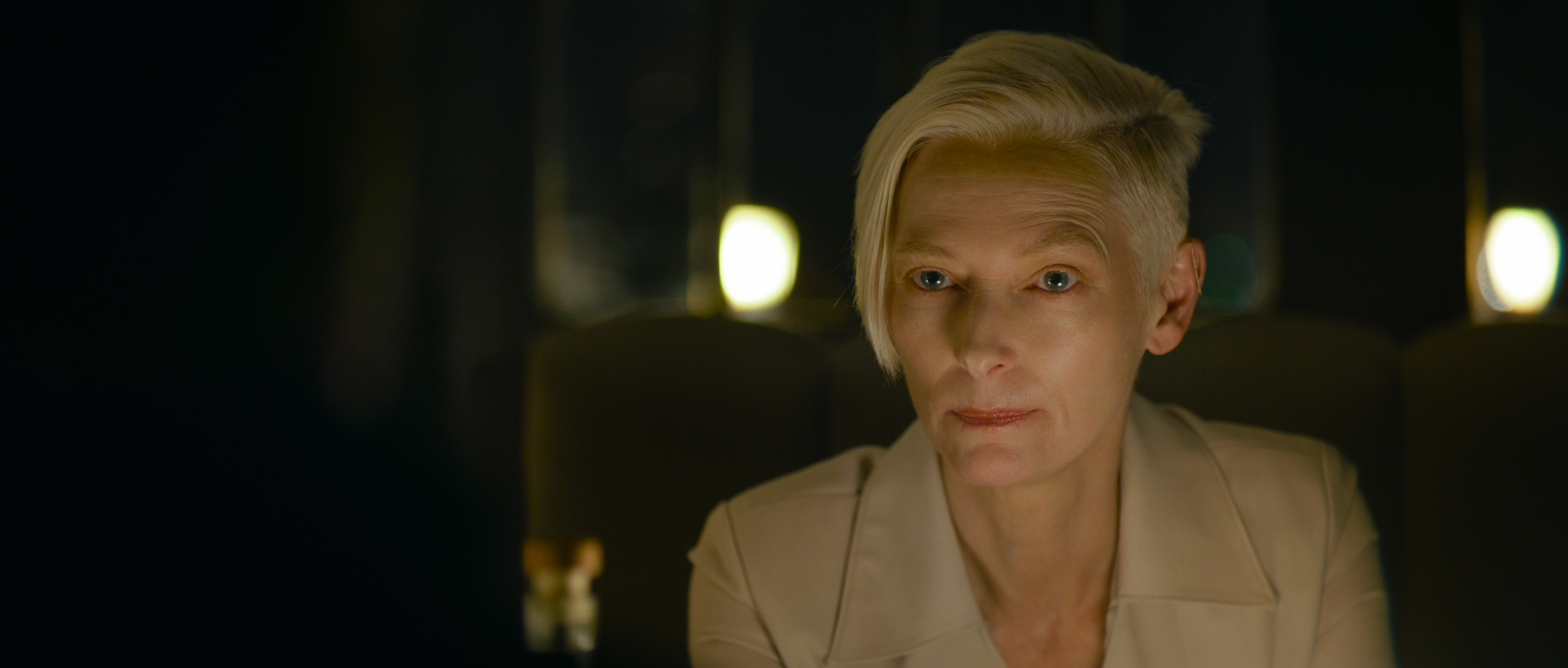
What’s in the box? The new issue of Empire magazine, that’s what. Incredible, globe-trotting on-set access of The Killer, and brilliant writing, from Nev Pierce, who got up-close and personal with David Fincher, Michael Fassbender, and Tilda Swinton.
In 1995, Brad Pitt‘s exclamation of fear and dread jolted audiences and left a lasting cultural imprint. The ending of Seven, director David Fincher‘s breakout film, is one of the most shocking, disturbing, and iconic twists in modern cinema, capping a tight, wrought thriller.
The film’s initial introduction to its world, a metropolis mired in unrest, is normal enough. Cool veteran Detective Somerset (Morgan Freeman) is paired with young hothead Detective Mills (Pitt) in pursuing a serial killer who picks his victims based on the seven deadly sins. They follow the clues and corpses, and the murderous John Doe (Kevin Spacey) eventually makes it into their custody, promising to reveal his two final victims—targeted for envy and wrath.
But the third act abandons cinematic tropes and convention. The promise of the final two corpses is questioned when a mysterious box arrives that is Doe’s coup de grace; it contains the head of Mills’ wife, Tracy (Gwyneth Paltrow)—never seen on screen, but revealed through dialogue and reaction. Doe acted on his envy of Mills’ normal life and incurs Mills’ lethal wrath. Though he’s killed at the hands of the good guy, the bad guy’s death serves as a loss for the positive forces of the world.
And it was all this close to not happening; “What’s in the box?!” nearly missed its canonization. Fincher, scribe Andrew Kevin Walker, and some of the cast, including Brad Pitt, fought for the original planned finale, against the studio’s protests. The producers eventually conceded to uphold the work’s artistic integrity. “There’s nothing wrong with up endings, it’s just that the dark ending of Seven was what it was about,” Walker told Uproxx. “To change the ending to something else was to remove the very heart of the story.”
Entertainment Weekly looks at how off-camera elements of the film successfully crafted suspense and resulted in Seven‘s enduring ending.
Press conference featuring Director of Photography Erik Messerschmidt ASC, Sound Designer Ren Klyce, Director David Fincher, and Editor Kirk Baxter ACE.
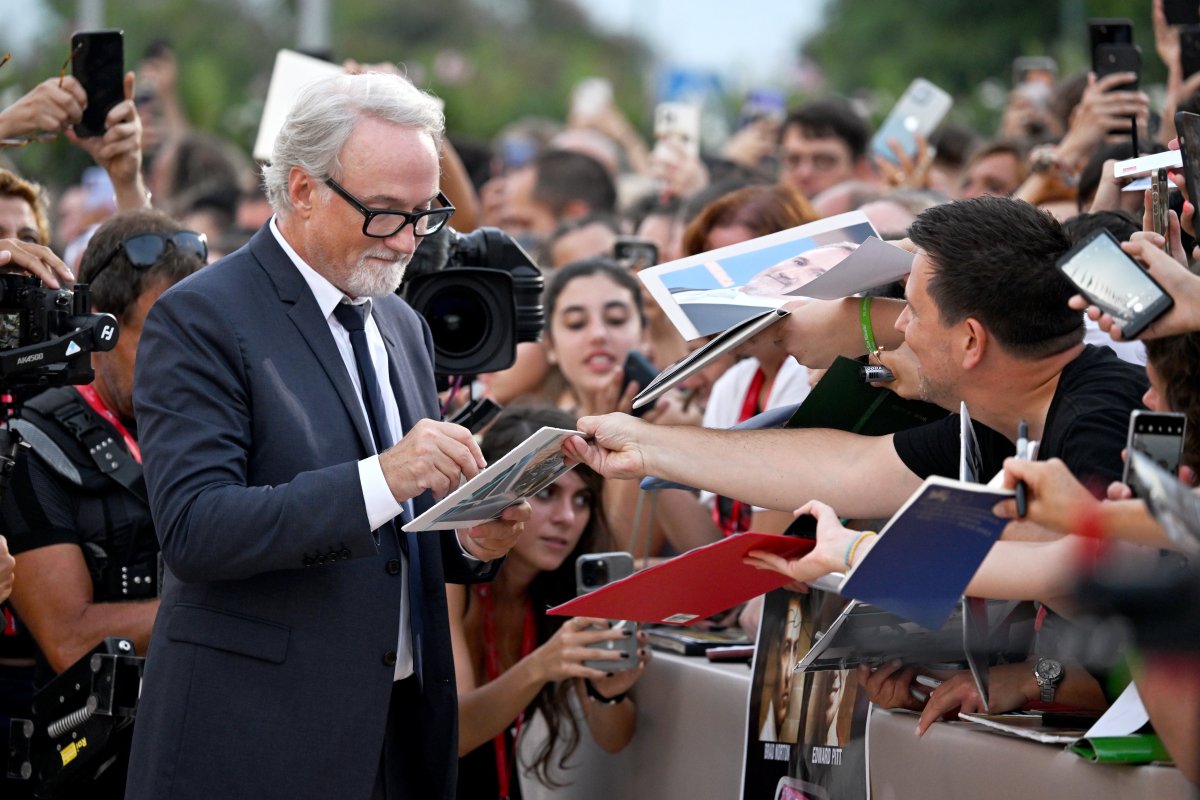
Red Carpet featuring Producer Peter Mavromates, Director of Photography Erik Messerschmidt ASC, Writer of the original “The Killer” (“Le tueur”) comic Alexis “Matz” Nolent, Editor Kirk Baxter ACE, Sound Designer Ren Klyce, Director David Fincher. The original stream has the ambient sound turned down to a minimum because it is too busy and noisy, and only barely intelligible in the close-ups.
David Fincher, director of “The Killer“: “We thought it would be interesting if the ‘cool’ assassin movie tropes were all taken away”.
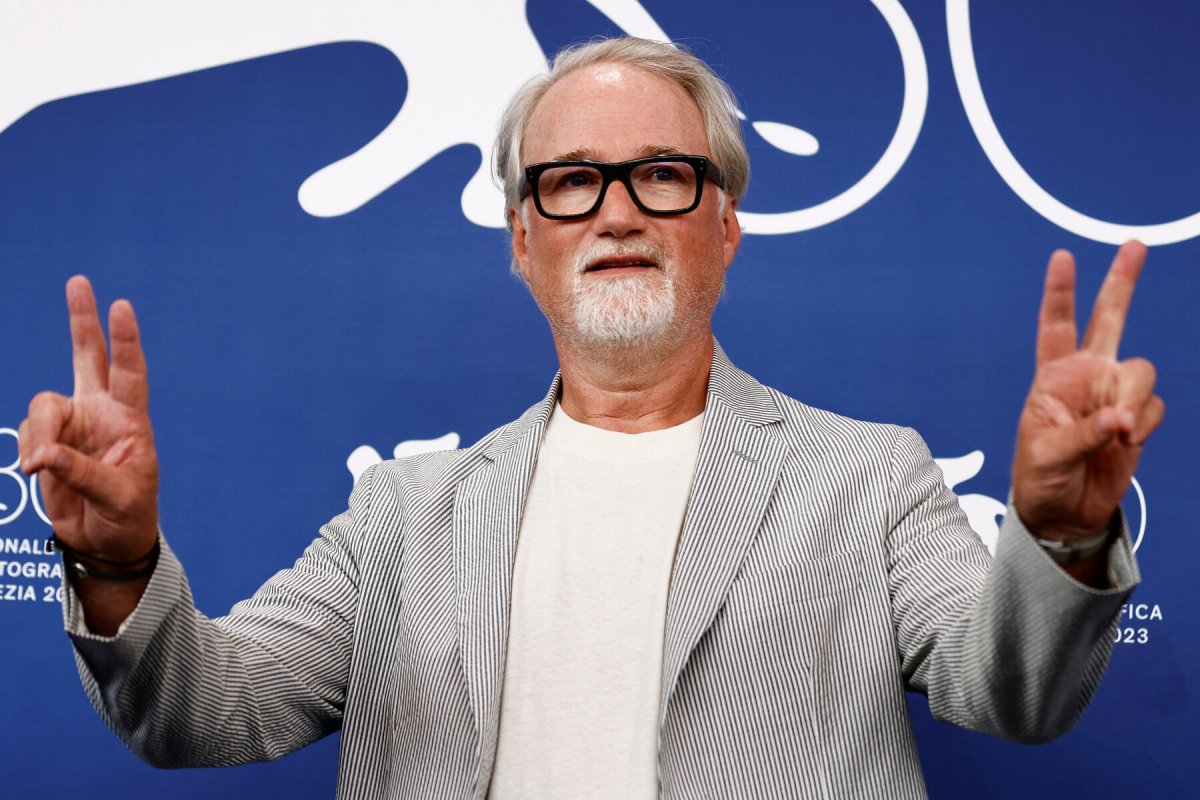
For his twelfth film, “The Killer“, in competition at the 80th Venice International Film Festival, the director David Fincher reunites with Andrew Kevin Walker, with whom he created the indelible serial killer thriller “Se7en” (1995).
Adapted from the acclaimed graphic novel written by “Matz” (Alexis Nolent), the film explores the boundaries of the revenge movie and sees Michael Fassbender in the role of a hitman failing at his main task and being threatened because of this.
In his production notes, David Fincher writes: “We thought it would be interesting if the ‘cool’ assassin movie tropes were all taken away”. The director describes how he decided to let the audience into the protagonist’s train of thoughts as to understand that “what he does and what he thinks do not match”.
“The Killer“ releases globally on Netflix November 10, 2023.
It’s been 24 years since David Fincher brought one of his movies to the Venice Film Festival, and the last time, things didn’t go so well.
“I came here with a little film called ‘Fight Club’” in 1999, he told me during an interview on the Lido this week. “We were fairly run out of town for being fascists.” Even before the premiere of that controversial Brad Pitt flick, the director could sense trouble. “I looked down and the youngest person in our row was Giorgio Armani,” Fincher said. “I was like, ‘I’m not sure the guest list is the right guest list for this.’”
So what makes lofty Venice the right place to premiere “The Killer,” Fincher’s new thriller and his first film since the Oscar-winning Hollywood drama “Mank”?
“Nothing,” cracked Fincher. “Venice seems like it’s very highbrow — important movies about important subjects — and then there’s our skeevy little movie.”
Still, Fincher has always enjoyed toying with people’s expectations. He does it even within the world of “The Killer,” which premiered in Venice on Sunday and stars Fassbender as a hired gun who has to improvise after a fatal assignment goes awry.
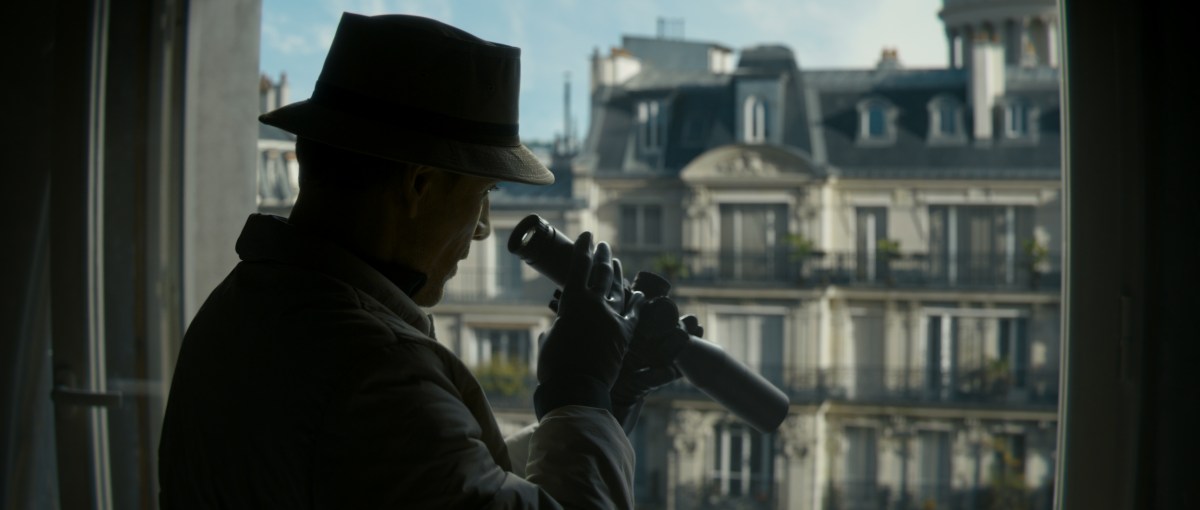
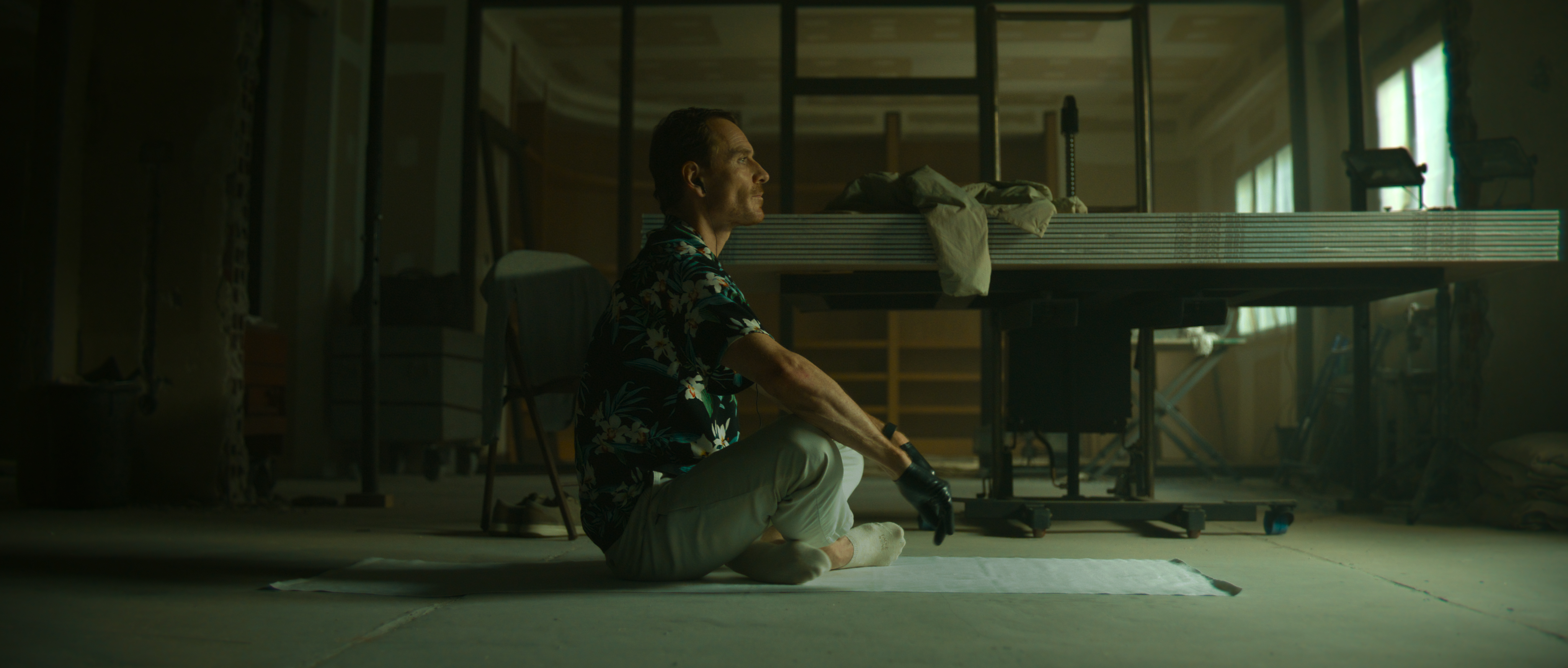
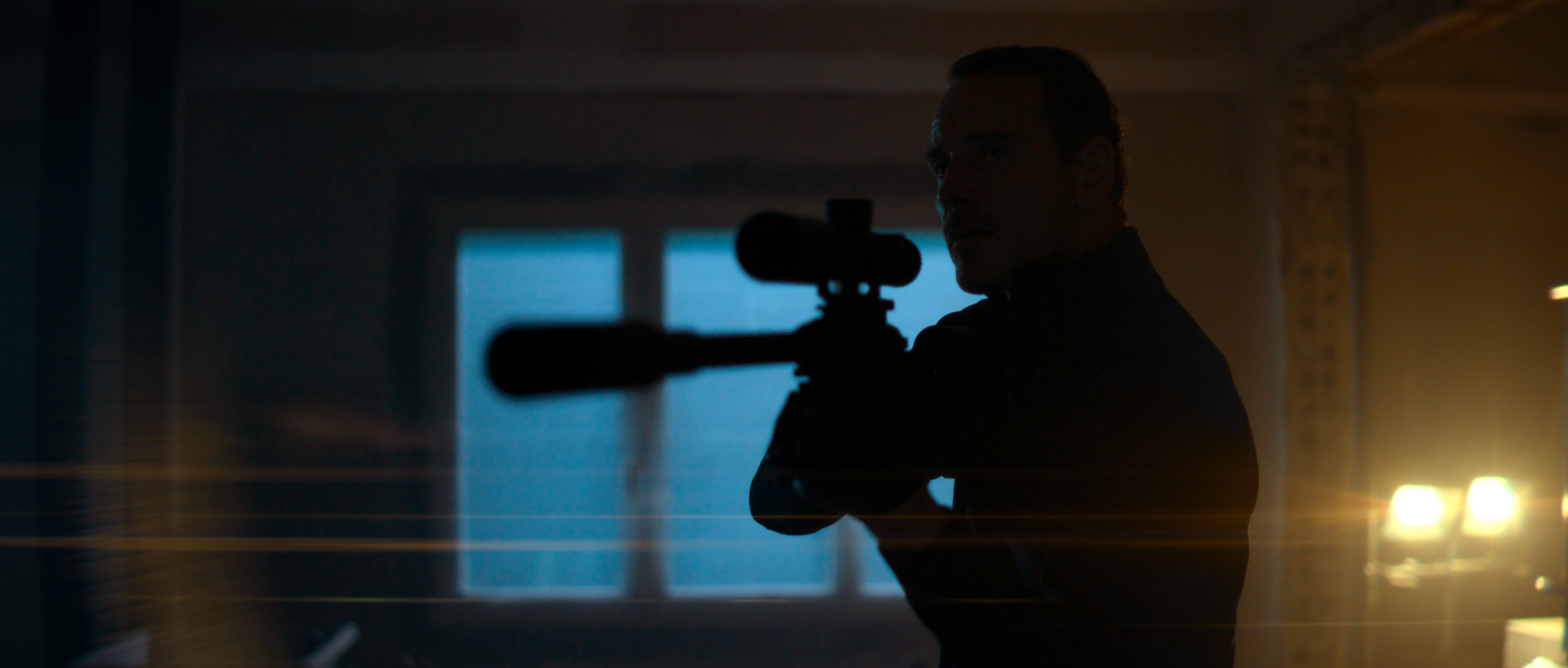
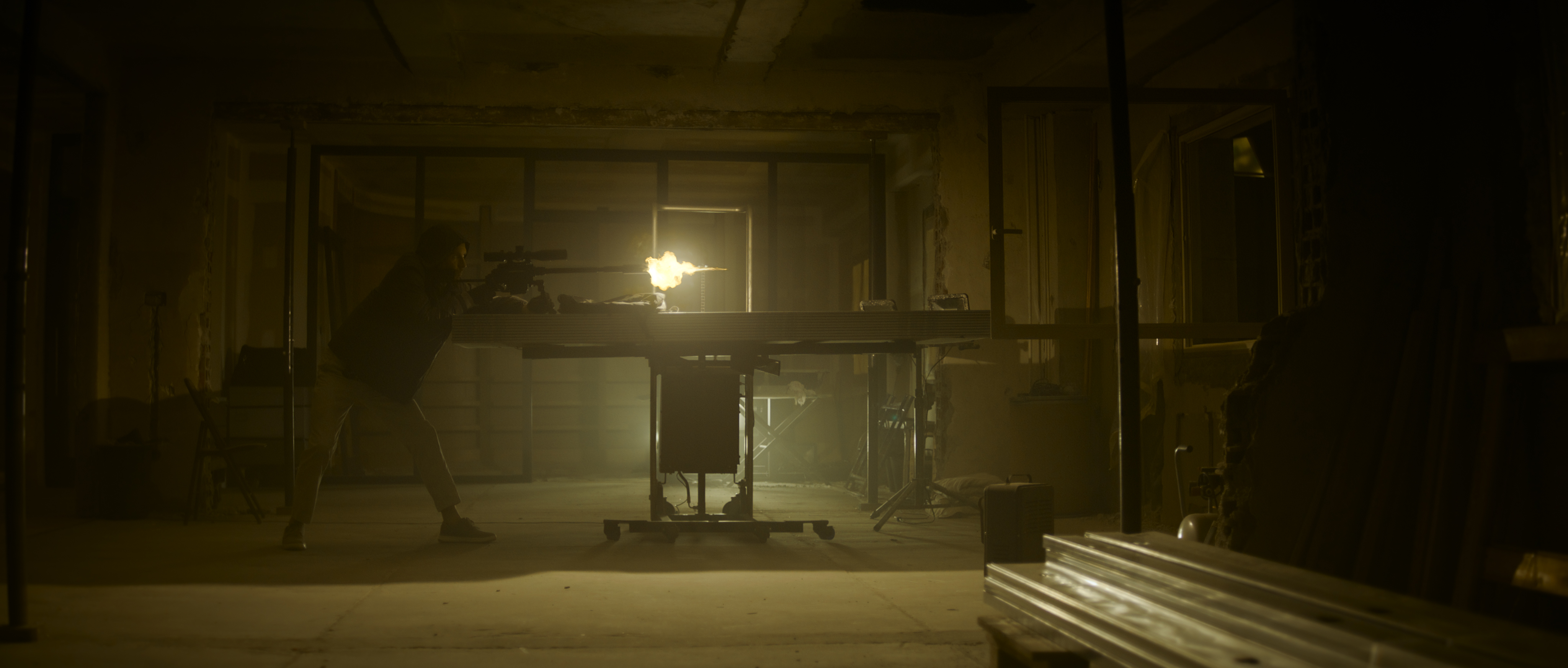
In absolute stillness, an unnamed assassin lurks in the darkness, surveilling his next target with an almost inhuman patience. But beneath his steely resolve is a man wrestling with his inner conscience. When a botched hit leaves the gunman with no choice but to retire from the world of professional killing, his shadowy past isn’t so willing to let him go – making him a target for his former employers, and his own demons. Teaming up with screenwriter Andrew Kevin Walker for the first time since Se7en, David Fincher’s cold-blooded action thriller is a masterful work of icy precision, punctuated by meticulously executed, genuinely jaw-dropping action set pieces. Heading up a stellar cast, Michael Fassbender is mesmerising as the titular killer, his poise and physicality perfectly embodying a man losing the control that once defined him.
October 5, 2023 Southbank Centre, Royal Festival Hall
October 6, 2023 Southbank Centre, Royal Festival Hall
After a fateful near miss an assassin battles his employers, and himself, on an international manhunt he insists isn’t personal.
Netflix Presents: Michael Fassbender “THE KILLER”
Arliss Howard, Charles Parnell, Kerry O’Malley, Sala Baker
With Sophie Charlotte and Tilda Swinton
Casting: Laray Mayfield Sound Design: Ren Klyce Music: Trent Reznor & Atticus Ross Costume Designer: Cate Adams Editor: Kirk Baxter ACE Production Design: Donald Graham Burt Director of Photography: Erik Messerschmidt ASC Executive Producer: Alexandra Milchan Producers: William Doyle, Peter Mavromates Produced By: Ceán Chaffin p.g.a.
Based on “The Killer” Alexis “Matz” Nolent Illustrator: Luc Jacamon