‘Mindhunter’ DP Erik Messerschmidt on Working with Fincher, the Show’s Aesthetic, and Season 2

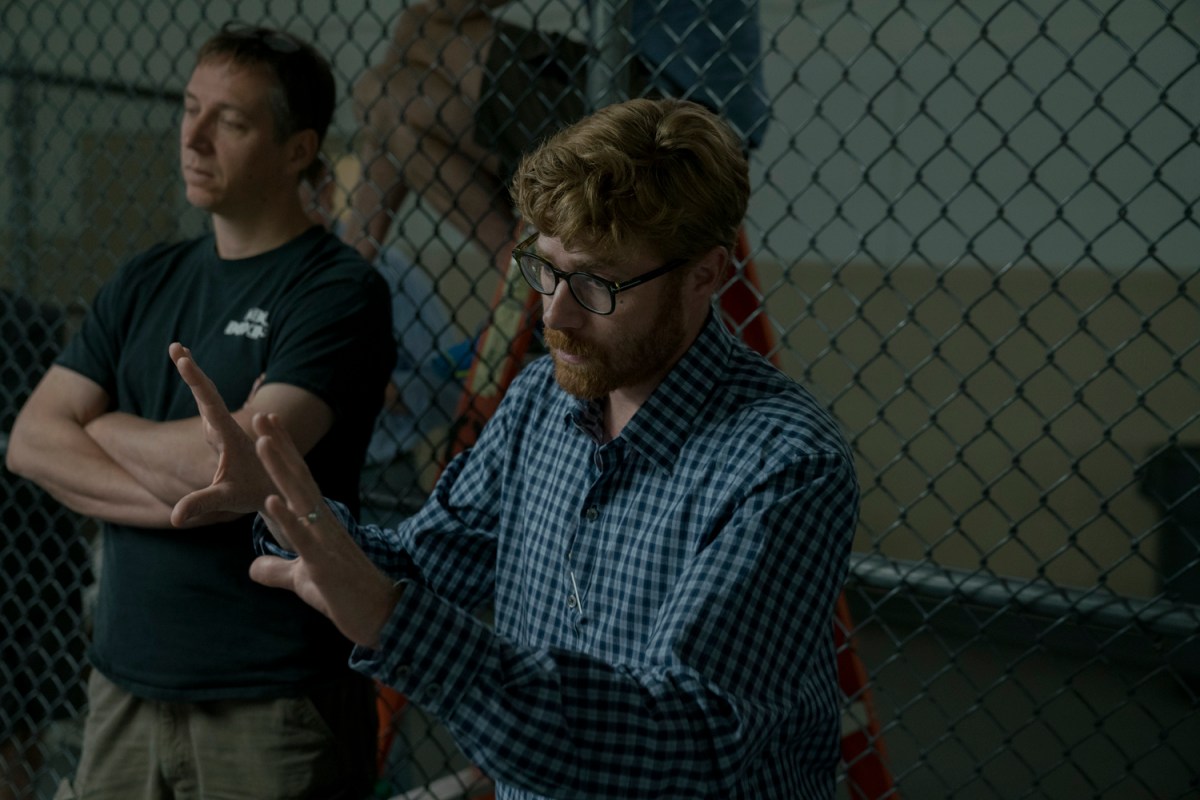
Erik Messerschmidt with Camera Operator Brian Osmond (Patrick Harbron / Netflix)
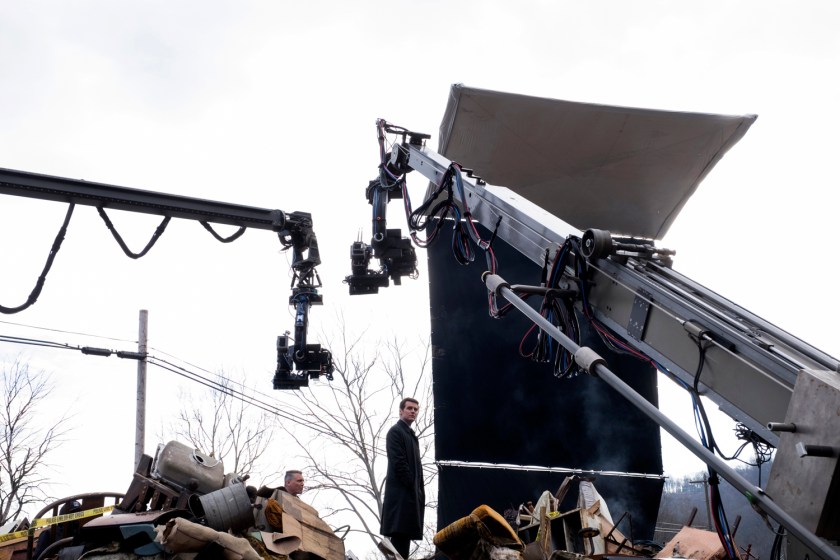
2018-05-28. Collider - ‘Mindhunter_ DP Erik Messerschmidt on Working with Fincher, the Show_s Aesthetic, and Season 2 06
Merrick Morton / Netflix

Adam Chitwood
May 28, 2018
Collider

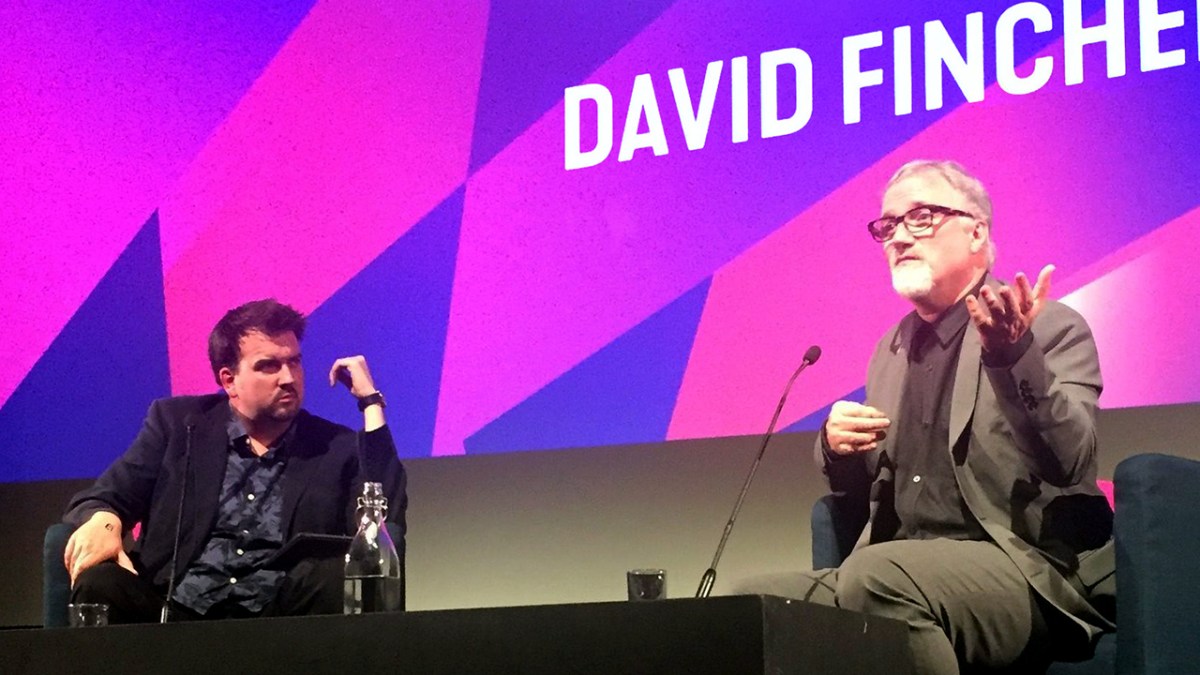
The Netflix original series Mindhunter is, by far, one of the best new shows currently running. The true story-based, 1977-set drama chronicles the early days of criminal psychology and criminal profiling primarily through the eyes of three people at the FBI’s Behavioral Science Unit: eager newcomer Holden Ford (Jonathan Groff), somewhat jaded veteran Bill Tench (Holt McCallany), and brilliant psychology professor Wendy Carr (Anna Torv). That this show is immaculately crafted from top to bottom will come as no surprise to those aware that it’s the brainchild of David Fincher, who serves as executive producer and directed nearly half of the series’ first season.

This is without doubt one of the best looking pieces of entertainment released in 2017, regardless of medium, with classical framing, motivated camera movement, and a tremendous palette that gives a mere peek into the darkness inside the minds of the criminals and serial killers who are the subject of the Behavioral Science Unit’s interviews.

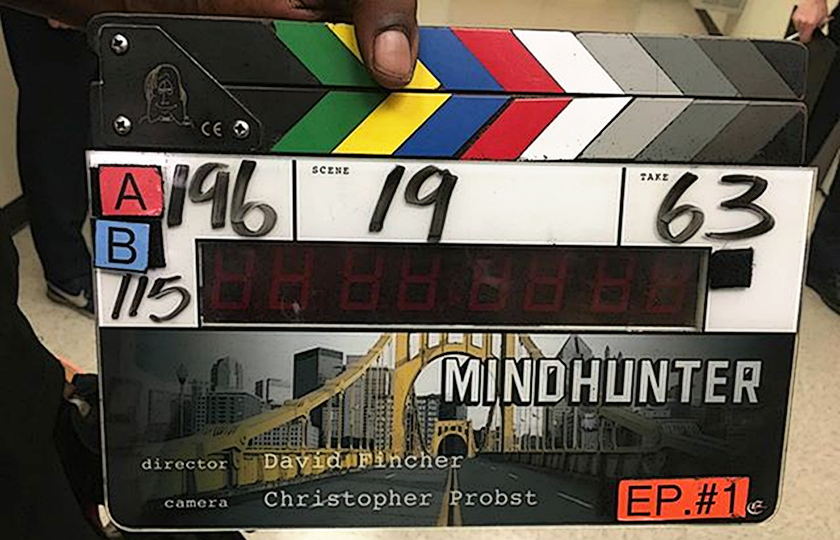
So when I got the chance to speak with cinematographer Erik Messerschmidt about his work on the series, I was thrilled. Messerschmidt shot eight of the first season’s 10 episodes, including the Fincher-directed closing installments, and as he revealed during our interview, this was essentially his first major gig as a cinematographer. Messerschmidt had worked previously as a gaffer on shows like Mad Men and Bones, and then later the feature film Gone Girl where he first came into contact with Fincher. Based on their work together on that film, Fincher called Messerschmidt up when they were looking for a new DP for Mindhunter after the show’s original cinematographer exited over creative differences.

This promotion from gaffer to DP is a familiar refrain with Fincher’s cinematographers, as he did the same with his The Game and Fight Club gaffer Claudio Miranda, who was brought on as DP for The Curious Case of Benjamin Button and went on to win the Oscar for Best Cinematography for his work on Life of Pi.

Messerschmidt’s rise to the primary cinematographer of Fincher’s brand new TV show elicits similarly spectacular results, as the DP’s work on Mindhunter is elegantly classical and incredibly motivated by character and theme. During the course of our conversation, Messerschmidt talked about the road that led to him becoming the cinematographer on Mindhunter, the specifics of his working relationship with Fincher, what it’s like to serve as a DP in the world of episodic television, how the work of production designers and costumes designers goes under-appreciated, and trying to maintain a consistent aesthetic with multiple directors. He also teased a bit about Mindhunter Season 2, including revealing their extensive shooting schedule.
Check out the full interview

2018-05-28. Collider - ‘Mindhunter’ DP Erik Messerschmidt on Working with Fincher, the Show’s Aesthetic, and Season 2 07.jpg
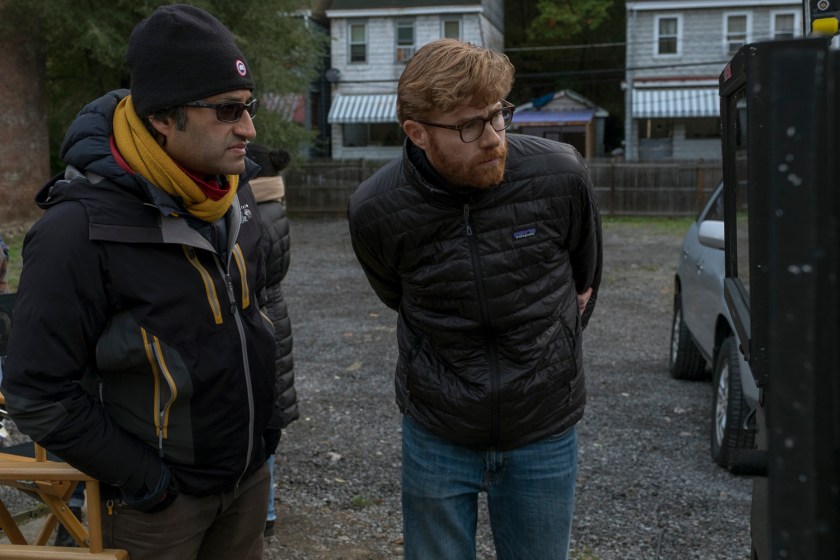
Erik Messerschmidt with Episodes 3 & 4 Director Asif Kapadia (Merrick Morton / Netflix)
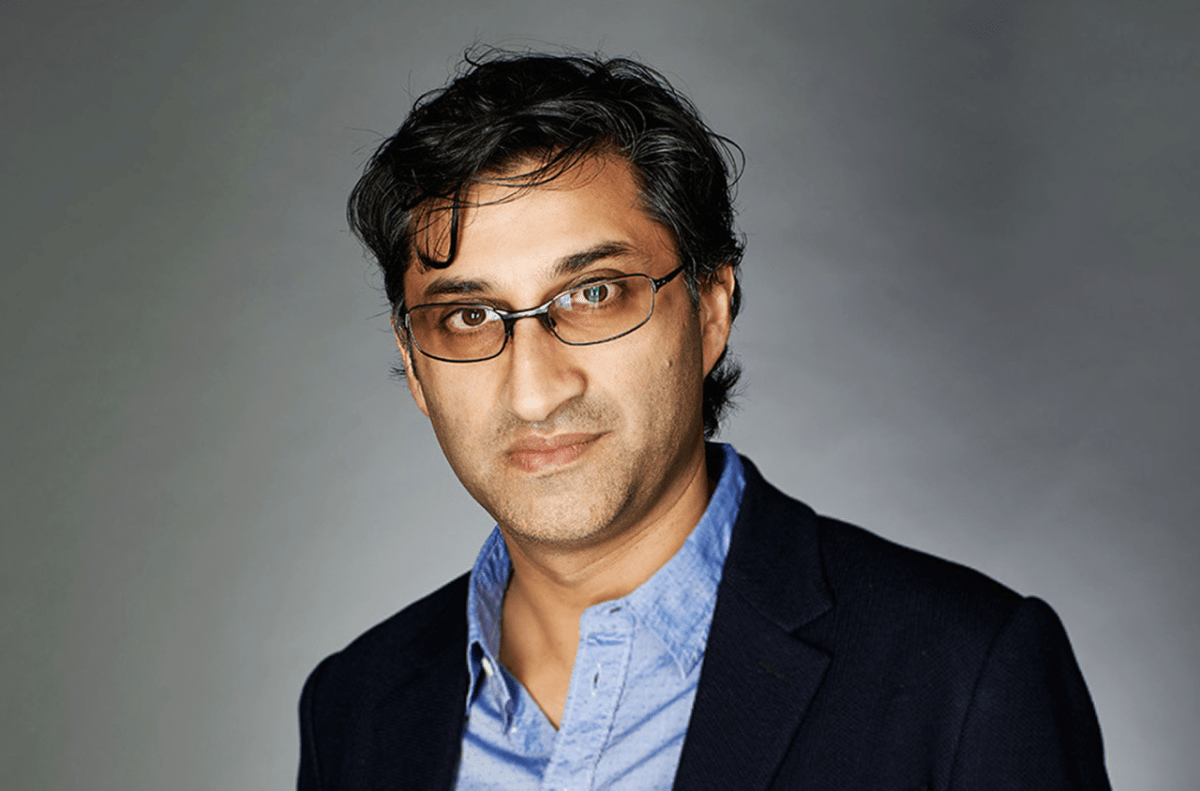
Asif Kapadia on the music of Mindhunter, Amy and Senna

2018-02-09 Soundtracking with Edith Bowman (Audioboom) - Episode 76. Asif Kapadia on The Music of Mindhunter, Amy and Senna

Edith Bowman
February 9, 2018
Soundtracking with Edith Bowman (Audioboom)

Another week, another Oscar winner chats to Soundtracking in partnership with the EE BAFTAs.

These days, the quality and quantity of original programming on streaming services is quite astounding – with A-list talent delivering high-class drama time and time again.

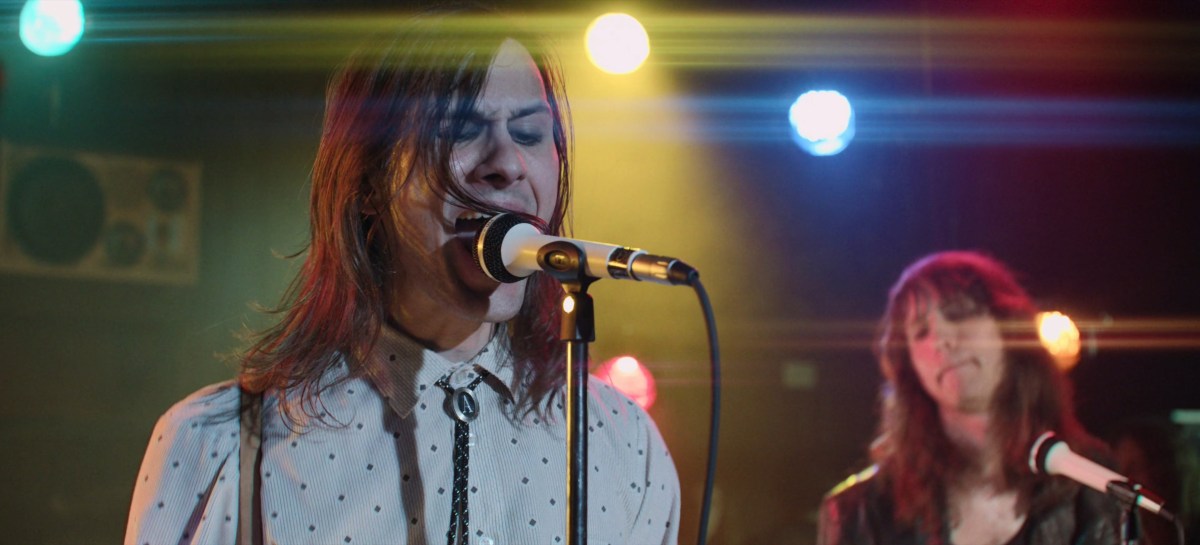
One of Netflix‘s standout series of 2017 was Mindhunter. Overseen by David Fincher, it tells the story of how the FBI’s profiling unit came into being in the 1970s. By turns dark, funny, moving, cool and brutal, it also makes great use of contemporary pop & rock.

So it’s with great pleasure that we welcome Asif Kapadia to the show, who directed two episodes of the first season.

Asif has won numerous awards for The Warrior, Senna and Amy, with the latter scooping the Oscar for Best Documentary. There will, of course, be plenty of examples of Amy Winehouse‘s music throughout the course of the conversation, as well as composer Antonio Pinto‘s work on both Amy and Senna.

The “FINCHER App”

Harmonica Cinema: Mindhunter

Excellent article on the cinematography of Mindhunter by Spanish DP, Producer and cinematography scholar Ignacio Aguilar. Time to practice your rusty Spanish or get help from a good web translator.

Harmonica Cinema - Logo

Serie creada por David Fincher para Netflix, basada al parecer en investigaciones y trabajos reales del FBI y que está ambientada hacia 1977. El protagonista es un joven agente (Jonathan Groff), quien tras una operación fallida es relegado a dar clases formativas junto a otro agente más veterano (Holt McCallany) viajando por el país y estudiando casos concretos de crímenes reales. Para intentar resolverlos, los agentes comienzan a entrevistarse con asesinos en serie a fin de estudiar su psicología y tratar de aplicar lo aprendido para resolver los nuevos casos que se van presentando. Pero la cercanía con los asesinos y sus mentes provocarán un fuerte impacto en el protagonista. Hannah Gross, como su novia, así como Anna Torv, como una psicóloga que en principio colabora con el equipo y posteriormente se une al mismo, forman el reparto principal, en el que Cameron Britton, como uno de los peligrosos asesinos que aparecen en los diez episodios de esta notable primera temporada, crea una gran impresión.

Ignacio Aguilar
25 enero 2018
Harmonica Cinema

Fincher se ha hecho cargo de cuatro de estos diez episodios de arranque (los dos primeros y los dos últimos), mientras que Christopher Probst [ASC] rodó los dos primeros y Erik Messerschmidt los ocho restantes. Probst es un viejo conocido de los lectores de “American Cinematographer”, ya que desde hace más de dos décadas colabora con la revista con entrevistas y artículos y, desde hace años, viene siendo su editor técnico. Seguramente en alguna de estas entrevistas conoció a Fincher en los años 90. Desde entonces, en paralelo, ha venido desarrollando una sólida carrera como director de fotografía en videoclips, con trabajos para artistas como Taylor Swift o Eminem entre muchos otros. “Mindhunter” es su primera gran oportunidad en la ficción, como lo es también para Messerschmidt, ya que hasta la fecha su oficio venía siendo el de “gaffer” o jefe de eléctricos. Como ya le sucediera a Claudio Miranda, “gaffer” en parte de Se7en, The Game y Fight Club al que Fincher dio su primera gran oportunidad con “The Curious Case of Benjamin Button”, Messerschmidt ocupó este cargo para Jeff Cronenweth en “Gone Girl” y Fincher le ha ofrecido con esta serie la oportunidad de rodar una importante serie de televisión.

Desde hace muchos años, en concreto desde los tiempos de “Zodiac” (2007), con la que esta serie guarda bastantes similitudes temáticas y estilísticas, David Fincher ha venido siendo un abanderado de la tecnología digital para adquirir sus imágenes. Desde 2010, Fincher ha sido fiel a la empresa de cámaras RED, habiendo empleado casi todas sus cámaras en sus proyectos: la Red One MX en “The Social Network”, una mezcla de Red MX y Epic MX en “The Girl With the Dragon Tattoo” (2011), así como la Epic Dragon en “Gone Girl” (2014). Incluso también su serie “House of Cards” (2013) empleó los sensores Mysterium-X y Dragon. Fincher, por lo tanto, es uno de los más prestigiosos cineastas del universo RED, de modo que no resulta del todo extraño que la empresa le haya fabricado tres cámaras customizadas (denominadas Red Xenomorph, que recuerdan estéticamente al “Alien” de Giger, saga en la que participó Fincher como director). Estas cámaras incorporan el mismo sensor Dragon que Red Weapon convencionales, pero además de una forma más ergonómica, proporcionan más conexiones, vídeo y motores inalámbricos, etc. En cierto modo, lo que a estas alturas Red debería estar ofreciendo ya a sus consumidores, en lugar de sus cámaras modulares tradicionales con las que nunca parece poder competir con ARRI, excepto para Netflix, ya que sus cámaras son las únicas de “alta gama” (además de las Sony) que cumplen con el requisito de los 4K nativos (que llevan a absurdos como el hecho de que la única Alexa que se puede emplear sea la Alexa 65).

Lee el artículo completo

Harmonica Rental - LogoHarmonica Films - Logo

Fincher addresses the complaints about him doing too many takes

“So everybody bitches and moans about how many takes… People I’ve never even met complain about how many takes I shoot.”

10 Most Unfiltered Commentary Tracks

Dustin & Adam Koski
January 9, 2018
ListVerse

Conversations with Jonathan Groff of MINDHUNTER

SAG-AFTRA Foundation (YouTube)
December 4, 2017

Q&A with Jonathan Groff of MINDHUNTER.

How do we get ahead of crazy if we don’t know how crazy thinks? In MINDHUNTER, FBI agents Holden Ford (Jonathan Groff) and Bill Tench (Holt McCallany) study the damaged psyches of serial killers in an attempt to understand and catch them, and in the process pioneer the development of modern serial killer profiling. The series launched globally October 13 on Netflix.

Nev Pierce’s Next Steps

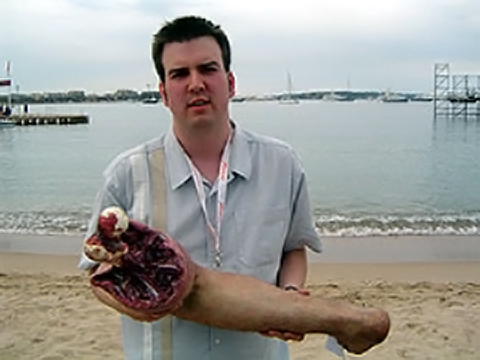
2004 Nev Pierce - Cannes
Cannes, 2004

Nev Pierce, one of the finest British film journalists, with a career of 20 years, and now a thriving Filmmaker, has revamped his website, NevPierce.com.

A nice occasion to revisit it, read his interviews to A-list actors and filmmakers, specially the essential David Fincher set visits and career interviews for Total Film and Empire magazines, from Zodiac to Mindhunter, plus a retrospective piece on Fight Club (all fully available in PDF), watch the trailers for his short films, praised by Fincher and Mark Romanek themselves, and rejoice at the announcement that he is co-writing a TV series and developing the thriller Packaged, as co-writer and director, with executive producer… David Fincher.

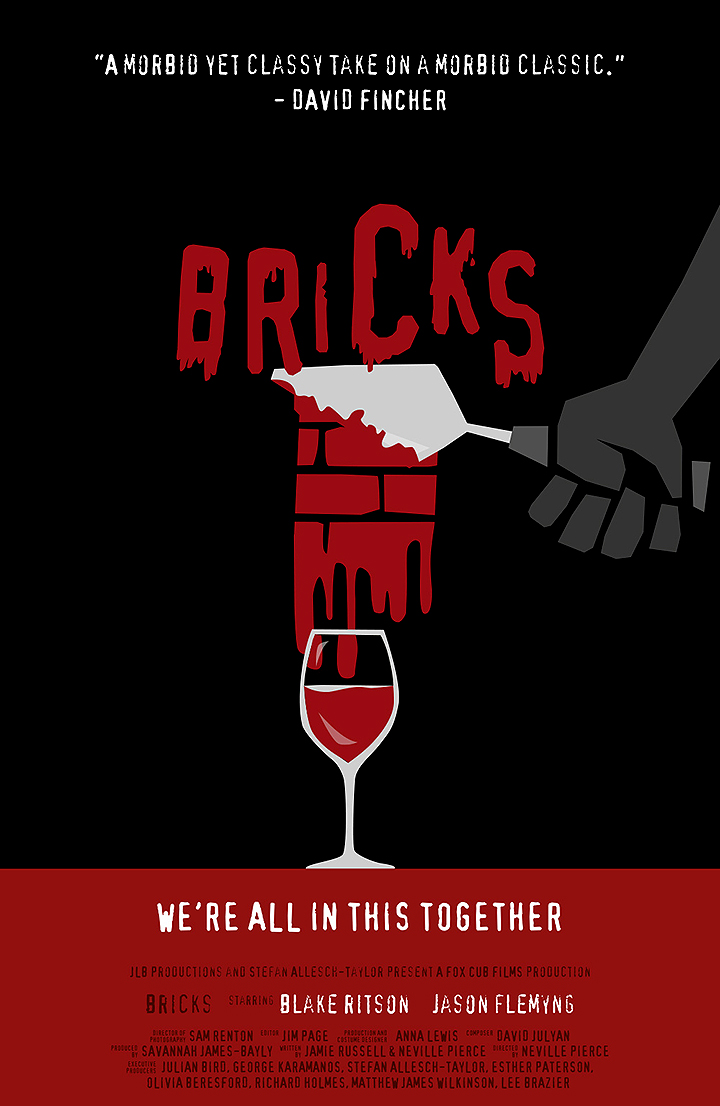
2015 Bricks (Nev Pierce)1.jpg
Bricks (Short Film, 2015)

Aaron Sorkin Got Advice from David Fincher and other Directors

Migdalia Melendez
December 21, 2017
Screen Rant

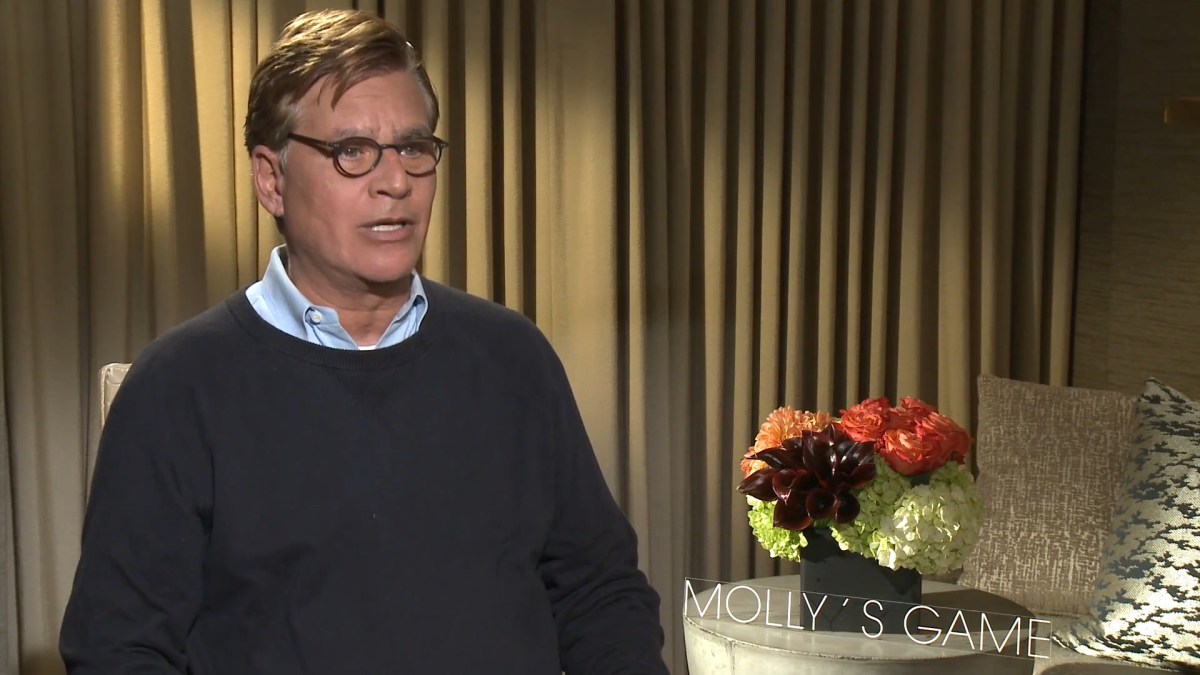
Aaron Sorkin is lauded as one of the best screenwriters of our time whose films have generated more than $350 million dollar at the box office. A seasoned writer of twenty five years penning classics such as The West Wing, and A Few Good Men, it comes as no surprise that Sorkin would get the urge to direct. At one point he was attached to direct The Social Network until David Fincher came along, and Sorkin ended up taking home as Oscar for Best Adapted Screenplay. Seven years later he was sent Molly Bloom’s autobiography, Molly’s Game, and became fascinated with the former high stakes poker queen after meeting with her.

The film adaptation chronicles Molly Bloom’s journey from Olympic skier to running a high stakes poker game in both Los Angeles, and New York. Apparently, A-List celebrities such as Leonardo DiCaprio, Ben Affleck, and Tobey Maguire were frequent players. However, things get ugly fast as soon as the Russian mob gets involved.

Producers Mark Gordon and Amy Pascal ran down a list of possible directors with Sorkin, but offered him another chance to take the director’s chair. He took it. With a tight turnaround from casting to wrapping, Aaron Sorkin’s feature film debuts on Christmas Day. Screen Rant sat down with the first time director and touched base on which director he has learned from the most, and about his quickfire dialogue.

Read the interview transcript


Late Night with Seth Meyers (YouTube)
December 19, 2017

DP/30: The Oral History Of Hollywood (YouTube)
December 21, 2017

How David Fincher Uses Pop Music

The Discarded Image (Julian Palmer)
Published on 14 Nov 2017
YouTube

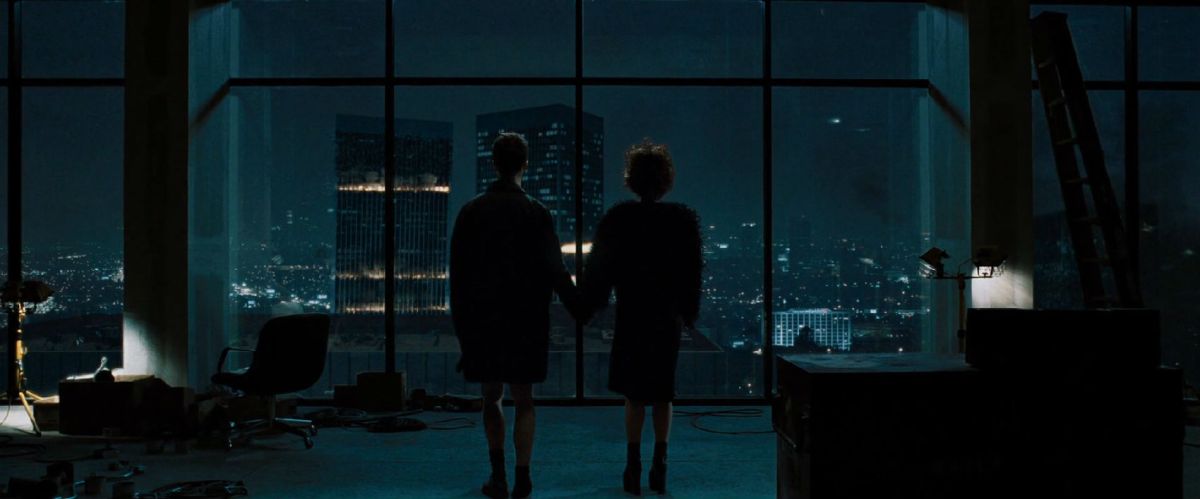
In this video essay I breakdown how David Fincher uses popular music in films like Fight Club, The Social Network and the new Netflix series Mindhunter.