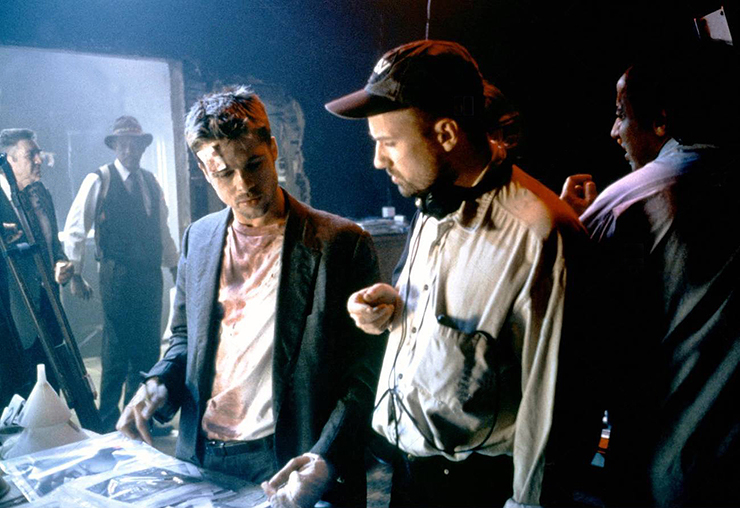
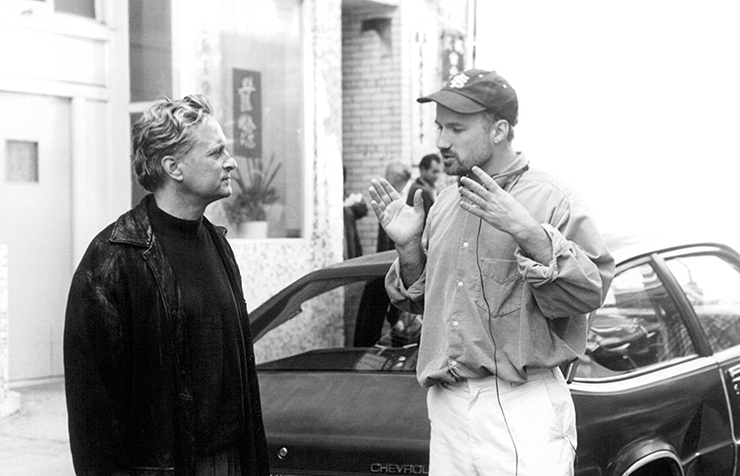
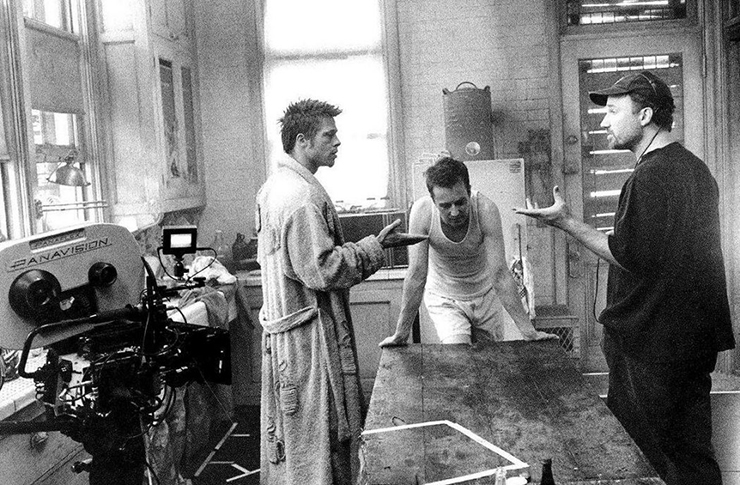
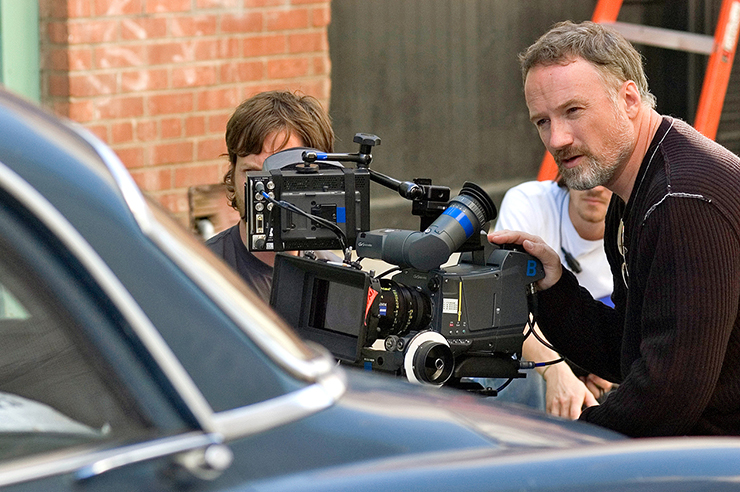
Todopoderosos: David Fincher (Vol. I)

VIDEO IN SPANISH

Todopoderosos (@todopoderosos)
Mayo 16, 2019
Espacio Fundación Telefónica (@EspacioFTef)

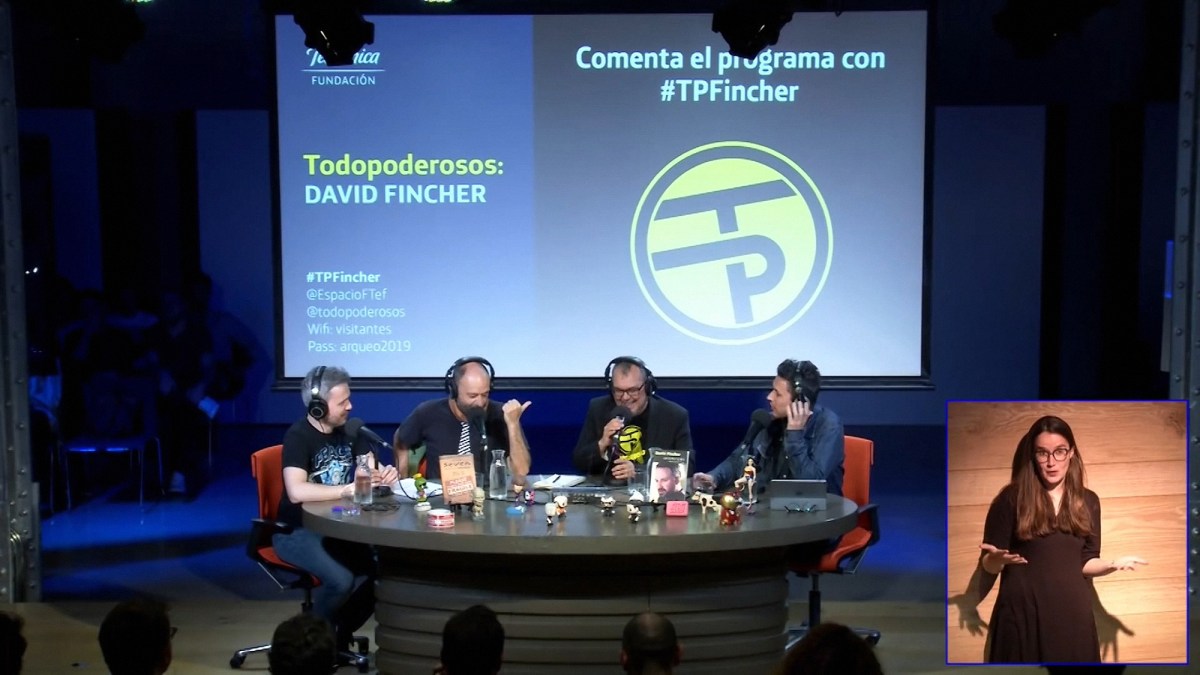
Hemos convertido nuestro auditorio en una fábrica de jabones, un juego peligroso, una caja sospechosa, una casa de cartas, una habitación del pánico…

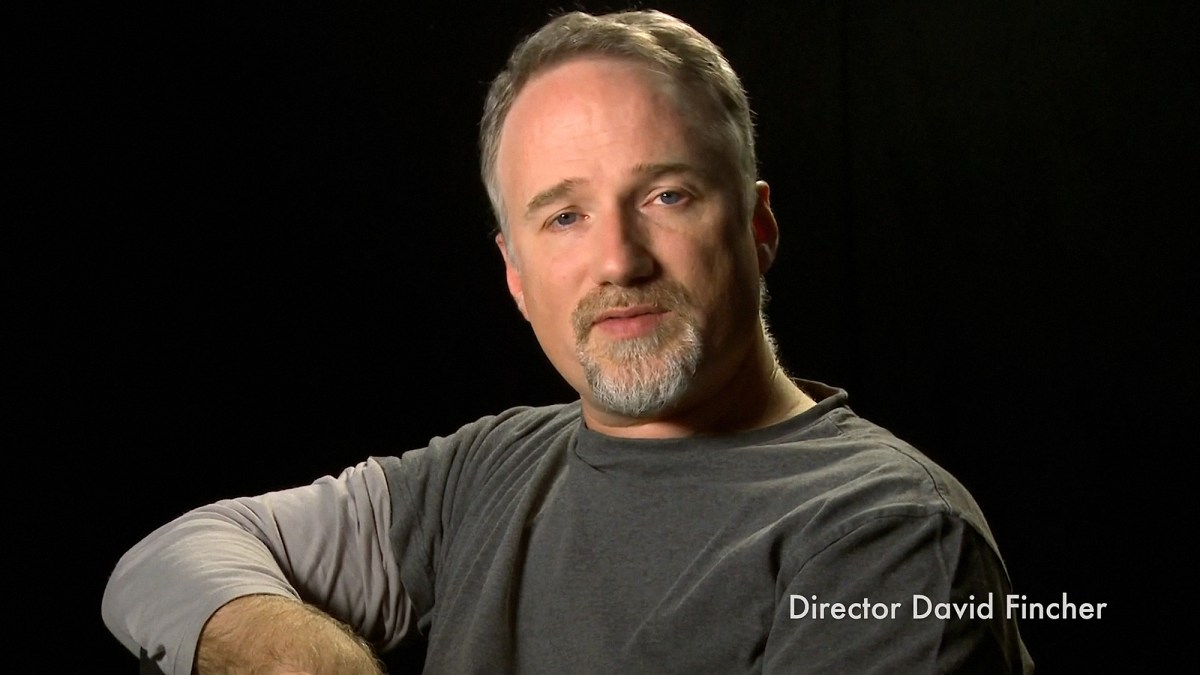
O sea, Javier CansadoRodrigo CortésJuan Gómez-Jurado y Arturo González-Campos, los mindhunters de Todopoderosos, se han dedicado a hablar de David Fincher y sus pecados capitales.

Juan Gómez-Jurado (@juangomezjurado)

Autor de libros cómo El Paciente, Cicatriz o su reciente Reina Roja, un autor traducido a más de 40 idiomas, y una de las mentes más intrigantes de la cultura española.

Javier Cansado (@cansado2)

Un ilustre ignorante que demostrará que ambos adjetivos son falsos en su caso. Uno de los grandes cómicos de este país y un comunicador que, cada día, hay que descubrir. Se afeita regular, eso también lo tiene.

Rodrigo Cortés (@rodrigocortes)

Rodrigo Cortés ha hecho una película dentro de una caja y dos fuera. Escribe libros, habla por la radio y huele genial. Una vez se quedó atrapado en un ascensor con Carlos Boyero.

Arturo González-Campos (@arturogcampos)

Durante muchas noches ha gritado en La Parroquia de Onda Cero, escribe libros, hace guiones y es monologuista, la prueba viviente de que un feo también tiene lugar en este mundo.

Versión en Podcast:
Todopoderosos #51: David Fincher y el culo en la línea (Fincher, Vol. I)

Gracias a Jesus Cao

From Facebook to ‘Fuck-You Flip-Flops’: How Aaron Sorkin and David Fincher Made ‘The Social Network’ a Fiery Word-Off

Adam Buffery
May 28, 2019

I’ve been Mark Zuckerberg—there are times in my life where I’ve acted that way. There are times in my life where I’ve been Eduardo Saverin—where I’ve gone and made a scene and regretted it and where I’ve been emotional and felt silly and stupid. And there are times when I’ve felt self-righteous and I’ve acted out in this other way… Look, what Mark does is no different than directing a movie—it’s what I do for a living every day. You grow something, and your job is to grow it well and to make sure it gets enhanced and to take care of it. That’s the subject of the movie. And if you have to hurt people’s feelings in order to protect that thing, that’s what you have to do. It’s a responsibility. You want to love every character in the movie. You want to be able to understand them. You want to be able to relate to them. But, as a director, the characters’ behaviors are inevitably related to facets of moments in your own life. You look at the work and say, Maybe I do know what that is. I’ve been the angry young man. I’ve been Elvis Costello. I know what that’s like. The anger is certainly something I felt that I could relate to—the notion of being twenty-one and having a fairly clear notion of what it is you want to do or what it is you want to say and having all these people go, well, we’d love to, we’d love you to try. Show us what it is that you want to do. It’s that whole condescending thing of having to ask adults for permission because the perception is that you’re too young to do it for yourself. And that’s why I understood Mark’s frustration. You have a vision of what this thing should be. And everyone wants to tell you, Oh, well, you’re young. You’ll see soon enough. —David Fincher

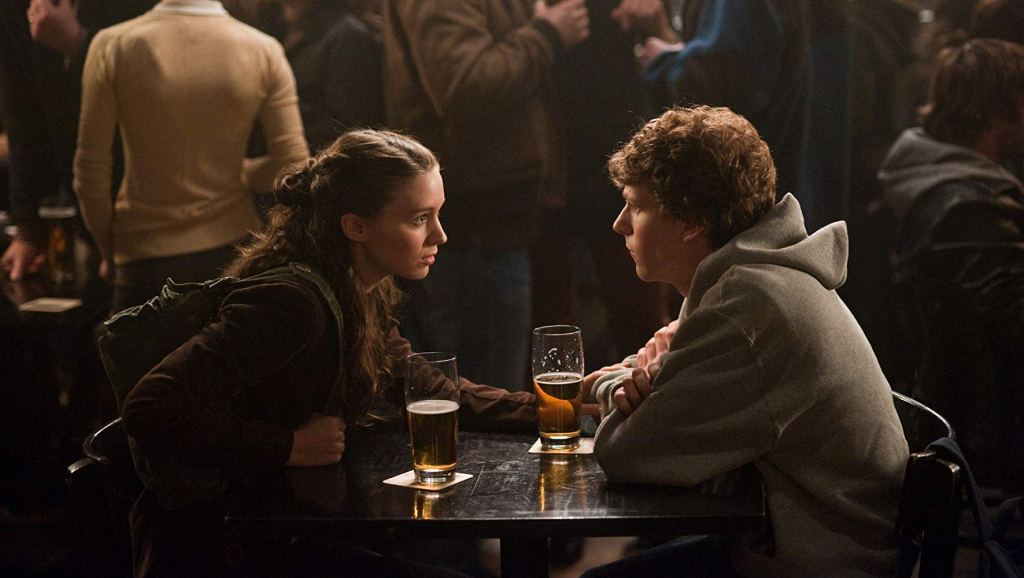
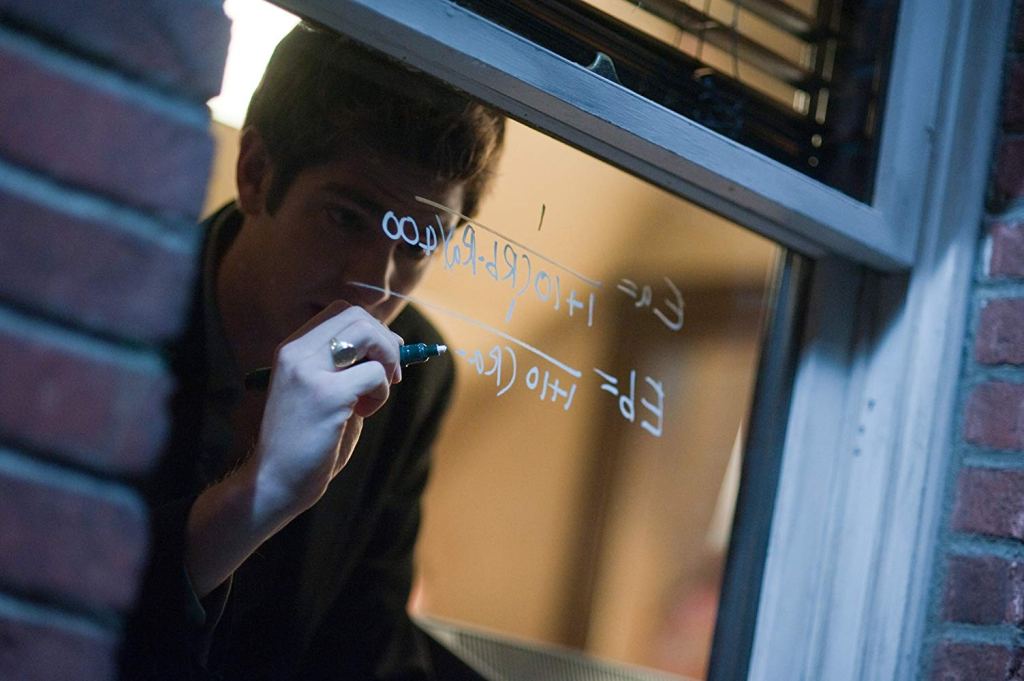
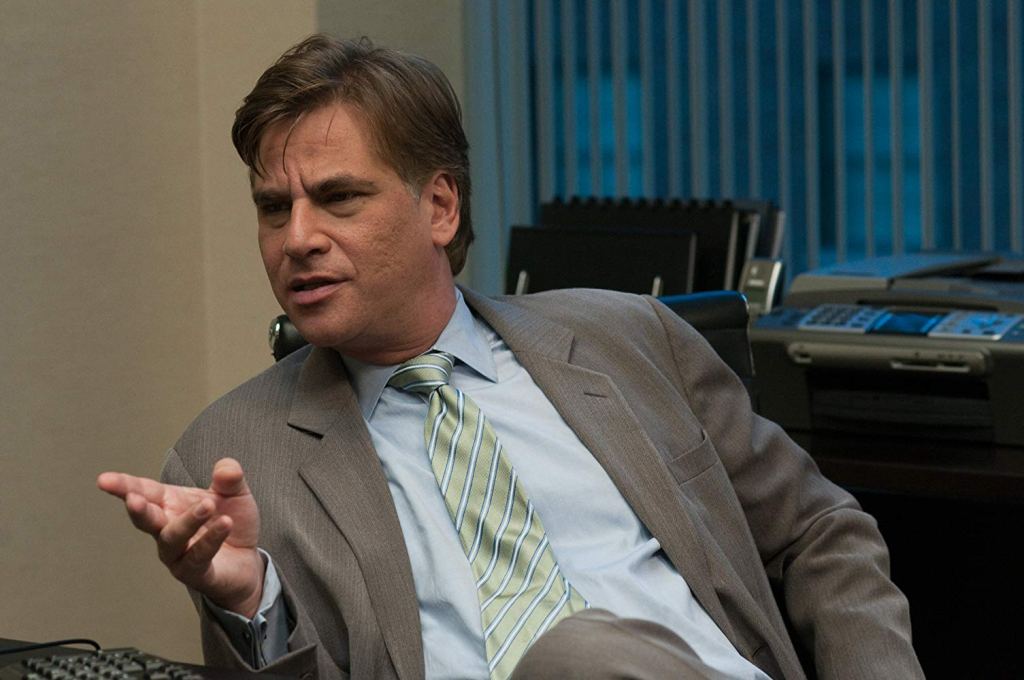
The 21st century computer-scribes who work behind the scenes behind the screens, creating culture and beauty with code, got an anti-hero to remember on the silver-screen in 2010 with David Fincher’s 8th feature film. From a once-in-a-generation, “holy shit” screenplay by Aaron SorkinThe Social Network is a movie about a 19-year-old Harvard student creating Facebook while losing the relationships in his life. It is an examination of a social outsider who built one of the biggest “clubs” the world’s ever seen, and it’s about the new age zooming past the old. It’s about ignorance in high places, that awkward moment when powerful hired officials prove they have no concept of what simple features on Facebook are in a hearing on Facebook security. It’s about a new language of coding that’s sweeping and running the globe, and about treating coding with the respect it deserves. It’s about coders being taken as seriously as writers, musicians, filmmakers, film producers, painters, costume-designers, photographers, and all other artists and creators. It’s about attaining power even though you’re socially anxious or awkward, and about finding that inner drive that helps you accomplish your goals. It’s about what happens when you lose your humility in your thirst for greatness, and about the fragility of the line between “passionate” and “ass-hole.” The Social Network is simultaneously about a seismic shift in the zeitgeist and your best friend getting your company in trouble for feeding his fraternity chicken a piece of chicken. It’s about creating and solidifying one’s identity, and everything and anything else that goes with what Fincher once jokingly referred to as “the Citizen Kane of John Hughes movies.”

Read the full article

Film stills by Merrick Morton (Sony Pictures)

Other in-depth articles on films by David Fincher on Cinephilia & Beyond:

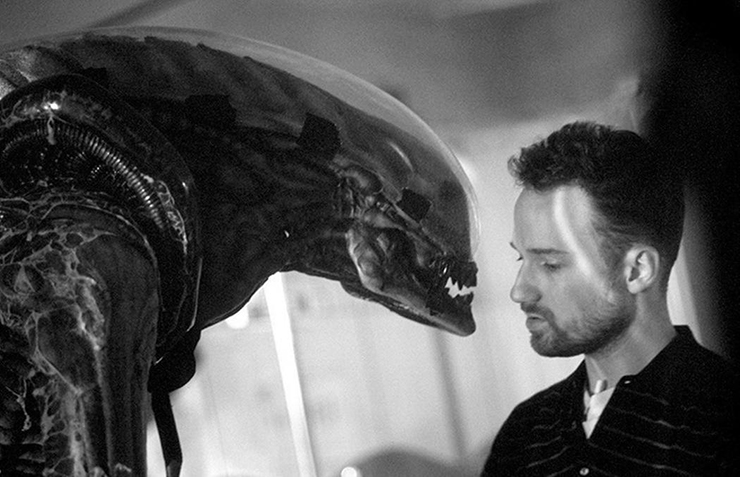
Alien3: “Take all of the responsibility, because you’re going to get all of the blame”

Se7en: A Rain-Drenched, Somber, Gut-Wrenching Thriller that Restored David Fincher’s Faith in Filmmaking

Downwards Is the Only Way Forwards: Welcome to David Fincher’s The Game

Fight Club’: David Fincher’s Stylish Exploration of Modern-Day Man’s Estrangement and Disillusionment

Fincher’s Zodiac As Easily One Of The Best Thrillers Of The Millennium So Far

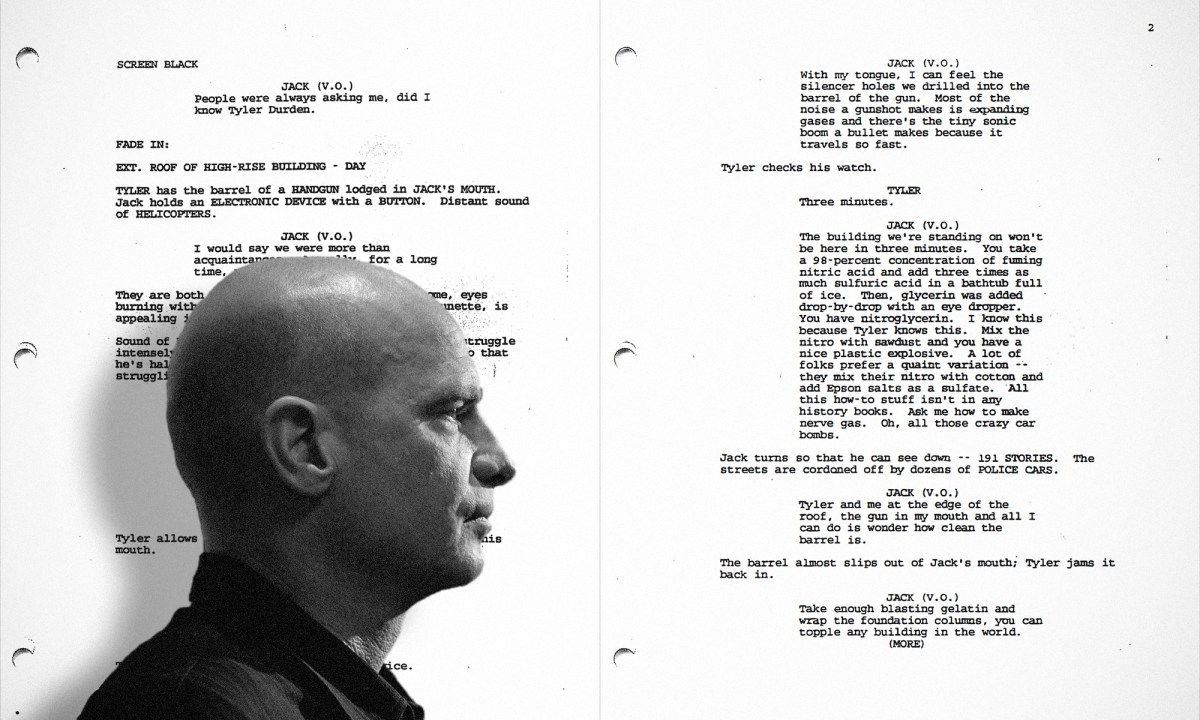
Interview with Fight Club Screenwriter Jim Uhls

Dave Bullis
May 11, 2019
The Dave Bullis Podcast (PodBean)

Jim Uhls is a screenwriter and producer. Jim’s sceenwriting credits include, Fight Club, the feature-film Jumper, the NBC television film Semper Fi, and the SyFy miniseries Spin

Jim’s current online class on screenwriting is available at Creative Live. And you can follow him on Twitter.

Show Notes

0:02:39 – How did Jim get his first (credited) writing gig as Fight Club?
0:04:19 – Chuck Palahniuk
0:10:36 – The Meeting
0:14:03 – The Narrator
0:18:50 – Screenwriting Rules
0:31:14 – Jim’s Screenwriting Advice
0:38:58 – The Scent of Blood
0:50:13 – Jim, if he’ll ever direct
0:52:57 – David Fincher Directing Style
1:05:17 – My Fight Club house story

Listen to the full interview

H8URS: David Fincher

H8URS

8hours [Eight – Hours] is a site dedicated to bringing film analysis to the masses through video essays, an exciting new format, sprung from the internet.

Video essays are a platform for filmmakers and film buffs to present researched but personalized film critiques, analysis, discussions and lessons to the world. They are a way of democratizing film criticism and the filmmaking process, a direct line to engaging with movie lovers like you.

We believe that you don’t need to go to film school to be a filmmaker and that breaking down the choices made by filmmakers can serve as a key to learning the craft of filmmaking.

There is a lot of contente here, but we can’t take credit for all of it. We’ve spent the better part of a year scouring the dusty corners of the Internet for the best video essays. We then archived each video to the 8hours library according to categories including film title, director, genre and a range of screenwriting and filmmaking techniques.

We know there are tons of talented people out there making videos, but it can be hard, if not impossible, to find them all. As new movies, technology and analysis emerge, our goal with 8hours is to continue to grow while making sure great videos are just a click away.

That’s where you come in:

  • If you know of an essay or creator you don’t see on our site, please Submit a Video.

  • If you have an idea for a video essay you’d like to see made, use our Pitch Box.

And as always, happy viewing:

H 8 U R S : David Fincher

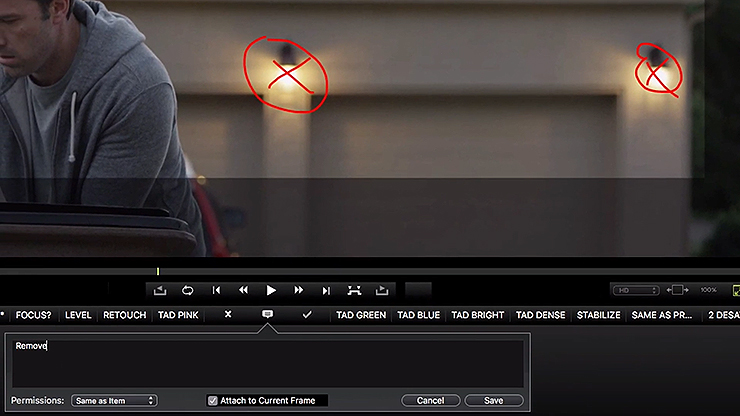
PIX System: Introduction to PIX

March 26, 2019
PIX System (YouTube)

At PIX System, we help create entertainment and media by bringing creativity, collaborators and assets together. For 16 years, we’ve been creating and innovating ways to give the top creative talent, studios, mini-majors, networks, indie productions, and online content providers the time and resources they need to create. Better. Faster. More reliably.

Our industry leading platform is an open sandbox and secure home base, viewer, community workspace, media mine, think tank and muse – a place on the digital frontier where creative and strategic content and communication are safe and tidy and easily found, shared and worked on alone or together.

PIX Wins Technical Oscar: Our Conversation

Nick Dager
February 11, 2019
Digital Cinema Report

On Saturday night at its annual Scientific and Technical Awards Presentation, the Academy of Motion Picture Arts and Sciences honored PIX with a Technical Achievement Award. The award recognized Eric Dachs, founder and CEO; Erik Bielefeldt, director of research and development; Craig Wood, technical director; and Paul McReynolds for the design and development of the industry leading security mechanism for distributing media. Prior to the awards ceremony, Digital Cinema Report spoke exclusively with Bielefeldt and Wood to talk about the company’s continued innovation in the evolving world of content collaboration from film to digital to next-generation data rich requirements.

Read the full interview

PIX, the only addiction I have left.”
— David Fincher

PIX System

Pressure and Obsession in the Films of David Fincher

Piers McCarthy
February 2012 / November 15, 2018

This dissertation aims to show the recurring themes of pressure and obsession in the work of film director David Fincher. Looking specifically at Seven (David Fincher, New Line Cinema, 1995), Zodiac (David Fincher, Paramount Pictures, 2007) and The Social Network (David Fincher, Columbia Pictures, 2010), I will show the gradual change in style and subject matter while still highlighting the resonance of the two themes under analysis. Furthermore, it will be shown how obsession and pressure link to Fincher’s working method. I will be examining critical, journalistic and academic writings to assess the themes and Fincher’s directorial position. Whereas Seven has had a great deal written about it, Zodiac and The Social Network are more recent films and thus there is less literature on them. For this reason, study on both films should garner more original analysis.

The themes of pressure and obsession differ slightly in all three films, however, there is an overriding sense in each film that the workplace and environment has a pressurizing effect on the characters. What is more, pressure can at times define the notion of obsession. Obsession is mostly shown as a mutation of characters’ personal drive, or an extension of their duties for work. The two themes can at times separate themselves in terms of aesthetic and narrative presentation yet they are mainly one and the same; at times they can even be analyzed in the context of Fincher’s filmmaking practice.

Chapter one gives an overview of contemporary Hollywood, the role of the director, Fincher in relation to both of these, the two themes under analysis and deliberations on auteurist theory – this constitutes the literature review. The second chapter examines the impetus of investigative obsession, along with the presentation of morbidity and tension in Seven. Chapter three looks at the similarity in obsessive personalities along with suspense and drama in Zodiac. Chapter four focuses on The Social Network and obsession effecting status quo. The conclusion will draw on the comparisons and contrasts from chapters two to four. It will also give an overall account of how we may regard Fincher in contemporary Hollywood and in respect to auteur theory.

Read the full dissertation

Fincherphilia & Beyond

Cinephilia & Beyond - Logo

Just a small sample of all the precious filmic resources bestowed by Cinephilia & Beyond:

1993. Alien3 01

Alien3: “Take all of the responsibility, because you’re going to get all of the blame”

1995. Se7en

Se7en: A Rain-Drenched, Somber, Gut-Wrenching Thriller that Restored David Fincher’s Faith in Filmmaking

1995. The Game

Downwards Is the Only Way Forwards: Welcome to David Fincher’s The Game

1999. Fight Club

Fight Club: David Fincher’s Stylish Exploration of Modern-Day Man’s Estrangement and Disillusionment

2007. Zodiac

Fincher’s Zodiac As Easily One Of The Best Thrillers Of The Millennium So Far

1982. David Fincher at ILM

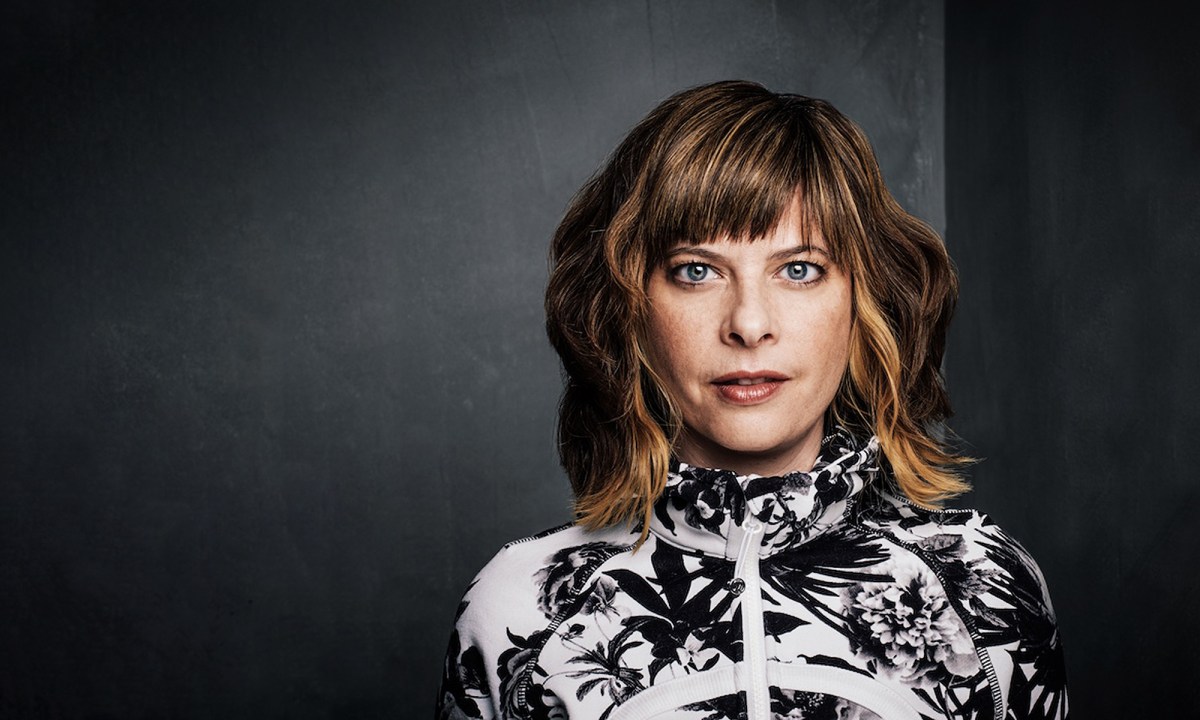
In Conversation with Jennifer Haley, Writer (Mindhunter)

Jennifer Haley (Peter Konerko)

Pop Culture Confidential. Episode 90: Jennifer Haley – Writer, Mindhunter

2018. Pop Culture Confidential (Podcast)

Christina Jeurling Birro
November 29, 2017
Pop Culture Confidential

Thrilling, dark, gripping and tense are just some of the words used to describe the hit Netflix series Mindhunter. Playwright Jennifer Haley is a writer and co-producer on the series, and joins us this week to share her experience getting into the minds of FBI agents and serial killers.

Mindhunter is a meticulously paced crime drama based on the writings of the pioneering serial killer profiler John E Douglas. Along with his team, they interviewed the likes of Ted Bundy, Charles Manson, and Ed Kemper during the seventies and eighties which resulted in a redefining of criminal profiling forever.

The series has wonderful casting, beautiful cinematography, and some of the creepiest conversations you will hear this year. Lead by David Fincher who is Executive Producer and director of four of the episodes, the writers on Mindhunter have delivered an amazing array of characters.

Listen to the podcast

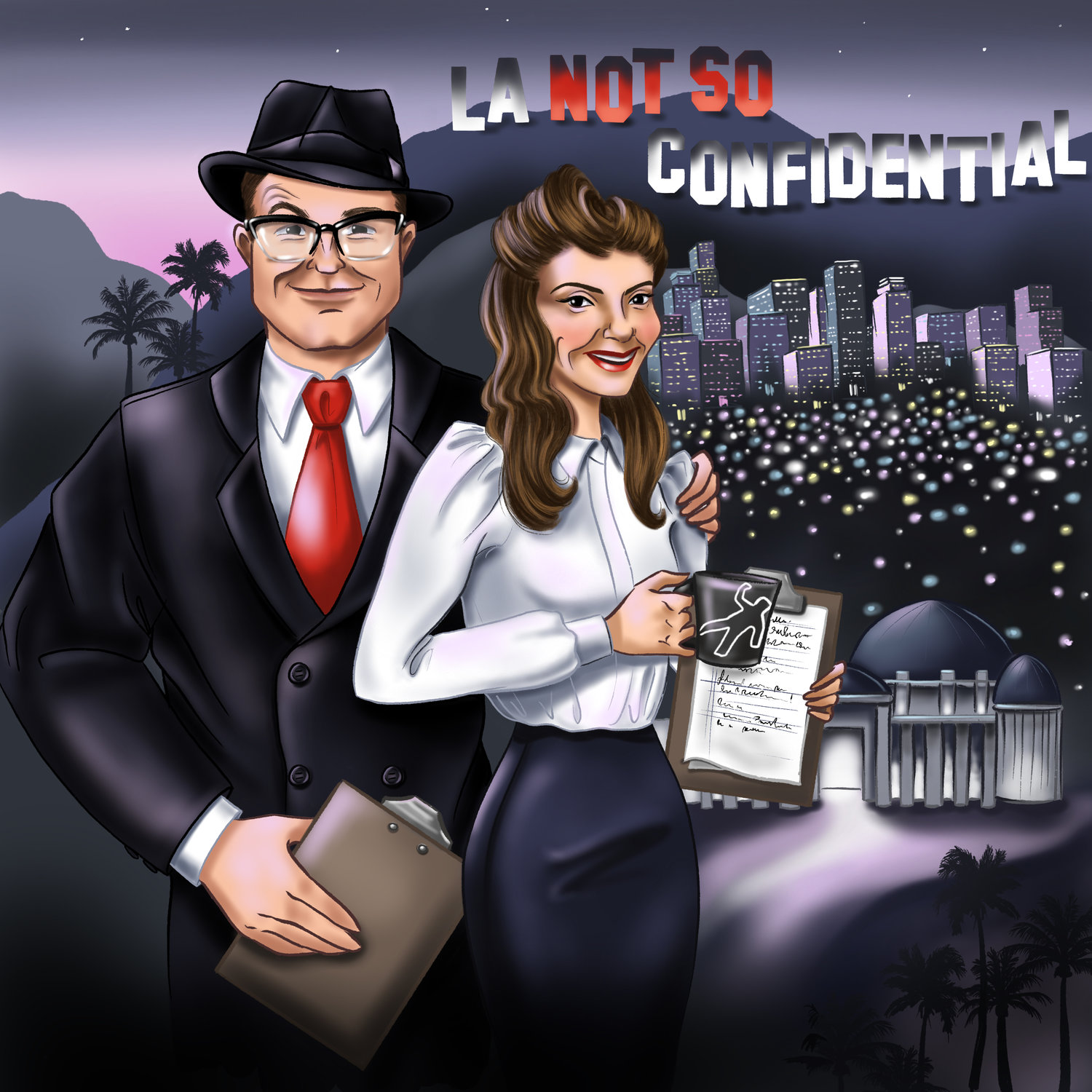
L.A. Not So Confidential. S1 Ep. 4: Writing Minds – Jennifer Haley Interview

2018. L.A. Not So Confidential (Podcast).jpg

Dr. Scott & Dr. Shiloh
December 3, 2017
L.A. Not So Confidential

Forensic psychologists, Dr. Scott and Dr. Shiloh, interview award-winning playwright Jennifer Haley who was a writer on Season 1 of Netflix‘s 2017 hit Mindhunter. In their first interview episode, they dive into the excitement and obstacles of bringing John Douglas‘ book to life and dish on several story arcs that leave us not-so-patiently waiting for Season 2! What’s with Wendy and that cat? Will there be a musical episode to see Jonathon Groff in action?

Listen to the podcast

L.A. Not So Confidential: S1 Ep. 3: Hunting Minds

Dr. Shiloh and Dr. Scott dissect their new favorite show, Netflix’s Mindhunter, and compare their own first experiences interviewing and working with the criminal population.

2012. Jennifer Haley - The NetherJennifer Haley .com

In Conversation with Mindhunter’s Cotter Smith

Davina Baynes
September 14, 2018
Absolute Music Chat

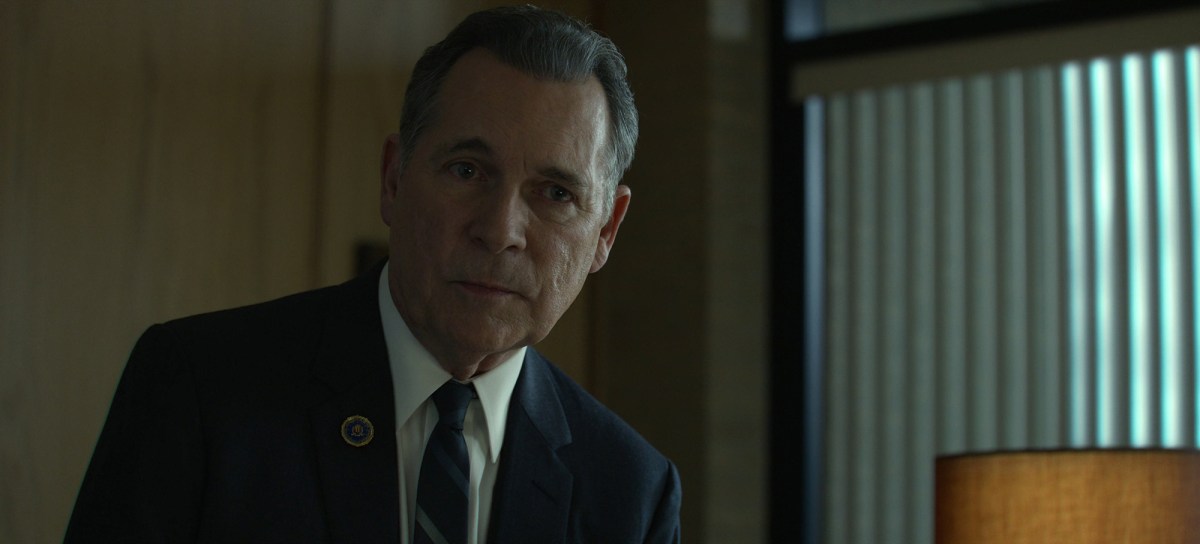
Cotter Smith was born in Washington DC, the son of a federal judge. He is an actor with a stage and screen presence spanning over 40 years. Most recently he can be seen on our screens as Unit Chief Shepard in David Fincher’s Mindhunter and as the Deputy Attorney General in The Americans but his on-screen career stretches back to Hill Street Blues (1982) and Blood Feud (1983) when he played Robert F. Kennedy. I was recently very privileged to talk with Cotter about his life and career in both acting and teaching, working with David Fincher and Steven Spielberg and much, much more.

[…]

DB: When you actually got the call from David Fincher: how did that come about?

CS: It was a call from my agent, initially, saying, ‘There’s interest. Would you be willing to read for David Fincher, for this series?’ And I said, ‘Absolutely. I’m a big fan.’ They said, ‘Well, first of all, let me tell you, it’s a guaranteed ten episodes already ordered for Netflix, but it would be a required eight months, in Pittsburgh.’ So I called my wife and said, ‘So here’s the deal, there’s this possibility, it’s not an offer but they’re interested in me, to come in and audition and we would be eight months in Pittsburgh.’ And she said, ‘Cotter, go get it, and get me out of here!’ (Laughs)

DB: She was packing her bags!

CS: She was so keen to leave New York. (Both laugh) So I auditioned. Then the wonderful casting agent, Julie Schubert, who was so helpful to me – she is really lovely, a casting agent who really loves actors and believes in the whole process – we had prepared, I think it was, these three or four scenes (I never met David) it was all on tape, that third one went off to him. She said, ‘You know, he takes a very long time to cast, so just relax. Everything he does he takes a very, very long time: from casting to shooting.’ So I said, ‘Okay,’ and a week later my agent called and said, ‘You got the job.’ I said, ‘What?’, ‘Yeah, you got the job!’ That was the first time it was ‘real’. I didn’t honestly believe I was going to get the job: I knew many, many, many people would want this job and, as an actor, you do these auditions and you don’t actually put much on them because it’s too heartbreaking if you don’t get them. I was so thrilled, and stunned. It’s exactly the kind of work that I want to do, with a kind of director that I want to work with: I love serious drama; he’s a master, master filmmaker. Just knowing he had cast me made me realize: ‘He knows what he’s doing, so this is going to be good.’ And it was. He’s so fun to work with. He’s challenging. He’s tough. He’s fast. He’s improvisational and you’ve really got to come with your A-game – which I like. He does endless takes: 30, 40, 50. My record was 64 takes on one scene. Endless shooting: we took eight months to shoot ten episodes. That’s a long time! Usually a director will be given eight days for an episode so that’ll be three months – he had eight months. But he’s David Fincher.

DB: And aiming as near to perfection as you can get?

CS: He’s a perfectionist. When you look at his work the proof is in the pudding.

DB: What about marks for the camerawork, are they really rigid?

CS: They’re necessarily rigid, at times, but it changes. On the spot, he will change things, change intention, change everything. It was fun.

DB: You don’t have to smoke as a character, do you?

CS: Thank God no! They sent out notices and said: ‘It’s the ‘70s, so who among you would be willing to smoke?’ And I just wrote back and said: ‘Absolutely no.’ And poor Holt McCallany said ‘yes’ and I think he regrets it to this day. This season he’s going to taper off. He really smokes.

Read the full interview

Read the other Absolute Music Chat conversations with the Cast of Mindhunter (more to come):

In Conversation with Mindhunter’s Jonathan Groff
An Interview with Mindhunter’s Holt McCallany
Jack Erdie: Actor (MindhunterBanshee) & writer
In Conversation With Alex Morf: Actor (MindhunterDaredevil)
In Conversation With Tobias Segal: Actor (MindhunterSneaky Pete)
Spotlight Interview. Chris Dettone: Actor (Mindhunter), Stuntman/Coordinator

David Fincher in Conversation with Mark Romanek

Illustrations by Tony Millionaire

“The screenwriter has given you the greatest gift, which is he’s given you something that inspires somebody to make the right mistake.”

Things David Fincher enjoys about filmmaking:

Reading a good script
Casting
Rehearsal
Pre-production meetings

Things he hates about filmmaking:

Every single additional thing about it

Mark Romanek
October 1, 2010
The Believer

David Fincher’s film chttps://www.thebeliever.net/an-interview-with-david-fincher/areer behttps://www.thebeliever.net/an-interview-with-david-fincher/gan at the age of nineteen as an assistant cameraman at Industrial Light & Magic. In 1983, he relocated to Los Angeles to direct TV commercials and music videos. His commercial clients include Adidas, AT&T, Coca-Cola, Budweiser, Pepsi, and Nike. David has directed music videos for various artists including Madonna, The Rolling Stones, Michael Jackson, and A Perfect Circle. In 1987 he cofounded Propaganda Films with Dominic Sena, Greg Gold, and Nigel Dick, and has since become a motion-picture director with Panic Room, Fight Club, The Game, Se7en, Zodiac, and The Curious Case of Benjamin Button among his credits. His next film, The Social Network, is slated to be released this month.

Mark Romanek was born in Chicago. Romanek has directed numerous award-winning music videos for many artists including Fiona Apple, Beck, David Bowie, Johnny Cash, Coldplay, R.E.M., and Sonic Youth. Romanek wrote and directed the feature film One Hour Photo starring Robin Williams. The film had its world premiere at the 2002 Sundance Film Festival, and received the Prix du Public, Prix Premiere, and the Prix du Jury at the 2002 Deauville American Film Festival. His new film, Never Let Me Go, will be released this month.

Fincher and Romanek first met in 1990, when Romanek was signed to Satellite Films. Satellite was a “boutique” division of Propaganda Films, where Fincher was a director, and a music-video legend. The two directors spoke by phone for The Believer in early August 2010.

Read the full conversation

2010-10-01. The Believer - An Interview with David Fincher 01a