Producer Eric Roth on ‘Mank’, David Fincher, and the Relationship Between Writers and Directors

The Oscar-winning screenwriter discusses his work on David Fincher’s Netflix movie and shares some candid thoughts about a writer’s role in the craft of filmmaking.

Adam Chitwood
April 15, 2021
Collider

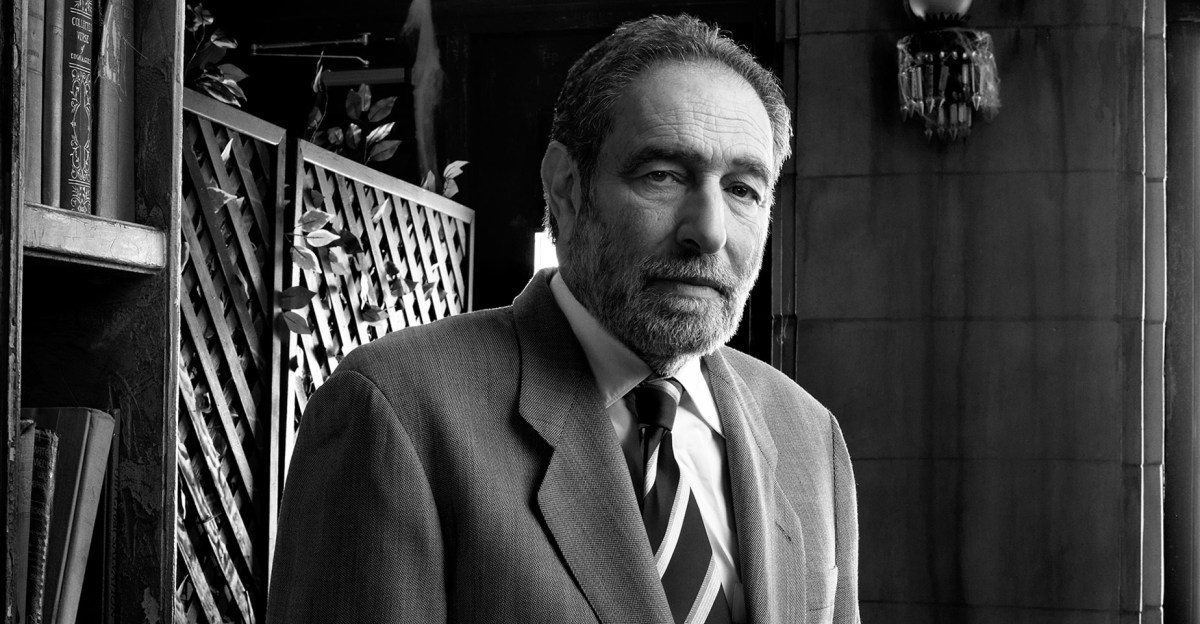
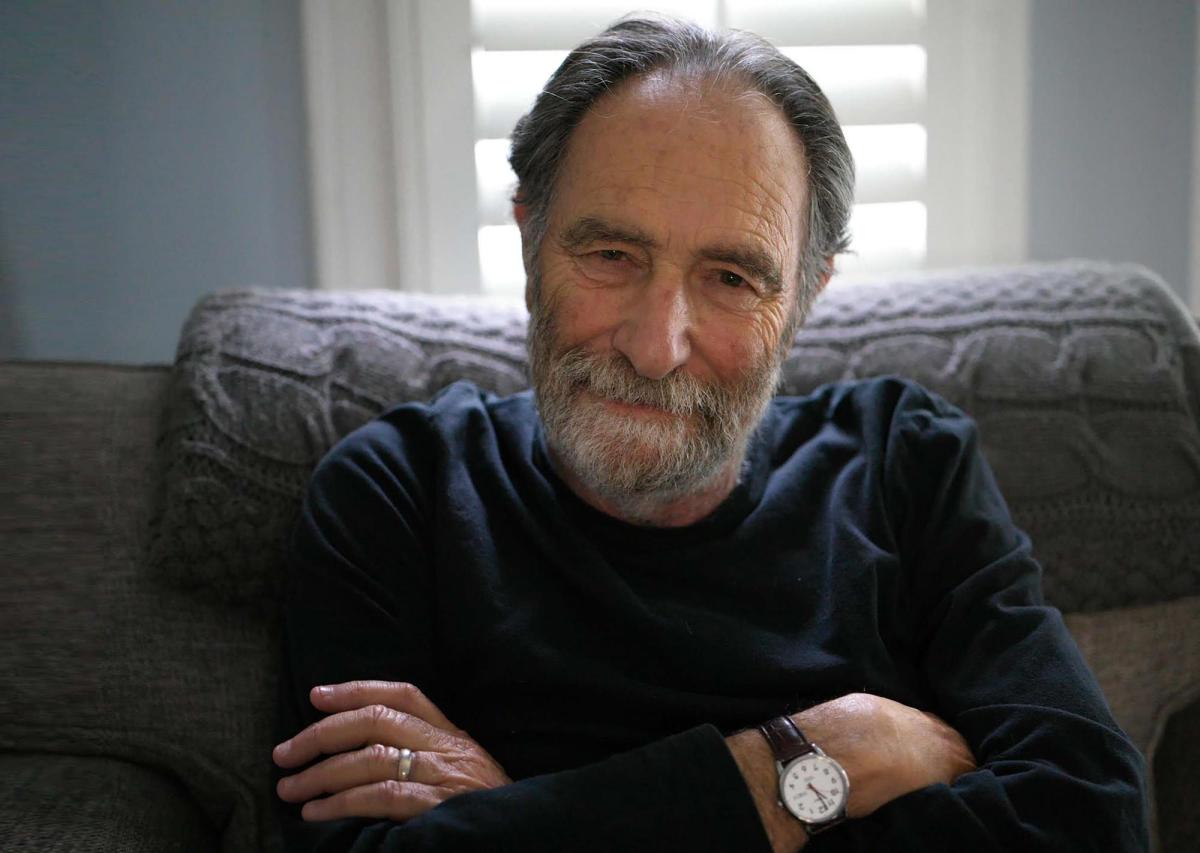
Eric Roth knows a thing or two about screenwriters. And more specifically, the relationship between a screenwriter and a director. He’s been a working writer in Hollywood for decades, and has collaborated with directors as varied and accomplished as Steven SpielbergRobert ZemeckisMichael MannMartin Scorsese, and Bradley Cooper. He’s been nominated for six Oscars, and has won once (for Forrest Gump). He’s had massive hits and disappointing bombs. Plenty of ups and downs. And at 76 years of age, you can hear in his voice that he still has the enthusiasm and love for the craft of moviemaking of an up-and-coming screenwriter bowled over by the magic of Hollywood.

Which is why, when David Fincher got the chance to make the film Mank at Netflix, one of his first calls was to Roth, with whom he had worked on The Curious Case of Benjamin Button and House of Cards. The story of Mank traverses well-worn territory – it chronicles the writing of the original screenplay for Citizen Kane by alcoholic screenwriter Herman J. Mankiewicz (played wonderfully by Gary Oldman). The film doesn’t delve into the credits debate that ensued after Mank finished the screenplay, but instead it’s a story about a talented writer who’s been slumming it in Hollywood as a script doctor and finally decides he’s going to shoot his shot with a controversial, thinly veiled story inspired by his real-life acquaintance William Randolph Hearst (played in the film by Charles Dance).

What made Mank extra tricky to pull off was the fact that the script was written by Fincher’s father Jack Fincher, who died in 2003. David and Jack had worked together to develop the screenplay throughout the 90s, but failed to find a studio willing to finance the film – at least the way Fincher wanted to make it (in black-and-white with a 1930s Old Hollywood feel). When Roth got the call from Fincher, he was asked not to rewrite the screenplay as is normally his task, but to instead come onboard the film as a producer and work with Fincher to make surgical changes here and there to get the script in tip-top shape as they headed into production.

It’s a somewhat extraordinary situation, as Roth was tasked with honoring what Jack Fincher had put together while also making small alterations here and there. And, of course, consulting with David to bring his decades of experience as a working screenwriter to the table, which would then inform what the movie has to say about Hollywood and the writer-director relationship.

So I jumped at the chance to speak with Roth about his involvement in Mank recently for an exclusive interview. While the discussion was pegged to Mank, it really went many different places as Roth elegantly and intelligently dove into the complicated relationship between a writer and a director, and why he believes a script can only take you so far and it’s up to the director to decide the direction it will take as it becomes a film. He talked about his relationship with Fincher, his specific role in bringing Mank to the screen, and why he feels it’s a true work of art.

We also talked about the craft of screenwriting in general and why Roth doesn’t feel like it’s an artform in and of itself, and he spoke enthusiastically about collaborating with Scorsese on Killers of the Flower Moon and Denis Villeneuve on Dune. It’s a wide-ranging conversation with a true Hollywood legend, and you’ll very quickly see that his passion for movies and moviemaking is infectious.

Read the full interview

‘Mank’ writer-producer Eric Roth on working with Fincher, ’Dune’, Scorsese’s next project

Oscar-winning screenwriter Eric Roth served twin roles on Mank — punching up Jack Fincher’s screenplay and as producer. Mark Salisbury talks to him about his 50-year career, including upcoming films for Denis Villeneuve and Martin Scorsese

Mark Salisbury (Twitter)
April 14, 2021
Screen Daily

Back in the early 1990s, when David Fincher was still best known for his Madonna videos and had yet to direct a feature, he challenged his father Jack, who had recently retired as a Life magazine journalist, to write a screenplay. He even suggested a subject matter: Herman J Mankiewicz, who penned Citizen Kane for Orson Welles, but whose authorship had been controversially overlooked, not least by Welles, until an extended essay in 1971 by the late New Yorker critic Pauline Kael reclaimed it.

Fincher tried in vain to set Mank up for the best part of a decade, but his desire to shoot in black and white proved a sticking point with financiers. Until, that was, Netflix, for whom Fincher had produced House Of Cards and Mindhunters, asked what he wanted to do next. Did he, they wondered, have a passion project he had always wanted to direct? Fincher took down his father’s script from the shelf, and Netflix agreed.

Jack died in 2003 so Fincher called on Eric Roth, with whom he had collaborated on The Curious Case Of Benjamin Button and House Of Cards, to help him finesse the script. “David and I are very close,” says Roth, “and I’ve lent my eye, a point of view, on a few of his other movies. He has a group of us, including Bob Towne, Steven Soderbergh and Spike Jonze, that looks at all of his movies at some point in a cut and you’re allowed to tell him whatever you feel about it. So I’ve been involved in a number of those. He came to me a couple of years ago and asked if I would like to get involved with this.”

Read the full profile

Starring as a Starlet, Amanda Seyfried Shines as Marion Davies in ‘Mank’

Mandalit Del Barco
April 13, 2021
All Things Considered (npr)

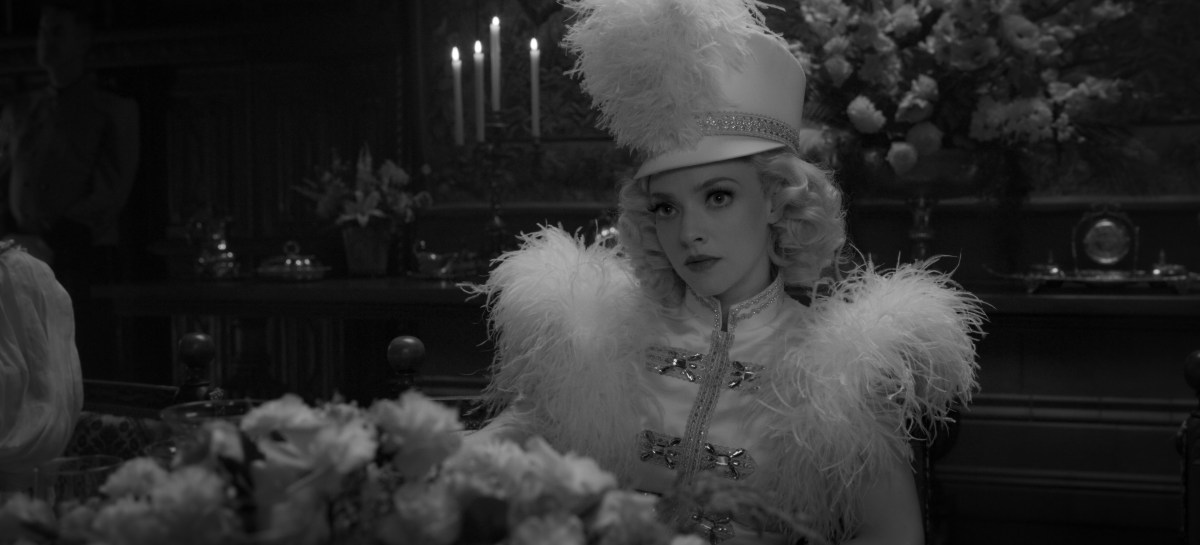
Citizen Kane is often regarded as the greatest film ever made. The fictionalized story of newspaper tycoon William Randolph Hearst didn’t win a Best Picture Oscar in 1942, but it did win a Best Original Screenplay award. Hollywood still loves a story about itself, and this year, Mank, a film about Citizen Kane‘s screenwriter, Herman Mankiewicz, earned 10 Oscar nominations, including Best Picture. It also received a nomination for Amanda Seyfried for Best Supporting Actress for her portrayal of Marion Davies.

In real life, as in Mank, Davies was a starlet who lived a life of luxury with Hearst. She was born in Brooklyn and went from the Ziegfeld Follies to Hollywood. She became a siren of the silent movies in the 1920s, and ironed out her accent as she moved into talking pictures.

“Marion was a really talented actor, she had incredible range, she was really funny, and she was able to lighten any scene that she was in,” says Seyfried. “She was very unfiltered like I am, and she was very allergic to being dishonest, which I am absolutely. You know, the Brooklynese was kind of, just, at the end of the day, when she took her shoes off and she grabbed her bottle of gin. She was exactly who she was and you know, she had no shame from where she came from.”

Read the full profile and listen to the story

The “Fine Line Between Romance and Reality” in Creating the World of ‘Mank’

Having collaborated with David Fincher — and each other — on previous projects such as The Girl With The Dragon Tattoo and Gone Girl, costume designer Trish Summerville and production designer Donald Graham Burt were both aware of the director’s long-gestating project Mank before it ever got the greenlight.

Nikki Baughan
April 12, 2021
Screen Daily

Fincher had wanted to make this 1930s Los Angeles-set period piece about screenwriter Herman J Mankiewicz and his troubled writing of Citizen Kane for director Orson Welles ever since his journalist father Jack penned a screenplay in the late 1990s; Fincher Sr died in 2003 with the script still in a drawer. When Net­flix approached Fincher about making a film following their collaboration on crime series Mindhunter, the director immediately suggested Mank and brought Summerville and Burt onboard.

“It was a project that I really wanted to be a part of,” says Summerville. “Being black and white, being a period setting, being with David, it’s the kind of film that’s a once-in-a-lifetime chance.” Burt, too, felt an instant connection. “It’s a period Los Angeles film-industry movie, and I immediately fell in love with it.”

Fincher’s film was to be an authentic emulation of a 1930s movie, featuring real-life locations and characters including Mankiewicz (Gary Oldman), Welles (Tom Burke), media titan William Randolph Hearst (Charles Dance), MGM boss Louis B Mayer (Arliss Howard), producer Irving Thalberg (Ferdinand Kingsley) and Hearst’s girlfriend, actress Marion Davies (Amanda Seyfried). That meant research — and lots of it.

Read the full profile

Erik Messerschmidt ASC / Mank : Masterclass in Monochrome

Black-and-white biopic Mank sees another successful collaboration between cinematographer Erik Messerschmidt ASC and director David Fincher as they craft an authentic portrayal of Hollywood’s golden age and explore the turbulent development of the script for Citizen Kane.

Zoe Mutter
April 12, 2021
British Cinematographer

“This was not an offer I had to consider; the answer was an immediate yes,” says cinematographer Erik Messerschmidt ASC when thinking back to the moment he was asked to film director David Fincher’s Mank which depicts the life of screenwriter Herman J. ‘Mank’ Mankiewicz (Gary Oldman) as he develops the script for director Orson Welles’ 1941 classic Citizen Kane.

“I was thrilled when David called me,” he says. “I was nervous too of course as I felt a tremendous responsibility to be considerate and respectful to the film, but it’s a cinematographer’s dream to get the opportunity to make a movie like this.”

As Citizen Kane is widely regarded as one of cinema’s masterpieces, the pressure was on to capture the essence of Gregg Toland ASC’s cinematography and to faithfully encapsulate the distinctive mood, lighting and composition reminiscent of a golden era of filmmaking.

Mank, which received a limited theatrical release before streaming on Netflix, is based on a script written by Fincher’s late father, the journalist and writer, Howard “Jack” Fincher which focuses on the controversy surrounding who had creative ownership of Citizen Kane – Welles or Mankiewicz.

The film uses flashback sequences to explore the prolific talent of Mank as well as his alcoholism and tumultuous relationships with Hollywood executives such as film producer and MGM Studios co-founder Louis B. Mayer (Arliss Howard) and Irving G. Thalberg (Ferdinand Kingsley) and publishing tycoon William Randolph Hearst (Charles Dance), who is widely claimed to be the inspiration for Citizen Kane’s protagonist.

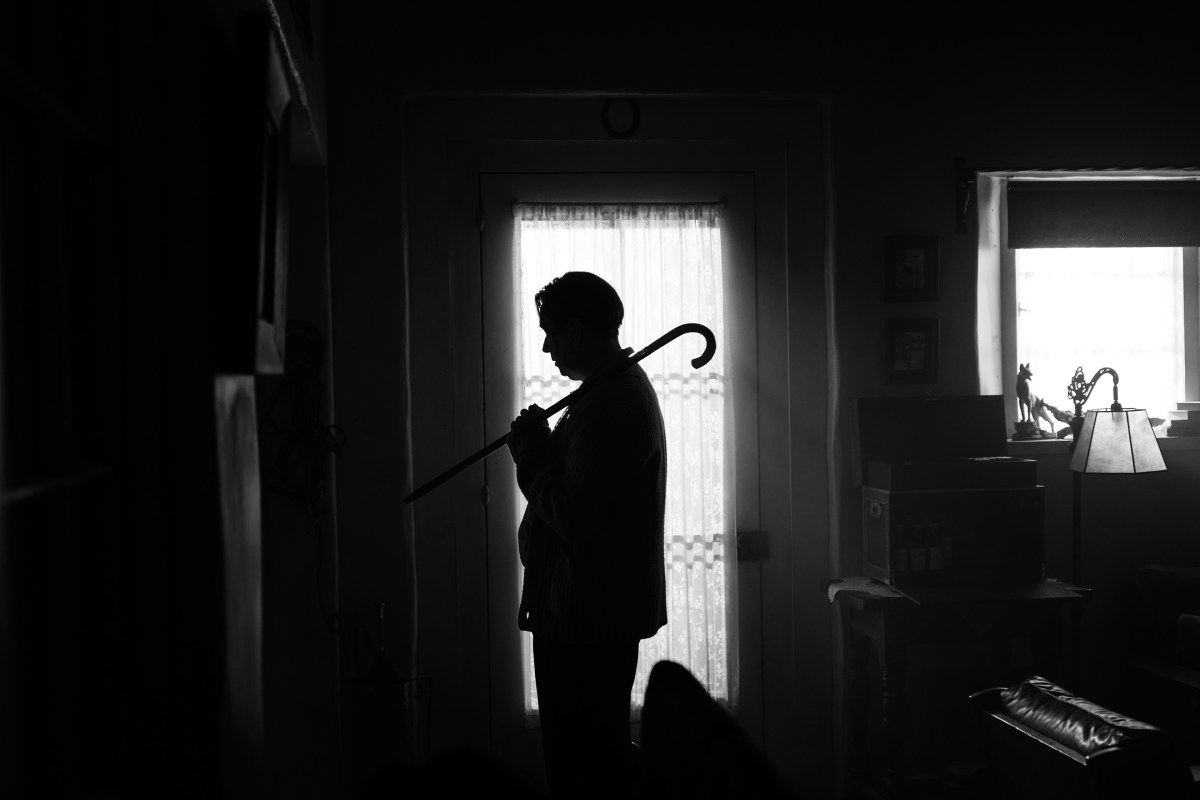
Fincher was clear from the beginning that the film would be shot in black-and-white. “We never even considered what the movie would look like in colour,” says Messerchmidt. “Part of David’s intent was to transport the audience back to the classic ‘30s and ‘40s Hollywood era. Black-and-white was an excellent way to do that.”

Ensuring black-and-white was used as a homage or a pastiche rather than a parody was a priority. “When they approach black-and-white, cinematographers can tend to reach for noir as they are excited by its gestured, stylised lighting which you don’t get to use very often when shooting in colour,” adds Messerschmidt.

Read the full profile

‘Mank’ Cinematographer: ‘My Memories of Making the Film Are All in Black and White’

Erik Messerschmidt, Oscar nominated for his debut feature film as a cinematographer, talks to TheWrap about working with David Fincher on the 1940s-era period piece

Joe McGovern
April 13, 2021
The Wrap

Though he’s been active in the industry for nearly two decades, cinematographer Erik Messerschmidt made his feature film debut last year with David Fincher’s silvery period drama “Mank.” Messerschmidt’s credits include television work in projects as diverse as “Everybody Hates Chris,” Ridley Scott’s “Raised by Wolves,” and Fincher’s “Mindhunter.” Fincher, in fact, had hired Messerschmidt three years ago to lens his sequel to “World War Z,” but after that project was cancelled in early 2019, the director called the cinematographer with a different proposal.

“David said, ‘I’ve got this black and white movie I’m thinking about. Do you want to do it?” Messerschmidt recalled to TheWrap. “He’s kind of coy like that. So I didn’t really know anything about what the film was. But I said, ‘Sure.’”

The film, of course, was Fincher’s biopic of “Citizen Kane” screenwriter Herman Mankiewicz (played by Gary Oldman), and “Mank,” which is available for streaming on Netflix, led the pack in terms of total Oscar nominations with 10, including Best Picture, Best Director, and one for the 40-year-old Messerschmidt.

The cinematography category is a fresh crowd this year. Messerschmidt, Dariusz Wolski (“News of the World”), Joshua James Richards (“Nomadland”) and Sean Bobbitt (“Judas and the Black Messiah”) are all first-time nominees. Only Phedon Papamichael (“The Trial of the Chicago 7”) has ever been nominated before. For context, at the previous Oscars, two nominees (Robert Richardson and eventual winner Roger Deakins) had a tally of 25 career nominations between them.

Messerschmidt is currently working in Georgia on the upcoming Korean War drama “Devotion.” We caught up with him to talk about his work on “Mank” after a long week of night shoots. “If my answers are incoherent,” he said with a laugh, “just ask me to clarify.”

Read the full interview

Deep Focus: Erik Messerschmidt, ASC

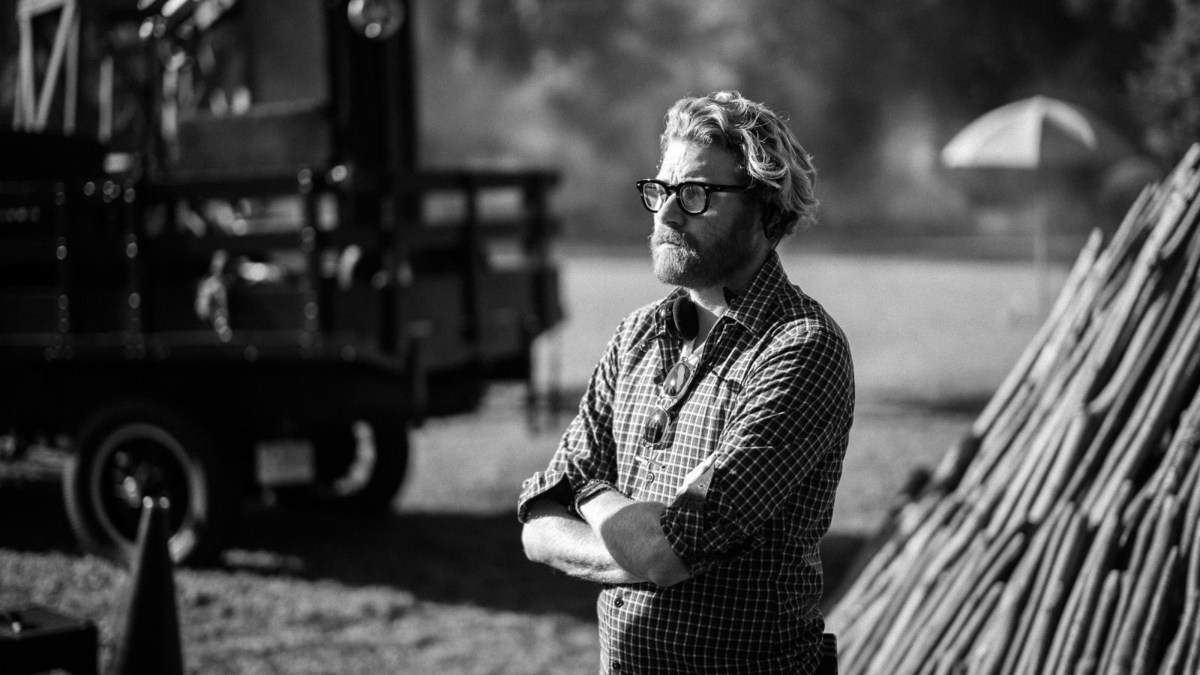
Portrait by Eli Ade on the Savannah, GA set of Devotion

Director of Photography – Mank

Erik Messerschmidt, ASC (Instagram)
April 2021
ICG Magazine

On set, David Fincher prioritizes time with the actors more than anything else, so most of our work is done in the prep. In terms of Mank, we spent much of that prep time discussing how we could incorporate the visual language of black and white cinema into our own version of the story. We wanted to transport the audience to the time period without too much pastiche. It was a delicate balance.

Read the full article:

Read past issues of ICG Magazine.

“You Guys Are Geniuses”: ‘THR Presents’ Q&A With ‘Mank’ Star Amanda Seyfried and Artists Who Turned Her Into Marion Davies

Oscar nominees Amanda Seyfried, Trish Summerville, Gigi Williams and Colleen Labaff spoke with THR’s Scott Feinberg.

Scott Feinberg
April 9, 2021
The Hollywood Reporter

“He’s extremely efficient, so the team around him has to be very efficient as well,” says Trish SummervilleMank‘s Oscar-nominated costume designer, as we — along with the film’s best supporting actress nominee Amanda Seyfried, who plays actress Marion Davies, and best makeup and hairstyling nominees Gigi Williams (the makeup department head) and Colleen Labaff (the assistant head hair stylist) — discuss the film’s Oscar-nominated director, David Fincher, during an episode of THR Presents.

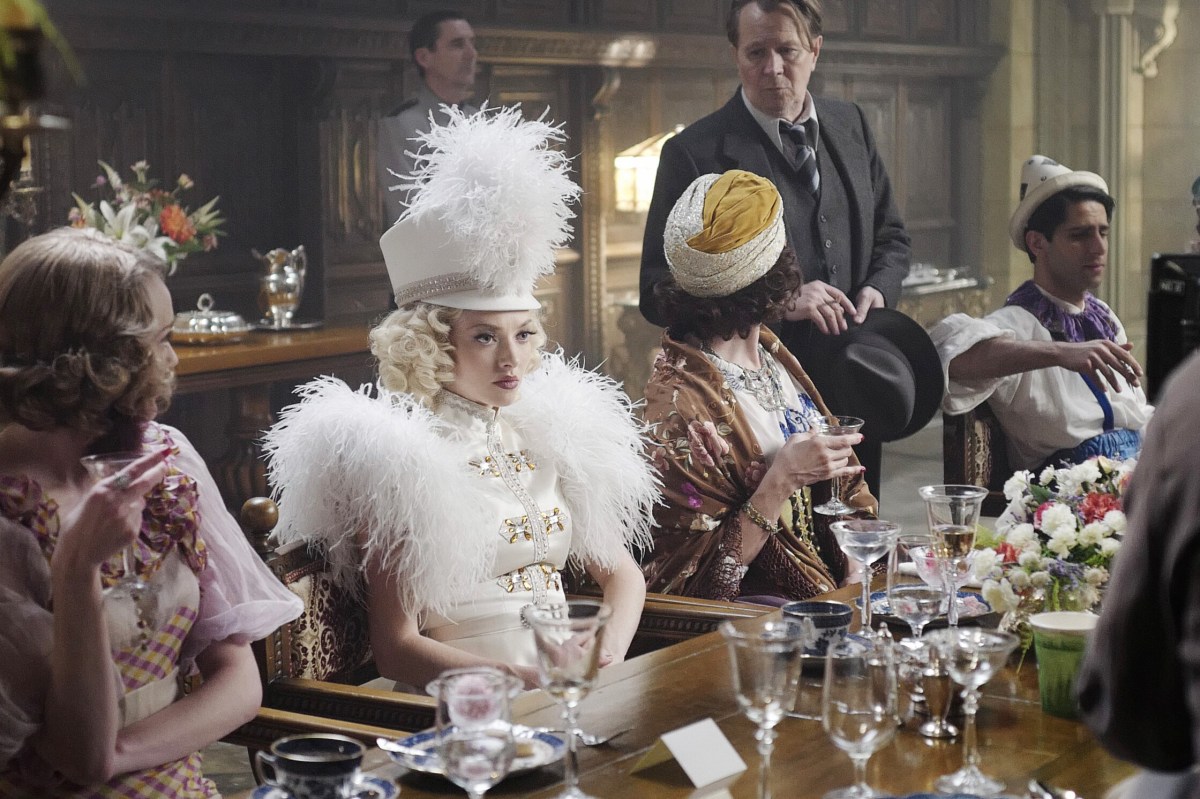
Mank, a Netflix film about the alcoholic screenwriter Herman J. Mankiewicz and the writing of the 1941 classic Citizen Kane, was designed to look and sound as if it was made during the same era as Kane. This required special attention from each of these four women. Seyfried had to adopt a pre-Method style of acting. Williams and Labaff had to recreate the looks of specific famous people from that time. And Summerville had to design or obtain clothing that was not only period-appropriate, but that also looked right in black-and-white.

“You guys are geniuses,” Seyfried says to her three fellow artists, noting that without their contributions she could never have given the career-reinventing performance that she did.

Fincher is famously a perfectionist, sometimes shooting dozens upon dozens of takes, and is also regarded as intimidating by many who don’t know him, as was the case for Seyfried and Labaff prior to Mank. But Summerville had previously collaborated with him on music videos, 2011’s The Girl with the Dragon Tattoo and 2014’s Gone Girl, and says, “Every time I work with him I feel like I become a better filmmaker, I become better at my job.” Adds Williams, who worked with him on Gone Girl and the 2017-2019 TV series Mindhunter, “I just adore him — he has made me a better makeup artist.”

Whatever Fincher does, it clearly brings out the best in those around him, at least on Mank, which landed 10 Oscar nominations, four more than the next-most-nominated film this year, including best picture.

Watch the full conversation

Ollin VFX Delivers Mank Shots During Lockdown

March 22, 2021
postPerspective

Mexico City-based Ollin VFX specializes in creating computer-generated imagery for television and film. Run by co-founder/president Alejandro Diego, the company works with clients worldwide to provide concept design, previz and postviz, 2D compositing, 3D/CG effects and animation.

Work is spread out between Ollin’s headquarters in Mexico City and artists in Argentina, Brazil, Colombia, India and Hollywood. Their visual effects work can be seen in films like JumanjiGodzillaDeadpool and The Curious Case of Benjamin Button.

When COVID-19 necessitated a lockdown that required their artists work from home, they were faced with how to meet fast-approaching deadlines for two major projects: an Amazon-original zombie TV series called Operation 8888 and David Fincher’s Mank, a movie about screenwriter Herman J. Mankiewicz’s development of the 1941 classic Citizen Kane.

Mank was shot black and white in 6K resolution — much higher quality than the usual 2K or 4K — which made the creation of visual effects creatively challenging due to the variations in shades of gray.

“Immediately, all of our artists started working from home and connecting via VPN to their workstation at the office,” explains Diego. When the lockdown happened in March, the studio needed to figure out a reliable and fast way for everyone to easily access and work on files ranging in size from a few MB to several GB from multiple remote locations.

Ollin had just started using DEI’s ExpeDat, accelerated file transport software, a few months before COVID-19 hit. When the shutdown happened, Diego accepted an offer from DEI to increase capacity to their existing ExpeDat license, from four to eight and at no additional cost, to help accommodate their increased demand for ingest and other file transfer activities. Having this kind of workflow setup helped Ollin as they created and delivered VFX for Mank. We reached out to Diego to find out more about his studio’s workflow.

Read the full interview

Why Recreating Hearst Castle Should Earn ‘Mank’ the Oscar for Production Design

Don Burt could win the Oscar for his recreation of the opulent Hearst settings for David Fincher’s monochromatic deconstruction of classic moviemaking.

Bill Desowitz
April 23, 2021
IndieWire

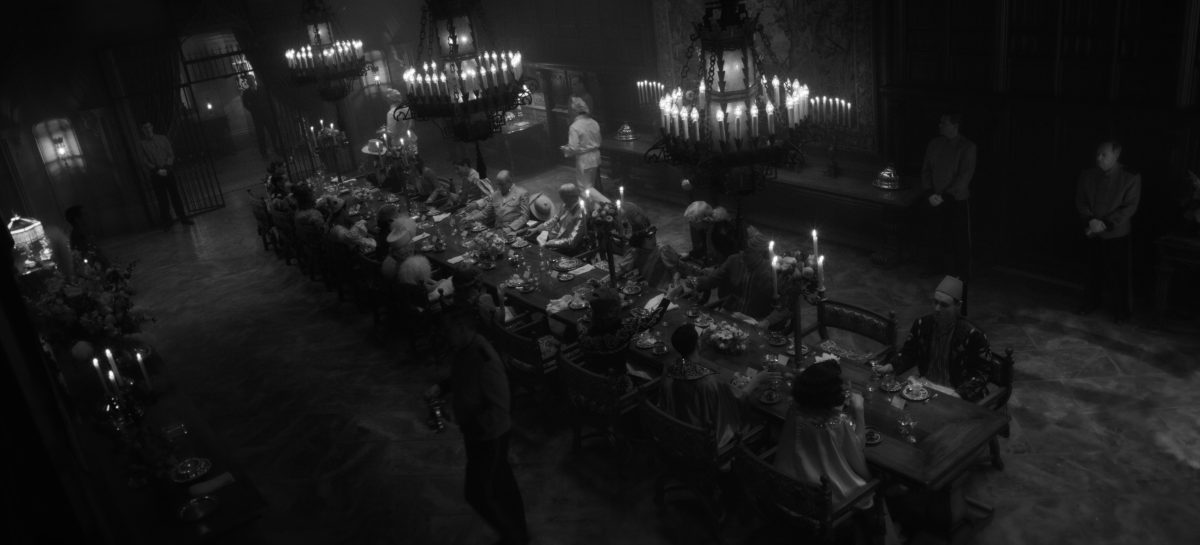
David Fincher’s “Mank” leads all Oscar craft nominations with six. And yet its greatest chance of a win rests with Don Burt’s meticulous production design of the iconic Hearst Castle and San Simeon compound. However, since he was working in black-and-white with set decorator Jan Pascale — his co-nominee — it was more advantageous to capture the spirit of William Randolph Hearst’s opulent retreat than trying to replicate it. For one thing, the colors would get lost, and, for another, they’d still be struggling to recreate all of the detail.

“Hearst Castle felt like something Hearst [Charles Dance] built as his Xanadu [from ‘Citizen Kane’], and now it’s maintained more like a theme park,” said Burt, who actually didn’t visit the landmark since they couldn’t shoot there. But he referenced plenty of images and studied its architecture and interior design along with the beautiful landscaping of San Simeon. “Hearst saw this as his own little castle in the world and his accumulation of art from Europe was representational of this extravagance and indulgence that he had.”

Read the full profile