The Girl We Left Behind: Why It Was a Mistake Not To Finish Fincher’s Dragon Tattoo Trilogy

Posted by Donnia Harrington | Aug 30, 2017
Audiences Everywhere

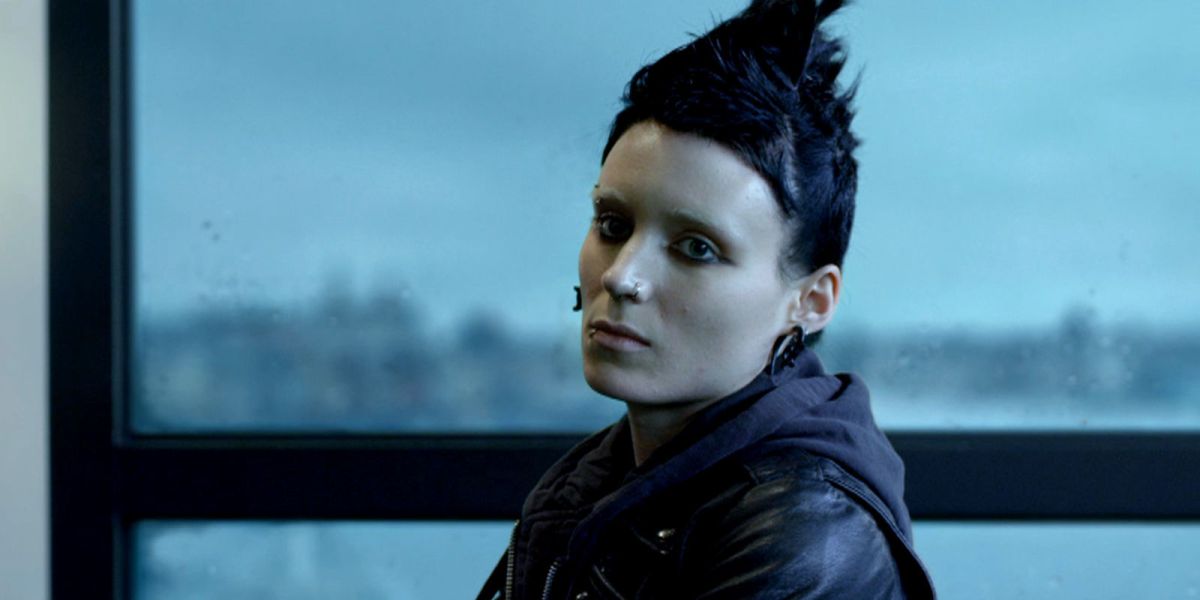
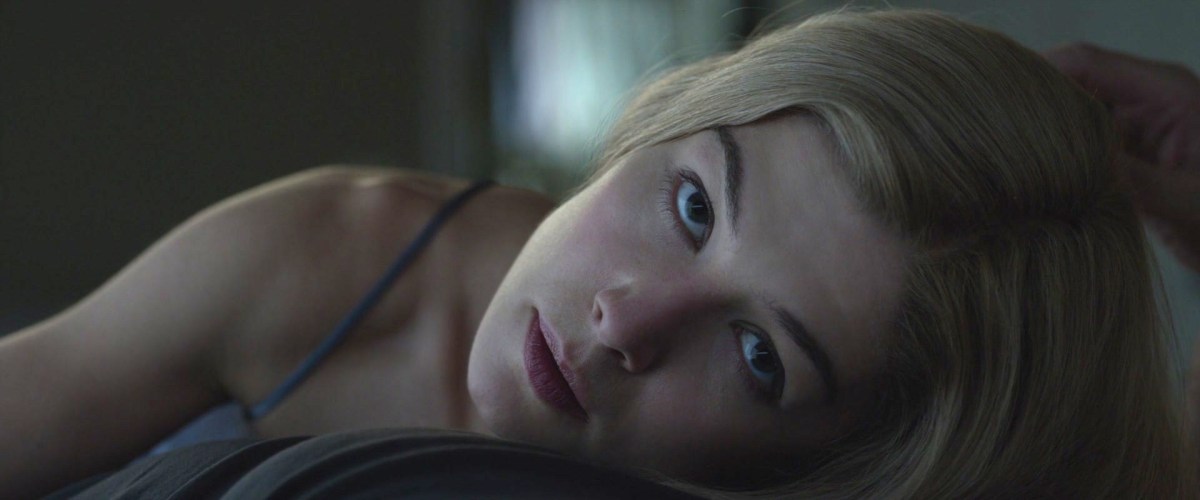
The Girl with the Dragon Tattoo deserved better. David Fincher’s adaptation of the popular Swedish novel ranks amongst his most undercelebrated movies. Although it was critically praised and did moderately well at the box office (oh yeah, and it landed Rooney Mara a Best Actress nomination), it somehow still wasn’t enough for the studio to decide to continue the trilogy.

Read the full article

Watching the Music Videos of David Fincher

Posted by Sean W. Fallon | Aug 30, 2017
Audiences Everywhere

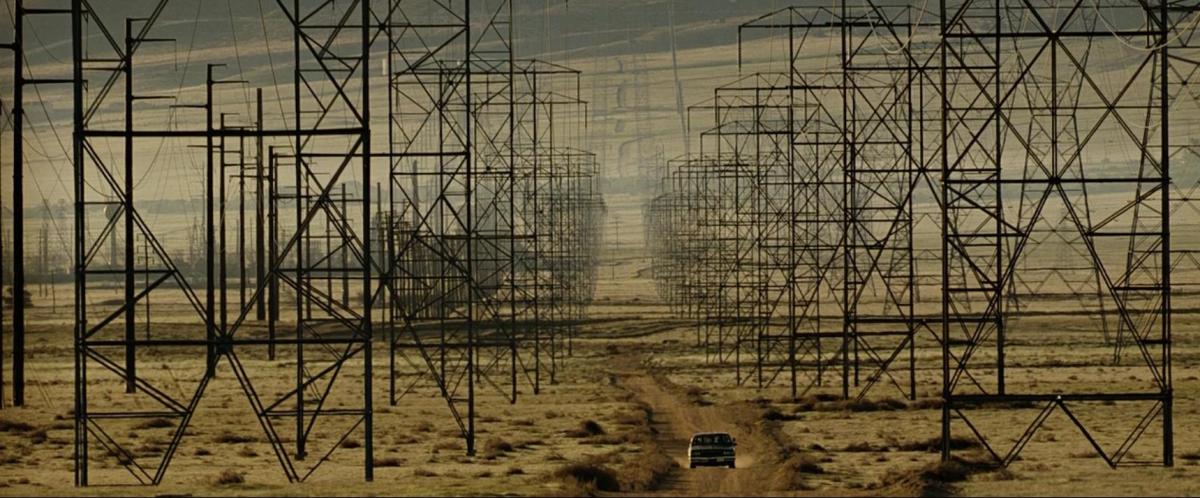
David Fincher has developed a very distinct style over the years as he has cemented himself as one of our most impressive technical filmmakers. Fincher has a great hold on characters and story, but he stands out because his mechanical, almost robotic, style of filmmaking is so recognisable and effective. His movies are distinguishable by a number of trademarks and signature moves. Fincher likes washed-out colours with lots of metallic blues and greys along with crushed blacks, which makes his movies seem as though they’re being projected to us on a piece of frozen metal. He also avoids handheld camera work, opting instead for a locked down camera that pans and pivots around a scene with balanced, unnatural movement, which enhances the feeling of an omniscient camera that is operating independently of a human being and not subject to control. He also enjoys locking the camera in place and filming wide, stationary shots as though we are watching the action play out on a stage at a theatre.

Read the full article

New Mindhunter Clip Teases a Meeting with a Real-Life Monster

Meet Edmund Kemper.

By Phil Nobile Jr.
Aug. 29, 2017
Birth. Movies. Death.

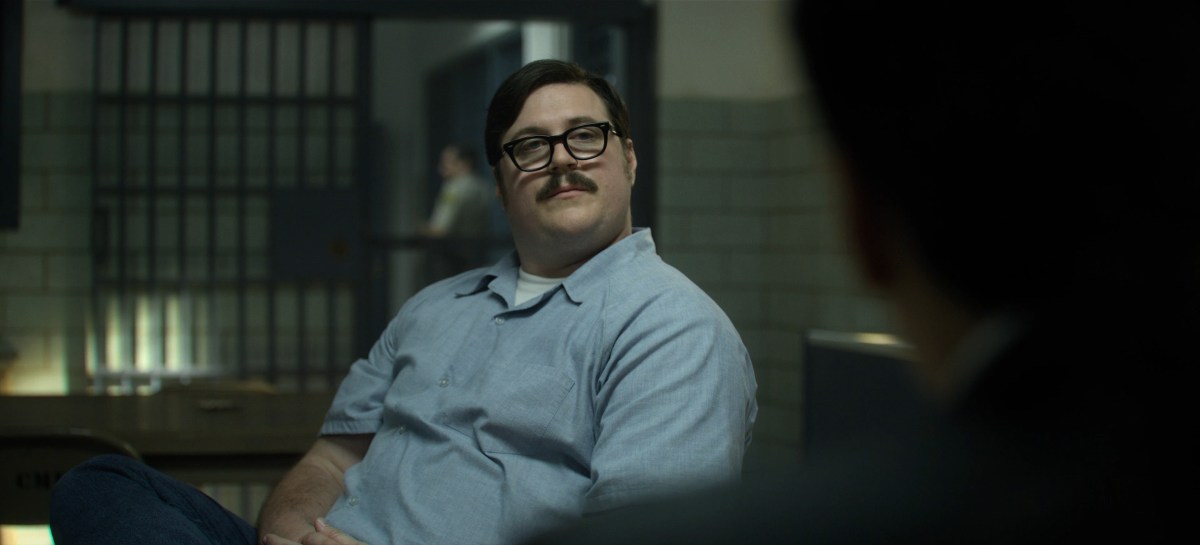
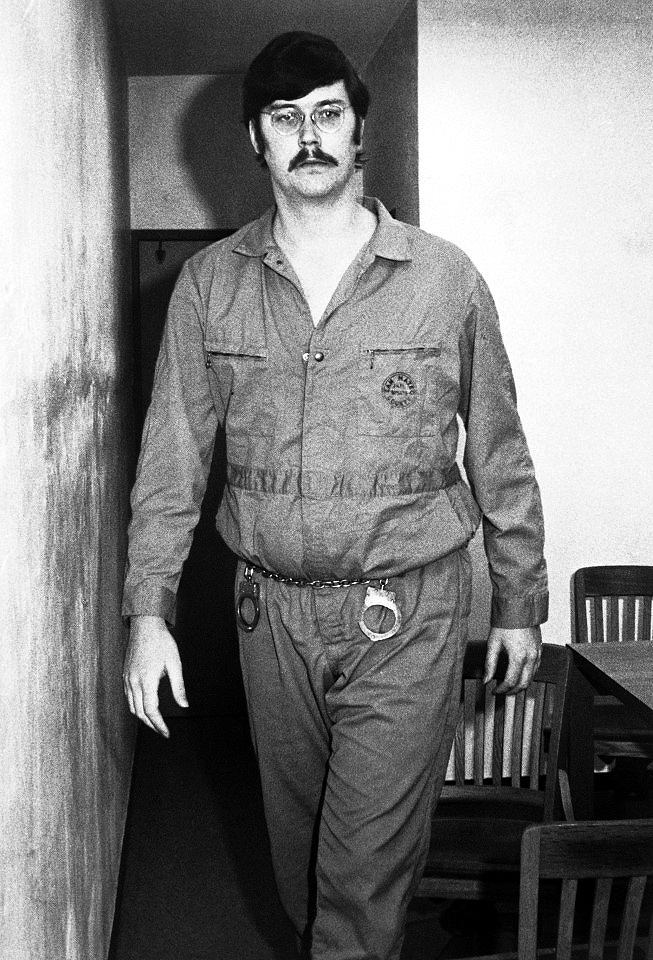
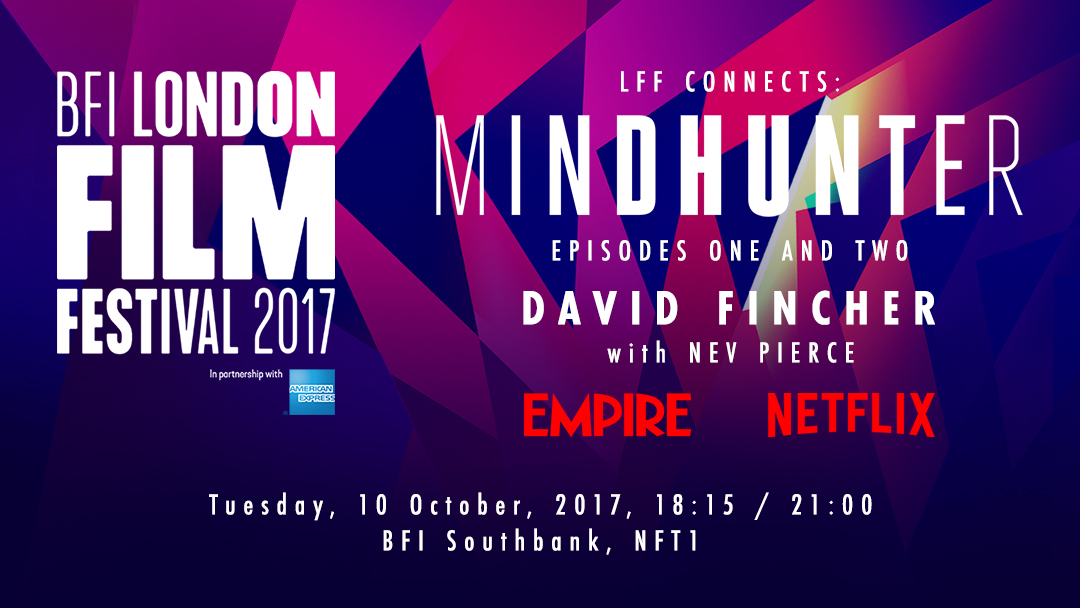
Mindhunter is a new Netflix series executive produced by David Fincher and Charlize Theron and we can’t wait to check it out. Today we have a clip teasing protagonist Holden Ford‘s meeting with serial killer Edmund Kemper. While Ford (played by Jonathan Groff) is a fictionalized version of FBI behavioral expert John E. Douglas, Edmund Kemper (Cameron Britton) is real as hell.

Read the full article

Warning: It turns out that “… and then he’s gonna have sex with your face” isn’t just a funny remark, so reader discretion is advised.

2017-08-29 Mindhunter - Edmund Kemper 02

Seven: The Violence of a Cinematic Hellscape

Posted by David Shreve | Aug 29, 2017
Audiences Everywhere

There are less than 20 gunshots fired in David Fincher’s 1995 film Seven, each exchanged between David Mills and John Doe. If you don’t count Detective Somerset’s late face slap, there is only one wounding act of violence committed onscreen. It’s an oft-shared description offered by cinephiles and aspiring screenwriters and critics: Seven is, in the most basic sense, a non-violent film, even as watching it feels like a very violent viewing experience. For most of its run-time, Seven, which this week celebrates its 20th anniversary, is a noir- serial killer thriller built around already murdered corpses rather than murderous acts. Yet, this basic quantifiable description feels misleading to anyone watching or re-watching the film, anyone caught within or recently escaped from the spiraling trap of the film’s increasingly unsettling, malicious scenes.

Seven is widely credited for displaying influence from prior detective films and inspiring several films of comparable serial killer concern, but few films in either comparative line have less character violence and yet even fewer give as distinct an impression of having witnessed something truly violent.

Read the full article

Gone Girl Offers Insight and Hope for Fincher’s Future

Posted by David Hart | Aug 29, 2017
Audiences Everywhere

When one of the great directors of a generation announces their next project, the film world listens. It is rare, however, for said announcement to be puzzling. Martin Scorsese is creating his treatise on faith in Silence? Of course he is. Kathryn Bigelow is making the true story of the Detroit riots? Sure, why not? Paul Thomas Anderson’s next untitled film starring Daniel Day Lewis is about a dressmaker for the Royal Family? Sounds award worthy. I could go on, but I’m sure you get the point. And then there’s David Fincher.

As most know, Fincher certainly got off to a rough start as a director. After cutting his teeth on music videos, he was tapped to direct Alien 3. The tales of his struggles on that particular film are legendary at this point, and he has basically disowned the movie and refuses to speak about it. After a three-year hiatus, he returned with Se7en. This success helped launch his career to the next level. He is now seen as one of the best directors available, easily on par with the others previously mentioned. But unlike most top directors, Fincher does not seem to always reach for the brass ring. Instead, he seems to vacillate between premier projects, like The Social Network or The Girl With The Dragon Tattoo, to more eccentric choices, such as The Curious Case of Benjamin Button or Gone Girl.

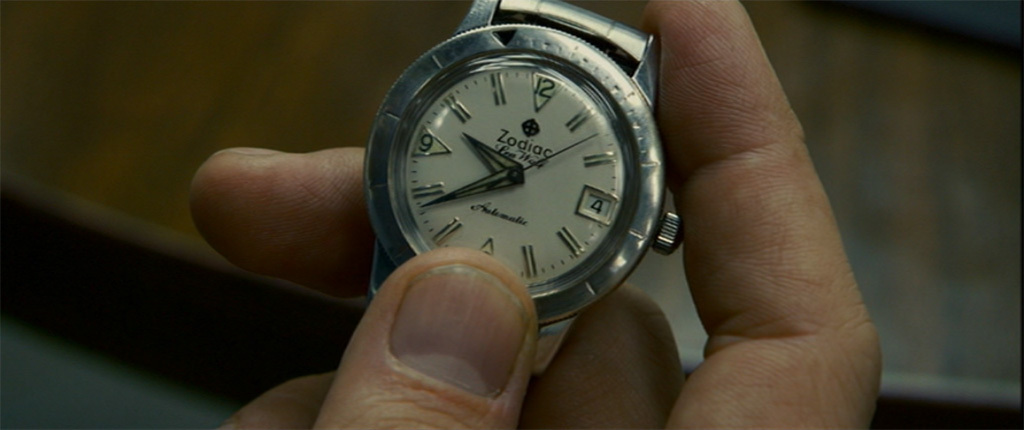
Gone Girl may be Fincher’s oddest choice to date. The film, based on the best selling novel by Gillian Flynn, is nowhere near an awards contender or at least not at first glance. Any number of pseudo-negative descriptions have been used to chronicle the details of the book; trashy, over-the-top, a beach read, the list goes on and on. Given the stunning sales of Gone Girl, a film adaptation was inevitable. But to be directed by the creator of two films that arguably were the best of their respective years, in Zodiac and The Social Network? Very unlikely.

Read the full article

How a Thinking Filmmaker Films Thinking: The Shot-By-Shot Slow Burn of David Fincher

Posted by Brandi Blahnik | Aug 28, 2017
Audiences Everywhere

One of the most challenging aspects of storytelling is showing a character thinking. It might sound like a straightforward task, but think about what you look like while studying. Ever watched someone complete a puzzle? It’s a quiet, meditative task marked by trial and error. In reality, there’s remarkably little head-scratching or furrowed brows. Visually, it’s rather unimpressive.

So how does a creator reveal thinking—poring over material, investigative work, head-buried-in-clues research—without absolutely boring the audience? How does a director reinvent frustration, the false lead, the maddening search, particularly over a two-hour film?

David Fincher has made a career of chronicling that very process.

Not only has Fincher produced some of the most haunting detective sequences in film—Se7en, Zodiac, The Girl with the Dragon Tattoo—but you’d be unlikely to find criticism calling his films boring. He’s a master at tension-building and unapologetic about his resolutions. Perhaps this is why so many of his characters fall prey to their own obsessive madness. The unraveling of a character is something Fincher portrays with patience and deliberateness.

Read the full article

Art of the Title: Angus Wall & Elastic

Art of the Title: Angus Wall

Art of the Title: Elastic

In Studio Partners:

Design: Elastic
Editorial: Rock Paper Scissors
VFX: a52

Still Image: Joe LaMattina

The One Thing Game of Thrones, Westworld, and The Crown Have in Common

Along with shows including American Gods, The Defenders, True Detective, and more, they’ve all got gorgeous, elaborate opening credits designed by Elastic.

By Nick Romano
August 24, 2017
Vanity Fair, Hollywood

How do you set the tone for the sprawling world of Game of Thrones in just under 120 seconds? Ask Angus Wall. For the past six years, the designer—who created the HBO drama’s striking main-title sequence—has been devising new bits of opening animation for Thrones to coincide with the drama’s plot progression. Viewers know within the first two minutes of an episode whether they’re heading to Winterfell, King’s Landing, or beyond the Wall—where the night is truly dark and full of terrors. This year, the show’s plot has taken fans to new and long-absent locations including Dragonstone, Oldtown (where Sam studies to be a maester), and Eastwatch-by-the-Sea, which means the sequence itself has also had to evolve.

Read the full article

Elastic.tv
Elastic on vimeo