Actors, producers, models, and other artists share, encourage, and reveal their professional experiences, failures, accomplishments and authentic selves.
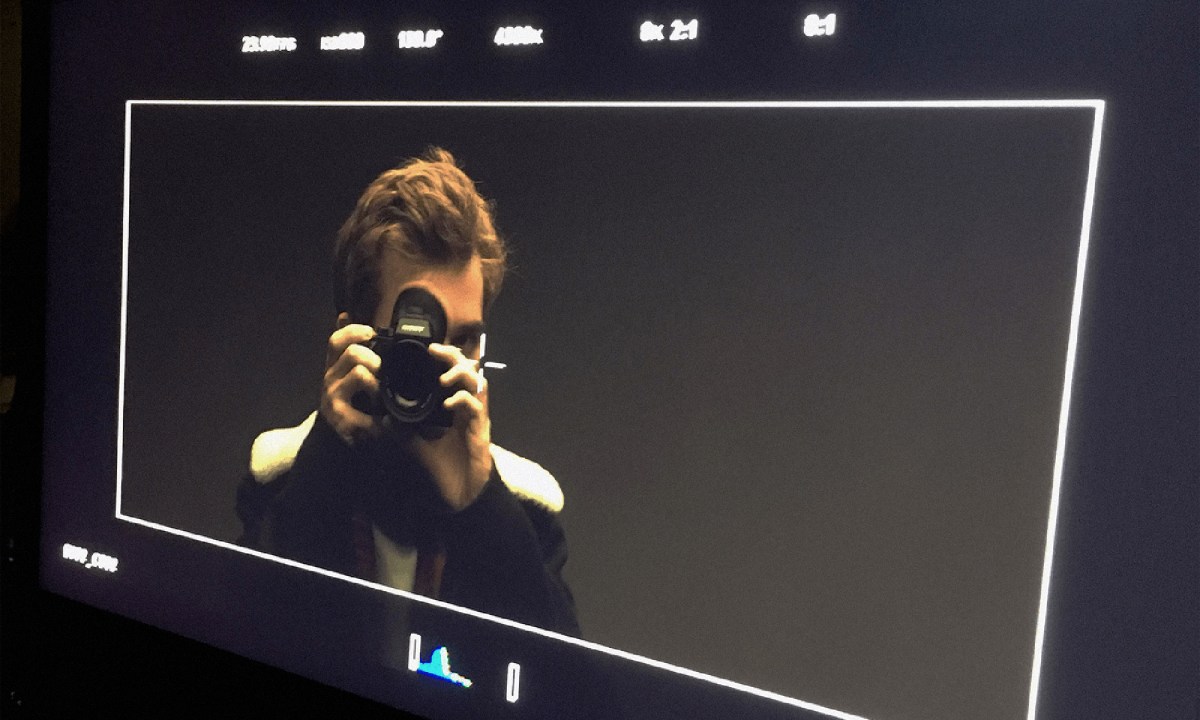
‘Mindhunter‘ still & behind-the-scenes photographer, Miles Crist, shares his incredible path from knowing the right person at the right time to winning the 8-month job of photographing BTS of ‘Mindhunter‘ for Netflix, jumping from Columbia to Art Center, the demanding surprises of the profession, his passion for films, learning from David Fincher, and working for him again this winter.
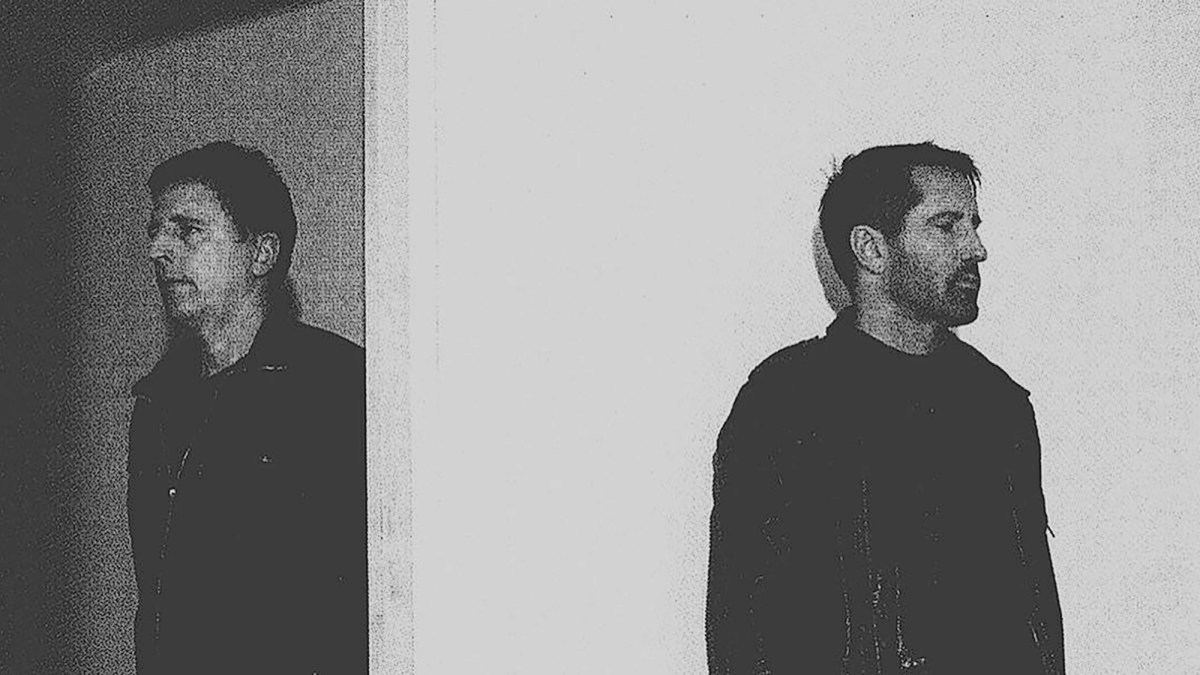
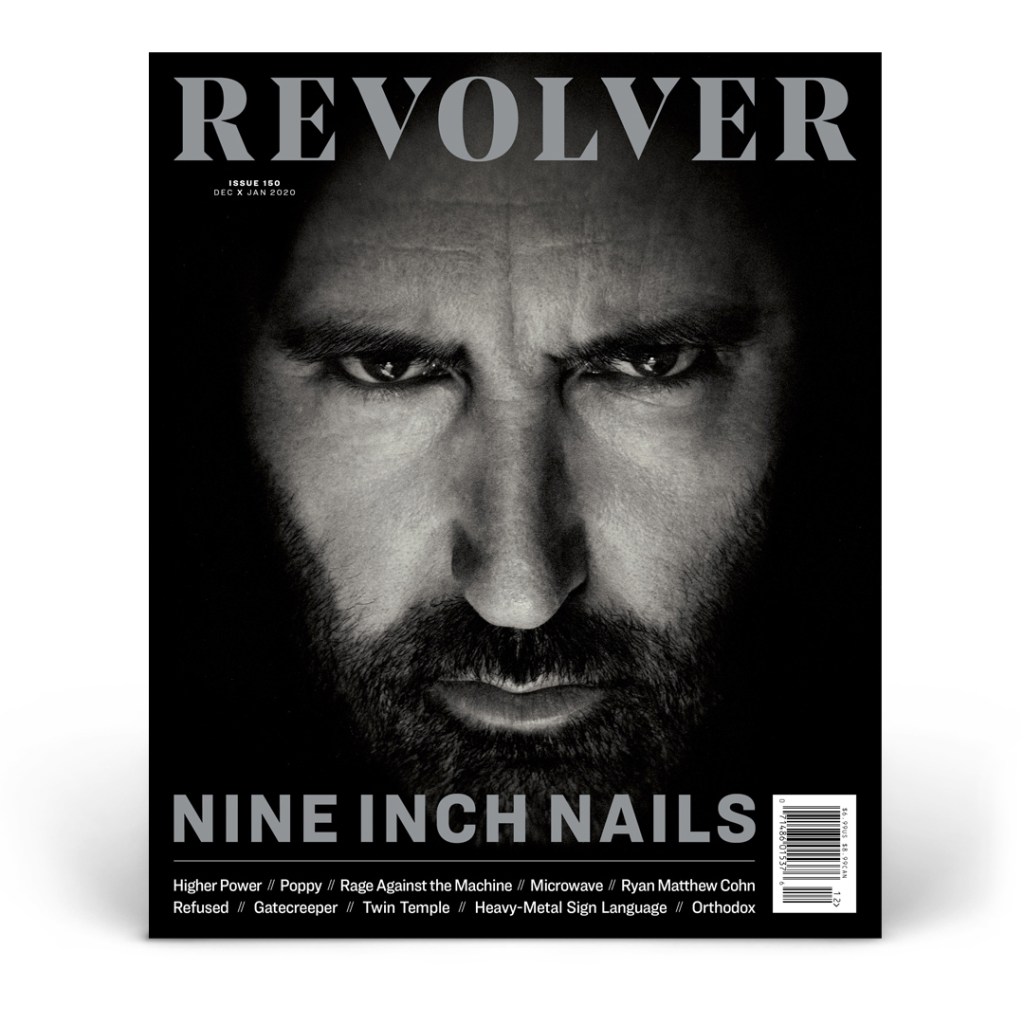
Director David Fincher — who first dragged Reznor and Ross into the film-scoring game by enlisting them for 2010’s The Social Network — is currently shooting the film Mank, a biopic about Herman J. Mankiewicz, the screenwriter of Orson Welles‘ Citizen Kane, played by Gary Oldman. As such, the movie is set in 1940. “We’re not gonna be using the modular synthesizer on that one,” Reznor revealed. “We think we’re gonna be period authentic, so it just creates a new set of challenges.”
Some might consider high-dynamic-range (HDR) displays a technology of the future, but the reality is it’s here now and very much a contemporary delivery format. At the forefront of this delivery is Netflix, the streaming and production giant, which reports that roughly a quarter of the devices used to access its service monthly — more than 165 million — are configured for HDR. As a result, Netflix is making a concerted effort to provide HDR content and currently has more than 1,000 hours of such programming available.
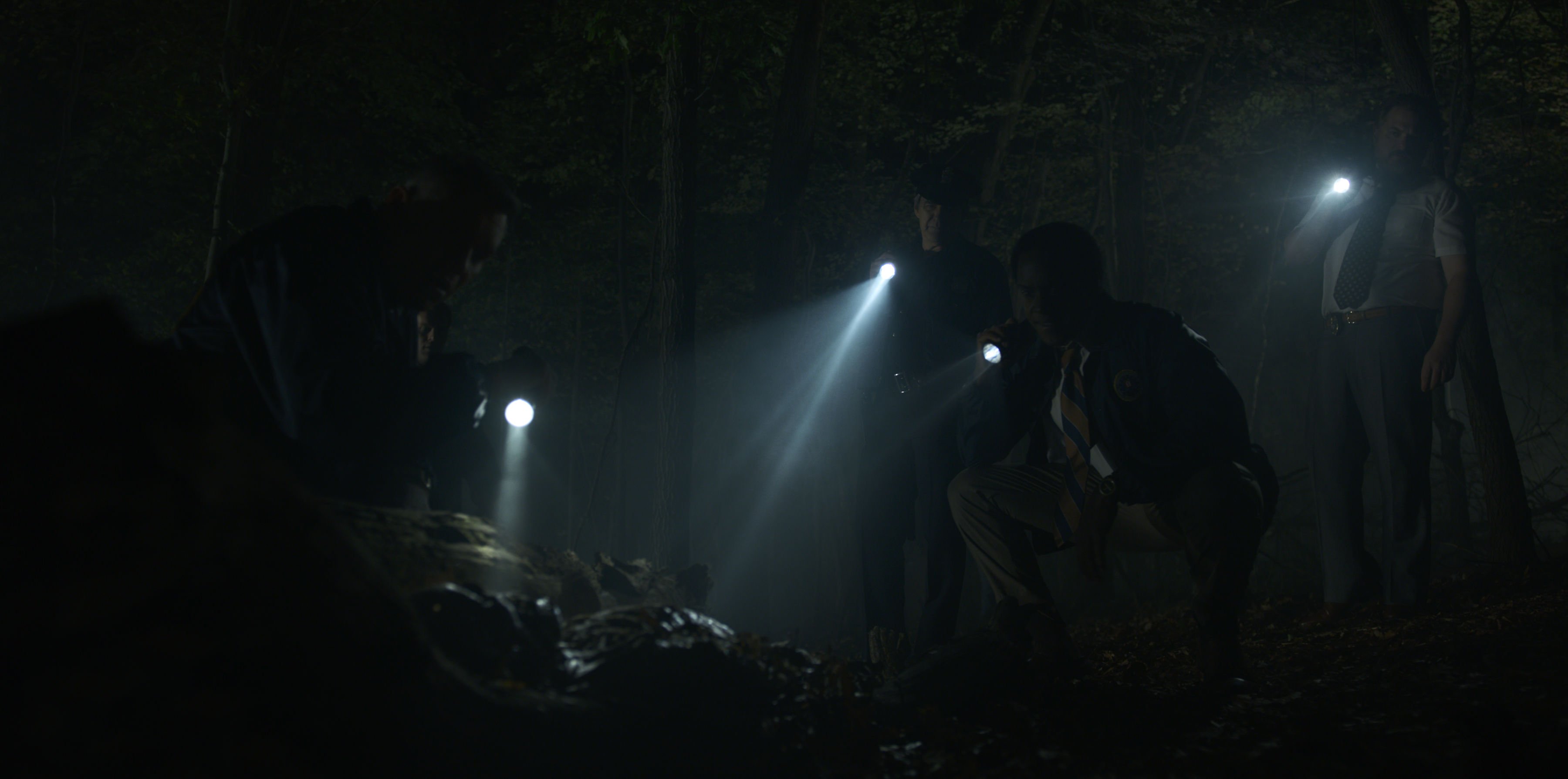
One of these titles is David Fincher’s gritty, period procedural Mindhunter, which earned Christopher Probst, ASC an ASC Award nomination for its pilot in 2017. The series is photographed by Erik Messerschmidt, who notes that production incorporated HDR into the second season. “With Mindhunter, we try to be very subtle with the photography,” says Messerschmidt. “The story and themes of the show are complex and nuanced, so it’s really important that the photography never draws attention to itself. HDR helps because it enables me to be very subtle in my use of color and contrast, particularly in the toe of the exposure. Everyone likes to talk about the bright whites in HDR, but I think perhaps the added range in the shadows is more interesting and more important than added range in the highlights.
“I think cinematographers have always advocated for a better experience for the audience, whether it’s fast film stocks with tighter grain, better projection technology, or higher quality digital-capture and display technologies,” he continues. “HDR is just another step in that direction. Standard-dynamic-range video distribution can only show a narrow exposure band of the modern digital sensor’s dynamic range. The opportunity to use more of the sensor’s range when we want to is a very exciting development.”
Movies have always had a strong impact on me, they affect the way I look at the world and help make me a better person. With this channel I want to explore this boundary between film analysis and life lessons, because I believe that movies, just like the stories of old, contain valuable lessons and insights, and to better understand them is to better understand life.
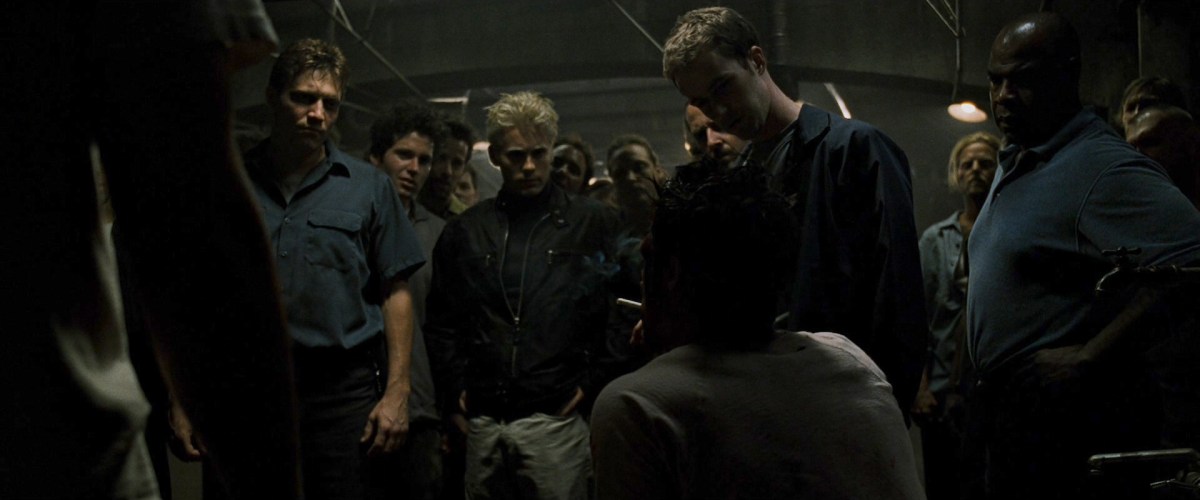
In this video essay on Fight Club, I examine how charismatic leaders like Tyler Durden turn men into Space Monkeys.
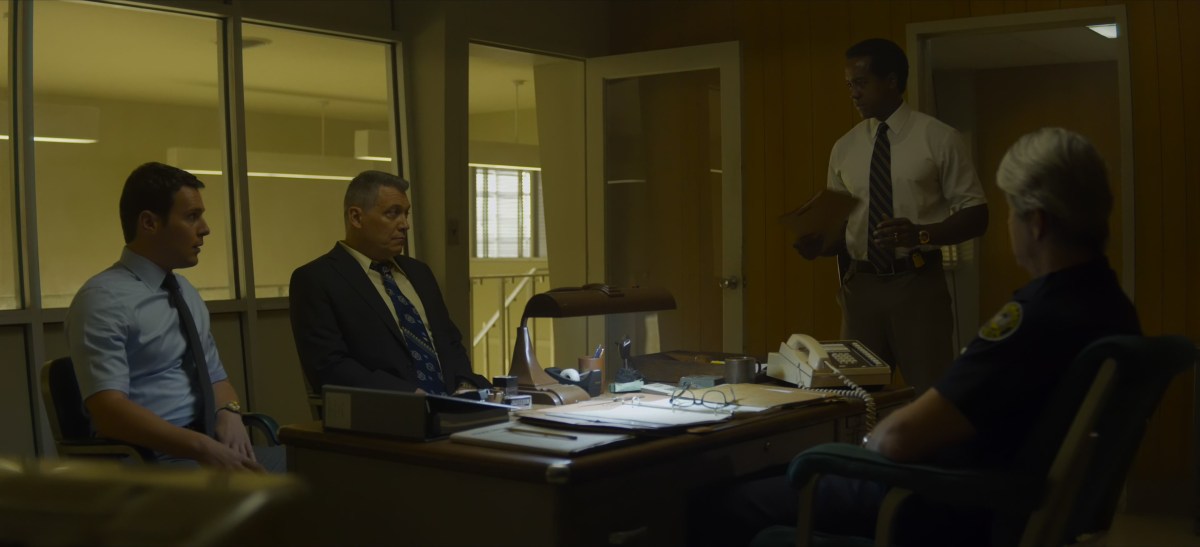
If you’ve watched David Fincher’s Mindhunter series about the development of the FBI’s Behavioural Science Unit from the late 1970’s through to 1980s, then you’ll already know there’s a certain kind of meticulousness to the Netflix show in each episode.
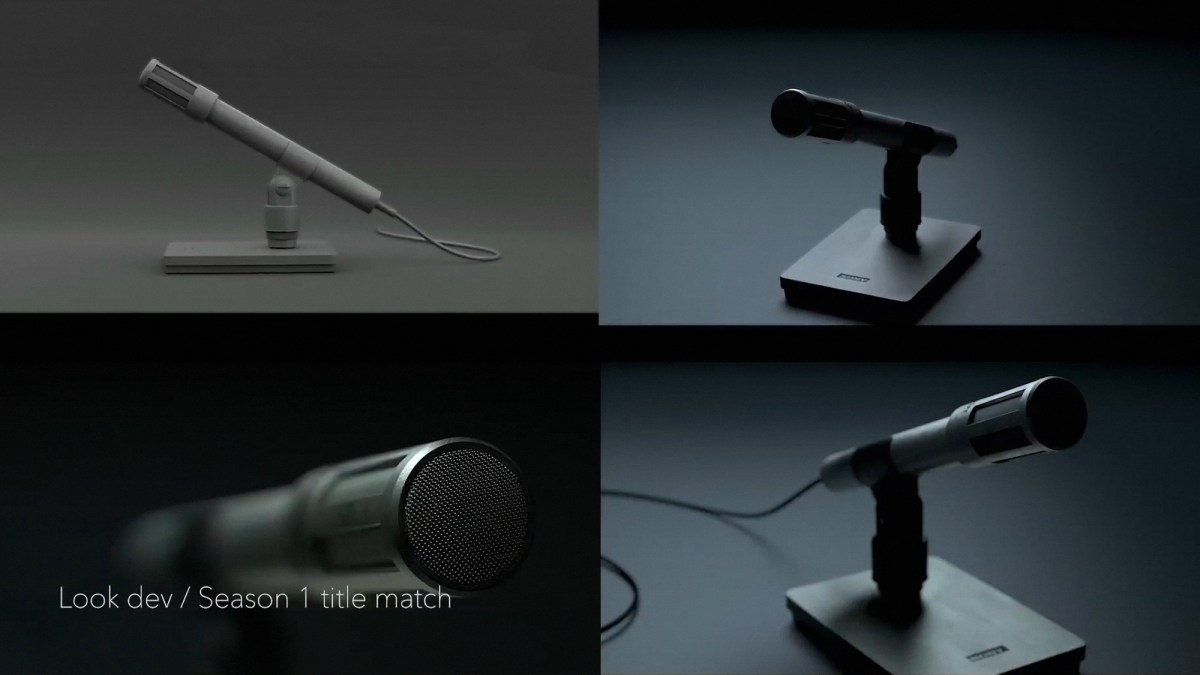
Well, that same kind of detail was added even to this promo for season 2 of series that got shown on social media. And it all revolved around…a microphone.
Tasked with creating a mic in between agents Ford and Tench in a police interrogation cell was Territory Studio, which also handled a few other clean-ups in the push-in shot.
Here’s the story, step-by-step, of how Territory – led by VFX Supervisor Simon Carr and VFX Producer Robin D’Arcy – researched the prop itself (even taking a used version apart), modeled it in CG and finished the shot.

 The Fincher Analyst