
October 31, 2019
artemplehollywood (vimeo)
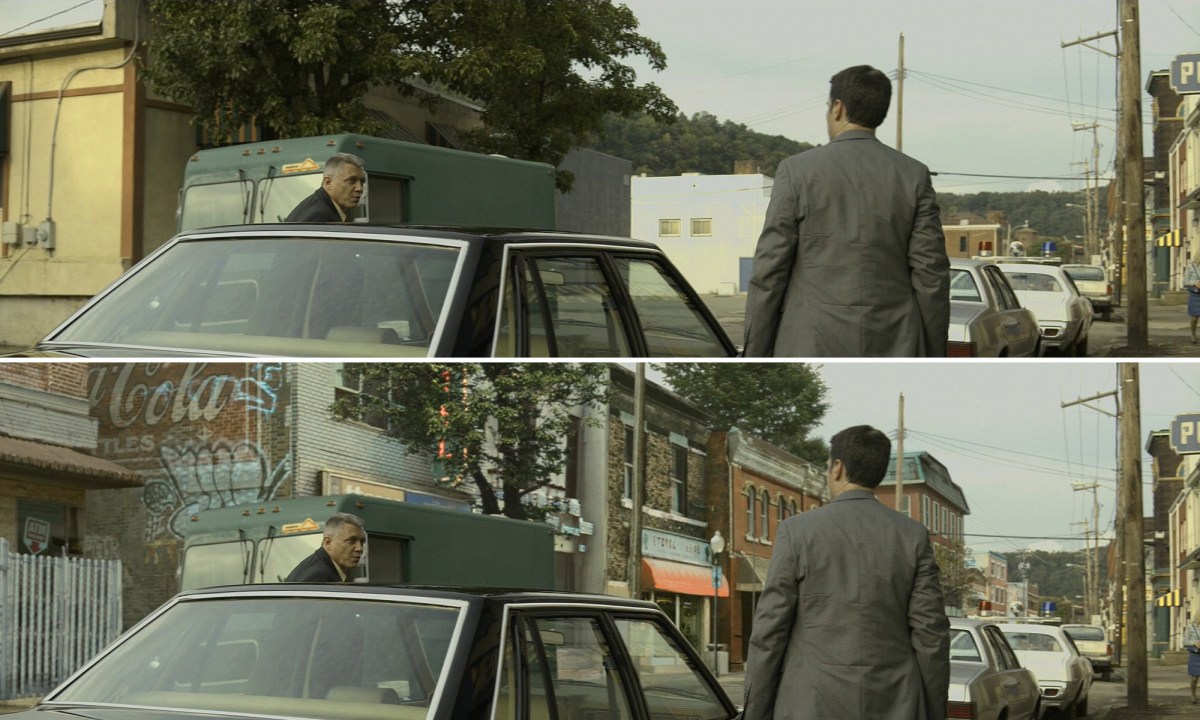
Breakdown reel showcasing David Fincher‘s invisible visual effects in the Netflix Original Series Mindhunter, Season 2.
October 31, 2019
artemplehollywood (vimeo)
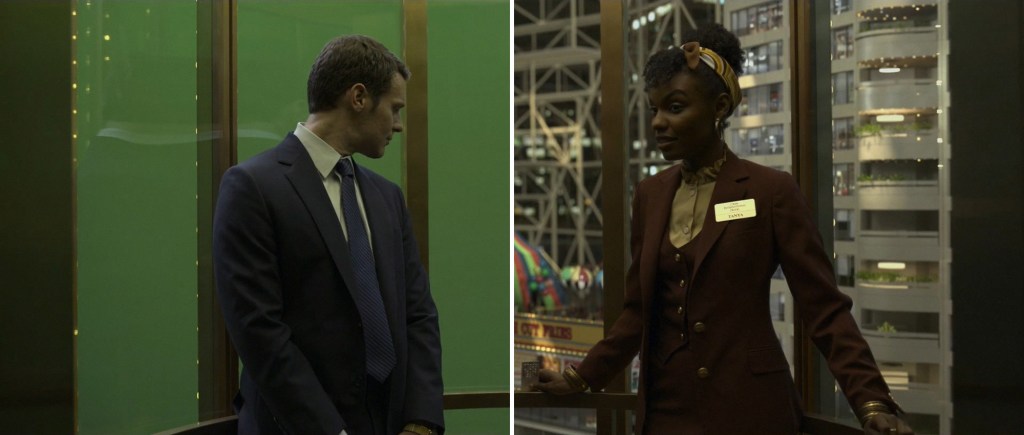
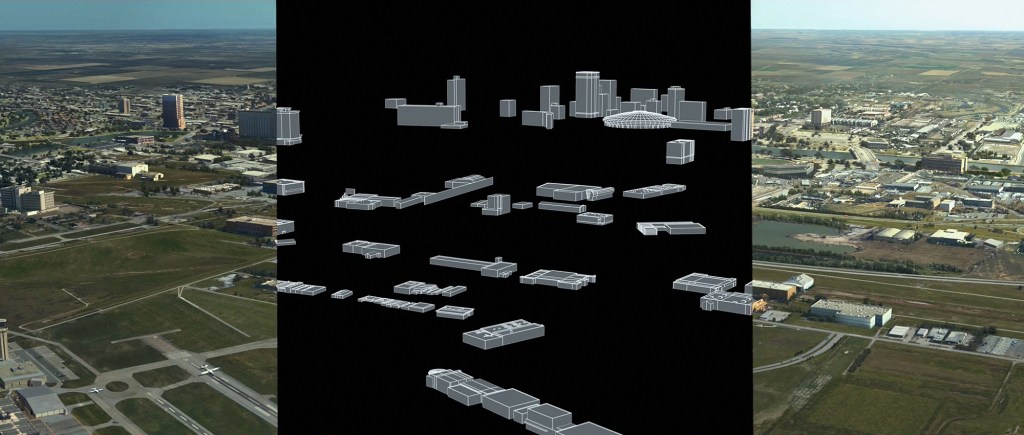
Breakdown reel showcasing David Fincher‘s invisible visual effects in the Netflix Original Series Mindhunter, Season 2.
Michele K. Short / Netflix
The show’s look is as meticulous as the mechanics of police work it depicts.
October 21, 2019
RED Digital Cinema

Going inside Mindhunter Season 2: there’s a contradiction at the heart of Mindhunter, the highly rated Netflix drama. For all the efforts of creator David Fincher and cinematographer Erik Messerschmidt to craft a minimalist aesthetic for this ripped-from-the headlines chronicle of the modern serial killer and its FBI profilers, the show itself continues to win plaudits for how it stylistically marries editorial with subject.
Season 1 was lauded for shining a light onto this particularly murky corner of the criminal psyche with its desaturated cinematography. “David and I continued with what we had put together for the first season,” Messerschmidt explains. “If anything, Season 2 is even more structured and formalist. That classical aesthetic is driven a lot by the content. The show is very measured in its approach to a story about serial killers so we felt the photography should be restrained and simple.”
Miles Crist / Netflix
Messerschmidt photographed all nine episodes of the new season which returned to Netflix after a two-year hiatus. Directors Andrew Dominik (The Assassination of Jesse James by the Coward Robert Ford), Carl Franklin (House of Cards) and Fincher took charge of blocks of three. Before taking responsibility to shape the look of Mindhunter’s first run, Messerschmidt had worked as a gaffer on shows like Mad Men and Bones, and then the feature film Gone Girl where he first came into contact with Fincher.
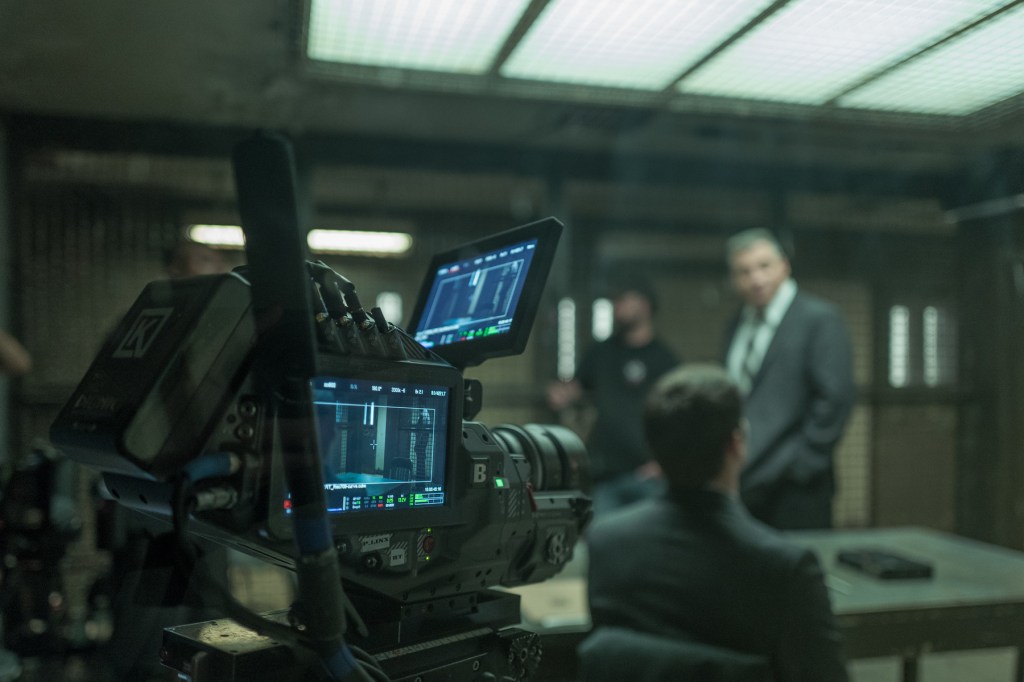
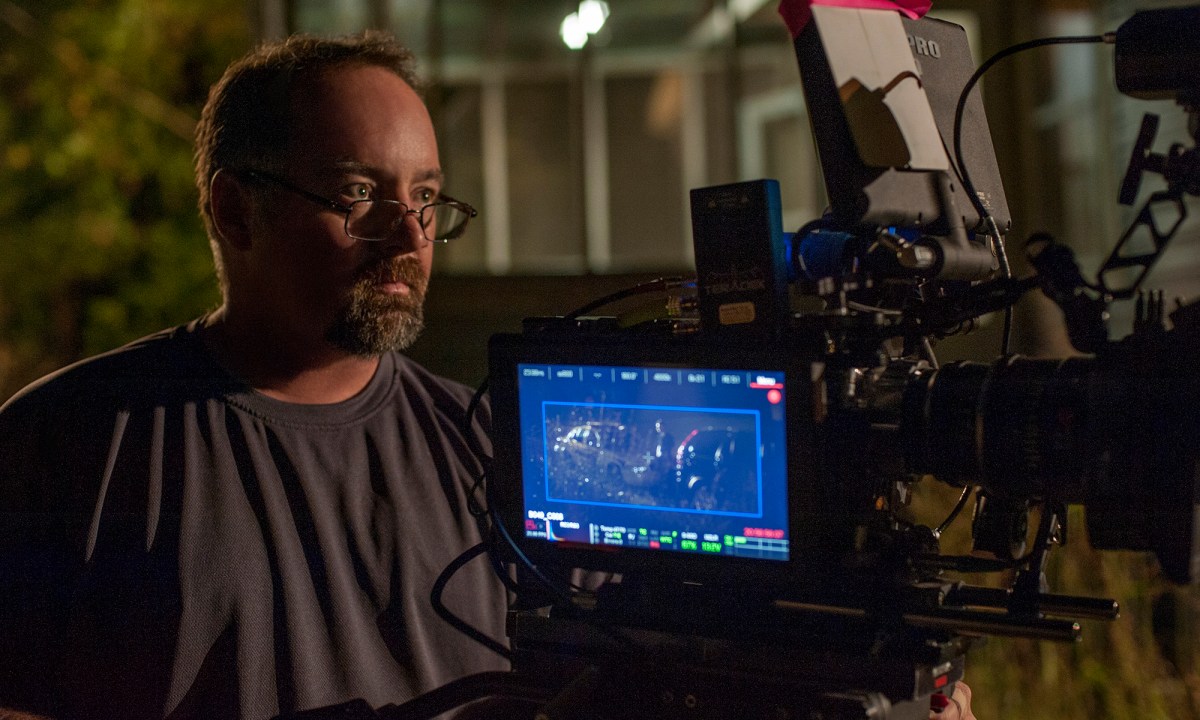
Definitive if subtle changes were made for Mindhunter’s latest season, the most notable of which was shooting with the custom XENOMORPH with HELIUM 8K S35 sensor and being able to monitor HDR on set.
The fight cannot be a lie.
October 7, 2019
Storius Magazine
This month, Fight Club turns twenty. David Fincher’s adaptation of Chuck Palahniuk’s novel, written for the screen by Jim Uhls and starring Brad Pitt, Edward Norton, and Helena Bonham Carter, became a movie classic that has generated every form of cultural reference, from memes to research papers. Ranking #10 on IMDb’s Top 250 best-movie list and lending “The first rule of Fight Club” catchphrase to teen chats and corporate meetings alike, the film has come to occupy a unique niche in modern culture.
On the anniversary of the movie’s release, Fight Club’s screenwriter Jim Uhls spoke with Storius, reflecting on the film’s journey and lasting influence, adaptation challenges, fan theories, and his screenwriting techniques.
STORIUS: Today, twenty years after its release, Fight Club seems surprisingly contemporary, especially considering how many changes our society has gone through since 1999. It has entered the cultural lexicon, is often referenced even by people who haven’t seen it, and doesn’t seem to age much. What do you attribute the movie’s endurance to?
It hits a nerve with each generation that discovers it, seemingly because the basic life circumstances of the viewer, whether in 1999 or 2019, are the same. Part of that nerve is the idea of how self-worth is defined — both by society and in one’s mind — which are usually the same.
But, in this film, they become different. Men in their twenties, still puzzled about what they should do with their lives, are discovering a different way to define self-worth. A group of them meet to experience something that is outside the parameters of civilization. Each fight is one-on-one violence between two men who have no animosity towards each other, might not even know each other. They’re doing it because it’s a ritual, a primal ritual, in which they take part both by doing it and by watching others do it. It’s physical combat, wordless, and true — i.e., the fights are actually happening, so they are true. Other things all around these men can be lies, with or without words, but the fight cannot be a lie.
Another part of that nerve is Tyler Durden’s contempt for materialism, consumerism, the impossible ideals invented by advertising, and in effect — everything that is fake, or a lie, or a pathway to soullessness — all constantly bombarding us, in our “civilized” world. I’ve been repeatedly surprised by females, from teenage to senior citizens, telling me they love the film. It’s clearly aimed at a form of emancipation for young men, but part of the nerve it hits must resonate for women.
STORIUS: It’s hard to believe now that the movie was considered a failure when it was released, and that it took a few years and a DVD release to turn it into a financial success and a cultural phenomenon. Why do you think the film had such a bumpy road to recognition?
The bumpy road, the period of initial domestic release, was largely due to the vexing challenge of how to make a trailer for the film that promotes what the film is. It wasn’t an easy task. And it wasn’t achieved.
I ran into a friend about two weeks after the initial release, and he said he hadn’t gotten to the film yet, but he would; he just wasn’t a big fan of boxing movies.
“Boxing movies.” That’s a solid example of someone not having any idea of what the film was about during the time when it was vital to get that across to the public.
Jeff Cronenweth on the set of Gone Girl (2014, Merrick Morton)
Christine Bunish
October 11, 2019
Creative Content Wire
Cinematographer Jeff Cronenweth, ASC lensed his first feature, “Fight Club,” in 1998. He earned Best Cinematography nominations from the Academy of Motion Picture Arts and Sciences and the American Society of Cinematographers for two more collaborations with director David Fincher, “The Girl With the Dragon Tattoo” (2011) and “The Social Network” (2010). Cronenweth also shot Fincher’s “Gone Girl” (2014), Kathryn Bigelow’s “K-19: The Widowmaker” (2002) and Sasha Gervasi’s “Hitchcock” (2012). He recently completed director Sam Taylor-Johnson’s “A Million Little Pieces,” based on the literary hit.
In addition to his feature career, Cronenweth is known for his stylish and CLIO Award-winning music videos and commercials. In the last two years he shot music videos for Katie Perry, Jennifer Lopez, Pink, Maroon 5 and Taylor Swift. A native Angelino, Cronenweth studied filmmaking at the University of Southern California (USC) and began his professional career apprenticing to some of the industry’s greatest cinematographers, including Sven Nykvist, ASC, John Toll, ASC, Conrad Hall, ASC and his father, the late Jordan Cronenweth, ASC.
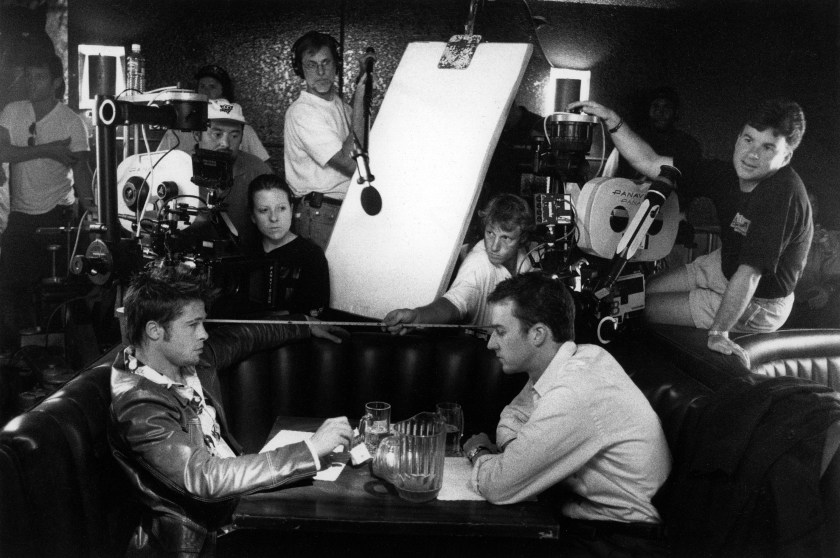
Cronenweth, behind the camera A on left, and his crew set up double coverage for a scene between Tyler Durden (Brad Pitt) and the film’s nameless narrator (Edward Norton). On the right, B camera operator (and future Panic Room cinematographer) Conrad W. Hall. (1999, Merrick Morton)
What was your pathway into this field?
“My great-grandfather owned a photo store in Pennsylvania. My dad’s dad won the last Oscar given for portrait photography: He was a staff photographer for Columbia [Pictures]. My grandmother was a Ziegfeld Follies dancer. My dad [Jordan Cronenweth, ASC] won a BAFTA for ‘Blade Runner’ (1983) and got an Oscar nomination for ‘Peggy Sue Go Married’ (1987). So as a child I often visited sets and went on location for extended stays. I felt like I wanted to be part of that great experience, that camaraderie. Each day was like a military unit battling to bring back great images.
“I knew I wanted to do something in the industry: I had been around it all and found it all so exciting. I made many Super 8 films in high school and decided USC (the University of Southern California) was where I wanted to attend film school. But two years into school Film Fair, a commercial production company my father had collaborated with, had a position open for a staff loader and that job offered the opportunity to get into the union. I visited my dad as often as I could when he was shooting ‘Blade Runner’ and assisted him on other movies as a camera operator and on second unit. A lot of relationships I formed then carried over when my dad retired.
“I met [director] David Fincher on a Madonna video my father photographed and I shot second unit for in the heyday of music videos – it was a very creative and innovative time, and I was grateful to be there. I was his camera assistant on the documentary ‘U2: Rattle & Hum’ (1988) and the film ‘State of Grace’ (1990), both directed by Phil Joanou, a former USC film school classmate. Then I got my first feature as a cinematographer, ‘Fight Club,’ with Fincher. Not a bad credit for the first time out of the gate!”
Follow Jeff Cronenweth, ASC Archives on Twitter
October 1, 2019
Mindhunter Art Department (Instagram)
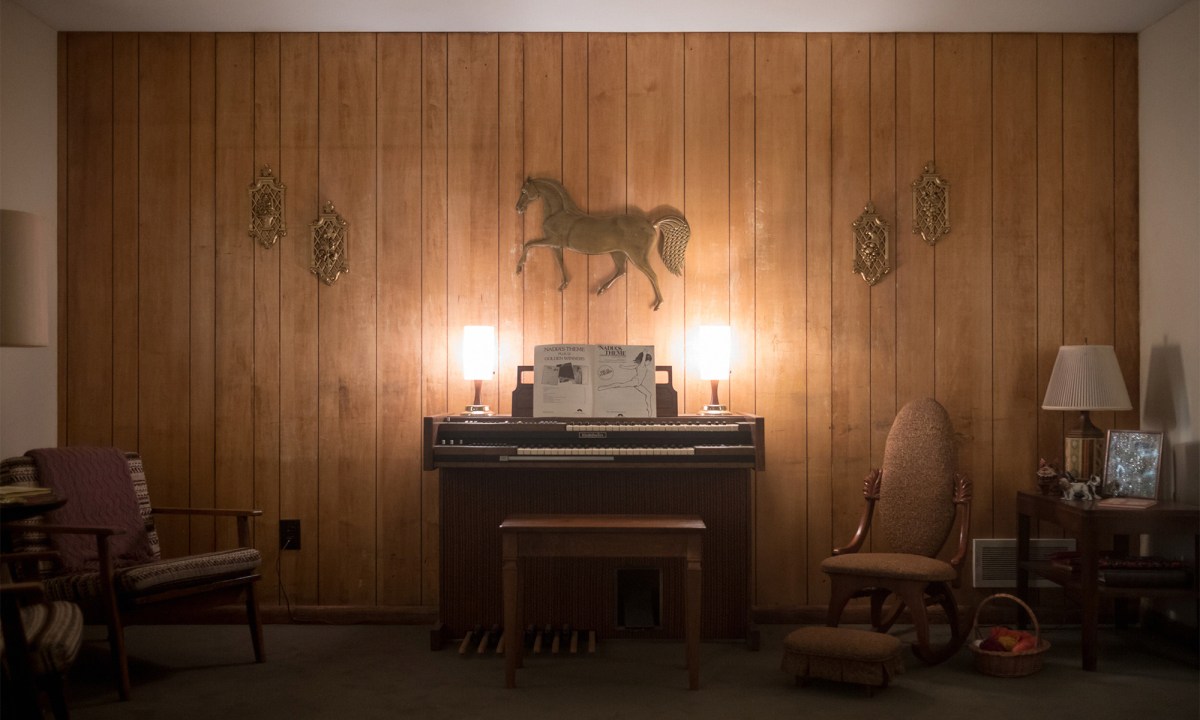
Production Designer: Steve Arnold
Art Director: Oana Bogdan Miller
Set Decorator: Andrew Baseman
Graphic Designer: Carly Sertic
Photos by Nikolai Loveikis
Jackson (Twitter)
September 30, 2019
Skip Intro (YouTube) (Patreon)
“Show don’t tell” is common writing advice, but in a show with no action, how does that work?.
Stream Theory – The First One: Disney+ Pricing, CBS + Viacom Merger, Mindhunter S2
Skip Intro & Thomas Flight
September 12, 2019
Stream Theory
A guide to Netflix, Disney+, HBO Max, Apple TV+, Amazon Prime Video and Hulu as they compete in the ongoing streaming wars and what it means for the stuff you actually watch.
Listen to the podcast: Apple Podcasts, Spotify


 The Fincher Analyst