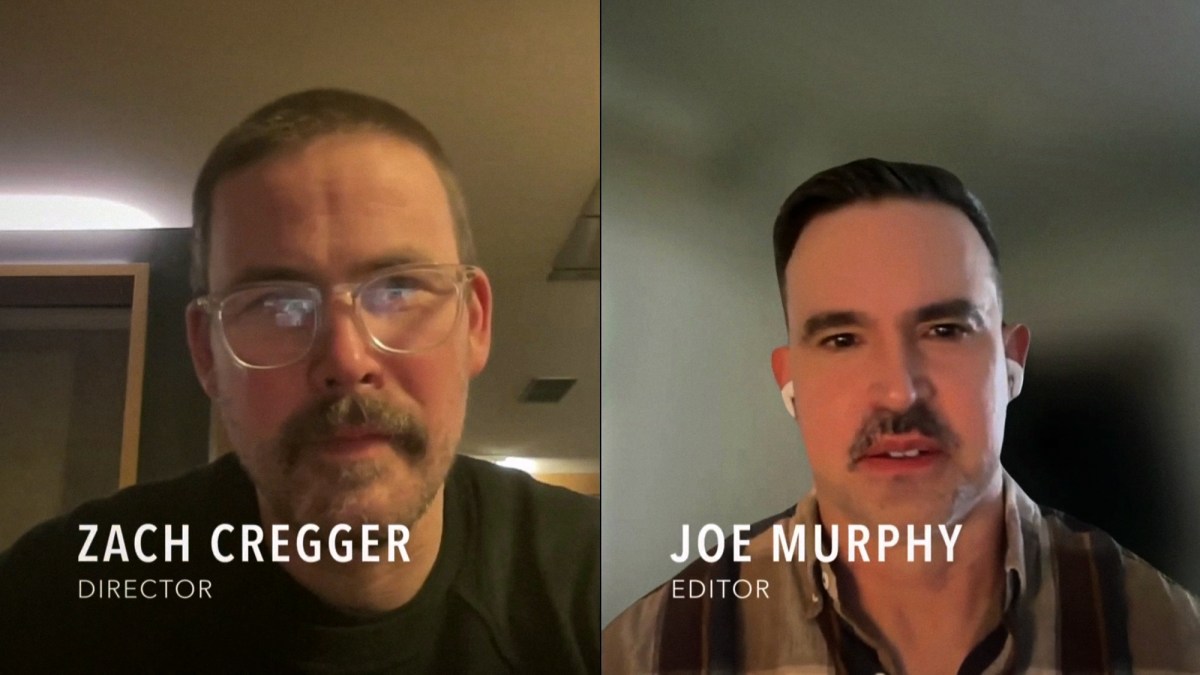
Shot Talk: Weapons, with Director Zach Cregger and Editor Joe Murphy

Oren Soffer
December 5, 2025
Shotdeck

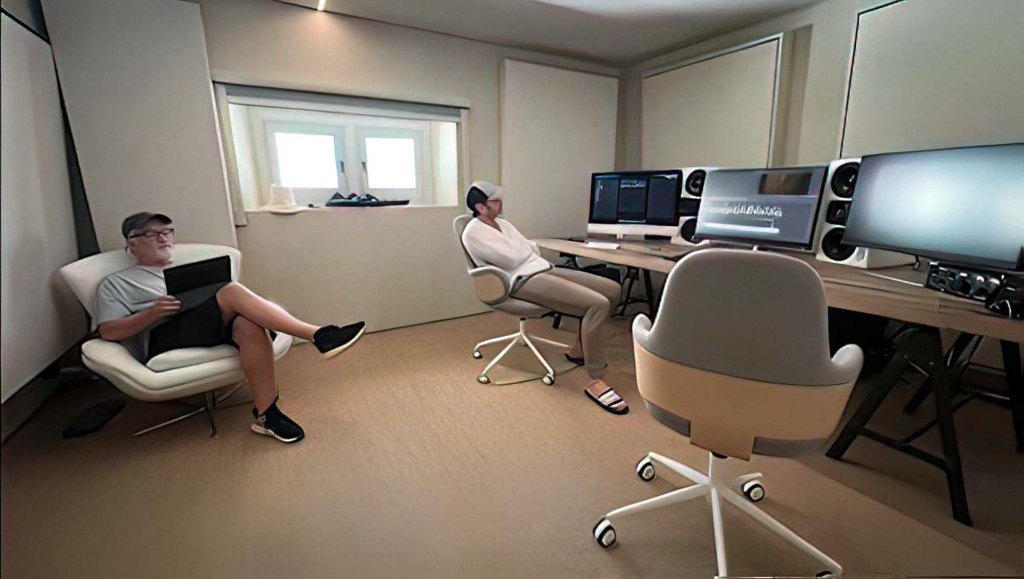
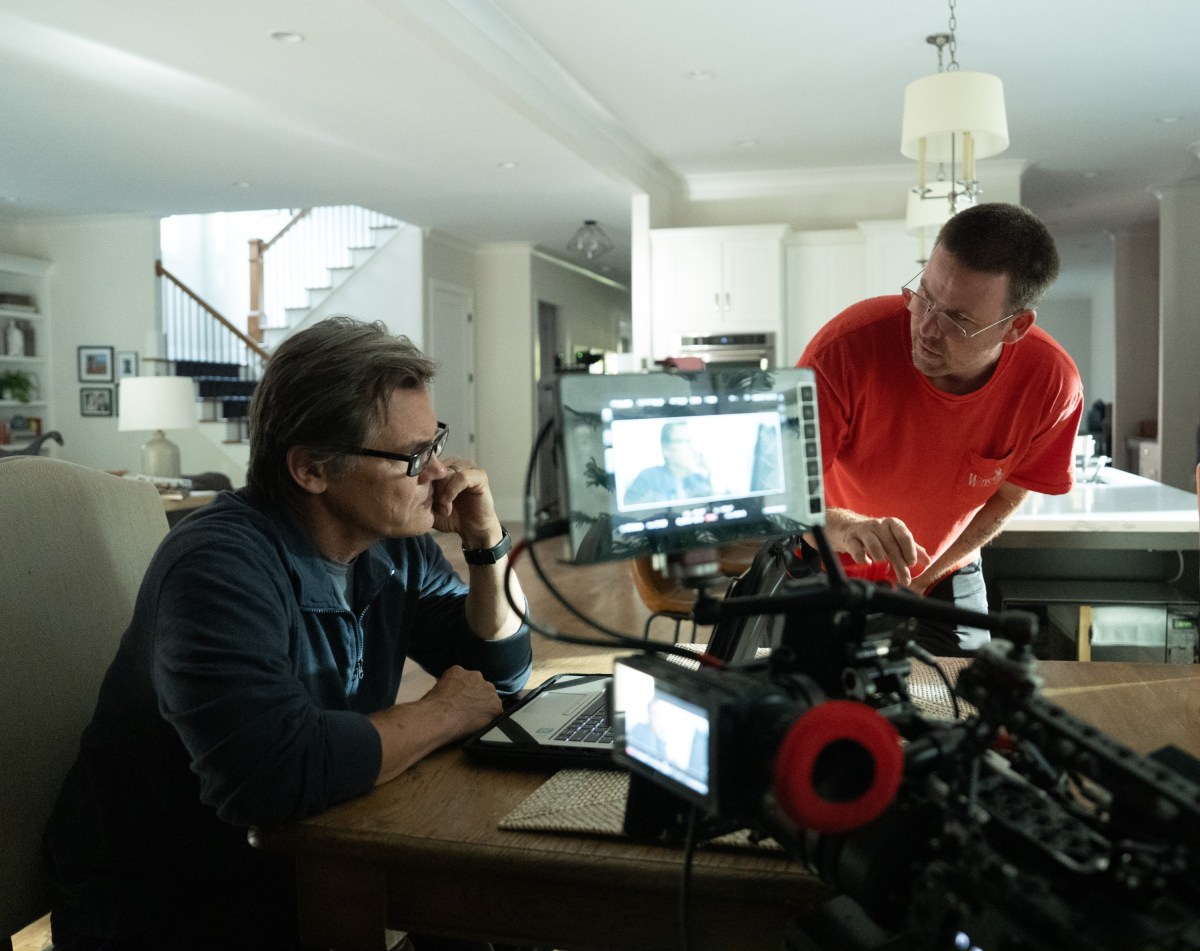
Cinematographer Oren Soffer sits down with director Zach Cregger and editor Joe Murphy for an in-depth conversation about Weapons. From Zach’s meticulous pre-planning with photoboards, to Joe’s work shaping the tone of Gladys in the edit, to the rare opportunity to receive feedback from David Fincher, the duo breaks down the creative process behind the acclaimed supernatural horror film.

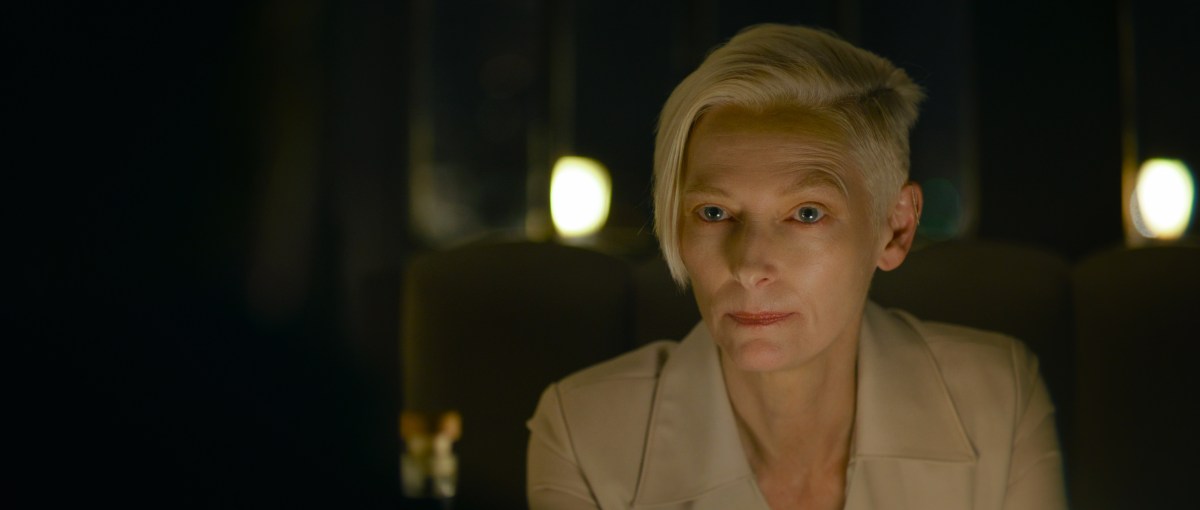
Along with the interview, we’re also releasing a bunch of great shots from the film, so you can start adding them to your decks and getting inspired right away!

But before you dive in and watch the filmmaking mini-masterclass above… make sure to go check out Weapons, streaming now on HBO Max.

Sign up for an account at ShotDeck, the world’s first fully-searchable film image database. It’s an invaluable research and educational resource that makes life easier for anyone in Film, Media, Advertising, and Education.

If you are creative, Shotdeck is the place to get inspired and discover new films and talented artists through our meticulously tagged database of still images, all while saving you time.

Search by film title, keyword, location, color, or a dozen other criteria to quickly find the exact “shots” you need to communicate your vision for your next project.
Shotdeck also on: YouTube, Instagram, Twitter

“Weapons” Director Zach Cregger Answers All of Your Burning Questions

Including why David Fincher gets a “special thanks” in the credits.

Drew Taylor
October 15, 2025
The Wrap

You can finally take writer/director Zach Cregger’s Weapons home.

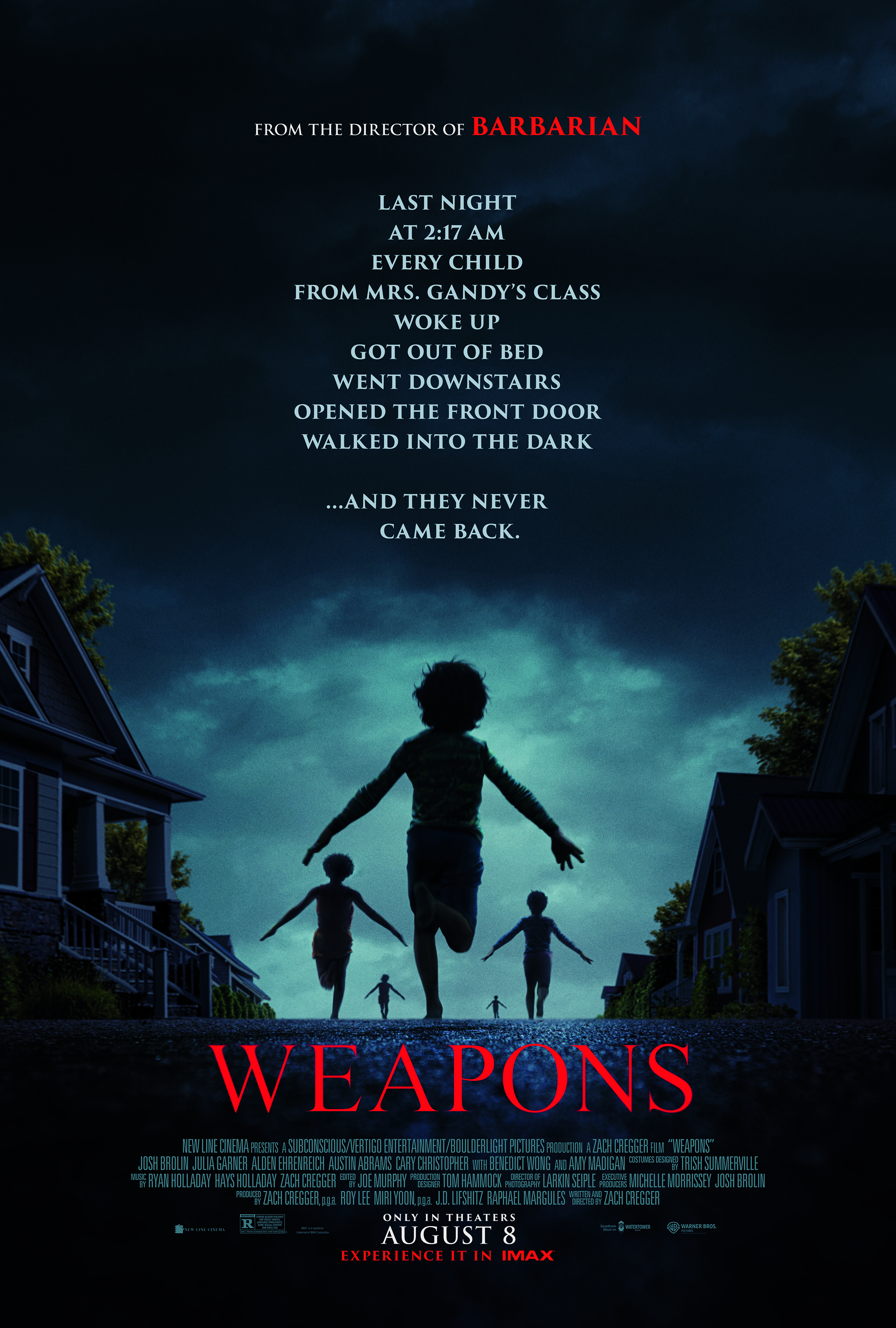
The horror epic, about a classroom full of kids that mysteriously vanish at 2:17 a.m., was released in theaters this summer, where it promptly became a huge hit. It made more than $267 million worldwide, which is even more impressive when you consider that it was an original concept, not based on a preexisting property. There are even rumblings that the movie, which stars Julia Garner, Josh Brolin and Alden Ehrenreich, could be a low-key Oscar contender. (Amy Madigan should be a shoo-in for Best Supporting Actress.)

And if you wanted to further explore its mysteries over and over again, now is your chance, with the film available on digital (on Apple TV, Prime Video, Fandango on Demand and other platforms) and physical media (DVD, Blu-ray and 4K UHD).

TheWrap spoke to Cregger about some of the things everyone has been talking about since the release of Weapons. “You hope people are going to respond to it and try and keep your expectations low and but that’s a hard thing to do,” Cregger said about the oversized response to Weapons. “But I was very pleasantly surprised.”

Read on for Cregger’s breakdown of some of Weapons most talked-about moments. But a massive spoiler warning should be issued ahead.

Read the full interview

“Weapons” Director Zach Cregger on David Fincher’s Advice, Sequel Plans and What His “Resident Evil” Movie Will Look Like

William Earl
August 8, 2024
Variety

David Fincher and Sound Designer Ren Klyce at The Egyptian Theater: “The Killer” Screening and Q&A

Jim Hemphill
November 9, 2023
West Coast POPCast (YouTube)

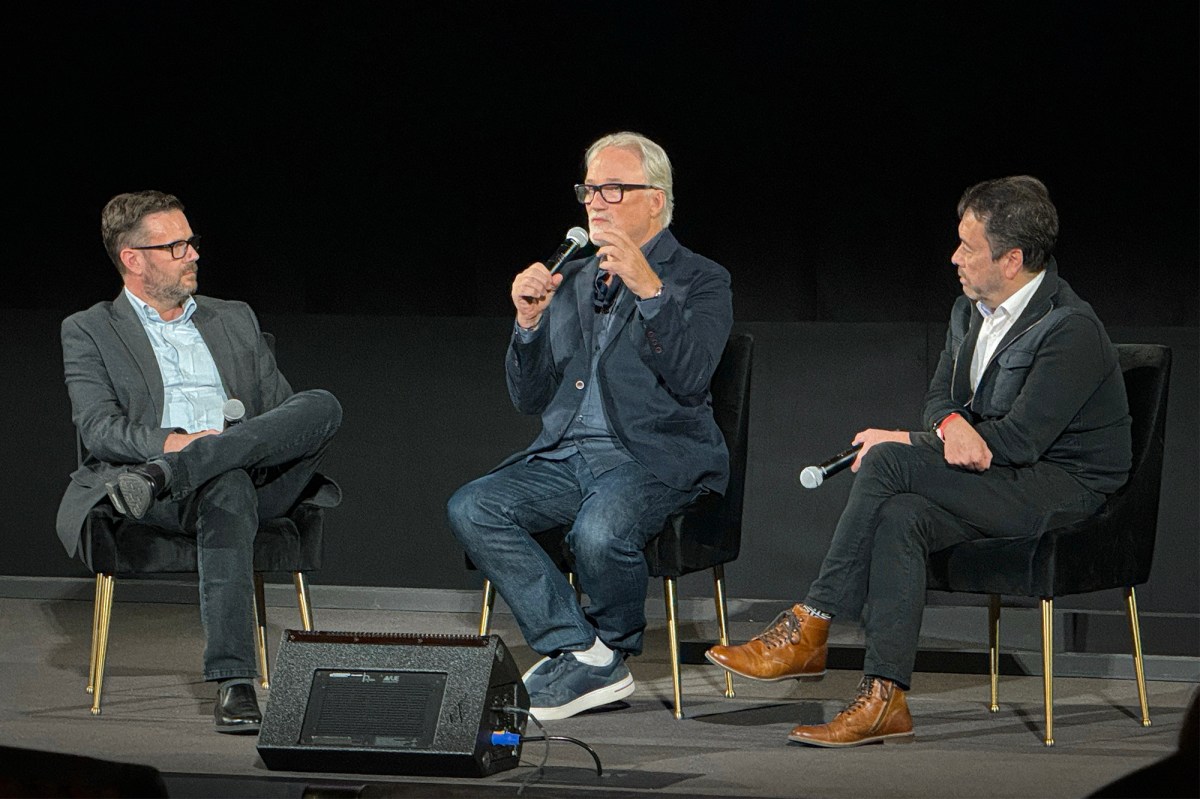
The Egyptian Theatre re-opened in Hollywood with a special screening of The Killer, followed by a Q&A with Director David Fincher and Sound Designer Ren Klyce hosted by Jim Hemphill.

Mix Presents Sound For Film: The Sound of “The Killer”

Awards Season 2023

Jennifer Walden
December 13, 2023
Mix

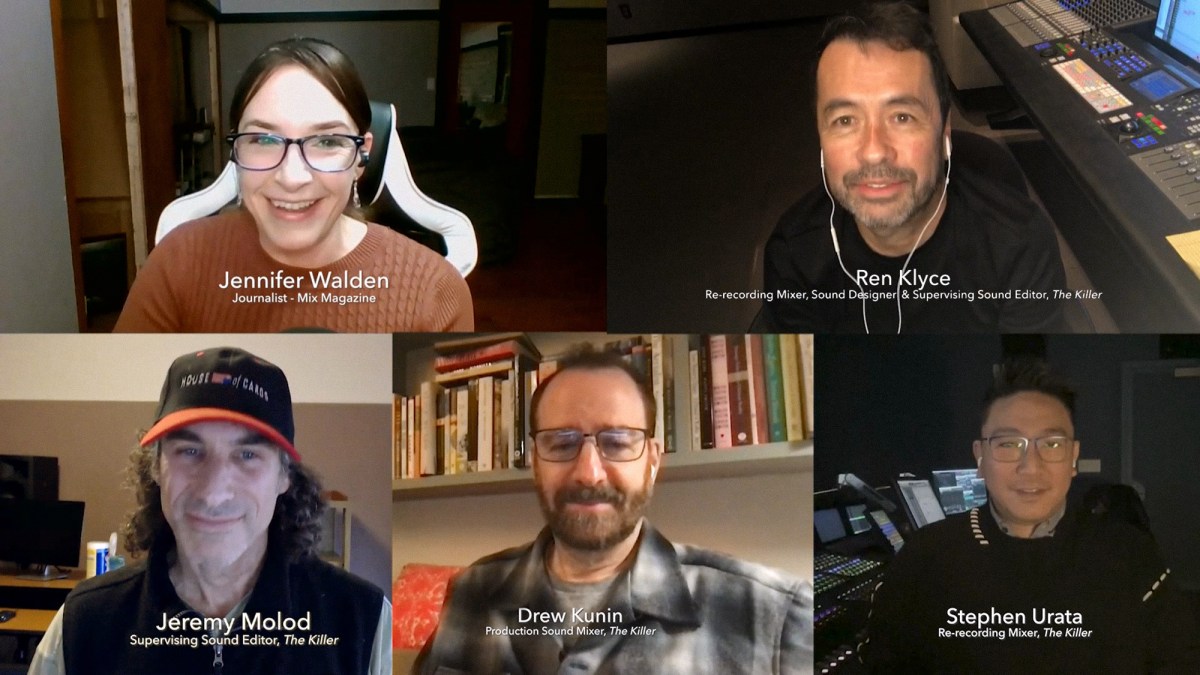
Join Mix’s Jennifer Walden as she speaks with the audio pros behind director David Fincher’s action thriller, ‘The Killer.’ Discussing their work on the film are:

  • Ren Klyce, Sound Designer, Re-recording Mixer, and Supervising Sound Editor
  • Jeremy Molod, Supervising Sound Editor
  • Stephen Urata, Re-recording Mixer
  • Drew Kunin, Production Sound Mixer

Presented by Netflix.

“The Killer” sound designer, editor, mixer Ren Klyce: “I’m finally figuring out how to do my job”

Ray Richmond
December 5, 2023
Gold Derby

You wouldn’t think that Ren Klyce would have a whole lot more to learn about his job as a sound professional on movies. He’s been at it for nearly 30 years, going back to “Se7en” in 1995 and presiding as director David Fincher‘s designated sound guy ever since. He’s earned nine Academy Award nominations for his sonic work, including on Fincher’s “Fight Club,” “The Social Network,” “The Curious Case of Benjamin Button,” “The Girl with the Dragon Tattoo” and “Mank.” And yet while discussing his latest collaboration with his favorite director, Netflix‘s “The Killer,” he asserts, “I learned a lot on this film. I think I learn every time. I always think, ‘Oh, I’m finally figuring out how to do my job.’ You get a new project and you realize that you’re learning a whole new set of skills. I like the idea that there’s still sort of a beginner mentality to the approach, and I think that’s actually a healthy way to do any type of work, honestly.”

Read the full article

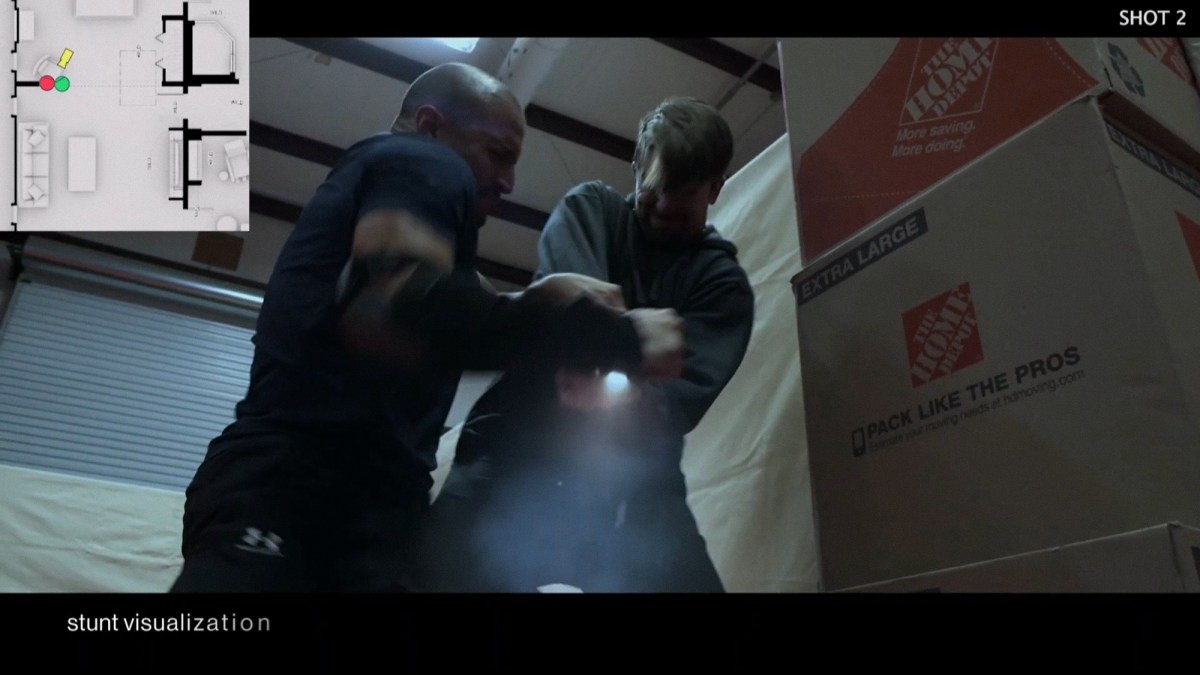
David Fincher and “The Killer” Crew Break Down The Brute vs The Killer Fight Scene

December 9, 2023
Netflix: Behind the Streams

Director David Fincher, Editor Kirk Baxter, Sound Designer Ren Klyce, Cinematographer Erik Messerschmidt, and Stunt Coordinator Dave Macomber break down the fight sequence between The Brute and The Killer in The Killer.

The Killer is now playing on Netflix

Art of the Cut: “The Killer” with Kirk Baxter, ACE

Steve Hullfish, ACE
November 23, 2023
Art of the Cut (Boris FX)

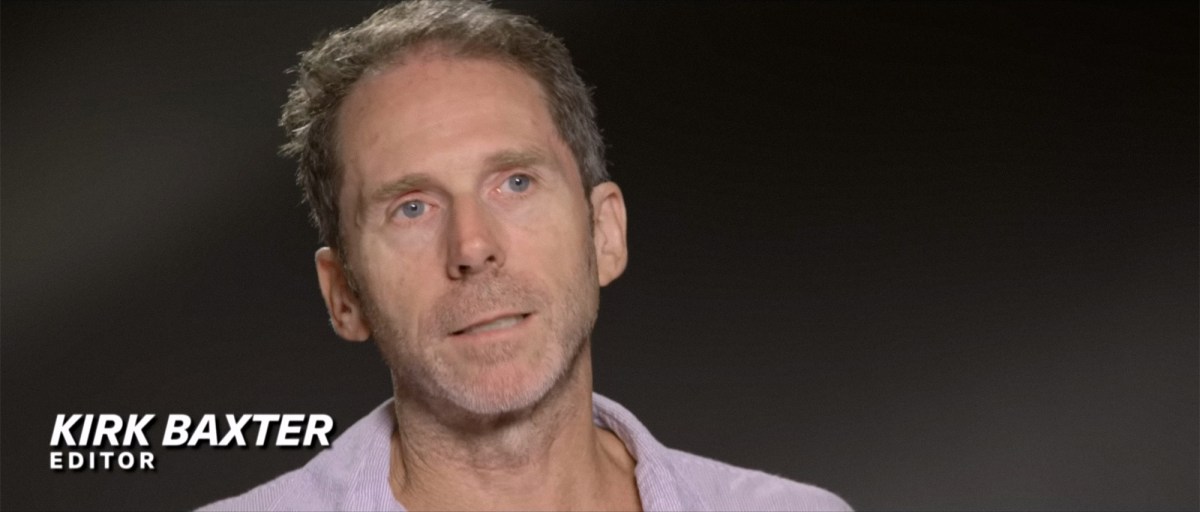
Today on Art of the Cut, we’re talking with Kirk Baxter, ACE, about editing David Fincher’s latest: The Killer, which is now on Netflix.

Kirk’s been on Art of the Cut before – for Gone Girl and for Mank. He was nominated for an Oscar, a BAFTA and an ACE Eddie for The Curious Case of Benjamin Button. He won an Oscar, a BAFTA and an ACE Eddie for The Social Network. He was nominated for an ACE Eddie and won an Oscar for The Girl with the Dragon Tattoo. Was nominated for an Emmy for House of Cards. Was nominated for an ACE Eddie for Gone Girl. Was nominated for an ACE Eddie for Mindhunter. Was nominated for an ACE Eddie for Mank and won an ACE Eddie for Love, Death and Robots.

Listen to the podcast:

Apple Podcasts
Spotify
Amazon Music
Google Podcasts

Follow Steve Hullfish, ACE, and the “Art of the Cut” podcast on Ex-Twitter. Buy his book “Art of the Cut. Conversations with Film and TV Editors” (Routledge, 2017).

Read the transcription of this interview:

The Killer

Kirk Baxter, ACE, director David Fincher’s long-time editor, talks about the power of believing in the process, pacing, and voiceover changes on the action-packed thriller.

Steve Hullfish, ACE
November 23, 2023
Art of the Cut (Boris FX)

The Editing Podcast: David Fincher’s Editor Reveals The Key To Make ANY Edit Work

Jordan Orme and Hayden Hillier-Smith
November 22, 2023
The Editing Podcast

Welcome to The Editing Podcast, where storytelling meets the art of post-production. In this riveting episode, hosts Hayden Hillier-Smith and Jordan Orme sit down with none other than the master editor behind the brilliance of David Fincher‘s cinematic wonders—Kirk Baxter.

We delve deep into Kirk’s illustrious career, spanning iconic films that have left an indelible mark on the world of cinema. From “The Social Network” to “Gone Girl” to his most recent thriller, “The Killer”, Kirk Baxter’s editorial prowess has shaped some of the most memorable moments in film history and has influenced the editing landscape forever.

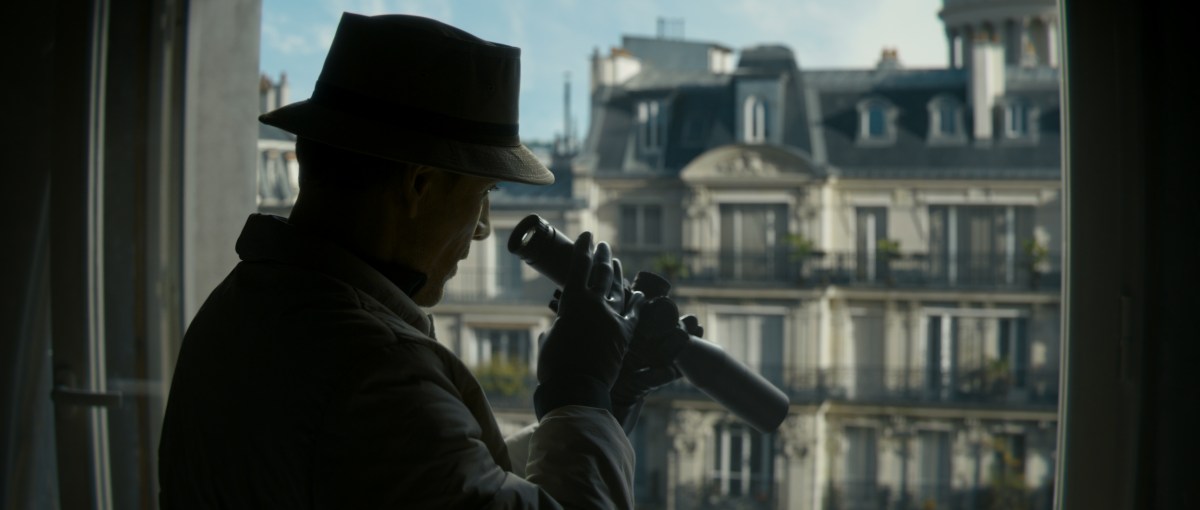
In this episode, we dissect the mesmerizing opening sniper scene, a sequence that hooks audiences from the first frame. Kirk takes us behind the scenes, sharing the secrets of crafting tension and suspense that keep viewers on the edge of their seats. We also explore the intricacies of “The Killer‘s” visceral fight scene, a jaw-dropping display of editing finesse that elevates the film to a new level of intensity. Kirk Baxter’s insights into the creative decisions behind each cut and the rhythmic flow of the sequence offer a rare glimpse into the mind of a true editing maestro.

00:00: David Fincher’s Editor Kirk Baxter
01:00: Use Riverside
02:18: Why Hiding Blinks Creates Intention
05:05: The David Fincher Editing Style
09:50: Choreographing The Vicious Fight Scene in The Killer
12:29: Letting Sound & Music Guide Your Edit
13:57: Comment “Storyblocks is cool”
15:00: Hooking Your Audience In The First 5 Minutes
16:23: How To Cut With Intention
18:14: Breaking Down The Sniper Scene in The Killer
25:15: The Magic Of Vertical Sound Cutting
27:53: Breaking Down The “Cool Girl” Sequence in Gone Girl

Editor: ​⁠ Tyson Pellegrini and Hayden Hillier-Smith
Executive Producer: Vishnu Vallabhaneni
Thumbnail: David Altizer

Listen to the podcast:

Apple Podcasts
Google Podcasts
Spotify

Follow The Editing Podcast: YouTube, Twitter, Instagram

Editing ‘The Killer’ So That ‘We Crawl Into His Ears and Sit in the Back of His Eye Sockets’

David Fincher’s Oscar-winning go-to editor, Kirk Baxter, helped achieve a new kind of subjective cinema with Michael Fassbender’s assassin character.

Bill Desowitz
November 12, 2023
IndieWire

[Editor’s note: The following interview contains spoilers.]

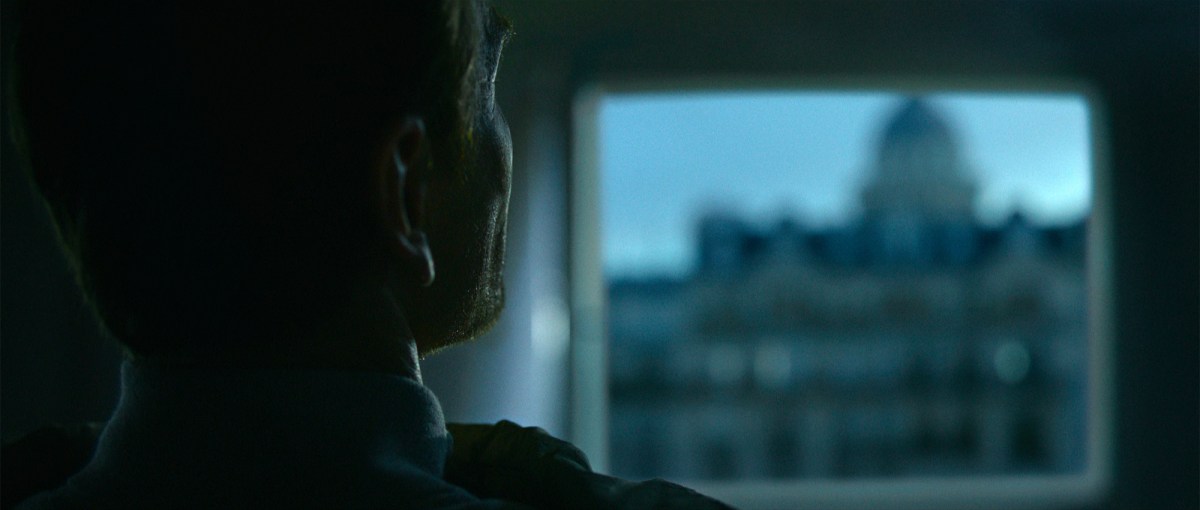
David Fincher’s The Killer is his most experimental film since “Fight Club”: a subjective, cinematic tour de force in which we get inside the mind of Michael Fassbender’s titular assassin after he experiences his first misfire in Paris. Fully exposed for the first time, the hunter becomes the hunted and he’s forced to cover his tracks while stepping outside of his comfort zone. In the process, the film becomes a noirish existential journey from nihilism to faith, which is what first attracted Fincher to adapting Alex Nolent’s graphic novel.

For go-to editor Kirk Baxter (the Oscar-winning “The Girl with the Dragon Tattoo” and “The Social Network”), it was one of the hardest Fincher films to cut. It’s divided into six chapters, each with its own look, rhythm, and pace tied to Fassbender’s level of control and uncertainty, and the editorial process necessitated the creation of a visual and aural language to convey subjective and objective points of view for tracking Fassbender. In fact, it’s reminiscent of what Hitchcock called “pure cinema,” only much bolder.

“It was like a ’70s film and I found it to be one of the more challenging movies to make because it’s not sort of juggling a bunch of different character lines or going back and forth from past to present and that sort of thing,” Baxter told IndieWire. “It’s just a straight line, but the exposure of that with nowhere to hide, like you can’t kind of jazz hands your way out of something. It’s like everything is just under the spotlight and you’re not having dialogue and interaction to kind of dictate your pace. It’s a series of shots and everything has to be manhandled and manipulated in order to give it propulsion, or how you slow it down. But just by its very nature, it had to be sort of let’s go [and see how much Fassbender has to break his own rules to survive].”

Read the full profile