The First Rule of Making ‘Fight Club’: Talk About ‘Fight Club’

Dan Evans (The Ringer)

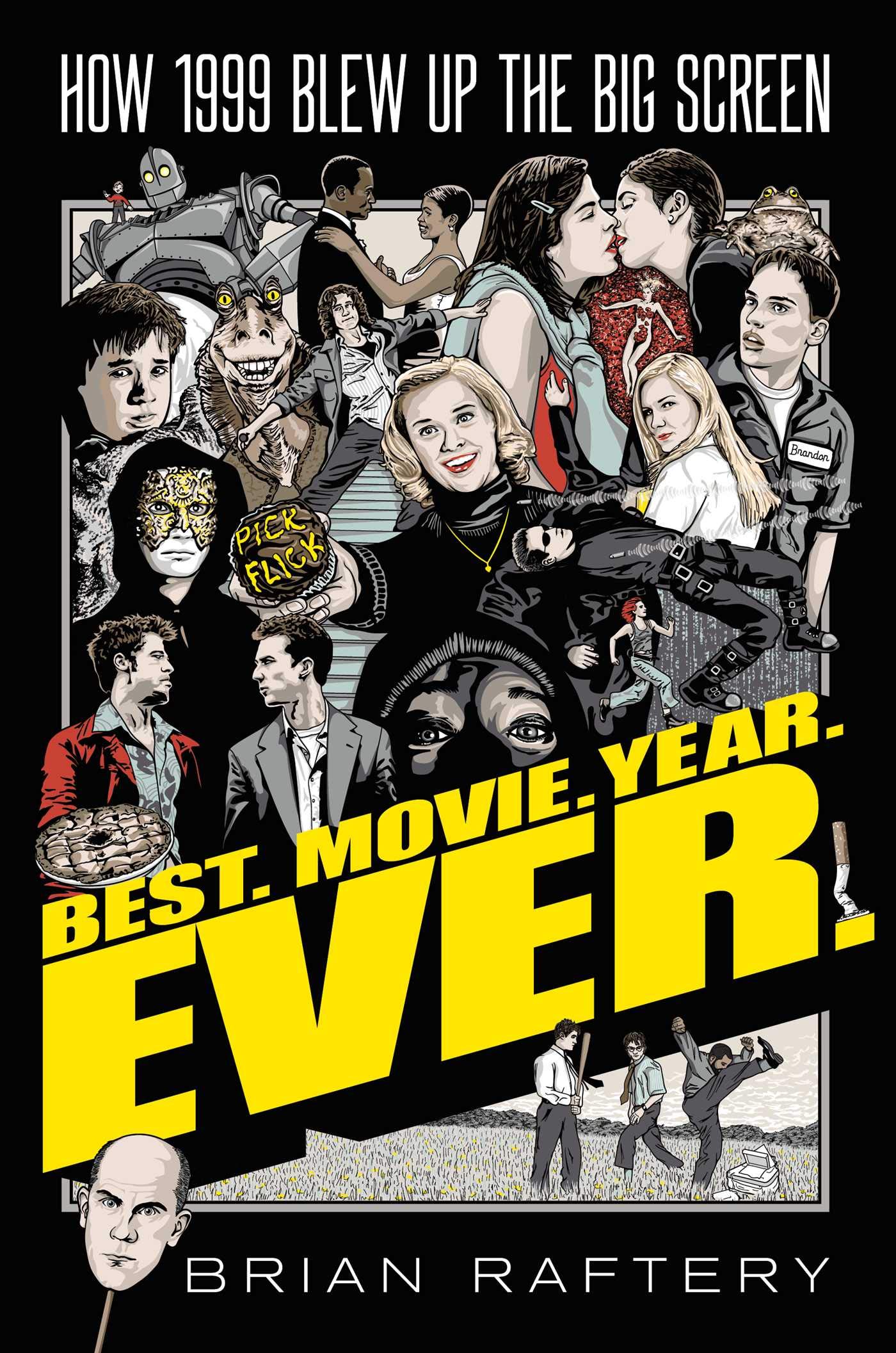
In an excerpt from the new book ‘Best. Movie. Year. Ever.,” David Fincher, Edward Norton, and the minds behind ‘Fight Club’ talk about the bare-knuckled, bloody battle to bring Chuck Palahniuk’s book to the big screen

Brian Raftery
March 26, 2019
The Ringer

Sometimes, during their breaks, the men who worked alongside Chuck Palahniuk would gather to talk about where their lives had gone wrong. It was the early nineties, and Palahniuk was employed at a Portland, Oregon, truck-manufacturing company called Freightliner. Many of his colleagues were well-educated, underutilized guys who felt out of sorts in the world—and they put the blame on the men who’d raised them. “Everybody griped about what skills their fathers hadn’t taught them,” says Palahniuk. “And they griped that their fathers were too busy establishing new relationships and new families all the time and had just written off their previous children.”

Palahniuk’s Freightliner duties included researching and writing up repair procedures—tasks that required him to keep a notebook with him at all times. At work, when no one was looking, he’d jot down ideas for a story he was working on. He’d continue writing whenever he could find the time: between loads at the laundromat or reps at the gym or while waiting for his unreliable 1985 Toyota pickup truck to be fixed at the auto shop. The result was a series of “small little snippets” about an unnamed auto company employee who’s so spiritually inert, so unsatisfied, that he finds himself attending various cancer support groups, just to unnumb himself. He soon succumbs to the atomic charisma of Tyler Durden, a mysterious figure whose name had been partly inspired by the 1960 Disney movie Toby Tyler. “I grew up in a town of six hundred people,” says the Washington-born Palahniuk, “and a kid in my second-grade class said he’d been the actor in that movie. Even though he looked nothing like him, I believed him. So ‘Tyler’ became synonymous with a lying trickster.”

After meeting Tyler Durden, Palahniuk’s narrator begins attending Fight Club, a guerrilla late-night gathering in which men voluntarily beat each other bloody. Fight Club comes with a set of fixed rules, the most important of which is that, no matter what, you do not talk about Fight Club. Many of the book’s brawlers are working-class guys with the same dispiriting jobs—mechanics, waiters, bartenders—held by some of Palahniuk’s friends. “My peers were conflict averse,” says Palahniuk. “They shied away from any confrontation or tension, and their lives were being lived in this very tepid way. I thought if there was some way to introduce them to conflict in a very structured, safe way, it would be a form of therapy—a way that they could discover a self beyond this frightened self.”

Palahniuk would bring work-in-progress chapters to writing classes and workshops around Portland, holding one successful early reading at a lesbian bookstore. “They wanted to know ‘Is there a women’s version of this?’ he says. “They just assumed Fight Clubs existed in the world and wanted to participate.” Palahniuk, then in his early thirties, had recently seen his first novel get rejected. “I was thinking ‘I’m never getting published, so I might as well just write something for the fun of it.’ It was that kind of freedom, but also that kind of anger, that went into Fight Club.” He’d wind up selling the book to publisher W. W. Norton for a mere $6,000.

Fight Club’s quiet 1996 release came just a few years after the arrival of the so-called men’s movement, in which dissatisfied dudes looking to reclaim their masculinity would gather for all-male retreats in the woods. They’d bang drums and lock arms in the hope of escaping what had become a “deep national malaise,” noted Newsweek. “What teenagers were to the 1960s, what women were to the 1970s, middle-aged men may well be to the 1990s: American culture’s sanctioned grievance carriers, diligently rolling their ball of pain from talk show to talk show.”

Palahniuk’s Fight Club characters, though, were younger and angrier than their aggrieved elders. A few primal scream sessions in the woods weren’t going to cut it. “We are the middle children of history, raised by television to believe that someday we’ll be millionaires and movie stars and rock stars, but we won’t,” Tyler says of his peers, adding “Don’t fuck with us.” It was one of many briskly written yet impactful mission statements in Palahniuk’s book, which earned positive reviews from a few major critics—the Washington Post called it “a volatile, brilliantly creepy satire”—as well as the author’s own father. “He loved it,” Palahniuk says. “Just like my boss thought I was writing about his boss, my dad thought I was writing about his dad. It was the first time we really connected. He’d go into these small-town bookstores, make sure it was there, and brag that it was his son’s book.”

Fight Club wasn’t an especially big performer in its original hardcover run, selling just under 5,000 copies. But before it even hit shelves, an early galley copy reached producers Ross Grayson Bell and Joshua Donen, the latter of whom had produced such films as Steven Soderbergh’s noir The Underneath. Bell was put off by some of the book’s violence, but as he read further, he arrived at Fight Club’s big revelation: the insomniac narrator, it turns out, really is Tyler Durden, and at night he’s been unknowingly leading the Fight Club army raiding liposuction clinics for human fat—first to turn into soap, and then to use for explosives. Eventually Tyler’s hordes of followers begin engaging in a series of increasingly violent acts. “You get to the twist, and it makes you reassess everything you’ve just read,” says Bell. “I was so excited, I couldn’t sleep that night.” Looking to make Fight Club his first produced feature, Bell hired a group of unknown actors to read the book aloud, slowly stripping it down and rearranging parts of its structure. He sent a recording of their efforts to Laura Ziskin, who’d produced Pretty Woman and was now heading Fox 2000, a division that focused on (relatively) midbudget films. According to Bell, after listening to his Fight Club reading during a fifty-minute drive to Santa Barbara, Ziskin hired him as one of Fight Club’s producers. “I didn’t know how to make a movie out of it,” said Ziskin, who optioned the book for $10,000. “But I thought someone might.”

Ziskin gave a copy of Palahniuk’s book to David O. Russell, who declined. “I read it, and I didn’t get it,” Russell says. “I obviously didn’t do a good job reading it.” There was one filmmaker, though, who definitely got Fight Club. He was the perfect match—a guy who viewed the world through the same slightly corroded View-Master as Palahniuk; who could attract desirable actors; who could make all of Fight Club’s bodily fluids splatter beautifully across the screen. And he wasn’t afraid of drawing a little blood himself.

Read the full excerpt

The Ringer: The 50 Best Movies of 1999, Part 1

The Ringer: The 50 Best Movies of 1999, Part 2
The Ringer: Make the Case: ‘Being John Malkovich’ Was a Head Trip Masterpiece—and the Best Film of 1999

Order Best. Movie. Year. Ever.: How 1999 Blew Up the Big Screen, by Brian Raftery (Simon & Schuster). On sale: April 16, 2019

‘Love, Death & Robots’: Tim Miller on His NSFW Anthology of Animated Stories

Steve ‘Frosty’ Weintraub
March 16, 2019
Collider

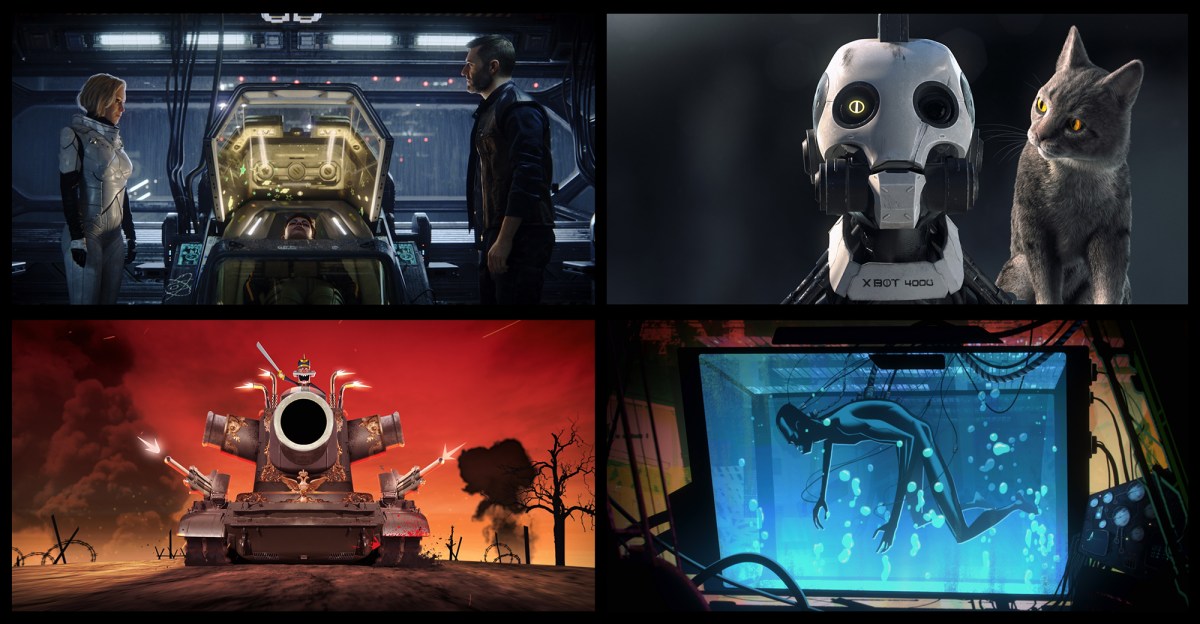
With Love, Death + Robots now streaming on Netflix, a few days ago at SXSW I got to sit down with Tim Miller to talk about the NSFW anthology of animated stories he made with David Fincher. If you haven’t seen the trailers, the very cool series features 18 shorts that run between 5-15 minutes in length, are aimed at adults, were done by different teams of filmmakers from around the world, and showcase a variety of styles from traditional 2D to photo-real CGI. In addition, all of the stories are wildly different. You’ve got cyborg bounty hunters, alien spiders, sentient dairy products, werewolf soldiers, robots gone wild, and blood-thirsty demons from hell — to just name a few.

I caught six of the shorts before doing the interview and absolutely loved what I saw. If you’re into cool stories and incredible animation, you absolutely want to check the series out. Love, Death + Robots is now streaming on Netflix.

During the interview, Tim Miller talked about how the series was made, how they’ve been working on it since before Deadpool was released in theaters, how he became friends with David Fincher and why they did this project, and what it was like collaborating with Netflix. Plus, if he has a suggested order for people to watch the series, if he’s ready to tell more stories in some of these worlds, the possibility of a second season, how the budgets were dictated by length and animation style, and so much more.

Watch the full interview

How Netflix’s Spectacularly Weird Love, Death & Robots Came Together

David Fincher, Jennifer Miller & Tim Miller, Executive Producers
SXSW Film Festival. Austin, TX
(Daniel Boczarski / Getty Images, Zimbio)

Eric Vespe
March 15, 2019
SyFy Wire

Tim Miller and David Fincher aim to scramble and rearrange the face of TV animation with their ambitious Netflix series Love, Death & Robots, which features short, adult tales told in a variety of styles. At SXSW this week, they debuted six of the 18 shorts that went live on Netflix today. These risque shorts ran the gamut of comedy, thriller, crime, sci-fi horror and everything in-between.

This isn’t the first time Fincher has teamed up with Tim Miller. Before Miller achieved fame as director of Deadpool, he owned the Blur animation and VFX studio, and worked as Fincher’s guy for opening title sequences. The two even tried to get an animated adaptation of Eric Powell‘s The Goon off the ground 10 years ago.

In this chat with Tim Miller and his producer and wife Jennifer Miller, we talk about the process of bringing Love, Death & Robots to life, how that could potentially help make their Goon adaptation a reality, as well, and what it was like juggling dozens of directors and production outfits.

[…]

I don’t think you and I talked around the time, but I did talk with both David Fincher and Eric Powell when you all were trying to get The Goon off the ground about ten years ago…

Tim: We have not given up. It will happen.

Watching those episodes from Love, Death & Robots last night I couldn’t help but hope that it does well enough for Netflix that maybe they’ll go ahead and finally make Goon a reality. I’d love for this to pave the way to The Goon actually happening.

Tim: I think it will only help, but we haven’t given up on The Goon. Never have, never will. And I think you’ll be happy. Soon. I’m excited about it and I do think all of this helps. It can take a while. I don’t think I’m talking out of school, but the last hiccup was Eric had some older business that needed to be cleared out for lawyers to be happy and stuff. I feel it keenly, like if I was a fan and I would go, “These f***ers took my money and what did they do with it?” We did exactly what we said. We have a whole reel. We spent that money and more of our own besides. We have a full reel for the movie. It’s going to be great. It’s just any movie is a push up hill. For (Love, Death & Robots) David and I tried for 10 years.

Since you tried to get The Goon off the ground you’ve made one of the most successful superhero movies of all time…

Tim: Which also took five years to do as well, but we never gave up. David never gave up. On this show, literally the weekend Deadpool came out, David called and said, “Okay, you’re going to get a little juice off of this and we’re going to use that to combine it with my power and we’re going to push this forward.” The thing that was nice about Deadpool, which David saw, was it was something that everybody said won’t work and then they see it not only works but it works well and there’s a hunger for this kind of material out there. That was the same door we were pushing against with this R-rated animated anthology. So you can see the corollaries, and I think the same thing will be for The Goon. Why not?

That source material is so fun It’s a tragedy that it hasn’t happened yet, but I love that you guys are still pushing forward on it.

Tim: David never gives up and I don’t either. It’s not like I can’t give up because I have so much time invested. I just never stopped liking it. I didn’t get bored with it. Sometimes you just can’t get it done. You hit a wall and you have to find another way around.

Jennifer: I think it’s one of the things that makes you successful. You will walk through a wall to get to that project. I’ve seen you do it. You hang on for years and years. That tenacity is great. You need it, in this business especially.

You’re producing all these different shorts and you also directed one of your own. Did you find that there was much a difference when you were directing versus when you’re producing the other projects? Did you find yourself in any kind of different mindset?

Tim: I don’t think directors make the best producers because it’s hard for you not to go, “Well, how would I do this?” or “I would never do that.” But I do think from running a studio for years, Blur is almost 25. We have a lot of directors doing projects and I’m used to helping them or, I hate this word, but mentoring some of them or just chiming in and with an opinion when I’m asked. I’ve never felt like I had to control everything. I’m not that type of guy. And David is definitely not. I mean, we did the Girl With the Dragon Tattoo opening and David was like, “Tell me I’m the best f***ing client you’ve ever had.” I mean it was his vision for what it was, but as far as like saying “No, do this,” or “Cut out five frames early,” he never said any of that.

In fact, the last review was him saying, “I want to stop by and see it.” And I said, “Oh, why?” He’s like “’cause it’s cool. I just want to come by and see it and I’m in the neighborhood.” That’s the way he was for the whole project. And I try and be that way. On the other hand, Netflix expects us, Blur, as the hub of this whole enterprise to make something great. If we don’t deliver, first David will go, “Dude, what the f***? This sucks.” And then secondly, Netflix will go, “Uhhh…” So we feel a sense of responsibility to make sure it hits a certain level of quality, but I think you can do that without being heavy-handed. Maybe you should ask the other directors. (laughs) We only made two or three people cry during the production.

Jennifer: One of your superpowers is finding excellent talent. You would scour through the Internet and find all these great artists to come work at Blur and now you’re scouring the Internet to find these fantastic new directors. You gave them a lot of latitude and you set them up for success with fantastic stories and it worked. I think that very excellent hiring of talent really just set you up to be able to let go as a director and let them do their job.

Tim: Timing-wise, it worked pretty well for us. When Netflix said go we had a chunk of time before I had to leave and do The Terminator. We got through the entire story selection process. We got through the entire selection of the directors and studios that were doing the work. We got through the initial presentations of here’s what we’d like it to look like and here are our storyboards, and, in some cases, even animatics before I had to say, “See you later!” Terminator was a seven days a week, 24 hours a day enterprise. Jennifer and the production team are involved in all of that as well, so I don’t have to worry about that. Blur can do that without any input from me. It was a really great teamwork approach to the whole thing.

Read the full interview

Terminator 6’s Tim Miller Says Linda Hamilton and James Cameron’s Rules Are Key

Eric Vespe
March 15, 2019
SyFy Wire

How David Fincher and Tim Miller’s ‘Love, Death and Robots’ Made the Leap to Netflix

David Fincher & Tim Miller, Executive Producers
SXSW Film Festival. Austin, TX
(Daniel Boczarski / Getty Images, Zimbio)

Brandon Katz
March 11, 2019
Observer

Steven Spielberg may or may not be marshaling forces against Netflix. The Academy may or may not have awarded Green Book Best Picture as a slight to the streamer’s unanimously praised Roma. A handful of power players in Hollywood still dismiss direct-to-consumer platforms as secondary hubs of entertainment. But they’ll be on the wrong side of history.

Some of cinema’s greatest filmmakers are flocking to the world of streaming, tempted by its deep pockets and creative freedom (hello, Martin Scorsese). Roma didn’t need to win Best Picture for Netflix to make a powerful point about its place in the industry—with an increasingly ambitious library of original shows and films, the service has already become arguably the No. 1 destination for entertainment. Adding directors David Fincher and Tim Miller’s new animated anthology series Love, Death and Robots to the mix just further underlines that fact.

The creative duo, who boast three Academy Award nominations between them, originally viewed the series—a collection of animated short stories that spans various genres including science fiction, fantasy, horror and comedy—as a film. But up against Hollywood’s risk-averse studios, they could never get a firm green light. Enter Netflix, which has emerged as a home for the kind of daring, left-field storytelling we rarely see in mainstream cinema.

“We got a ‘yes’ [from film studios] for a while here, a ‘yes’ for a while there, and then everybody starts on the whole ‘Yeah, but anthology, yeah, but anthology,’ and, you know, ‘Is it going to be confusing?’ And it’s like, why would a buffet be confusing?” Fincher told Observer at SXSW. “Why would it be confusing that you can have fruit or pancakes? Really, streaming services are kind of the perfect place to do something like this, because, you know, these [shorts] are distractions. But they’re really detailed in their execution, and a lot of love and care went into it.”

Netflix offered Fincher and Miller the opportunity—and a ton of freedom—to breathe life into their vision, so it’s easy to see why they ultimately landed there. The partnership helped Love, Death and Robots truly take shape.

Read the full profile

David Fincher. SXSW Film Festival. Austin, TX
(Daniel Boczarski / Getty Images, Zimbio)

David Fincher on If He’d Ever Direct a Superhero Film

Brandon Katz
March 9, 2019
Observer

David Fincher Wants to Destroy the Concept of the Half-Hour and Hour-Long Show

David Fincher (Patrick Lewis/Starpix for Netflix/REX/Shutterstock, IndieWire)

SXSW: Fincher and Tim Miller talk about their decade-long journey to making the new Netflix animation anthology “Death, Love and Robots.”

Chris O’Falt
Mar 9, 2019
IndieWire

The concept of an anthology animated short series, made by different artists from around the world, was a near-impossible pitch for executive producers David Fincher and Tim Miller to sell. Following the SXSW premiere of six of their 18 shorts — which will air on Netflix under the “Love, Death and Robots” banner — the duo revealed they had received countless rejections (though one unnamed studio said yes, before, as Miller described it, “they chickened out”) until the show eventually landed at Netflix.

“It was a very difficult thing to pitch a movie studio because it’s not often we’ll see it with all the credits in the middle,” said Fincher, referring to the fact that the 90-minute program the SXSW audience had just watched included end credits following each of the six shorts. “You want to move on to the next. For a streaming service it’s perfect.”

The idea that the shorts could be different lengths and have no narrative connective tissue was perfect for the on-demand nature of a subscription streaming service. According to Fincher, dating back to “House of Cards” and “Mindhunter,” his conversations with Netflix, including Chief Content Officer Ted Sarandos, have been centered around the need to break free of the half-hour and hour-long format.

“We have to get rid of the 22-minute [length of a half-hour show with commercials] and 48-minute [length of an hour-long show with commercials] because there’s this Pavlovian response to this segmentation that to me seems anathema to storytelling,” said Fincher. “You want the story to be as long as it needs to be to be at maximum impact or entertainment value proposition.”

Read the full profile

PIX System: Introduction to PIX

March 26, 2019
PIX System (YouTube)

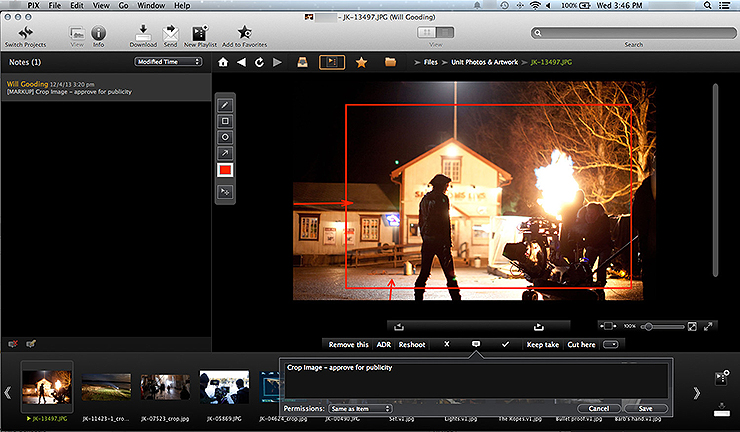
At PIX System, we help create entertainment and media by bringing creativity, collaborators and assets together. For 16 years, we’ve been creating and innovating ways to give the top creative talent, studios, mini-majors, networks, indie productions, and online content providers the time and resources they need to create. Better. Faster. More reliably.

Our industry leading platform is an open sandbox and secure home base, viewer, community workspace, media mine, think tank and muse – a place on the digital frontier where creative and strategic content and communication are safe and tidy and easily found, shared and worked on alone or together.

PIX Wins Technical Oscar: Our Conversation

Nick Dager
February 11, 2019
Digital Cinema Report

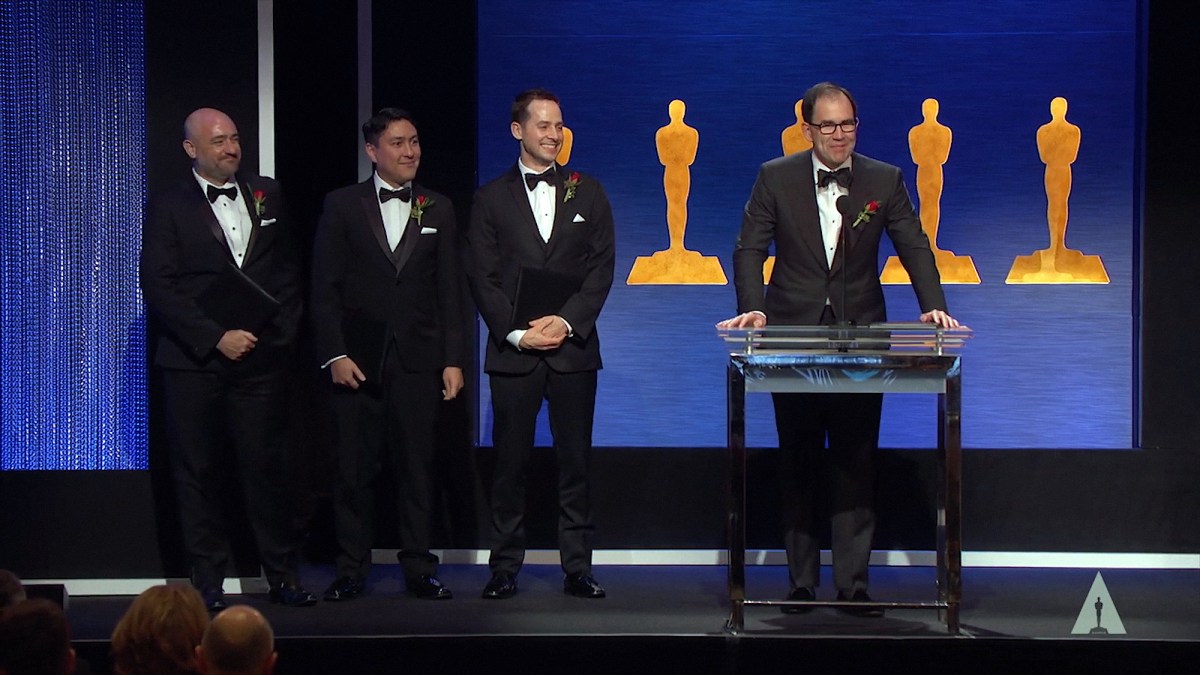
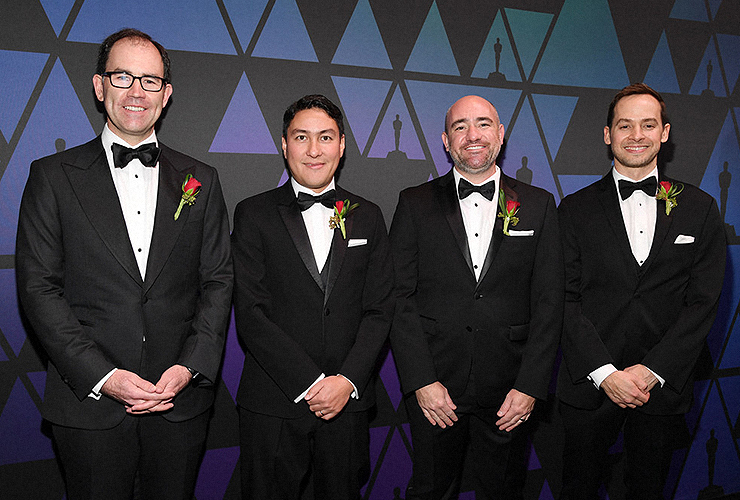
On Saturday night at its annual Scientific and Technical Awards Presentation, the Academy of Motion Picture Arts and Sciences honored PIX with a Technical Achievement Award. The award recognized Eric Dachs, founder and CEO; Erik Bielefeldt, director of research and development; Craig Wood, technical director; and Paul McReynolds for the design and development of the industry leading security mechanism for distributing media. Prior to the awards ceremony, Digital Cinema Report spoke exclusively with Bielefeldt and Wood to talk about the company’s continued innovation in the evolving world of content collaboration from film to digital to next-generation data rich requirements.

Read the full interview

PIX, the only addiction I have left.”
— David Fincher

PIX System

PIX System honored at the Academy of Motion Picture Arts and Sciences’ Scientific and Technical Awards

February 9, 2019
Oscars.org

Technical Achievement Award (Academy Certificate): to Eric Dachs, Erik Bielefeldt, Craig Wood and Paul McReynolds for the design and development of the PIX System’s novel security mechanism for distributing media.

PIX System’s robust approach to secure media access has enabled wide adoption of their remotely collaborative dailies-review system by the motion picture industry.

Scientific & Technical Awards 2018 | 2019

February 10, 2019
Oscars (YouTube)

PIX founder and CEO Eric Dachs thanked Ren Klyce, Ceán Chaffin and David Fincher (present at the ceremony): “your friendship, patience, and talents have had an enduring and measurable impact on our work, and more importantly, in filmmaking.”

Eric Dachs, Erik Bielefeldt, Craig Wood, and Paul McReynolds
(Amy Sussman/Getty Images)

SciTech Awards

Carolyn Giardina
February 9, 2019
The Hollywood Reporter

Evening of Excellence: 2019 Scientific and Technical Achievement Awards

Jay Holben
February 21, 2019
The American Society of Cinematographers

How David Fincher and ‘Panic Room’ Helped Launch a SciTech Award Recipient

Pix was initially developed to help ‘Panic Room‘s’ sound team.

Carolyn Giardina
February 9, 2019
The Hollywood Reporter

The familiar Pix app is one of the early tools with security features developed to improved communication and collaboration during production, which was initially conceived as filmmaking became more distributed geographically. After being used on more than 5,000 film and TV projects including Black Panther, Bohemian Rhapsody and Mindhunter, its developers will be among those honored Saturday at the Academy of Motion Picture Arts and Sciences’ annual Scientific and Technical Awards.

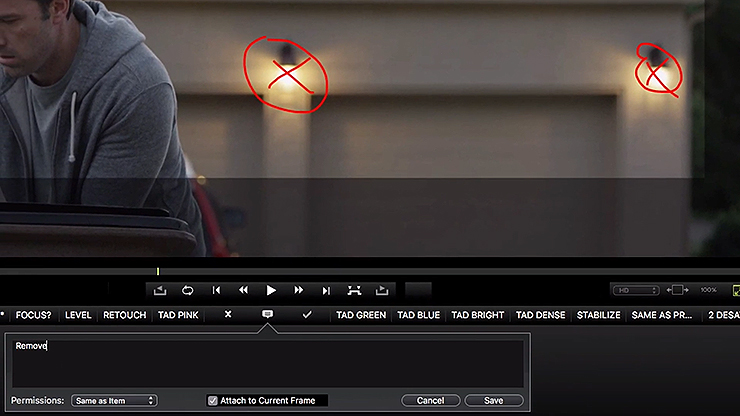
Pix founder/CEO Eric Dachs — who with director of R&D Erik Bielefeldt, technical director Craig Wood and Paul McReynolds will receive Technical Achievement Awards — started his career in sound and it was while working as an assistant to seven-time Oscar nominated sound designer Ren Klyce on David Fincher’s 2002 film Panic Room that the idea for Pix was born. “I got a look at how digital technology was changing motion picture postproduction, but I also saw the inefficiency from faxing notes when the work was distributed geographically,” Dachs tells The Hollywood Reporter. “I started writing a really simple prototype application for capturing David’s spotting notes and getting them distributed to the crew via a simple web application. So that [composer Howard Shore] could get the music notes in real time, and the different departments within sound were no longer having to wait for faxes.”

One afternoon during the final mix, Klyce showed Fincher the app and the technically-savvy director was impressed. In fact, he continues to use it today.

Read the full profile

Dachs ’98 Receives Sci-Tech Oscar for PIX System

Cynthia Rockwell
March 4, 2019
Wesleyan University

The Academy of Motion Picture Arts and Sciences (AMPAS) honored Eric Dachs ’98, the founder and CEO of PIX System, with a Technical Achievement Award at its Oscars 2019 Scientific and Technical Awards Presentation on Feb. 9, 2019.

Since its creation in 2003, PIX System has become the entertainment industry gold standard in providing secure communication and content management capabilities. Dachs, a theater major while at Wesleyan, designed and coded the initial software early in his career when he was an assistant to sound designer Ren Klyce for Panic Room. It was then that he saw the need for an easy, safe digital platform to share revisions and collaborate across locations.

Read the full profile

PIX, the only addiction I have left.”
David Fincher

PIX System

Paramount Pulls The Plug On David Fincher’s ‘World War Z’ Sequel

Rodrigo Perez
February 6, 2019
The Playlist

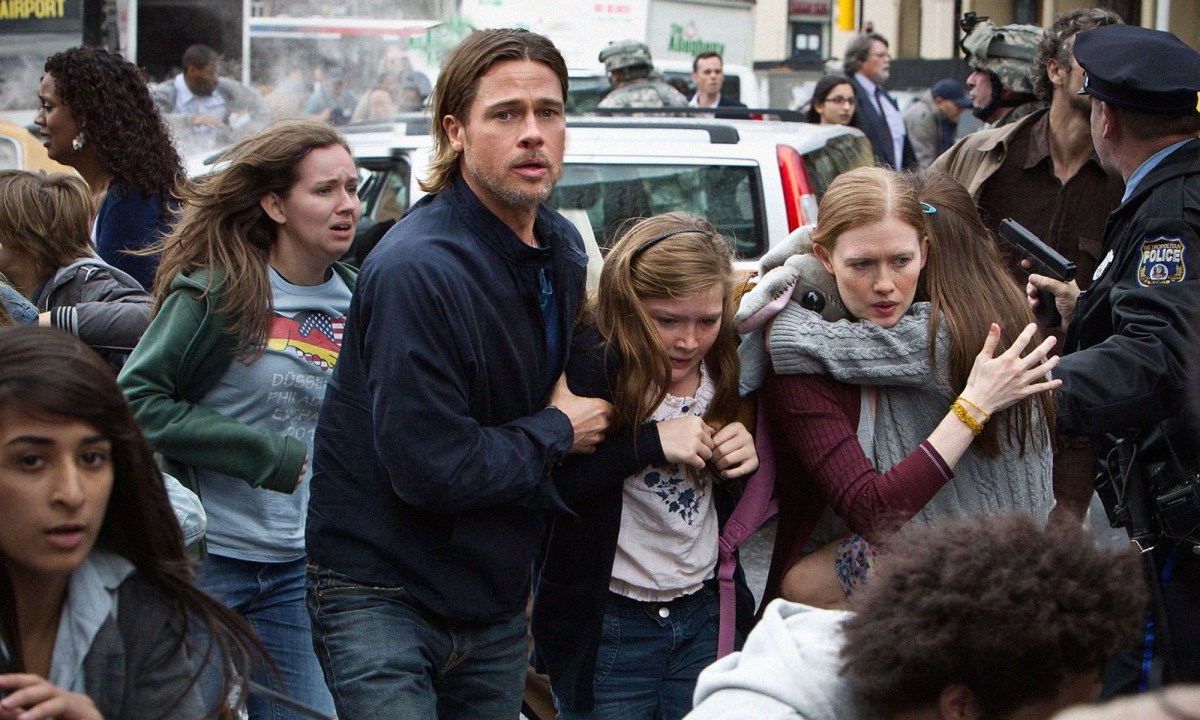
“Movement is life,” Brad Pitt‘s Gerry Lane famously said, advising survivors in Paramount‘s 2013 zombie/outbreak movie “World War Z.” Momentum is everything in Hollywood, and perhaps a lack of it hurt “World War Z”‘s chances for a sequel, because it’s now curtains for the followup film. Sources close to the project for years tell us that Paramount Pictures pulled the plug on director David Fincher‘s film last night.

The film’s budget was definitely an issue but only to a degree. Fincher and his team were proposing something less than the budget of the original ($190 million according to Box Office Mojo, before the costly reshoots). However, Paramount’s known about this figure since at least last year and had hemmed and hawed about the project for months. One might think it not entirely coincidental that Paramount, which makes far fewer films than the average studio, just designated a lot of money for two significant blockbusters: “Mission Impossible 7” & ‘8‘ which will arrive in the summer of 2021 and 2022, according to their official release dates.

Paramount simply dragged their heels, at one point eyeing a 2018 or 2019 summer release, but never feeling bold enough to put it back on the schedule. Pitt, who has worked with Fincher several times, began to court Fincher for the job back in August of 2016 and a few months later the director agreed and started to look for writers to develop a new script. Dennis Kelly, the creator and writer of the original U.K. “Utopia” series—which Fincher almost adapted himself for HBO— was hired to rewrite the script from Steven Knight.

The officially untitled “World War Z 2” was roughly aiming for a summer shoot—Fincher is currently still busy editing “Mindhunter” season two for Netflix—but the writing might have been on the wall given how tentative Paramount was with the project.

Read the full article

Paramount Scraps David Fincher’s ‘World War Z 2’ over Budget Concerns

Adam Chitwood
February 6, 2019
Collider

“Love, Death & Robots”: Tim Miller and David Fincher’s Animated Anthology Series for Netflix

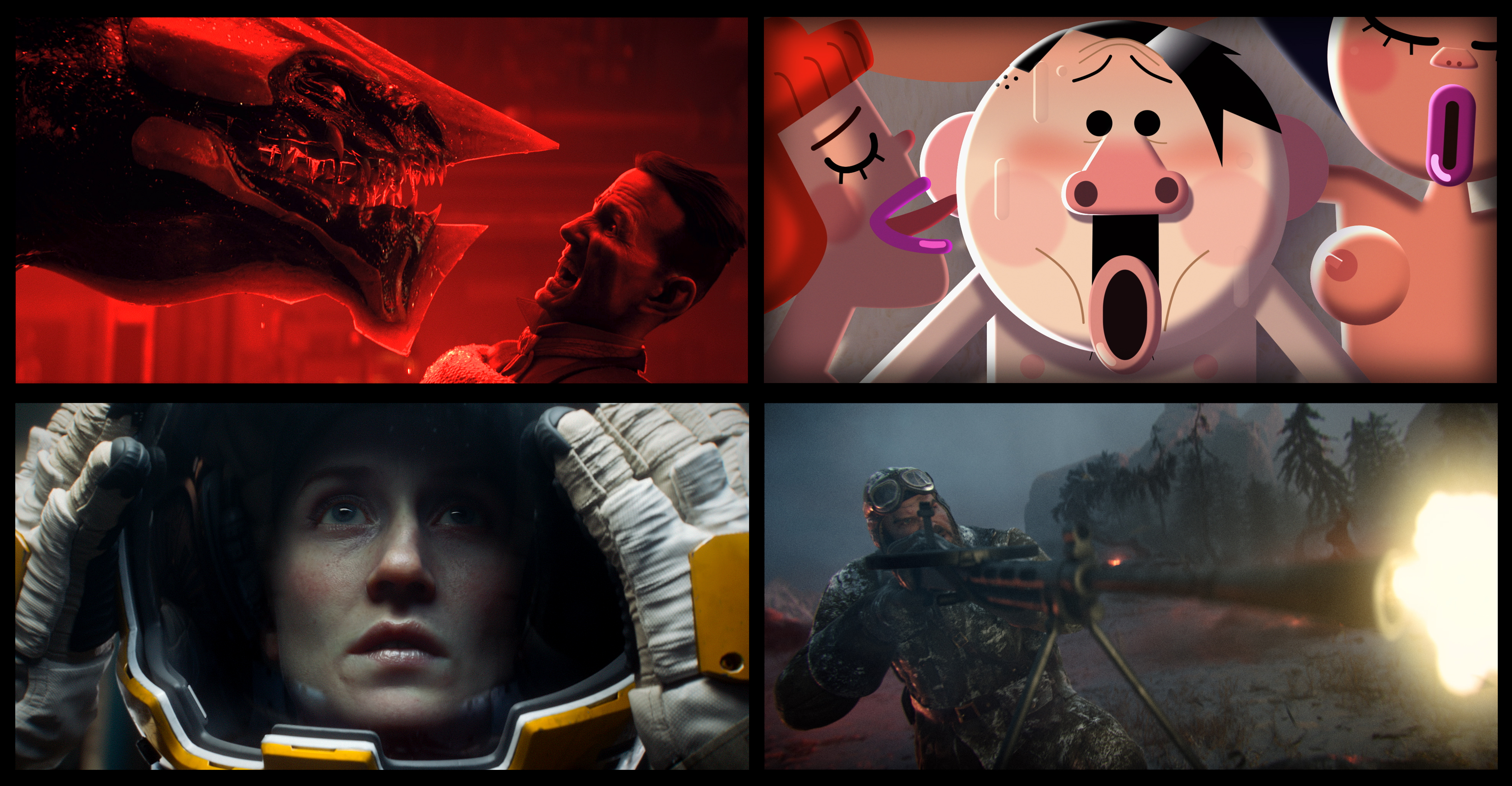
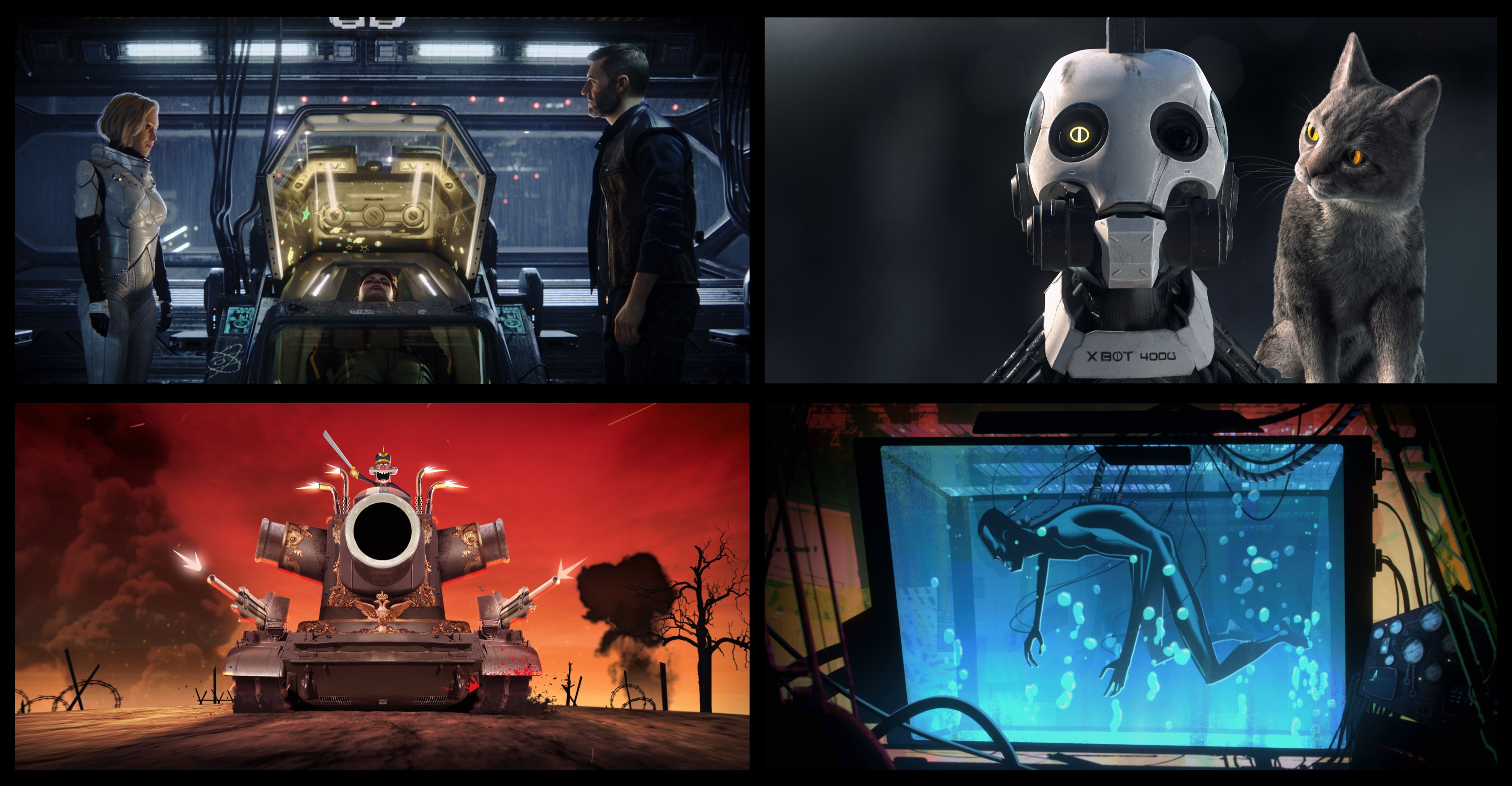
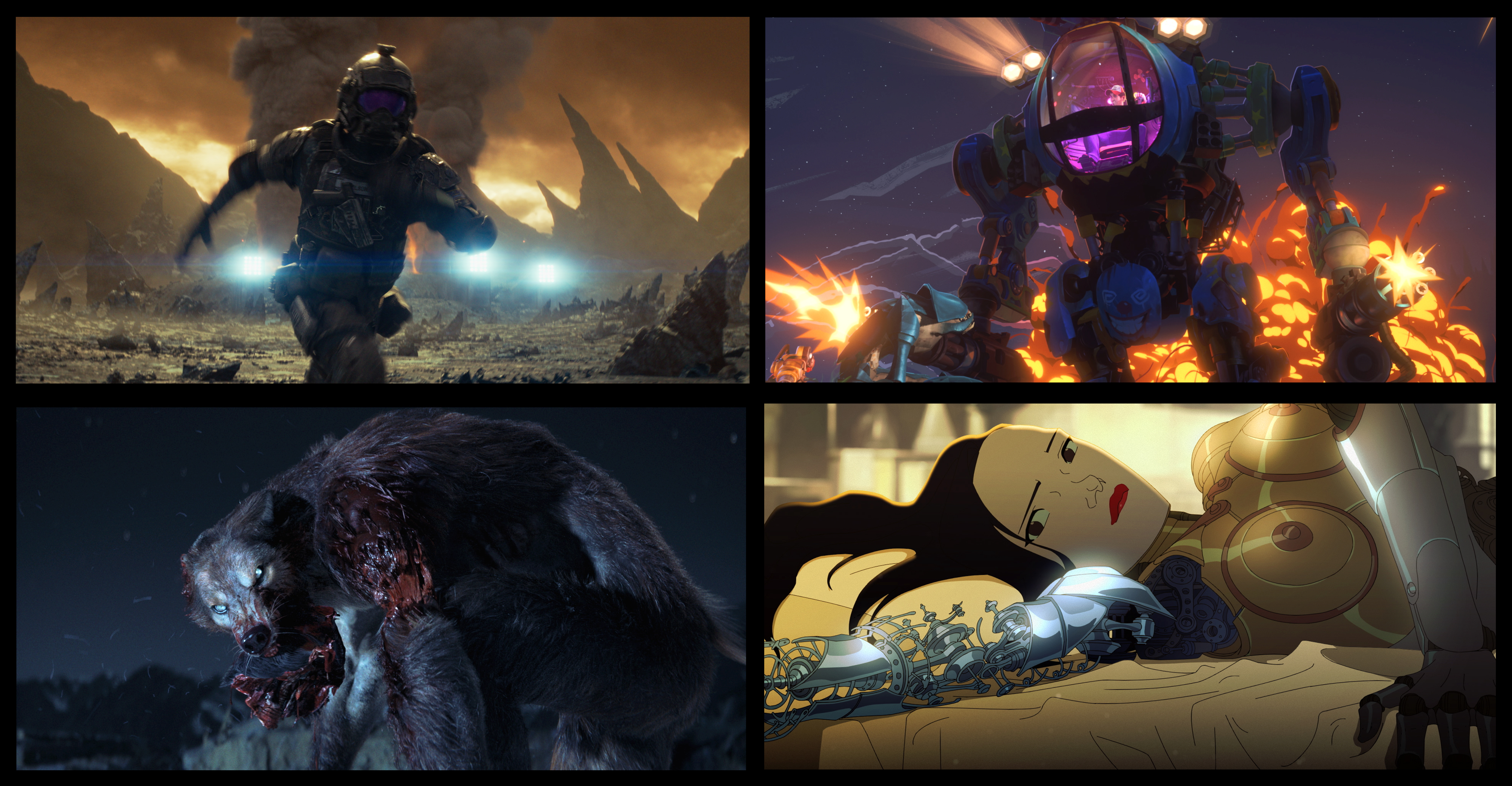
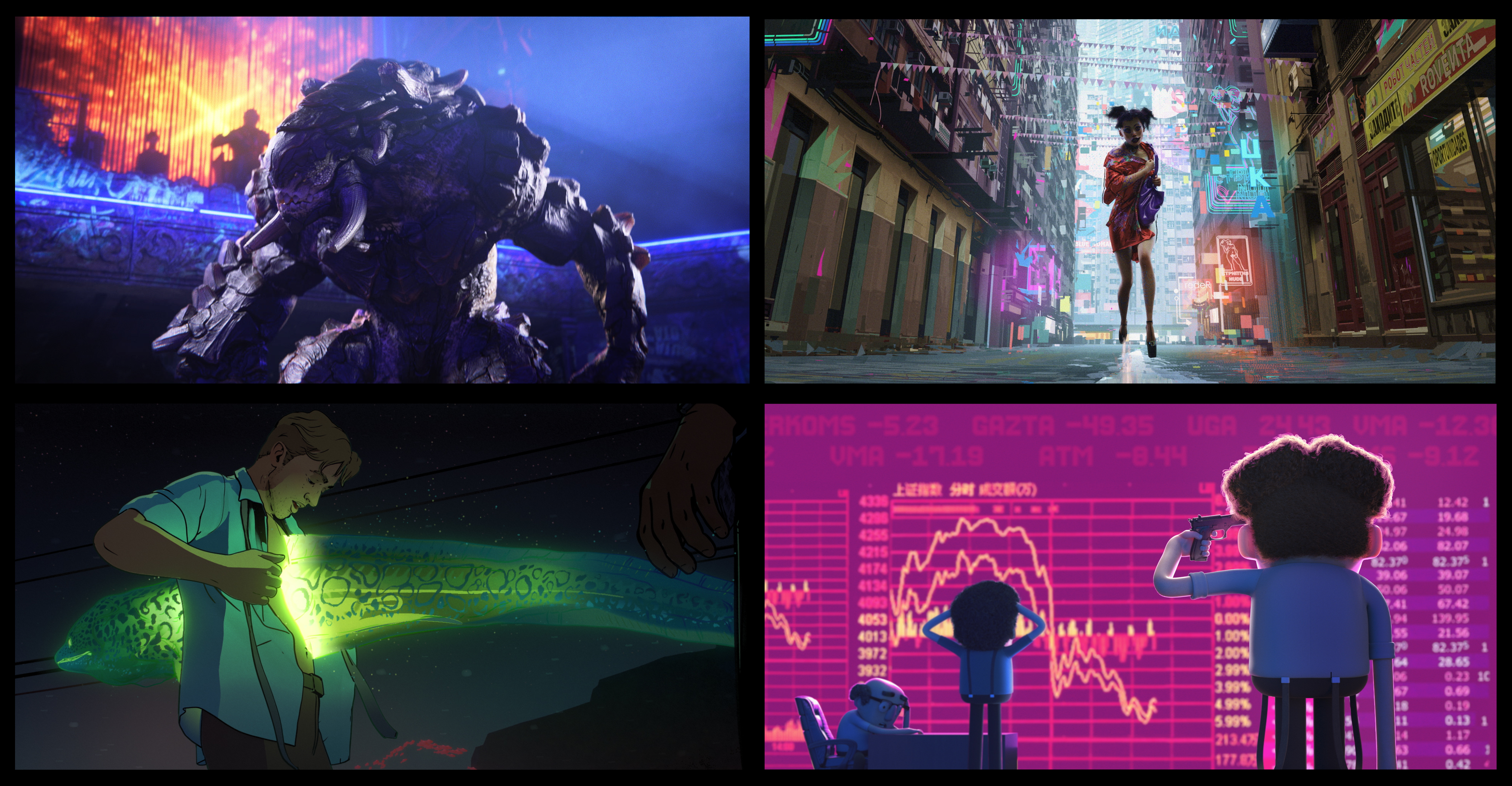
Sentient dairy products, werewolf soldiers, robots gone wild, garbage monsters, cyborg bounty hunters, alien spiders and blood-thirsty demons from hell converge in an 185-minute genre orgy of NSFM (not suitable for mainstream) shorts.

January 7, 2019
Netflix

Netflix announces Love, Death & Robots, an animated anthology series presented by Tim Miller (Deadpool, upcoming untitled Terminator sequel) and David Fincher (MINDHUNTER, Gone Girl, House of Cards).

Love, Death & Robots is a collection of animated short stories that span the science fiction, fantasy, horror and comedy genres. With a bold approach to each story’s narrative, episodes are intended to be easy to watch and hard to forget.

The series draws inspiration from the eclectic and provocative genre material that influenced both Miller’s and Fincher’s formative interests in storytelling. Miller says, “Love, Death & Robots is my dream project, it combines my love of animation and amazing stories. Midnight movies, comics, books and magazines of fantastic fiction have inspired me for decades, but they were relegated to the fringe culture of geeks and nerds of which I was a part. I’m so fucking excited that the creative landscape has finally changed enough for adult-themed animation to become part of a larger cultural conversation.”

The production of Love, Death & Robots united a global animation community, calling on the talents and unique perspectives of innovative animation studios, directors and artists from around the world. Eighteen stories in all, each film is painstakingly crafted, charged with a mix of energy, action and unapologetic dark humor.

Executive produced by David Fincher, Tim Miller, Jennifer Miller and Josh Donen, the series brings together world-class animation creators and captivating stories for the first anthology of short animated stories guaranteed to deliver a unique and visceral viewing experience.

Each episode in the series:

  • Is a succinct 5 to 15 minutes in length.
  • Has a unique animation style, from traditional 2D to photo-real 3D CGI.
  • Is created by a different team of filmmakers from around the world.
  • Is aimed at an adult audience.

About Blur Studio

Blur Studio is an award-winning animation production company that creates content for games, films, and television. Founded and led by “Deadpool” director Tim Miller, Blur has roots in making high-end trailers and cinematics for the game industry, visual effects for blockbuster features, and recently led the production of the Netflix animated anthology series “Love, Death & Robots.”

About Netflix

Netflix is the world’s leading internet entertainment service with 130 million paid memberships in over 190 countries enjoying TV series, documentaries and feature films across a wide variety of genres and languages. Members can watch as much as they want, anytime, anywhere, on any Internet-connected screen. Members can play, pause and resume watching, all without commercials or commitments.

Netflix: “Love, Death & Robots”

Love, Death & Robots, will have its world premiere at the South by Southwest (SXSW) Film Festival (March 8–17, 2019. Austin, TX)

Click for a full screen view:

The Curious Development History of ‘Benjamin Button’

Adam Chitwood
January 3, 2019
Collider

The Curious Case of Benjamin Button is, at first glance, a unique entry in director David Fincher’s filmography. It’s an epic romance of sorts; a sweeping love story told through the ages, one which would appear to be at odds with what many view as a cold and cynical worldview that permeates Fincher’s other films like Se7en, Fight Club, or Zodiac. But upon further inspection, The Curious Case of Benjamin Button fits right in with the rest of Fincher’s darker films, as it’s really the story of a man whose entire life is surrounded by the reminder of death.

Benjamin Button hit theaters on December 25, 2008—almost exactly a decade ago—and was the biggest hit of Fincher’s career until Gone Girl, grossing over $330 million worldwide. It received mostly positive reviews and was nominated for 13 Oscars, winning three for Art Direction, Makeup, and Visual Effects. It almost certainly paved the way for Fincher to next make The Social Network, another successful Oscar-winning film, but actually creating The Curious Case of Benjamin Button was arduous, and the road to getting the film off the ground in the first place was a decades-long journey.

The Curious Case of Benjamin Button itself is based on a short story in an F. Scott Fitzgerald book published in 1922, and the central premise caught Hollywood’s attention in the late 1980s: the story of a man born old who ages backwards and dies young.

The first director attached to the project was Frank Oz, with Martin Short attached to star. But after working on the script for a few months for Universal Pictures, Oz left the project. He couldn’t quite crack how to turn this short story into a compelling drama, as the central premise lacked significant conflict.

So Universal’s president of production at the time, Casey Silver, next turned to screenwriter Robin Swicord, asking her to attempt an adaptation. She turned in a first draft in January 1990 and her contribution was so substantial that on the finished iteration of the film directed by Fincher, Swicord received a “Story by” co-credit.

Read the full article