Editing David Fincher’s ‘The Killer’ on Premiere Pro

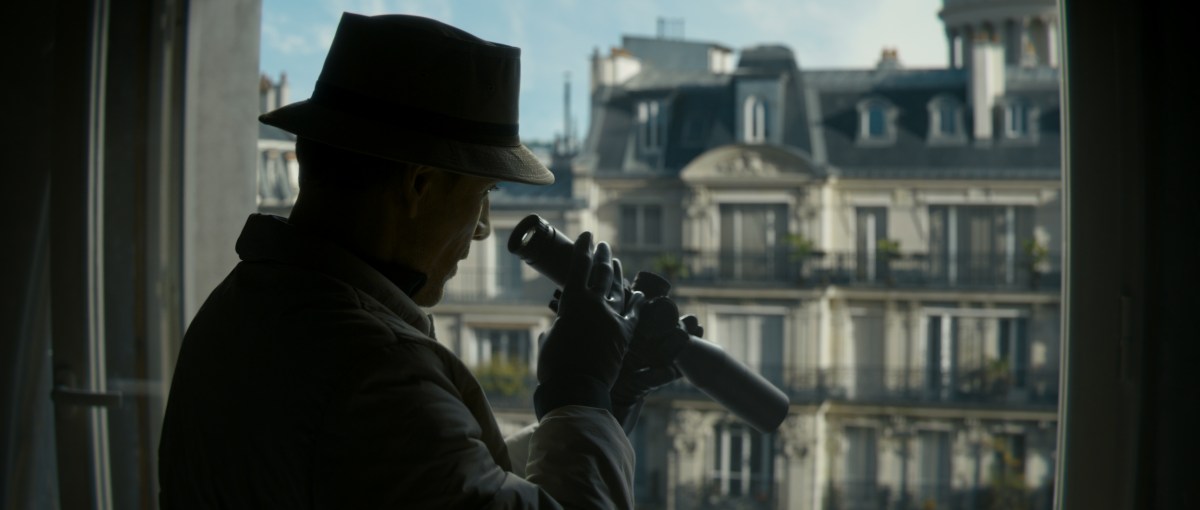
Netflix has another hit movie on its hands with David Fincher’s The Killer. We spoke to the film’s editor, Kirk Baxter, and Assistant Editor, Jennifer Chung, about how they put it together using Adobe Premiere Pro.

Andy Stout
November 10, 2023
RedShark

Kirk Baxter ACE picked up two Oscars working on previous Fincher titles you will probably have heard of, The Social Network (2010) and The Girl with the Dragon Tattoo (2011). In other words, The Killer has some serious pedigree behind it, and much like this year’s Academy Award for Editing winner Everything Everywhere All At Once, it was cut on Adobe Premiere Pro.

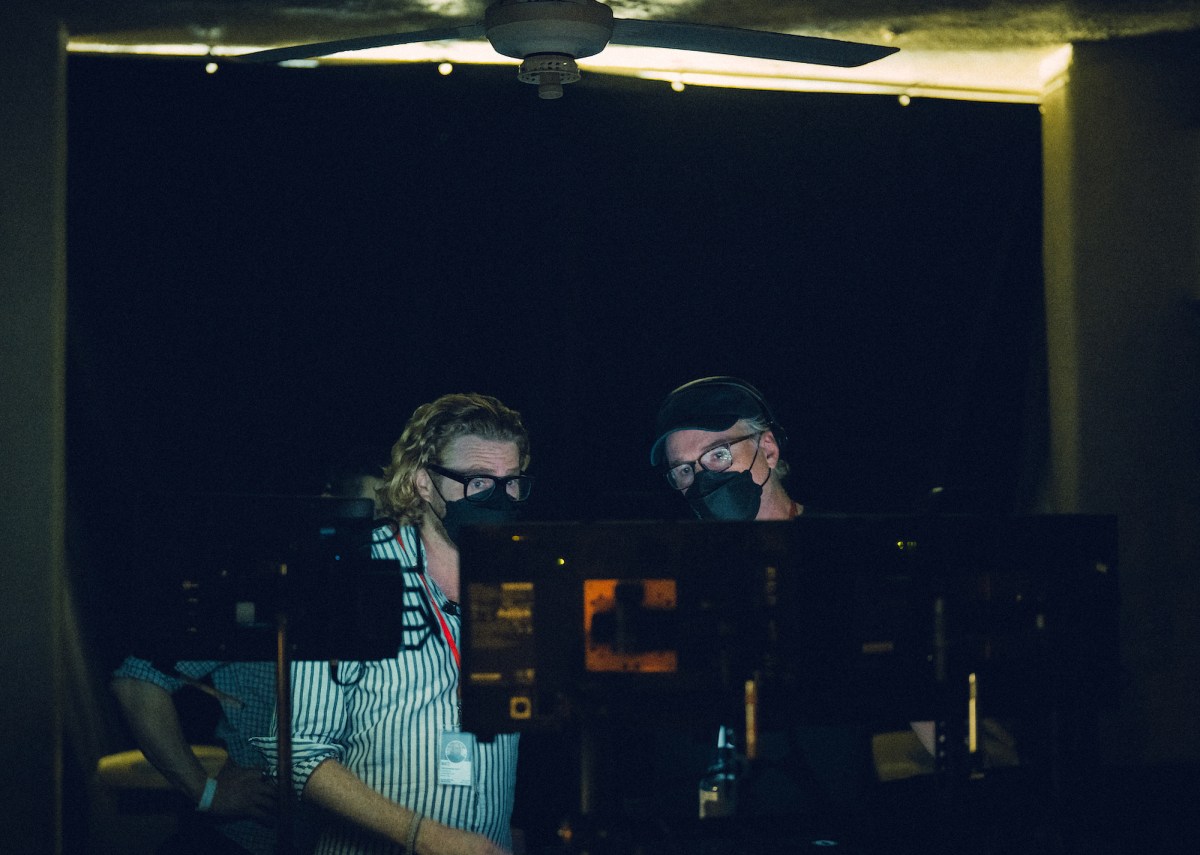
Jennifer Chung ACE was one of the Assistant Editors on The Killer and represents a 14-strong editing department. Chung is currently cutting her first indie feature (“It’s a different kind of stress,” she says laughing), but looking back on The Killer, is there any particular sequence that stands out as her favorite?

“I think it has to be the fight sequence,” she says. “The fight sequence is pretty epic. And it just goes on. I think Kirk did an incredible job with that; it’s just really fun to watch.”

“I watched something on TV which had a big fight sequence two nights ago, and I couldn’t follow it,” says Kirk Baxter, who edited The Killer and put the movie’s signature fight scene together. “I knew people were fighting, but I couldn’t track who owned what fist and what thing. It was just a jumble of limbs edited quickly.”

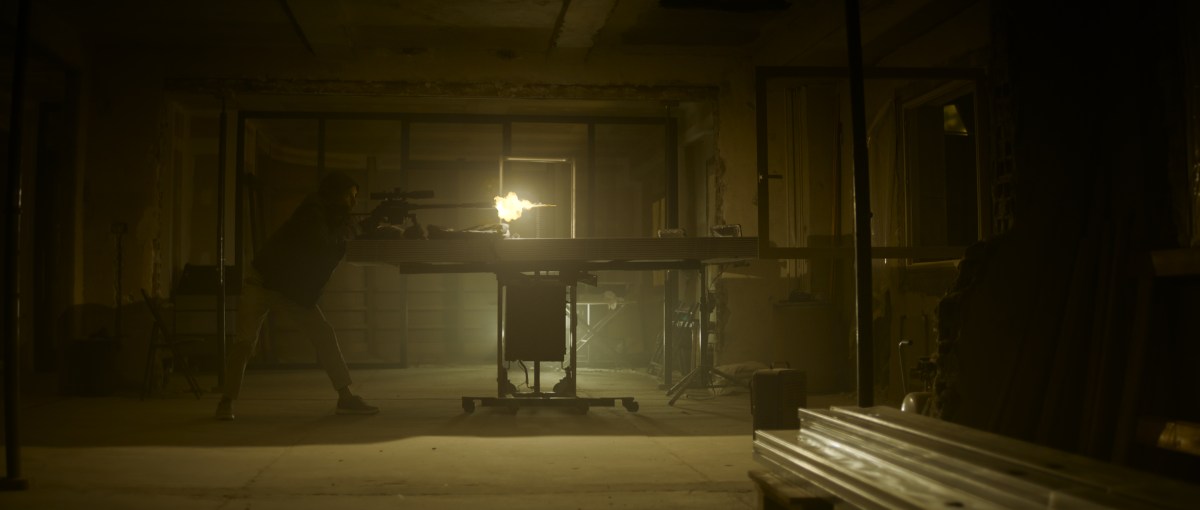
No such failure to follow the action in The Killer’s own fight scene, which Baxter says is essentially a sequence of 18 scenes with multi-camera setups depicting a single fight all strung together in a row. He was cutting the sequence as Fincher was shooting it. The shoot would break at lunchtime when he’d start cutting the first half of the day, getting the second half later at the end, then cutting into the evening and sending it to Fincher to see if any pickups were needed.

“It was this crazy, relentless week of all of us going around the clock to know that we had the thing,” he says. 

Read the full profile

“I Don’t Think Directors Should Be Amenable”: Erik Messerschmidt on Shooting The Killer and David Fincher’s Simple Process

Nick Newman
November 8, 2023
The Film Stage

One of my most-read pieces last year revolved around two films that hadn’t shown a single frame. Strange except for the fact that it was a conversation with Erik Messerschmidt, whose recent time’s been devoted to shooting new films by David Fincher and Michael Mann––exactly the subjects who will earn eyeballs with just a mention. One year later, with The Killer winding down its limited release before a Netflix debut on Friday, I spoke again with Messerschmidt about the intensive, exhaustive, rewarding process behind one of 2023’s supreme entertainments, and how being guided by modern American cinema’s most-obsessive auteur was the only way to get it right.

The Film Stage: I made a point of seeing The Killer at New York’s Paris Theater––it’s a nice-sized screen, well-projected, a Dolby sound system. The unfortunate truth is that most watching it on Netflix won’t have a comparable experience.

Erik Messerschmidt: Sure.

Millions of people can see it, but then you think about people’s set-ups––let alone competing for their attention. How do you generally feel about this dichotomy, and specifically with this film?

I think the cinema is an extraordinary community experience, and it’s for that reason that it’s worth protecting. I think there is something really extraordinary about being in the room and experiencing something at the same time, and there is something equally extraordinary of being a director and experimenting whether or not you can control the audience response en masse. You know? Which is something you can only really test in the cinema environment. Look: there’s a real thing about being able to pause it and go to the bathroom, or pause it and go grab another glass of wine or whatever––pause it and watch it later. The “captive audience” part of the cinema is what makes it unique and important. I don’t necessarily agree that the technology is the reason to go to the cinema. I think the immersive nature of being in the black room with the single screen without screaming kids and your phone sitting there––all the other distractions––that’s a real thing. And I think the sound is a real thing, although people have home theaters in their homes now and surround sound and stuff. But it’s not the same as being in a calibrated environment.

I sort of go back to my childhood and think… I didn’t see Star Wars projected until I was, probably, 19 years old, but I had seen it 50 times on my parents’ VHS. In the wrong aspect ratio. And it’s the movie that made me want to make movies. As a cinematographer––as a student of cinema––I think it’s vitally important to project cinema and encourage people to see movies in a cinema. This movie in particular is especially well-appreciated in a cinema, but I would argue more for the sound, to be honest––because of what Ren Klyce is doing with the sound. I hope people enjoy the picture, too, obviously. I don’t put much stock in the idea of “Oh, well, it’s going to be on Netflix so people are going to see the film on television.” I just think people see films on television anyway.

Half the movies I see, by the way––and I’m hesitant to admit it, but it’s true––are on airplanes. [Laughs] I think the goal of filmmakers is to reach the audience, and you want to reach as many as possible, and hope people see your movie in the cinema. That’s where it’s intended. But you have to accept the reality that there are many avenues to view the image, and if someone sees it on Netflix, hopefully next time there’s a screening they get up and go. When there’s a screening of Lawrence of Arabia I jump at the opportunity because there are so few opportunities, but it doesn’t mean I don’t enjoy it at home on my Apple TV either. [Laughs]

Read the full interview

Killer Instincts

David Fincher aims to unsettle with Michael Fassbender as a ruthless assassin in gripping thriller The Killer.

By Nev Pierce
Photograph by Jean-Baptiste Mondino

November 1, 2023
Netflix Queue

The Killer is about an exacting professional whose meticulous methods and wry worldview are disrupted by unruly reality. This may be a clue as to why David Fincher wanted to make it. The Fight Club filmmaker is well-known for his tenacious approach to directing — always pushing for more. And in Michael Fassbender he has a leading man who is equally driven.

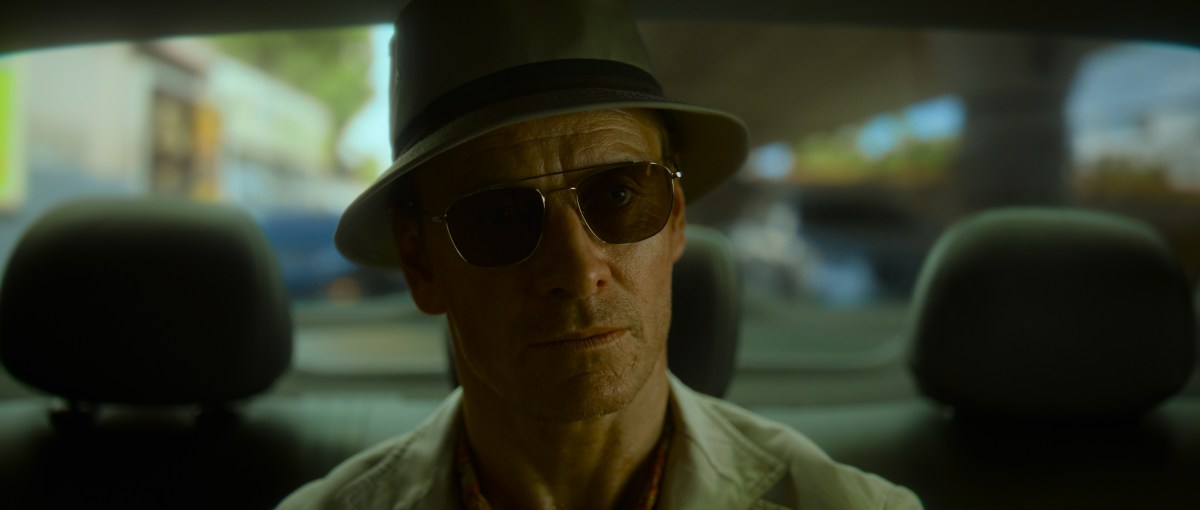
The Oscar-nominated star of 12 Years a Slave and Steve Jobs left screens for a few years to take up professional racing behind the wheel of a Porsche in the European Le Mans Series. This blend of danger and precision seems apt for playing the title character in The Killer, an unnamed assassin who aims to execute things — and people — perfectly.

We’ll get to how, or if, one can define “perfection” in cinema, but to an on-set observer, it might seem Fincher will settle for nothing less. While he would contest this, he knows his definitions can differ from others’. “My idea of professionalism is you work 24-7 to make good on your promises,” he says, before continuing with a self-aware smile. “Not a lot of people feel that way. Some people are like: ‘You do the best you can in 40 hours a week and let the chips fall where they may.’”

Read the full profile

Watch The Killer on Netflix

‘The Killer’: DP Erik Messerschmidt, Editor Kirk Baxter & Sound Designer Ren Klyce On “The Joy” Of Working With David Fincher

Antonia Blyth, Senior Awards Editor
October 7, 2023
Deadline

In the David Fincher-directed film, The Killer, from a screenplay by Andrew Kevin Walker, and based on a graphic novel, Michael Fassbender stars as an assassin battling his employers when a hit goes terribly wrong.

Speaking during a panel at Deadline’s Contenders London event, editor Kirk Baxter addressed a rumor that the role required Fassbender to not blink at all.

There were many times watching the dailies where he heard Fincher’s voice saying, ‘That’s terrific, but let’s see that once again without the f—ing blinking.’ Baxter added, “Not so much that Fassbender needing that direction, it’s just been a thing.”

Watch the full interview

Look at the Deadline Contenders Film London Studio Photos

Venice Film Festival: “The Killer” World Premiere

September 3, 2023
Venice Film Festival (YouTube)

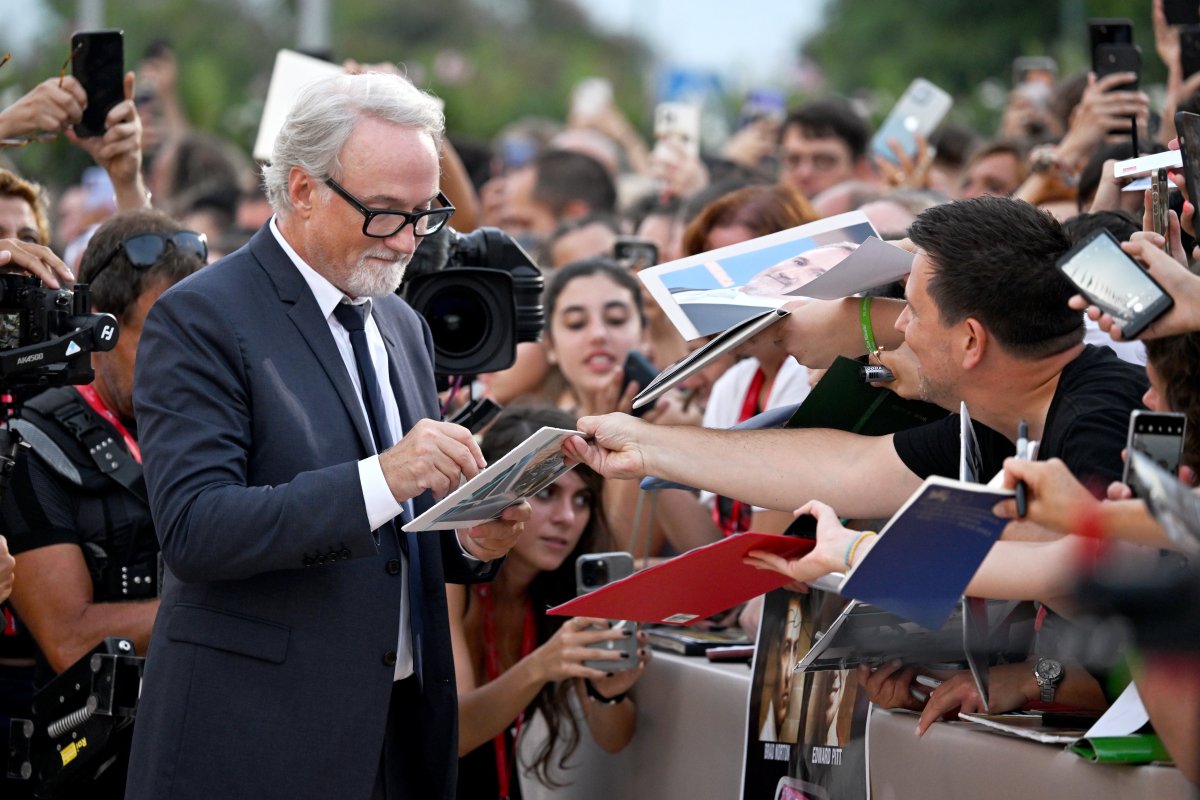
Press conference featuring Director of Photography Erik Messerschmidt ASC, Sound Designer Ren Klyce, Director David Fincher, and Editor Kirk Baxter ACE.

Red Carpet featuring Producer Peter Mavromates, Director of Photography Erik Messerschmidt ASC, Writer of the original “The Killer” (“Le tueur”) comic Alexis “Matz” Nolent, Editor Kirk Baxter ACE, Sound Designer Ren Klyce, Director David Fincher. The original stream has the ambient sound turned down to a minimum because it is too busy and noisy, and only barely intelligible in the close-ups.

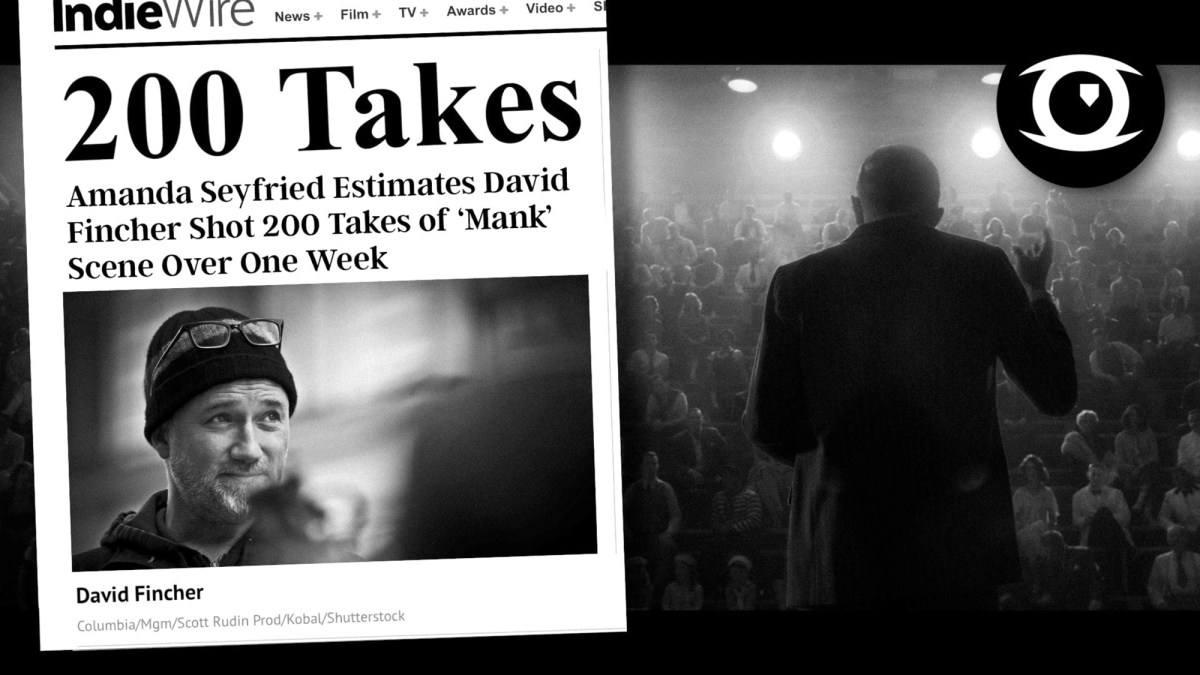
The David Fincher Process: 1st Assistant Editor’s POV

Sven Pape, ACE
June 11, 2022
This Guy Edits

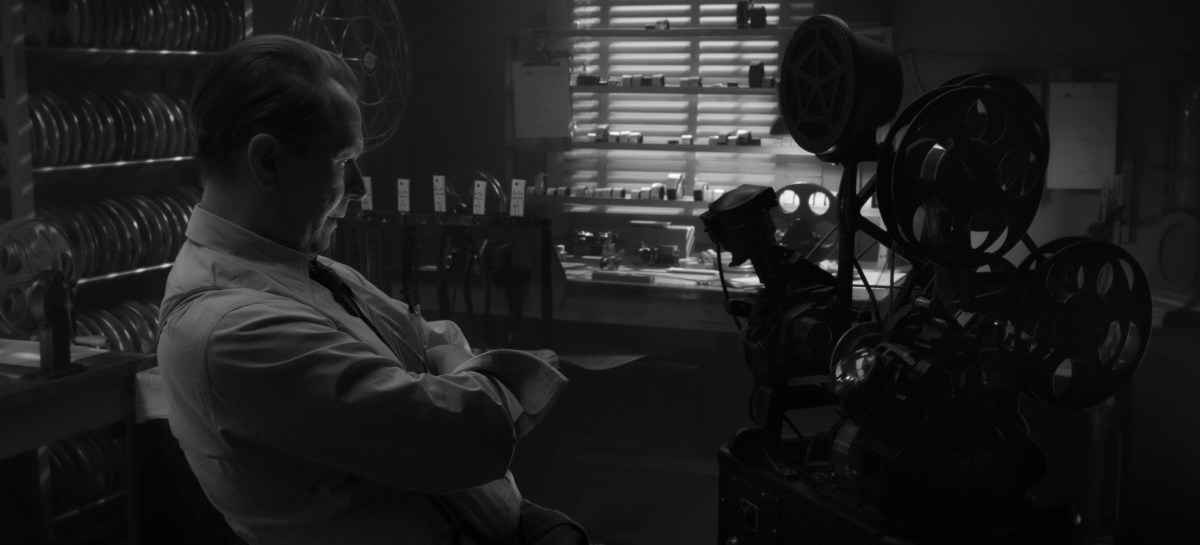
The editing and post-production of David Fincher‘s Mank.

Netflix’s Mank was leading 2021 Oscars nominations with 10 nominations, including Best Picture and Best Director. First assistant editor Ben Insler opens up the editing timeline of the film and shares insights on the editing and workflow process.

Grab my Secret Editing Hacks for FREE.

This Guy Edits on Patreon, YouTube, Instagram, Twitter, Facebook.

A Conversation with the Editors of David Fincher’s Motion Picture MANK

Meagan Keane
March 24, 2021
Adobe

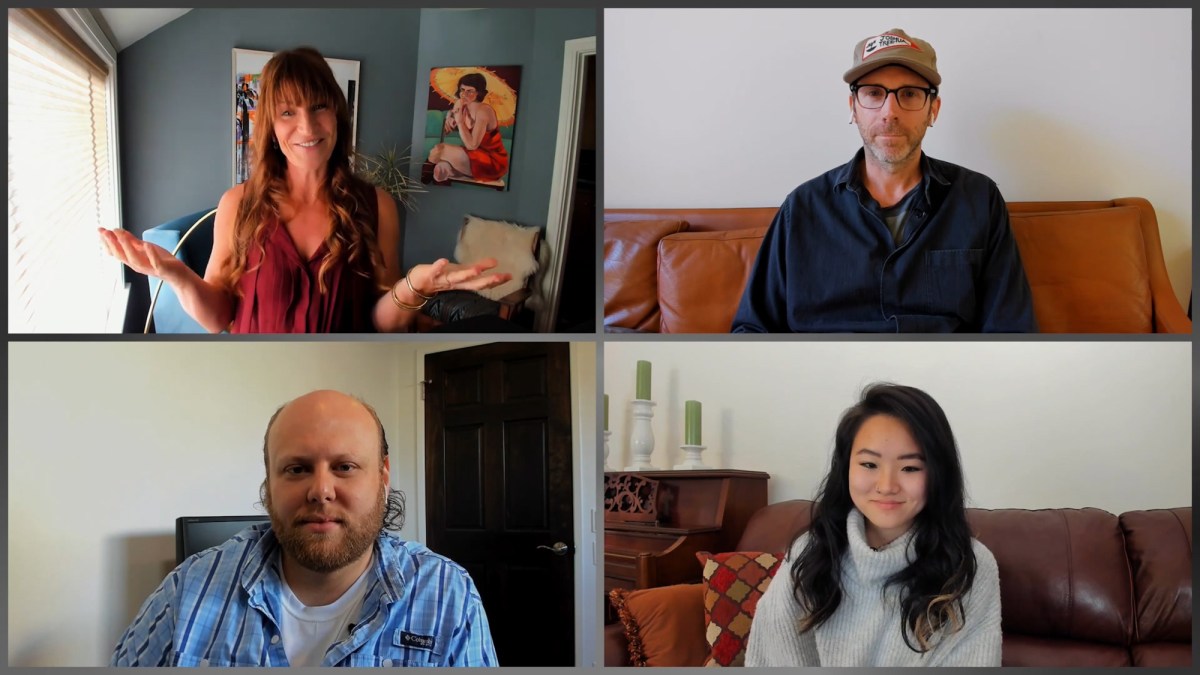
Join Adobe for an exciting discussion with the editorial team from Netflix’s Mank featuring special guests Kirk Baxter, ACE, first assistant editor Ben Insler, and assistant editor Jennifer Chung. The team goes behind-the-scenes of the critically-acclaimed, Oscar nominated film to share their creative editing process and collaborative workflows for in-house VFX. Learn how they crafted a modern-day homage to one of the most celebrated films of all time, and overcame the challenges of a remote workflow using Premiere Pro Productions and After Effects.

Kirk Baxter, ACE, has been recognized with Academy Awards for his work on The Social Network and The Girl with the Dragon Tattoo, an Academy Award nomination for The Curious Case of Benjamin Button and multiple nominations from the American Cinema Editors. The Australian native is a long-time collaborator of David Fincher, including five of the director’s films and two of his series, Mindhunter and House of Cards.

Ben Insler currently works as a feature film assistant editor in Los Angeles, most recently on David Fincher’s Mank. He has previously assisted on television series, documentaries, and commercials, as well as edited for television, independent features and numerous shorts.

Jennifer Chung is an assistant editor working in Los Angeles. Originally from the midwest, she graduated with a BFA in Cinema Art + Science from Columbia College Chicago. She works in scripted tv and film, most recently on the “Blindspotting” series and David Fincher’s “Mank”. Along with assisting, she has also edited numerous shorts, music videos and promotional content.

Adobe on: Facebook​, Twitter,​ Instagram, Adobe Video & Motion (YouTube)

Adobe® Video & Motion tools provide comprehensive video editing, motion design, VFX, sound, & animation for beginners to professionals. All tools are available through Creative Cloud membership.​

British Film Editors: ‘Virtual Glass of Wine’ with Kirk Baxter, ACE (Excerpts)

Úna Ní Dhonghaíle, ACE, BFE
December 16, 2020
British Film Editors (YouTube)

Excerpts from the ‘Virtual Glass of Wine’ British Film Editors interview series. Kirk Baxter talks about editing Mank, directed by David Fincher (Fight Club, The Social Network).

Kirk Baxter, ACE on how he approached MANK (2020)

Kirk Baxter, ACE on MANK (2020) from script to scene

Kirk Baxter, ACE on constructing a scene

Adobe: Netflix feature film Mank takes editorial workflows to a new level

Adobe Communications Team
March 09, 2021
Adobe Blog

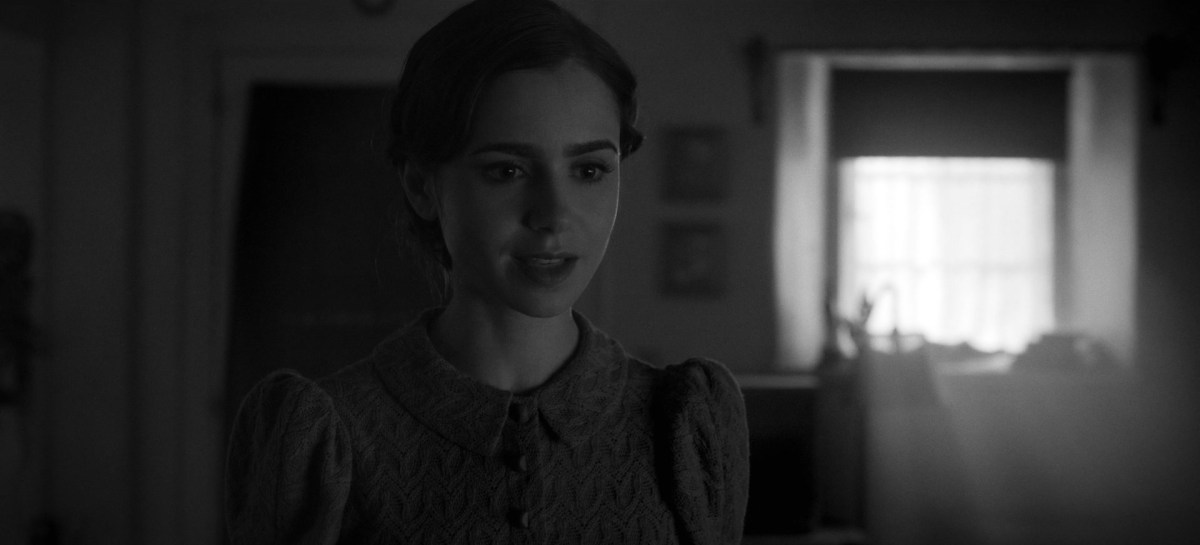
Citizen Kane has long been regarded as a movie masterpiece for its cinematography, storytelling, and ahead-of-its-time visual effects. Who better to pay homage to the 1940’s film than director David Fincher, whose films are often lauded for these same characteristics? Fincher’s most recent project, the Netflix feature film Mank, brings to life a screenplay written by his late father, journalist Jack Fincher.

Netflix describes the film as “1930s Hollywood…reevaluated through the eyes of scathing wit and alcoholic screenwriter Herman J. Mankiewicz as he races to finish Citizen Kane.” This movie about a movie showcases the unique approach to storytelling and visual style that continues to make Fincher’s work stand out.

Helping Fincher to bring his signature style to life is a talented post-production team that includes post producer Peter Mavromates, editor Kirk Baxter, first assistant editor Ben Insler, assistant editor Jennifer Chung, and a number of additional assistant editors and VFX artists. Their collective credits include MINDHUNTER, Gone Girl, The Social Network, The Girl with the Dragon Tattoo, The Curious Case of Benjamin Button, House of Cards, and other features.

As co-producer of Mank, Mavromates oversaw the timing, budget, schedule, and integration between the editorial, visual effects, and finishing departments. Insler was responsible for integrating the overall project workflows. Chung prepped dailies and supported the editorial team throughout the post-production process and liaised with the sound, color, and visual effects teams.

The team constantly looks to refine and improve their workflows. “I love the mechanics of post-production,” says Insler. “If there’s a way we can eliminate a bottleneck or figure out a more efficient way to do things, I’m all over it. It’s one of my favorite things to do.”

Insler had that opportunity while working on Mank, which was edited using Productions in Adobe Premiere Pro. Already long-time users of Premiere Pro, Productions made it even easier for the editorial team to organize projects, collaborate, and scale, while solving issues such as avoiding duplicate clips and providing the ability to break large projects into smaller segments so that they open and save faster.

Read the full article

Film Editor Spotlight, with Kirk Baxter, ACE, editor of Mank

Mank and Adobe Premiere Pro take a new look at Old Hollywood

Adobe Video & Motion (YouTube)
March 9, 2021

How do you make a movie about the best movie ever made? With David Fincher, Gary Oldman, Netflix and Adobe Premiere Pro, Mank tells the story behind the story of Citizen Kane.