Culture Pop is a look at pop culture through the mind of Steve Mason, co-host of the #1-rated sports talk show in Los Angeles. Joined by stand-up comic Sue Kolinsky, they hear from their friends, plus comics, actors, filmmakers and celebrities talking about movies, television, technology, trends and completely random stuff.
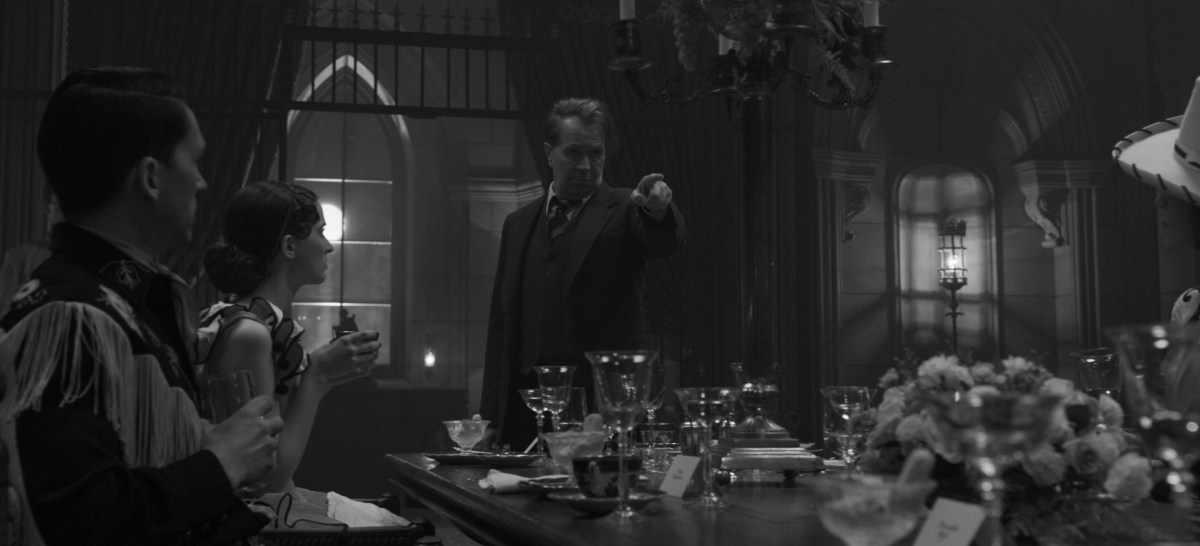
Arliss Howard joins Steve and Sue to talk about his work with David Fincher in Mank playing Louis B. Mayer, with Stanley Kubrick in Full Metal Jacket, his directorial debut Big Bad Love, and the future of film theaters.
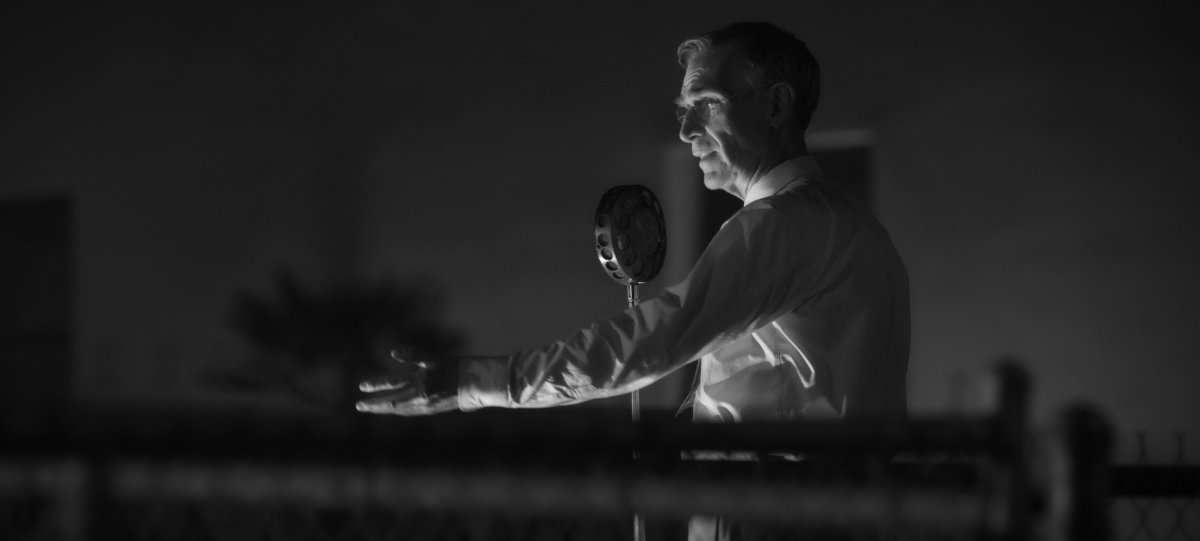
One of the big surprises of David Fincher’s Mankis that it turns out to be just as much about Upton Sinclair as it is about Herman Mankiewicz. In this version of Hollywood history, Mankiewicz was spurred to write Citizen Kane due to his guilt over the Hollywood dirty-tricks campaign that sank Sinclair’s 1934 campaign for governor of California. The Jungle author makes a brief appearance at a rally in Mank, at which point we get another of the film’s big surprises: Sinclair is played by none other than Bill Nye. Yes, the Science Guy. It’s unconventional casting, but it works. Stripped of his lab coat and bow tie, Nye is a little hard to place. He comes off as an avuncular, trustworthy orator; it’s only afterward when you realize, Wait, was that Bill Nye?
We naturally had some questions about how the whole thing came out. Luckily, Nye was happy to jump on a Zoom call and discuss the story behind his cameo.
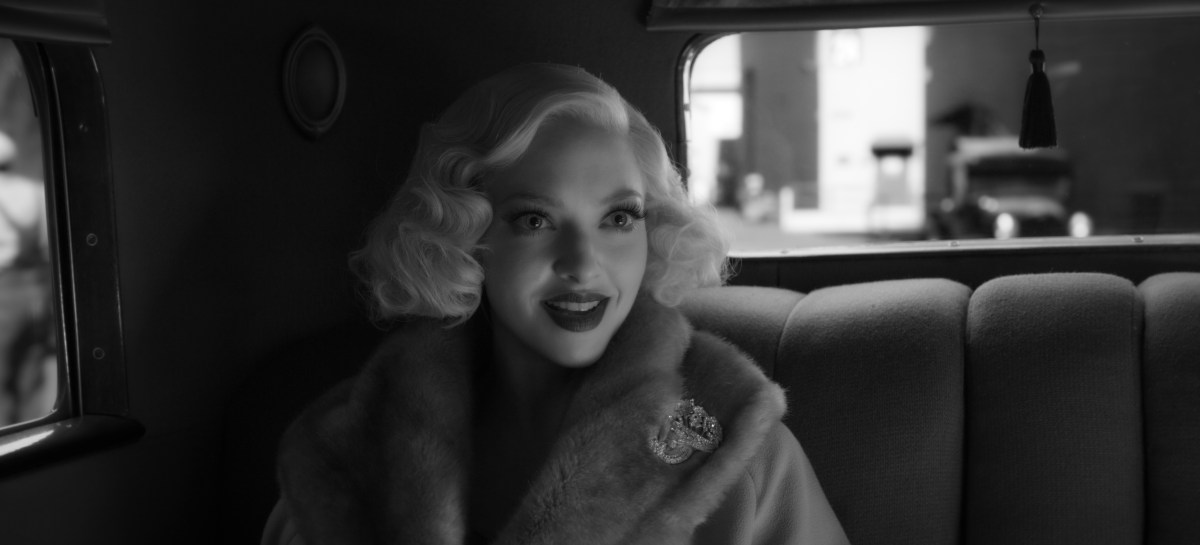
The “Mean Girls” and “Mamma Mia!” actress knows her performance as Marion Davies in“Mank” will be a turning point in her career. But first, she had to put some distance between herself and Hollywood.
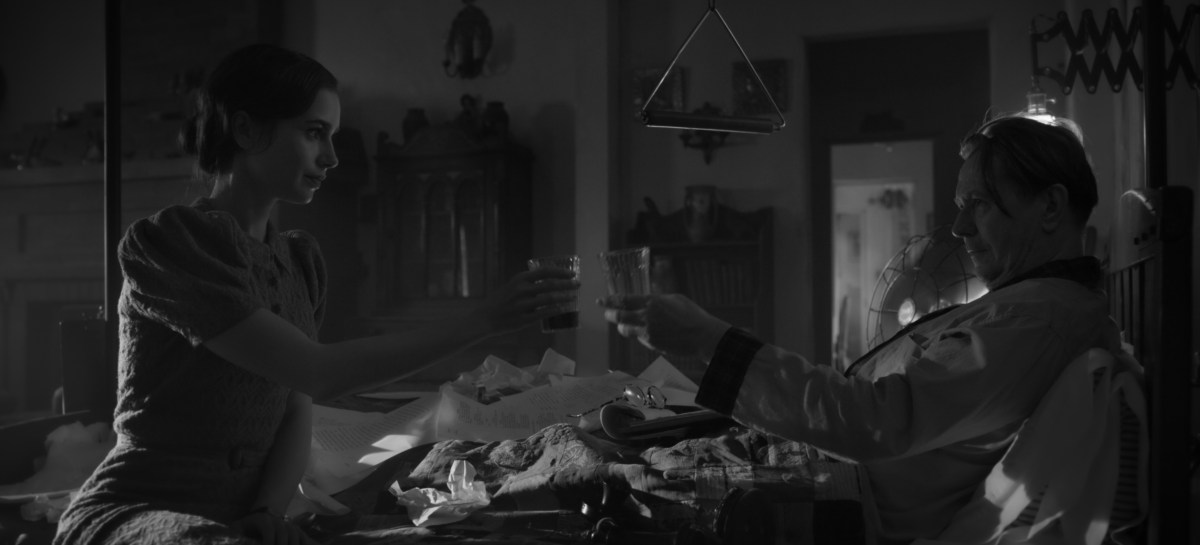
In the Oscar-magnet Netflix film, her typist character brings ‘a young and fresh perspective’ to her boss, the booze-soaked narcissist writing ‘Citizen Kane.’
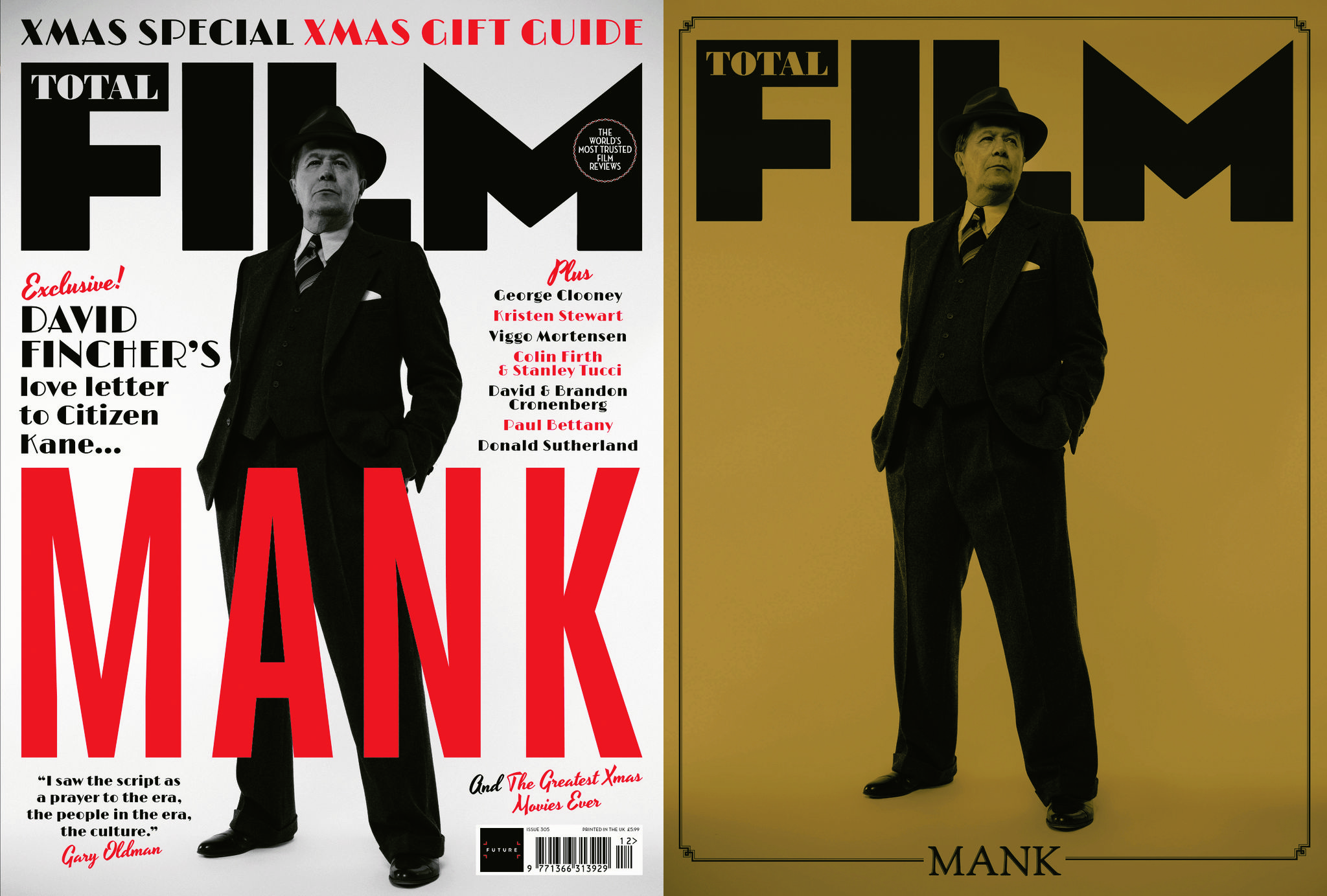
There are few directors as infamously meticulous as David Fincher. Amanda Seyfried – who appears in Fincher’s upcoming movie Mank, about the writing of Citizen Kane – previously revealed that one scenetook around 200 takes to capture properly. For the latest issue of the magazine, Total Film asked the team behind Mank about working with Fincher, with the director himself being the first to admit that he can be quite demanding.
“It was exhausting in the beginning, I think, for him,” Fincher says of leading actor Gary Oldman. “Because I’m fairly didactic about, ‘These are the things that the scene needs to accomplish for me, and we will continue to play, to look for ways to underline these ideas that are as subtle as we can make them.’
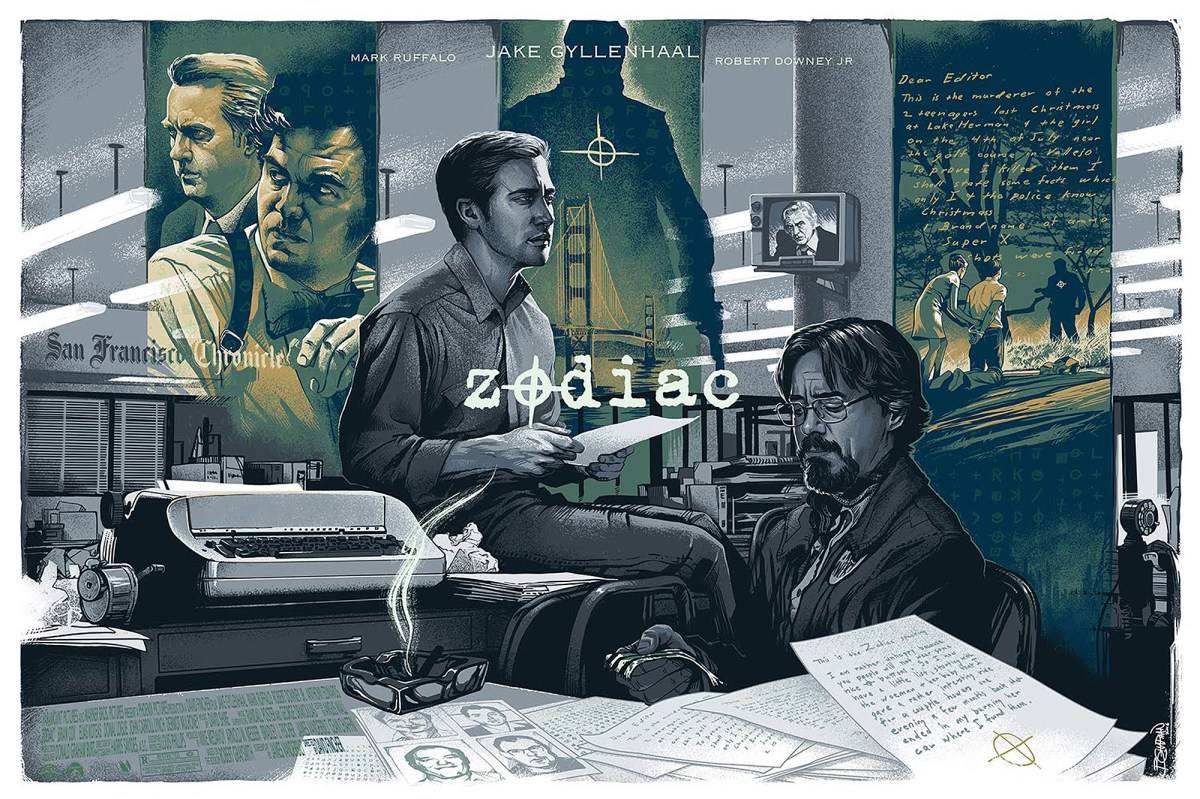
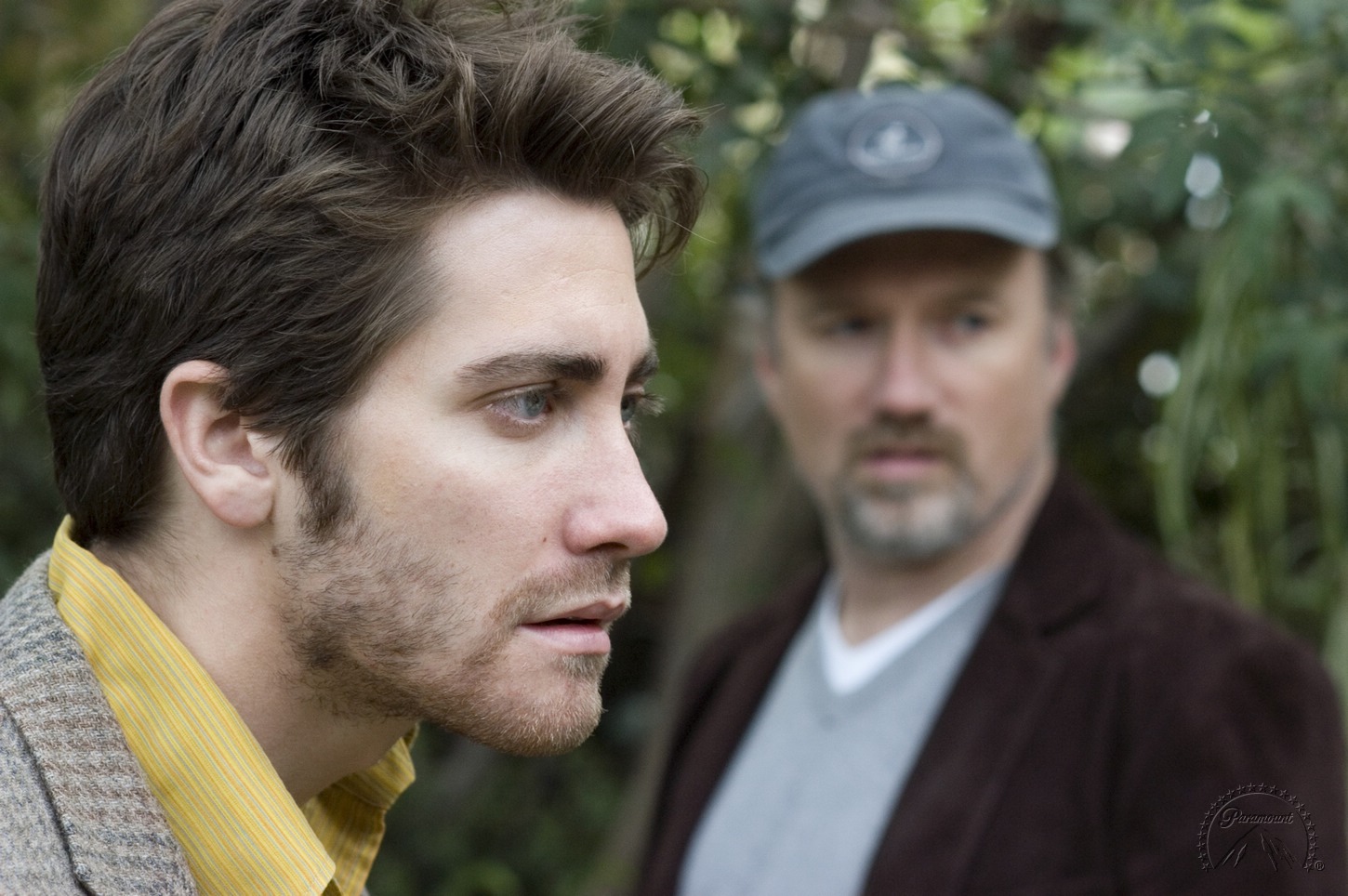
If you asked David Fincher about the childhood years he spent in San Anselmo in Marin County during the 1960s, the topic that would undoubtedly pop up would be that of an infamous serial killer who, in the director’s eyes, was “the ultimate boogeyman.” For it was precisely that time and that general area that saw the rise of the Zodiac, a murderer who frequently wrote letters and sent coded messages to local newspapers, gleefully taking credit for the gruesome killing sprees that would inevitably trigger waves of paranoia across the West Coast. As Fincher recalls: “I remember coming home and saying the highway patrol had been following our school buses for a couple weeks now. And my dad, who worked from home, and who was very dry, not one to soft-pedal things, turned slowly in his chair and said: ‘Oh yeah. There’s a serial killer who has killed four or five people, who calls himself Zodiac, who’s threatened to take a high-powered rifle and shoot out the tires of a school bus, and then shoot the children as they come off the bus.’” Fincher’s fascination with the mystery man who wreaked havoc in Northern California during the late 60s and early 70s, claiming to have taken the lives of thirty-seven people (out of which only five were confirmed as being his victims), ultimately resulted in the director gladly accepting to work on Zodiac, a 2007 movie written by James Vanderbilt. The screenwriter had read a 1986 non-fiction book of the same name while he was still in high school, years before pursuing his eventual career. After getting into screenwriting, he had the chance to meet Zodiac author Robert Graysmith, a cartoonist who had been working for one of the newspapers the killer wrote to during the 1960s, and decided to make a screenplay based on the information-packed book. Having creative control over the material was of the utmost importance to Vanderbilt, given the fact that the endings of his previous scripts had been altered. Together with producers from Phoenix Pictures, Vanderbilt bought the rights to both Zodiac and its follow-up, entitled Zodiac Unmasked, after which the Seven director was asked to come on board.
Apart from having a personal attachment to the story of the notorious serial killer who was never brought to justice, what drew Fincher to work on the project was also the fact that the ending of Vanderbilt’s script was left unresolved, thereby staying true to real-life events. But Fincher’s perfectionism and his wish to depict the open case as accurately as possible led to him asking that the screenplay be rewritten, for the wanted to research the original police reports from scratch. He also decided that he, Vanderbilt and producer Bradley J. Fischer should personally interview the people who were involved in the case so that they could discern for themselves whether the testimonies were to be believed or not. The people they spent months interviewing were family members of suspects, the Zodiac killer’s two surviving victims, witnesses, investigators both current and retired, as well as the mayors of Vallejo and San Francisco. As Fincher elaborated: “Even when we did our own interviews, we would talk to two people. One would confirm some aspects of it and another would deny it. Plus, so much time had passed, memories are affected and the different telling of the stories would change perception. So when there was any doubt we always went with the police reports.” They also hired a forensic linguistics expert to analyze the killer’s letters, with the expert’s focus being on how the Zodiac spelled words and structured sentences, as opposed to the emphasis that was put on the Zodiac’s handwriting by document examiners in the 1970s.
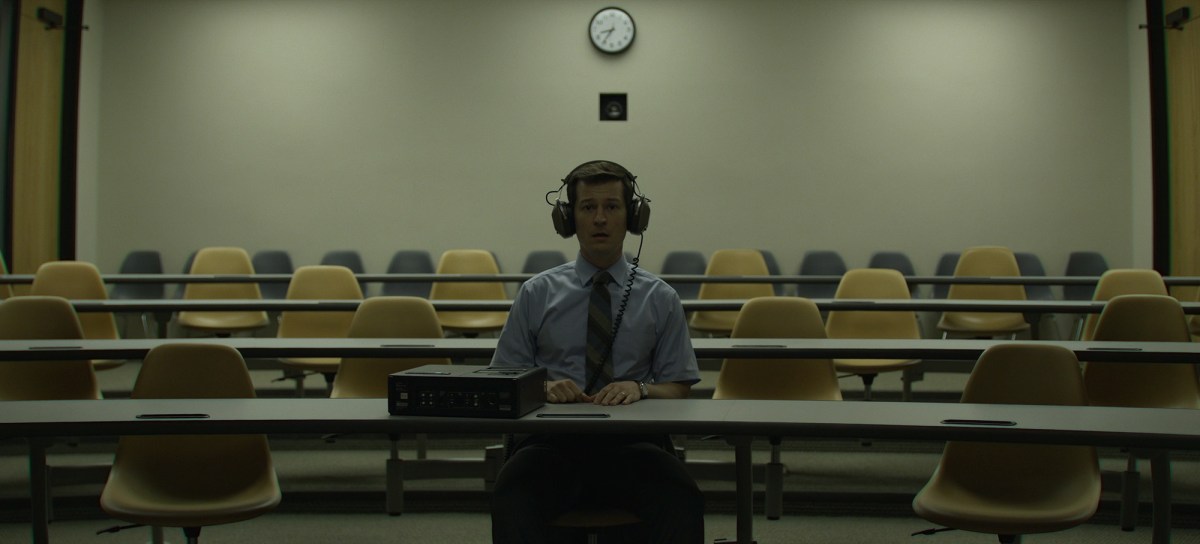
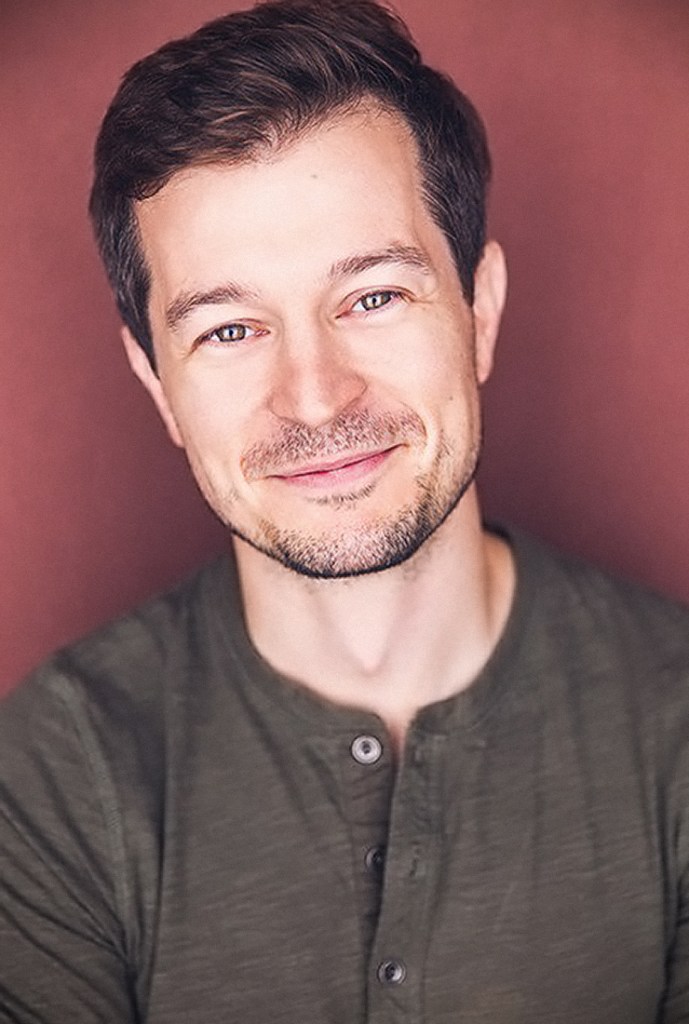
Joe Tuttle is well known amongst the fans of David Fincher’s Netflix show Mindhunter, for his role as FBI Agent Gregg Smith in both seasons 1 and 2. He has also appeared on other top-rated shows such as The Blacklist and Unforgettable. Joe and I had an in-depth conversation discussing his influences growing up, his career, and so much more.
[…]
JT: My secret weapon is my wife, she’s not an actress but she does have a writing background, so sometimes I think I can get caught up looking at these scripts as an actor like, ‘Oh this could be a really beautiful moment,’ but my wife is always about the writing, sort of, ‘Don’t forget these are human beings.’ It’s nice to have your moment as an actor, but don’t forget, are you really serving the story?
PC: And from speaking to many of the actors on Mindhunter that’s exactly what David Fincher wants when he shoots take after take of the same scene, for you not to play them out as an actor but to be, or react, as you would naturally in real life, and that really ties in to what your wife is saying.
JT: I think that’s part of it… I wish just for one day I could get in the head of David. I don’t think I’ve ever met anyone like him before; I probably won’t meet anyone like him again. He’s sort of brilliant at all these different things. I think that’s true he does a lot of takes for a lot of different reasons. One of them is certainly because it’s, ‘Okay let’s make the performances kind of finely crafted in a way, sort of uncrafted in a way. We don’t want to see the actor, we want to see a human being having the experience’.
PC: Yeah exactly!
JT: Also another reason David Fincher does a lot of takes is because I think he has a vision and he wants it to be exactly how he visualises it. It’s not always about the actor, sometimes it’s: we are slightly out of focus; it’s the wrong moment; actually I want to change one word, or the lightning is slightly different, or l want to frame up the camera in a different way, or I don’t like the coffee cup you are using, or that chair, we need to switch that out, or the background actors weren’t perfectly in sync. He notices everything, things that no one else would notice!
PC: In shooting numerous takes he wants the scenes to be the best of the best and to be fair it pays off doesn’t it.
JT: I think so. I don’t think David is making movies or TV shows for the 95%. I think people universally love his work and for good reason. He’s not making them for the 95%, he’s making them for that top 5, that top 2% even, who are going to notice these kinds of things. They are going to say, ‘That cup doesn’t make sense in this world. The lighting was a little bit off in that shot,’ or, ‘that background actor didn’t see his mark exactly.’ He’s making it for people like him, who are going to really notice that stuff. And when you do notice a glaring error or mistake, or something that doesn’t seem right, it takes you out of the story. I think he just wants a total immersive experience. He wants you, I presume, to be so involved that you almost forget, so that you really do feel like a fly on the wall, watching these people having these experiences.
PC: I have just interviewed Garry Pastore and his other job, when he’s not acting, is as a set dresser (leadman). He said he notices stuff like a blank wall behind a person which would clearly have a piece of art or a photograph on it in real life.
JT: The trouble with David is it means we notice that stuff now too; he’s sort of a force of nature; he raises everybody’s game. I’ve really noticed that about him – and not just with the actors, but the cinematographer, the technicians, the dolly grip, the sound folk – because he’s operating at such a high level you have rise to the occasion. I think that’s why people are drawn to working with him and will pass up other job opportunities, just to be able to work with David.
PC: I have arranged to have an interview with a guy called Dwayne Barr who operates the A camera dolly grip, because I’m just as interested to get his take on the technicalities of Mindhunter and Fincher, not just actors. I would love to talk to Erik Messerschmidt about cinematography.
JT: He’s a talented guy. It’s the first time in my working life as an actor I’ve been like ‘Wow!’ I wish my education had included more about cameras, editing and lighting. We touched on a lot of that stuff in acting school but wow, the technical aspects of making a TV show or film is frankly probably more important than some stuff we were taught. Just being able to ask the DP or the cinematographer why this, why now? Because I’ve had this work opportunity, I’ve started to notice.
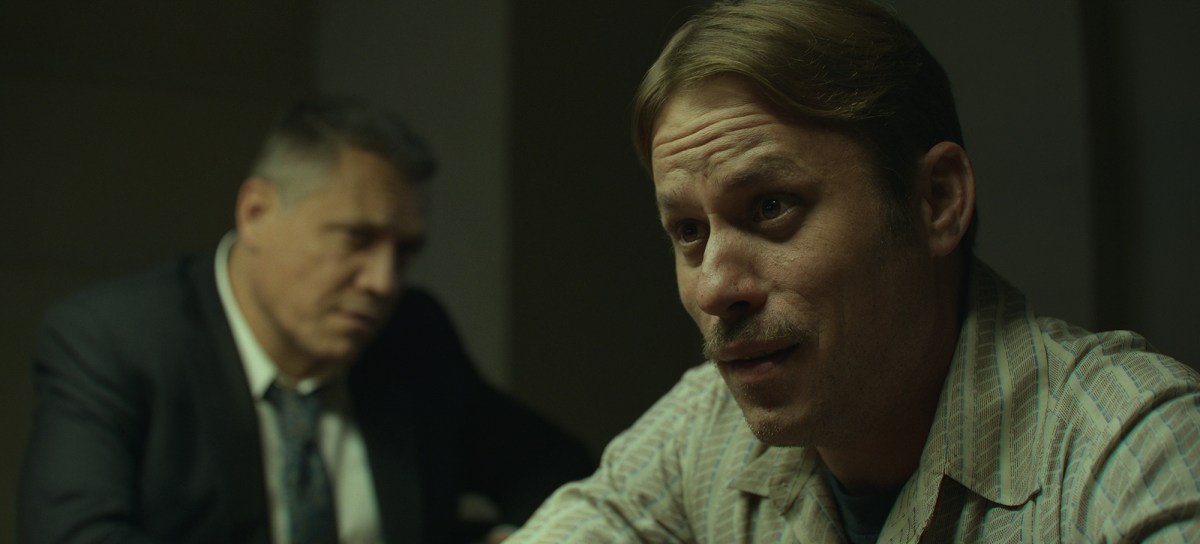
Jesse C. Boyd has graced our screens playing roles such as Frank Janderman in David Fincher’s Mindhunter, the lead role of Jake in Day 5, a Queen’s Ranger in TURN and a wolf in The Walking Dead. We had an in-depth, and really fun conversation, about his childhood in rural North Carolina, his career and roles, upcoming projects, music, his love of hot sauce and lots more besides.
[…]
JCB: For Mindhunter I auditioned for it for, I think, a year – it was really long time. I remember I did my first tape when I was at a film festival in Idaho and, I think, while I was there I found out that I got Day 5. Then when I was filming Day 5 season 1 I got my second audition and they added another 8 pages to it. That was just ongoing and ongoing over time until, finally (and I think I was wondering whether it was actually happening) they were like, ‘They want you to come in to the office and do another read.’ I went in for another read. I think that Laray Mayfield (who does the casting) she actually does prefer self-tapes because she wants to weed through and see what she gets. They did just such an incredible job with that casting. When I saw it myself I just thought, ‘Wow! This is just so authentic and good!’ Laray is so talented too. Getting finally into the room you’re like, ‘Don’t screw this up!’
DB: When you were in the room was it just one or two run-throughs, or did she tweak how she wanted you to play it?
JCB: She did tweak. I know she did a version where she wanted it really fast. You’ve got to realise we’ve been doing these auditions over a year and the names are changing and the dialogue changes so you are consistently reframing what you’ve already learned. And then you’re finally going into the room and they’re like, ‘Can you do a fast version?’ (I think they want to see how [actors] can be on their feet, because of the way they filmed that show. When I ended up filming it they had so many different versions that we did of dialogue, I think they wanted to see whether you could handle these quick switches). There was one take that was super-fast and one that was more slowed down.
DB: How did you prep for that role? For who Frank Janderman actually is.
JCB: First of all I [had] spent a lot of time in Pittsburgh which was great (I did work and lots of things there), so that Pittsburghian accent was all around me. Then I just saw Frank as just like so many people that I feel that I already kind of know in life. This ‘nobody-fucking-asked-you’ kind of guy, but also he believes he’s a hotshot. He was accessible to me through so many other people I had met in my life that I know, that I think are really so much about the façade of not showing who they really, truly are – some of that, broken-downness in them.
DB: There’s a long interrogation scene and then a shorter one: how many takes did they do?
JCB: Oh my God! I wish I could tell you! Can I say a million takes? They did that big interrogation scene – we had three cameras running at all times – I think we filmed it for 12 hours the first day (it’s a 9-and-a-half page scene) three cameras, so you’re getting every angle on either side, and you’re doing it over, and over, and over, and over, and over… and just when you’re done, you’re doing it over, and over, and over again. Then I think the next day we went back and did another 6 hours. So it was a really long time of doing which is, I think, what makes it so great. First of all you’re breaking down a lot; you’re coming back; you’re refreshing with new things; you’re constantly finding new things to play with; and also you have so much coverage that when he [David Fincher] chooses what he’s going to put together he really has every colour of the box to paint his picture with.