Click for a full screen view:



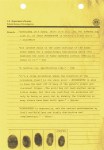




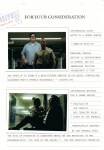



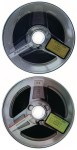
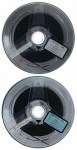






DVD Set kindly donated by Joe Frady
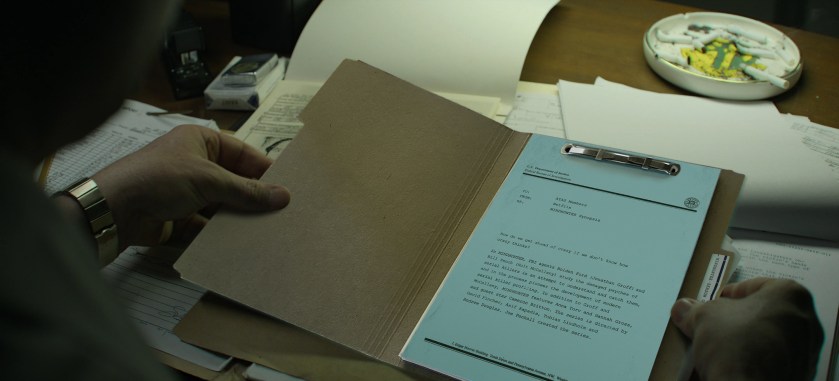
Click for a full screen view:
DVD Set kindly donated by Joe Frady
American Cinema Editors (YouTube)
May 6, 2018
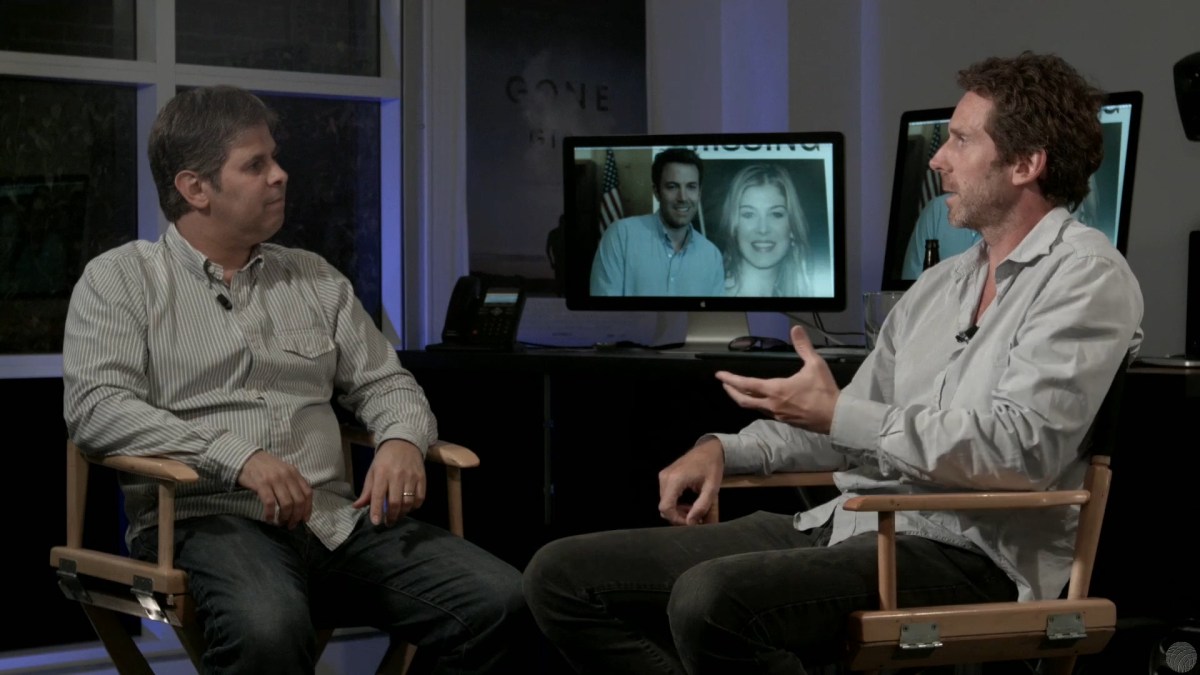
Editors on Editing: Glenn Garland, ACE talks to Kirk Baxter, ACE about editing the film, GONE GIRL.
Original release:
Gone Girl: Kirk Baxter, ACE
October 2014
moviola.com
Merrick Morton / Netflix
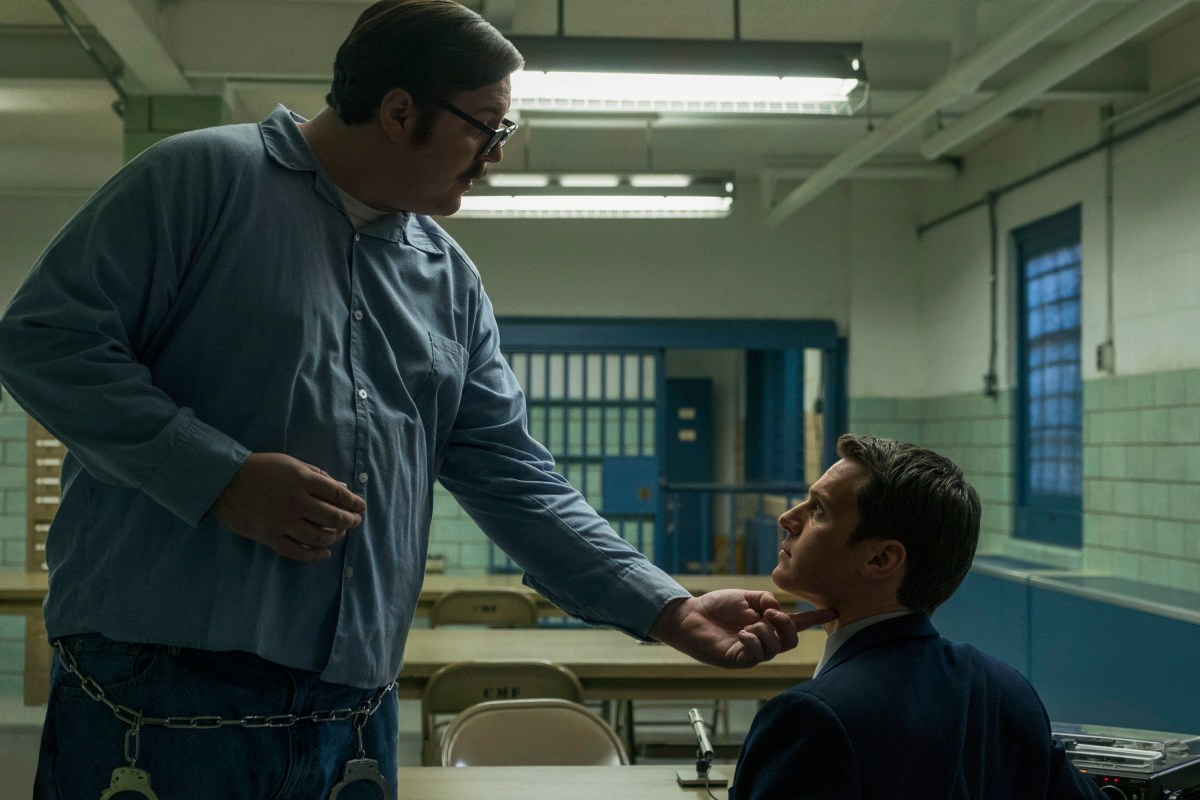
Fincher was very particular about conveying control and dominance through lighting and production design in his Netflix FBI crime drama.
Bill Desowitz
June 18, 2018
IndieWire
David Fincher brilliantly pushes his cinematic formalism in “Mindhunter,” Netflix’s 10-episode crime drama that explores the FBI’s fledgling Behavioral Science Unit in Quantico, Virginia, in the late ’70s. But, for the dialogue-heavy creepy interrogations with imprisoned serial killers by agents Holden Ford (Jonathan Groff) and Bill Tench (Holt McCallany), executive producer/co-director Fincher manages to visually convey constant power shifts.
“It’s about control and dominance and also about misogyny,” Fincher said. “People forget that this goes all the way back to Jack the Ripper.”
And Fincher’s collaboration with production designer Steve Arnold (“House of Cards”) and gaffer-turned cinematographer Erik Messerschmidt (“Mad Men”) was crucial to the authentic ’70s look and dynamic blocking of the interrogation scenes, particularly those involving Ed Kemper (Cameron Britton), who captivates and mentors Holden.
TheBurghBoyz Show (YouTube)
May 25, 2018
Hard working Background Casting Director Jennifer Nash, from Mindhunter Extras Casting, continues to make the rounds looking for the literally thousands of background actors of all ages and ethnicities, especially African-American, that Mindhunter is going to need for its second season. Last May, she paid a visit to The Burgh Boyz and asked for their help:
“Season one took to film about 11 months. And there’s some pre-production too.”
“We’ve just started shooting season two.”
“[We’ll be here] at least until Christmas, very possibly until March of 2019.”
“Costumes are such an important part of this. Our team of customers is award-winning. If you checked out their resumes, and our hair and makeup, you would just go: “Oh, my goodness!”. They’re the best in the business. As is David Fincher, our incredible Director and Executive Producer, who is directing this first episode, which is epic. So, if you want to be on Mindhunter and work with David Fincher, get in now, get in now! You’ll be working with him!”
“David Fincher handpicks about 90% of all of the background actors in the episodes that he directs. He is so specific and detail-oriented. Makes my job Super Duper hard but you’re not just a crowd. You’re always hand chosen by everybody for that specific role.”
“I’ve been able to cast television shows and movies in New York from the beach in L.A. Not this one. This one I am like hustling hustling, because I need real people that have real jobs. In season one I’ve cast Dental Hygienist, a literal Rocket Scientist, I’m not even joking, Professors, College Students, Uber and Lyft Drivers, Waiters, Waitresses, Bartenders, ex-Military, ex-Police, Sheriff’s, everybody who looks like you [one of the hosts] for FBI…”
“This summer in Wilkinsburg, we have scenes coming up where I need thousands of background actors, thousands per day. We are going to be like the circus comes to town, to Wilkinsburg, and that community can use all of the business that we bring, we’re going to bring a lot of business to that community. And it’s going to be iconic scenes there, in my opinion from reading the scripts, the standout scenes of the entire season two. I’m not supposed to really tell, give the story away, but it gives me goosebumps just to think about these scenes. And it’s mostly African-American that I need for those scenes that are going to be very dramatic.”
“I’m looking for background actors of all ages, no experience needed. I need babies to 106 years old. Last season our age range was six months to 96, so this season I’m putting out the challenge, just push it a little. All colors of the rainbow. In fact, some colors of the rainbow are hard to find in Pittsburgh, not a huge Latino community here. All you Latino beautiful people, I need you, and everybody else. And thousands of background actors in Wilkinsburg this summer, thousands, for iconic scenes that you will never forget. Promise.”
Mindhunter Extras Casting (Facebook)
mindhuntercasting@gmail.com
June 15, 2018
SDSA International (Set Decorators Society of America)
In the late 1970s two FBI agents expand criminal science by delving into the psychology of murder and getting uneasily close to all-too-real monsters.
Catching a criminal often requires the authorities to get inside the villain’s mind to figure out how he thinks. That’s the job of FBI agents Holden Ford [Jonathan Goff] and Bill Tench [Holt McCallany]. They attempt to understand and catch serial killers by studying their damaged psyches. Along the way, working with Boston University psychology professor Wendy Carr [Anna Torv], the agents pioneer the development of modern serial killer profiling.
The crime drama has a strong pedigree behind the camera, with Oscar-nominated director David Fincher and Oscar-winning actress Charlize Theron among the show’s executive producers, and Fincher directing the first episodes. — Netflix
Add in Production Designer Steve Arnold and Set Decorator Tracey Doyle SDSA, and you know it will have a carefully curated stylized realism mixed with fully realized layered reality. Sets that could be paintings, except they seem so real.
We checked in with the duo for snippets about the making of MINDHUNTER, Season 1…
Patrick Harbron / Netflix
Netflix (YouTube)
June 14, 2018
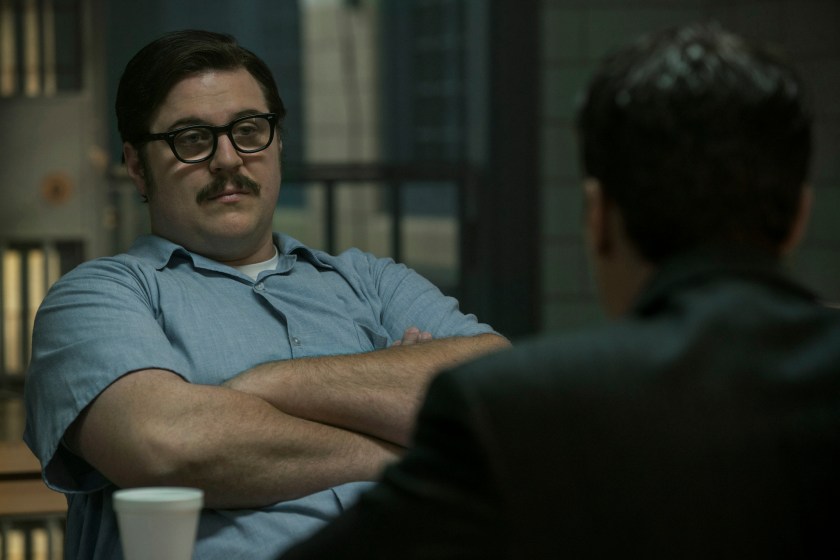
Cameron Britton pulls back the curtain to reveal his process as he transforms from nice guy actor into disturbed serial killer Ed Kemper.
Emmy FYC Spot directed & DP’d by Mindhunter DP Erik Messerschmidt.
 Patrick Harbron / Netflix
Matt Grobar
June 14, 2018
Deadline
Breaking through with his first guest star role on David Fincher’s Netflix crime drama Mindhunter, where he would play terrifying serial killer Edmund Kemper, Cameron Britton found both an incredible artistic opportunity and a challenge that would daunt any actor, coming face to face with one of the industry’s most formidable auteurs.
In his first experience playing a real-life figure, Britton couldn’t have found a more deliciously complicated character than Kemper, who is still alive, living out his remaining years at California Medical Facility. Towering over his victims at 6’9” (Britton is 6’5”), Kemper’s dominance wasn’t only physical. Murdering 10 people, including his mother and his paternal grandparents—before desecrating their bodies—Kemper also possessed great intelligence and a knack for manipulation that made him a nightmare for his opponents, in life and in prison, where FBI agents (played in the series by Jonathan Groff and Holt McCallany) tried to come to grips with his psychology.
“What drew me to the role was this dynamic where he’s this horribly violent, narcissistic, selfish person with no remorse, and yet he’s well spoken, he’s polite, he’s engaging,” Britton explains. “That sort of ‘Speak softly and carry a big stick’ concept, it’s always been interesting to me. If you are threatening and your opponent knows it, why flaunt it? Why not offer them the path of least resistance?”
To play Kemper effectively, Britton would have to dig uncomfortably deep into the psyche of a murderer who viewed himself as the hero of his own story, figuring out what it was that baffled psychologists—what made him tick.
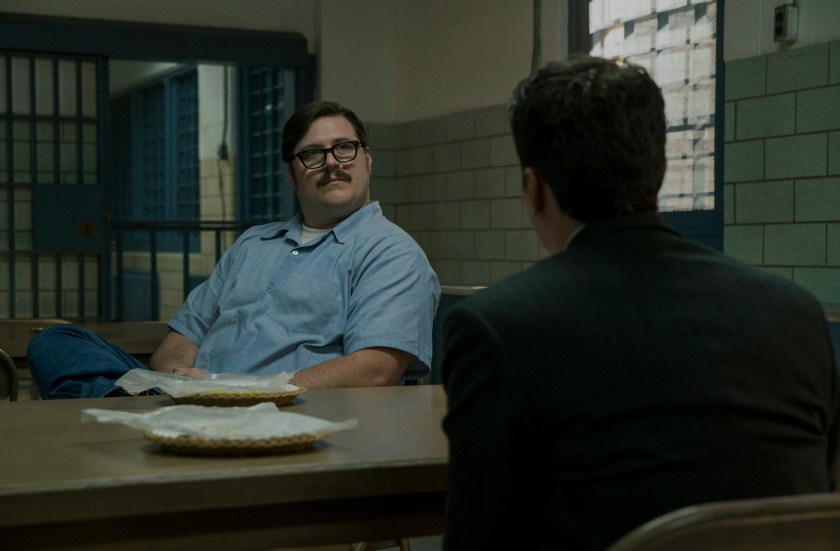 Patrick Harbron / Netflix
Hugh Hart
June 14, 2018
MPAA (Motion Picture Association of America), The Credits (Profiles Below the Line)
Netflix true crime drama Mindhunter moves efficiently in tracking the origins of forensic science as experienced through FBI odd couple (Jonathan Groff and Holt McCallany) until midway through its second episode. Then, Cameron Britton makes his entrance. Playing real-life 70’s-era serial killer Ed Kemper, Britton strolls into an interrogation room and takes the show in utterly unnerving new direction through his embodiment of folksy evil incarnate.
Variety (YouTube)
June 8, 2018
Los Angeles Times (YouTube)
June 7, 2018
ANATOMY OF A CHARACTER
The stage and screen star discusses leading David Fincher’s pitch-black serial-killer series.
K. Austin Collins
June 14, 2018
Vanity Fair
THE CHARACTER: HOLDEN FORD, MINDHUNTER
If you’ve seen classic David Fincher films like Seven, Zodiac, or even The Girl with the Dragon Tattoo, you know the infamously exacting director has a type: the obsessive who tries to solve a crime in the library or the archives, nimbly combing through databases and warehouses full of forgotten evidence. The Fincher obsessive starts their work unblemished—but by the end, it has upended their lives.
In the case of Fincher’s 10-episode Netflix series Mindhunter, that obsessive is Holden Ford, played by Tony-nominated actor Jonathan Groff. Holden starts as a textbook Groff character: neat, bookish, pretty, an F.B.I. choirboy who becomes a teacher and researcher after a hostage situation goes wrong. But soon, alongside behavioral scientist Bill Tench (Holt McCallany) and anthropologist Wendy Carr (Anna Torv), Holden falls down the rabbit hole of a new line of thinking about killers, one that brings him a little too close to the murderers themselves.
Matt Grobar
June 7, 2018
Deadline
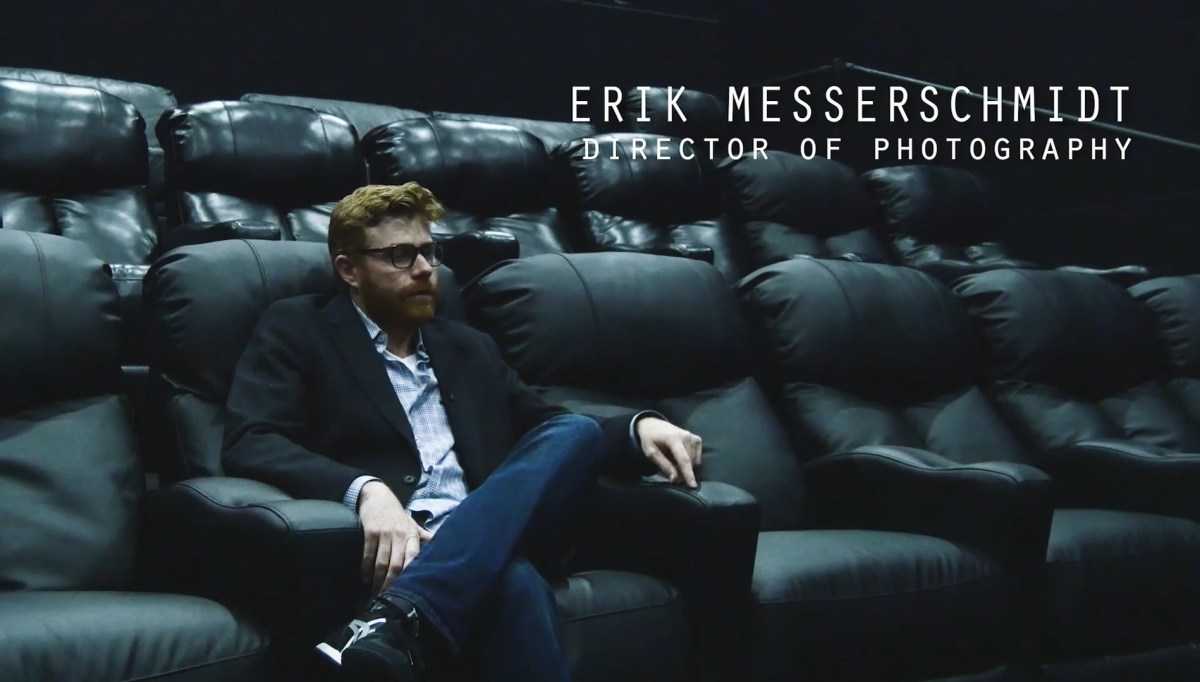
Erik Messerschmidt first worked with David Fincher as a Gone Girl gaffer—in collaboration with DP Jeff Cronenweth. But Messerschmidt got his chance to mine the auteur’s rich, iconic aesthetic as cinematographer of Netflix’s crime drama Mindhunter.
Created by Joe Penhall, with Fincher on as a director and executive producer, the 1970s-set series follows two FBI agents (played by Jonathan Groff and Holt McCallany) who look to expand criminal science by delving into the psychology of murder, coming uncomfortably close to the real-life monsters who would later be deemed “serial killers.”
Messerschmidt has been praised this season for the striking, atmospheric visuals he brought to Mindhunter—his first full series as a DP— though he prefers that his work remain invisible, operating beneath the surface:
“The second the audience is aware that a human is operating the camera, subconsciously there’s an awareness that someone else is in the room. Hopefully, the audience doesn’t notice the operating, they don’t notice my work, they are only seeing what’s happening on-screen between the characters. That’s the goal.”
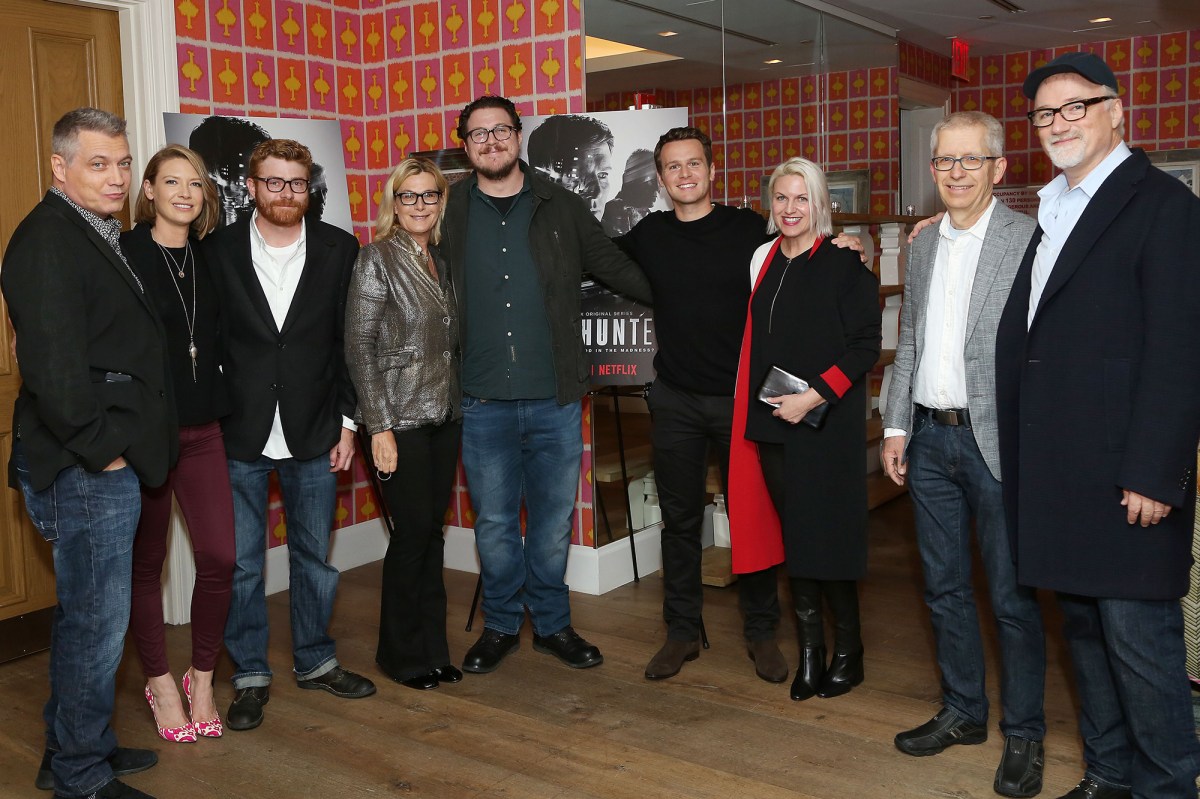
Holt McCallany, Anna Torv, Erik Messerschmidt (Director of Photography), Laray Mayfield (Casting Director), Cameron Britton, Jonathan Groff, Jennifer Starzyk (Costume Designer), Steve Arnold (Production Designer), David Fincher (Director/Executive Producer). (Patrick Lewis/Starpix for Netflix/REX/Shutterstock/IndieWire)
Take some people obsessed with serial killers, and a detail freak like David Fincher, and the alchemy is undeniably compelling.
Anne Thompson
June 4, 2018
IndieWire, Thompson on Hollywood
There are manifold reasons why Netflix’s chilling series “Mindhunter” breaks the mold, from David Fincher to the bromantic chemistry between boyish FBI agent Holden Ford (“Hamilton” star Jonathan Groff) and gruff, chain-smoking G-man Bill Tench (Fincher veteran Holt McCallany). Here are a few factors that pushed this series to the top of the competitive drama Emmy contenders.
1. Charlize Theron
The series may never have existed if executive producer Charlize Theron hadn’t recognized a fellow serial killer buff in Fincher. When the actress was researching her Oscar-winning role as sociopath Aileen Wuornos in Patty Jenkins’ “Monster,” she read John Douglas’s “Mindhunter,” about the groundbreaking ’70s FBI unit that pioneered research into serial killers.
“This guy had an incredible life,” she said. “What he does is so rare and mind-blowing. I’m fascinated by books on neurology and brain development and why people are sociopaths: They cut off all emotion in order to do horrible things. I bought the rights to his book. I thought about Fincher, who loved ‘Zodiac’ and ‘Seven’ [and thought] ‘He must be obsessed with this stuff too; he must know who John Douglas is.’ People said, ‘You have never produced television.’ I asked David to lunch and he knew about Douglas and was on board: ‘Let’s make it into a series.’ Dream big, motherfuckers!”
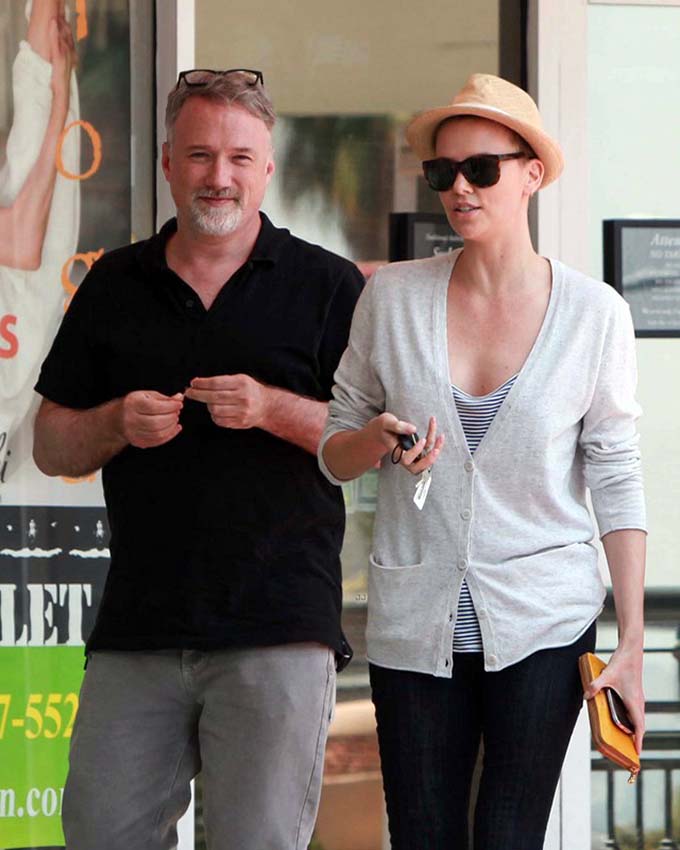
Fincher and Theron, after their meeting in 2012 (Bauer-Griffin, AKM-GSI)
Ted Sarandos (Netflix Chief Content Officer), David Fincher (Director/Executive Producer), Anna Torv, Jennifer Starzyk (Costume Designer), Steve Arnold (Production Designer), Erik Messerschmidt (Director of Photography), Cameron Britton, Laray Mayfield (Casting Director), Holt McCallany, Jonathan Groff. (Frazer Harrison / Getty Images)
The notoriously fastidious director discussed his process for the Netflix original series during a panel discussion Friday night.
Ben Travers
June 2, 2018
IndieWire

“Why 75 takes? Cos I’m motherf***ing David Fincher, that’s why” (Eric Charbonneau, REX/Shutterstock/IndieWire)
Gregory Ellwood
June 2, 2018
The Playlist
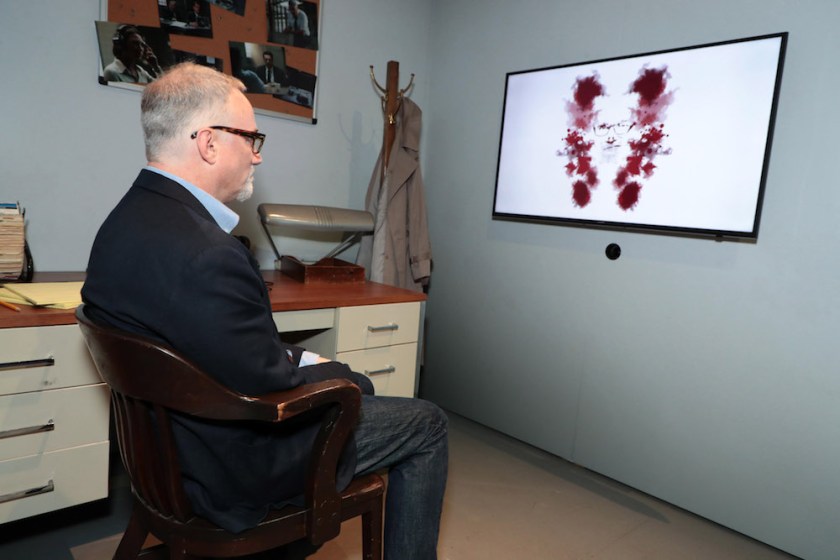
Fincher being “Rorschached” at the MINDHUNTER Netflix FYSee space (Eric Charbonneau, REX/Shutterstock/IndieWire)
Panel tweets and photos from 6/1/18 event
Diane Gordon (Twitter)
June 2, 2018
Wakelet
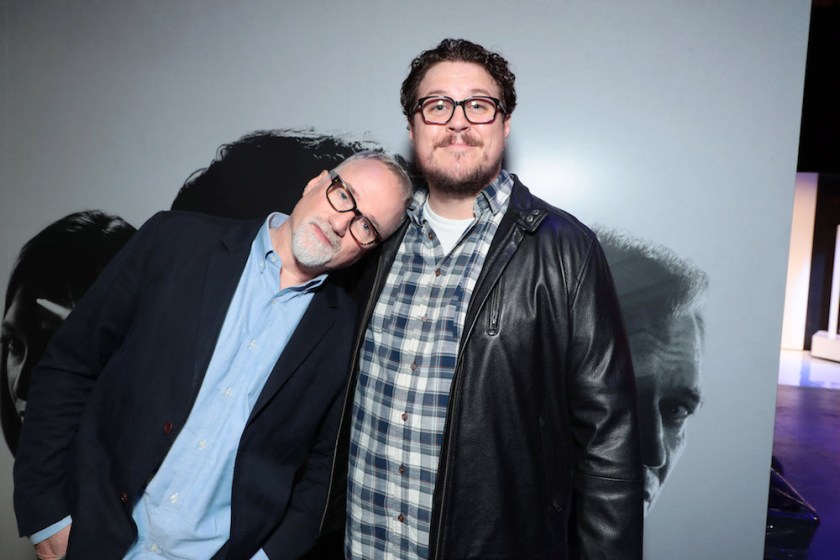
Fincher surrenders to the cuddly, adorable, and “hot” bear Cameron Britton (Eric Charbonneau, REX/Shutterstock/IndieWire)