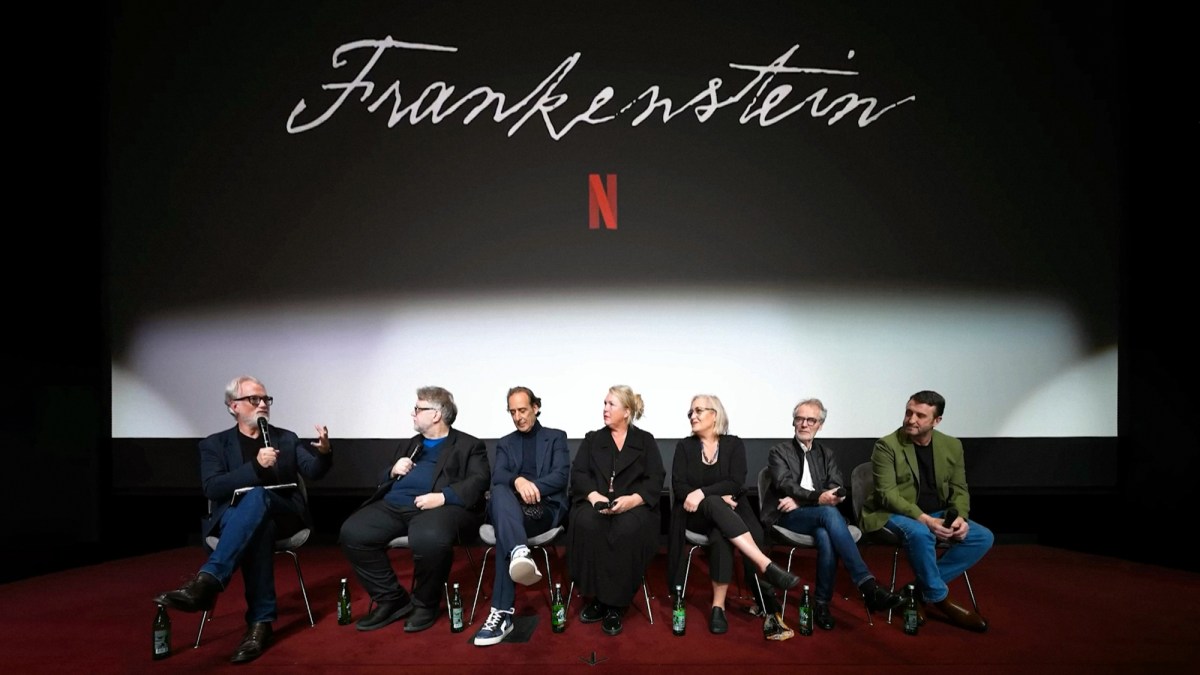
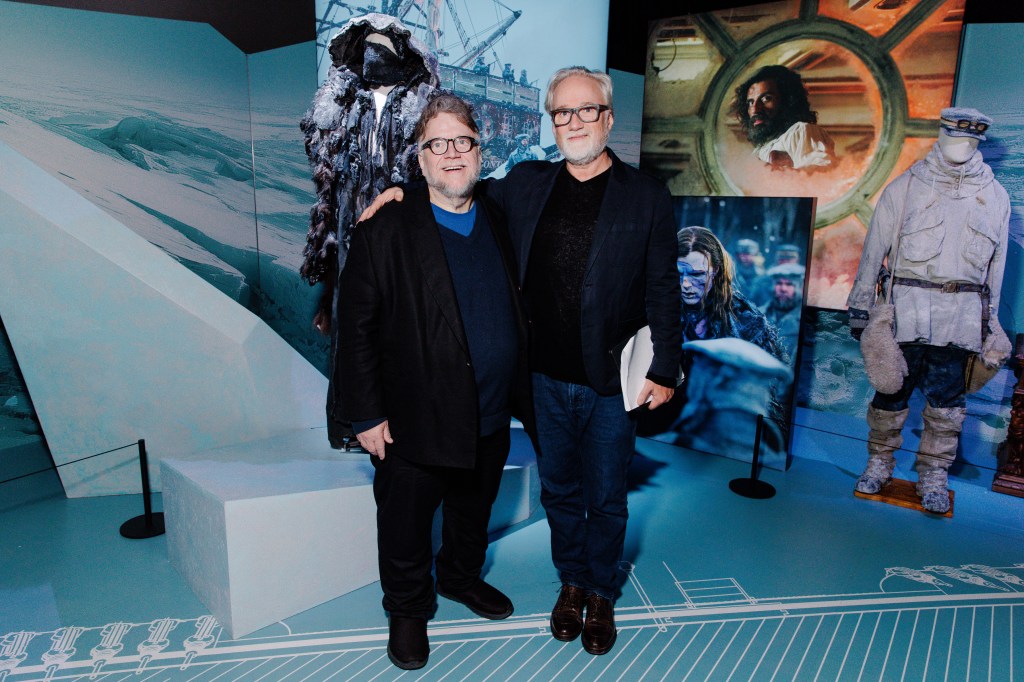
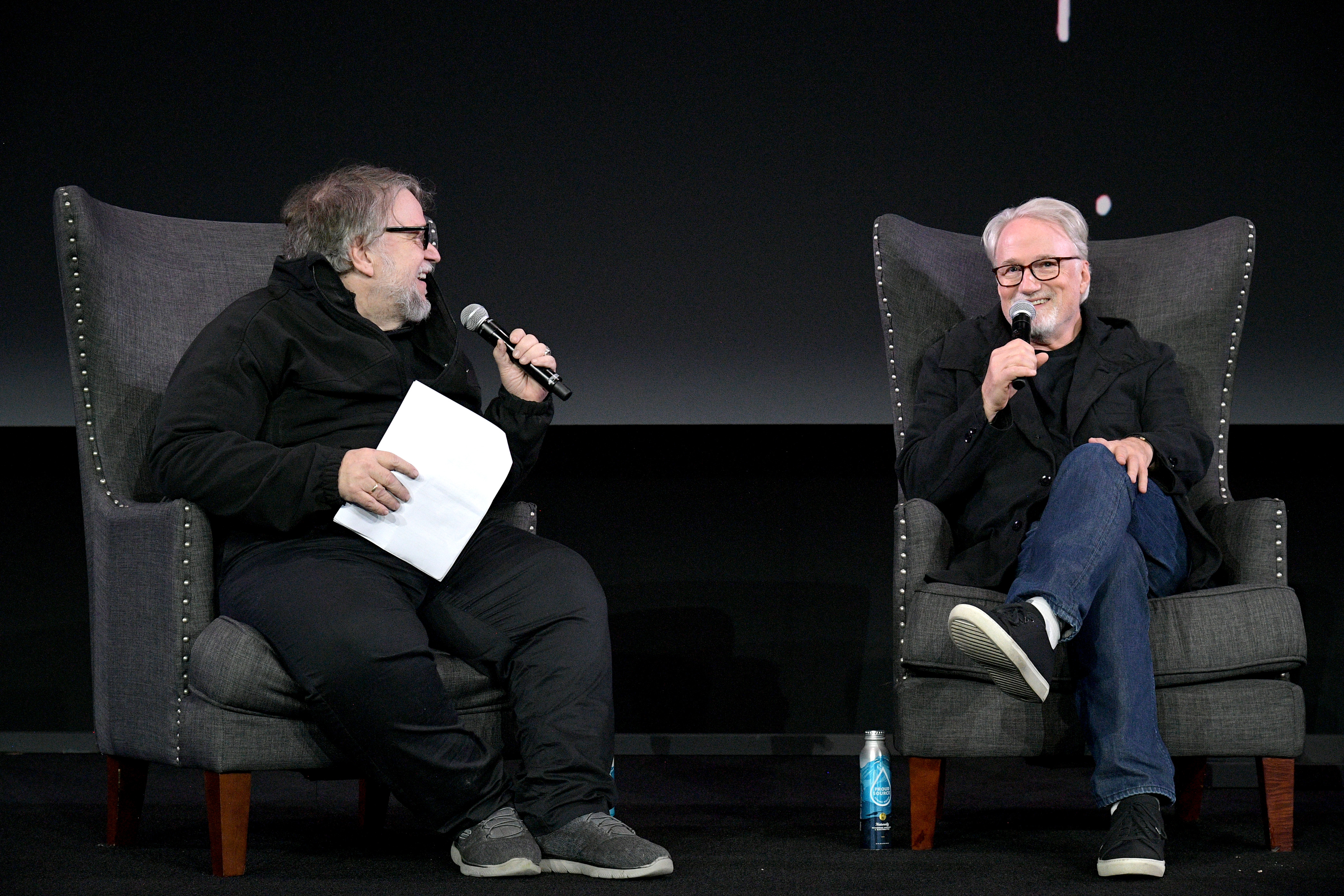
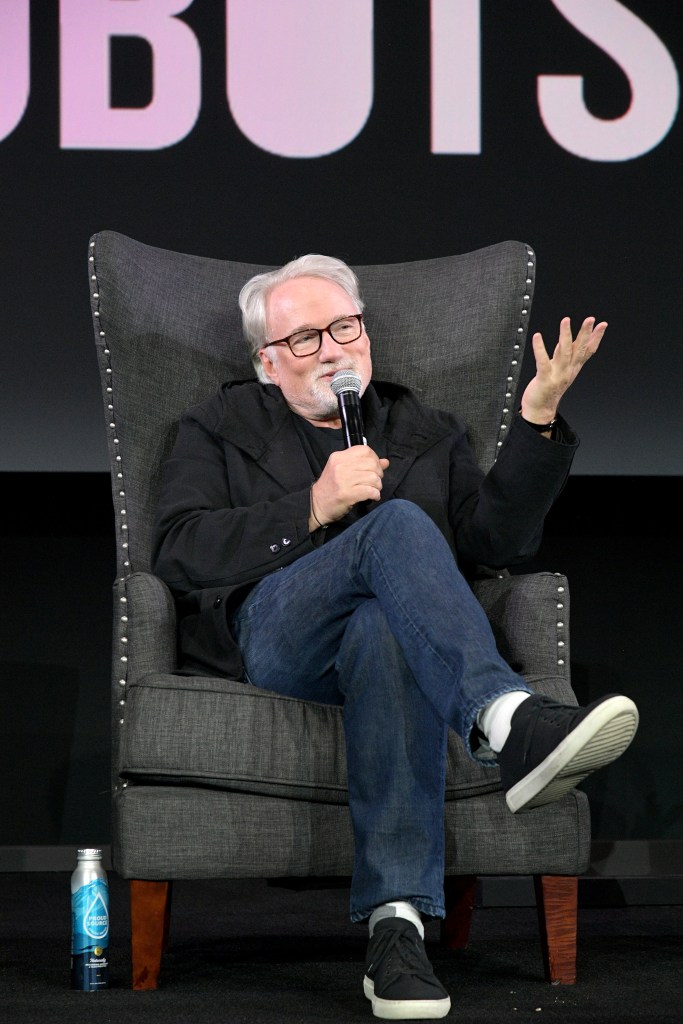
Writer/Director Guillermo del Toro, and Costume Designer Kate Hawley, Composer Alexandre Desplat, Production Designer Tamara Deverell, Cinematographer Dan Laustsen, and Creature Design/Character Prosthetic Makeup FX Mike Hill discuss the making of Frankenstein with moderator David Fincher.
“The movie is exquisite. But it’s not just beautiful. Because “just beautiful” is a cop-out. You have a film that is an example of a hand-crafted personal expression. It is outstanding in that respect.”
In this episode, we welcome two-time Oscar-nominated cinematographer Jeff Cronenweth, ASC. Jeff has shot films including Fight Club, One Hour Photo, The Social Network, The Girl with the Dragon Tattoo, Hitchcock, Gone Girl, Being the Ricardos, and Tron: Ares. In our chat, Jeff shares his origin story, experiences working with David Fincher — and all about his latest movie, Tron: Ares. He also offers extensive insights and recommendations for today’s cinematographers and filmmakers.
Go behind the visuals of TRON: ARES with cinematographer Jeff Cronenweth, ASC – the mind behind the camera for films like The Social Network, The Girl with the Dragon Tattoo, and Gone Girl. We talk about the look of the new TRON film, his collaboration with director Joachim Rønning, shooting digitally on RED cameras, and how his decades-long partnership with David Fincher shaped his approach to modern cinematography.
If you’re into camera tech, lighting, or just want to know why TRON: ARES looks so good, this one’s for you.
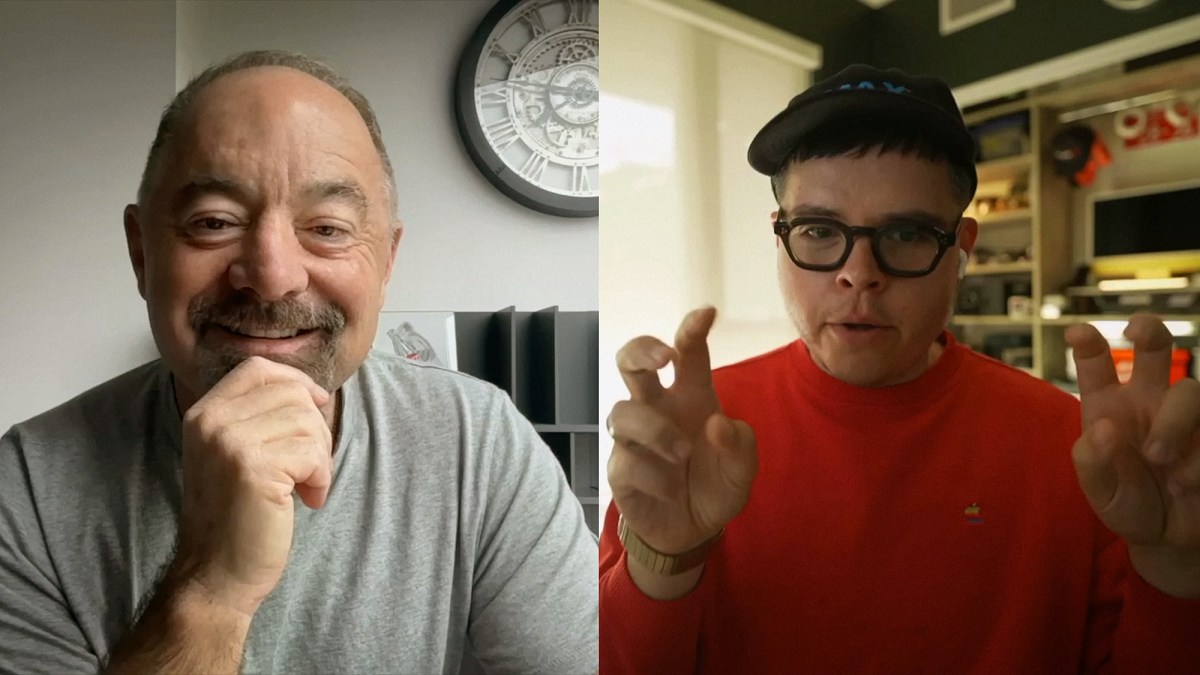
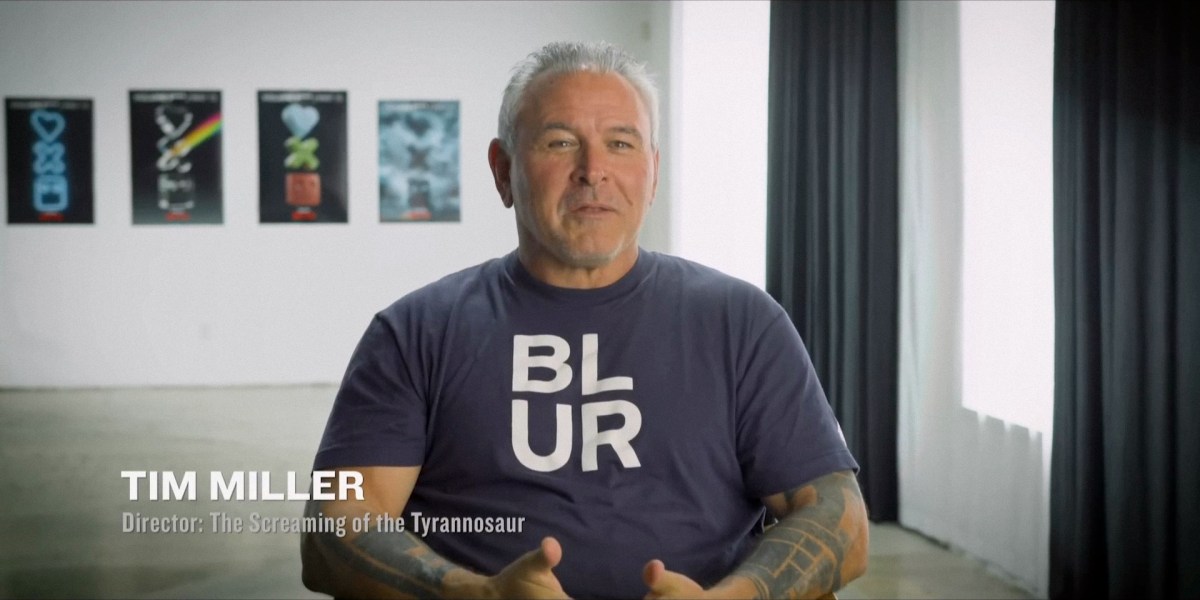
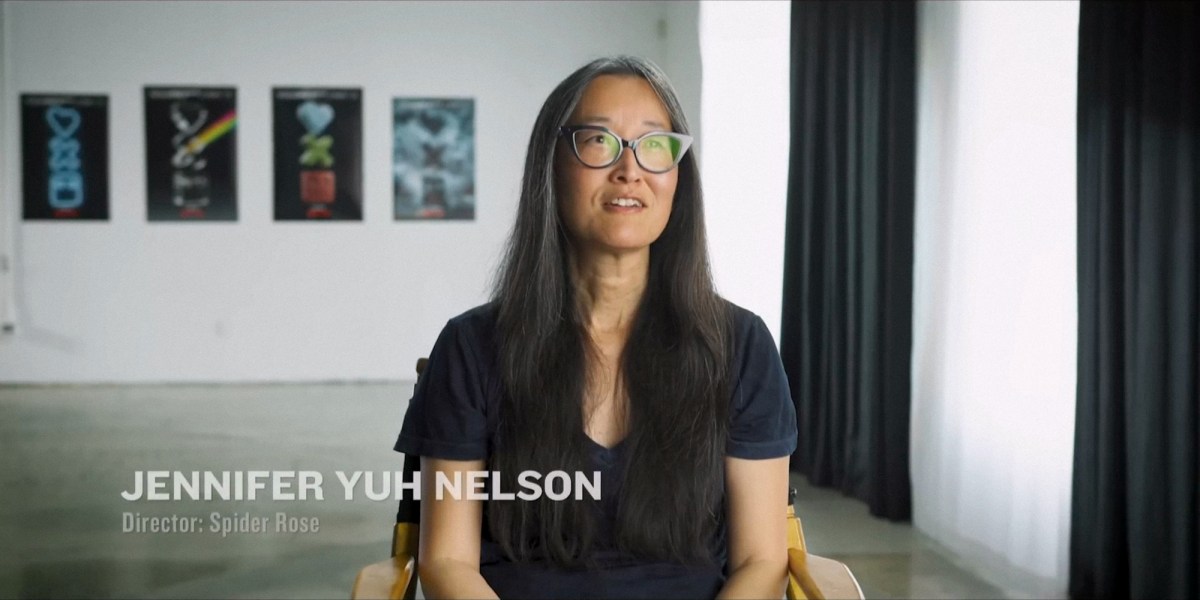
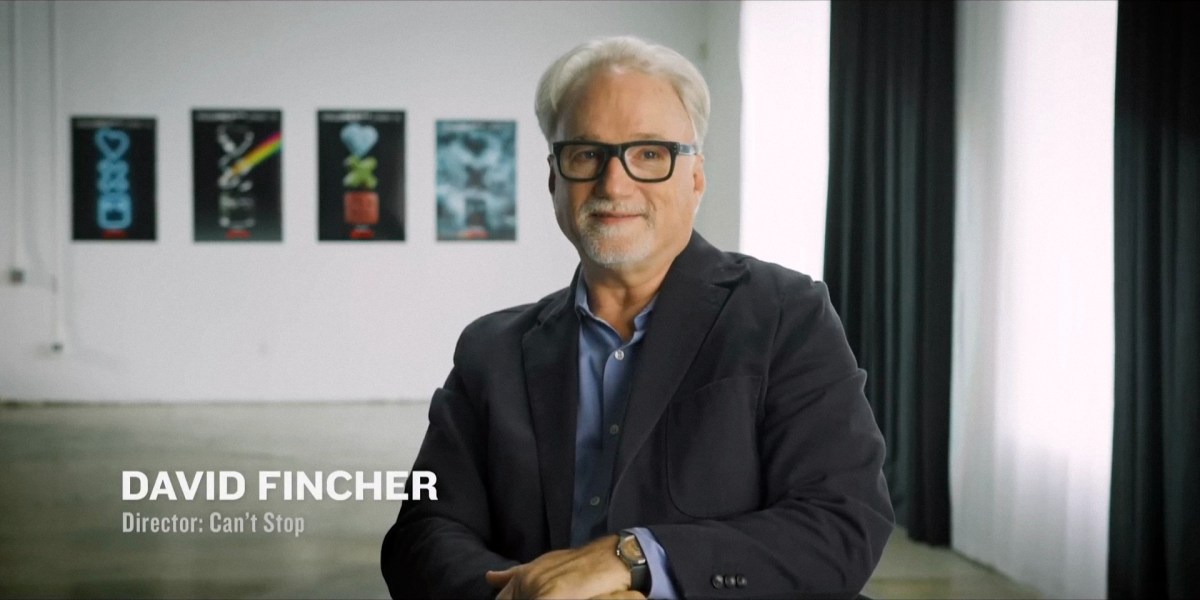
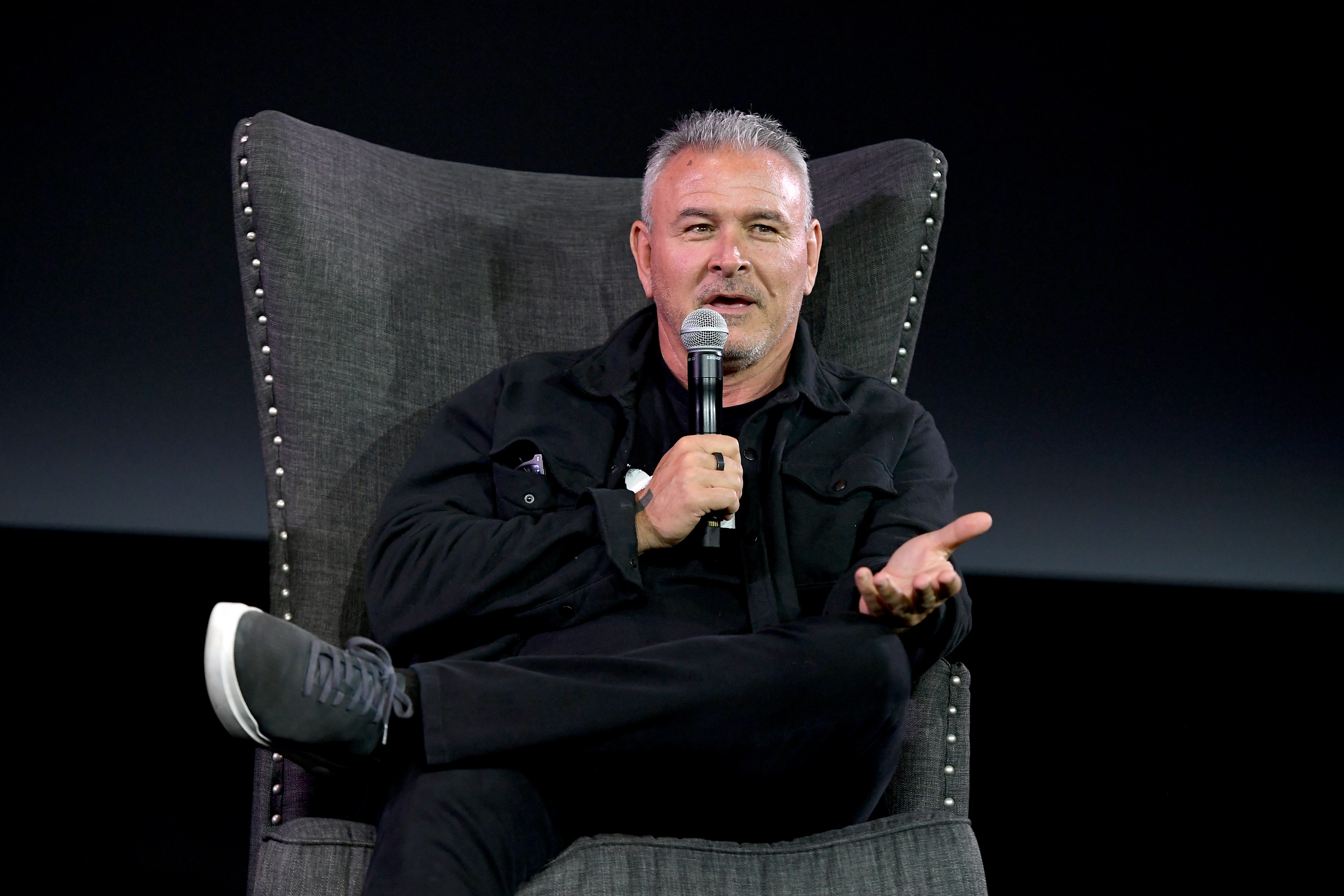
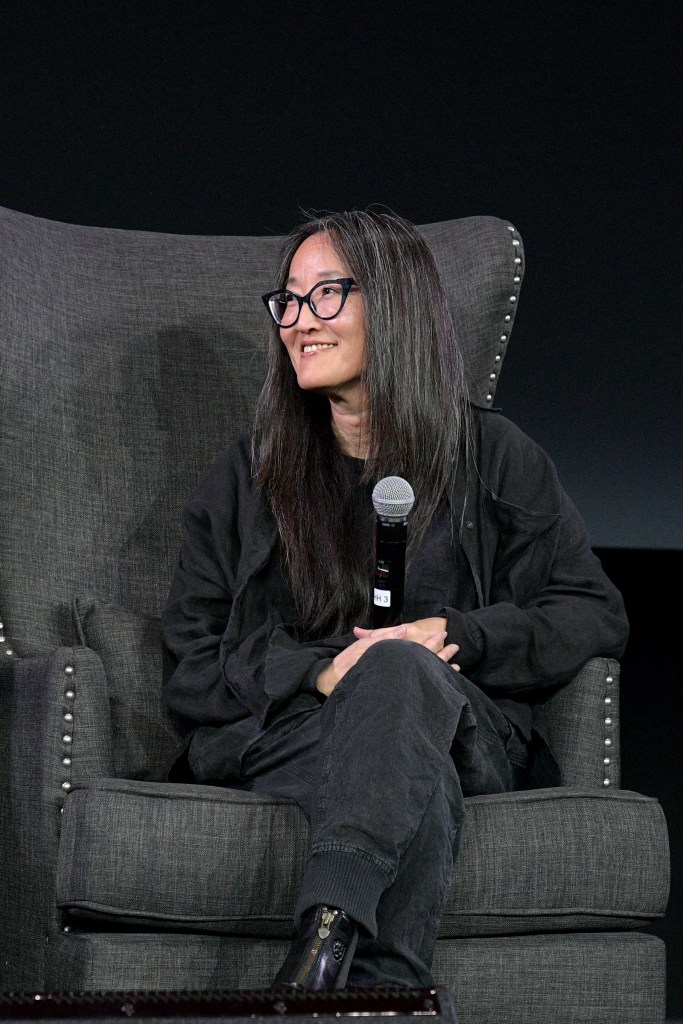
Director Tim Miller discusses how he approached directing this dinosaurs in space adventure, starring MrBeast! Featuring Jennifer Yuh Nelson and David Fincher.
Fearless anthology series LOVE DEATH + ROBOTS returns with a unique blend of styles, stories, and heroes you didn’t know you needed — from scheming felines to a traumatized toilet. “I try and get a mix of horror, sci-fi, and fantasy,” says creator and executive producer Tim Miller. “And we work with some really fucking fantastic artists.” Miller is a voracious reader, and the source material for the series is largely short stories he has enjoyed over decades, though Volume 4 has a first: a concert film … from none other than David Fincher.
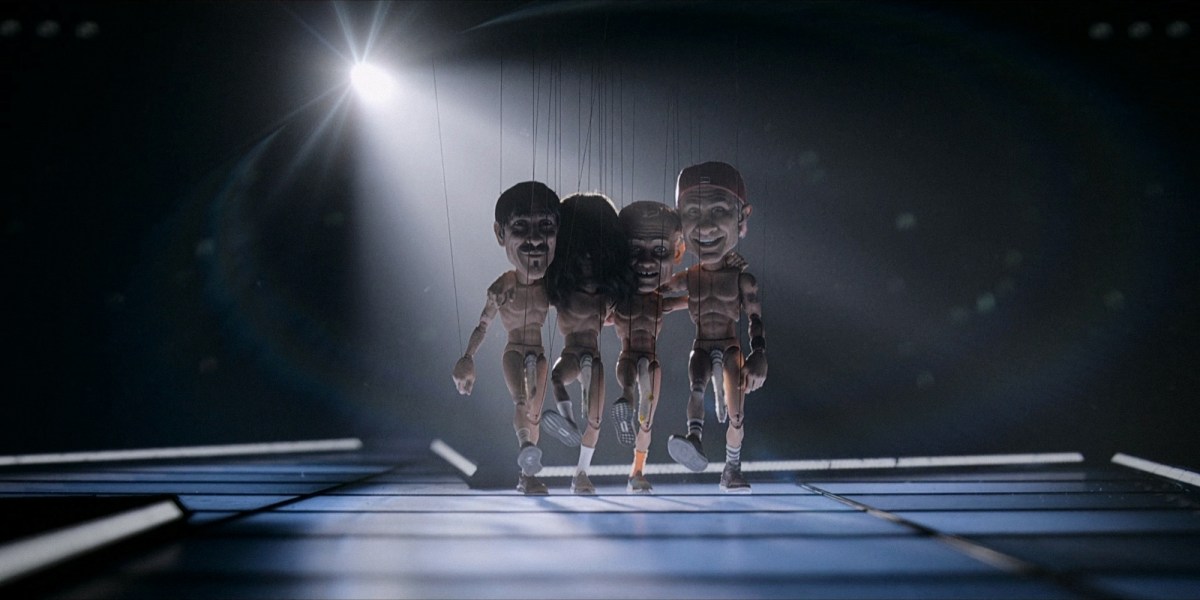
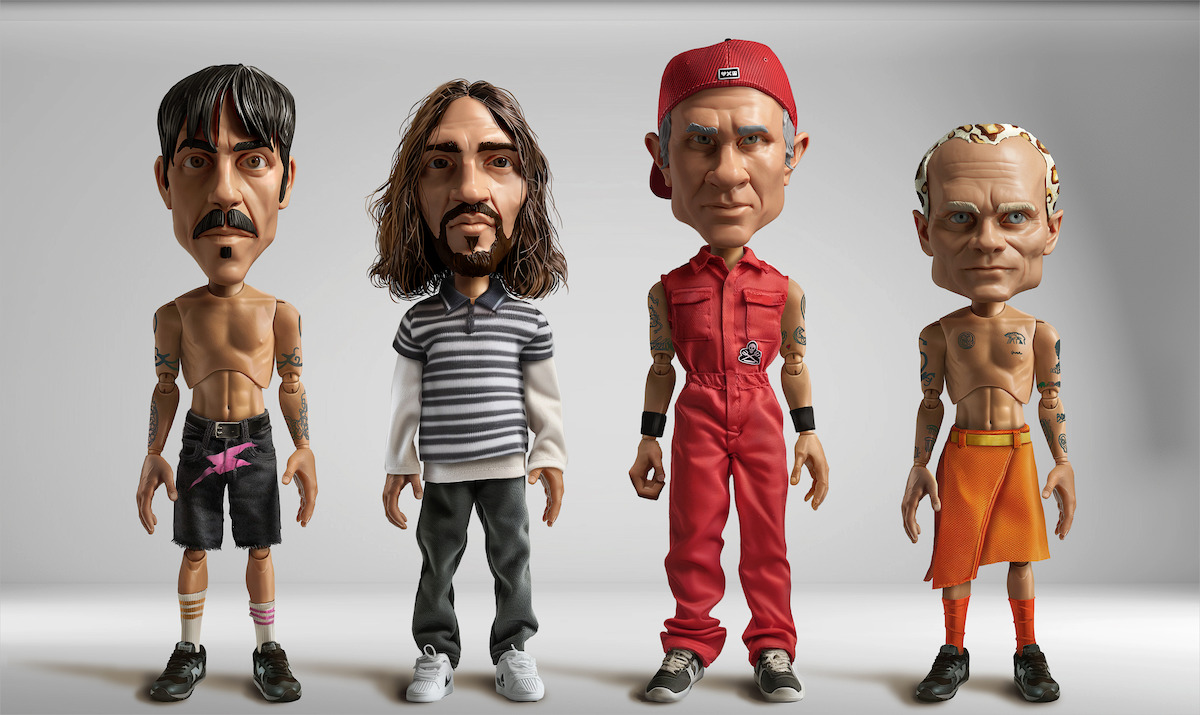
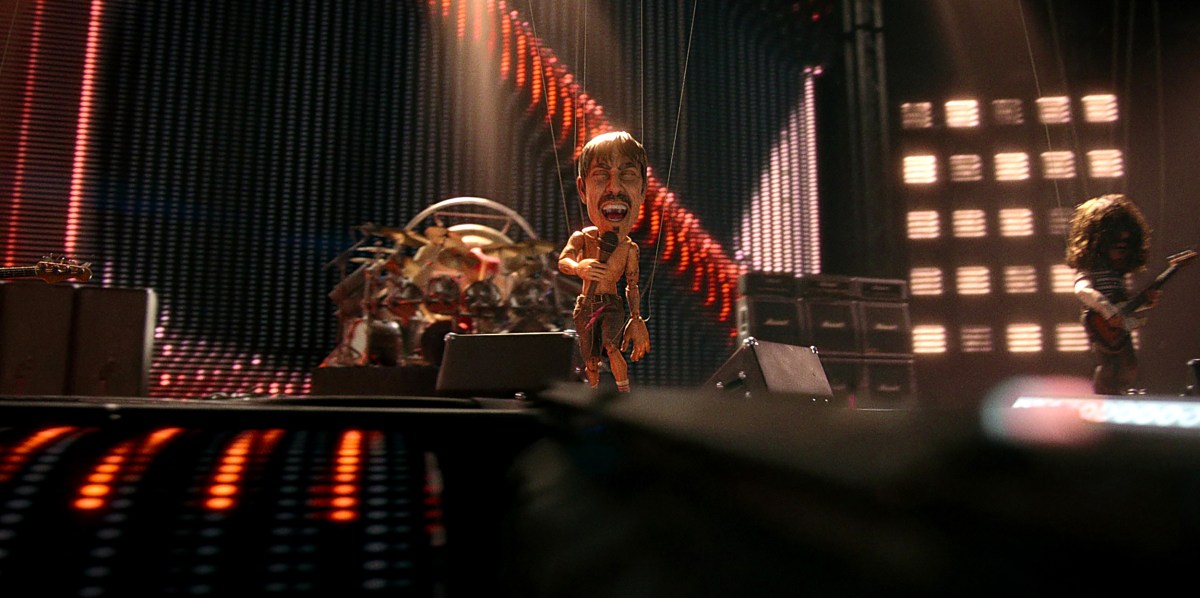
Fincher may now be best known for films such as Fight Club and The Killer, but he first rose to prominence directing music videos. The episode Can’t Stop calls on a long-cherished idea of animating a band as puppets; in this case, the Red Hot Chili Peppers. “This was a chance to exercise some old muscles, stretch — and it’s something I’ve always wanted to see,” says Fincher, who also executive produces the series. Each episode comes from a different team, and his was produced by Blur Studio, the VFX and production company co-founded by Miller. “I think Blur know that when I’m passionate about something, it’s going to be weird, and it’s going to be a lot of work,” says Fincher. “But who knows, it might be fun. It certainly will be challenging.” Creative risk and independent spirit are part of what’s led to the show’s 13 Emmy wins so far. But for the team, it’s really just the beginning of a long commitment to variety and invention. Says Fincher, “Hopefully by the time we get to Volume 20, there’s going to be something in here for everyone.”
Chad Smith remembers the night in 2003 when the Red Hot Chili Peppers played for an audience of 80,000 or so amid the rolling hills of the Irish countryside.
After a somewhat fallow period in the mid-’90s, the veteran Los Angeles alt-rock band resurged with 1999’s eight-times-platinum Californication and its 2002 follow-up, By the Way, which spawned the chart-topping single Can’t Stop. To mark the moment, the Chili Peppers brought a crew to document their performance at Slane Castle, where they headlined a full day of music that also included sets by Foo Fighters and Queens of the Stone Age, for an eventual concert movie.
Twenty-two years later, the Chili Peppers are bringing that 2003 gig to screens again — only this time they’re string puppets.
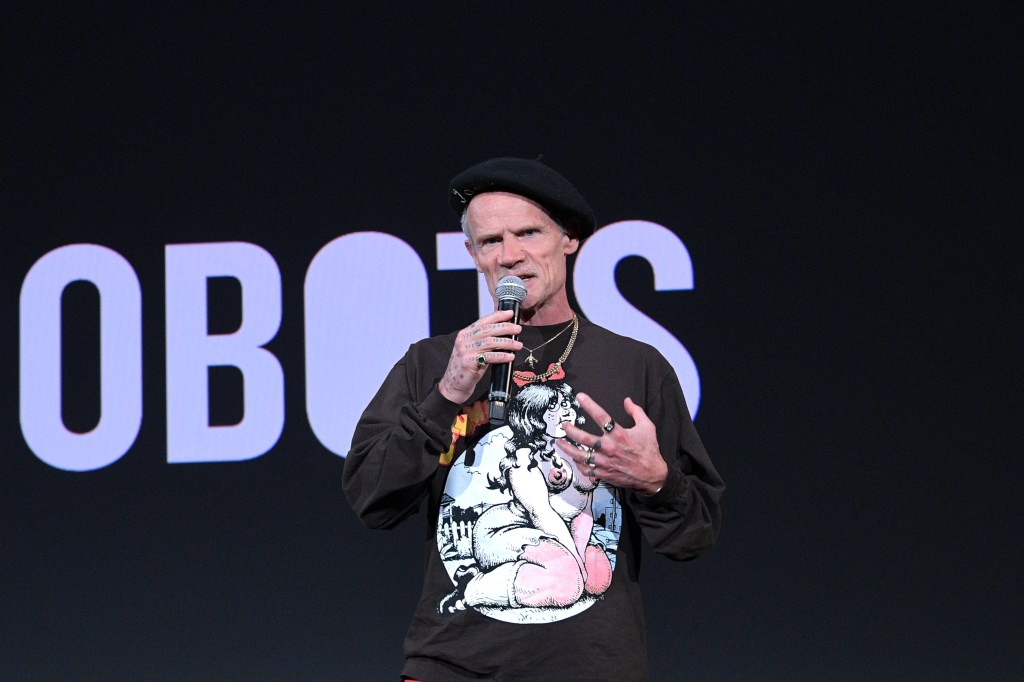
Can’t Stop is director David Fincher’s re-creation of the band’s rendition of that tune at Slane Castle. Part of the just-released fourth season of the Emmy-winning Netflix anthology series “Love, Death + Robots,” the animated short film depicts the Chili Peppers — Smith, Flea, singer Anthony Kiedis and guitarist John Frusciante — as dangling marionettes onstage before a veritable sea of the same. As the band rides the song’s slinky punk-funk groove, we see Flea bust out some of his signature moves and Kiedis swipe a fan’s cellphone for a selfie; at one point, a group of women in the crowd even flash their breasts at the frontman.
The puppets aren’t real — the entire six-minute episode was computer-generated. But the way they move looks astoundingly lifelike, not least when one fan’s lighter accidentally sets another fan’s wires on fire.
So why did Fincher, the A-list filmmaker behind Fight Club and The Social Network, put his considerable resources to work to make Can’t Stop?
“A perfectly reasonable inquiry,” the director, who executive produces LOVE DEATH + ROBOTS, said with a laugh.
“For my money, it’s like LOVE DEATH + ROBOTS should be anything. Anything that you can’t figure out where else it goes,” legendary filmmaker David Fincher mused about the unconventional, sci-fi/cyberpunk-flavored Netflix (mostly) animated anthology series. It’s as apt a description as any for the ambitious, experimental, and genre-bending project, now launching its fourth season.
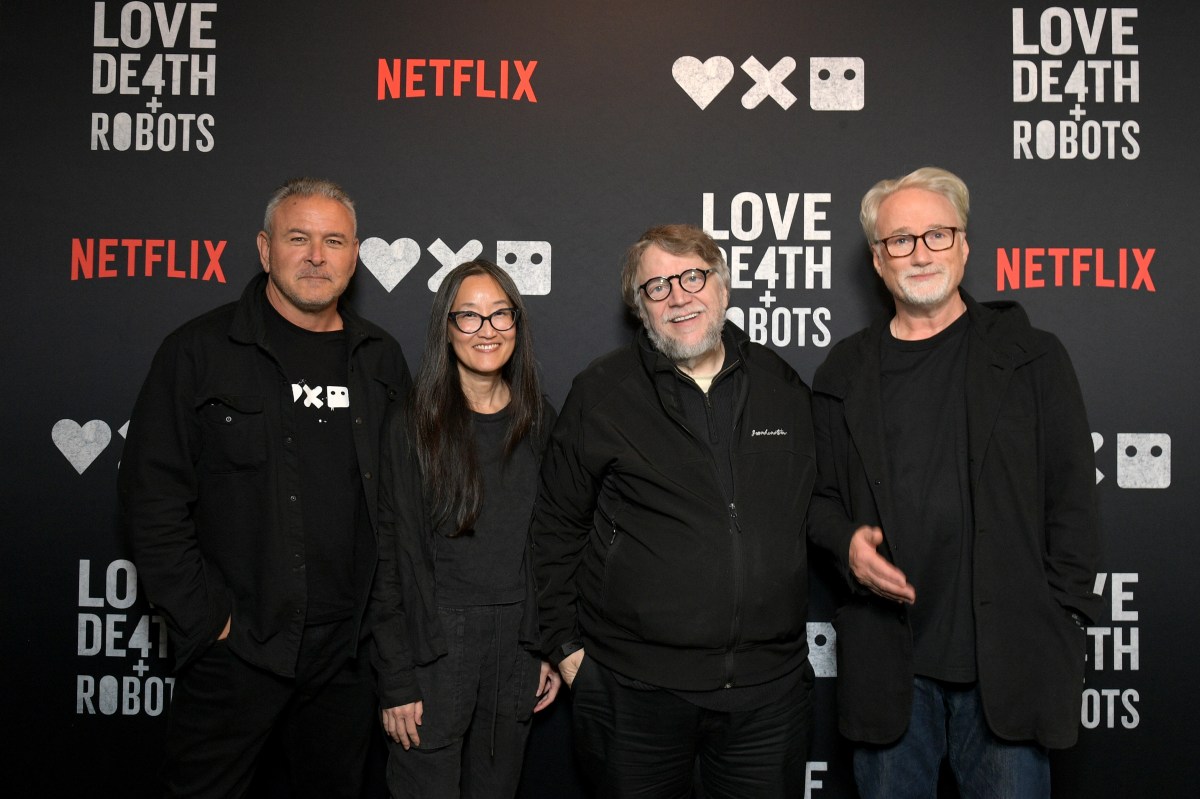
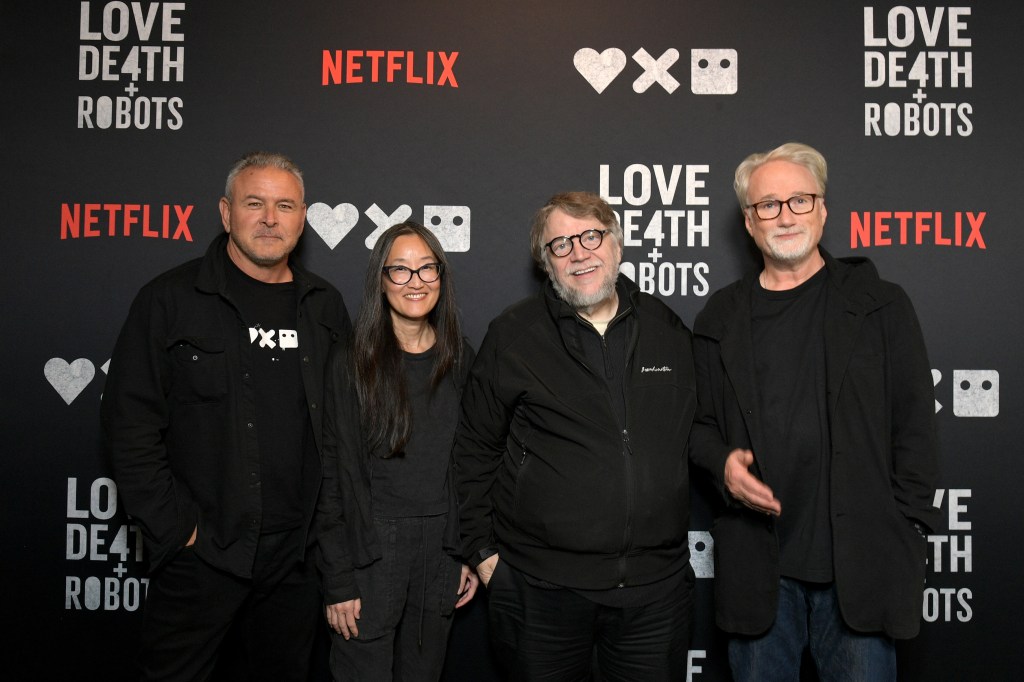
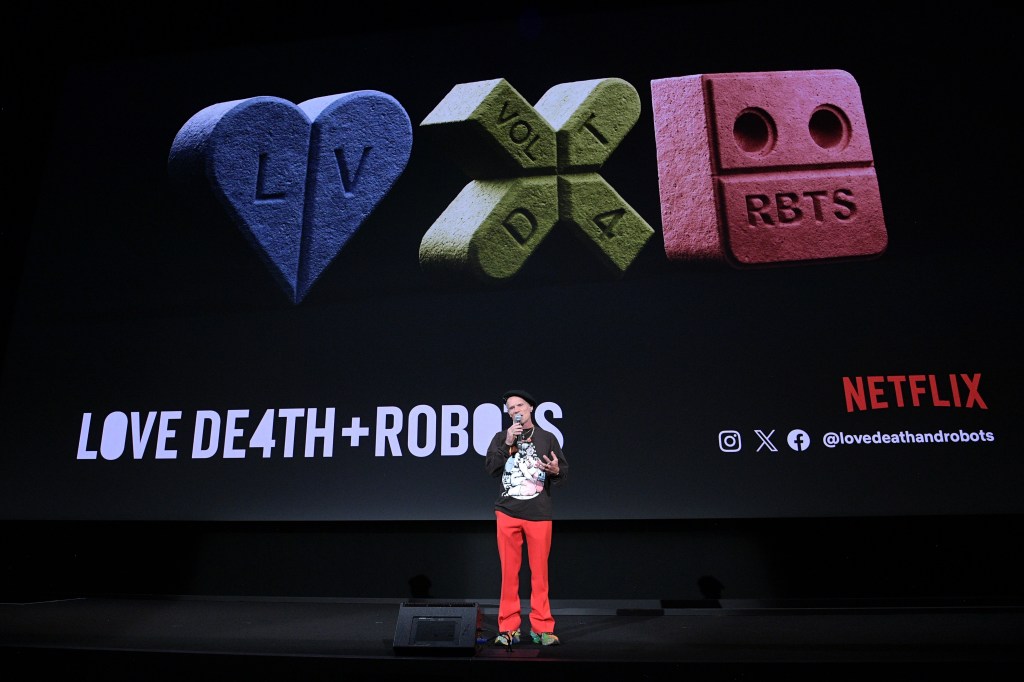
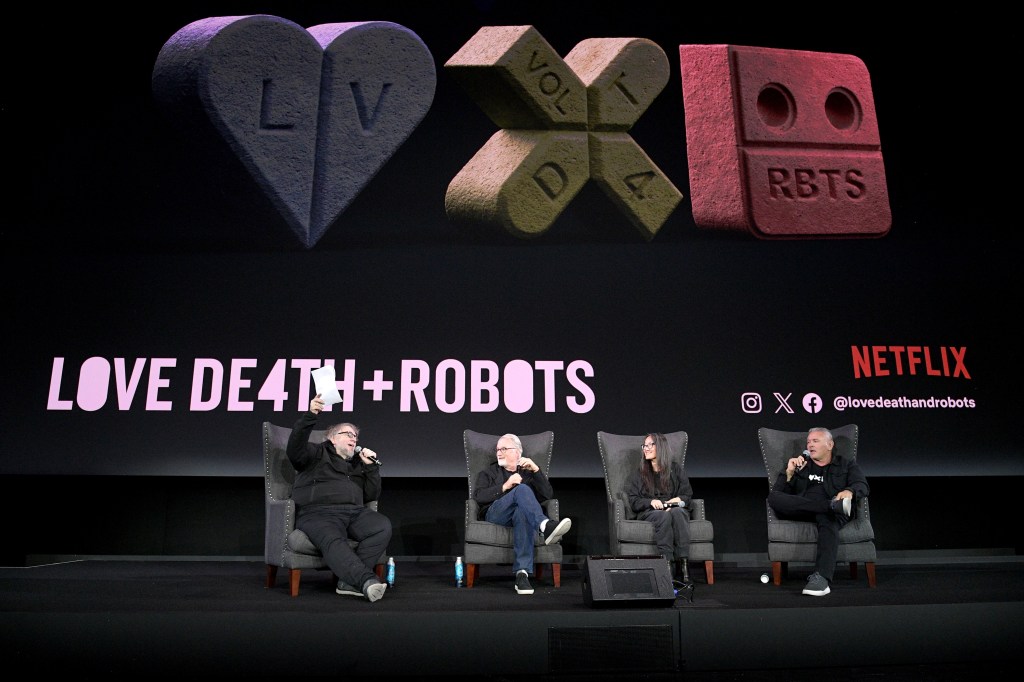
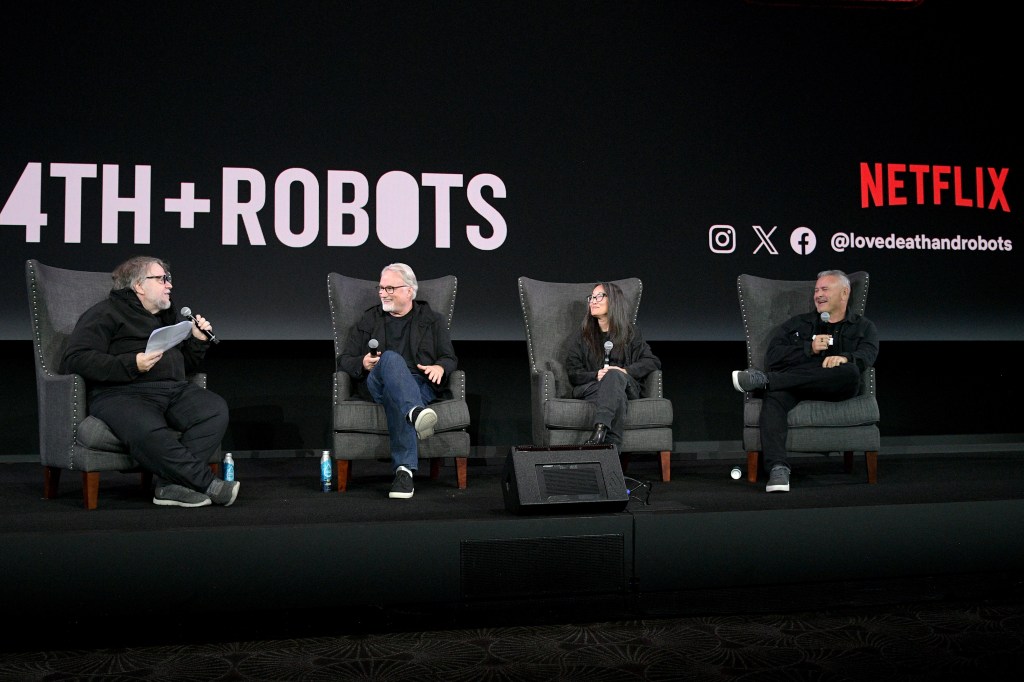
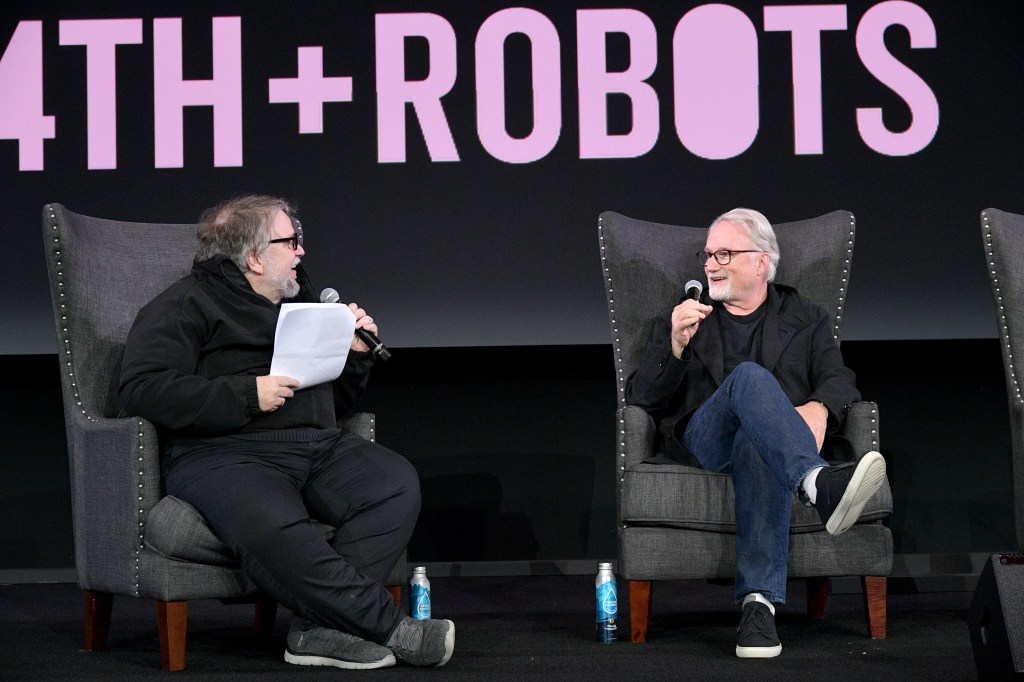
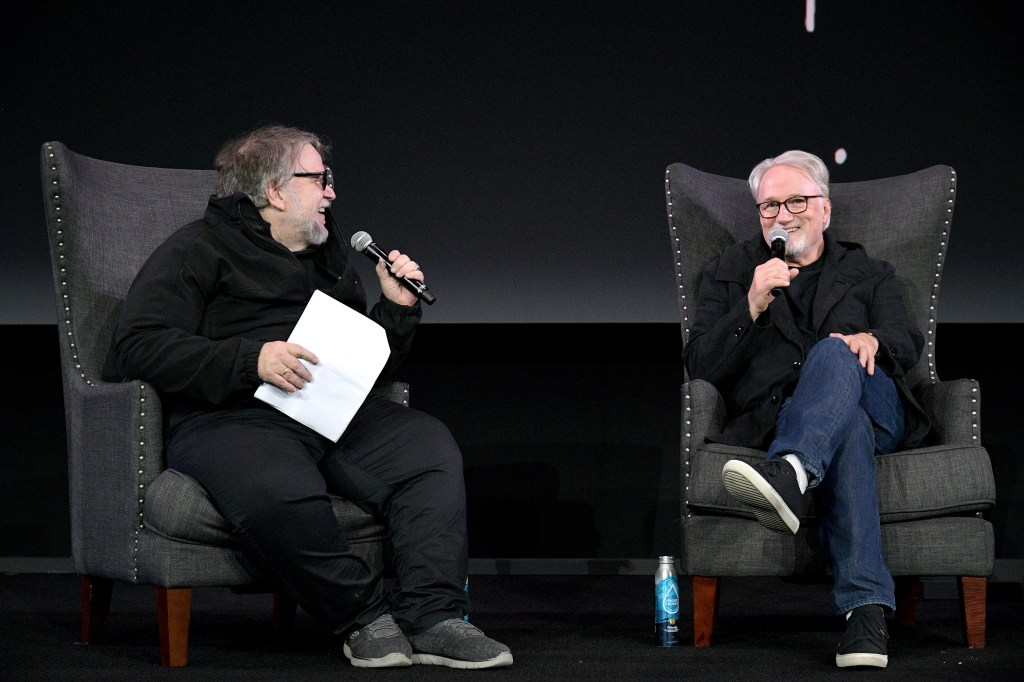
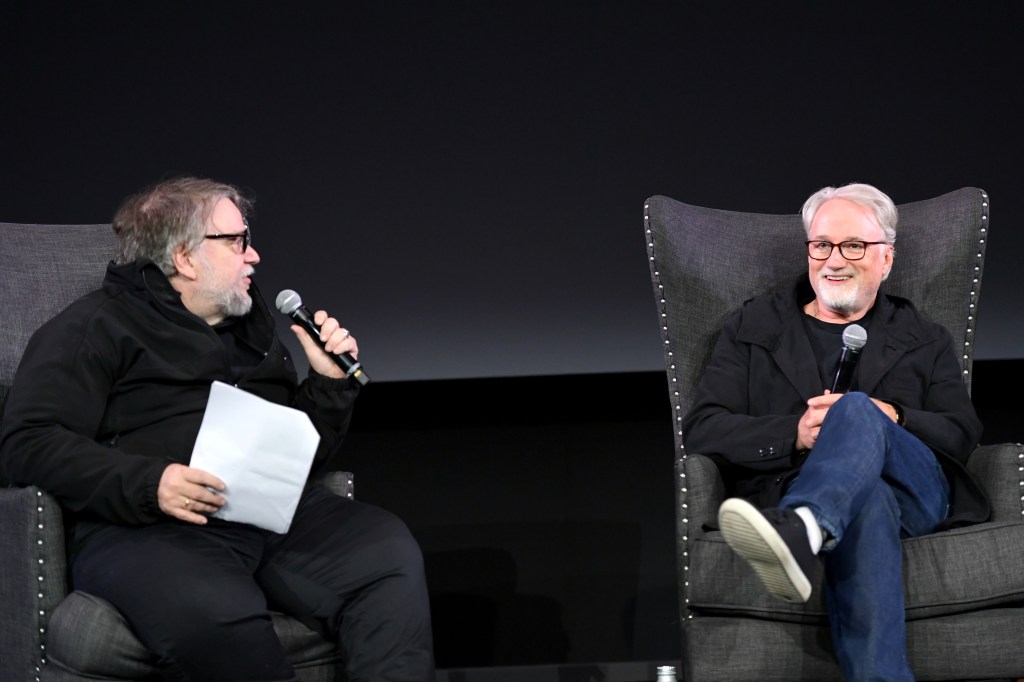
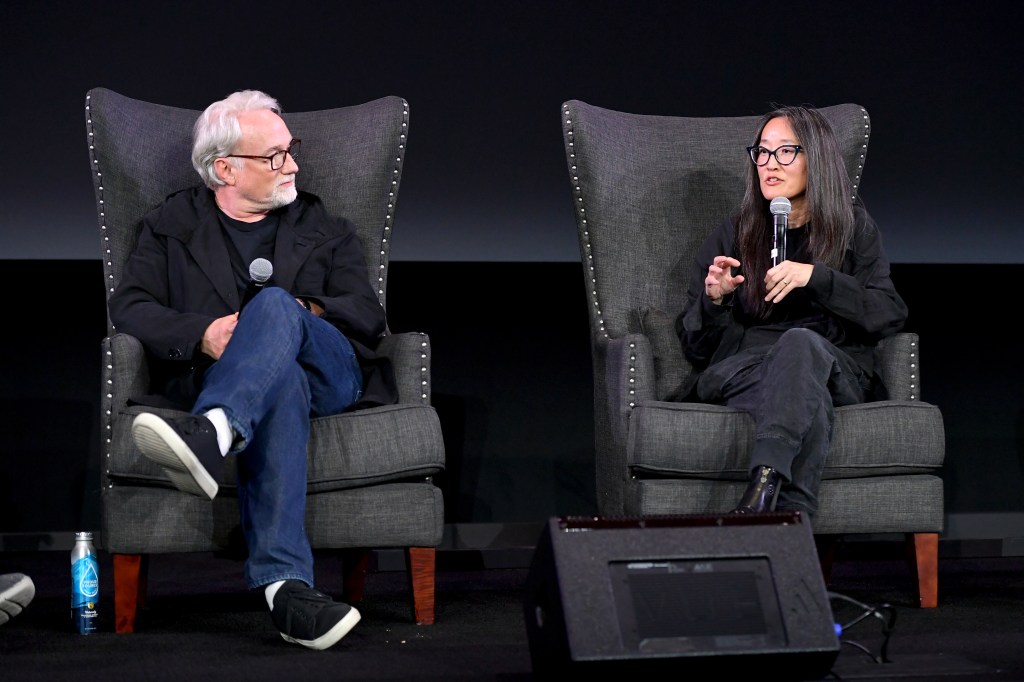
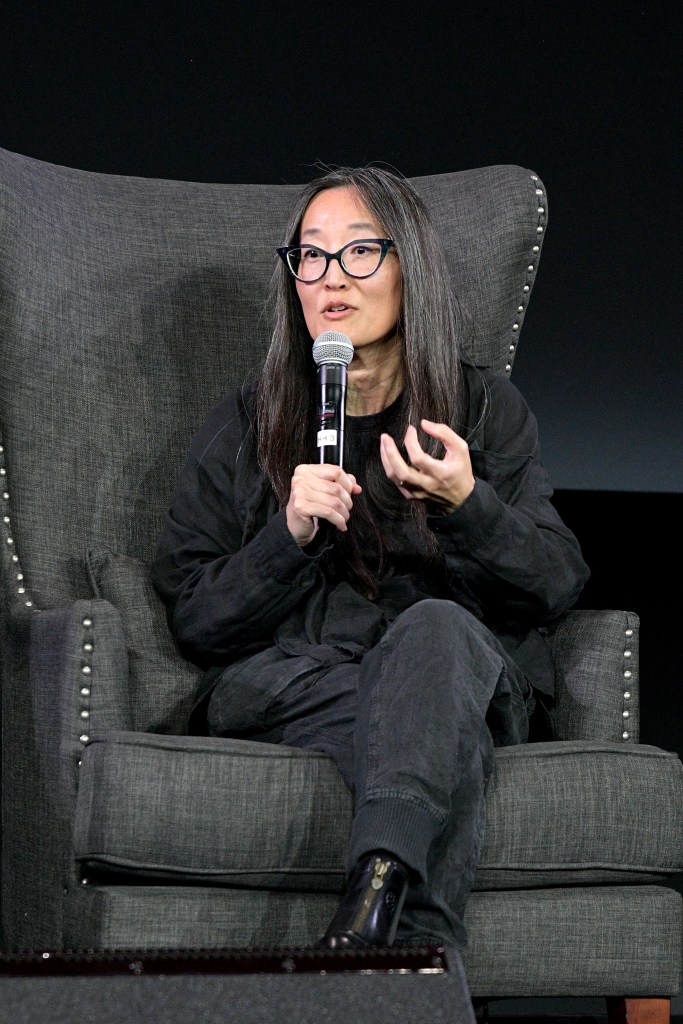
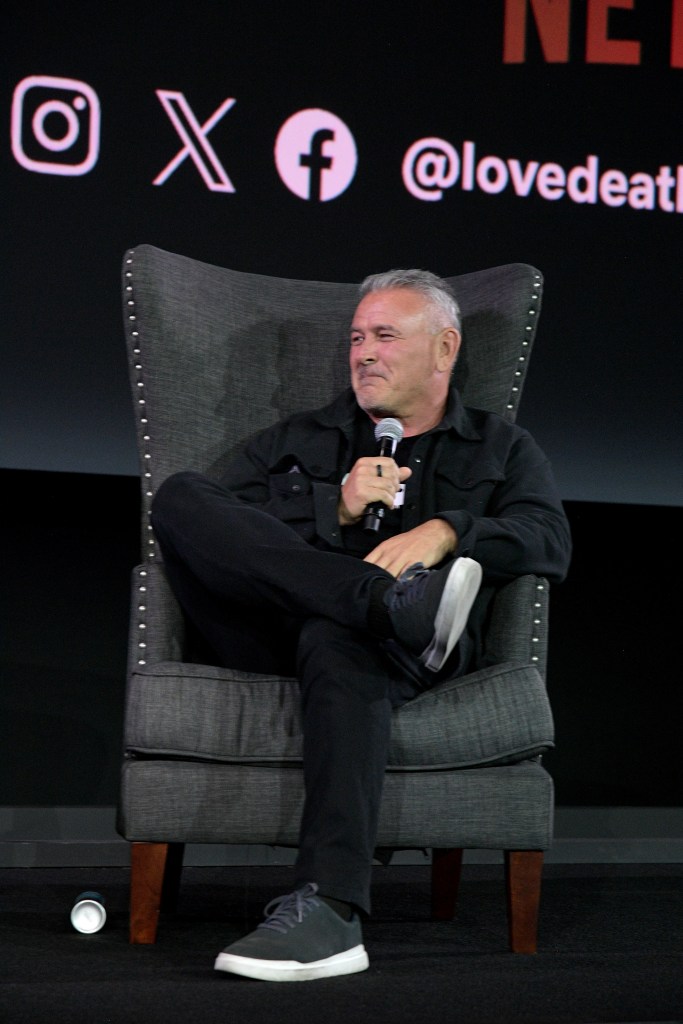
“Creativity happens on the fringe,” said Fincher — the director behind boundary-pushing cinematic classics like Seven, Fight Club, The Social Network, Gone Girl, and Zodiac. Speaking on stage at the LOVE DEATH + ROBOTS season premiere at the Egyptian Theatre in Hollywood, he was joined by fellow executive producer Tim Miller (Deadpool) and supervising producer Jennifer Yuh Nelson (Kung Fu Panda 2 & 3), and the host, director Guillermo del Toro. “It always does, and it always takes somebody — it has to be these weird flyers out there — to inform where the industry is going to go. So we’re just going to be out there.”
“Out there” also aptly describes Fincher’s contribution to the new season as a director. Having launched his career as an in-demand music video director for top artists in the ’80s and ’90s — including Madonna, Michael Jackson, the Rolling Stones, Sting, George Michael, Aerosmith, Nine Inch Nails, and Paula Abdul — Fincher returned to those roots to helm Can’t Stop. The dynamic, fully CGI-animated short features theRed Hot Chili Peppers performing their 2002 hit at an Irish castle—as marionettes on strings.
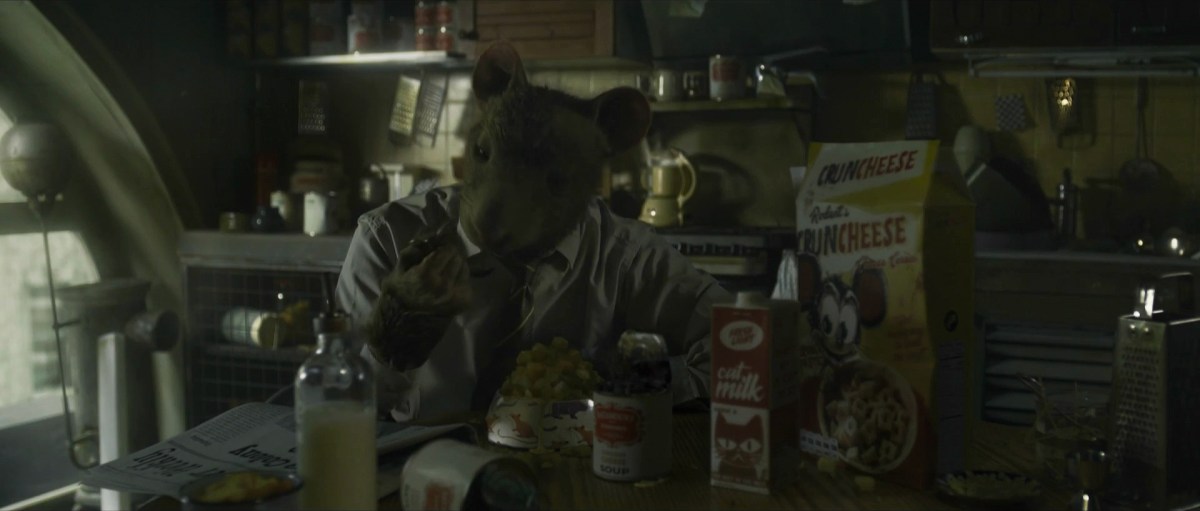
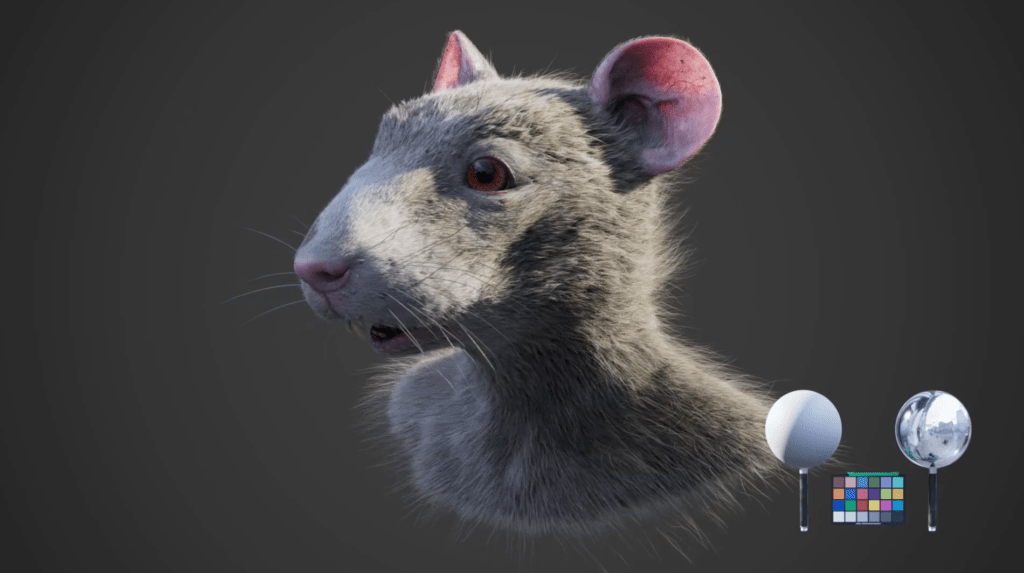
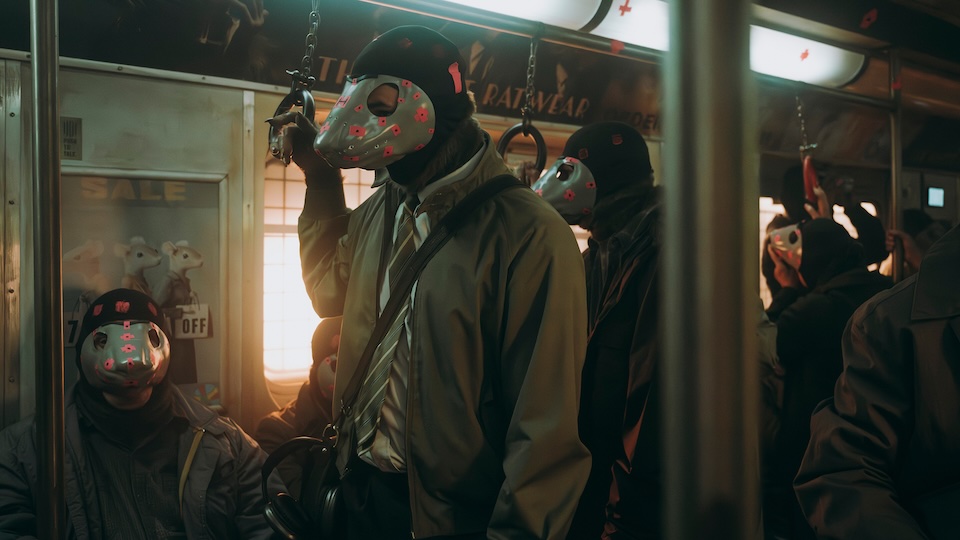
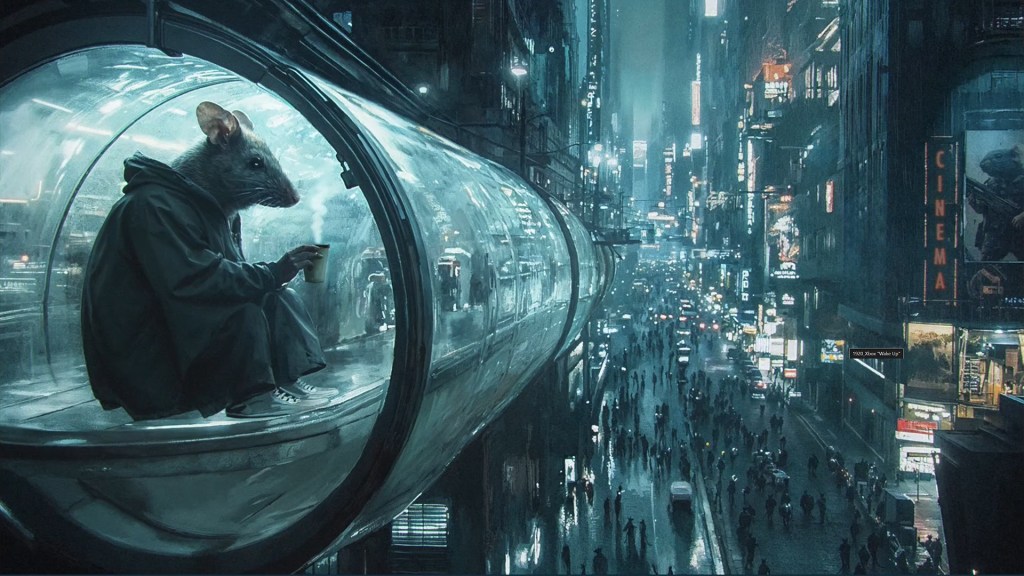
In Xbox’s Wake Up, directed by Romain Chassaing and Co-Directed by David Fincher, a wonderfully off-beat fairy tale unfolds: Horatio, a rat, rekindles his humanity through the joy of gaming. We follow Horatio through a day in the rat race: a packed commute, the drudgery of the office, a rushed lunch at his desk. The mundanity is interrupted by glimpses of mysterious gamers—the only humans we see amongst the rats. After a long day, Horatio powers on his Xbox on his Samsung OLED TV and connects with his friends. A much-needed dose of fun transforms him into the human he always was.
VFX Supervisors Ryan Hadfield, Chris King, Jorge Montiel Meurer, Chris Gill
VFX Artists Adam Gramlick, Ahmed Ugas, Alejandro Marzo, Alex Rumsey, Andrea Umberto Origlia, Andreas Georgiou, David Rencsenyi, Eva Bennet, Joe Baker, Juan Francisco Saravi Migliore, Klaudia Skalska, Lewys Rhodes, Lucas Warren, Mattias Lullini, Miles Tomalin, Monika Lesiecka, Robert Lilley, Ross Gilbert, Sergio García Castro, Taylor Webber, Tom Cowlishaw, Joe Baker
VFX Producer Ross Culligan
VFX Co-Ordinator Lena Almeida
Digital Matte Painter Artists Jordan Haynes, Carlos Nieto, Grant Bonser


 The Fincher Analyst